The FDA affects every U.S. importer. Understanding its role is crucial for smooth international trade. Here’s what you need to know to avoid pitfalls.
The Food and Drug Administration (FDA) regulates products that affect public health, including food, beverages, supplements, cosmetics, medical devices, drugs, and certain consumer goods. For U.S. importers, FDA oversight1 means shipments may require prior notice2, product registration, labeling compliance3, and agency review before Customs clearance is granted.

Navigating FDA requirements can be challenging for importers. However, understanding the regulations can prevent costly delays and fines. Let’s break down the essential aspects of FDA regulations for U.S. importers.
What the FDA Does and Why It Matters for U.S. Importers?
The FDA is responsible for ensuring that products meet public health standards. It oversees various goods and their safety, effectiveness, and labeling. This oversight impacts U.S. importers significantly as they must align their shipments with FDA regulations.
For U.S. importers, FDA oversight1 is critical. Shipments often require prior notice2, registration, and compliance checks before clearance. Failure to comply can lead to delays and additional costs.
Understanding the FDA's role is vital for importers. The agency ensures that products entering the U.S. comply with safety standards. This compliance helps prevent the distribution of unsafe products, protecting consumers and maintaining public health. Importers must ensure their products meet FDA requirements to avoid issues at customs.
Which Products Fall Under FDA Regulation in International Trade?
Many products are regulated by the FDA, including food, beverages, dietary supplements, cosmetics, medical devices, and pharmaceuticals. Importers must identify whether their products fall under FDA regulation to ensure compliance.
Regulated products include food, beverages, dietary supplements, pet food, cosmetics, medical devices, pharmaceuticals, tobacco products, and food contact items. Importers need to determine if their goods are FDA-regulated for proper documentation.
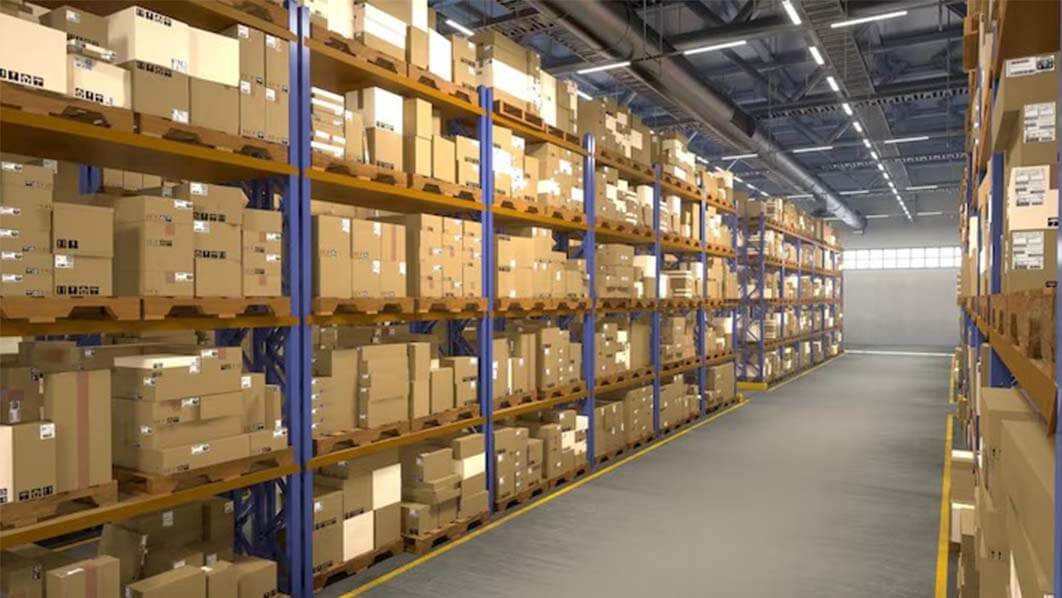
Determining if a product is FDA-regulated is crucial for importers. Each product type has different requirements and documentation. The following table provides a breakdown of common FDA-regulated products:
| Product Type | Examples |
|---|---|
| Food and Beverages | Packaged food, juices, snacks |
| Dietary Supplements | Vitamins, minerals |
| Cosmetics | Makeup, skincare products |
| Medical Devices | Surgical instruments, devices |
| Pharmaceuticals | Prescription and over-the-counter drugs |
| Tobacco Products | Cigarettes, vapes |
Importers must be proactive in understanding these regulations to avoid complications during the import process.
Key FDA Requirements U.S. Importers Must Meet Before Goods Arrive
Before an FDA-regulated product arrives in the U.S., importers must fulfill certain requirements to ensure a smooth customs clearance process.
Prior Notice, facility registration4, product listing5, labeling compliance3, and manufacturer information6 are required before goods arrive. Failure to meet these can result in shipment holds or refusals.

Here’s a closer look at the key FDA requirements:
- Prior Notice Submission: Importers must notify the FDA before goods arrive.
- Facility Registration: Manufacturers must register their facilities with the FDA.
- Product Listing: Products must be properly listed with the FDA.
- Labeling Compliance: Labels must meet FDA guidelines.
- Manufacturer Information: Accurate details about manufacturers must be provided.
By ensuring all requirements are met prior to arrival, importers can avoid delays and fines.
How FDA Review and Holds Impact Customs Clearance and Delivery
Once products arrive, they undergo FDA review7 after the Customs entry filing. This review process can cause delays if the FDA places a hold on shipments.
FDA review7 can lead to holds for documentation checks8. These delays may occur even if Customs has cleared the entry. Importers must factor in FDA review7 times for their transit schedules.

The FDA can hold shipments for various reasons, such as:
- Documentation Checks: Ensuring all paperwork is in order.
- Physical Examination: Inspecting products for compliance.
Importers should plan for potential delays due to FDA review7. This planning can help prevent storage fees and disruptions in delivery schedules.
Common FDA Compliance Mistakes Importers Make and How to Avoid Them
Many importers make common mistakes regarding FDA compliance, leading to costly issues.
Common mistakes include incorrect product classification9, missing Prior Notice, unregistered facilities10, and non-compliant labels11. These errors can result in holds, exams, or refusals. Importers can reduce risks by validating FDA requirements during sourcing.

Here are some prevalent mistakes and strategies for avoidance:
- Incorrect Product Classification: Ensure products are classified correctly to avoid delays.
- Missing Prior Notice: Submit required notices on time to prevent holds.
- Unregistered Facilities: Verify supplier registration with the FDA.
- Non-compliant Labels: Review labels for compliance before shipment.
- Inaccurate Manufacturer Details: Validate all manufacturer information6.
By staying informed and proactive, importers can navigate these challenges effectively.
Partnering with experienced customs brokers12 and freight forwarders13 can streamline the FDA import process.
Customs brokers and freight forwarders13 help coordinate FDA filings, verify documentation, and align shipping schedules. Their expertise helps importers manage holds and ensure compliance efficiently.
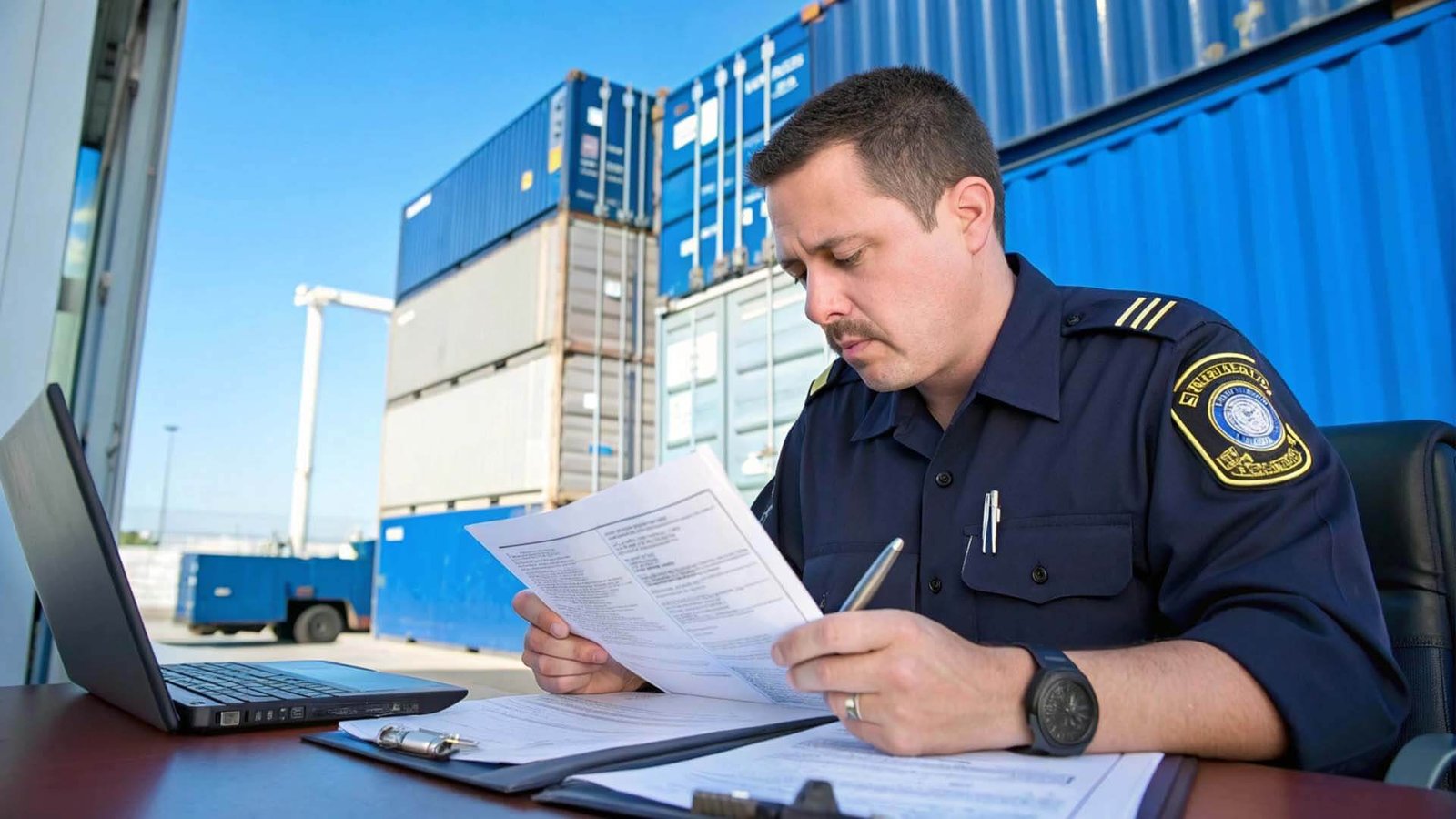
The role of brokers and forwarders includes:
- Coordinating Filings: Ensuring all required documentation is prepared.
- Verifying Documentation: Double-checking that all paperwork meets FDA standards.
- Aligning Shipping Schedules: Synchronizing shipments with regulatory timelines.
Working with professionals who understand FDA requirements can minimize risks and enhance the efficiency of the import process.
Conclusion
Understanding FDA regulations is crucial for U.S. importers to avoid delays and ensure compliance throughout the import process.
Understanding FDA oversight is crucial for importers to ensure compliance and avoid costly delays and fines. ↩
Learning about prior notice helps importers prepare necessary documentation to prevent shipment holds. ↩
Understanding labeling compliance helps importers avoid non-compliance issues that can lead to shipment holds. ↩
Facility registration is a key step for compliance, ensuring that manufacturers are recognized by the FDA. ↩
Proper product listing with the FDA is essential to avoid shipment refusals and ensure smooth customs clearance. ↩
Accurate manufacturer details are crucial for meeting FDA requirements and avoiding shipment delays. ↩
Knowing the FDA review process helps importers plan for potential delays and manage delivery schedules effectively. ↩
Documentation checks ensure all paperwork is in order, preventing shipment holds and ensuring compliance. ↩
Correct product classification is vital to prevent delays and ensure compliance with FDA regulations. ↩
Unregistered facilities can lead to shipment refusals, making registration a critical compliance step. ↩
Compliant labels are essential to avoid shipment holds and ensure smooth customs clearance. ↩
Customs brokers provide expertise in coordinating FDA filings and ensuring all documentation meets standards. ↩
Freight forwarders help align shipping schedules with regulatory timelines, minimizing risks and delays. ↩