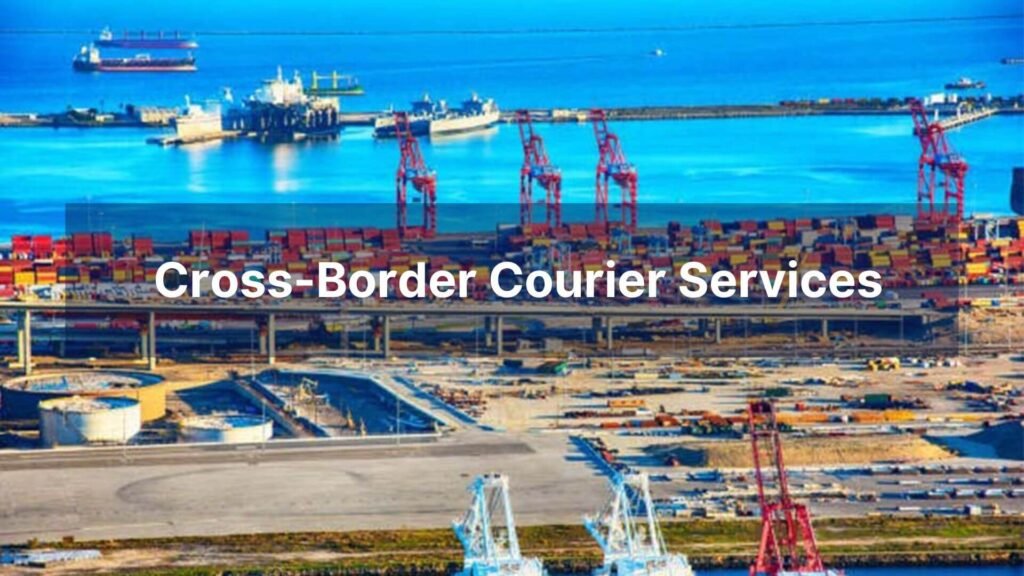
Cross-border courier services provide fast, reliable shipping options for U.S. importers. Understanding how these services work can significantly improve your logistics strategy.
Cross-border courier services handle small, urgent, or high-value shipments using integrated carriers like DHL, FedEx, or UPS. Importers use couriers for samples, spare parts, e-commerce replenishment1, and time-critical goods2 where speed and door-to-door handling3 outweigh the higher per-unit shipping cost.
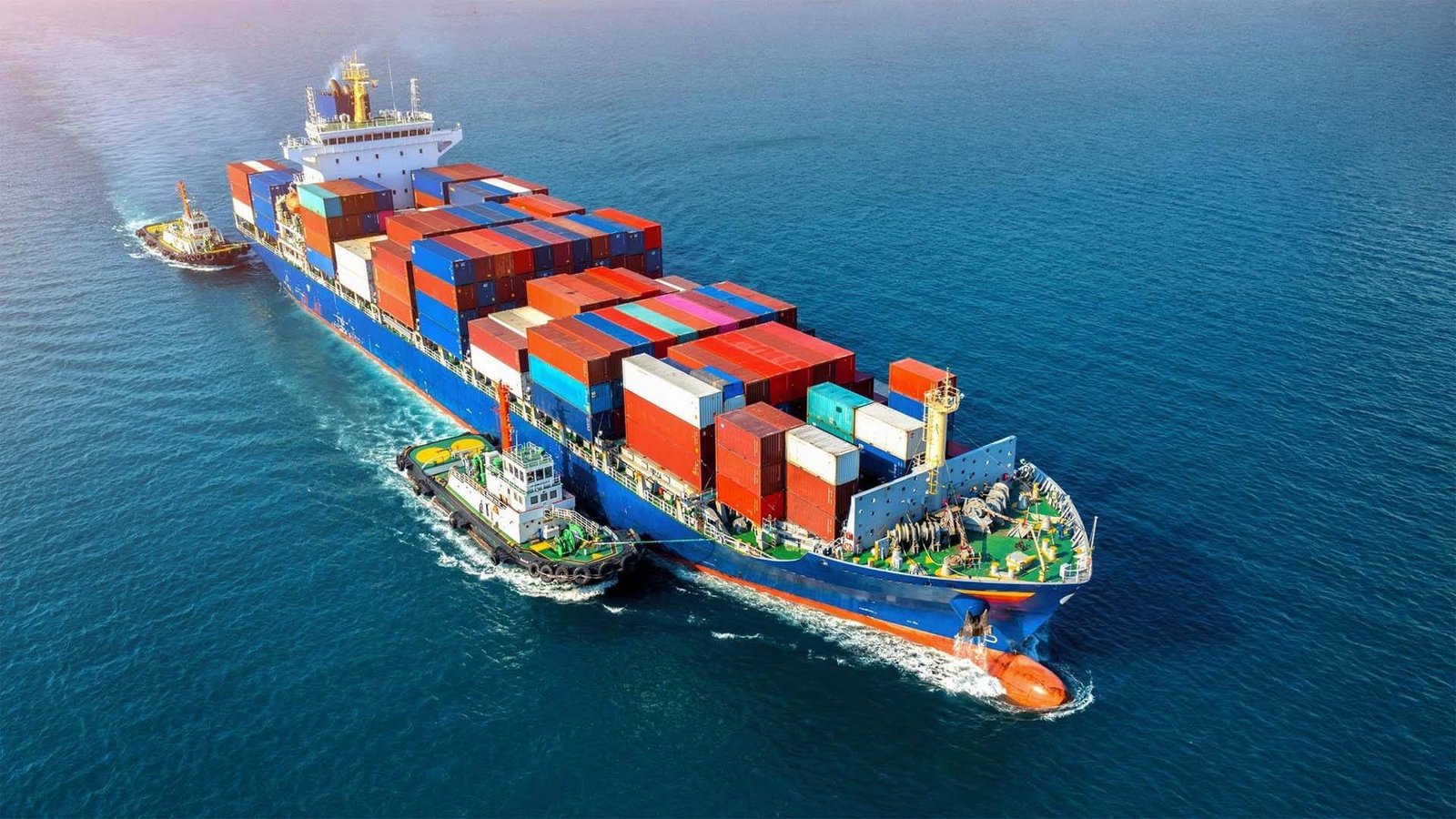
Navigating cross-border courier services4 can be complex, but it opens new avenues for efficient trade. Whether you are an e-commerce brand needing fast replenishments or a manufacturer shipping spare parts, understanding these services allows you to make informed decisions. You can avoid delays and unexpected costs by planning effectively and working with experienced logistics partners.
What Cross-Border Courier Services Are and When Importers Should Use Them?
Cross-border courier services provide a dedicated solution for urgent or small-scale shipments. They are ideal for importers who require quick delivery of samples, spare parts, or high-value items.
When deciding whether to use cross-border courier services4, consider these factors:
- Ideal Shipment Types: Samples, spare parts, e-commerce items, and time-sensitive goods.
- Size/Weight Thresholds5: Typically, courier services accommodate packages up to 150 lbs, with some offering larger limits.
- Urgent vs Bulk Cargo Decision6: Use couriers for urgent needs and smaller shipments. For bulk cargo, consider ocean freight or air cargo for cost efficiency.

How Courier Shipments Differ from Ocean Freight and Air Cargo
Courier shipments move through integrated carrier networks7 with bundled transportation and brokerage, while air and ocean freight rely on separate forwarders, airlines, or carriers. Couriers offer faster door-to-door transit but higher costs, limited shipment size, and less flexibility for complex cargo.
| Factor | Courier | Air Freight | Ocean Freight |
|---|---|---|---|
| Speed | Fastest | Fast | Slowest |
| Shipment Size | Small | Medium | Large |
| Cost per KG | Highest | Medium | Lowest |
| Customs Handling | Carrier brokerage | Broker needed | Broker needed |
| Best For | Urgent, samples | Medium loads | Bulk cargo |
Couriers are best when timing is critical. They simplify logistics by managing the entire process from pickup to delivery. However, for larger shipments, traditional freight methods may be more cost-effective.
Customs Clearance Requirements for Cross-Border Courier Shipments
Courier shipments still require full customs compliance8, including accurate classification, declared value, product data, and regulatory filings when applicable. Carriers act as customs brokers, but importers remain legally responsible for entry accuracy and compliance with agencies like FDA, EPA, or USDA.
To ensure compliance, importers should understand:
- Informal vs Formal Entries: Most courier shipments qualify for informal entries, simplifying the process.
- Data Required: Accurate product descriptions, declared values, and proper HS codes are essential.
- Agency-Regulated Goods: Be aware of specific regulations for goods monitored by agencies.
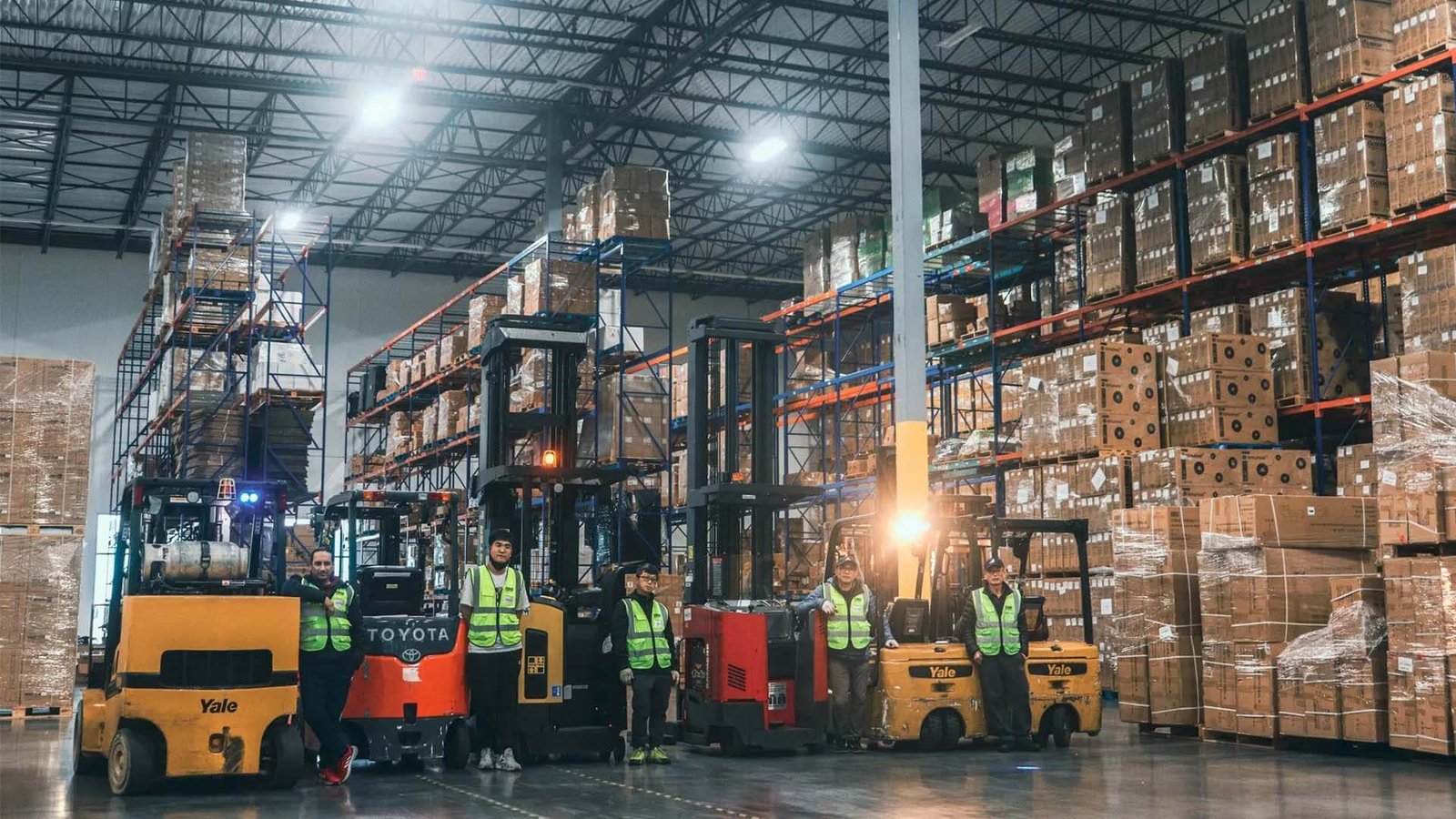
How Duties, Taxes, and Brokerage Fees Apply to Courier Imports
Courier imports are subject to duties, taxes, and potential brokerage or disbursement fees depending on value and product type. Importers may also face advancement fees when carriers pay duties on their behalf, making landed cost higher than expected without proper planning.
Key points include:
- Section 321 De Minimis9: Shipments valued under $800 may qualify for duty-free entry.
- Duty Advancement Fees10: Carriers often advance duties, resulting in extra fees.
- COD Billing: Understanding how cash on delivery (COD) works is vital for managing cash flow.

Common Delays in Courier Shipments and How to Avoid Them
Courier delays typically stem from incomplete documentation, missing regulatory filings, unclear product descriptions, or valuation issues. Pre-shipment compliance checks reduce customs holds and prevent shipments from being stopped despite fast transit capability.
To avoid delays, ensure the following:
- Vague Descriptions: Provide clear, detailed descriptions of goods.
- Missing FDA Prior Notice: Ensure prior notifications for regulated items.
- Incorrect HS Code: Validate HS codes to avoid classification issues.
- Undervalued Goods: Declare accurate values to prevent customs holds.
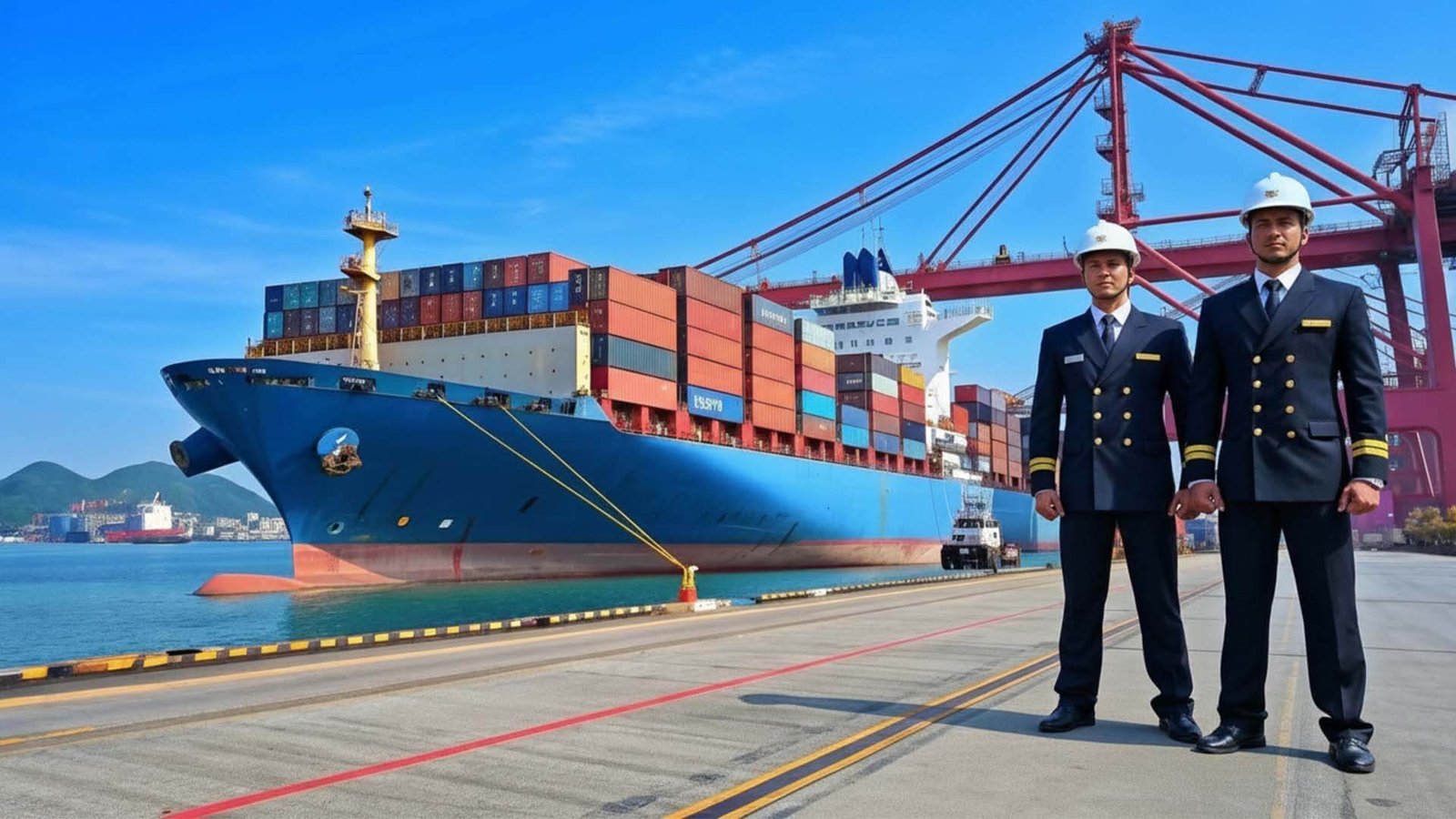
How Integrated Logistics Partners Simplify Courier and Freight Operations
Working with logistics partners that handle both courier and freight shipments creates consistency in compliance, documentation, and routing strategy. This integration helps importers transition between urgent courier shipments and bulk freight without risking customs errors.
Having an integrated logistics partner provides benefits like:
- Pre-checking documents before shipment: This helps catch errors early.
- Advising on courier vs freight strategy: Experts will guide you on the best shipping method.
- Preventing compliance holds: They ensure all regulatory requirements are met.
- Managing agency-regulated goods: Experience in handling regulated items ensures smoother processes.
Conclusion
Understanding cross-border courier services4 empowers U.S. importers to streamline logistics, reduce costs, and ensure compliance.
Discover how courier services can optimize your e-commerce replenishment process for faster inventory turnover. ↩
Understand why courier services are the best choice for shipping goods that require urgent delivery. ↩
Find out how door-to-door handling simplifies the shipping process and ensures seamless delivery. ↩
Explore how cross-border courier services operate to enhance your logistics strategy and ensure timely delivery of urgent shipments. ↩
Learn about the limitations on package size and weight for courier services to plan your shipments effectively. ↩
Get insights on choosing the right shipping method based on urgency and shipment size. ↩
Explore how integrated carrier networks streamline the shipping process for faster and more efficient delivery. ↩
Ensure your shipments meet all customs compliance requirements to avoid delays and penalties. ↩
Learn about duty-free entry for low-value shipments under Section 321 De Minimis to save on import costs. ↩
Understand how duty advancement fees can affect your shipping costs and how to manage them. ↩