The first paragraph, which uses PAS formula to grab the reader's attention (max 30 words). Navigating U.S. customs regulations can be overwhelming. As an importer, you need reliable guidance to comply, avoid penalties, and streamline your shipments with a trusted customs broker.
A U.S. customs broker1 is a licensed professional authorized by CBP2 to prepare and file customs entries, calculate duties, and ensure imports comply with U.S. trade laws. Brokers help importers navigate regulations3, avoid costly delays4, and meet documentation and agency requirements5 for lawful entry.
Customs regulations are complex, and the consequences of mistakes can be severe. As an importer, you might be wondering how a customs broker can make your life easier. Let’s explore the vital role these professionals play in international trade.
What U.S. Customs Brokers Do and Why Importers Need Them?
The first paragraph, which uses the PAS strategy to grab the reader's attention (max 30 words). Understanding customs broker roles is crucial for successful importing. You risk delays and fines without the right expertise to navigate U.S. customs procedures.
U.S. Customs Brokers are licensed professionals who facilitate the import process by ensuring compliance with U.S. trade laws, preparing documents, and managing duty calculation6s. Their expertise is essential for avoiding legal pitfalls.

A customs broker holds a license issued by Customs and Border Protection (CBP). This license allows them to represent importers when dealing with U.S. customs, making them invaluable to your operations. The Importer of Record (IOR) responsibility7 falls on the broker, ensuring that all applicable laws are met.
The role of a customs broker can be categorized into two areas: legal and operational. Legally, they ensure compliance with laws and regulations. Operationally, they help you manage paperwork and logistics effectively.
| Role | Description |
|---|---|
| Legal Responsibility | Ensures compliance with customs laws |
| Operational Role | Facilitates smooth importation process |
Key Services Provided by a U.S. Customs Broker Beyond Entry Filing
The first paragraph, which uses the PAS strategy to grab the reader's attention (max 30 words). Many importers think customs brokers only file entries, but their services are much broader. Knowing the full range of support can save you time and money.
Customs brokers provide more than entry submission, including classification support8, duty calculation6, regulatory agency filings, recordkeeping, post-entry corrections9, and audit assistance. These services help importers manage compliance risks throughout the supply chain.

Here’s a closer look at the key services provided by customs brokers:
| Service | Why It Matters |
|---|---|
| HS Classification | Ensures correct duty & compliance |
| Duty Calculation | Accurate assessment of landed costs |
| PGA Filings (FDA, EPA, USDA)10 | Essential for regulatory clearance |
| ISF Filing11 | Prevents costly penalties |
| Post-Entry Corrections | Avoids audits and penalties |
Understanding these services can enhance your supply chain management. By leveraging their expertise, you can reduce risks associated with compliance.
How Customs Brokers Help Importers Avoid Delays, Penalties, and Exams
The first paragraph, which uses the PAS strategy to grab the reader's attention (max 30 words). Delays and penalties can be costly. Understanding how customs brokers prevent these issues can help you safeguard your shipments and bottom line.
Experienced brokers prevent customs issues by ensuring accurate documentation, proper classification, and regulatory filings before cargo arrives. This reduces exam risk, storage charges, and potential CBP penalties for incorrect or incomplete entries.

Entry accuracy is crucial to seamless customs clearance. Common causes of penalties include incorrect classification, missing documents, or late filings. Customs brokers can significantly mitigate these risks.
By properly preparing your documentation and ensuring compliance, brokers minimize the likelihood of cargo exams, which can cause serious delays. Avoiding these pitfalls is vital for maintaining efficient operations.
When U.S. Importers Are Legally Required to Use a Customs Broker
The first paragraph, which uses the PAS strategy to grab the reader's attention (max 30 words). Many importers wonder if they need a customs broker. Understanding when it’s legally required can help you stay compliant and avoid unnecessary complications.
Importers may self-file entries, but most commercial shipments require professional brokerage due to complex regulations, duty calculation6s, and agency requirements. Formal entries, regulated goods, and high-value shipments typically necessitate broker involvement to ensure compliance.
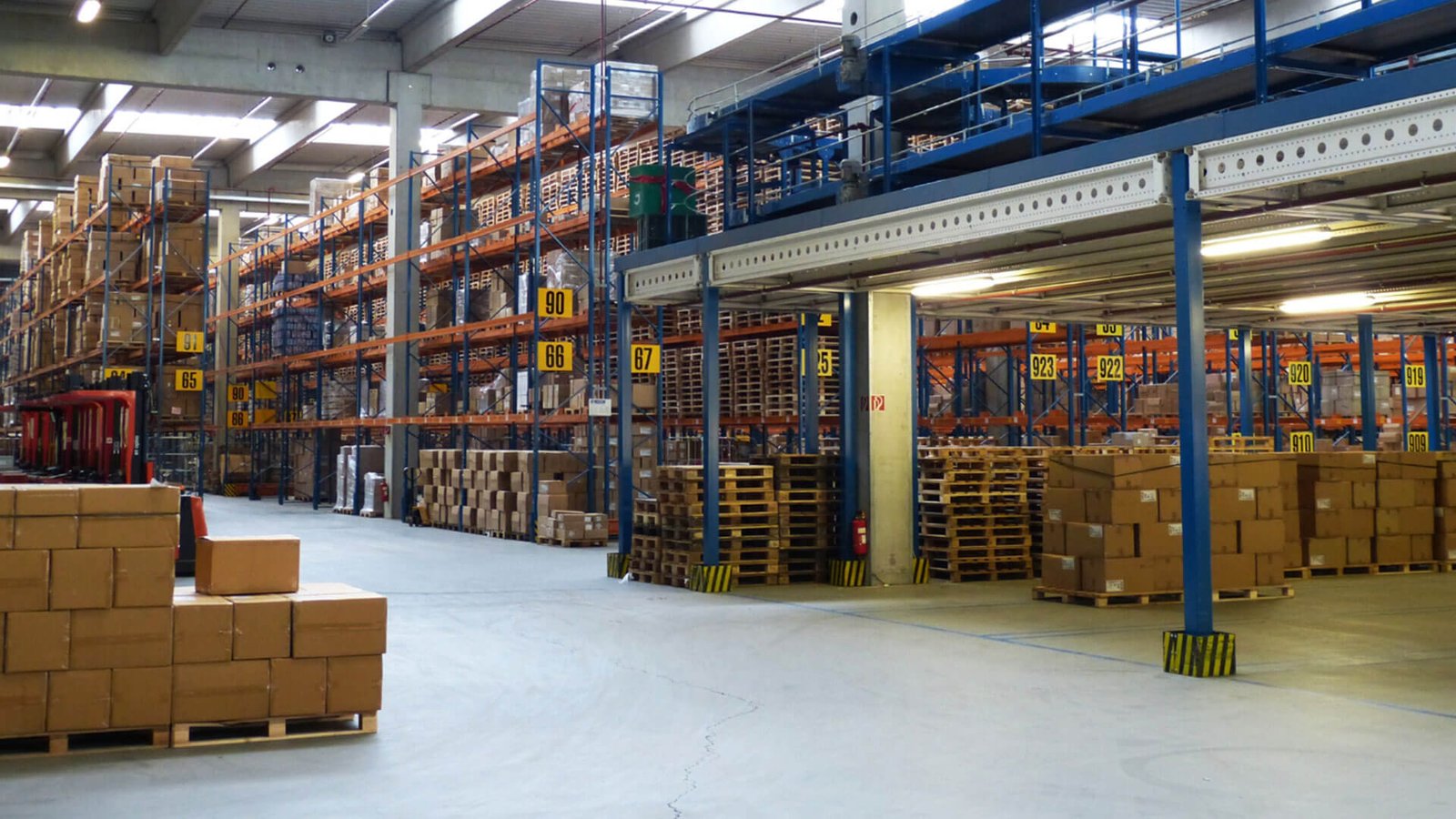
It's important to distinguish between informal and formal entries12. Informal entries12 may allow self-filing, but the risks are high. For formal entries12, particularly for regulated goods or high-value shipments, professional brokerage is essential.
| Entry Type | Requirements |
|---|---|
| Informal | Generally no broker needed |
| Formal | Broker involvement required |
| Regulated Goods | Must have a customs broker |
| High-Value | Broker involvement typically required |
Taking shortcuts with self-filing can lead to costly penalties or delays, making a customs broker a wise investment.
How Brokerage Fees Work and What Affects Clearance Costs
The first paragraph, which uses the PAS strategy to grab the reader's attention (max 30 words). Understanding customs brokerage fees13 can be complicated. Knowing what factors affect these costs can help you budget more effectively for your import operations.
Brokerage fees vary based on shipment type, number of line items, regulatory filings, and entry complexity. Additional costs may include ISF filing, bond fees, duty advances, and exam handling charges.

Here’s a breakdown of common fee factors that affect clearance costs:
| Fee Factor | Description |
|---|---|
| Entry Complexity | More lines mean more work for the broker |
| Regulatory Agencies | FDA/EPA adds required filings |
| Bonds | Continuous vs. single-use bond options |
| Exam Handling | Extra coordination can lead to added fees |
Being aware of these factors allows you to better manage your costs and work with your customs broker to find efficiencies.
How Integrated Customs Brokerage and Freight Services Improve Supply Chain Efficiency
The first paragraph, which uses the PAS strategy to grab the reader's attention (max 30 words). Integrating customs brokerage with freight services can streamline your operations. Understanding how this synergy works can help you achieve significant supply chain efficiencies.
When brokerage and freight services are integrated, importers benefit from coordinated documentation, pre-arrival compliance checks14, and faster issue resolution. This alignment reduces delays between transportation and customs processes.

By combining these services, the workflow is streamlined as follows:
Importer → Customs Broker → CBP Entry Filing → Regulatory Agency Review → Release → Carrier DeliveryThis alignment allows for better communication and faster problem-resolution, ensuring your shipments are handled efficiently. Experienced logistics providers prepare documentation in advance, coordinate timelines, and manage agency interactions to minimize clearance risks.
Conclusion
Choosing the right customs broker can save you time, money, and headaches. Their expertise makes a significant difference in managing your import operations successfully.
Understanding the role of a U.S. customs broker is crucial for importers to ensure compliance and streamline their operations. ↩
Learn about the qualifications and responsibilities of customs brokers authorized by CBP to handle import processes. ↩
Discover how customs brokers assist importers in understanding and complying with complex customs regulations. ↩
Explore strategies used by customs brokers to prevent delays and ensure timely clearance of shipments. ↩
Find out how customs brokers handle essential documentation and agency interactions for smooth import operations. ↩
Understand how accurate duty calculation affects landed costs and compliance in import processes. ↩
Understand the significance of the IOR responsibility and how brokers manage it for compliance. ↩
Discover the importance of classification support in determining correct duties and compliance. ↩
Find out how post-entry corrections are managed to prevent audits and ensure compliance. ↩
Explore the role of PGA filings in regulatory clearance and compliance for imported goods. ↩
Learn about ISF filing and its role in avoiding penalties and ensuring compliance with customs regulations. ↩
Understand the circumstances under which formal entries necessitate professional brokerage for compliance. ↩
Learn about the various factors that influence brokerage fees and how to budget for them effectively. ↩
Discover how pre-arrival compliance checks help in reducing delays and ensuring smooth customs clearance. ↩