International shipping can be complex. It’s crucial to understand the roles of freight forwarder1s and customs broker2s. Knowing the difference can save time and reduce costs.
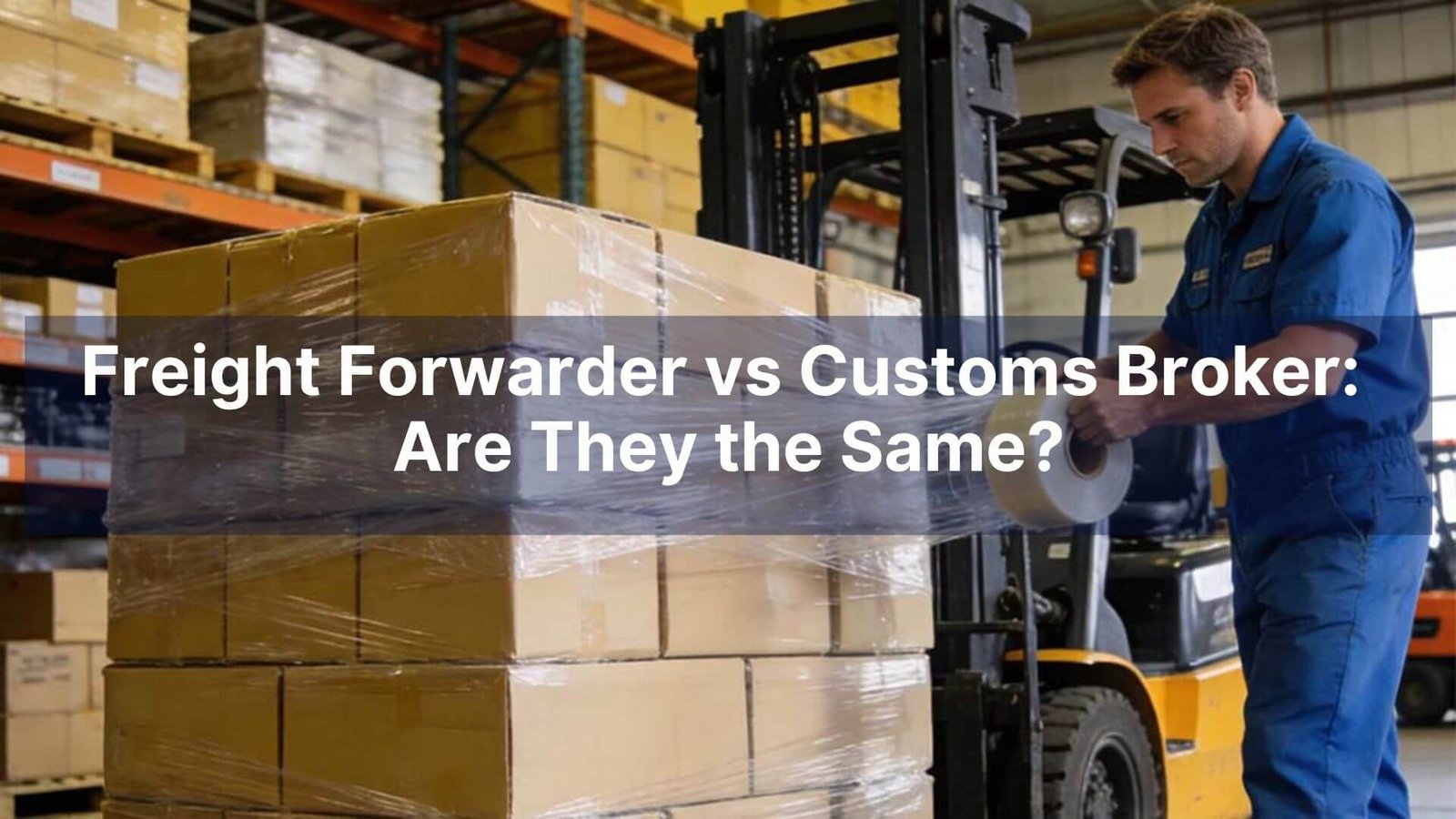
A freight forwarder1 arranges international transportation3, coordinating carriers, booking cargo space, managing export documentation4, and organizing door-to-door delivery. Forwarders focus on the physical movement of goods but do not legally clear shipments through U.S. Customs unless they also hold a broker license.
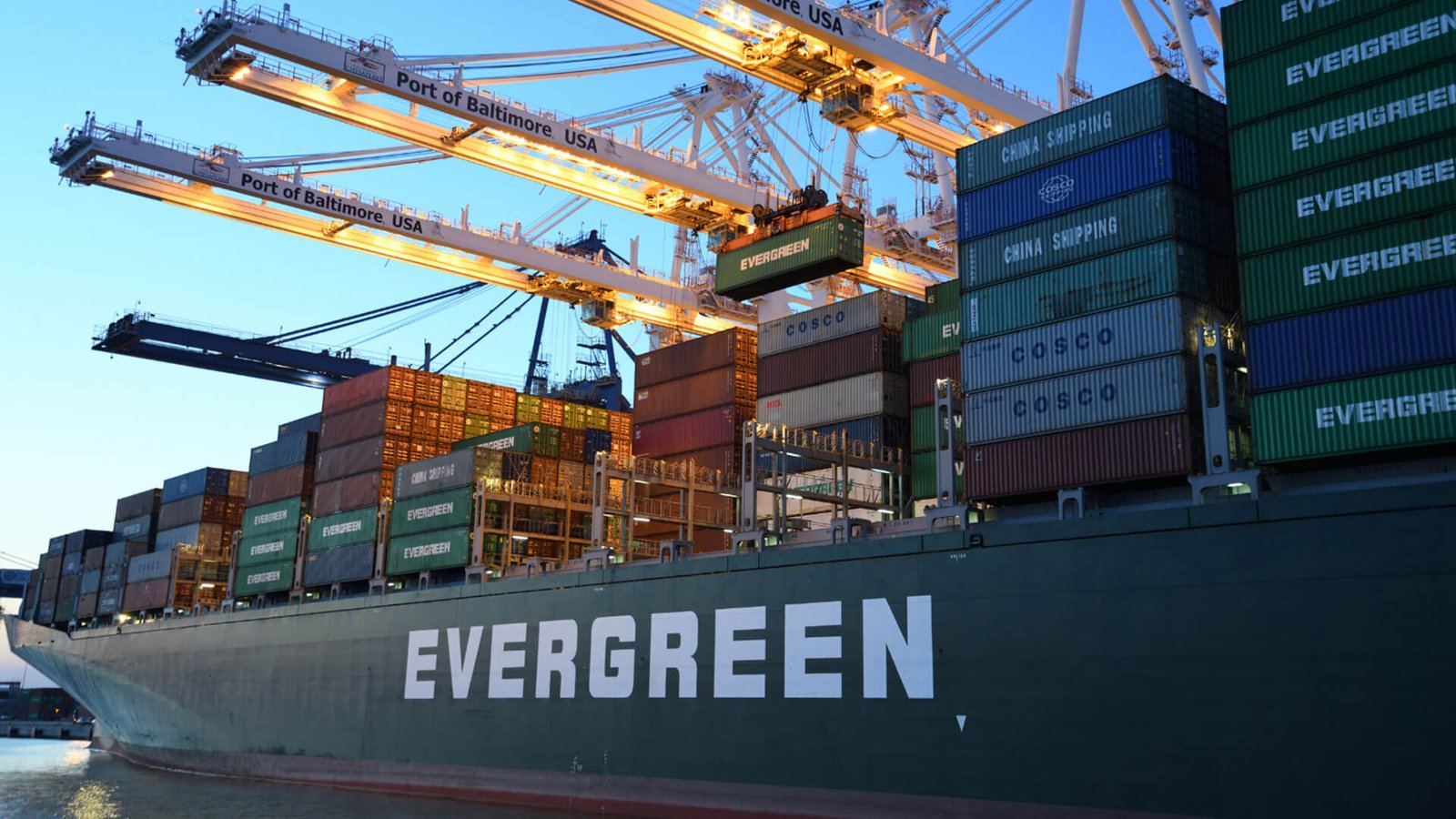
Freight forwarders play a vital role in the logistics chain. They ensure your goods are transported efficiently from point A to B. However, their responsibilities extend beyond just moving cargo. They manage the entire shipping process, ensuring essential documentation is in place and that communication with carriers runs smoothly.
What a Freight Forwarder Does in International Shipping?
A freight forwarder1 manages logistics, arranging transport, handling paperwork, and coordinating with carriers to ensure goods move efficiently. They facilitate shipments but do not clear customs unless they are also licensed brokers.
Freight forwarders assist with both ocean and air bookings. They help you choose the best method of transport based on your budget and timelines. For instance, ocean freight5 might be more cost-effective for bulky goods, while air freight6 is faster but more expensive for urgent shipments.
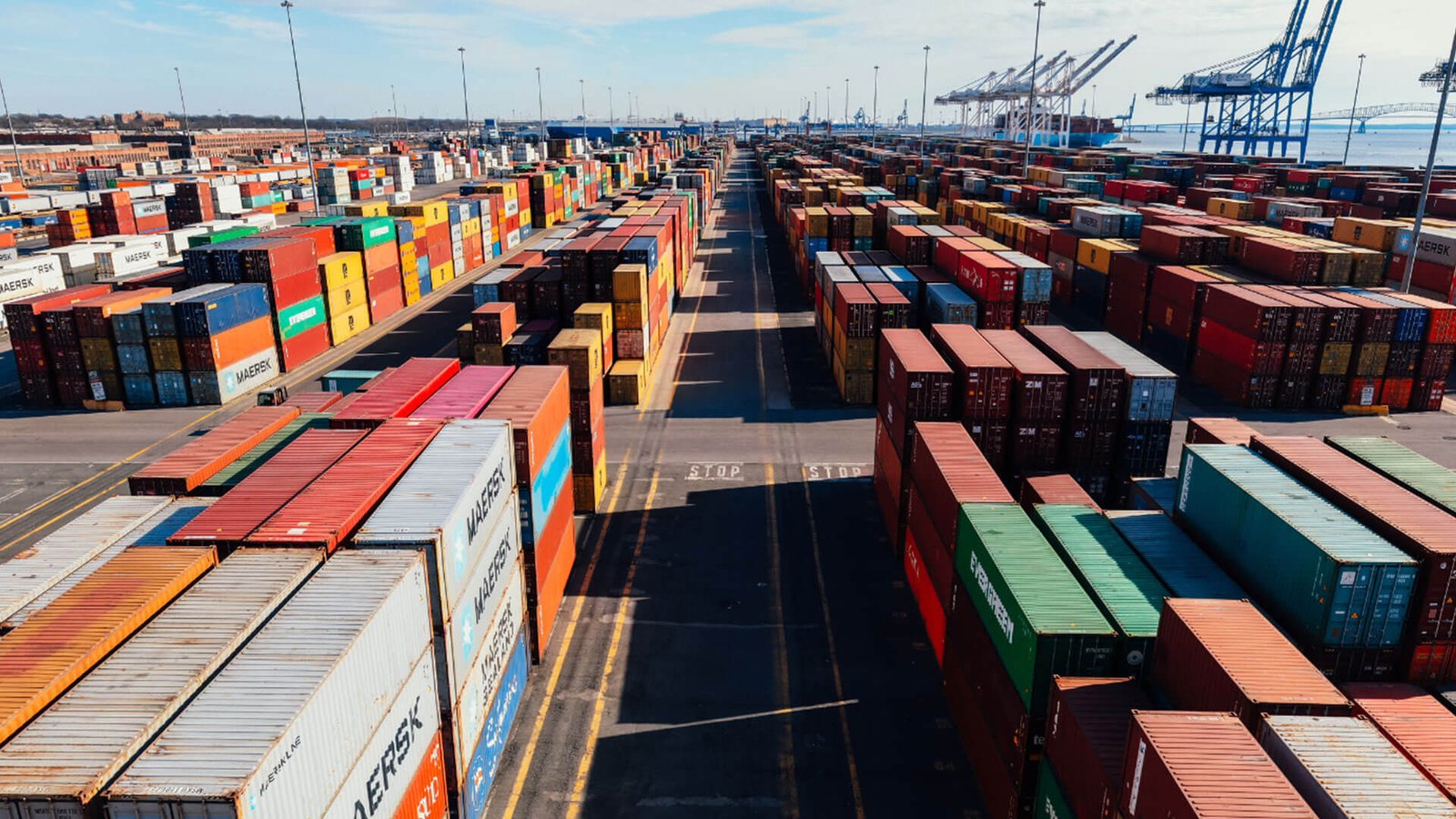
They also handle export documentation4, ensuring that your cargo complies with both domestic and international regulations. By coordinating with carriers, forwarders ensure your shipment is on the right vessel or aircraft, arriving at its destination on time.
| Feature | Ocean Freight | Air Freight |
|---|---|---|
| Cost | Usually lower | Typically higher |
| Speed | Slower due to transit times | Faster delivery |
| Shipment Size | Ideal for large volumes | Best for smaller, urgent items |
| Documentation Complexity | Extensive for customs clearance7 | Reduced complexity |
What a U.S. Customs Broker Does in the Import Clearance Process?
A customs broker2 is a licensed professional authorized to prepare and submit customs entries, calculate duties, and ensure compliance with U.S. import regulations. Brokers handle the legal clearance process but do not transport cargo unless they also operate as forwarders.

Customs brokers are essential to navigating the complexities of U.S. import regulations. When your shipment arrives, they handle the crucial task of entry filing, ensuring all necessary paperwork is submitted to U.S. Customs and Border Protection (CBP). They calculate duties and ensure accurate tariff classification, which is vital for compliance. Regulatory filings are an integral part of their work, as brokers ensure that all shipments adhere to U.S. laws.
| Feature | Customs Broker |
|---|---|
| Customs Entry Filing | Yes |
| Duty Calculation | Yes |
| Regulatory Agency Filings | Comprehensive |
| Cargo Movement | No |
Key Differences Between Freight Forwarders and Customs Brokers
Freight forwarders manage transportation, while customs broker2s manage legal clearance. Forwarders move goods; brokers release goods through customs. Importers often need both roles to ensure cargo physically arrives and is legally permitted to enter the U.S.
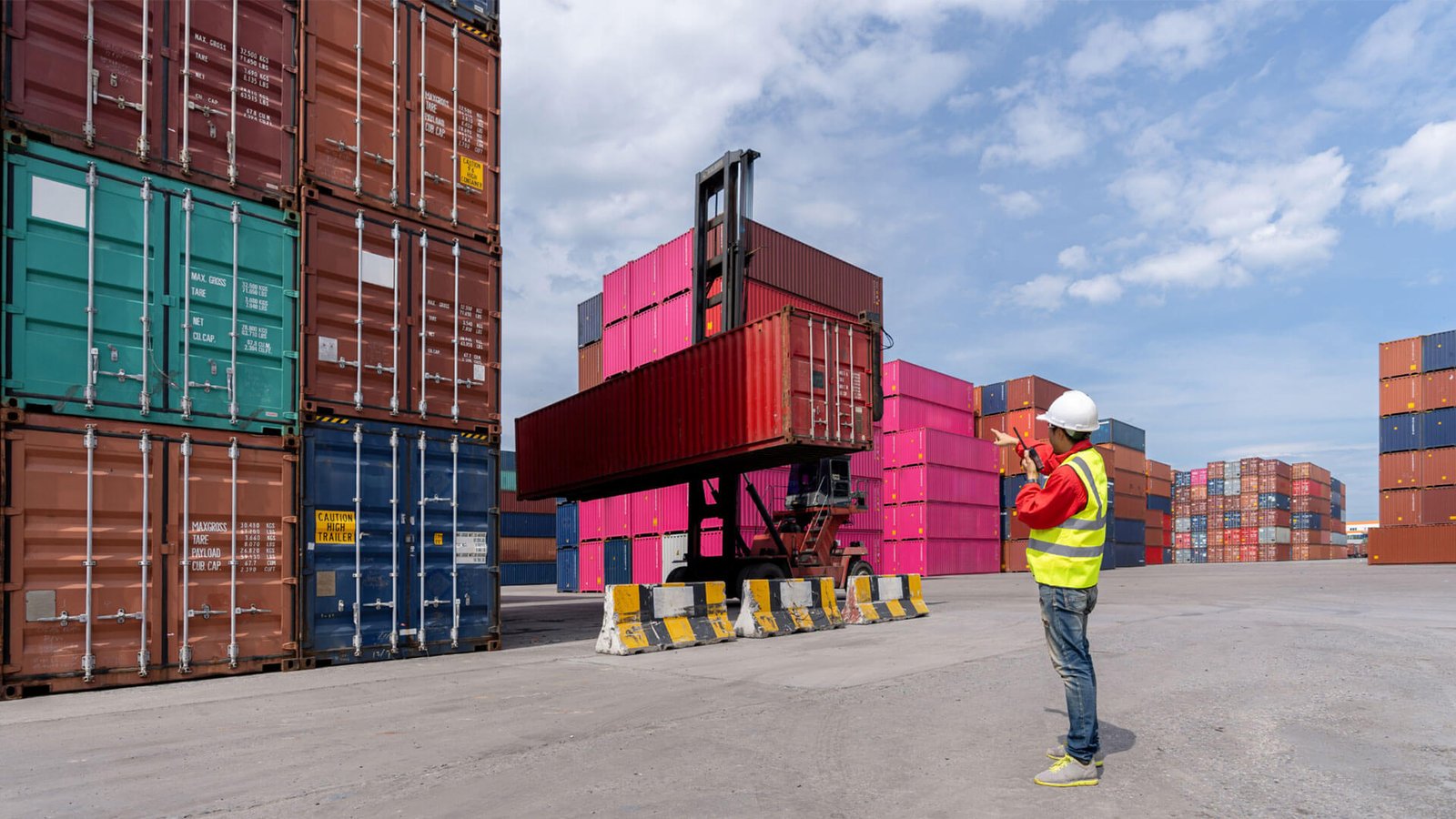
Understanding these differences can help you optimize your shipping strategy. A forwarder is your partner for logistics and transportation, while a broker ensures that you meet all legal obligations. This distinction is essential when planning your imports, as relying solely on one can lead to complications such as delays or additional costs.
| Function | Freight Forwarder | Customs Broker |
|---|---|---|
| Transportation Booking | Yes | No |
| Customs Entry Filing | No (unless licensed) | Yes |
| Duty Calculation | No | Yes |
| Regulatory Agency Filings | Limited | Yes |
| Cargo Movement | Yes | No |
When Importers Need Both a Forwarder and a Broker
Most international shipments require both transportation coordination8 and customs clearance7. Using separate providers can work, but coordination gaps may increase delays or documentation errors.
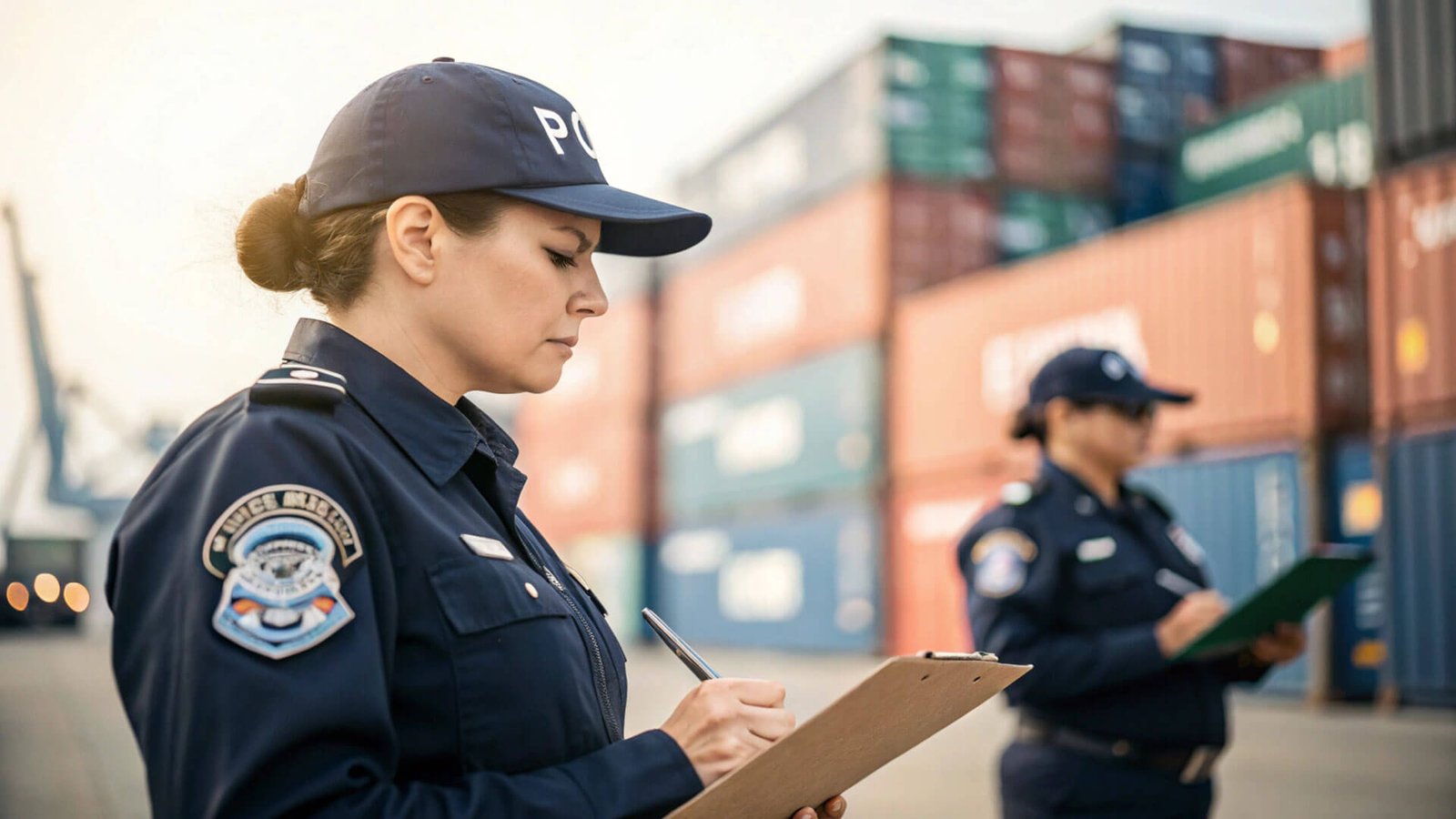
When you're importing goods, you typically need to ensure both the physical transport of your goods and the completion of customs clearance7. For example, if you're shipping furniture from China, your freight forwarder1 will handle the ocean transport, while your customs broker2 will ensure the shipments comply with U.S. regulations upon arrival.
In certain cases, like air freight6 or courier services, the need for both roles might differ. Understanding when to engage both services is essential to avoid disruptions.
Risks of Using Only One Service Instead of an Integrated Partner
When transportation and customs clearance7 are handled separately, miscommunication can lead to missing documents, entry delays, or demurrage charges9. Integrated providers reduce handoff errors and improve timing between shipment arrival and clearance.
The risks of using only one service are significant. Delays in customs can lead to increased costs in demurrage and storage fees. When logistics and customs processes are disjointed, there's a higher chance that crucial documents may be overlooked. An integrated approach eliminates these issues by ensuring smooth communication and coordination, ultimately leading to more efficient shipments.
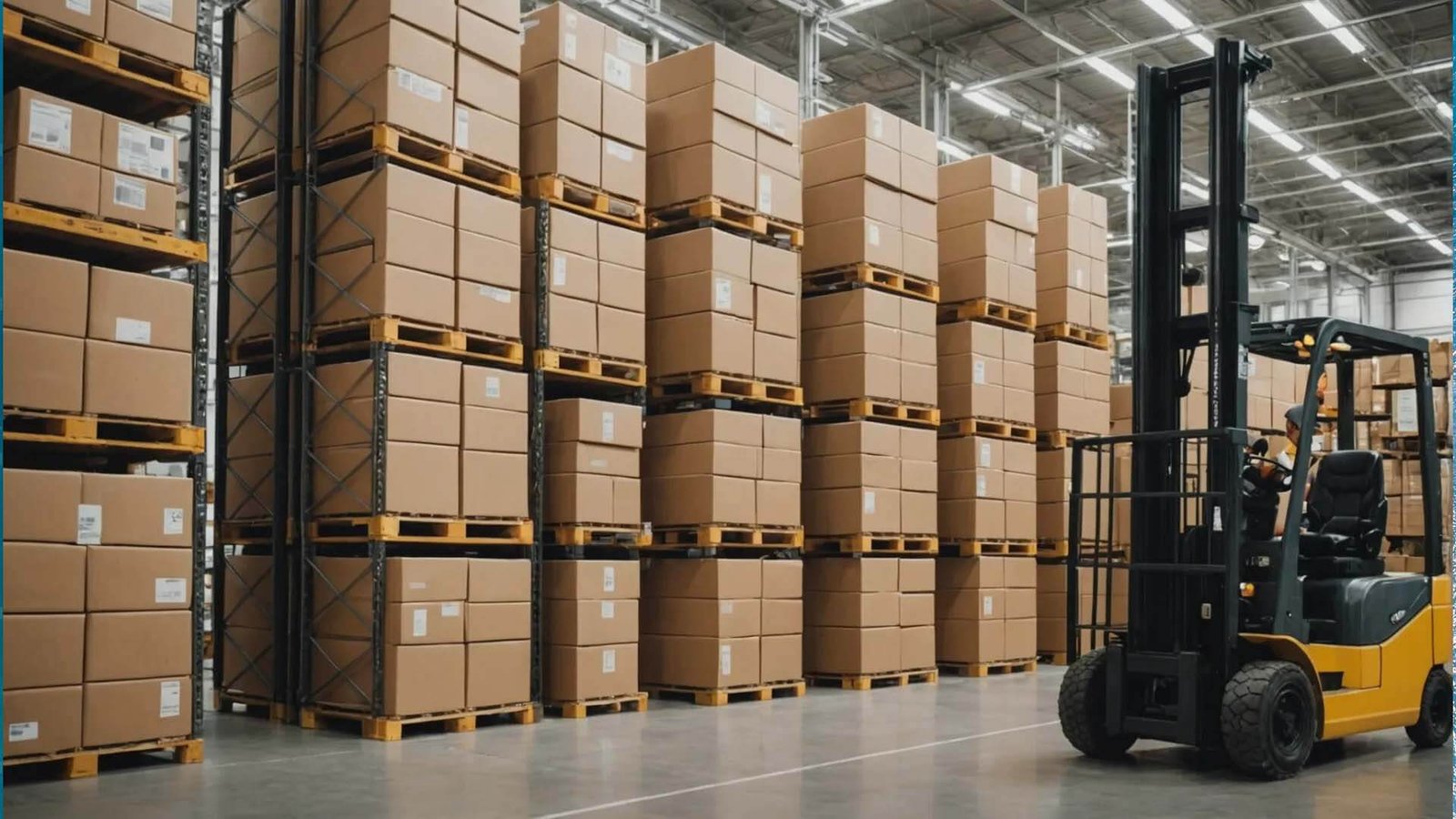
How Combined Freight and Brokerage Services Simplify the Import Process
Integrated freight forwarding and customs broker2age services align transportation schedules, documentation preparation, and compliance review before cargo arrives, minimizing delays and improving supply chain reliability10.
Using combined services provides a seamless experience. This integration allows providers to prepare documentation ahead of time, aligning transport and customs timelines for smoother operations. This proactive approach reduces clearance errors and prevents delays that can occur during customs examinations.
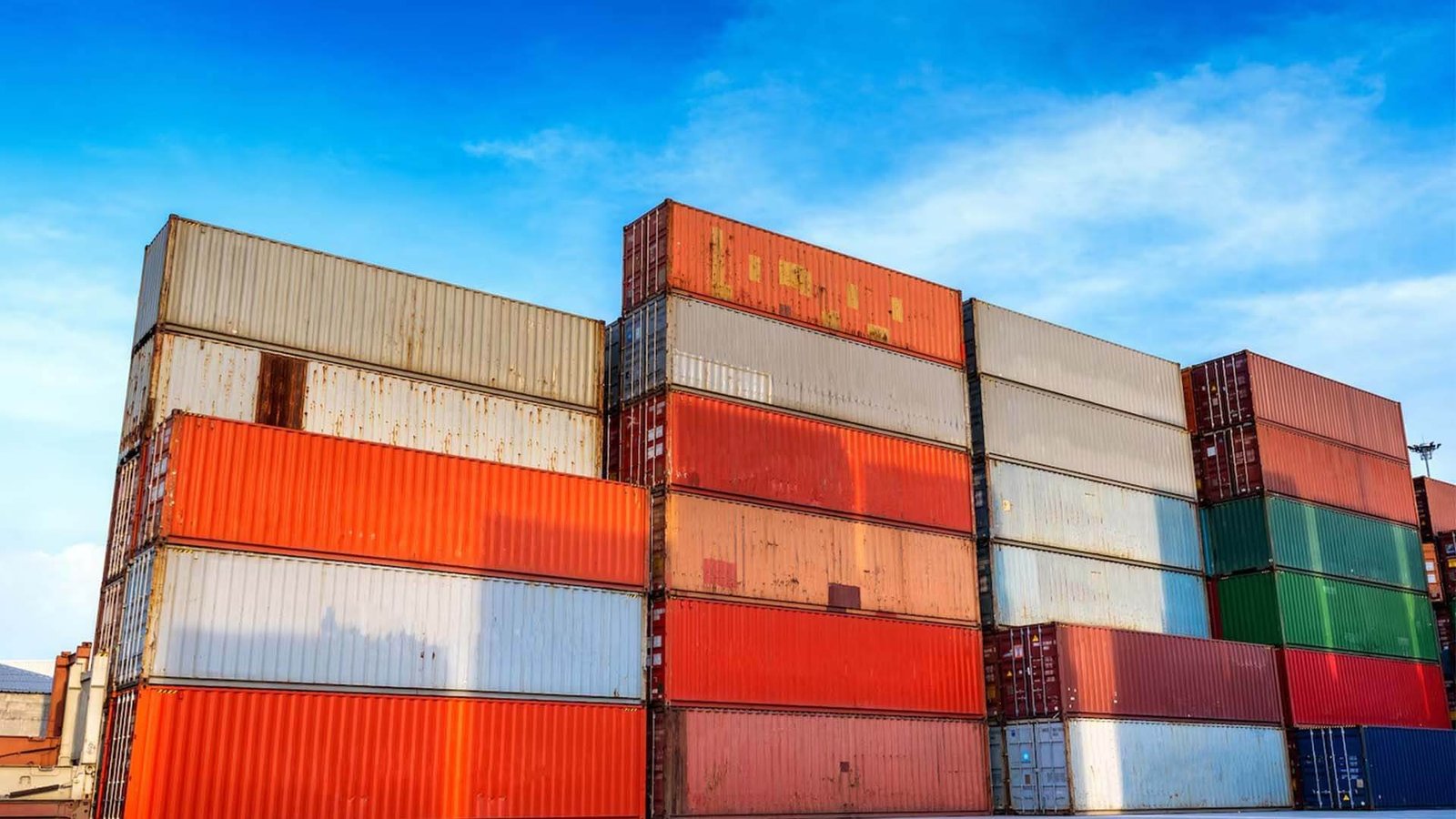
Supplier → Freight Forwarder → Carrier Transport → Customs Broker → CBP Clearance → Final Delivery
Conclusion
Understanding the differences between freight forwarder1s and customs broker2s is essential for effective import management11. Coordinating both services can streamline your operations and minimize risks.
Understanding the role of a freight forwarder can help you manage logistics efficiently, ensuring your goods are transported smoothly from origin to destination. ↩
Learning about customs brokers is crucial for navigating import regulations and ensuring compliance with legal requirements for your shipments. ↩
Exploring international transportation can help you understand how freight forwarders coordinate global shipping logistics. ↩
Understanding export documentation is vital for compliance with international regulations and ensuring smooth shipment processes. ↩
Discovering the benefits of ocean freight can help you choose cost-effective shipping methods for large volumes of goods. ↩
Knowing when to use air freight can help you make informed decisions for urgent shipments that require faster delivery. ↩
Understanding customs clearance is crucial for ensuring your goods are legally permitted to enter the destination country. ↩
Exploring transportation coordination can help you understand how to manage logistics effectively and avoid delays. ↩
Understanding demurrage charges can help you avoid unexpected costs and manage your shipping budget effectively. ↩
Learning about supply chain reliability can help you ensure timely delivery and reduce disruptions in your shipping operations. ↩
Exploring import management strategies can help you optimize your shipping processes and minimize risks. ↩