Surgical gloves are vital for healthcare. However, importing them from China requires understanding complex regulations and compliance standards. If you are not aware, it could result in delays and increased costs.
Importing surgical gloves1 from China involves navigating FDA2 and Customs regulations3. Proper classification, registration, and compliance are essential for a successful import process.

Importing surgical gloves1 from China is not as simple as finding a supplier. The intricacies of FDA2 rules, Customs regulations3, and logistical considerations require careful planning and execution. In this guide, I will take you through the entire process, ensuring you have the necessary knowledge to import surgical gloves1 smoothly.
What FDA2, CBP, and Medical Device Regulations Apply When Importing Surgical Gloves from China?
Surgical gloves are regulated as medical devices and must comply with FDA2 requirements in addition to U.S. Customs regulations3. Importers must ensure proper device classification4, manufacturer registration5, product listing, labeling compliance, and admissibility review6, while CBP manages entry filing, duty assessment, and enforcement coordination with the FDA2.
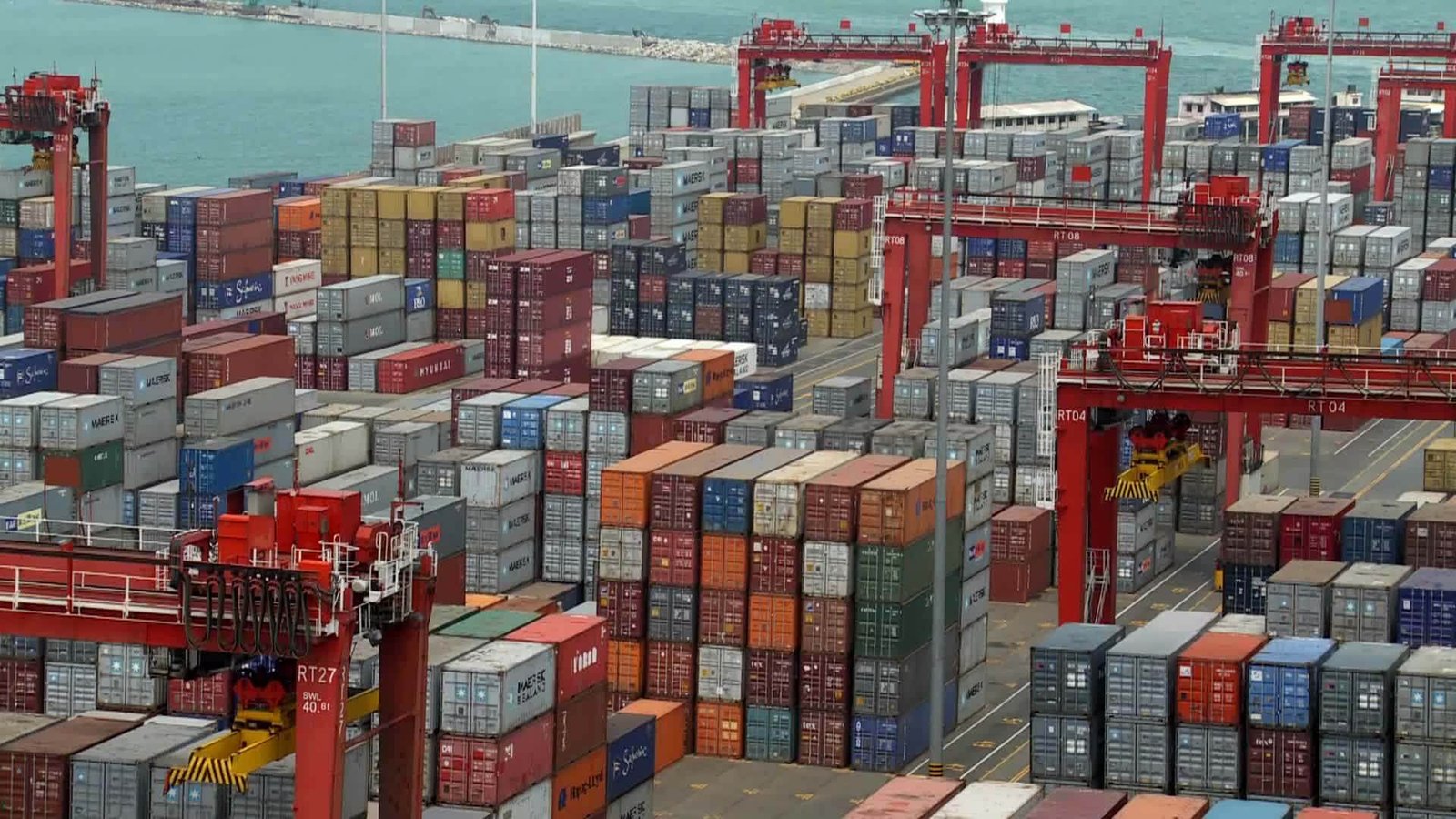
Surgical gloves fall under the category of regulated medical devices. This means they must meet stringent FDA2 regulations. The FDA2's role covers product safety and efficacy, while CBP handles the import process, ensuring compliance with customs laws.
Device classification overview: Surgical gloves need to be classified correctly under the FDA2’s medical devices classification system. They typically fall under Class I, which requires compliance with general controls.
FDA2 admissibility screening: Before shipment, it is essential to confirm that gloves meet FDA2 standards. If they do not, the FDA2 may detain or refuse the shipment.
When FDA2 may detain or refuse shipments: Common reasons include incorrect labeling, lack of proper registration, or failure to meet established performance standards.
Why compliance must be confirmed before shipping: Ensuring compliance before shipping can save time and money. It reduces risks associated with delays, fines, or shipment refusals.
Which Certifications, Registrations, and Product Standards Must Surgical Gloves Meet for U.S. Entry?
Surgical gloves must meet regulatory and technical requirements including FDA2 establishment registration, device listing, quality system compliance7, and recognized performance standards. Products may also require sterilization validation8, biocompatibility testing9, and compliant labeling to demonstrate safety and performance during regulatory review.

To ensure compliance for U.S. entry, surgical gloves1 must meet certain standards, as outlined in the table below:
| Requirement | Applies To | Purpose |
|---|---|---|
| FDA2 establishment registration | Manufacturer | Legal market access |
| Device listing | Product | FDA2 identification |
| Quality system compliance | Factory | Manufacturing controls |
| Sterility assurance | Surgical gloves | Patient safety |
| Performance standards | Product | Barrier integrity |
| Labeling requirements | Packaging | Regulatory identification |
| Country of origin marking | All imports | Customs compliance |
Manufacturer vs U.S. Importer responsibilities: The manufacturer is responsible for ensuring that the gloves meet FDA2 requirements, while the U.S. importer must ensure that all documentation is in order for entry.
What Import Documents and Declarations Are Required for Customs and FDA2 Clearance of Surgical Gloves?
Importing surgical gloves1 requires coordinated documentation for both CBP and FDA2 review. Shipments typically include commercial invoice10s, packing lists, bills of lading, customs entry filing11s, and FDA2 device data elements. Incomplete or inconsistent documentation is a major cause of clearance delays and regulatory holds.
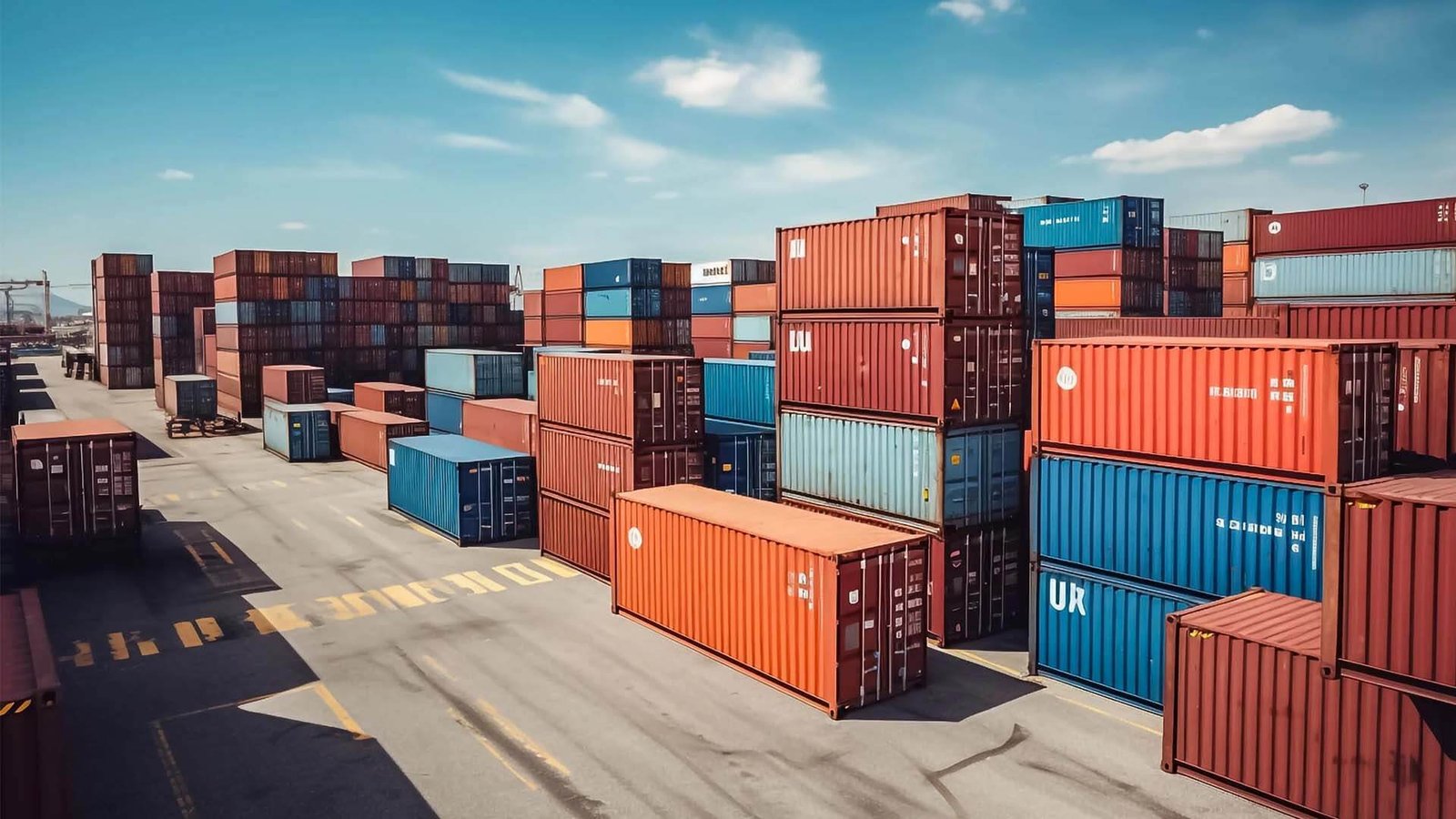
Here’s a checklist of required documentation:
| Document | Agency | Purpose |
|---|---|---|
| Commercial Invoice | CBP | Valuation & classification |
| Packing List | CBP | Cargo verification |
| Bill of Lading | CBP | Shipment control |
| Customs Entry Filing | CBP | Legal import declaration |
| Importer Bond | CBP | Financial guarantee |
| Manufacturer Details | FDA2 | Facility traceability |
| Device Product Codes | FDA2 | Device identification |
| Country of Origin | CBP/FDA2 | Trade compliance |
FDA2 + Customs Clearance Flow:
- Importer submits documents to broker.
- Broker submits customs entry.
- FDA2 data submitted.
- FDA2 reviews admissibility.
- CBP releases shipment.
- Delivery completed.
How Duties, Tariffs, and Trade Policies Affect the Landed Cost of Surgical Gloves from China
The landed cost12 of surgical gloves1 includes customs duty, merchandise processing fees, harbor fees for ocean freight, and applicable trade measures. Additional costs may arise from inspections, storage, or compliance-related delays. Accurate classification, valuation, and trade analysis are essential to forecasting total import cost.

Here’s a breakdown of costs:
| Cost Type | Notes |
|---|---|
| Customs duty | Based on classification |
| Merchandise Processing Fee (MPF) | Applies to most entries |
| Harbor Maintenance Fee (HMF) | Ocean freight only |
| Section 301 tariffs | If applicable |
| Exam fees | Random or targeted exams |
| Storage/demurrage | Delay risk |
| Compliance testing | If required |
Cost risks importers often underestimate: Most importers overlook the costs associated with compliance delays and unexpected inspections. Understanding these costs is crucial for budgeting.
What Shipping Methods, Packaging Controls, and Logistics Steps Are Used for Medical Glove Imports?
Medical gloves are commonly shipped via ocean freight in cartons or pallets with packaging designed to maintain product integrity. Logistics planning includes export coordination, container loading, transit monitoring, customs entry, FDA2 review, and final delivery. Proper handling reduces contamination risk and protects compliance.

Here’s the logistics flow from China to the USA:
- Supplier prepares for export packing & labeling.
- Container loading occurs at the warehouse.
- Ocean transit to the U.S. port.
- Customs entry is filed upon arrival.
- FDA2 conducts admissibility review6.
- Shipment is released for delivery.
Packaging & Handling Checklist:
- Ensure carton integrity
- Apply proper labeling
- Provide moisture protection
- Stabilize pallets
- Maintain container cleanliness
What Common FDA2 Holds, Customs Exams, and Compliance Errors Delay Surgical Glove Shipments?
Surgical glove imports may be delayed due to documentation gaps, labeling issues, manufacturer compliance concerns, or regulatory review. FDA holds13ps://www.fda.gov/medical-devices/personal-protective-equipment-infection-control/medical-gloves)2 holds, customs exams, and data inconsistencies can trigger storage costs and shipment disruption. Proactive coordination between the importer, broker, and logistics providers reduces these risks.

IMPORT RISK CONTROL FRAMEWORK:
| Risk Area | Prevention Method |
|---|---|
| Documentation gaps | Pre-shipment review |
| Manufacturer compliance | Supplier vetting |
| Data inconsistencies | Broker validation |
| Labeling issues | Packaging audit |
| Late filing | Advance coordination |
TOP IMPORT MISTAKES:
- Unregistered manufacturer
- Incorrect product codes
- Incomplete device data
- Labeling non-compliance
- Value discrepancies
- Missing bond
Conclusion
Importing surgical gloves1 from China requires careful attention to regulations and logistics to ensure compliance and avoid costly delays.
Understanding the regulations is crucial for a smooth import process and compliance. ↩
The FDA ensures product safety and compliance, making it essential to know their requirements. ↩
Customs regulations are vital for legal entry and avoiding delays in the import process. ↩
Proper classification is key to compliance and avoiding shipment issues. ↩
Registration is a critical step for legal market access and compliance. ↩
Understanding admissibility reviews helps prevent shipment detentions by the FDA. ↩
Quality compliance ensures safety and efficacy, which are crucial for import. ↩
Sterilization is essential for patient safety and regulatory approval. ↩
Biocompatibility testing is vital for ensuring safety in medical applications. ↩
A commercial invoice is crucial for valuation and classification during customs. ↩
Proper filing is essential for legal importation and avoiding penalties. ↩
Understanding landed costs helps in budgeting and financial planning for imports. ↩
Knowing the reasons for holds can help prevent delays and ensure compliance. ↩