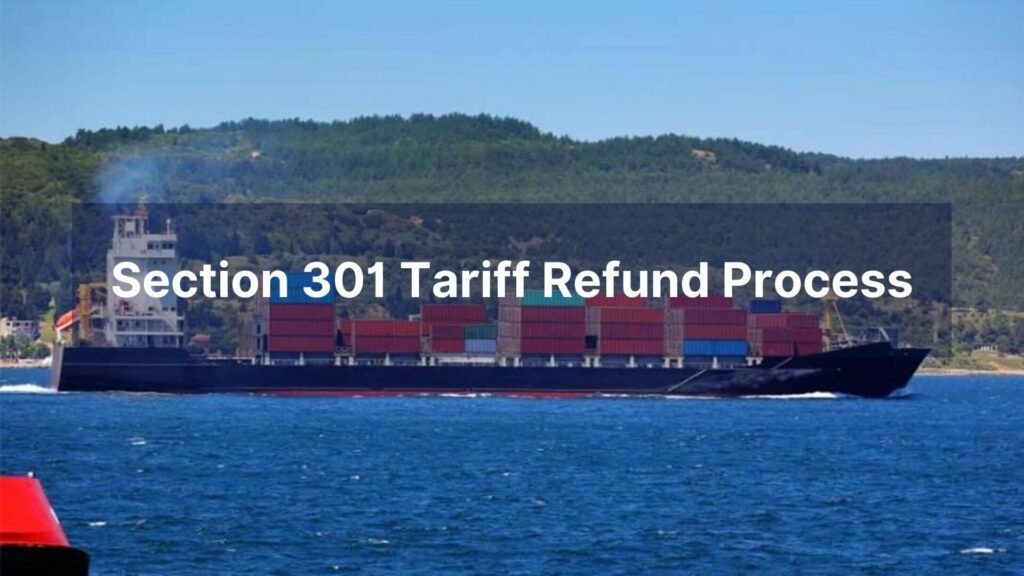
The refund process for Section 301 tariffs1 can be complex and confusing for importers. Often, they find themselves burdened with overpaid duties2 due to various reasons. Understanding how to navigate this process is crucial.
Section 301 tariffs are additional duties applied to certain imported goods as part of U.S. trade policy measures3. Refund opportunities may arise when duty overpayments4 occur due to exclusions, corrections, or post-entry adjustments5.
The Section 301 Tariff Refund Process involves several steps, and each requires careful attention. Without proper knowledge and documentation, importers could miss out on potential refunds. In this guide, I will break down the entire process, highlighting key details that can help you navigate refunds successfully.
What Are Section 301 Tariffs and When Can Importers Seek Refunds?
Section 301 tariffs have a specific purpose. They are implemented as part of trade policies to protect U.S. industries from unfair foreign competition. Sometimes, importers end up overpaying due to various factors like exclusions or errors in entry data.
Refund eligibility can depend on entry corrections6, applicable exclusions, or adjustments to previously filed data. Importers must evaluate shipment records7 carefully to identify potential recovery opportunities.

When we look at the reasons for overpayments, some common scenarios arise:
- Exclusions: Certain products may be exempt from tariffs. If you imported these items but paid duties, you are eligible for a refund.
- Corrections: Mistakes happen. If your entry data contained errors, corrections may lead to refund eligibility.
- Post-entry adjustments: Situations may arise after the initial entry where adjustments can warrant a refund.
To effectively pursue a refund, an in-depth review of your entry history is essential. By identifying overpayments and understanding the context, you can take the necessary steps toward recovery.
Which Situations Make a Shipment Eligible for a Section 301 Duty Refund?
Identifying when a shipment qualifies for a refund is critical. Understanding the scenarios that lead to eligibility can save you money.
Refund eligibility can depend on entry corrections6, applicable exclusions, or adjustments to previously filed data. Importers must evaluate shipment records7 carefully to identify potential recovery opportunities.
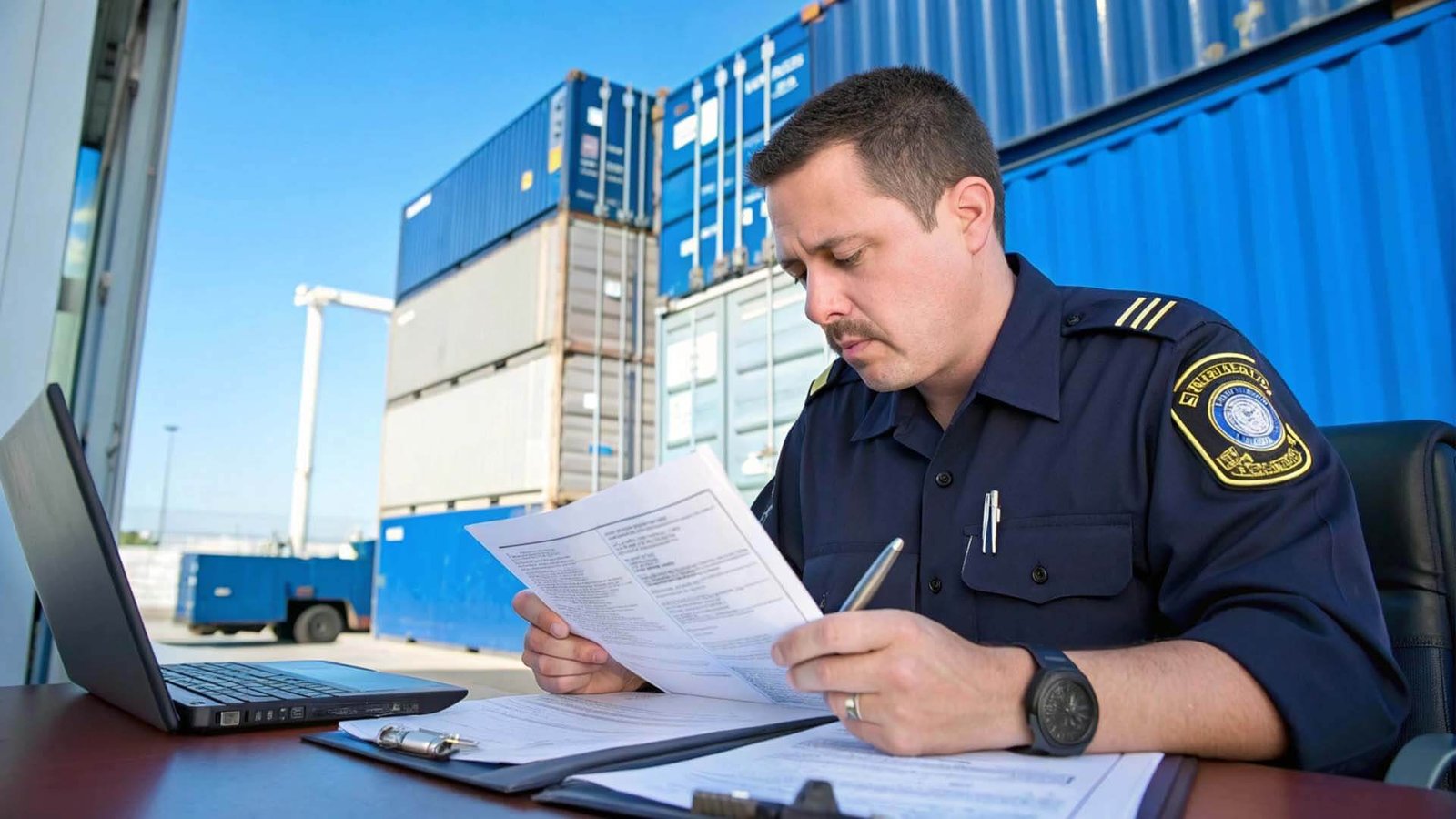
Reviewing entries is a must. Here are some situations where refunds may be applicable:
- Entry Corrections: If you discover an error in your initial entry, correcting it can open the door to refunds.
- Exclusions: Being aware of products exempt from tariffs will help you check if you've overpaid.
- Historical Analysis: Analyzing past entries can reveal patterns of overpayments, leading to potential refunds.
Identifying these scenarios requires diligence. By carefully reviewing shipment records7 and entry data, importers can uncover opportunities for refunds that may otherwise go unclaimed.
What Steps Are Involved in the Section 301 Tariff Refund Process?
Navigating the refund process can be overwhelming without knowing the proper steps. Here’s a simple breakdown of the refund process:
The refund process typically involves reviewing entries, preparing supporting documentation8, filing appropriate corrections or claims, and awaiting customs review and processing9.

Refund Process Flow:
- Entry Review: Start by examining your entry records.
- Identify Eligibility: Determine which entries are eligible for refunds.
- Prepare Documents: Gather necessary documentation to support your claim.
- Submit Correction/Claim: File the correction or claim with customs.
- Customs Review: Wait for customs to review your submission.
- Refund or Adjustment: Customs will either approve your refund or adjust duties owed.
Each step requires attention to detail. Missing a step or submitting inaccurate information can delay your refund. It's essential to follow through meticulously to ensure a smooth process.
What Documents and Data Importers Need to Support a Refund Claim
Documenting your claims accurately is essential for a successful refund. Here’s what you need to prepare.
Accurate records are critical to support refund requests. Importers must maintain entry documentation and related shipment data to demonstrate eligibility.

Documentation Checklist:
| Document | Purpose |
|---|---|
| Entry summary data | Provides an overview of all entries filed |
| Commercial invoices | Verifies the transaction details |
| Product descriptions | Clarifies the nature of the goods imported |
| Duty payment records | Shows the duties paid on each entry |
Maintaining accurate records is not just a best practice; it's essential for demonstrating your eligibility for refunds. By having these documents organized, you can significantly improve your chances of a successful claim.
How Timelines, Filing Methods, and Post-Entry Corrections Affect Refund Success
Timeliness is key in the refund process. Delays or errors in filing can result in missed opportunities.
Refund outcomes depend on proper filing methods and adherence to customs procedures. Timely action and accurate documentation improve the likelihood of successful adjustments.

To maximize your chances:
- Review Timely: Act quickly to review your entries for potential refunds.
- File Accurately: Ensure that all information submitted is correct. Filing errors can lead to rejection.
- Coordination with Brokers: Work closely with your customs broker to ensure that all procedures are followed.
Proper coordination and timely action10s are critical. The longer you wait to address potential refunds, the harder it may become to claim them.
How Importers Can Reduce Future Overpayments Through Classification and Compliance Review
Looking ahead, compliance reviews11 can help avoid future overpayments. Implementing a proactive approach can be beneficial.
Regular compliance reviews11 help importers identify classification issues12 and improve data accuracy, reducing the risk of future duty overpayments4.
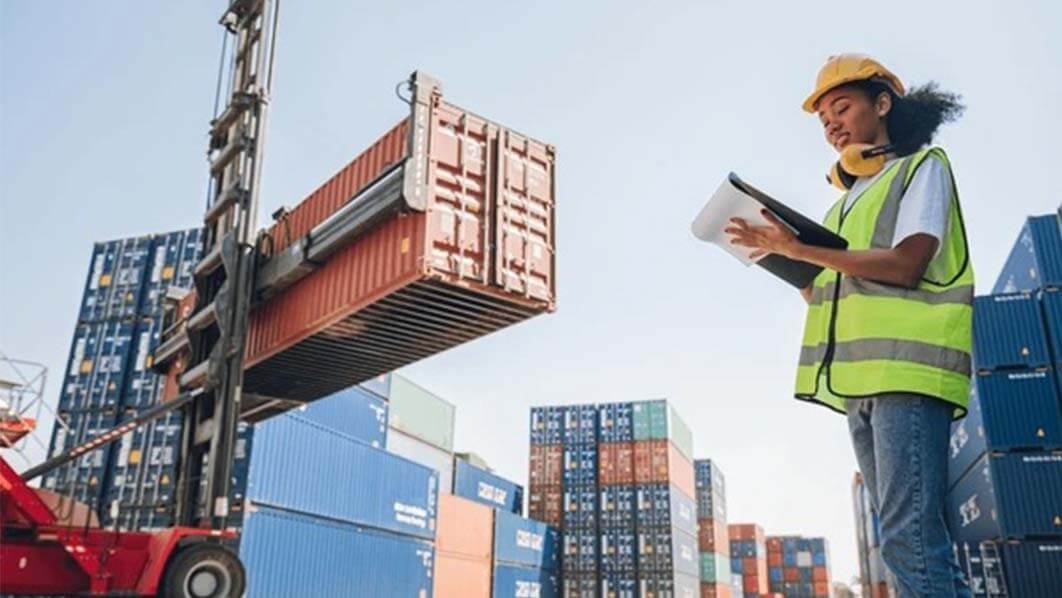
Post-Entry Correction Framework:
- Entry Data Review: Regularly assess your entry data for accuracy.
- Classification Validation: Ensure that products are classified correctly to avoid incorrect duty payments.
- Documentation Consistency: Maintain consistent documentation practices to support accurate filings.
- Broker Coordination: Engage regularly with your customs broker for guidance and best practices.
By focusing on these areas, importers can minimize the risk of overpayments in the future. This not only saves money but also strengthens your compliance position.
Conclusion
In summary, understanding the Section 301 tariff refund process is essential for U.S. importers looking to recover overpaid duties2. With careful review and proper documentation, refunds can be claimed successfully.
Understanding the refund process for Section 301 tariffs can help importers recover overpaid duties, ensuring they don't miss out on potential refunds. ↩
Learning how to recover overpaid duties can save importers money and ensure they are not paying more than necessary on tariffs. ↩
Exploring U.S. trade policy measures provides insight into why tariffs are applied and how they impact importers. ↩
Understanding the causes of duty overpayments can help importers identify and correct errors, leading to potential refunds. ↩
Post-entry adjustments can lead to refunds, so knowing how they work can help importers recover overpaid duties. ↩
Entry corrections can open opportunities for refunds, making it crucial for importers to understand their impact on tariff payments. ↩
Maintaining accurate shipment records is essential for identifying refund opportunities and supporting claims. ↩
Having the right documentation is crucial for successful refund claims, helping importers prove their eligibility. ↩
Understanding customs review and processing can help importers navigate the refund process more effectively. ↩
Acting quickly on refund claims can prevent missed opportunities and ensure a smoother refund process. ↩
Regular compliance reviews can help importers avoid future overpayments by ensuring accurate data and classification. ↩
Correct classification of products can prevent overpayments, making it important for importers to address these issues. ↩