The North American Free Trade Agreement (NAFTA) was a significant trade agreement that shaped how businesses interacted across borders. Its impact is still felt today.
The North American Free Trade Agreement (NAFTA) was a trade agreement between the United States, Canada, and Mexico designed to reduce trade barriers1 and promote cross-border commerce2. It influenced duty treatment, supply chains3, and sourcing strategies4 for businesses operating in North America.
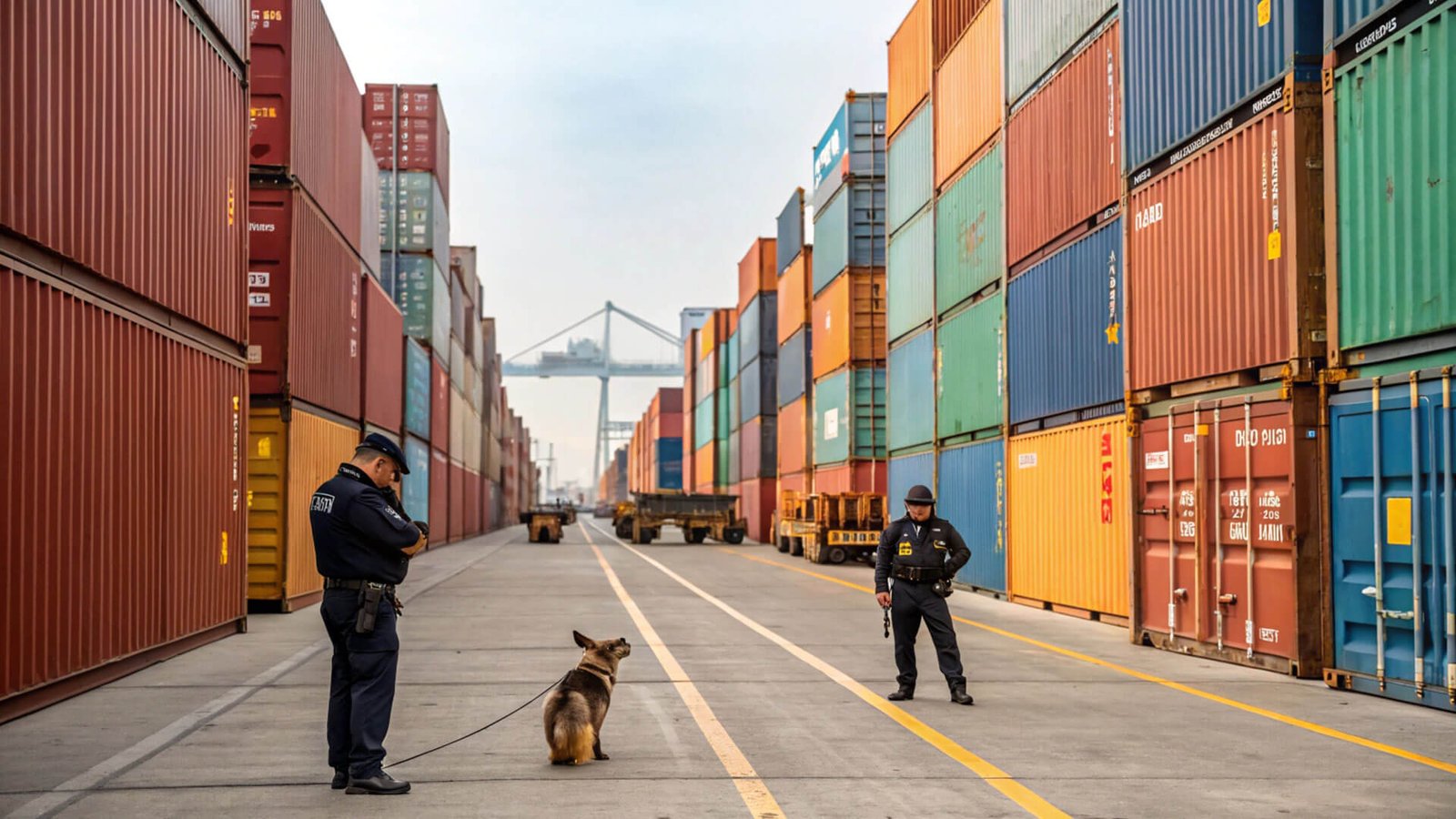
NAFTA revolutionized trade in North America. It aimed to eliminate barriers5 that hindered trade between the United States, Canada, and Mexico. By removing tariffs and setting rules, NAFTA enabled smoother transactions. As a result, businesses found new opportunities and developed complex supply chains3. The agreement was a catalyst for growth and efficiency in the region.
What Was NAFTA and What Role Did It Play in North American Trade?
NAFTA's purpose was clear: to foster economic cooperation6 between three neighboring countries. It sought to create a more integrated and competitive North American marketplace. The agreement played a pivotal role in reducing tariffs and facilitating trade.
NAFTA was designed to eliminate trade barriers among the U.S., Canada, and Mexico, significantly boosting economic activity and collaboration.
To illustrate NAFTA's importance, consider the following table:
| Aspect | Details |
|---|---|
| Purpose | Reduce trade barriers |
| Key Players | United States, Canada, Mexico |
| Economic Impact | Increased trade volume |
| Long-term Effects | Changes in supply chains3, sourcing strategies4 |
Understanding how NAFTA functioned is crucial for grasping its impact on businesses today. It reshaped sourcing strategies4 and influenced manufacturing locations. The trade agreement made it possible for importers to benefit from reduced duties, allowing them to stay competitive in a rapidly changing market.
How NAFTA Reduced Duties and Changed Cross-Border Trade Between the U.S., Canada, and Mexico
NAFTA achieved significant reductions in duties. By lowering or eliminating tariffs, it made trade more accessible and cost-effective. Companies could source materials from any of the three nations without worrying about excessive tariffs.
NAFTA lowered or eliminated many tariffs among member countries, making regional sourcing7 more cost-effective. This shaped manufacturing locations and logistics patterns.
The reductions in duties transformed the cross-border commerce2 landscape. Here’s how:
| Duty Reduction Impact | Details |
|---|---|
| Lower Tariffs | Increased profit margins for businesses |
| Improved Supply Chains | More efficient sourcing and distribution networks |
| Competitive Advantage | Encouraged foreign investment in the region |
The impact of duty reduction was profound. Businesses could predict costs more accurately and plan their logistics strategies accordingly. This shift allowed them to thrive in a competitive environment.
How Rules of Origin Worked Under NAFTA and Why They Mattered for Importers
Rules of origin8 were essential under NAFTA. They determined whether goods qualified for preferential duty treatment9. Understanding these rules was crucial for importers looking to minimize their costs.
Rules of origin8 determined whether goods qualified for preferential duty treatment9. Importers needed to verify product eligibility to claim reduced tariffs.
A simplified flow of origin qualification looks like this:
- Supplier Sourcing: Identify the materials’ origins.
- Manufacturing Inputs: Analyze how inputs are processed.
- Origin Determination: Ensure the product meets the rules.
- Qualification Check: Confirm eligibility for reduced tariffs.
Knowing how to navigate these rules was vital for importers. It helped them maximize their benefits and ensure compliance during audits.
Why NAFTA Was Replaced by USMCA10 and What Changed for Importers
In 2020, NAFTA was replaced by the United States–Mexico–Canada Agreement (USMCA10). This shift brought new rules and requirements for importers. Understanding these changes is essential for ongoing compliance.
NAFTA was replaced by the United States–Mexico–Canada Agreement (USMCA10), which updated trade rules and compliance requirements. Importers had to adjust documentation and qualification practices.

A quick comparison of NAFTA and USMCA10 illustrates the changes:
| Feature | NAFTA | USMCA10 |
|---|---|---|
| Trade Rules | Basic duty regulations | Enhanced labor and environmental standards |
| Origin Documentation | Streamlined procedures | New compliance requirements |
| Compliance Focus | Limited | Greater emphasis on enforcement |
These changes forced importers to adapt. They had to stay informed about new documentation practices and compliance standards.
What Documentation Importers Used to Claim NAFTA Preferential Duty Treatment
Documentation was critical for claiming NAFTA benefits. Importers relied on various records to establish eligibility for reduced duties. Accurate documentation ensured compliance and protected against penalties.
Importers relied on origin certification11 and supporting records to claim NAFTA duty benefits. Accurate documentation was essential for compliance.
Here’s a checklist of essential documents for claiming NAFTA benefits:
| Document | Purpose |
|---|---|
| Origin Certification | Establish product origin |
| Supplier Records | Provide proof of material sourcing |
| Commercial Invoices | Document sales transactions |
Having these documents in order was vital for maintaining compliance. Importers who failed to keep accurate records faced potential audits and penalties.
Even though NAFTA is no longer in effect, understanding its principles is valuable. The foundation laid by NAFTA continues to influence how trade is conducted today.
Understanding NAFTA provides context for current North American trade rules and helps importers manage ongoing regional compliance requirements12.
Key points include:
| Importance of NAFTA | Details |
|---|---|
| Continuity in Trade Concepts13 | Foundations for understanding USMCA10 |
| Regional Sourcing Knowledge | Essential for navigating modern trade agreements |
| Compliance Awareness14 | Helps with understanding new regulations |
By grasping the lessons from NAFTA, importers can better adapt to the evolving trade landscape. The concepts from NAFTA still serve as a guide for navigating current compliance requirements.
Conclusion
NAFTA introduced crucial changes to North American trade, and understanding its legacy is vital for navigating today's trade environment.
Explore how NAFTA's reduction of trade barriers fostered economic growth and collaboration among North American countries. ↩
Learn how NAFTA transformed cross-border commerce, creating new opportunities for businesses in the region. ↩
Discover how NAFTA reshaped supply chains, enhancing efficiency and competitiveness for businesses. ↩
Understand how NAFTA influenced sourcing strategies, allowing companies to optimize their operations. ↩
Find out how NAFTA's elimination of barriers facilitated smoother transactions and economic growth. ↩
Explore NAFTA's role in promoting economic cooperation and integration among the U.S., Canada, and Mexico. ↩
Discover how NAFTA's tariff reductions made regional sourcing a viable and cost-effective option. ↩
Understand the significance of rules of origin in qualifying goods for preferential duty treatment. ↩
Learn about the advantages of NAFTA's preferential duty treatment for importers seeking reduced tariffs. ↩
Explore the differences between NAFTA and USMCA, and how they affect trade and compliance. ↩
Learn about the essential documentation required for claiming NAFTA preferential duty benefits. ↩
Explore how knowledge of NAFTA aids importers in navigating today's USMCA trade environment. ↩
Learn how NAFTA's trade concepts provide a foundation for understanding modern trade agreements. ↩
Discover how NAFTA's compliance lessons assist importers in managing new USMCA regulations. ↩