Importing goods can be daunting. With so many options and responsibilities, how do you make the best choices?
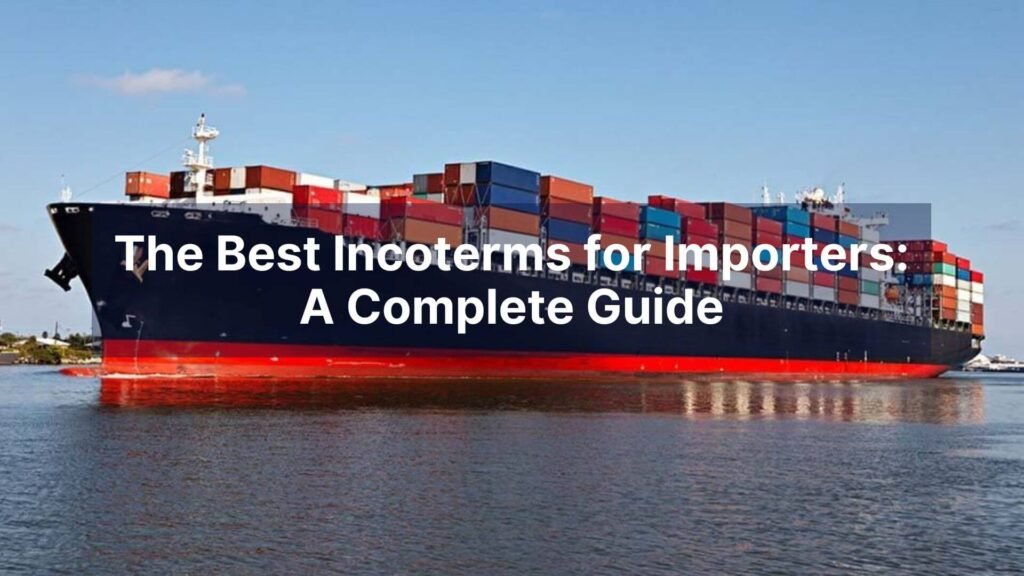
Incoterms1 define the responsibilities of buyers and sellers in international trade, including who arranges freight, who bears risk, and where delivery obligations end. For importers, the chosen term affects cost control2, visibility, and customs coordination3.
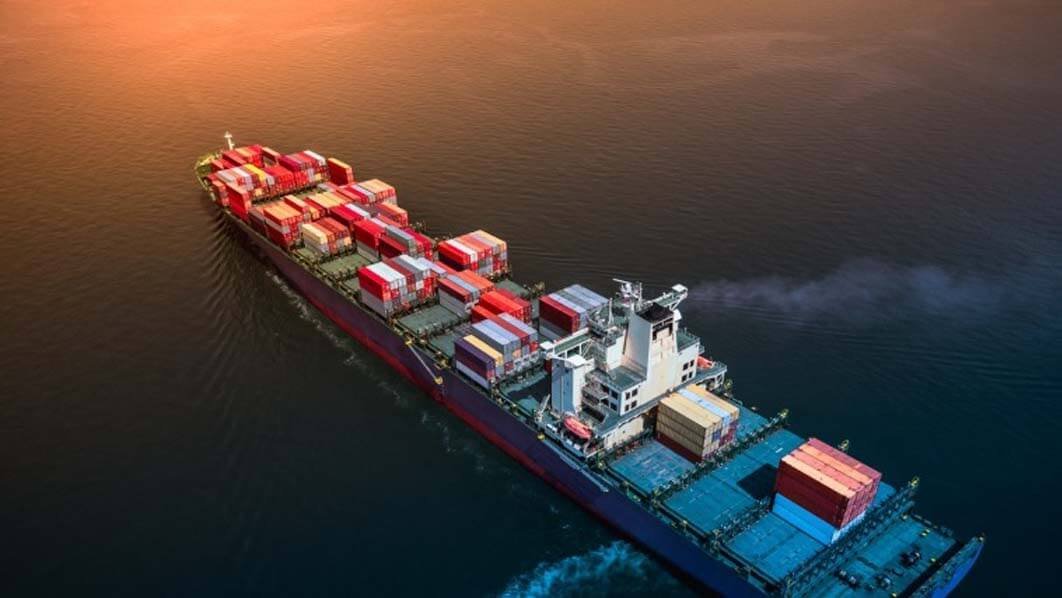
Understanding Incoterms1 is essential for U.S. importers. These terms guide trade contracts and influence how goods are shipped and received. Choosing the right Incoterm can mean the difference between smooth sailing and unforeseen headaches. I have seen many importers struggle with these terms, leading to costly mistakes. By understanding their implications, you can make informed decisions that benefit your business.
Which Incoterms1 Give Importers the Most Control Over Freight, Costs, and Customs Compliance?
Some Incoterms1 allow importers to manage transportation and customs directly, while others shift control to suppliers. Importers seeking cost transparency and compliance oversight often prefer terms where they control the main carriage and customs process.
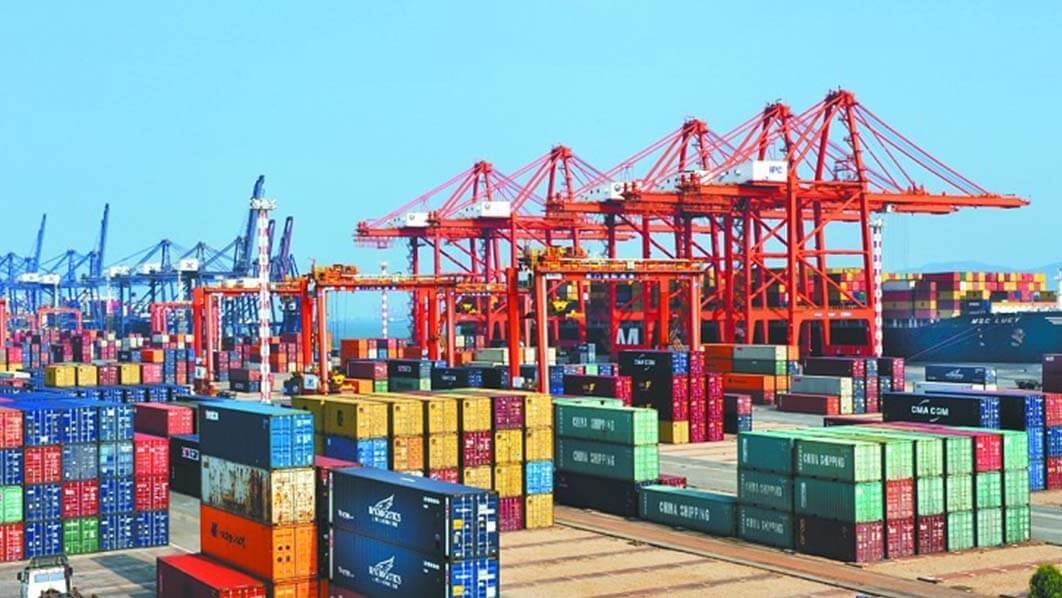
Let's take a look at how various Incoterms1 stack up in terms of control for the importer:
| Incoterm | Importer Control Level | Freight Control | Customs Control |
|---|---|---|---|
| EXW | High responsibility | Importer arranges | Importer manages |
| FOB | Balanced | Importer controls main leg | Importer manages |
| CIF | Lower | Supplier controls freight | Importer manages |
| DDP | Lowest | Supplier controls | Supplier handles |
EXW, or Ex Works, offers the highest level of responsibility for the importer. You arrange everything, from pickup to customs. FOB, Free on Board, balances responsibility between the importer and supplier. Though you control the main leg, the supplier manages other aspects. CIF, Cost, Insurance, and Freight, transfers more control to the supplier, while DDP, Delivered Duty Paid, places the least responsibility on you, keeping all burdens on the supplier.
How Risk Transfers Under Different Incoterms1 and Why That Affects Insurance and Liability
Each Incoterm defines the point at which risk shifts from seller to buyer. Understanding this transfer point helps importers determine when insurance coverage is needed and who bears loss exposure.

To break it down further, here’s how risk transfer4s under different Incoterms1:
- EXW: Risk transfers when the goods are made available at the supplier’s premises.
- FOB: Risk transfers at the port of shipment when the goods are loaded onto the vessel.
- CIF: Risk transfers upon loading but includes insurance, making the supplier responsible until delivery.
- DDP: The supplier retains all risk until the goods arrive at the destination.
Understanding these risk transfer4 points is crucial for your insurance planning. Each term affects your exposure to loss and your overall liability.
Common Mistakes Importers Make When Using FOB, CIF, DDP, and Other Popular Terms
Frequent issues include assuming freight visibility5 under supplier-controlled terms, misunderstanding risk transfer4, and lacking documentation control6.
Many importers mistakenly believe they have control over freight when they opt for CIF or DDP. They often overlook the fact that responsibility lies with the supplier until a specific point. Additionally, documentation can become a mess if you don't track who is responsible for what.
Some other common mistakes include not verifying supplier commitments and failing to communicate clearly about responsibilities. These oversights can lead to delays and increased costs.
Incoterm-to-Import Workflow: Contract Agreement → Supplier Responsibilities → Freight Movement → Customs Entry → Final Delivery
A structured workflow links contractual terms to operational steps, ensuring responsibilities for freight, risk, and customs are aligned.
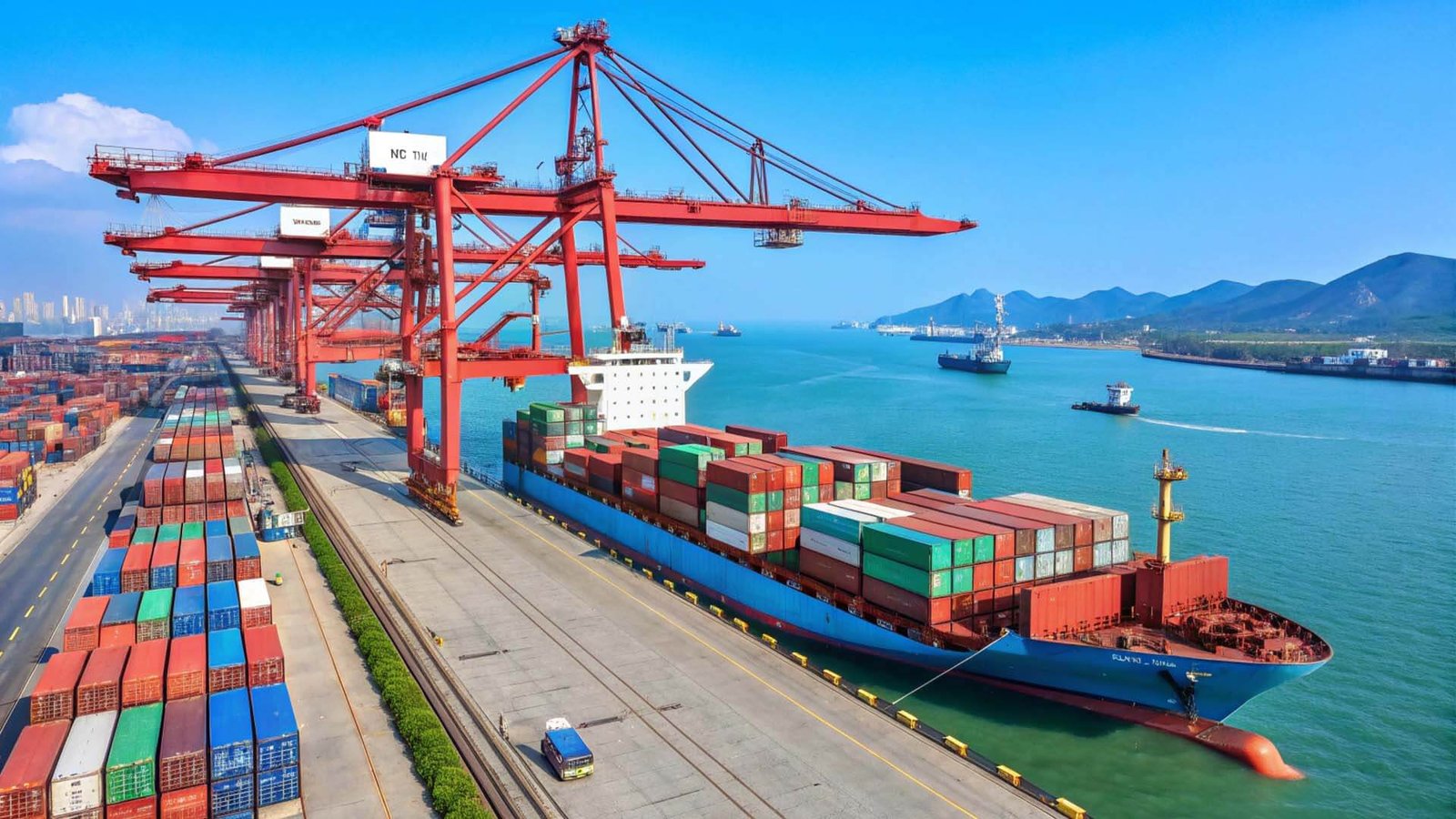
Here’s a simple flow for the importer’s perspective:
- Contract Agreement: Establish Incoterms1 and responsibilities.
- Supplier Responsibilities: Clarify what tasks the supplier will handle.
- Freight Movement: Monitor transportation and ensure timely movement.
- Customs Entry: Prepare necessary documentation for customs clearance.
- Final Delivery: Confirm receipt of goods in accordance with the agreed terms.
Following this workflow can ensure that all parties are clear on their roles and that nothing falls through the cracks.
Conclusion
Choosing the right Incoterm is vital for U.S. importers. It affects control, costs, and compliance.
Understanding Incoterms is crucial for navigating international trade, as they define the responsibilities of buyers and sellers. ↩
Learn how different Incoterms impact your ability to manage and predict costs in the import process. ↩
Explore how effective customs coordination can prevent delays and ensure compliance in international trade. ↩
Grasp the importance of knowing when risk transfers to manage insurance and liability effectively. ↩
Avoid common pitfalls by understanding the limitations of freight visibility when suppliers control the process. ↩
Proper documentation control ensures smooth customs clearance and prevents costly delays in shipping. ↩