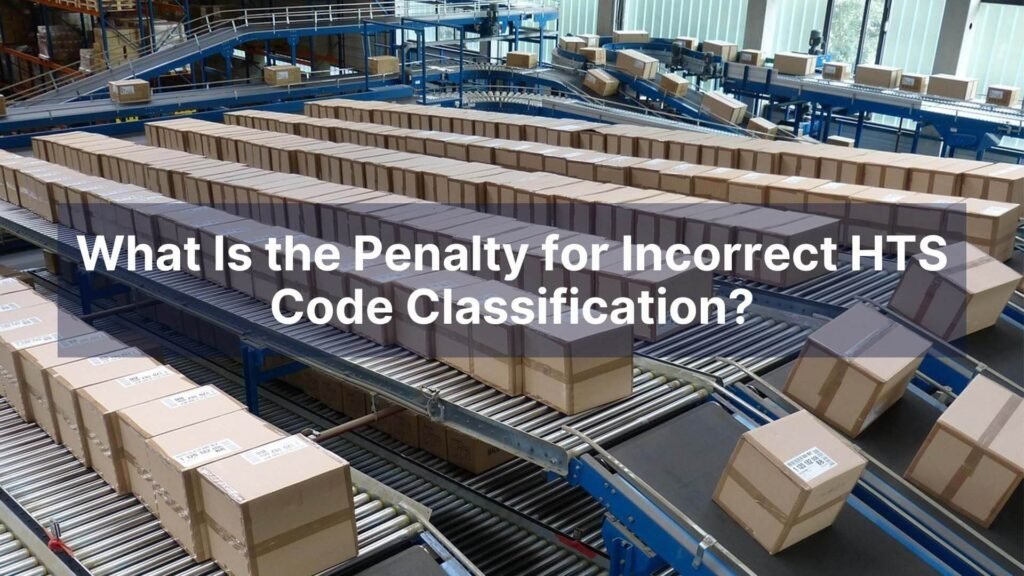
Using an incorrect HTS code can lead to serious consequences for U.S. importers. Understanding these penalties is crucial for compliance and financial health.
Using an incorrect HTS code can trigger duty underpayment or overpayment1, entry corrections2, and compliance review3. Errors may remain unnoticed initially but can surface during audits or reviews, exposing the importer to financial and regulatory consequences4.
Classification errors can significantly impact your business. Penalties are not just financial; they can affect your reputation and relationship with customs authorities. Knowing the risks and prevention strategies is essential for importers.
What Happens When an Incorrect HTS Code Is Used on a U.S. Import Entry?
Using an incorrect HTS code can lead to unexpected outcomes. As I have seen with clients, it often leads to extra duties or penalties that could have been avoided.
Using an incorrect HTS code can trigger duty underpayment or overpayment1, entry corrections2, and compliance review3. Errors may remain unnoticed initially but can surface during audits or reviews, exposing the importer to financial and regulatory consequences4.

Understanding the implications of an incorrect HTS code is crucial. When an importer mistakenly classifies their product, it can result in a variety of problems, ranging from financial penalties to legal repercussions. The Customs and Border Protection (CBP) agency conducts audits and reviews that can lead to discovering these errors. Unfortunately, many importers overlook the importance of accurate classification in the import process, which can lead to hefty fines and duty reassessments.
Civil Penalties, Duty Reassessments, and Financial Exposure from HTS Misclassification
Misclassification can have severe financial implications. I’ve seen cases where companies face substantial back duties and penalties.
Misclassification may lead to retroactive duty bills5, penalties, and interest. The severity depends on whether the error is considered negligence, gross negligence, or fraud6.
| Violation Type | Typical Trigger | Financial Impact |
|---|---|---|
| Negligence | Careless error | Duty + penalty |
| Gross negligence | Serious oversight | Higher penalty exposure |
| Fraud | Intentional misstatement | Maximum penalties |
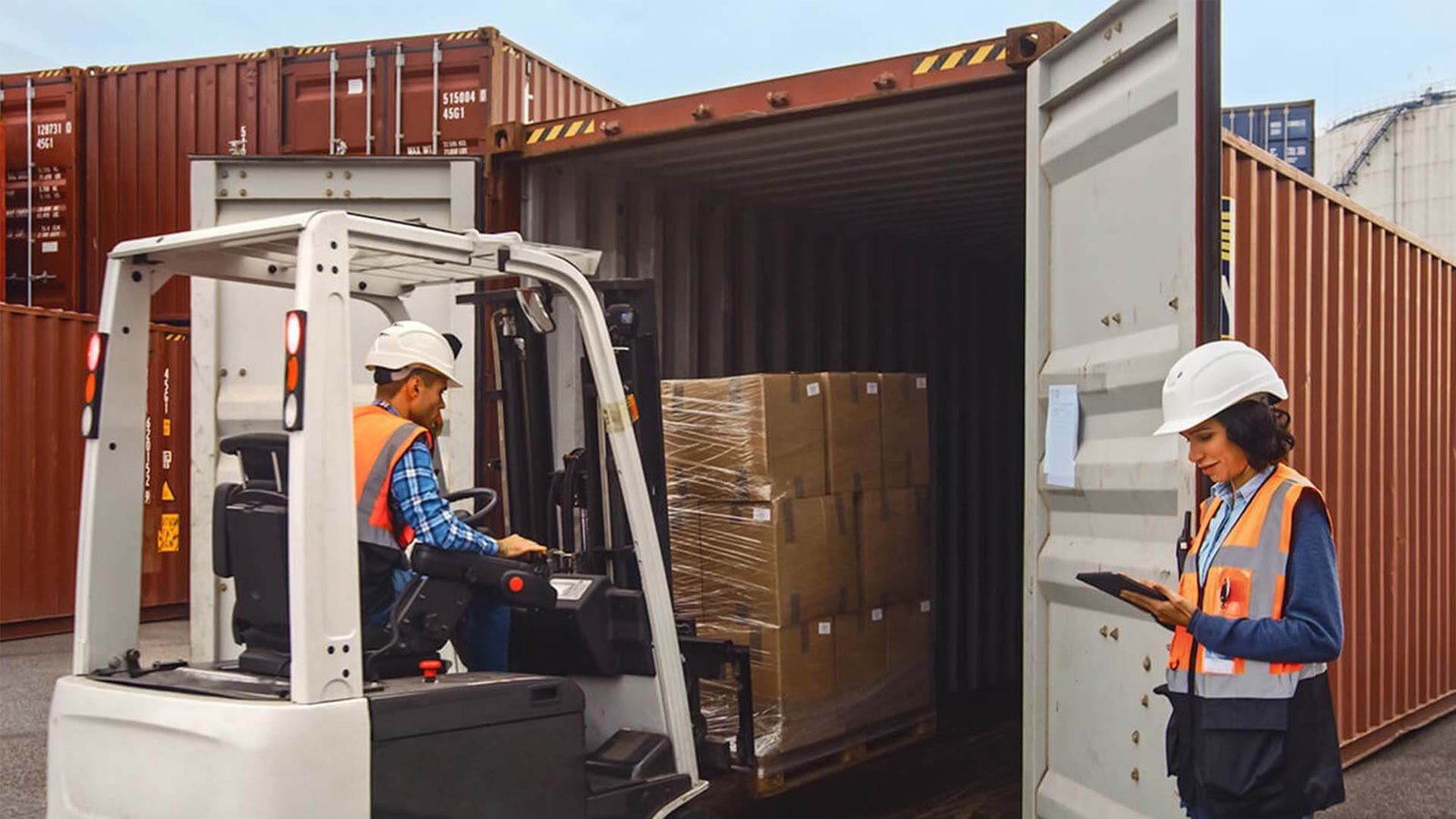
The financial exposure from HTS misclassification can vary widely. Negligent errors might lead to standard duty and penalties. In contrast, gross negligence can expose a company to higher financial penalties and potential reputational damage. Intentional misstatements, classified as fraud, can result in the most severe penalties, including criminal charges. Importers must be aware of their classification responsibilities and ensure that they maintain compliance to avoid harsh consequences.
Who Is Legally Responsible for Correct HTS Classification: Importer vs Customs Broker?
Many believe their customs broker is responsible for classification accuracy. However, that is not entirely true.
The importer of record7 remains legally responsible for the accuracy of classification, even when a broker files entries. Brokers assist, but liability for declaration accuracy stays with the importer.
The legal responsibility for HTS classification lies with the importer, not the customs broker. This can be surprising for many. While brokers provide valuable support in the classification process, it is the importer's duty to ensure their products are classified correctly. This distinction is crucial because it emphasizes the need for importers to actively participate in the classification process. Importers should maintain an informed dialogue with their brokers and verify the accuracy of the HTS codes being used in their entries.
How Customs Detects Classification Errors Through Audits, Exams, and Post-Entry Reviews
Customs has several methods to detect classification errors8. I’ve often seen clients caught off guard by audits.
Classification errors are often uncovered through cargo exams9, documentation reviews, and post-entry audits10. Discrepancies between product specs and declared codes can trigger deeper compliance checks.
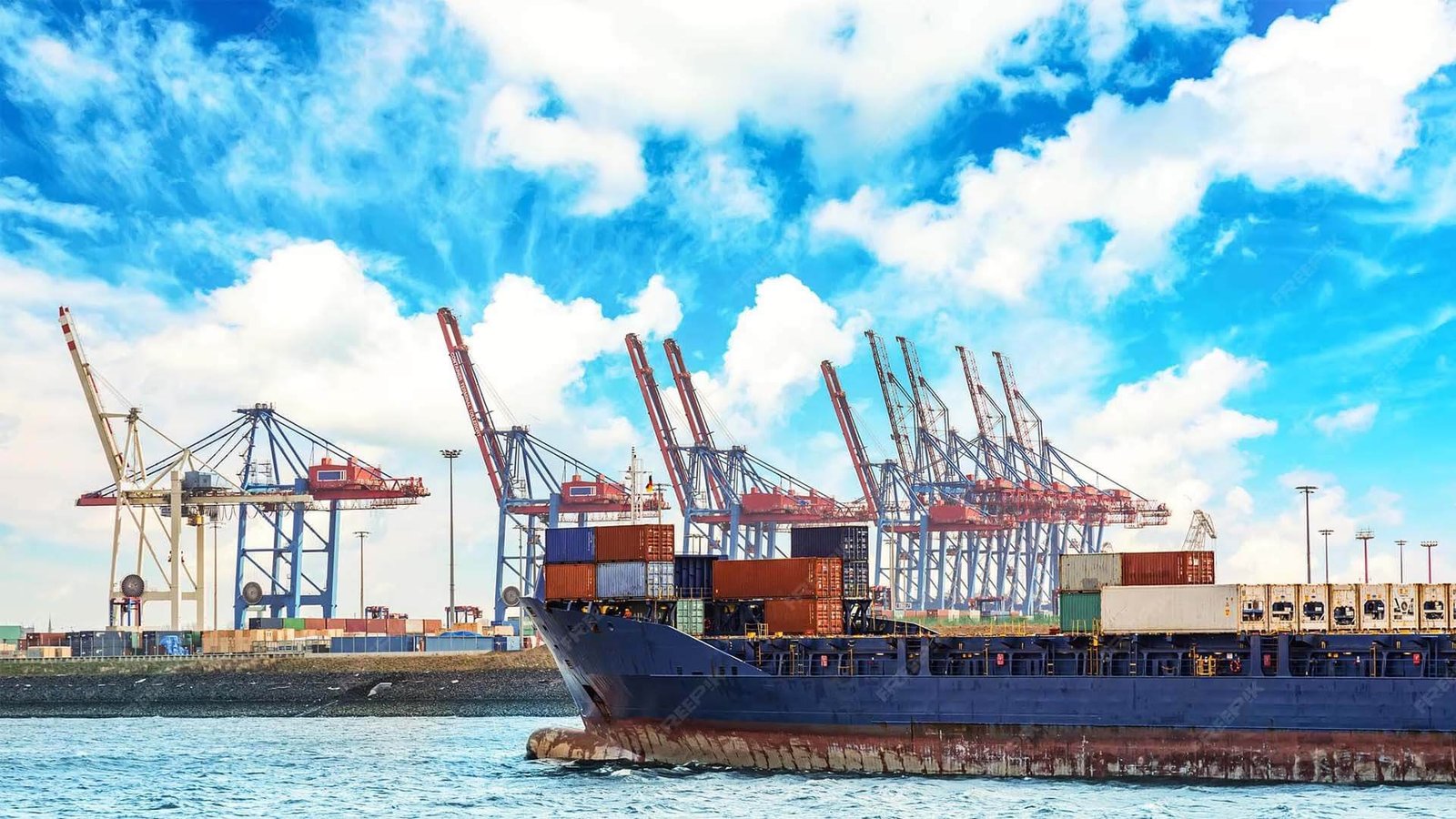
Customs utilizes a variety of methods to uncover classification errors8. Cargo exams are a common method used to spot discrepancies between the product specifications and the HTS codes declared in the entries. Documentation reviews also play a critical role. Any inconsistencies found during these checks can lead to further compliance investigations. Post-entry audits are particularly important because they can reveal errors that occurred long after the importation process. This means that importers must remain vigilant even after their shipments have cleared customs.
How Importers Can Correct HTS Mistakes Through Post-Summary Corrections and Prior Disclosure
Mistakes happen. Fortunately, there are ways to correct HTS misclassifications.
Importers can proactively correct errors using formal post-entry mechanisms. Early correction may reduce penalty exposure and demonstrate compliance intent.
Error Identified → Review Entries → Determine Impact → File Correction Mechanism → Duty Adjustment → Compliance Record Update

Importers have options to correct their HTS classification errors8. The post-summary correction process allows importers to adjust their entries formally. Importers should identify the error, review their entries, and determine its impact before filing the necessary corrections. Early correction not only helps limit financial penalties but also shows a commitment to compliance with customs regulations. Using these mechanisms effectively can help maintain a positive relationship with CBP.
Classification Risk Control Workflow: Product Specs → HTS Analysis → Entry Filing → Post-Entry Monitoring
Implementing a robust control workflow is key to preventing future errors. I’ve developed a process that works well for my clients.
A structured control process links product data, classification analysis, entry filing, and post-entry monitoring to reduce long-term risk.
Product Data → Tariff Review → Entry Filing → Recordkeeping → Monitoring → Periodic Audit
Creating a classification risk control workflow11 is essential for U.S. importers. This workflow should begin with detailed product specifications and include tariff reviews. Once the HTS code is selected, it must be recorded accurately during entry filing. Continuous monitoring and periodic audit12s are critical to ensure compliance. By establishing a clear and structured process, importers can significantly reduce their long-term risks associated with HTS classification errors8.
Conclusion
Understanding HTS code penalties is vital for U.S. importers to avoid financial and legal repercussions.
Exploring this link will help you understand how incorrect duty payments can affect your business financially and legally. ↩
Learn about the importance of correcting entry errors to avoid penalties and ensure compliance with customs regulations. ↩
Understanding compliance reviews can help importers prepare for audits and avoid potential fines and penalties. ↩
Discover how HTS code errors can lead to significant financial losses and regulatory issues for importers. ↩
Understanding retroactive duty bills can help importers anticipate and manage unexpected financial liabilities. ↩
Explore the varying levels of severity in HTS misclassification and their corresponding penalties. ↩
Knowing the legal responsibilities of the importer of record can help ensure compliance and avoid penalties. ↩
Find out how classification errors can damage your business reputation and lead to financial penalties. ↩
Understanding cargo exams can help importers prepare for customs checks and avoid compliance issues. ↩
Learn how post-entry audits can reveal classification errors and help maintain compliance with customs. ↩
Implementing a risk control workflow can help importers prevent HTS errors and ensure long-term compliance. ↩
Periodic audits are crucial for identifying and correcting HTS errors, ensuring ongoing compliance with customs regulations. ↩