Importing sewing machines to the US can feel overwhelming. But with the right approach, you can navigate the process smoothly. Here’s a simple guide to help you.
To import sewing machines to the US, you need to understand supplier selection1, regulations, import licenses2, shipping methods3, customs clearance4, delivery, and post-import management5. This guide will walk you through each step.
When you import sewing machines, the details matter. Choosing the right supplier and understanding the regulations can make or break your experience. I want to share my insights, so you can avoid common pitfalls and succeed in your import journey.
Choosing the Right Supplier
Selecting a supplier is crucial. The right supplier can offer quality products and reliable service. I recommend checking platforms like Alibaba6, 16887, and Made-in-China8. These platforms have specific features that can help you select the best supplier.
Alibaba6 is a major B2B platform with verified suppliers. You can view their credentials, reviews, and transaction history. They often provide samples to check product quality.
On the other hand, 16887 is Alibaba6’s domestic version. It targets the local market directly, which may offer lower prices. However, communication could be a barrier due to language differences. Made-in-China8 focuses on international trade and long-term supplier relationships. This platform is ideal if you're looking for certified suppliers that meet US standards.
Supplier Credentials and Quality Standards
- Production License: Ensure suppliers provide valid production licenses to confirm compliance with local and international standards.
- ISO Certification9: Larger suppliers often have ISO9001 certification, which guarantees product quality and consistency.
- Export Qualification: Check that the supplier has legal export rights to avoid issues during delivery.
- Product Compliance: Sewing machines must meet US safety standards such as UL certification10 for electrical devices and CE certification for European compliance.
Supplier Size Considerations
Larger suppliers often have better production capacity and after-sales service. They can handle bulk orders more efficiently. If your order volume is low, you might consider smaller factories. These can sometimes offer more competitive pricing but require careful management of delivery times and quality control.
Understanding Applicable Regulations and Requirements
Regulations are critical when importing sewing machines. These machines must adhere to specific safety and environmental standards to enter the US market.
The machines must comply with US safety regulations, including UL safety standards and ETL certification for electrical equipment. Ensuring compliance will help avoid delays or fines.
Product Safety and Environmental Regulations
- Safety Standards: Sewing machines must meet US consumer safety regulations. This is crucial for avoiding recalls or penalties.
- Environmental Compliance: The machines should comply with environmental standards, including RoHS11 and ENERGY STAR12 certifications. These ensure that harmful substances are limited and energy efficiency is prioritized.
- FCC Certification13: If your sewing machine includes electronic components, ensure it meets FCC requirements for electronic devices.
Customs and Import Requirements
US Customs requires accurate documentation for all imported goods. Key documents include:
- Customs Declaration: Provide precise details about the goods, including type, value, and HS code.
- FDA Regulations: Although sewing machines aren't FDA-regulated, components used for medical purposes may require approvals.
Applying for Necessary Import Licenses
Generally, importing sewing machines does not require special licenses. However, compliance with import standards is crucial.
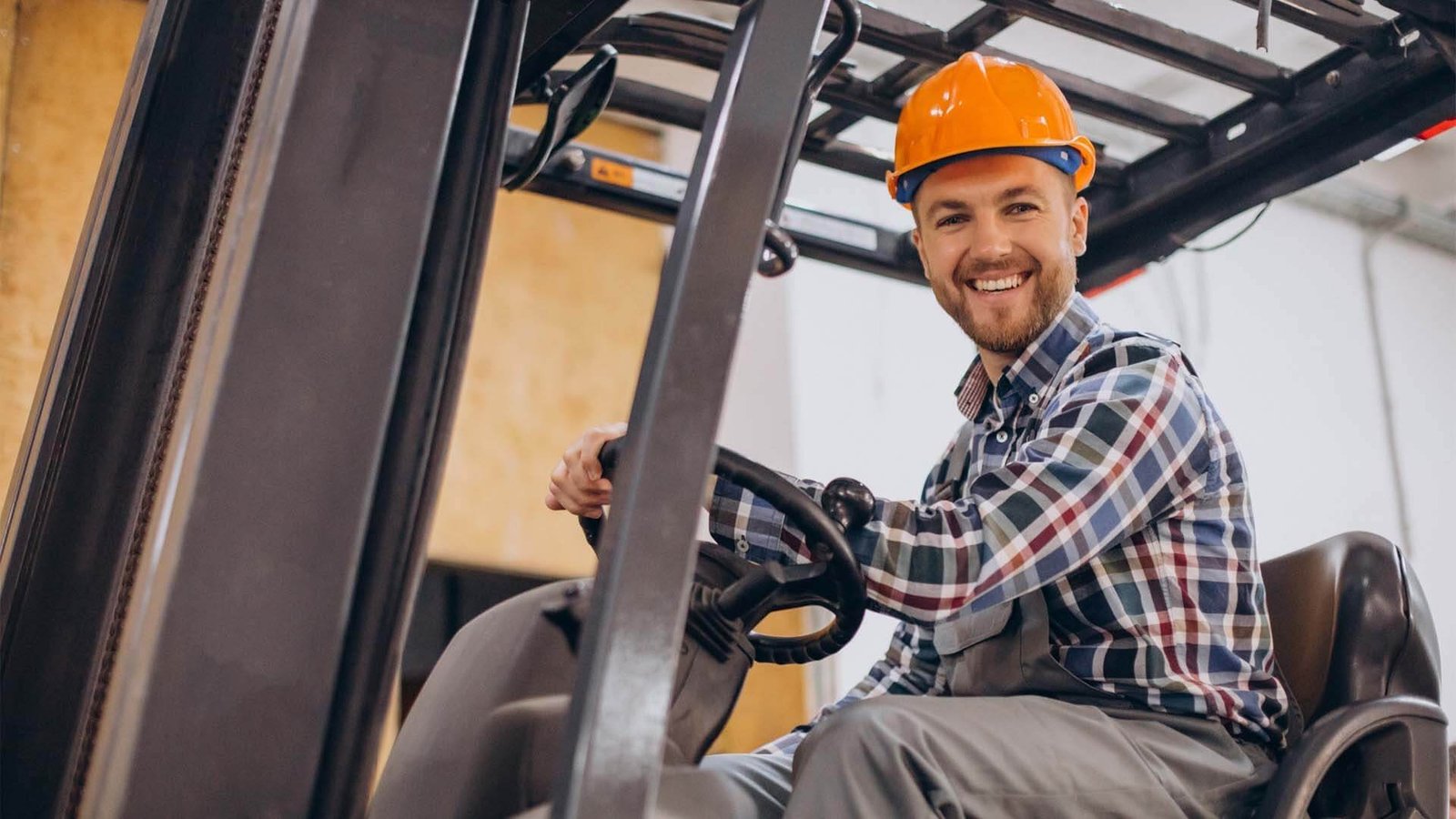
As an importer, you must register with US Customs and Border Protection (CBP) and obtain an Importer of Record (IOR)14 status. This registration is essential for smooth customs processing.
Additional License Considerations
If your sewing machines serve specific purposes, like medical use, you may need extra licenses. The FDA may apply if your machines include certain accessories. Also, consider applying for a Certificate of Origin (COO)15 if you want tariff benefits under trade agreements like USMCA.
Determining the Shipping Method
Shipping is a vital step in the import process. Here's how to approach it.
Choosing an experienced freight forwarder is essential. They’ll handle logistics and ensure smooth transport from China to the US.
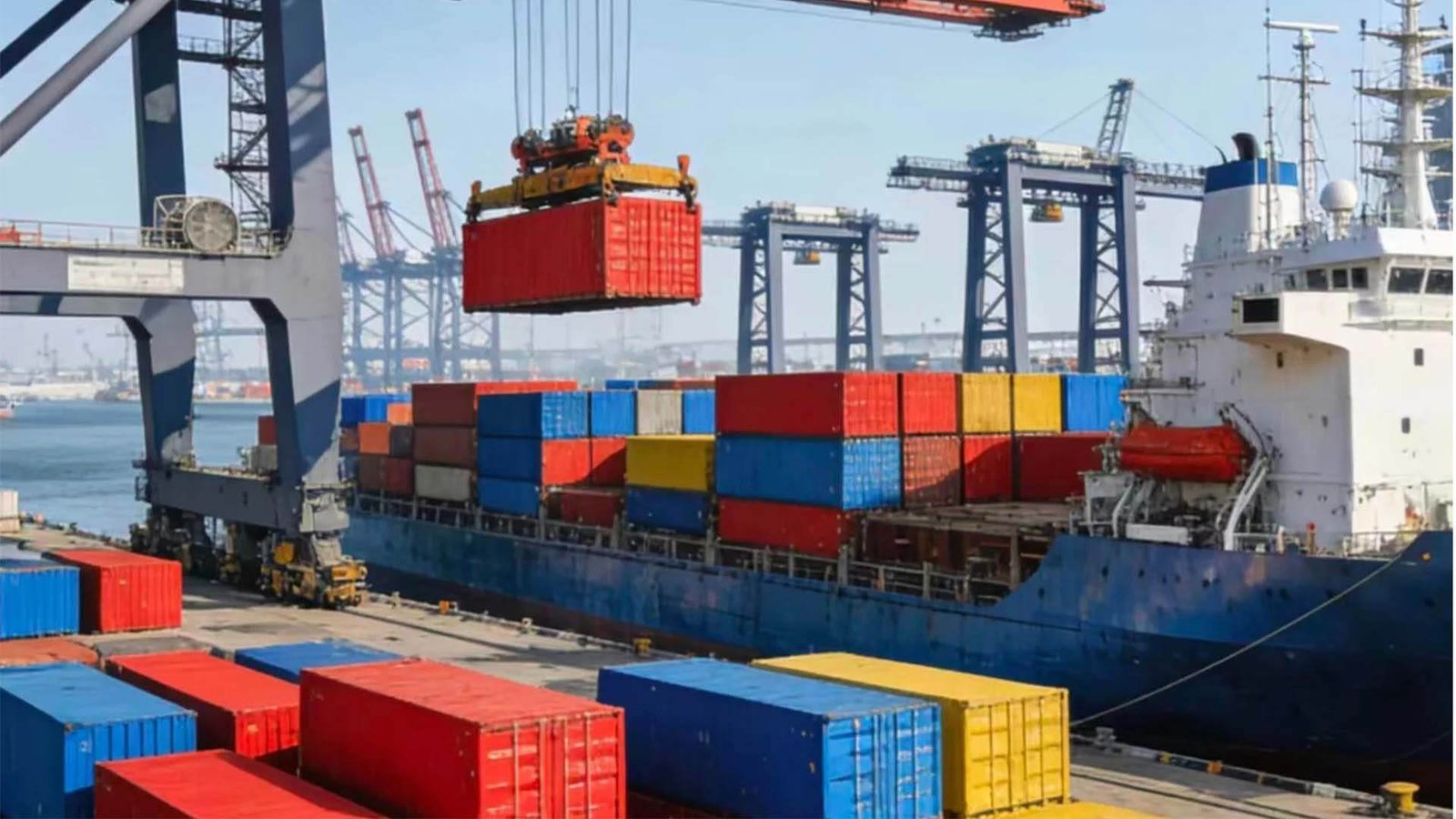
Steps for Sea Freight Transport
- Freight Forwarder Selection16: Work with reputable freight companies to arrange shipping and manage logistics.
- Shipping Methods: For bulk shipments, Full Container Load (FCL) is common. You can also opt for Less than Container Load (LCL) based on your order size.
- Documentation: Ensure you have a complete set of documents, including the Bill of Lading, invoices, packing lists, and origin certificates.
Packaging and Loading Considerations
Proper packaging protects sewing machines during shipping. Use sturdy materials like wooden crates or bubble wrap. Clear labels are important to prevent mishaps during transit. Choose the most efficient shipping routes to balance cost and time.
Customs Clearance Process
Customs clearance is a critical step that requires precise documentation.
You must submit a detailed customs declaration upon your product's arrival in the US, including information about the product type, value, and duty classification.
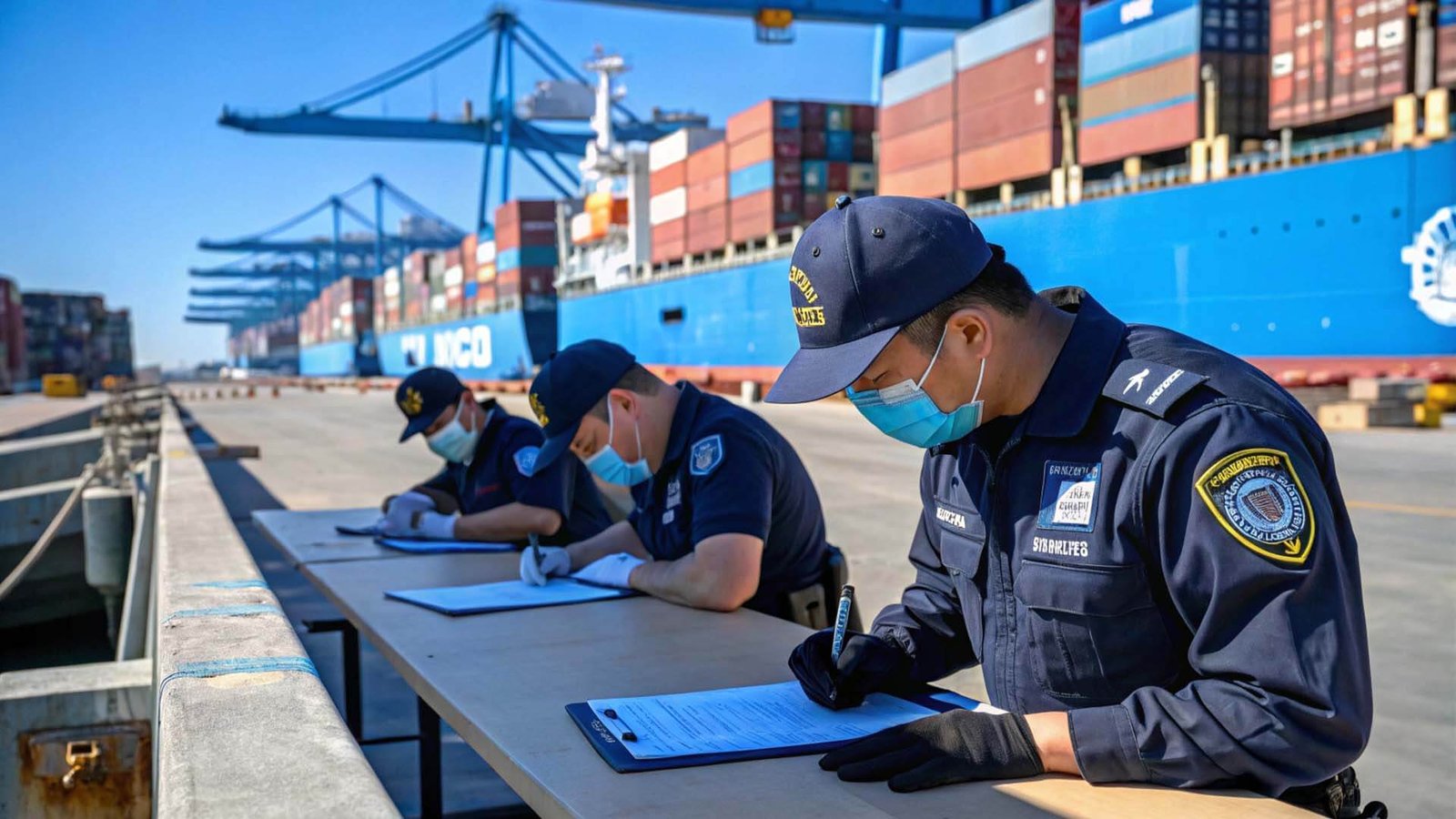
Required Customs Documentation
- Customs Declaration Form: This form must detail your shipment and confirm compliance with regulations.
- Invoices and Packing Lists: Ensure these documents include correct HS codes and descriptions of the goods.
- Certificate of Origin: If applicable, provide a COO to benefit from trade agreements.
Customs Procedures
Customs may inspect your sewing machines to ensure they comply with US safety and environmental standards. You’ll need to pay any applicable duties based on your products' HS codes. Thankfully, the duties on sewing machines are typically low, but they still require accurate classification.
Final Delivery and Storage
Once cleared, planning for delivery and storage is essential.
Confirm the delivery location with your freight forwarder. This could be your warehouse or another designated site.
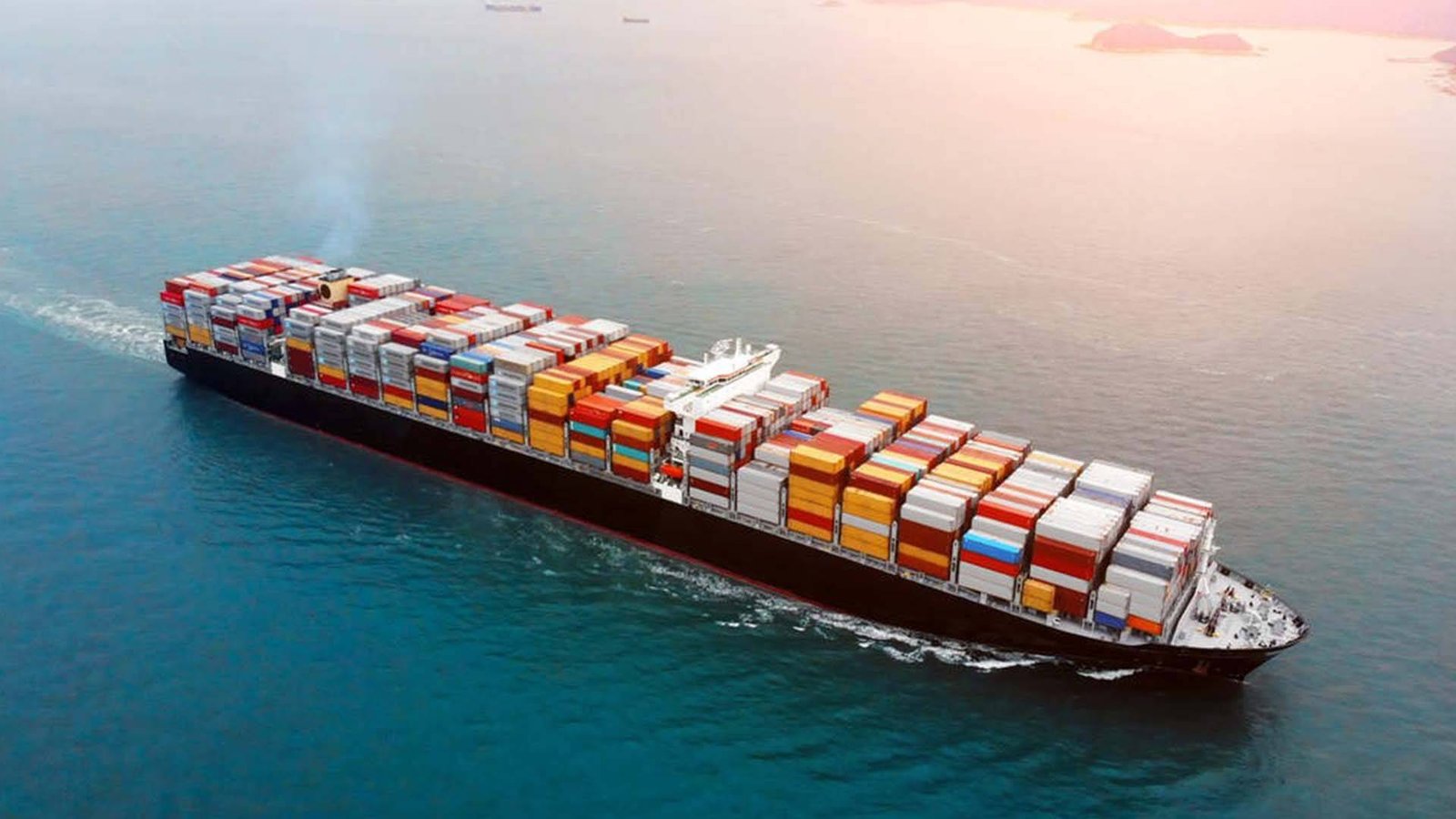
Delivery and Associated Costs
- Pay Port Fees: After your goods arrive, make sure to pay necessary port and container handling fees.
- Storage Solutions: Store sewing machines in compliant warehouses to prevent damage. Choose a reliable storage service provider.
Inventory Management
Effective inventory management is crucial. Ensure your system can track stock levels for timely shipping and restocking. This will help maintain smooth operations and meet customer demand.
Post-Import Management
Managing your imports effectively after they arrive is vital for long-term success.
Providing quality after-sales services, including maintenance and repair support, helps build a positive reputation.

Ongoing Management Tasks
- Customer Support: Offer excellent customer service, including maintenance and spare parts availability.
- Supplier Relationships: Foster ongoing partnerships with suppliers to ensure consistent quality and timely delivery for future orders.
- Compliance Checks: Regularly review compliance to ensure that your sewing machines meet US safety, quality, and environmental standards.
Conclusion
Importing sewing machines requires careful planning and execution, from selecting suppliers to managing post-import processes.
Understanding supplier selection is crucial for ensuring quality products and reliable service when importing sewing machines. ↩
Knowing the necessary import licenses ensures compliance with US regulations, avoiding legal issues during the import process. ↩
Choosing the right shipping method can save costs and ensure timely delivery of sewing machines. ↩
Navigating customs clearance smoothly is essential to avoid delays and ensure compliance with US regulations. ↩
Effective post-import management ensures long-term success and customer satisfaction with imported sewing machines. ↩
Alibaba is a major platform for finding verified suppliers, ensuring quality and reliability in your import process. ↩
1688 offers competitive pricing and local market access, making it a valuable resource for sourcing sewing machines. ↩
Made-in-China focuses on international trade, providing access to certified suppliers that meet US standards. ↩
ISO9001 certification guarantees product quality and consistency, crucial for importing reliable sewing machines. ↩
UL certification ensures sewing machines meet US safety standards, preventing recalls and penalties. ↩
RoHS compliance ensures environmental safety by limiting harmful substances in sewing machines. ↩
ENERGY STAR certification promotes energy efficiency, making sewing machines more environmentally friendly. ↩
FCC certification is necessary for sewing machines with electronic components, ensuring compliance with US regulations. ↩
Obtaining IOR status is essential for smooth customs processing and legal compliance when importing sewing machines. ↩
A COO can provide tariff benefits under trade agreements, reducing costs for sewing machine imports. ↩
Selecting an experienced freight forwarder ensures efficient logistics and smooth transport from China to the US. ↩