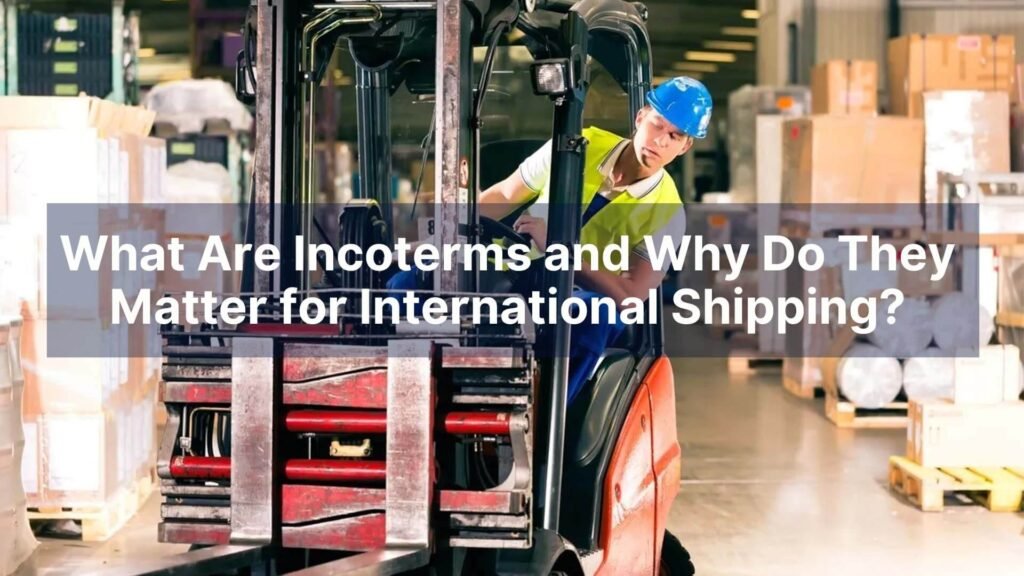
International shipping can be complex and confusing. Understanding Incoterms is key to managing costs, risks, and responsibilities in your import transactions.
Incoterms define the responsibilities1 of buyers and sellers in international shipping. They clarify who pays, who manages transport stages, and where the risk transfers. Ownership and payment terms are not included.
Choosing the right Incoterm2 can drastically affect your logistics strategy. Let's dive into the specific aspects of Incoterms that every U.S. importer should consider.
What Incoterms Really Control in a U.S. Import Transaction (Cost, Risk, and Responsibility Split)?
Incoterms set the framework for who is responsible for costs, risks, and responsibilities in a transaction. This can often lead to misunderstanding among U.S. importers.
Incoterms determine who pays for shipping, who manages different stages of transport, and where the liability lies. Importers often overlook the significance of “included” shipping.
Understanding the flow of costs can save importers from unexpected surprises. For example, an EXW term may seem cheap but can leave the importer with unexpected pickup costs. Conversely, DDP appears convenient but can carry hidden risks due to compliance complexities.
Cost Responsibility Flow3
- Buyer: Responsible for costs once the goods are on the carrier.
- Seller: Covers expenses up to the agreed point.
Risk Transfer Point4
- Risk shifts at different stages depending on the chosen Incoterm. This means the buyer must be aware of when they assume liability.
Logistics Control vs Financial Responsibility5
U.S. importers often misunderstand the balance between logistics control and financial responsibility. A term like FOB allows for better control over logistics but can also create unexpected financial burdens if not managed correctly.
How the Wrong Incoterm Can Increase Your Landed Cost Without You Realizing It
Choosing the wrong Incoterm can have a significant impact on your landed costs. Many importers don’t realize the hidden costs associated with poor choices.
Some Incoterms may seem cost-effective but can hide freight markups, insurance gaps, and unexpected port charges.
Consider a scenario where you select CIF. While it includes freight and insurance, it often hides higher freight markups. On the other hand, using EXW can place the burden of pickup and export clearance entirely on you, leaving you with unexpected costs.
Landed Cost Example Scenario6
- CIF: Higher freight markups + insurance confusion
- EXW: Pickup risk and potential for unmet export requirements
- DDP: Duty overpayments can lead to additional costs
Which Incoterms Give U.S. Importers More Control Over Freight and Customs7 Clearance
The choice of Incoterm directly affects the importer's level of control over freight and customs processes.
FOB, FCA, and CFR/CIF (with an own broker) provide greater control over carriers, routing, and compliance.
Control translates to lower risk. When an importer chooses FOB, they can select their carriers, ensuring compliance and visibility throughout the shipping process. This allows for better coordination with customs brokers and decreases the likelihood of costly delays.
Supplier-Controlled vs Importer-Controlled Freight8
- Supplier-Controlled: Higher risk, less transparency.
- Importer-Controlled: Lower risk, better visibility.
The Key Differences Between EXW, FOB, CIF, and DDP9 That Impact Importer Risk
| Incoterm | Who Books Freight | Who Handles Export | Who Handles Import | Where Risk Transfers | Importer Risk Level |
|---|---|---|---|---|---|
| EXW | Buyer | Buyer | Buyer | Pickup at seller's location | High |
| FOB | Seller | Seller | Buyer | Once loaded on the vessel | Medium |
| CIF | Seller | Seller | Buyer | Once loaded on the vessel | Medium |
| DDP | Seller | Seller | Seller | Delivery at importer's location | High |
Understanding these differences is crucial. EXW places an excessive burden on the importer, while DDP can lead to compliance dangers due to the seller handling all aspects of the import.
What Incoterms Do NOT Cover10 (and Why Importers Still Face Legal and Cargo Risks)
Many importers mistakenly believe that Incoterms cover all aspects of their transactions.
Incoterms do not address ownership, payment terms, or the adequacy of insurance. They also do not guarantee compliance with customs regulations.
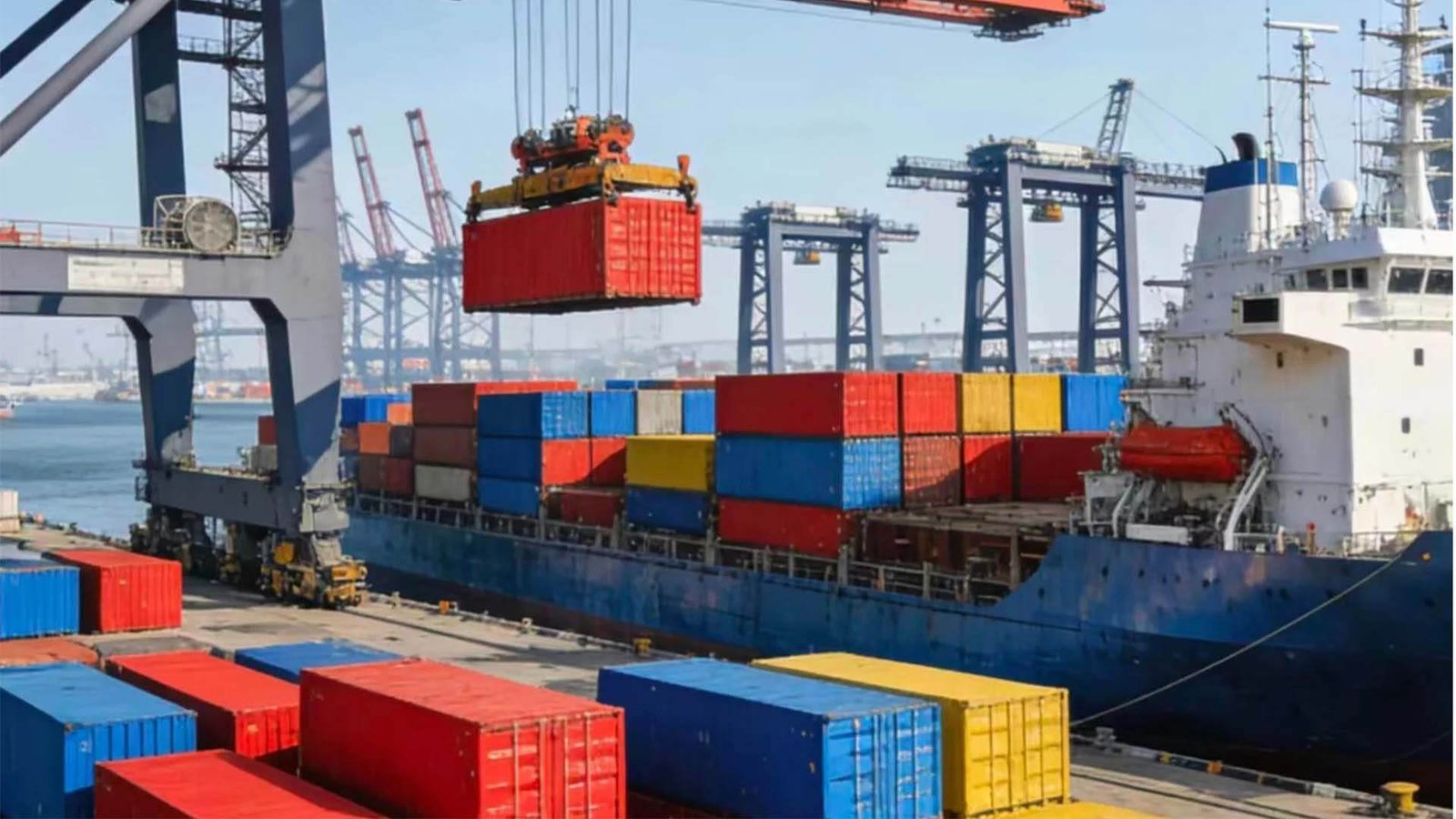
Consider the gaps left by Incoterms:
- Insurance Gaps11: Not all policies meet the necessary coverage.
- Contract Disputes: Legal ownership issues can arise.
- Customs Liability: Importers remain liable even with DDP.
How Importers Use Incoterms Strategically to Reduce Duties, Delays, and Compliance Issues
Strategic selection of Incoterms can streamline operations and minimize risks.
Choosing wisely can improve documentation control and enhance customs readiness.

When to Choose Different Incoterms:
- FOB over EXW: When you need control over freight.
- FCA over FOB: For more flexibility in logistics.
- Avoid DDP: Especially for regulated goods, to minimize compliance risks.
Conclusion
Aligning your Incoterm choice with your freight strategy and customs compliance is vital. A better understanding of Incoterms can help you reduce risk and manage costs effectively.
Understanding the responsibilities defined by Incoterms is crucial for managing international shipping effectively and avoiding costly misunderstandings. ↩
Selecting the appropriate Incoterm can significantly impact your logistics strategy, affecting costs and risk management. ↩
Knowing the cost responsibility flow helps importers avoid unexpected expenses and manage their budgets more effectively. ↩
Understanding where risk transfers in Incoterms is essential for importers to manage liability and protect their interests. ↩
Balancing logistics control with financial responsibility is key to optimizing shipping operations and minimizing costs. ↩
Exploring how Incoterms impact landed costs can help importers make informed decisions and avoid hidden charges. ↩
Gaining control over freight and customs processes can reduce risks and improve shipping efficiency for importers. ↩
Understanding these differences helps importers choose the best Incoterm for their needs, balancing risk and control. ↩
Knowing these differences is crucial for importers to select the right Incoterm and manage risks effectively. ↩
Recognizing what Incoterms do not cover helps importers address potential legal and cargo risks proactively. ↩
Identifying insurance gaps ensures that importers have adequate coverage and avoid unexpected liabilities. ↩