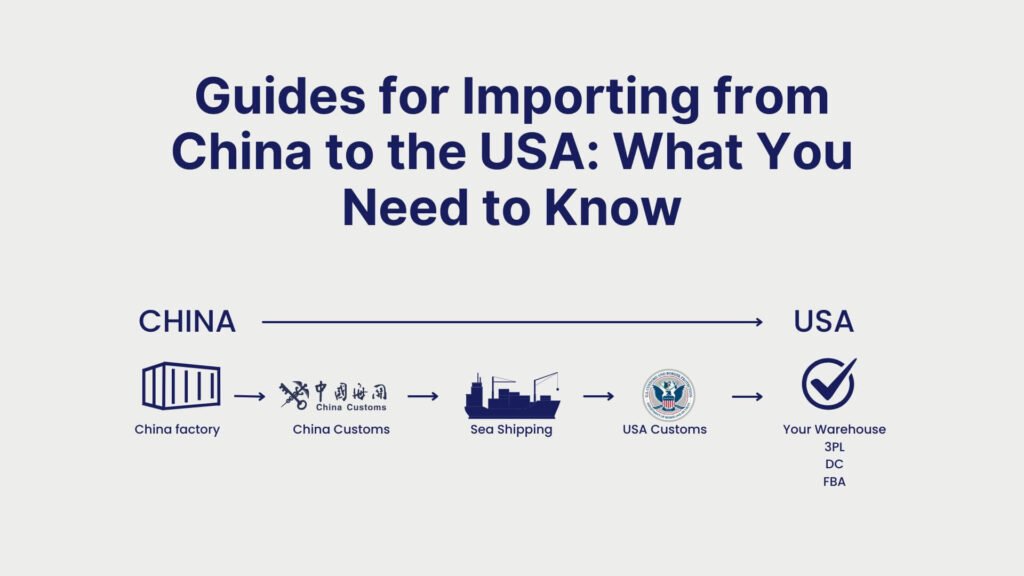
The process of importing from China can be overwhelming. But understanding the requirements and best practices can save you time and money.
To import goods from China to the USA, U.S. importers1 must meet regulations, secure the right documentation, and maintain compliance with federal laws. This article provides essential insights into the importing process.
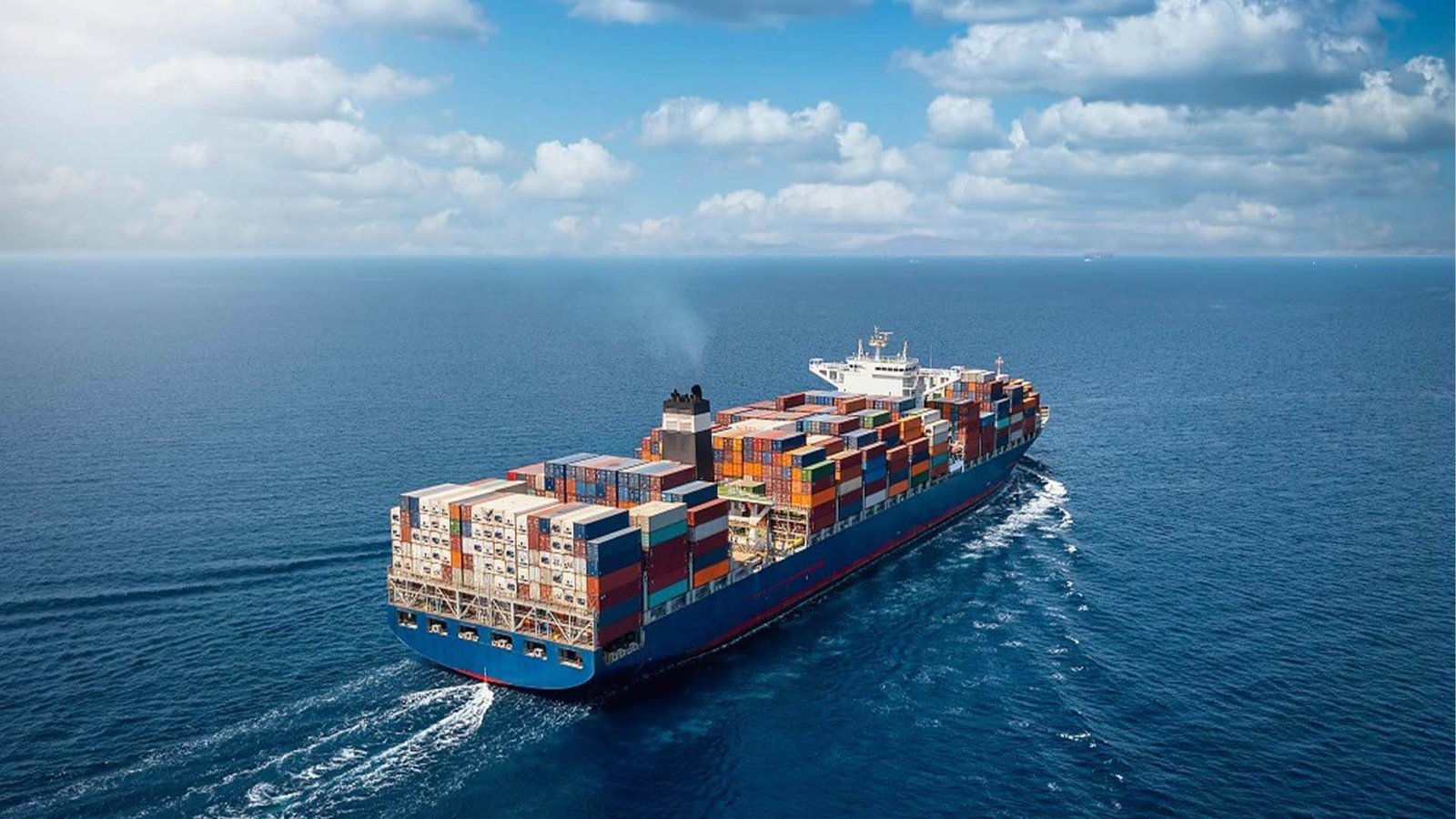
Importing from China is a detailed process that requires attention to legal, compliance, and documentation needs. Many U.S. businesses face challenges navigating these complexities. However, with the right information, you can avoid pitfalls and streamline your importing strategy.
What Legal, Compliance, and Documentation Requirements Must U.S. Importers Meet When Importing from China?
The compliance landscape for U.S. importers1 is wide-ranging. I have encountered many businesses that struggle with the necessary documentation. Understanding these requirements is crucial for a smooth import process.
U.S. importers1 must comply with CBP regulations2, obtain an Importer of Record number3, classify goods correctly using HS codes4, and prepare required documents such as commercial invoices5, packing lists6, and customs bonds7. Product-specific rules, FDA or CPSC requirements, and country-of-origin marking also apply.
Navigating the legal and documentation requirements can feel daunting. However, knowing what is needed can make this process much smoother. Here’s a breakdown of the key components to keep in mind:
Key Documentation Requirements
| Document Type | Description |
|---|---|
| Importer of Record | A unique identifier assigned by CBP, necessary for all import activities. |
| Commercial Invoice | Must detail the transaction and include the value of the goods. |
| Packing List | Provides details on how goods are packed, including dimensions and weight. |
| Customs Bond | Guarantees payment of customs duties and taxes, necessary for clearance. |
| Bill of Lading | A legal document between the shipper and carrier, outlining cargo details. |
To avoid delays, ensure that all documents are accurate and complete. Missing or incorrect information can lead to customs holds or fines. Establishing a solid documentation process is essential for compliance.
How Do Import Duties, Section 301 Tariffs8, and Customs Taxes Affect the True Landed Cost from China?
Understanding import duties9 and taxes is vital for calculating the true landed cost. Many businesses often overlook these costs, which can significantly impact overall expenses.
Importing from China involves duties, Merchandise Processing Fees10, Harbor Maintenance Fees11, and often Section 301 tariffs. The true landed cost includes freight, insurance, customs fees, and taxes, making accurate HS classification and tariff planning critical to avoiding overpayment or compliance penalties.
To grasp the complete picture of costs, consider the following elements:
Breakdown of Landed Costs
| Cost Element | Description |
|---|---|
| Import Duties | Taxes on imported goods, varying by item classification. |
| Section 301 Tariffs8 | Additional tariffs on certain products from China. |
| Merchandise Processing Fees10 | Fees charged by CBP for processing imports. |
| Harbor Maintenance Fees11 | Fees to maintain U.S. ports. |
| Freight and Insurance | Transport costs and protection against loss or damage. |
Knowing how these costs accumulate is crucial. Businesses that fail to account for all these factors often face unexpected expenses. Proper planning and consultation with customs experts can lead to savings.
What Shipping Methods from China to the U.S. Offer the Best Balance of Cost, Speed, and Risk Control?
Choosing the right shipping method plays a vital role in the import process. It impacts delivery times, costs, and potential risks.
Ocean freight is the most cost-effective option for large volumes, while air freight12 offers speed for urgent or high-value cargo. Importers must balance transit time, cost volatility, port congestion, and cargo risk when choosing between FCL13, LCL, air, or multimodal shipping options.
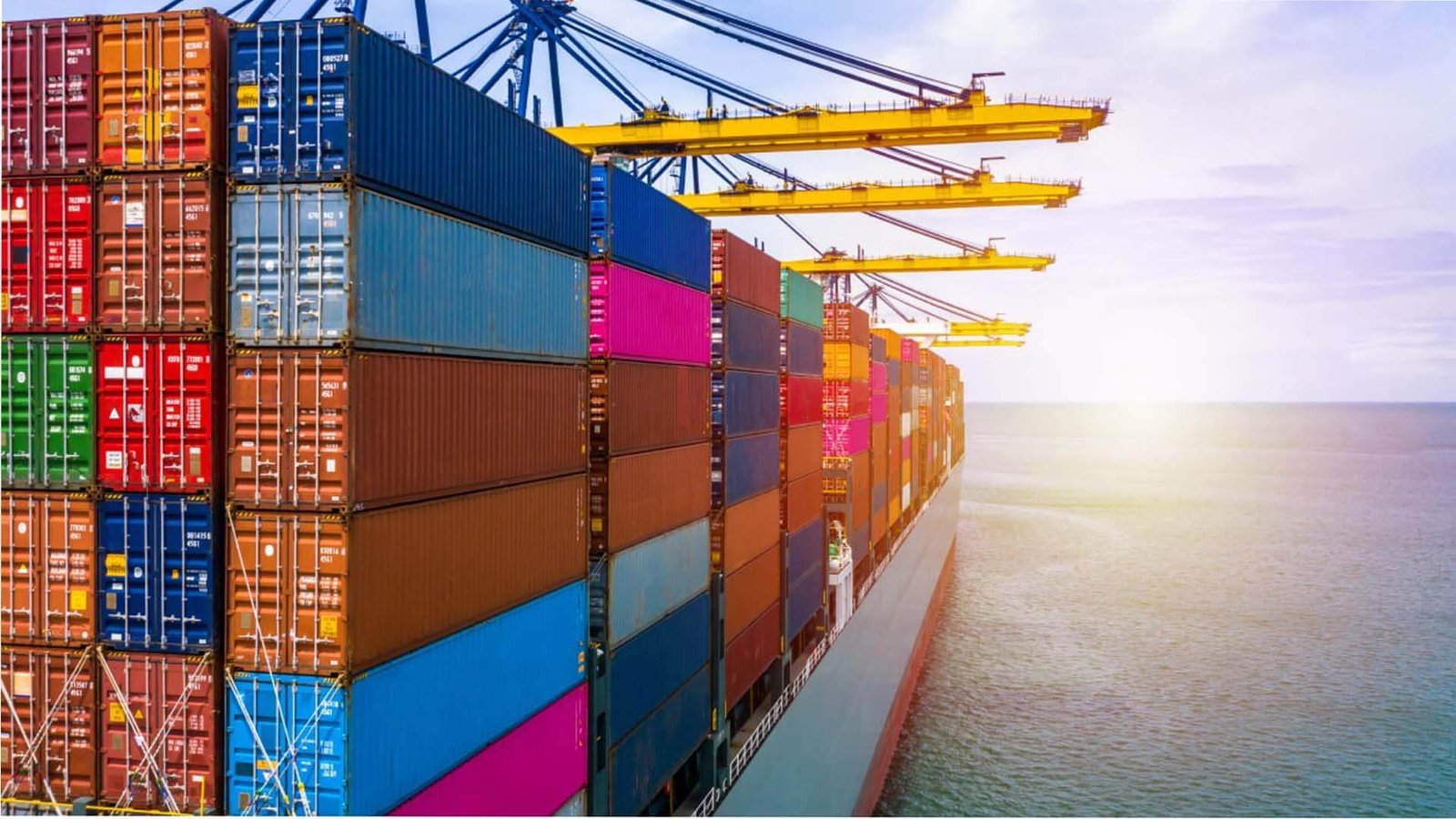
When selecting a shipping method, consider the following options:
Comparison of Shipping Methods
| Shipping Method | Cost | Speed | Risk |
|---|---|---|---|
| Ocean Freight | Low | Moderate | Medium |
| Air Freight | High | Fast | Low |
| LCL Shipping14 | Moderate | Moderate | Medium |
| FCL13 Shipping | Moderate | Moderate | Medium |
Understanding these aspects can help you make informed decisions. Shipping methods should align with your business needs and customer expectations. Collaborating with experienced logistics partners15 can help streamline this process.
How Does U.S. Customs Clearance Work for China Imports and When Is a Customs Broker Essential?
Customs clearance is a critical step in the import process. It ensures that goods comply with U.S. regulations before entering the market.
U.S. customs clearance16 requires filing entry data, paying duties, and complying with CBP regulations2 before cargo release. A licensed customs broker17 is essential for managing filings, resolving exams, and preventing costly delays—especially for first-time importers or regulated products.
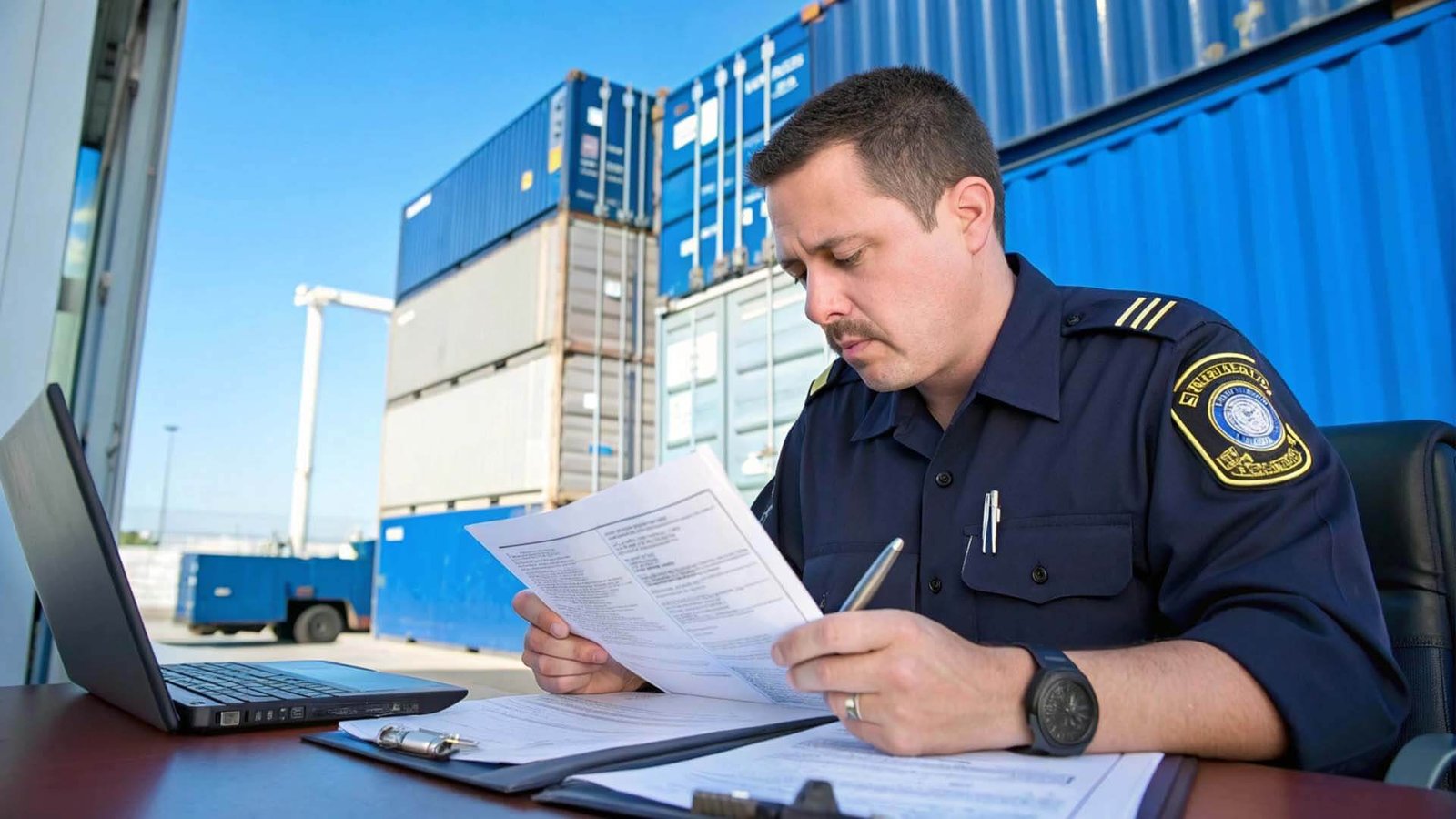
A customs broker17 can be an invaluable asset. Here’s how they can assist:
Role of a Customs Broker
| Task | Description |
|---|---|
| Filing Entry Data | Ensures all required documents are submitted to CBP. |
| Paying Duties | Manages the payment of tariffs and fees on behalf of the importer. |
| Resolving Customs Exams | Helps in case of inspections or additional documentation requests. |
| Preventing Delays | Streamlines the process to avoid unnecessary holds. |
Using a customs broker17 can simplify the complexities of customs clearance16. Given the potential for delays and penalties, their expertise is often essential for efficient operations.
What Common Import Mistakes from China Cause Delays, Fines, or Cargo Holds for U.S. Businesses?
Mistakes in the importing process can lead to significant issues. Many businesses underestimate the consequences of small errors.
Common China import mistakes include incorrect HS codes4, undervaluation, missing documents, and non-compliant labeling. These errors can trigger customs exams, shipment holds, fines, or seizure, disrupting supply chains and increasing total landed costs for U.S. businesses.
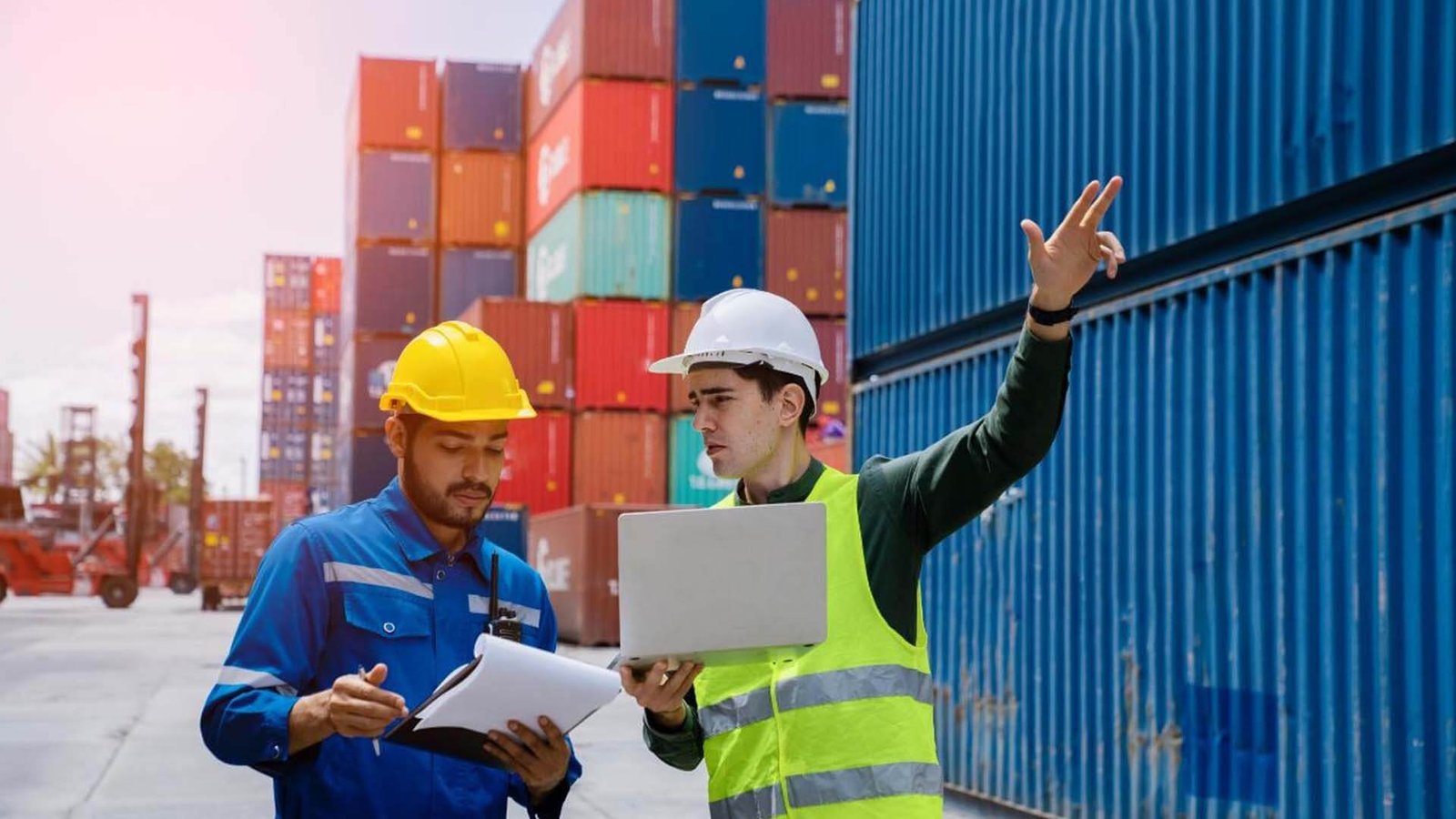
Identifying these common mistakes can help you avoid costly issues. Here are key areas where errors often occur:
Frequent Import Mistakes
| Mistake | Consequence |
|---|---|
| Incorrect HS Codes | Leads to wrong duty assessments and potential fines. |
| Undervaluation | Results in legal penalties and increased scrutiny. |
| Missing Documentation | Causes delays and cargo holds at customs. |
| Non-compliant Labeling | Can lead to fines and confiscation of goods. |
Awareness of these pitfalls is the first step towards successful importing. Regular training and consultation can help mitigate risks.
How Can Importers Reduce Risk and Cost Across the China-to-U.S. Supply Chain with the Right Partners?
Building strong partnerships can make a significant difference in the importing process. The right partners can help manage risks and reduce costs.
Importers reduce risk and cost by working with experienced freight forwarders18 and customs broker17s who manage compliance, optimize shipping routes, forecast duties, and coordinate end-to-end logistics. Strategic partners help businesses scale imports from China with predictability and control.
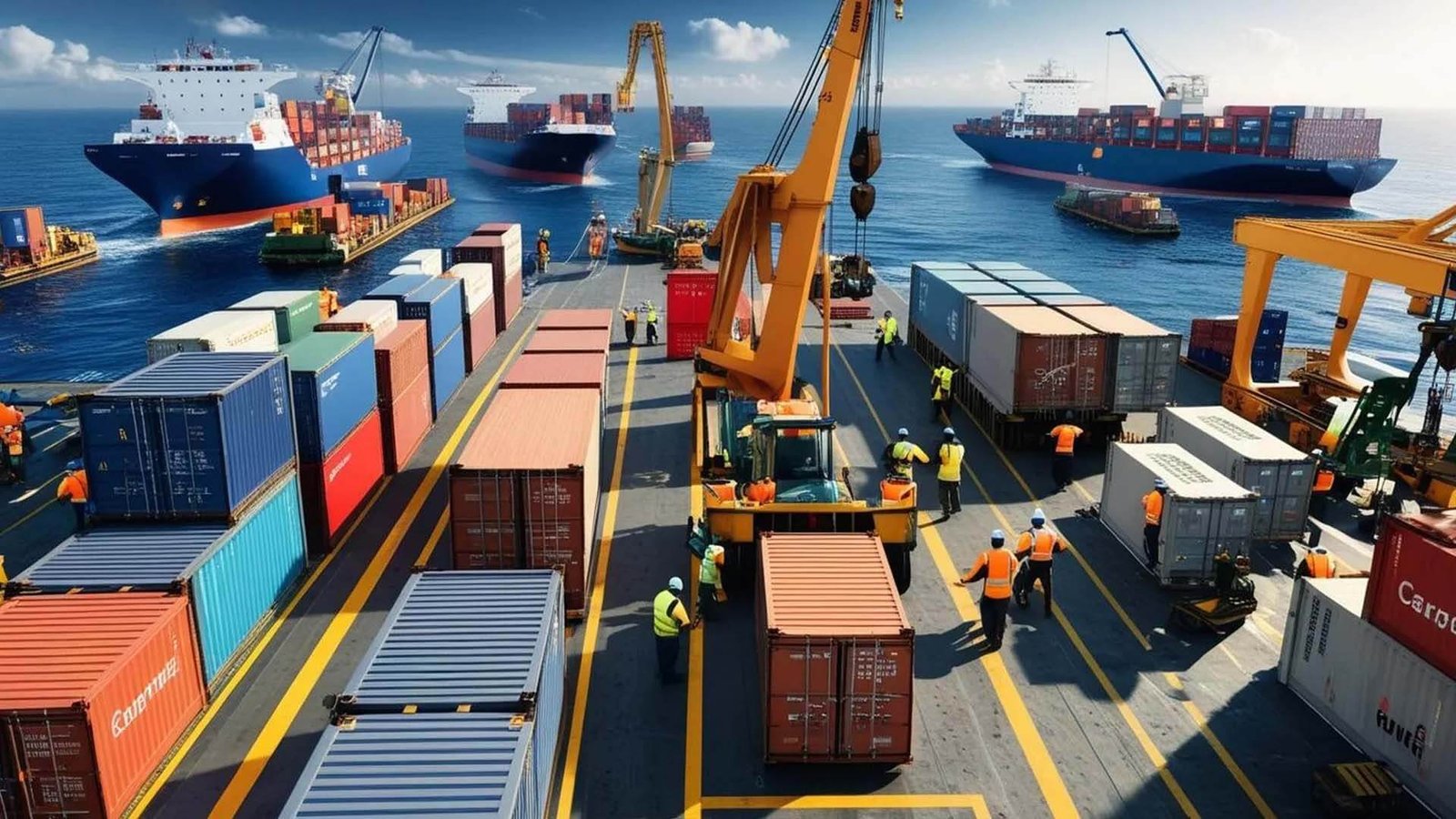
Here’s how to foster effective partnerships:
Strategies for Risk Reduction
| Strategy | Description |
|---|---|
| Choose Experienced Partners | Work with freight forwarders18 and customs broker17s with proven track records. |
| Optimize Shipping Routes | Analyze the best shipping routes for cost and efficiency. |
| Conduct Regular Audits | Ensure compliance and identify potential improvement areas. |
| Leverage Technology | Utilize software to track shipments and manage documentation effectively. |
By aligning with the right partners, U.S. importers1 can navigate the complexities of importing from China more efficiently. This collaboration can drive down costs and enhance operational efficiency.
Conclusion
Importing from China requires careful planning and collaboration. Understanding compliance, costs, and best practices can lead to successful ventures.
Explore this resource to understand the essential requirements for U.S. importers to ensure compliance and avoid pitfalls. ↩
Learn about CBP regulations to ensure your imports meet U.S. standards and avoid costly delays. ↩
Discover the significance of the Importer of Record number in the importing process to ensure compliance. ↩
Understanding HS codes is crucial for accurate duty assessments and compliance; explore this link for more. ↩
Get insights into the requirements for commercial invoices to avoid customs issues and delays. ↩
Learn how to create effective packing lists to streamline your importing process and avoid complications. ↩
Explore the role of customs bonds in ensuring compliance and facilitating smooth customs clearance. ↩
Learn about Section 301 Tariffs to understand their impact on your import costs and compliance. ↩
Understanding import duties is essential for budgeting; find detailed information on how they are calculated. ↩
Discover how Merchandise Processing Fees affect your overall import costs and budgeting. ↩
Understanding Harbor Maintenance Fees is crucial for accurate cost calculations; explore this resource. ↩
Explore the scenarios where air freight is advantageous for urgent or high-value shipments. ↩
Understanding FCL shipping can help you make informed decisions about your import logistics. ↩
Learn how LCL shipping can be a cost-effective solution for smaller import volumes. ↩
Understanding the qualities of effective logistics partners can enhance your importing efficiency. ↩
Explore the customs clearance process to ensure compliance and avoid delays in your shipments. ↩
Discover the vital role of customs brokers in navigating the complexities of customs regulations. ↩
Explore how freight forwarders can streamline your importing process and reduce risks. ↩