Shipping goods across borders can be overwhelming. With varying costs, regulations, and logistics, it’s easy to feel lost. Let’s cut through the confusion and make shipping from China to Canada clear.
Understanding your shipping options1 is crucial for U.S. importers. Factors like cost, transit time, and reliability must be weighed.
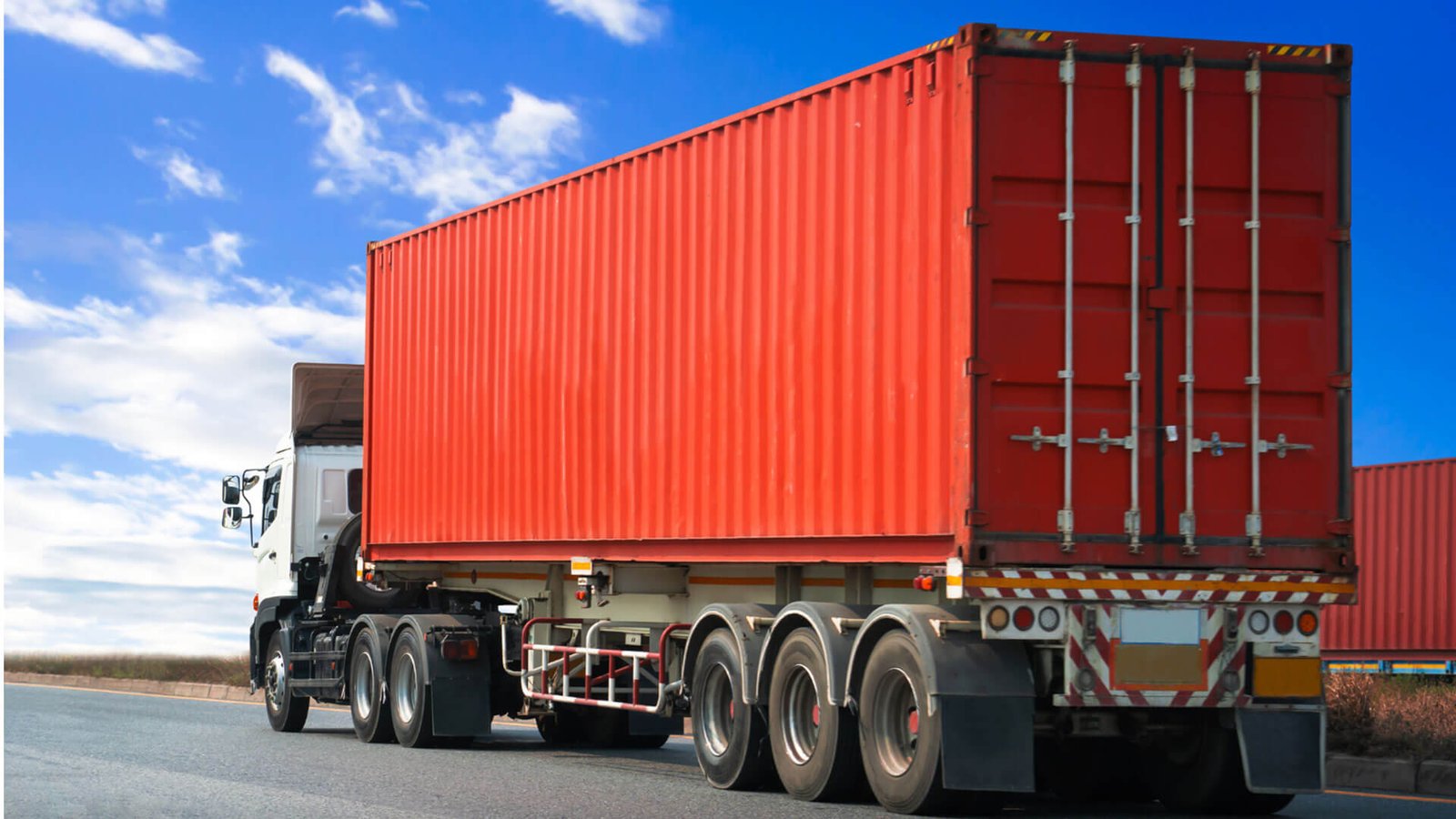
In this article, I will help you navigate the complexities of shipping from China to Canada. I'll cover options, duties, customs processes, compliance risk2s, and ways to save money and time.
What Shipping Options from China to Canada Best Balance Cost, Transit Time, and Reliability for U.S. Importers?
Shipping from China to Canada can be done via ocean freight3 or air freight4. Each method serves different needs.
U.S. importers shipping from China to Canada typically choose ocean freight3 for cost efficiency or air freight4 for speed-sensitive cargo. The best option depends on shipment size, delivery deadlines, port congestion, and risk tolerance, making mode selection a strategic decision rather than a one-size-fits-all choice.

When choosing a shipping option, it's important to consider several factors:
-
Cost:
- Ocean Freight: More affordable for larger shipments.
- Air Freight: Faster but often significantly more expensive.
-
Transit Time:
- Ocean Freight: Typically takes longer, around 20-40 days.
- Air Freight: Faster, generally 1-5 days.
-
Reliability:
- Consider the reliability of different carriers. Some may have better track records than others.
For U.S. importers, understanding how to balance these factors is key. If you prioritize cost, ocean freight3 often wins. If speed is essential, air freight4 may be your best option. However, be ready for the premium pricing associated with air shipping.
How Do Canadian Import Duties, GST/HST5, and Tariffs Impact the True Landed Cost of China Shipments?
Importing goods isn't just about shipping costs. Duties, taxes, and tariffs6 can add up quickly and impact your bottom line.
Importing goods from China into Canada may involve customs duties, GST or HST, and applicable tariffs6 based on product classification and origin. The true landed cost includes freight, insurance, brokerage fees, and taxes, requiring accurate HS classification and cost forecasting to avoid surprises.
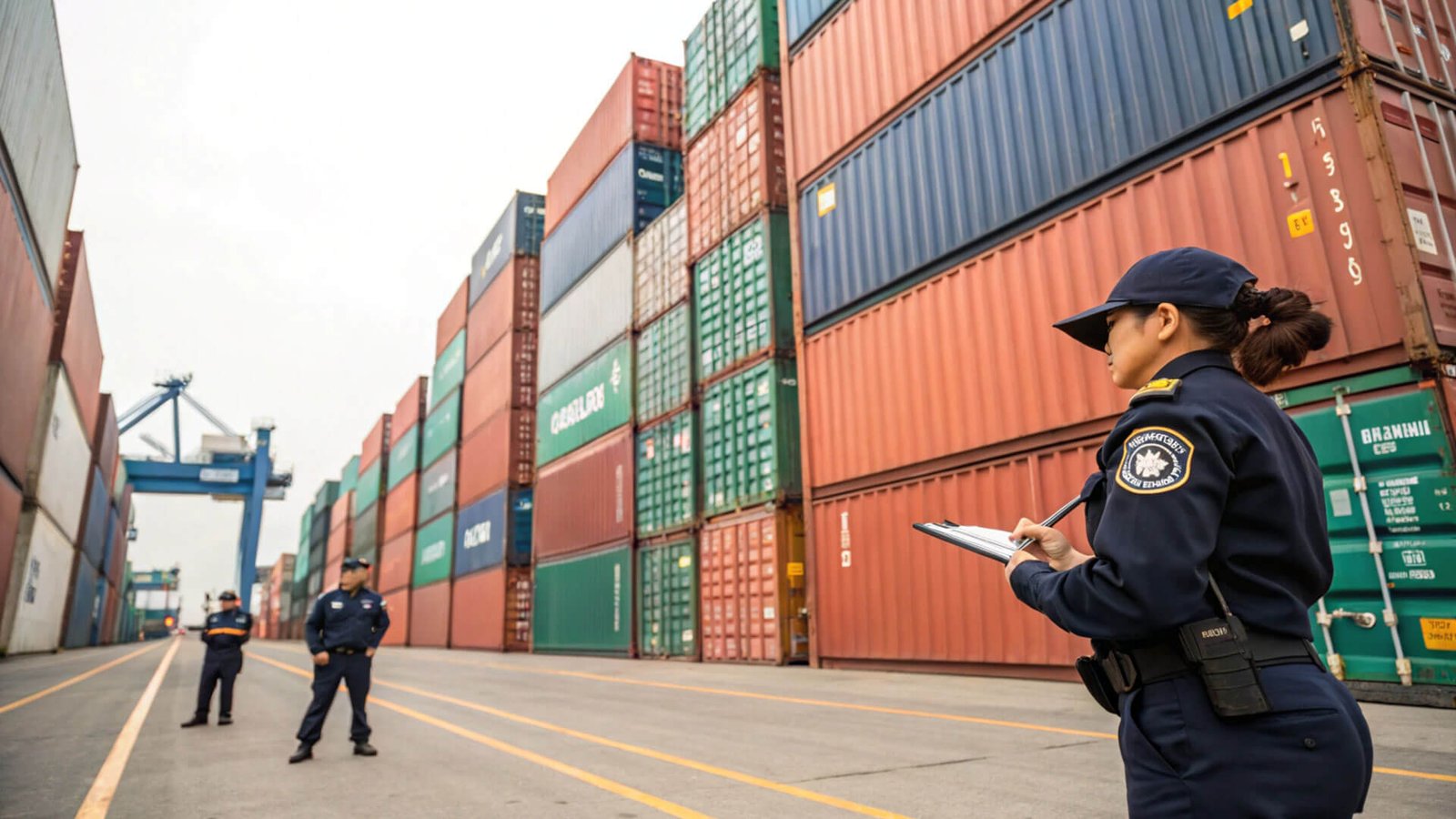
Here is how duties and taxes can affect your overall costs:
| Cost Element | Explanation |
|---|---|
| Customs Duties | Based on the product and its classification. |
| GST/HST5 | A tax applied on most goods imported into Canada. |
| Tariffs | Additional fees based on trade agreements or product types. |
It’s essential to accurately classify your goods using HS codes. This classification affects the amount of duty and tax you will pay. Consulting a customs broker can help ensure you aren’t caught off guard by unexpected costs.
How Does Customs Clearance Work When Shipping from China to Canada and What Documentation Is Required?
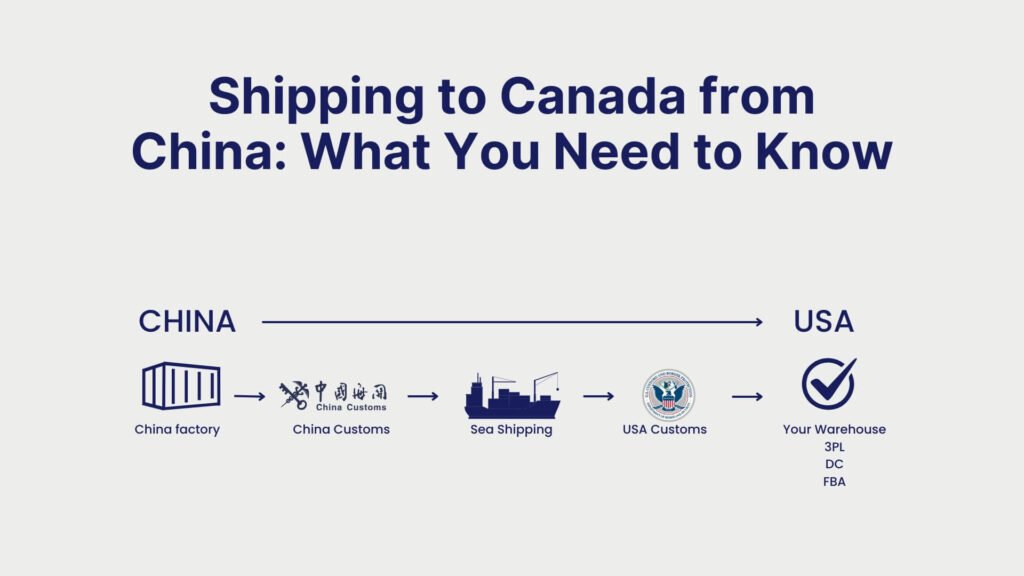
Understanding customs clearance7 is vital for smooth shipping. Without proper documentation, shipments can face delays.
Customs clearance in Canada requires filing import declaration8s with CBSA, submitting accurate commercial invoices, packing list9s, and origin data, and paying all applicable duties and taxes. Proper documentation and advance planning help prevent border delays, inspections, and compliance issues.

Here’s a list of the key documents you need to prepare:
- Commercial Invoice: Details the sale and provides value for duties.
- Packing List: Lists items and their packaging.
- Import Declaration: Filed with CBSA for customs clearance7.
- Bill of Lading: Proof of shipment from the carrier.
Each piece of documentation plays a crucial role in ensuring your shipment passes through customs smoothly. A lack of proper documentation can lead to delays or increased costs.
What Products Face Restrictions, Inspections, or Higher Compliance Risk When Entering Canada from China?
Not all products are treated equally when entering Canada. Some face stricter scrutiny.
Certain products entering Canada from China face higher compliance scrutiny, including electronics, food-related items, medical goods, and regulated materials. These shipments may require permits, certifications, or inspections, increasing the risk of delays if requirements are not addressed before arrival.
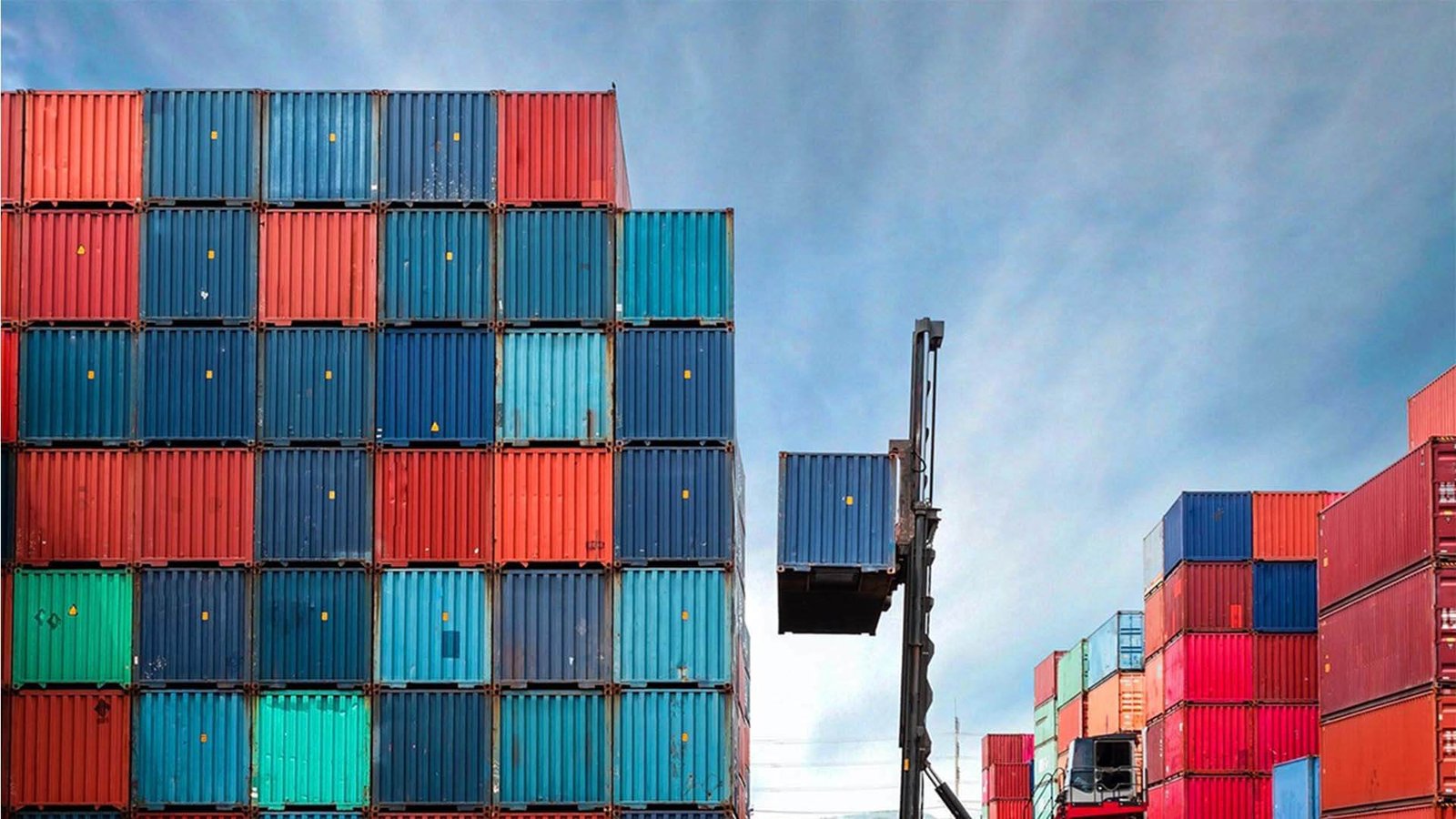
Here are common categories of items that often face restrictions:
| Product Type | Compliance Risk |
|---|---|
| Electronics | May require safety certifications. |
| Food Products | Subject to health inspections and permits. |
| Medical Equipment | Must comply with health regulations. |
| Regulated Items | Custom permits often needed. |
Before shipping, assess whether your goods require extra documentation. This proactive approach can save you time and prevent logistical headaches.
How Can U.S. Importers Reduce Shipping Costs and Delays When Moving China-Origin Cargo into Canada?
Cost management is critical for any importer. There are several strategies you can employ to minimize expenses and streamline processes.
U.S. importers can reduce costs and delays by consolidating shipments, choosing optimal ports, pre-classifying goods, and coordinating warehousing, freight, and customs processes. Working with experienced logistics partners10 improves visibility, reduces handoffs, and helps control total landed cost into Canada.
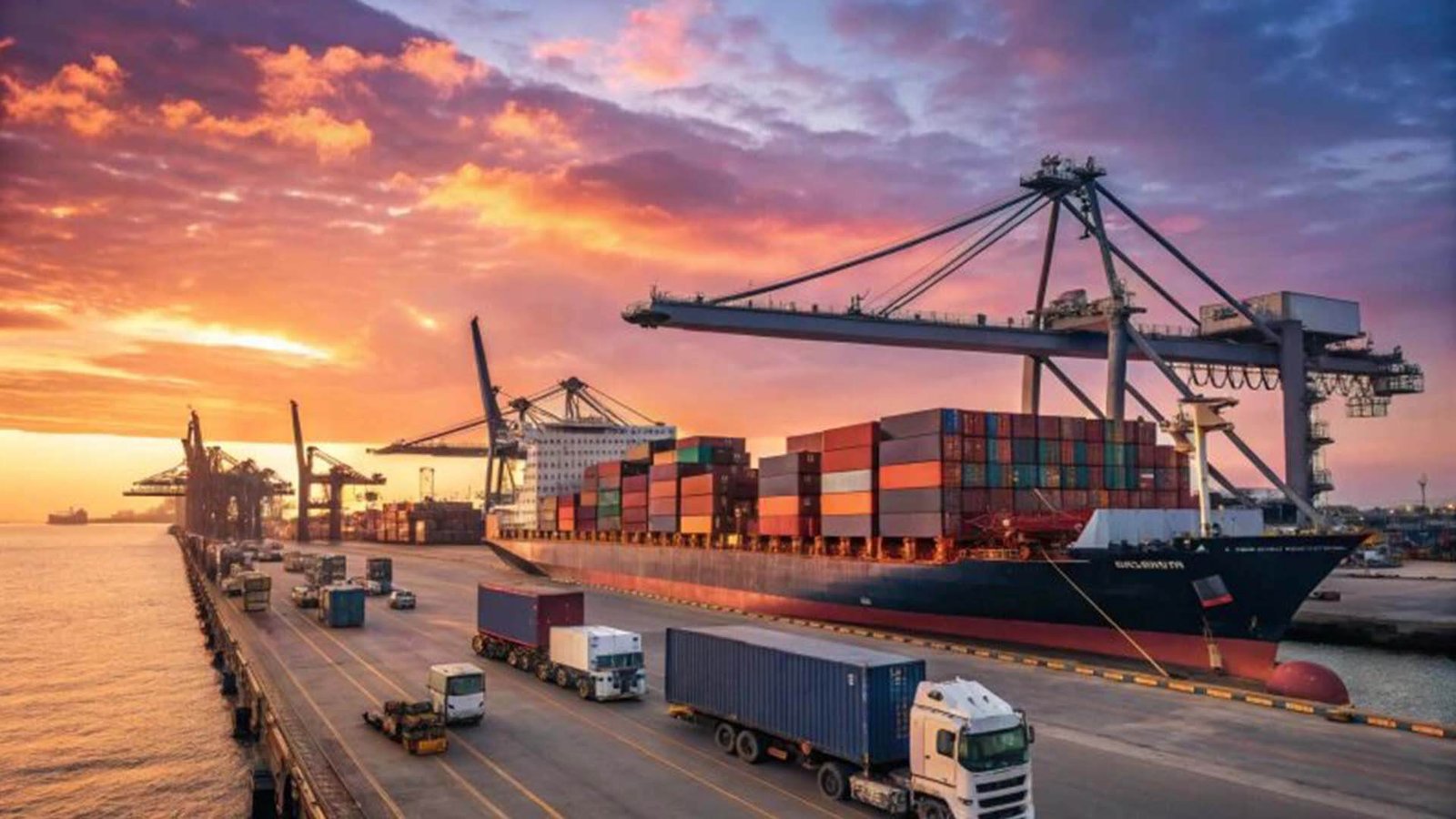
Consider these strategies:
- Consolidate Shipments: Combine smaller shipments into one larger shipment to save on freight costs.
- Optimal Ports: Choose ports that offer better rates or quicker clearance times.
- Pre-Classify Goods: This helps in anticipating duties and avoids surprises.
- Work with Logistics Partners: Experienced partners can help streamline the entire process.
By implementing these practices, U.S. importers can significantly reduce costs and delays, making their shipping operations more efficient.
Conclusion
Shipping from China to Canada involves understanding logistics, duties, and customs. With the right knowledge, you can streamline your shipping process and reduce costs.
Explore this link to discover various shipping options that can help you choose the best method for your needs. ↩
Learn about compliance risks to avoid delays and ensure successful shipments. ↩
Learn about the cost efficiency of ocean freight and how it can benefit your shipping strategy. ↩
This resource will help you understand the speed and costs associated with air freight. ↩
Understanding GST/HST is crucial for calculating the true landed cost of your shipments. ↩
Explore this link to learn about tariffs and how they impact your shipping expenses. ↩
Gain insights into the customs clearance process to ensure smooth shipping operations. ↩
Understand the importance of an import declaration for customs clearance. ↩
This resource will guide you on how to prepare an effective packing list. ↩
Find out how working with logistics partners can enhance your shipping efficiency. ↩