Sea freight can seem overwhelming. But understanding the process can save you time and money. Let's break it down step by step.
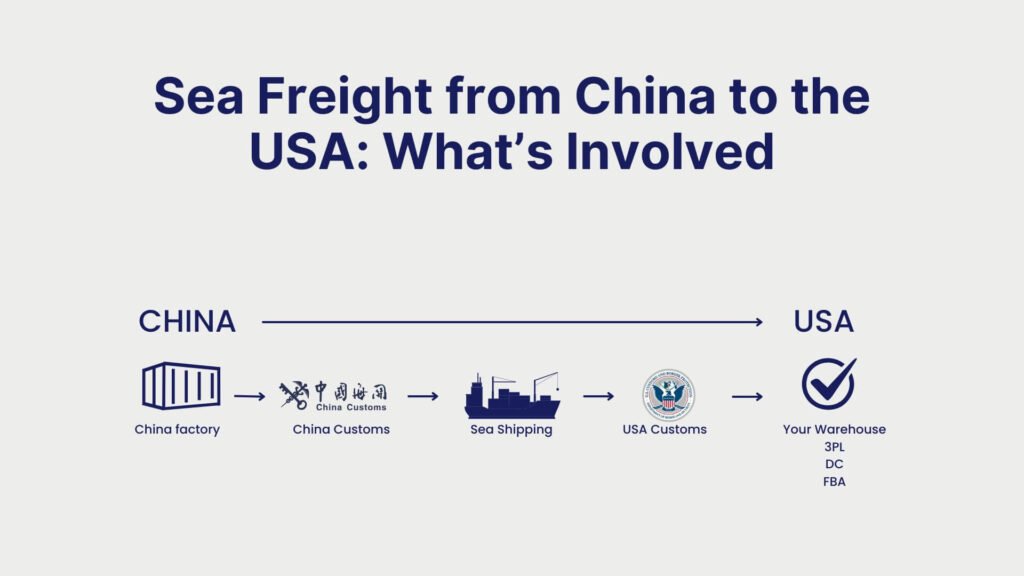
Sea freight from China to the USA involves origin pickup1, export documentation2, port handling, ocean transit3, U.S. port arrival, customs clearance4, and inland delivery5. Each step must be properly coordinated to avoid delays, unexpected fees, or cargo holds once the shipment reaches the United States.
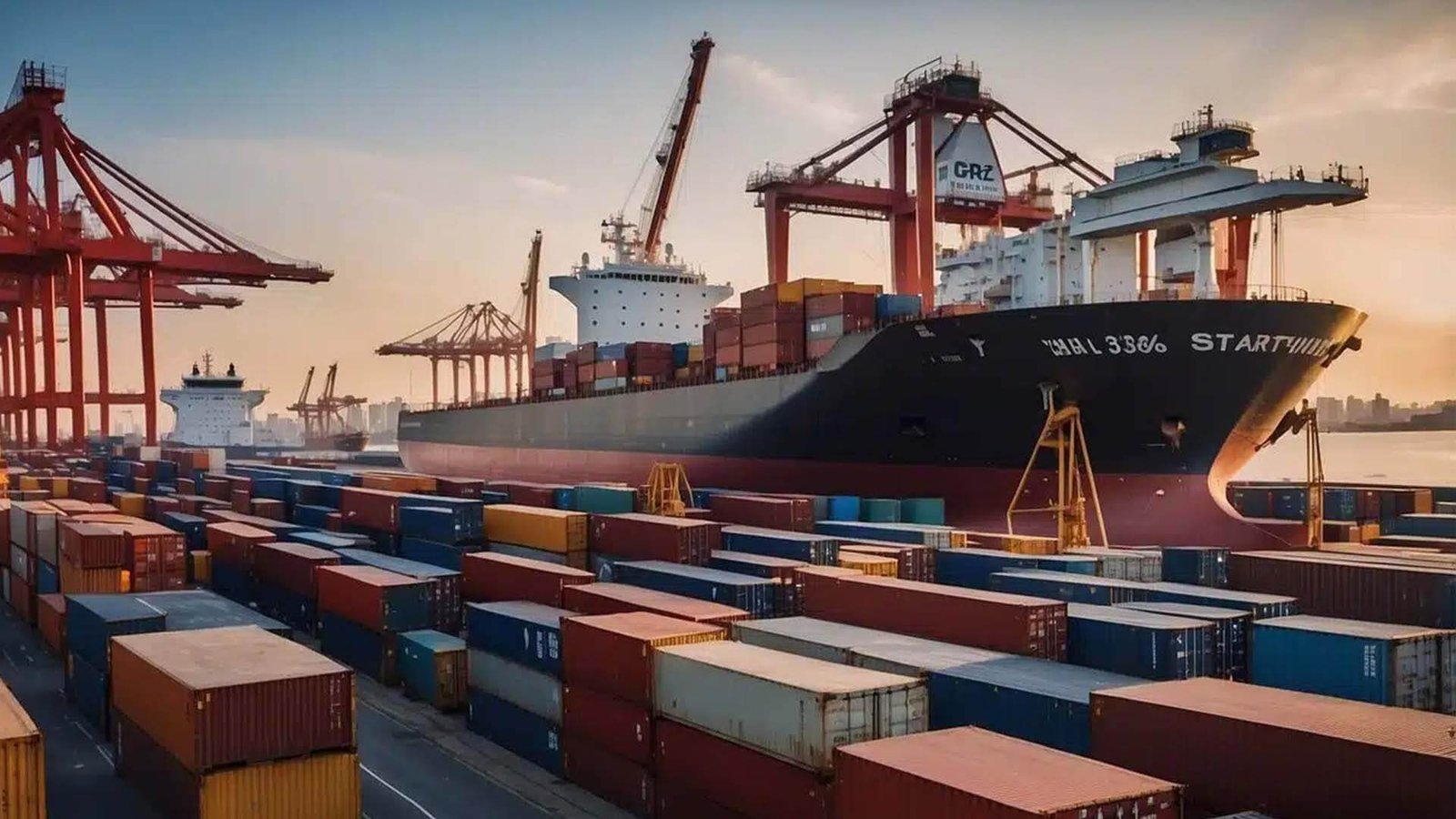
Shipping from China to the USA is a detailed process. It starts with origin pickup1 and runs through to final delivery. Each step requires careful attention. If one part of the process goes wrong, it can cause delays and increase costs. Understanding each stage can help you manage your shipments better.
How Does Sea Freight from China to the USA Work from Origin Pickup to Final Delivery?
Shipping goods from China to the USA begins with a reliable supplier. This is crucial. The process starts with origin pickup1, where the shipment is collected from the supplier. After collection, export documentation2 must be prepared. This includes packing lists, invoices, and any necessary permits.
Once the paperwork is in order, the cargo is taken to a Chinese port. Here, it undergoes loading onto an ocean vessel. The ocean transit3 follows, which takes time based on various factors. Upon reaching the U.S. port, customs clearance4 takes place. This is where U.S. Customs and Border Protection (CBP)6 checks the shipment before it moves inland. Finally, the cargo is delivered to its destination.
Shipping from China to the USA involves several interconnected stages. Each step must be executed flawlessly to ensure timely delivery and compliance with U.S. regulations.
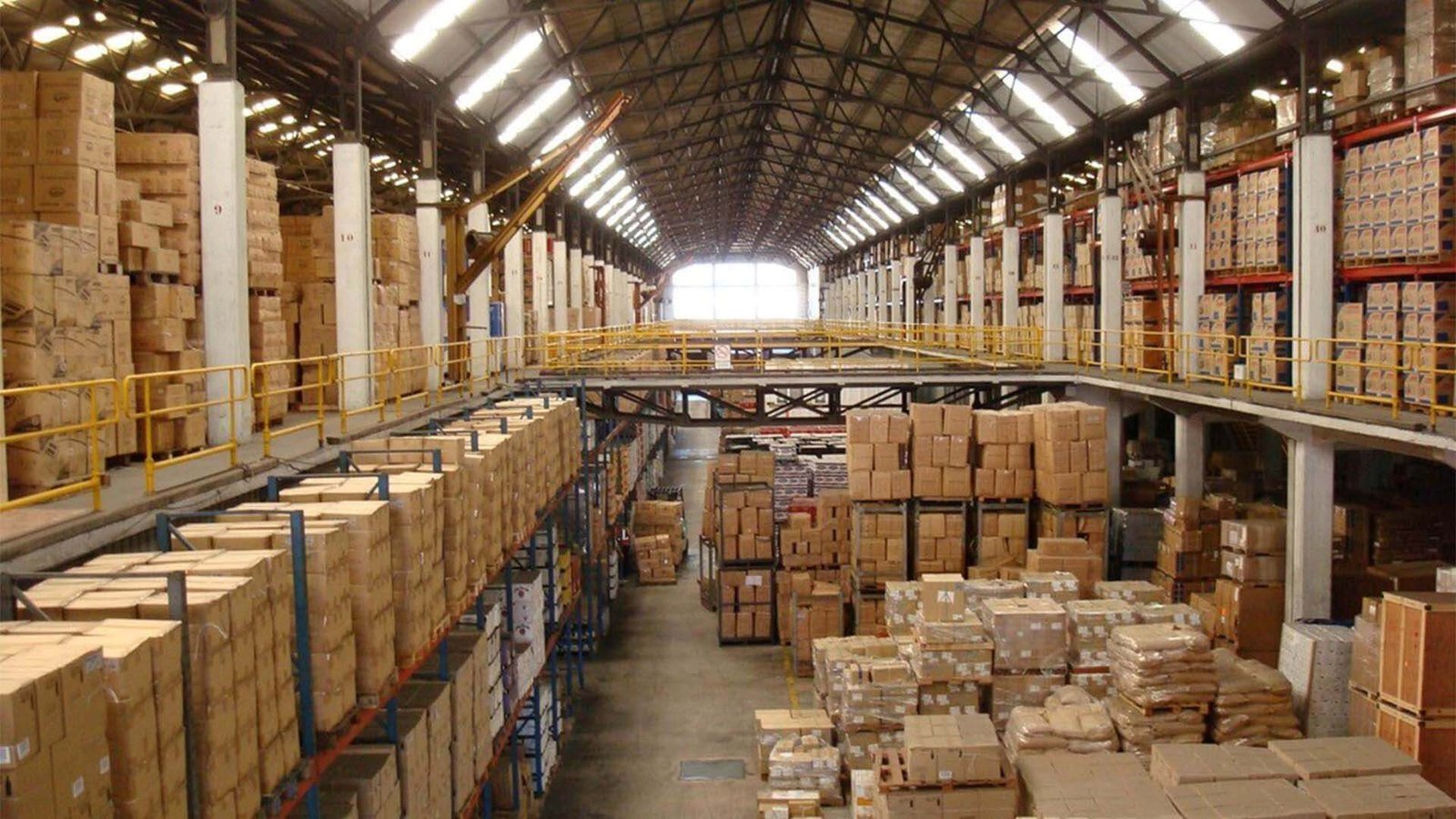
Understanding this process can help reduce mistakes. The more informed you are, the easier it is to navigate potential challenges. Each stage is critical, and errors at any point can lead to complications.
What Are the Key Sea Freight Options from China to the U.S. and When Should Importers Use FCL or LCL?
When deciding on shipping options, importers often face a key choice: Full Container Load (FCL)7 or Less-than-Container Load (LCL)8. FCL is ideal for large shipments. It provides better control over your cargo and often results in lower costs per unit shipped.
On the other hand, LCL is suitable for smaller consignments. It allows importers to share container space with others. This can save money but may introduce longer transit times due to consolidation processes.
U.S. importers typically choose Full Container Load (FCL)7 for higher volumes and better cost control, while Less-than-Container Load (LCL)8 suits smaller shipments. The right option depends on cargo volume, budget, transit reliability, and tolerance for consolidation-related delays.
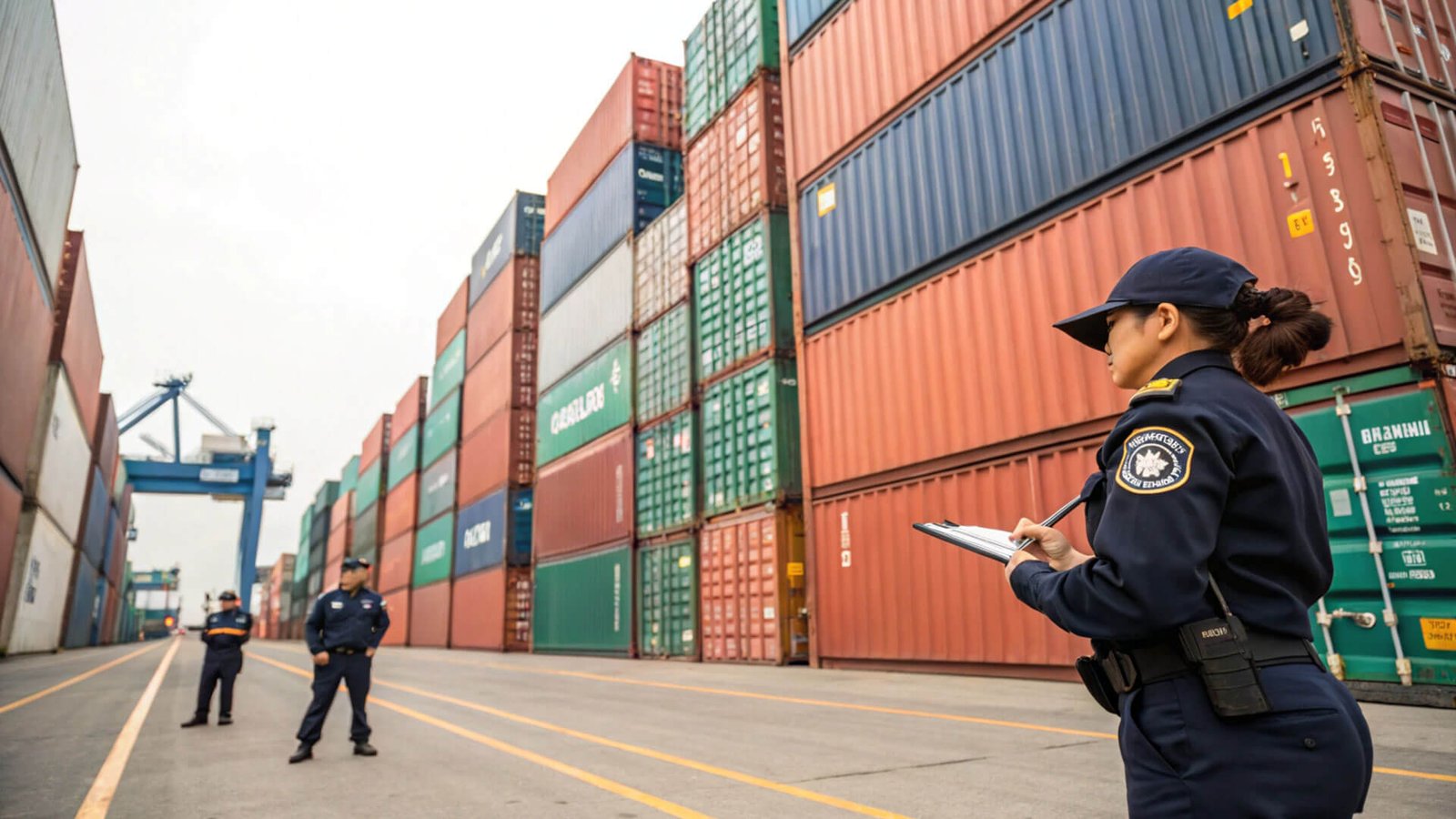
When choosing between FCL and LCL, consider your shipping frequency and volume. Regular, larger shipments may benefit from FCL, while occasional smaller shipments might be better suited for LCL. Each option has its own advantages and disadvantages, and the right choice will depend on specific needs and circumstances.
How Long Does Sea Freight from China to the USA Take and What Factors Cause Transit Delays?
The transit time for sea freight can vary greatly. Typically, shipments take several weeks. Factors affecting these times include the origin and destination ports, weather conditions, and the route taken by the vessel.
Delays can happen for many reasons. Port congestion is a common issue. Other factors include vessel rollovers, customs examinations, and issues with inland transportation.
Sea freight transit from China to the USA generally takes several weeks, depending on origin port, destination port, and routing. Delays often result from port congestion9, vessel rollovers, weather conditions, customs exams, or inland transportation bottlenecks.
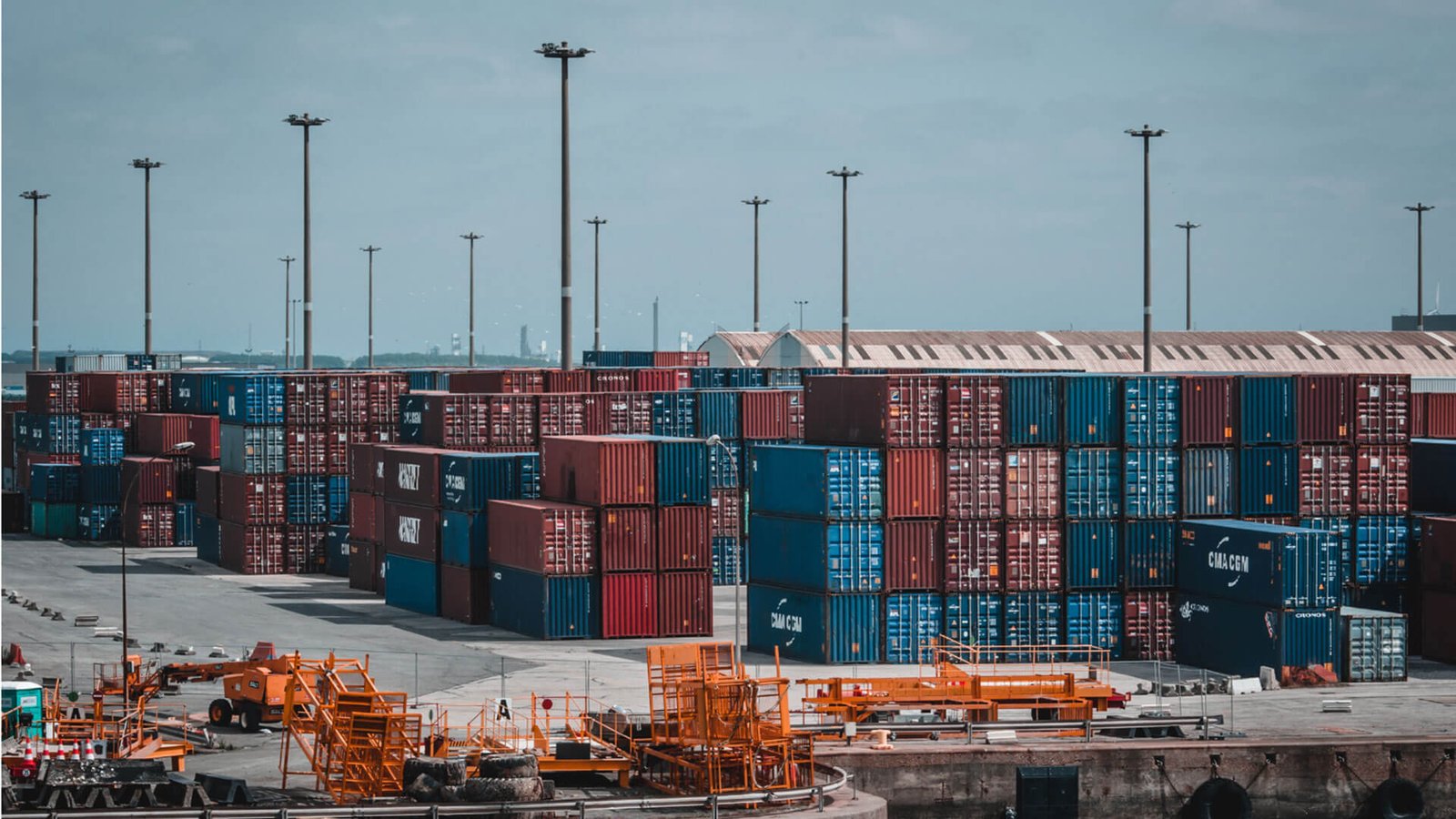
To minimize delays, it’s crucial to plan ahead. Make sure to keep communication open with your logistics provider. They can give you updates and help you navigate any potential issues. Being proactive can lead to smoother shipping experiences.
What Costs, Surcharges, and Fees Make Up the Total Sea Freight Price from China to the USA?
Understanding the cost structure of sea freight is important. The total price includes several components. Ocean freight fees, fuel surcharges10, and port fees are just a few examples. Additional charges can arise during peak shipping seasons or due to special requirements.
Documentation charges also add to the overall cost. It’s essential to understand each of these elements to avoid budget overruns.
The total sea freight price includes ocean freight, fuel and peak season surcharges, origin and destination port fees, documentation charges11, and inland transport. Understanding these cost components helps importers forecast budgets accurately and avoid unexpected landed-cost overruns.
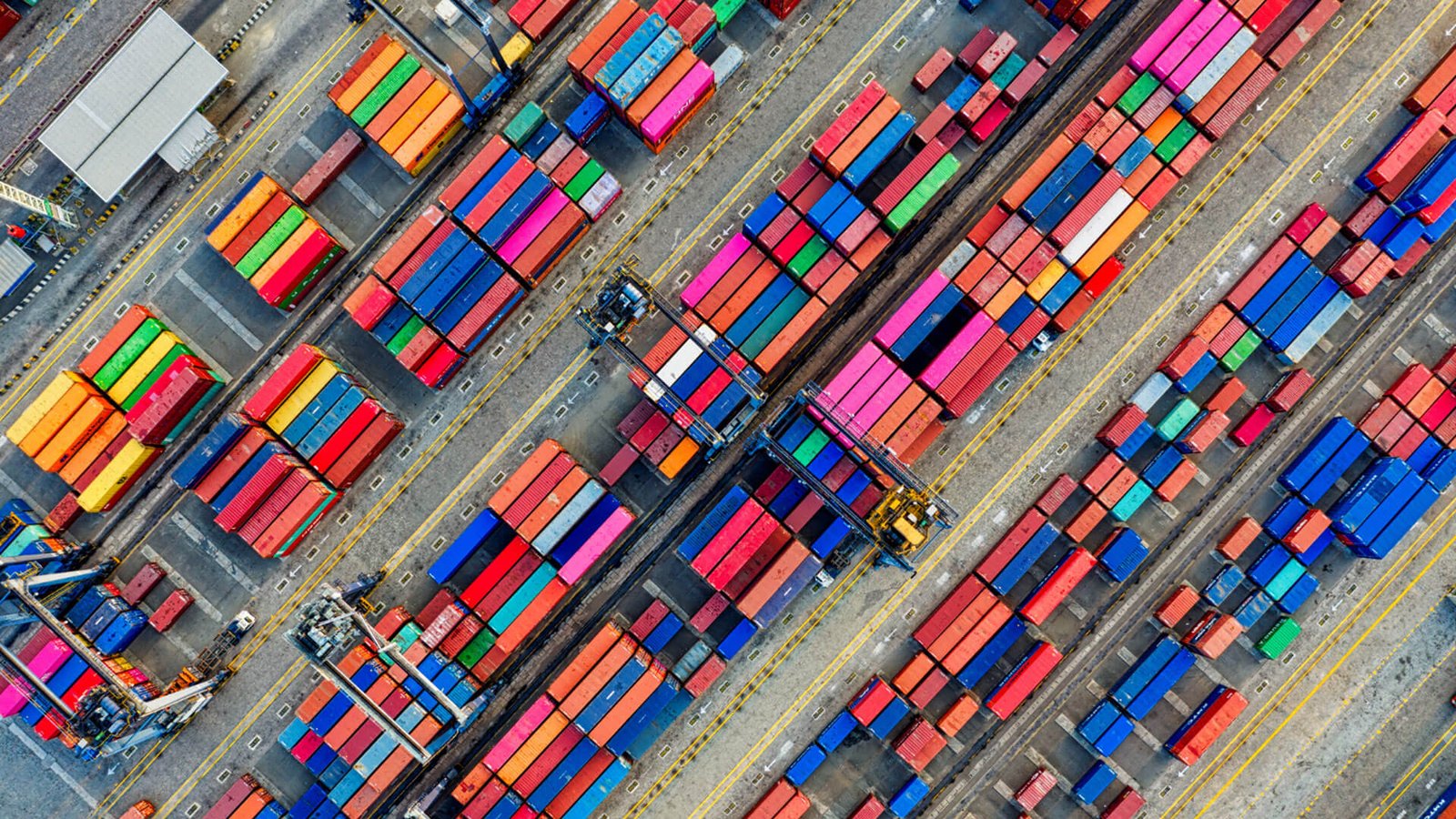
By knowing these costs, you can better plan your budget. Regularly reviewing your shipping expenses can also help identify areas for potential savings. Make sure to ask your logistics provider for a detailed breakdown of costs to maintain transparency.
How Do U.S. Customs Clearance and Duties Apply to Ocean Freight Shipments from China?
Every ocean freight shipment entering the U.S. must undergo customs clearance4. This process requires accurate documentation and payment of any applicable duties and taxes. Having the right classification and valuation of your goods is critical to prevent issues with customs.
Importers must prepare for potential customs examinations. These occur if there's a discrepancy in the documentation or suspicion of non-compliance.
All ocean freight shipments entering the U.S. must clear customs with CBP, requiring accurate documentation and payment of duties, taxes, and fees. Proper classification, valuation, and compliance preparation are critical to preventing customs holds or penalty assessments.
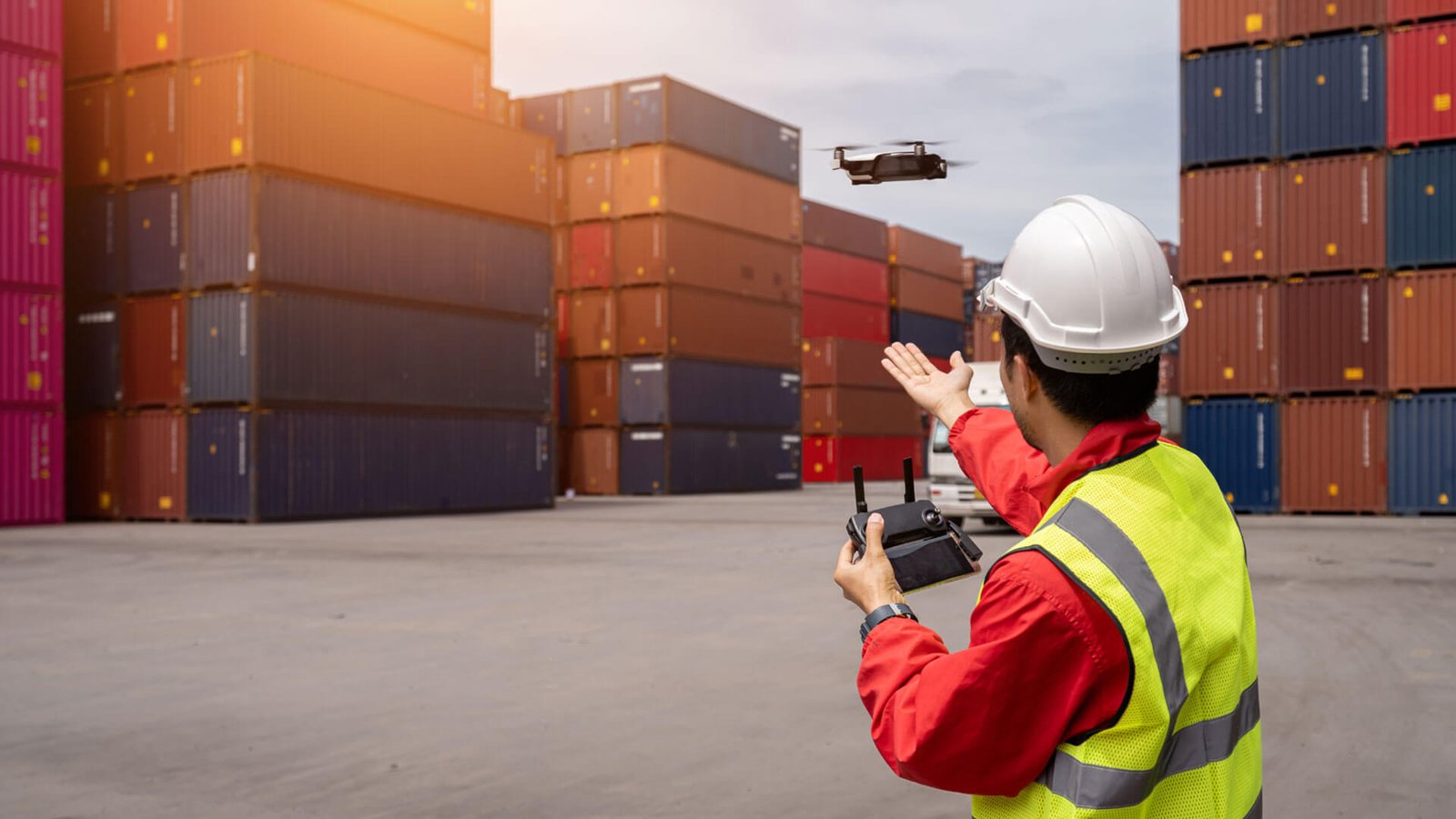
To avoid delays, ensure your paperwork is complete and accurate. Poor documentation can lead to holds and additional costs. Working closely with a knowledgeable customs broker can help navigate these requirements smoothly.
What Risks and Common Mistakes in China–U.S. Sea Freight Cause Delays, Holds, or Cost Overruns?
There are several risks and common mistakes that can impact sea freight shipments. Incorrect use of Incoterms12, poor HS classification13, and missing documents are just a few examples. These errors can lead to delays and increased costs.
Poor communication between freight and customs can also create issues. It’s essential to have a coordinated approach to shipping.
Common sea freight mistakes include incorrect Incoterms12, poor HS classification13, missing documents, and lack of coordination between freight and customs. These errors often lead to shipment delays, exams, demurrage charges14, and higher overall landed costs.
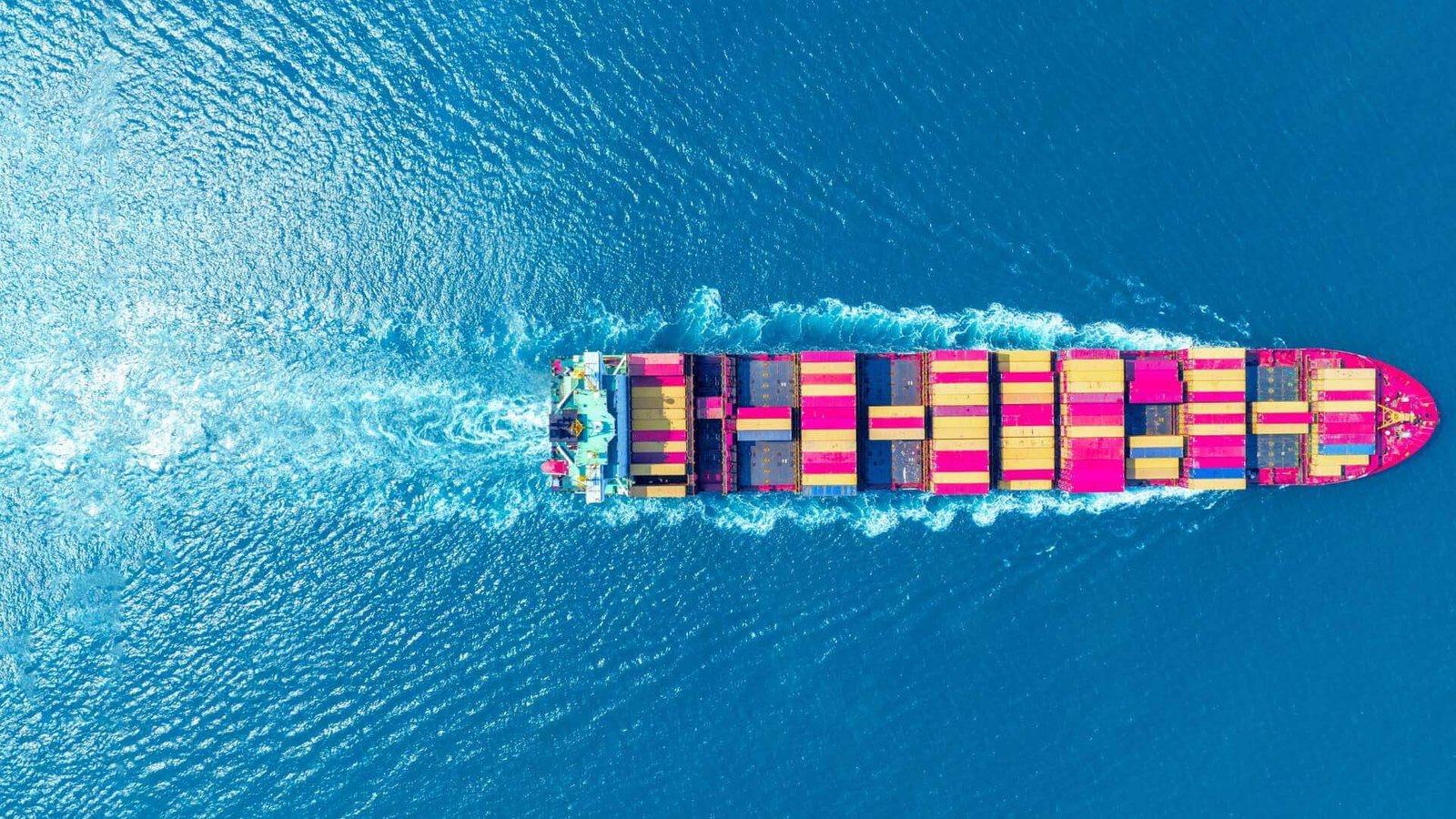
Learning from past mistakes can help improve future shipments. Make sure to review your processes and enhance communication with all parties involved. Keeping a checklist can also help ensure all necessary documents and procedures are in place.
Conclusion
Understanding sea freight from China to the USA can save you time and money. Awareness of the process, costs, and potential risks leads to smoother shipments.
Understanding origin pickup is crucial as it marks the beginning of the shipping process, ensuring your shipment starts on the right foot. ↩
Proper export documentation is essential to avoid delays and ensure compliance with international shipping regulations. ↩
Ocean transit is a major part of the shipping journey, and knowing how it works can help you plan for transit times and potential delays. ↩
Customs clearance is a critical step to ensure your goods enter the USA legally and without unnecessary delays. ↩
Inland delivery is the final step in the shipping process, ensuring your goods reach their final destination efficiently. ↩
CBP ensures compliance with U.S. laws, and knowing their role helps in preparing for customs clearance. ↩
Choosing FCL can optimize shipping costs and control, especially for larger shipments, making it a vital option to consider. ↩
LCL is ideal for smaller shipments, offering cost savings by sharing container space, which is beneficial for occasional shipments. ↩
Port congestion can lead to significant delays, understanding its impact helps in planning and managing expectations. ↩
Fuel surcharges can affect the overall cost of shipping, knowing about them helps in budgeting and cost management. ↩
Documentation charges are part of the total shipping cost, understanding them helps in avoiding unexpected expenses. ↩
Correct use of Incoterms is crucial for defining responsibilities and costs between buyers and sellers in international trade. ↩
Proper HS classification ensures correct duties and taxes are applied, preventing costly errors and delays. ↩
Demurrage charges can increase costs if containers are not cleared in time, understanding them helps in avoiding extra fees. ↩