The shipping process from China to Amazon FBA can seem complicated. But understanding the steps helps you avoid costly mistakes.
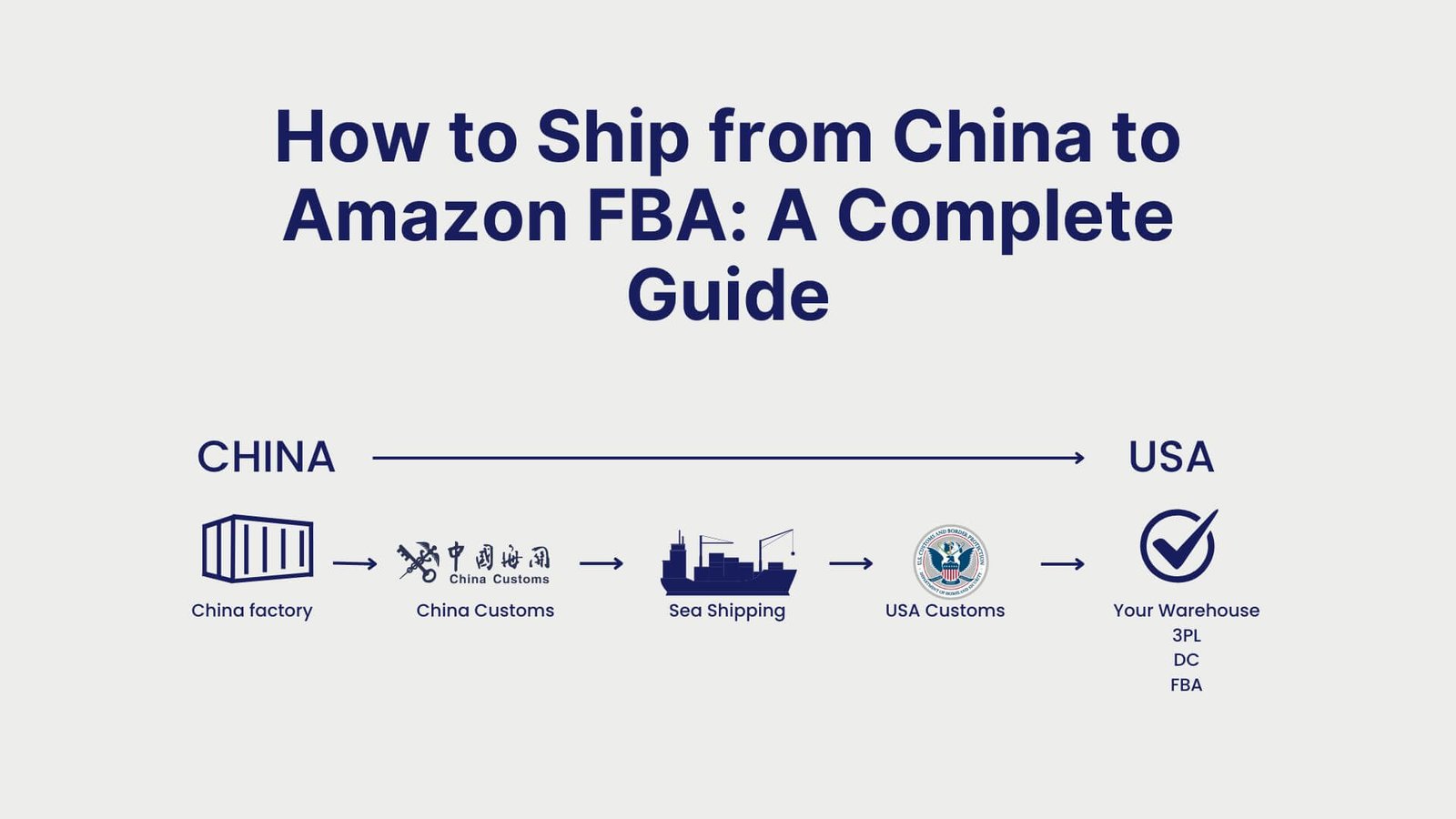
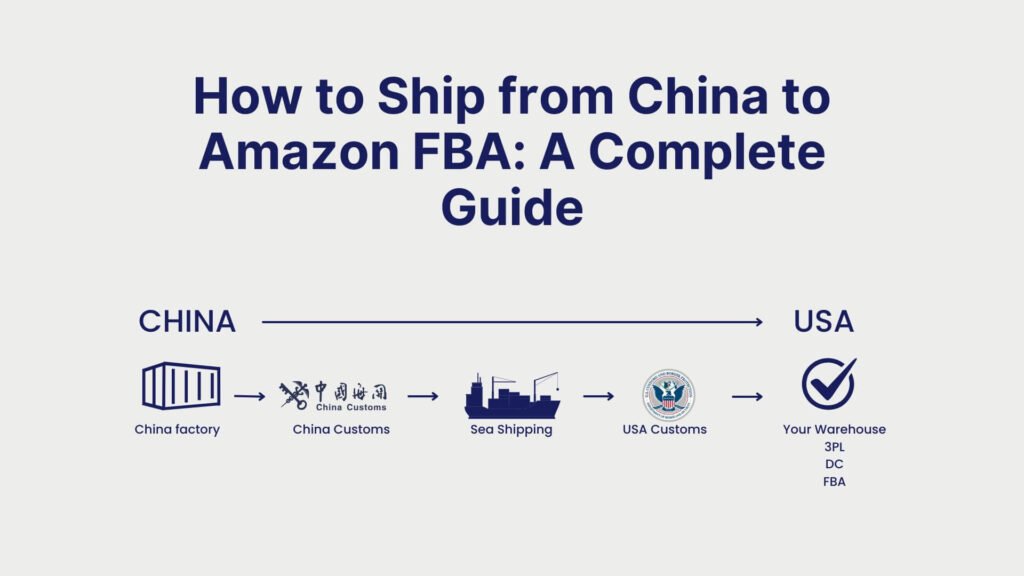
Shipping from China to Amazon FBA involves supplier pickup1, export documentation2, international freight3, U.S. customs clearance4, domestic delivery5, and Amazon FBA check-in6. Each step must be coordinated precisely to meet Amazon requirements and avoid delays, penalties, or inventory receiving issues at fulfillment centers.
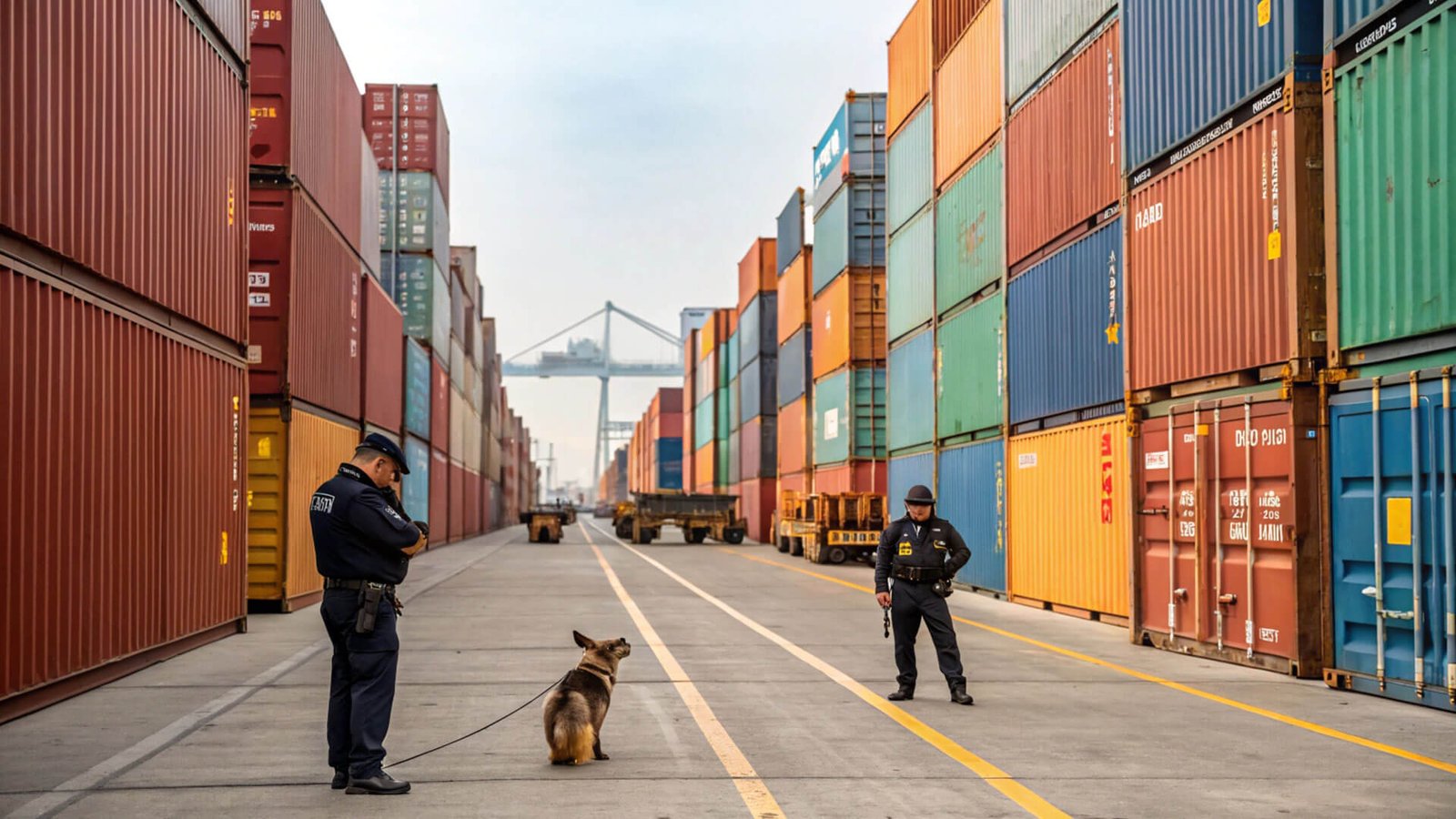
To successfully ship your products from China to Amazon FBA, I will walk you through the detailed process. Each step is crucial for ensuring timely delivery, compliance with Amazon's rules, and avoiding unnecessary costs or delays.
How Does the China-to-Amazon FBA Shipping Process Work from Supplier Pickup to FBA Check-In?
The shipping process starts with picking up your goods from the supplier. You need to coordinate with your supplier to get the necessary export documents. These documents include the commercial invoice, packing list, and bill of lading. Once your goods are collected, they are transported to a port for international shipping.
The China-to-FBA shipping process involves supplier pickup1, export documentation2, international freight3, U.S. customs clearance4, domestic delivery5, and Amazon FBA check-in6, all of which must be precisely coordinated.
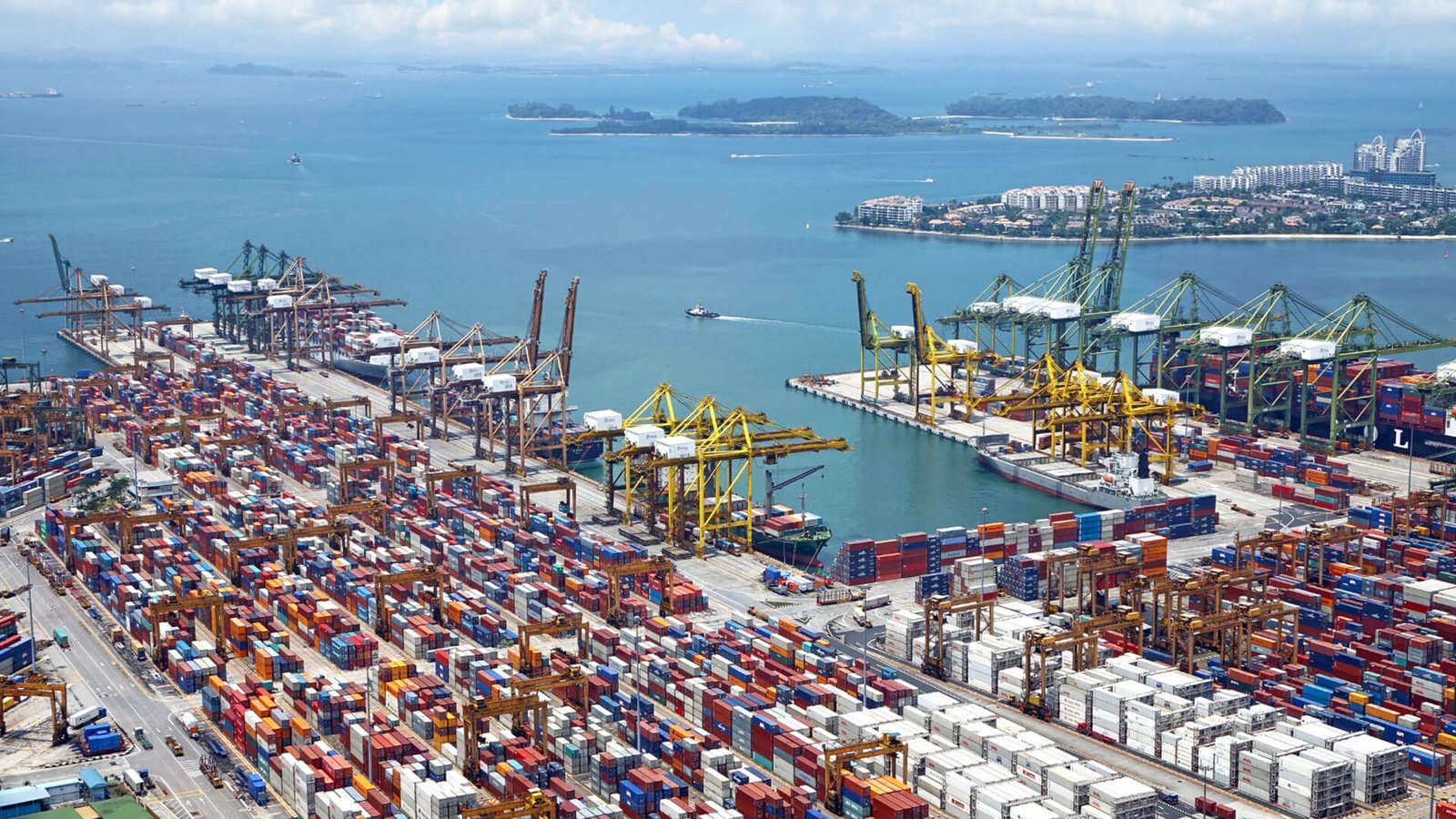
After reaching the U.S., customs clearance is the next vital step. You need to ensure that your customs broker7 has all the documents to clear your shipment through customs. Once cleared, your goods are transported to the designated Amazon FBA fulfillment center.
This entire process, from supplier pickup1 to Amazon check-in, requires careful planning and execution. Any misstep can lead to delays or additional costs.
Dive Deeper on Process Overview
The entire process can be broken down into a detailed flow:
| Step | Description |
|---|---|
| Supplier Pickup | Coordinate with your supplier for a timely pickup. |
| Export Documentation | Gather all necessary export documents like invoices and packing lists. |
| International Freight | Choose the best shipping method for your needs. |
| U.S. Customs Clearance | Work with a customs broker7 to ensure compliance. |
| Domestic Delivery | Organize transport to the Amazon FBA fulfillment center. |
| FBA Check-In | Ensure that goods are checked in correctly to avoid issues. |
This detailed approach allows you to manage each phase effectively, ensuring that your shipment meets all requirements without unnecessary delays.
What Shipping Methods from China to Amazon FBA Best Balance Cost, Speed, and Inventory Risk?
When it comes to shipping methods, you have two main options: ocean freight8 and air freight9. Ocean freight is generally more economical, while air freight9 is faster.
U.S. importers typically use ocean freight8 for cost efficiency or air freight9 for speed-sensitive Amazon inventory. The right method depends on shipment size, inventory urgency, seasonal demand, and risk tolerance, making strategic planning essential to balance cost and stock availability.
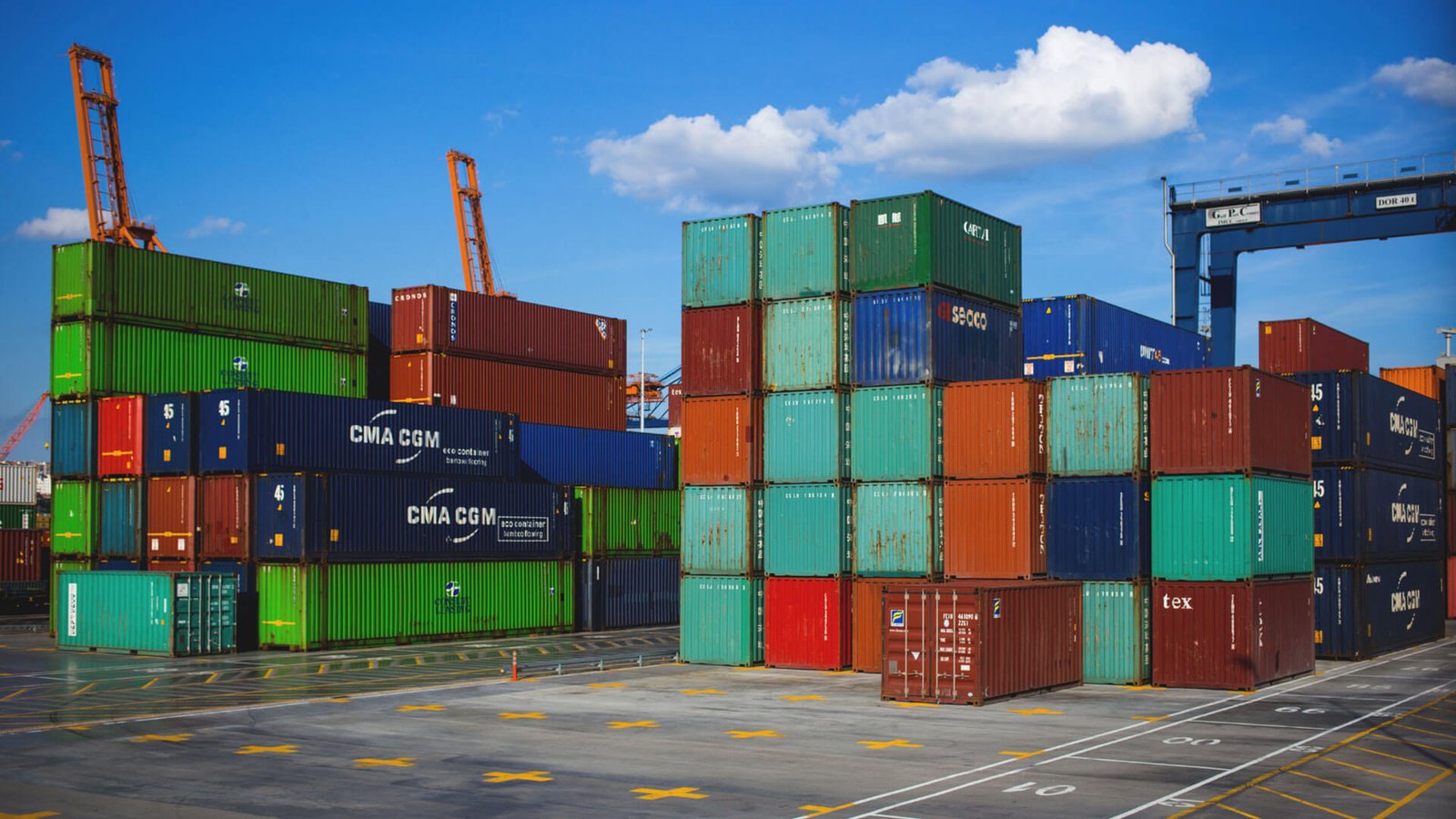
Choosing the right method impacts not only your costs but also your inventory management. Ocean freight is ideal for larger shipments that do not require urgent delivery, while air freight9 is suitable for smaller, high-demand products needing quick replenishment.
Dive Deeper on Shipping Methods
Let’s break down the advantages and disadvantages of each shipping method:
| Shipping Method | Pros | Cons |
|---|---|---|
| Ocean Freight | Cost-effective for large shipments | Slower transit times |
| Air Freight | Fast delivery | More expensive |
When deciding between these options, consider factors such as delivery times, inventory management, and overall shipping costs. A mix of both methods can also help manage inventory risks effectively.
What Amazon FBA Packaging, Labeling, and Compliance Rules Must Importers Follow?
Amazon has strict requirements regarding how products should be packaged and labeled before they arrive at FBA centers. Failing to comply can lead to rejections or additional fees.
Amazon FBA requires strict compliance with packaging, labeling, carton content rules, and pallet standards. Incorrect labeling, missing FNSKU barcode10s, or non-compliant packaging often result in rejected shipments, rework fees, or delayed inventory availability at fulfillment centers.
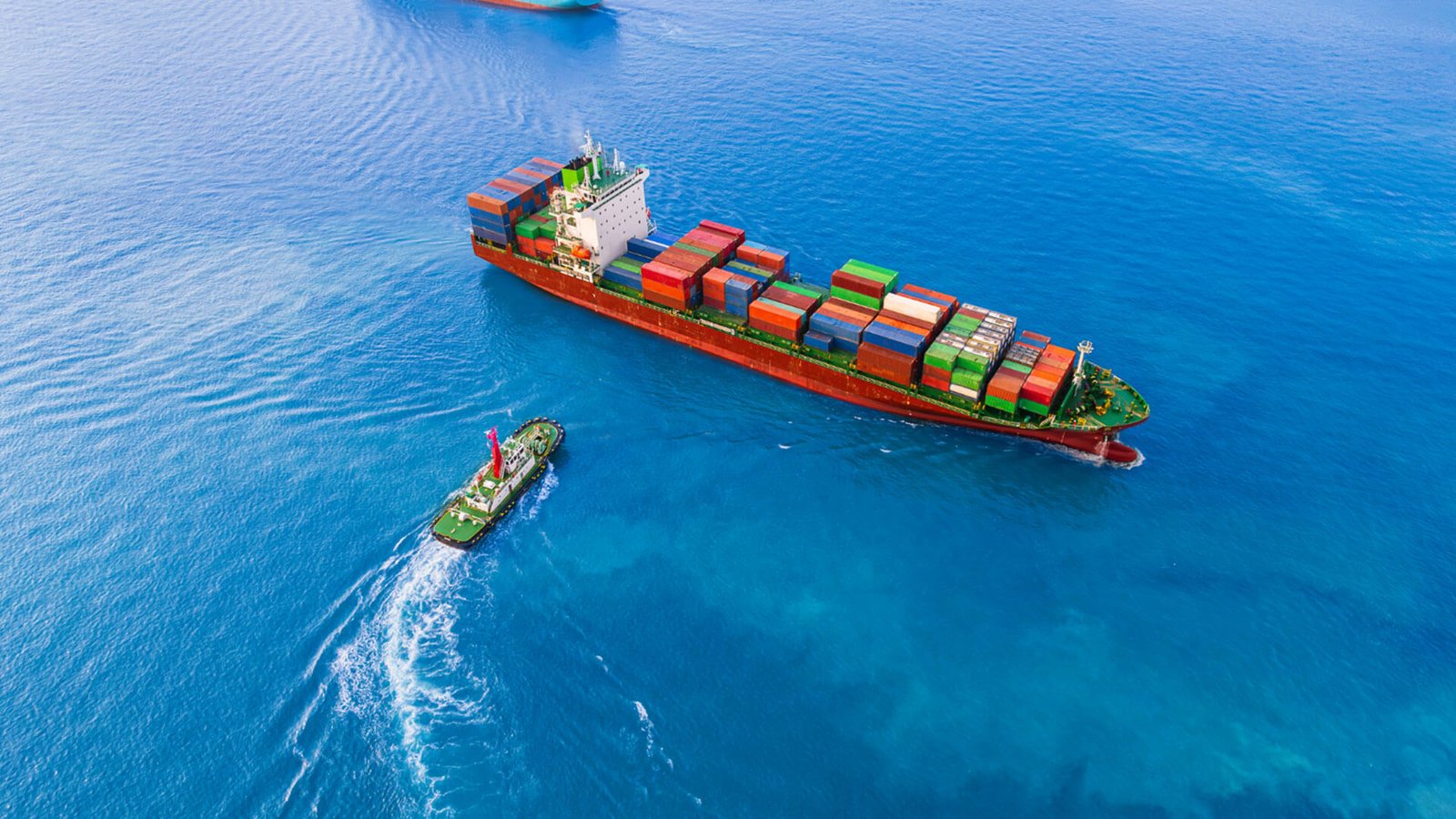
To comply with packaging and labeling requirements, ensure that each unit has the correct FNSKU barcode10, and your packaging meets Amazon’s guidelines. This will help in smooth check-ins at the fulfillment centers.
Dive Deeper on Amazon Compliance
Here’s a breakdown of what you need to consider for packaging and labeling:
| Requirement | Details |
|---|---|
| Packaging Standards | Use strong cartons that can withstand transport. |
| Labeling Rules | Ensure each item has a unique FNSKU label. |
| Carton Content | Clearly indicate contents on each carton. |
Following these guidelines not only prevents delays and penalties but also helps maintain your seller account in good standing.
How Do U.S. Customs Clearance, Duties, and Incoterms11 Affect Amazon FBA Shipments from China?
Customs clearance is one of the most critical parts of the shipping process. U.S. importers are responsible for ensuring that all customs duties are paid and that the correct Incoterms11 are used.
Amazon cannot act as the importer of record, so U.S. importers must manage customs clearance, pay duties, and select appropriate Incoterms11. Proper classification, valuation, and compliance planning are critical to ensuring smooth entry and uninterrupted delivery to Amazon FBA.
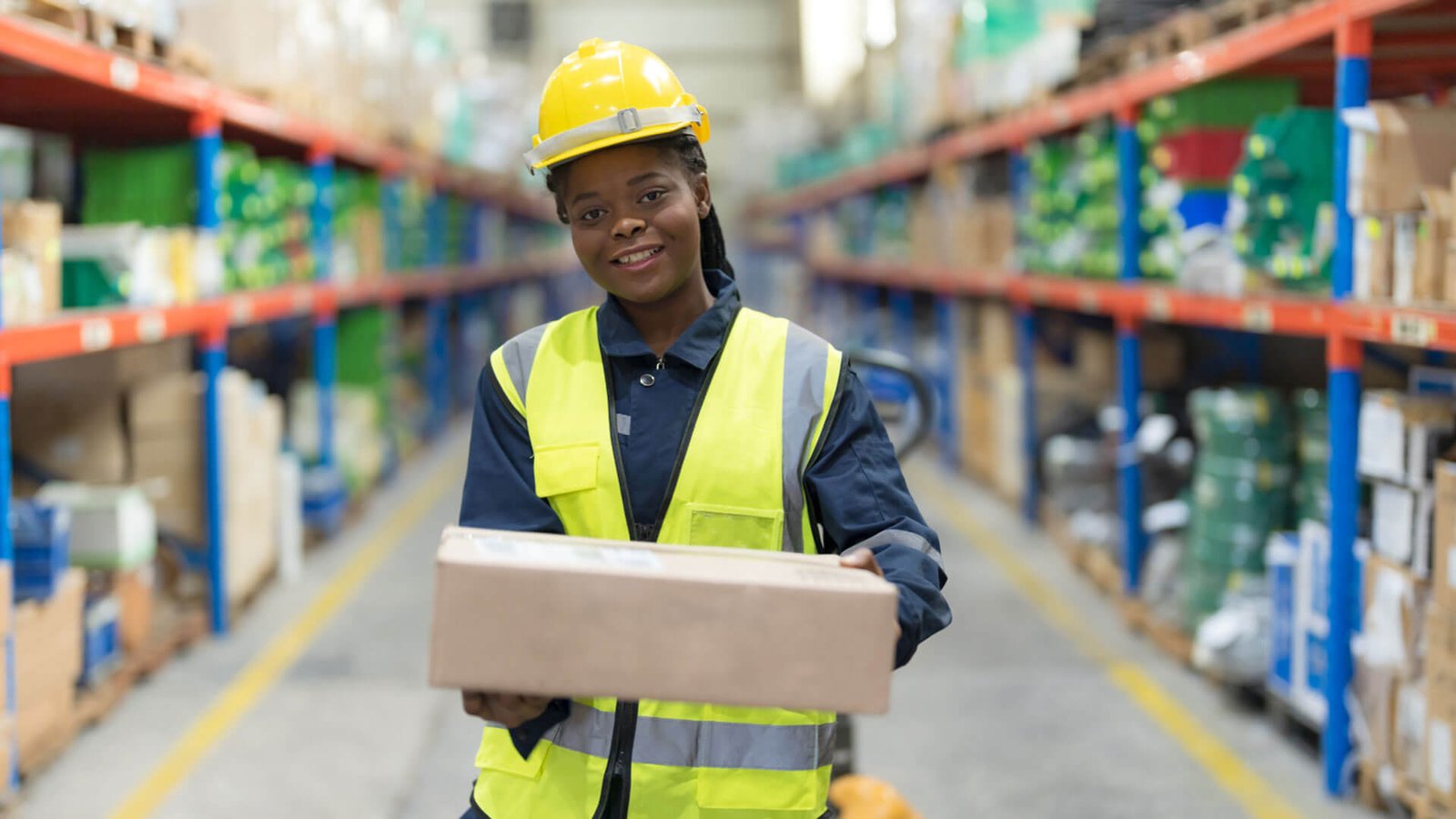
Understanding Incoterms11 clarifies responsibilities for shipping costs, customs duties, and risk management12. Using the correct Incoterms11 can prevent misunderstandings and streamline the shipping process.
Dive Deeper on Customs & Incoterms11
Here’s how Incoterms11 affect shipping:
| Incoterm | Seller's Responsibility | Buyer's Responsibility |
|---|---|---|
| FOB13 | Costs until goods are on board | Customs and final delivery |
| DDP14 | All costs, including duties | Minimal, as seller handles everything |
Being well-versed in these terms helps you understand who bears the risk and cost at each stage of shipment, leading to better decision-making.
What Common China-to-FBA Shipping Mistakes Cause Delays, Rejections, or Unexpected Fees?
Mistakes in the shipping process can result in serious delays and unexpected costs. Common issues include shipping under incorrect Incoterms11, missing Amazon labels, and lack of customs coordination.
Common China-to-FBA mistakes include shipping under incorrect Incoterms11, missing Amazon labels, poor carton accuracy, and lack of customs coordination. These errors frequently lead to customs holds, Amazon rejections, unexpected fees, and costly inventory delays.
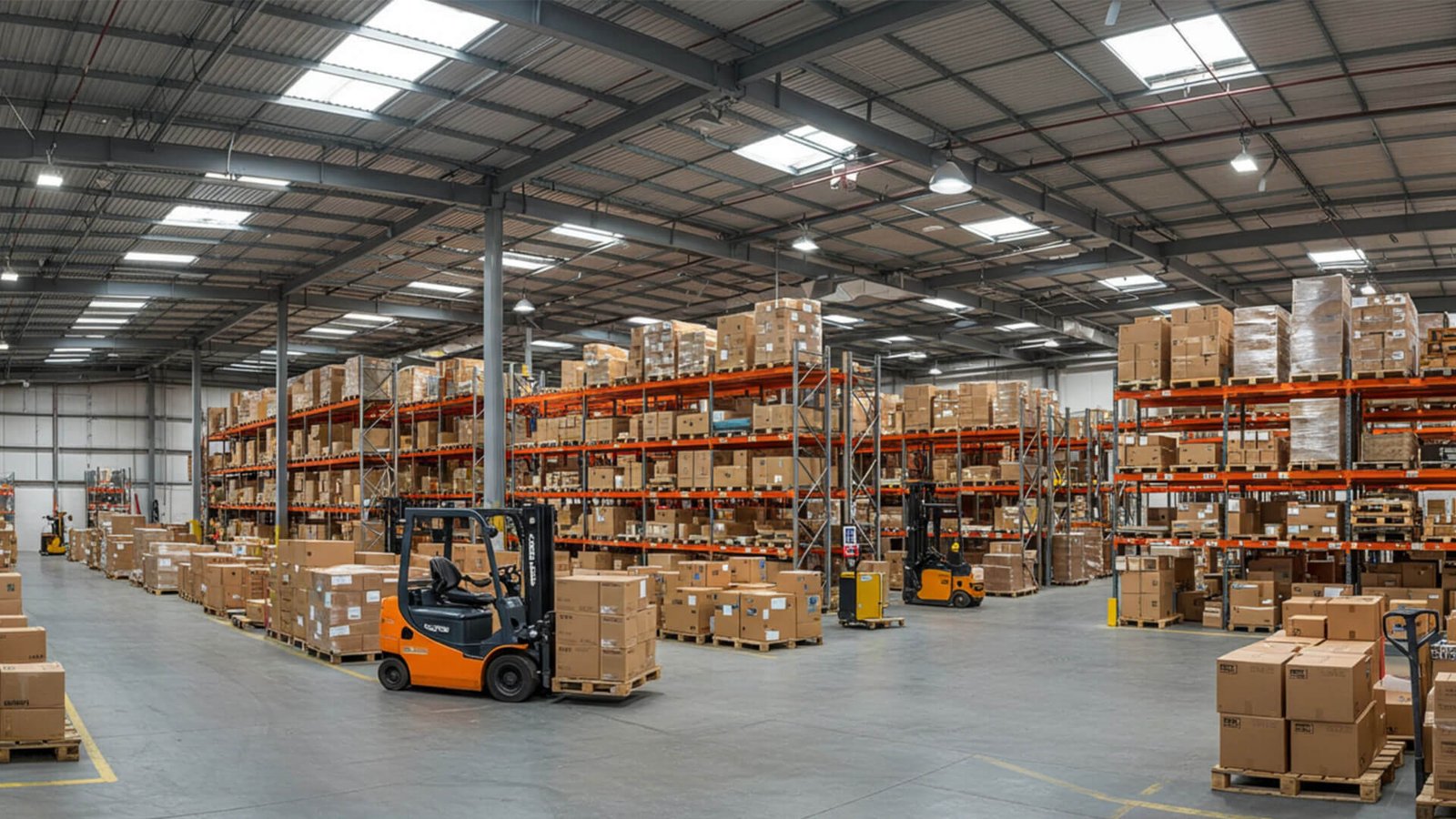
Taking the time to double-check all documentation, ensuring proper labeling, and coordinating with your customs broker7 can help you avoid these pitfalls.
Dive Deeper on Mistakes & Risk
Here’s a summary of the most frequent errors:
| Mistake | Consequence |
|---|---|
| Incorrect Incoterm usage | Delays in customs clearance |
| Missing FBA labels | Shipment rejections from Amazon |
| Poor carton accuracy | Inaccurate inventory at FBA |
Understanding these common mistakes helps you mitigate risks and ensure a smoother shipping experience.
How Can U.S. Importers Reduce Landed Cost and Inventory Risk When Shipping to Amazon FBA at Scale?
Reducing landed costs and managing inventory risk is essential for maintaining profitability. Strategies include consolidating shipments, optimizing routing, and ensuring compliance with Amazon's requirements.
Importers reduce cost and risk by consolidating shipments, choosing optimal routing15, pre-validating Amazon compliance, and integrating freight, customs, and FBA delivery. Working with experienced logistics partners improves visibility, shortens lead times, and protects inventory flow at scale.
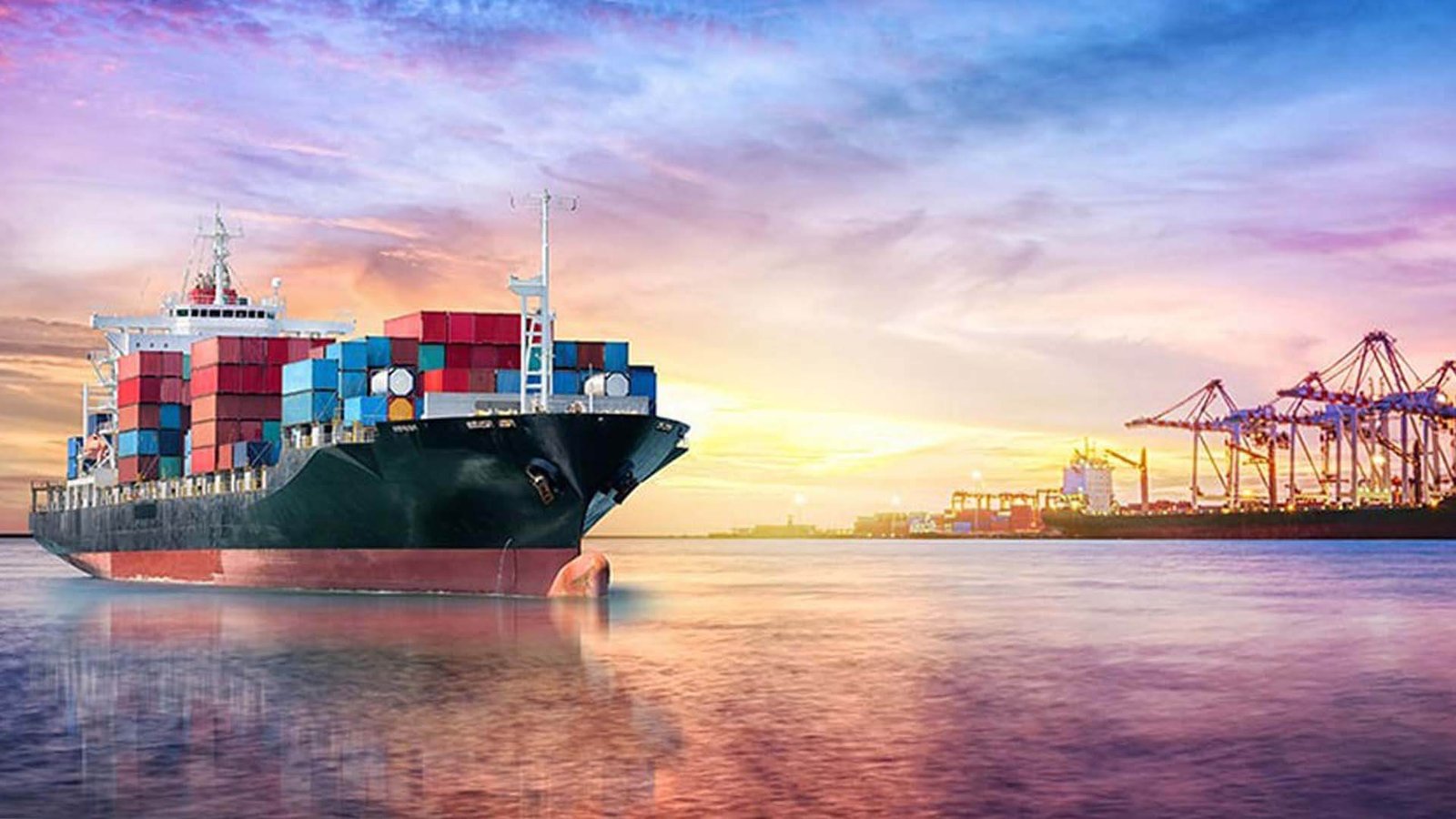
By carefully planning your logistics and working with a knowledgeable partner, you can navigate the complexities of shipping to Amazon FBA while keeping costs low and inventory flow smooth.
Dive Deeper on Cost & Risk Optimization
Here are some effective strategies:
| Strategy | Benefit |
|---|---|
| Shipment consolidation | Reduces shipping costs and increases efficiency. |
| Optimal routing | Shortens transit times and minimizes risks. |
| Compliance validation | Avoids rejections and costly delays. |
By applying these strategies, you will optimize your shipping process to Amazon FBA, which can lead to improved cash flow and reduced inventory risks.
Conclusion
Shipping from China to Amazon FBA requires careful attention to detail at every step to ensure compliance and cost-effectiveness.
Understanding supplier pickup is crucial for coordinating the initial step in the shipping process, ensuring timely and efficient movement of goods. ↩
Proper export documentation is essential to avoid delays and ensure compliance with international shipping regulations. ↩
Choosing the right international freight option can impact cost, speed, and efficiency of your shipment. ↩
Understanding customs clearance helps prevent delays and ensures compliance with U.S. import regulations. ↩
Domestic delivery is the final leg of the journey, and understanding it ensures timely arrival at Amazon FBA centers. ↩
Knowing the check-in process helps avoid delays and ensures your products are ready for sale on Amazon. ↩
A customs broker ensures all documentation is correct, facilitating smooth customs clearance. ↩
Ocean freight is cost-effective for large shipments, and understanding its benefits can help in strategic planning. ↩
Air freight offers faster delivery, which is crucial for time-sensitive inventory needs. ↩
Proper labeling with FNSKU barcodes is essential to avoid rejections and ensure smooth processing at Amazon FBA. ↩
Understanding Incoterms clarifies responsibilities and costs, preventing misunderstandings in the shipping process. ↩
Proper risk management prevents unexpected costs and delays, ensuring a smooth shipping process. ↩
FOB terms define when the responsibility shifts from seller to buyer, impacting cost and risk management. ↩
DDP terms mean the seller handles all costs, including duties, simplifying the process for the buyer. ↩
Optimal routing shortens transit times and minimizes risks, improving overall shipping efficiency. ↩