Importing from China to Amazon FBA can seem overwhelming. But with the right guidance, you can streamline the process and avoid common pitfalls.
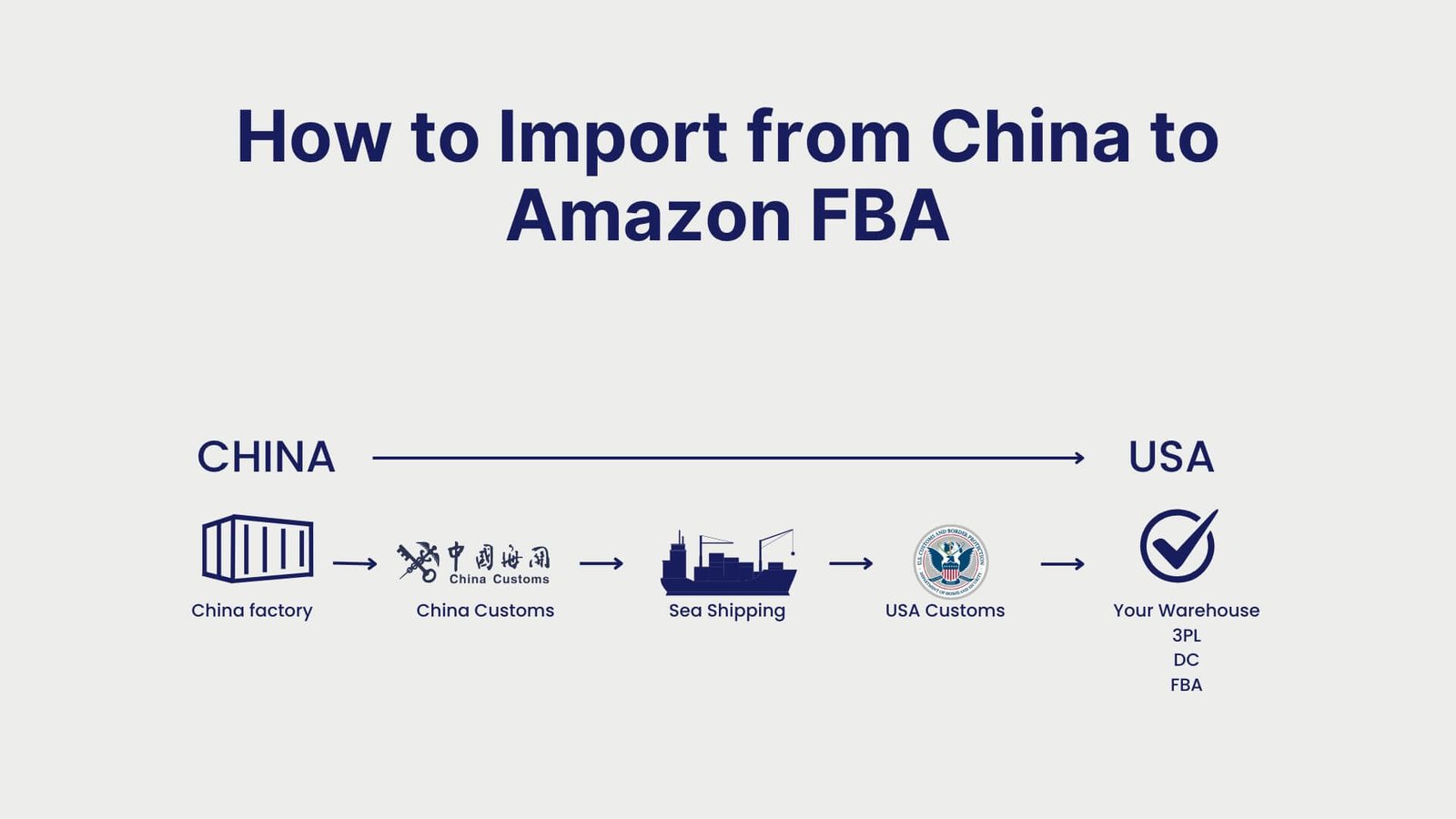
The end-to-end import process from China to Amazon FBA involves several key steps, including supplier coordination1, export documentation2, international freight3, U.S. customs clearance4, and final delivery to Amazon fulfillment centers5.
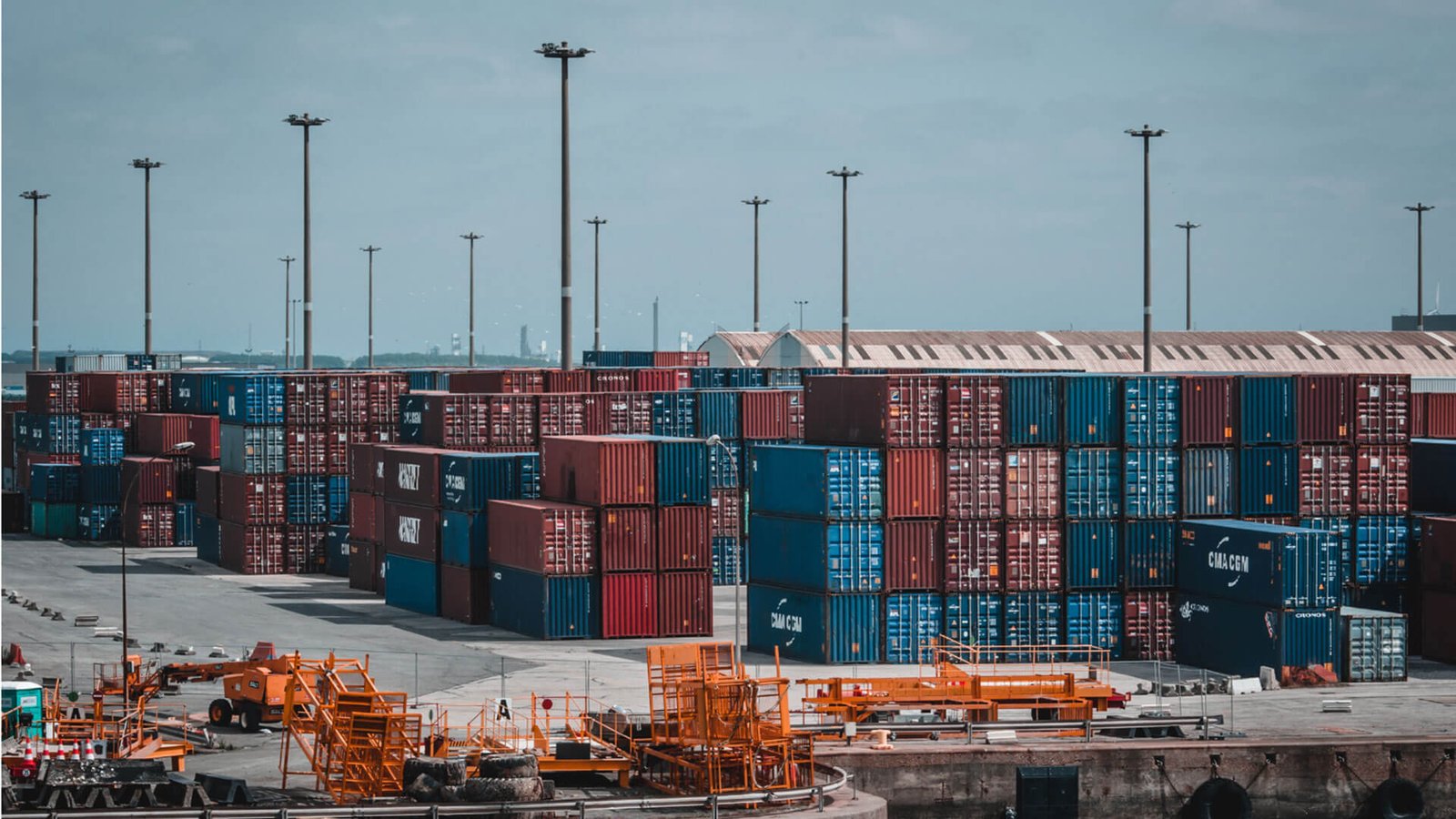
Navigating the complexities of international logistics can be daunting. Understanding each phase of the import process is essential to ensure successful delivery of your products.
How Does the End-to-End Import Process from China to Amazon FBA Work for U.S. Sellers?
Importing from China to Amazon FBA starts with selecting a reliable supplier. I’ve found that establishing clear communication is crucial. Suppliers must provide necessary export documentation2. Next, you will need to coordinate shipping logistics that aligns with Amazon requirements.
Importing from China to Amazon FBA involves supplier coordination1, export documentation2, international freight3, U.S. customs clearance4, and final delivery to Amazon fulfillment centers5. Each step must be properly managed to meet Amazon requirements, avoid customs delays, and ensure inventory is received without penalties.
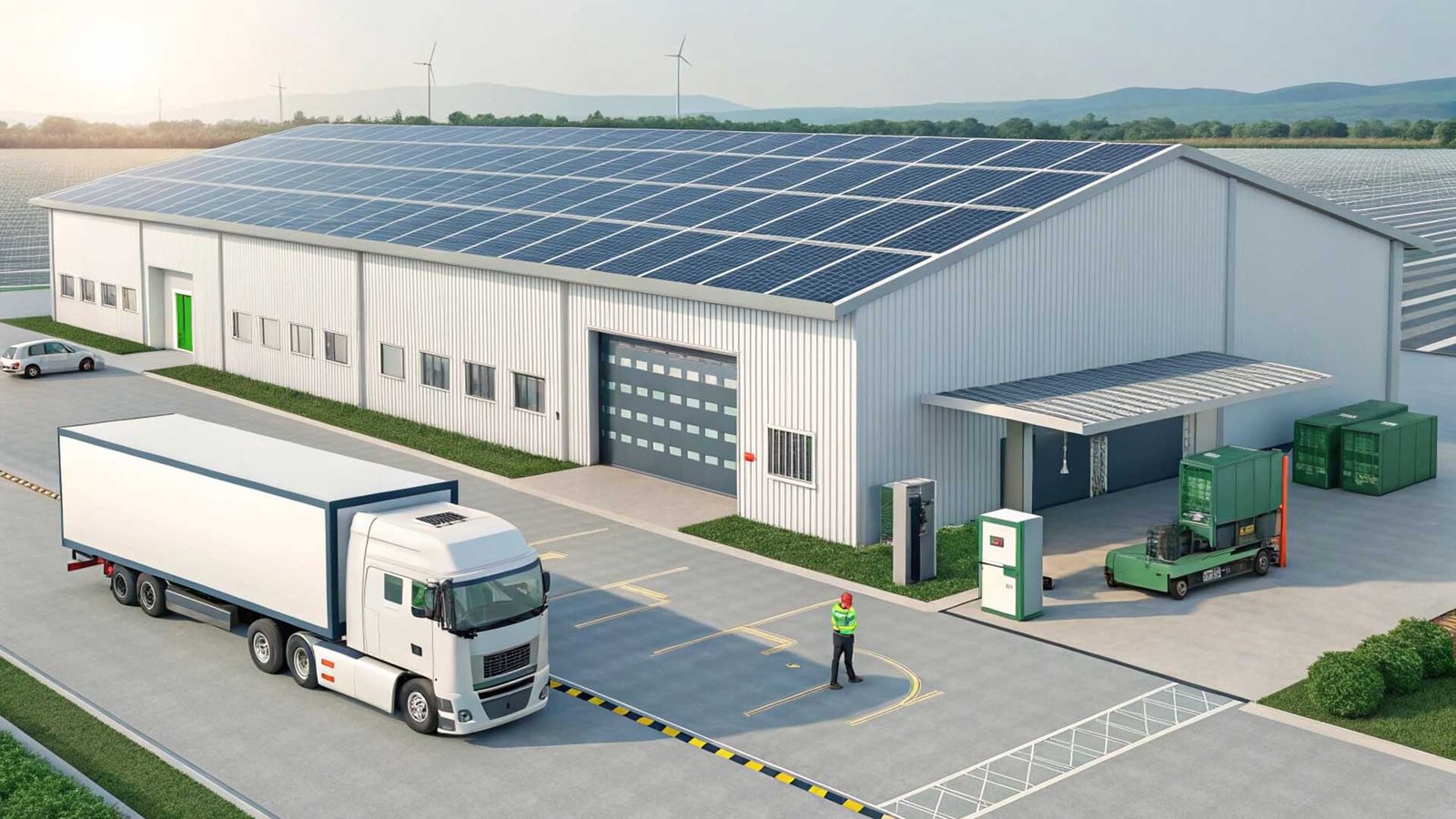
Once everything is in place, international freight3 comes into play. You can choose between ocean and air freight6 based on your budget and timeline. After shipping, U.S. customs will review your shipment. Proper documentation will help clear your goods faster. Lastly, once cleared, your products will be transported to the Amazon fulfillment center for inventory check-in.
What Shipping and Routing Options from China to Amazon FBA Best Balance Cost, Speed, and Inventory Risk?
When deciding on shipping options, consider your inventory needs. Ocean freight offers affordability but takes longer. Air freight is faster but can be costlier. I often analyze my inventory turnover to determine the best route.
U.S. importers typically use ocean freight7 for cost efficiency or air freight6 for speed-critical inventory. Routing decisions depend on shipment volume, lead-time tolerance, seasonal demand, and risk exposure, making logistics strategy essential for maintaining FBA stock availability.

It's also important to think about consolidation8. This means grouping shipments to lower overall costs. Additionally, routing through a U.S. warehouse may facilitate quicker access compared to direct shipping to Amazon FBA. An effective logistics strategy plays a pivotal role in balancing cost and speed.
What Amazon FBA Packaging, Labeling, and Delivery Requirements Must Imports from China Comply With?
Amazon has strict compliance requirements for packaging and labeling. To avoid rejections, I ensure that all products meet Amazon’s standards. This includes having the correct FNSKU labels9 and accurate carton counts.
Amazon FBA enforces strict rules on packaging, labeling, carton accuracy, and pallet standards. Missing FNSKU labels9, incorrect carton counts, or non-compliant packaging frequently result in shipment rejections, rework fees, or delayed inventory check-in.
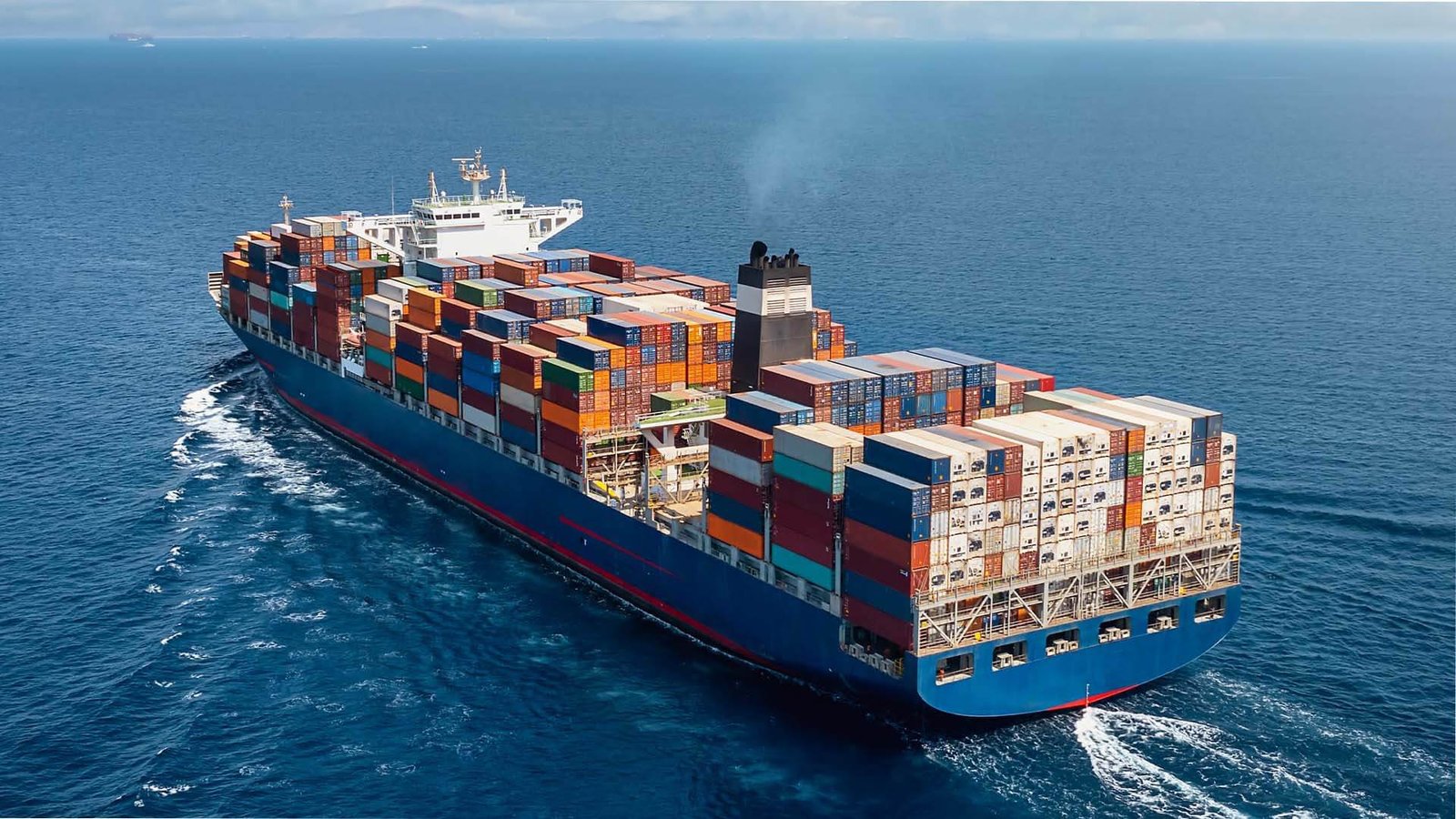
FBA labeling rules require that each item be labeled with its unique identifier. Also, carton content compliance is crucial. Each shipment must accurately reflect its contents to prevent confusion and potential delays in processing.
Who Acts as Importer of Record and How Do U.S. Customs Clearance and Duties Apply to FBA Shipments?
The role of importer of record is often misunderstood. As a U.S. seller, you are responsible for customs clearance and payment of duties. This means you need to classify your goods accurately and select appropriate Incoterms.
Amazon cannot act as importer of record, so U.S. sellers must manage customs clearance, duties, and compliance. Accurate HS classification, valuation, and Incoterms selection are critical to preventing customs holds and ensuring smooth delivery to Amazon FBA facilities.
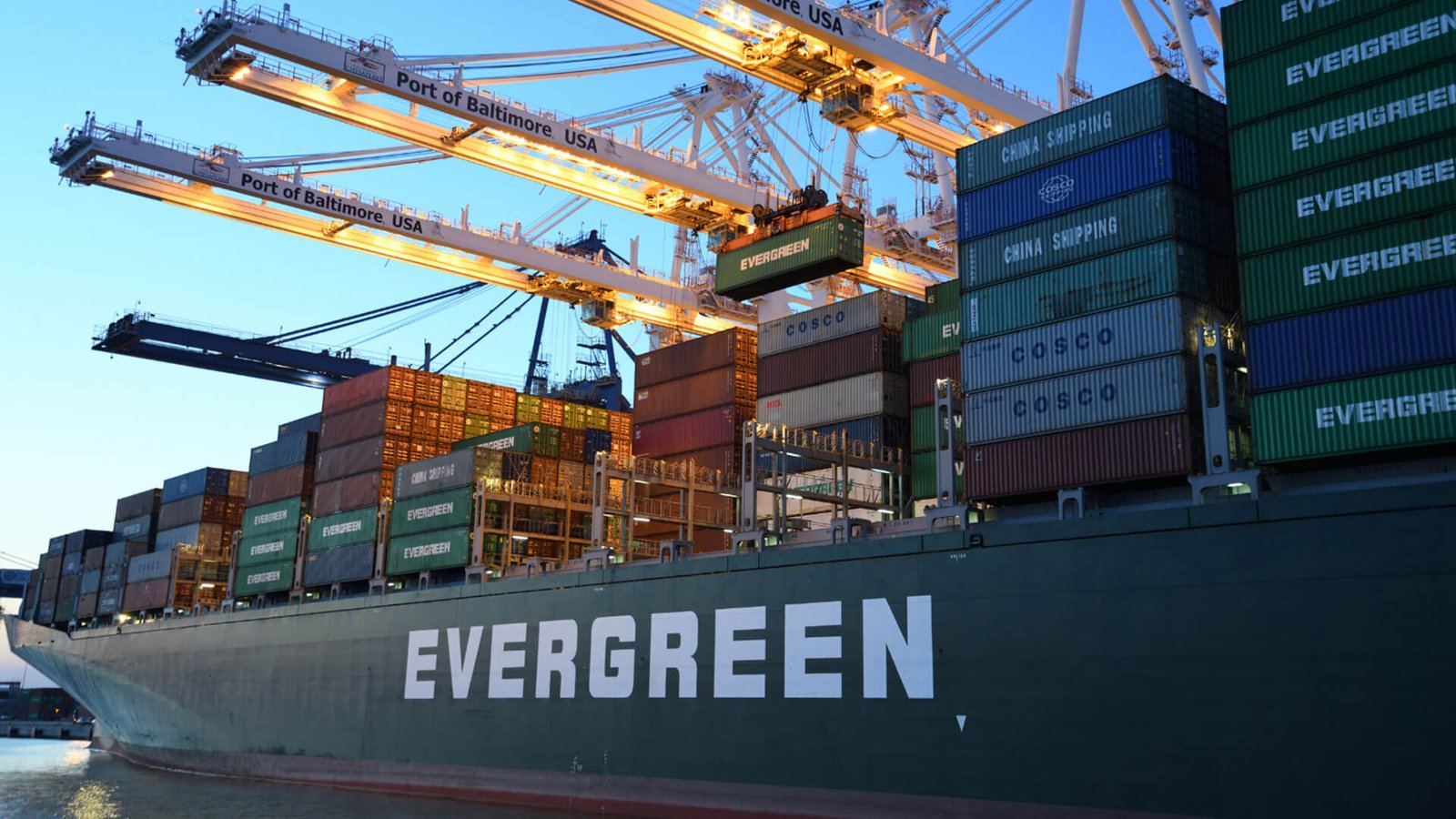
Having a customs broker10 can simplify this process. They can assist with the required documentation and ensure that your shipment adheres to U.S. regulations. This partnership can save you time and reduce the risk of unexpected fees.
What Common Compliance and Logistics Mistakes Cause Amazon FBA Rejections or Customs Delays?
Mistakes can be costly. I have seen shipments delayed due to incorrect documentation or poor labeling. These errors frequently lead to rejections at Amazon or customs delays, resulting in increased expenses.
Common China-to-FBA mistakes include incorrect Incoterms, incomplete documentation, poor labeling, and lack of coordination between freight and customs. These issues often lead to customs exams, Amazon rejections, demurrage charges, and costly inventory delays.

To mitigate these risks, always double-check your documentation. Ensure that your labels are correct and that you’re using the proper Incoterms. Regular communication with your freight forwarder and customs broker10 can prevent many of these issues.
How Can U.S. Importers Reduce Landed Cost and Scale China-to-FBA Operations Safely and Predictably?
Reducing landed cost11s is key to maintaining profitability. I suggest consolidating shipments and validating compliance before export. This can prevent expensive rework or delays.
Importers reduce landed cost11 and risk by consolidating shipments, validating Amazon compliance before export, optimizing routing, and integrating freight forwarding with customs and FBA delivery. A coordinated logistics approach supports predictable scaling of China-to-Amazon operations.
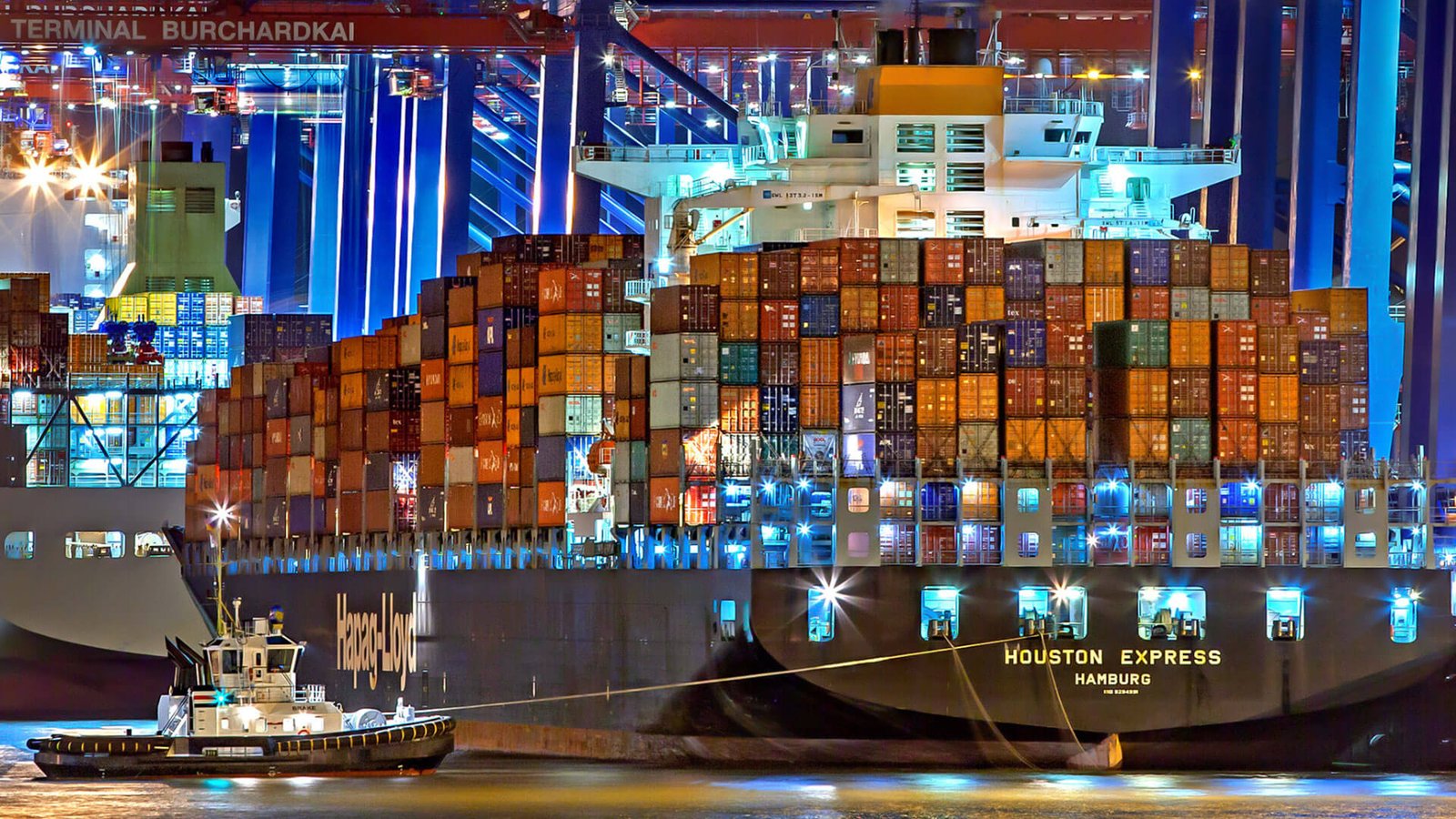
Additionally, optimizing your logistics strategy by choosing the right shipping methods can significantly impact your bottom line. Look for ways to streamline operations, from selecting suppliers to final delivery.
Conclusion
Importing from China to Amazon FBA requires careful planning and execution. By understanding each step of the process, compliance requirements, and potential pitfalls, you can ensure a smoother experience.
Understanding supplier coordination is crucial for ensuring smooth communication and timely delivery of products to Amazon FBA. ↩
Proper export documentation is essential to avoid delays and ensure compliance with international shipping regulations. ↩
Choosing the right international freight option can balance cost and speed, impacting your overall logistics strategy. ↩
Navigating U.S. customs clearance is vital to prevent shipment delays and additional costs when importing to Amazon FBA. ↩
Understanding the final delivery process ensures that your products reach Amazon FBA centers efficiently and without issues. ↩
Air freight offers speed, and understanding its advantages can help in making time-sensitive shipping decisions. ↩
Ocean freight is a cost-effective shipping method, and knowing its benefits can help in planning your logistics strategy. ↩
Consolidation can significantly lower shipping costs, making it a valuable strategy for importers to consider. ↩
FNSKU labels are crucial for Amazon's inventory management, ensuring products are correctly identified and processed. ↩
A customs broker can streamline the customs process, reducing the risk of delays and ensuring compliance with regulations. ↩
Reducing landed cost is key to profitability, and understanding strategies to achieve this can enhance your business operations. ↩