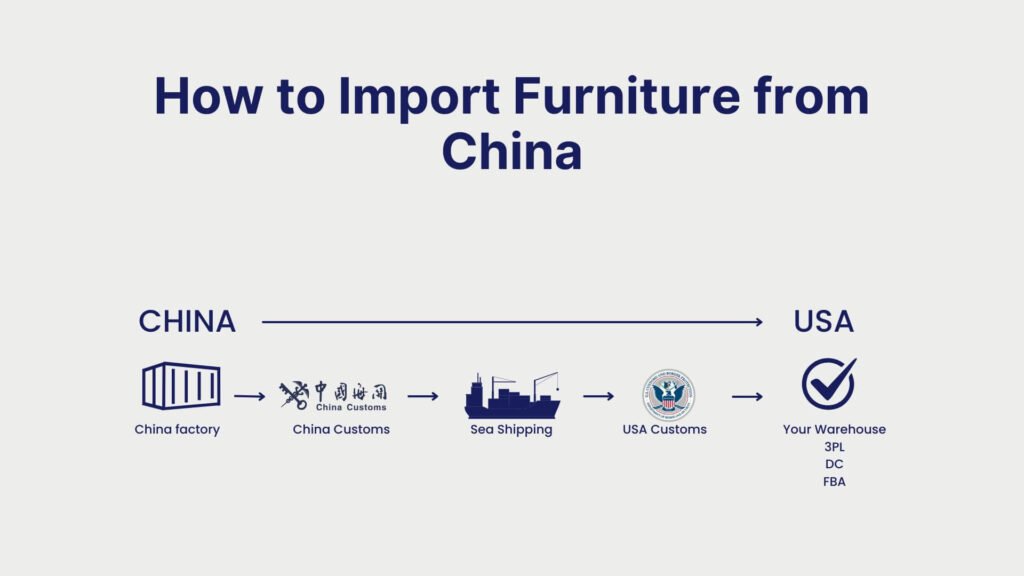
Importing furniture from China can seem daunting. But understanding the process can turn it into a smooth experience.
Importing furniture from China requires compliance with U.S. customs regulations1, accurate documentation, and product-specific safety rules. Importers must prepare commercial invoices2, packing lists3, and correct HS codes4, and ensure materials, labeling, and finishes meet U.S. regulatory and safety requirements5.

Navigating the import process is essential for success. From compliance to customs clearance, every detail matters in preventing delays and additional costs. So, let’s explore the key components of importing furniture from China.
What Are the Key Compliance, Safety, and Documentation Requirements for Importing Furniture from China to the USA?
Importing furniture from China demands attention to compliance and documentation. The U.S. has strict regulations that you must adhere to. This ensures that the furniture meets safety standards and is properly documented.
Compliance with U.S. regulations involves adhering to safety standards, accurate labeling, and having complete documentation. Key documents include commercial invoices2, packing lists3, and Bill of Lading6. Incorrect information can lead to customs holds and penalties.

To dive deeper, understanding compliance requirements is crucial. U.S. Consumer Product Safety Commission (CPSC)7 oversees furniture safety standards. Importers must ensure that furniture complies with safety regulations. For instance, compliance with flammability standards8 is mandatory.
| Documentation Required | Description |
|---|---|
| Commercial Invoice | A detailed bill for the sale of goods. |
| Packing List | An itemized list of the contents in each package. |
| Bill of Lading6 | A shipping document that serves as a receipt. |
| HS Code | Harmonized System code for tariff classification. |
Carefully prepare these documents before shipping. Accurate documentation minimizes the chance of delays at customs.
How Do Import Duties, Section 301 Tariffs, and HS Classification Affect Furniture Landed Cost?
Understanding import duties and tariffs is vital for cost management. When importing furniture from China, various costs impact the total landed cost9. This includes customs duties and Section 301 tariffs10.
Furniture imports from China may be subject to customs duties, Section 301 tariffs10, and additional fees depending on classification. Incorrect HS codes4 or tariff assumptions can significantly increase landed cost, making accurate classification and duty planning essential for margin control.

Let's break this down further. The Harmonized System (HS) code11 classifies products for tariff purposes. Incorrect classification can lead to either overpaying duties or facing fines.
| Cost Component | Description |
|---|---|
| Import Duty | Percentage of the value of the imported goods. |
| Section 301 Tariff | Additional tariff on certain products from China. |
| Other Fees | Possible handling and processing fees at customs. |
To minimize costs, verify the HS code for your furniture. If uncertain, consult a customs broker. They can guide you through tariff classifications and duties.
What Shipping Methods and Packaging Strategies Best Protect Furniture from Damage During Transit?
Shipping furniture is a critical aspect of the import process. The right shipping methods and packaging can prevent damage. Ocean freight is the most common method for shipping large furniture.
Ocean freight is the most common method for shipping furniture due to size and weight, but proper packaging is critical. Export-grade packing, reinforced crates, moisture protection, and load planning help prevent damage and reduce claims during long international transit.
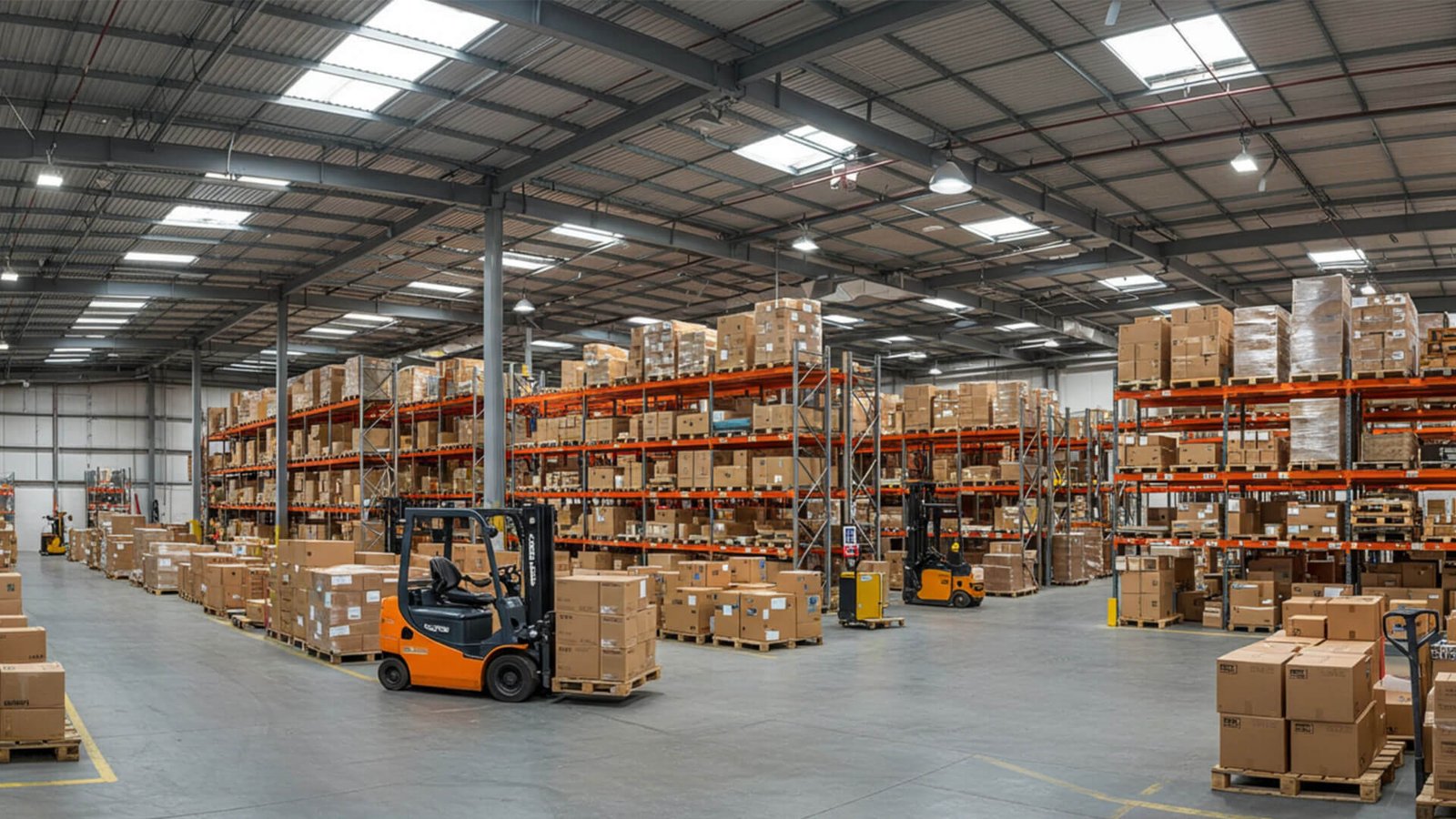
Knowing how to package furniture can save you from costly damages. Here are some best practices for shipping furniture safely:
| Packaging Strategy | Description |
|---|---|
| Use Strong Packaging | Reinforced crates and export-grade materials. |
| Add Protective Materials | Bubble wrap and foam corners to cushion items. |
| Seal Against Moisture | Use moisture barriers to protect against dampness. |
Additionally, load planning is essential. Ensure that your freight is loaded securely to prevent shifting during transit. This keeps your furniture safe and intact.
How Does U.S. Customs Clearance Work for Furniture Imports and What Triggers Exams or Delays?
Customs clearance is a crucial step in importing furniture. All shipments must clear U.S. Customs and Border Protection (CBP)12 before release.
Furniture shipments must clear U.S. Customs and Border Protection before release, with inspections triggered by documentation errors, misclassification, or material concerns. Advance preparation and compliant paperwork reduce the risk of exams, delays, and additional port charges.

Understanding the customs process can help you avoid delays. Here are common triggers for customs inspections13:
| Trigger for Inspection | Description |
|---|---|
| Documentation Errors | Incomplete or incorrect paperwork. |
| Misclassification | Incorrect HS codes4 leading to tariff issues. |
| Material Concerns | Questions about the materials used in the product. |
Proper preparation is key. Work with a customs broker to ensure your paperwork is in order. This reduces the likelihood of inspections and delays, speeding up your import process.
What Common Mistakes in Furniture Imports from China Cause Cost Overruns, Holds, or Penalties?
Mistakes can be costly when importing furniture. Common pitfalls can lead to delays and extra charges that can impact your bottom line.
Common furniture import mistakes include undervaluation14, incorrect HS codes4, poor packaging, and missing compliance documentation. These errors often lead to customs holds, damaged goods, penalty exposure, and higher total landed cost9s for U.S. importers.

Let’s look at some frequent mistakes and how to avoid them:
| Common Mistake | Description |
|---|---|
| Undervaluation | Misstating the value of goods to lower duties. |
| Incorrect HS Codes | Using wrong classification can lead to penalties. |
| Poor Packaging | Failing to protect items leads to damage. |
| Missing Compliance Docs | Lack of necessary documentation results in holds. |
Avoiding these mistakes requires diligence. Double-check all documentation and ensure that your packaging meets standards. Being thorough saves time and money.
How Can U.S. Importers Reduce Risk, Damage, and Total Landed Cost When Importing Furniture at Scale?
Reducing risk and costs is essential for successful furniture imports. U.S. importers can implement strategies to optimize their operations.
U.S. importers reduce risk and cost by consolidating shipments15, validating compliance before export, selecting appropriate packaging, and integrating freight forwarding with customs coordination. A controlled, end-to-end logistics approach improves predictability and protects profit margins at scale.
To minimize risks, consider these strategies:
| Strategy | Description |
|---|---|
| Consolidate Shipments | Combine multiple orders into one shipment. |
| Validate Compliance | Ensure all documentation is accurate and complete. |
| Choose Proper Packaging | Use robust packaging materials that suit the product. |
| Coordinate with Freight Forwarders | Work closely with them for smooth customs clearance. |
By implementing these strategies, you can effectively lower your total landed cost9. This leads to better profit margins and more efficient operations.
Conclusion
Importing furniture from China involves navigating compliance, duties, shipping, customs, and potential pitfalls. A thorough understanding of these areas ensures a successful import experience.
Understanding U.S. customs regulations is crucial for ensuring compliance and avoiding penalties when importing furniture from China. ↩
Commercial invoices are essential for documenting the sale of goods and ensuring smooth customs clearance. ↩
Packing lists provide detailed information about the contents of shipments, helping to prevent delays at customs. ↩
Correct HS codes are vital for accurate tariff classification and avoiding fines or overpayment of duties. ↩
Meeting U.S. regulatory and safety requirements ensures that imported furniture is compliant and safe for consumers. ↩
A Bill of Lading serves as a receipt and is crucial for the legal transfer of goods during shipping. ↩
The CPSC oversees safety standards, ensuring that imported furniture meets necessary safety regulations. ↩
Compliance with flammability standards is mandatory to ensure the safety of furniture in the U.S. market. ↩
Managing total landed cost is essential for maintaining profit margins and competitive pricing. ↩
Section 301 tariffs can significantly affect the cost of importing furniture, impacting profit margins. ↩
The HS code is essential for tariff classification, affecting duties and compliance during importation. ↩
Understanding CBP processes helps in preparing compliant paperwork and avoiding shipment delays. ↩
Knowing the triggers for customs inspections helps in preparing accurate documentation to avoid delays. ↩
Undervaluation can lead to penalties and legal issues, making accurate valuation crucial for compliance. ↩
Consolidating shipments can reduce costs and improve efficiency in the import process. ↩