The logistics landscape can be daunting, especially when it involves shipping goods internationally. Understanding DDP shipping1 can save you time and money.
DDP shipping1 means the supplier claims responsibility for freight, customs clearance2, and duties until delivery in the United States. However, U.S. importers3 still carry legal import responsibility4, making it critical to understand how DDP affects control, compliance5, and total landed cost6.
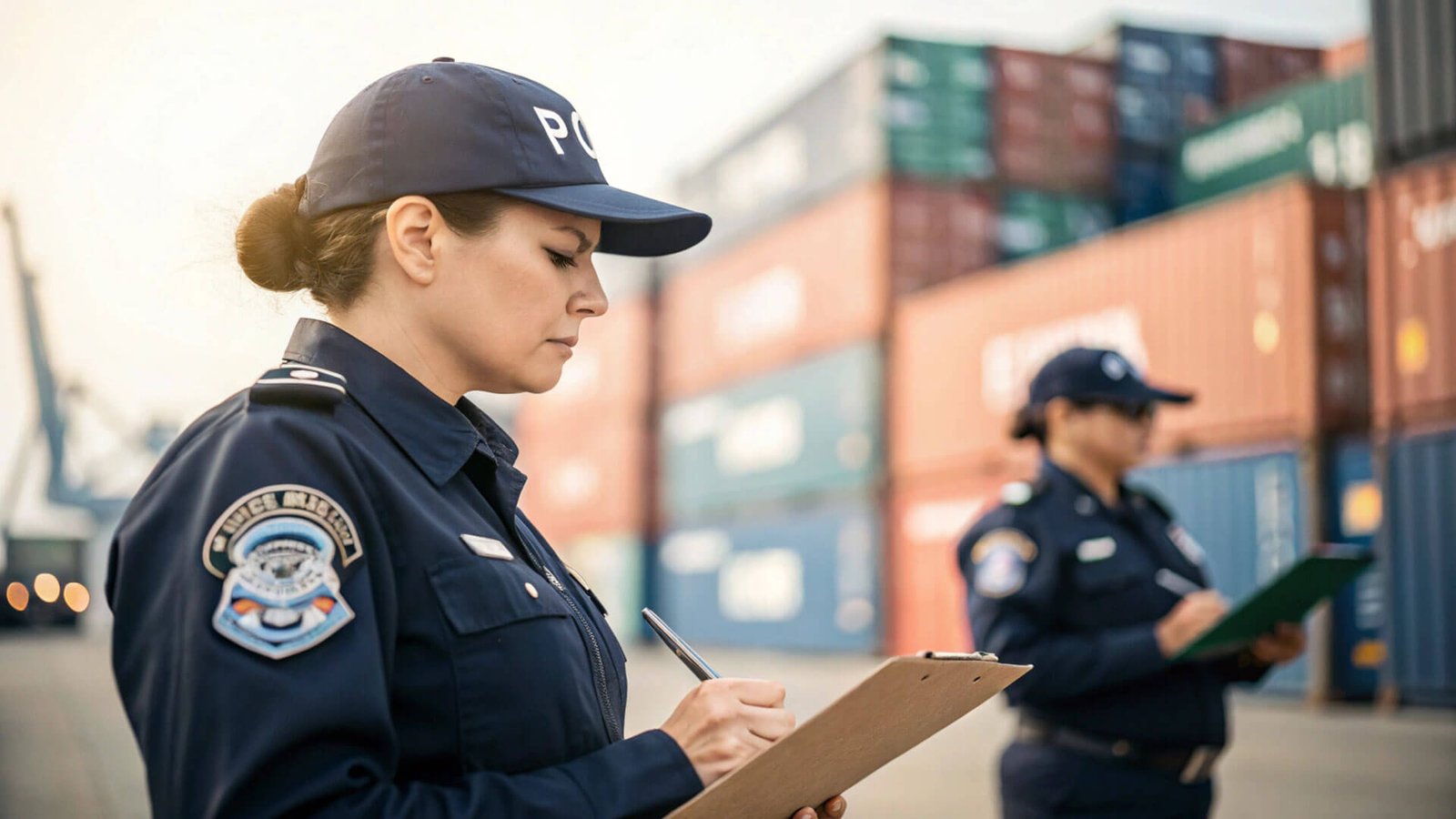
Many U.S. importers3 like you face challenges when navigating DDP shipping1. It's essential to understand its implications on costs, customs, and compliance5 before diving in.
What Does DDP Shipping from China to the USA Really Mean for U.S. Importers?
DDP shipping1 can be a bit of a double-edged sword. On one hand, it offers a simple solution for getting your goods into the United States. On the other, it can put you at risk if you're not fully aware of what you’re getting into. As a U.S. importer, it's crucial to grasp the full scope of DDP shipping1 and its impacts.
Under DDP, suppliers often manage customs processes, but U.S. importers3 remain legally responsible for compliance5. Misalignment between control and liability can expose importers to penalties, audits, or shipment holds if documentation or valuation is incorrect.
When a supplier handles DDP shipments, they essentially take care of costs related to shipping and customs until the goods arrive. However, you still need to ensure that everything complies with U.S. laws. This means that while it may seem convenient, it’s vital to closely monitor what your supplier is doing.
DDP is appealing because it simplifies the import process. You make one payment, and the supplier handles everything until the goods reach your doorstep. But remember, this convenience can sometimes come with hidden costs that might not be clear at first.
Who Controls Customs Clearance, Duties, and Compliance Under DDP Shipping Arrangements?
Understanding who controls customs is key in any DDP arrangement. The supplier typically takes charge of all customs clearance2, which sounds great until you realize that you, as the importer, are still responsible for ensuring compliance5.
Common DDP risks include loss of shipment visibility7, incorrect HS classification8, undervaluation9, and customs filings made without importer authorization. These issues can lead to delays, penalties, or future compliance5 problems for U.S. importers3.

If your supplier is making mistakes during the customs process, you might find yourself facing hefty fines or delays. It’s critical to have a reliable partner who understands both U.S. customs regulations and your specific needs as an importer. If the supplier doesn’t handle compliance5 properly, you could be left in a difficult position.
In more complex situations, such as when dealing with multiple suppliers, the potential for miscommunication increases. Make sure you have a clear agreement in place that defines responsibilities. Understanding who is liable helps you maintain control over your shipments.
What Costs Are Included—and Often Hidden—in DDP Shipping Quotes from China?
When you receive a DDP quote, it might look straightforward. But looks can be deceiving. DDP quotes often bundle freight, duties, and delivery into one price, masking cost breakdowns.
DDP quotes often bundle freight, duties, and delivery into one price, masking cost breakdowns. Hidden fees, inflated duty estimates, or non-compliant customs filings can increase landed cost without importer visibility or recourse.
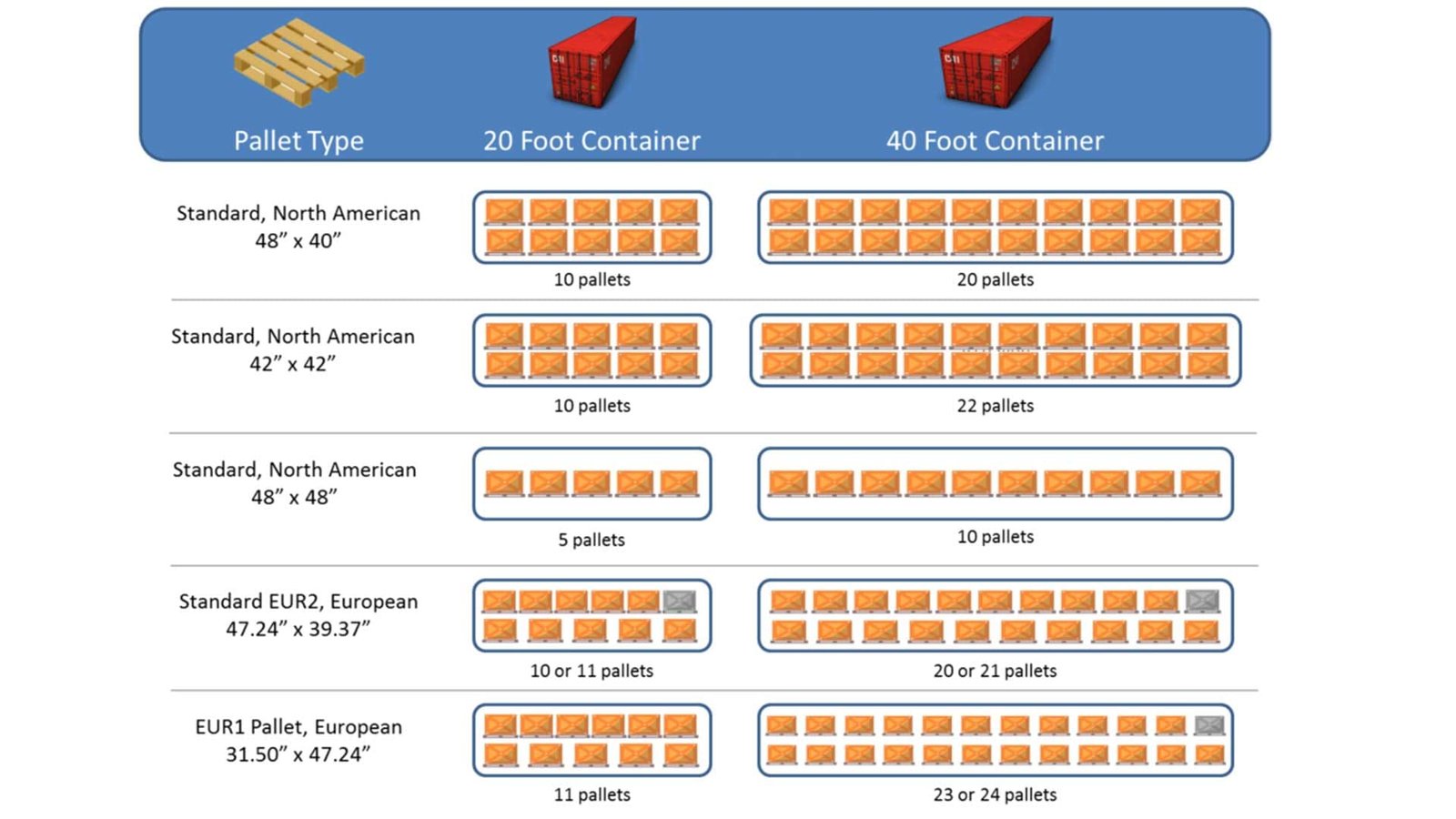
Be cautious of hidden costs. Your total landed cost6 can soar if your supplier fails to accurately estimate duties or if there are unforeseen fees during transit. Always ask for a detailed breakdown of costs. This will help you identify potential pitfalls before they arise.
Additionally, verify the accuracy of HS codes and declarations to avoid penalties. If your supplier is not forthcoming with information, it may be wise to reconsider your partnership.
What Risks Do U.S. Importers Face When Suppliers Handle DDP Shipping from China?
While DDP seems like a hassle-free option, it carries its share of risks. If your supplier mishandles the shipping process, you could face significant consequences.
Common DDP risks include loss of shipment visibility7, incorrect HS classification8, undervaluation9, and customs filings made without importer authorization. These issues can lead to delays, penalties, or future compliance5 problems for U.S. importers3.
One major risk is the potential for customs audits10. If your supplier mishandles documentation, you may find yourself on the receiving end of fines or delayed shipments. You may also lose visibility into the shipping process, making it difficult to track your goods.
Moreover, if your supplier makes a mistake in customs classification or undervalues your goods, you could be liable for additional duties or penalties. Always keep a close eye on all the moving parts.
When Does DDP Shipping Make Sense Compared to FOB or EXW11 for China Imports?
Deciding between DDP, FOB, or EXW can be challenging. If you’re new to importing, DDP might seem enticing. However, it’s important to assess the overall picture.
DDP may work for small, low-risk shipments but is often unsuitable for scalable imports. FOB or EXW11 give importers greater freight control, transparency, and compliance5 oversight, reducing long-term risk and cost exposure.
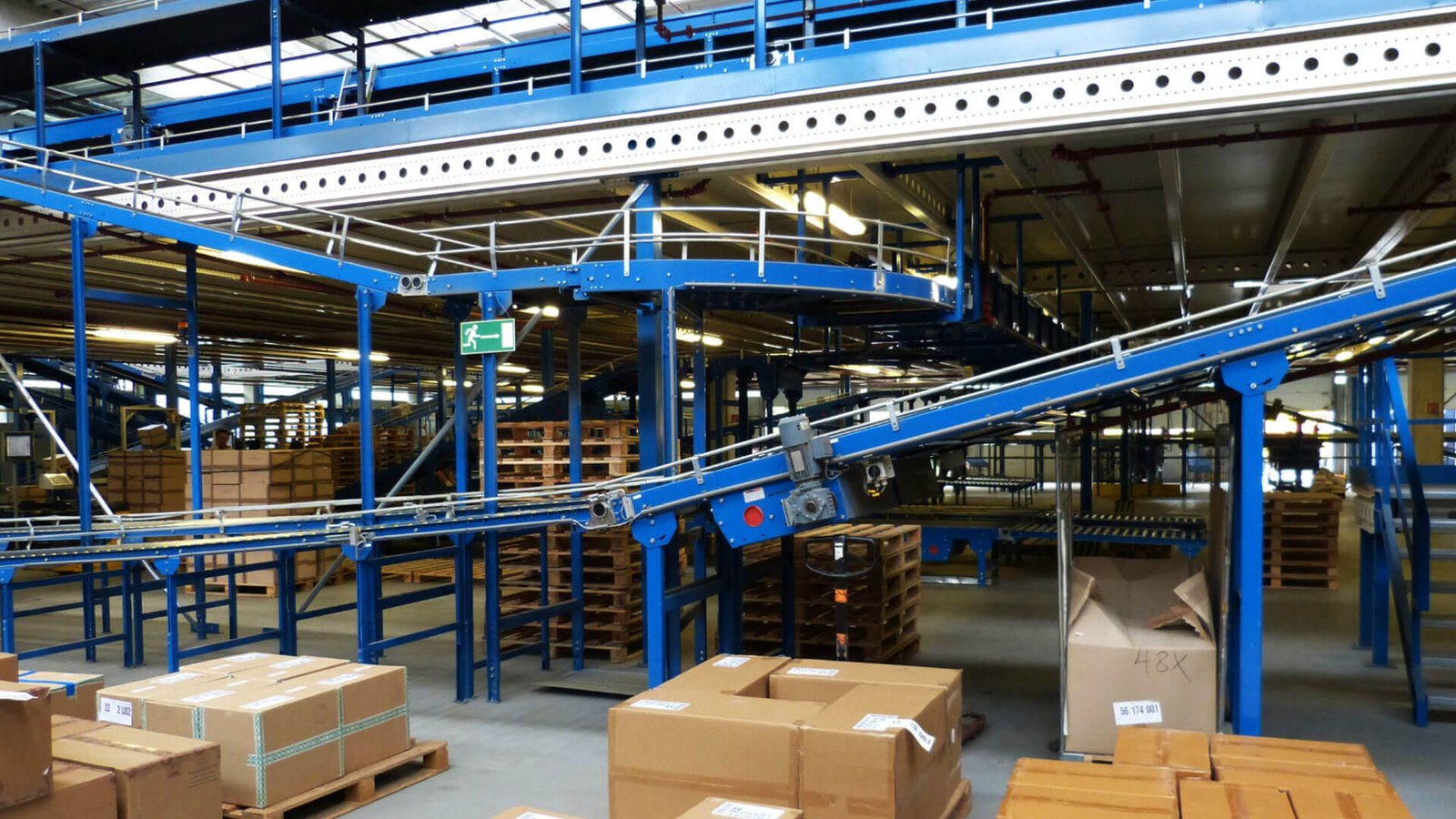
If you’re shipping high-volume goods or expect to scale your business, it’s often better to consider FOB or EXW11 terms. These options give you greater control over the shipping process and can lead to more favorable negotiations with freight forwarders12.
DDP might work for small, one-off shipments where you seek convenience. However, as your imports grow in size and complexity, the risks associated with DDP can outweigh its benefits.
How Can U.S. Importers Reduce Risk and Regain Control When Using DDP Shipping from China?
To mitigate risks associated with DDP, U.S. importers3 can take proactive steps. Regaining control of the shipping process is essential for ensuring compliance5 and reducing hidden costs.
Importers reduce DDP risk by taking control of freight, selecting trusted forwarders, and managing customs clearance2 directly. Clear Incoterms13, documented responsibility, and proactive compliance5 restore visibility and protect long-term supply chains.
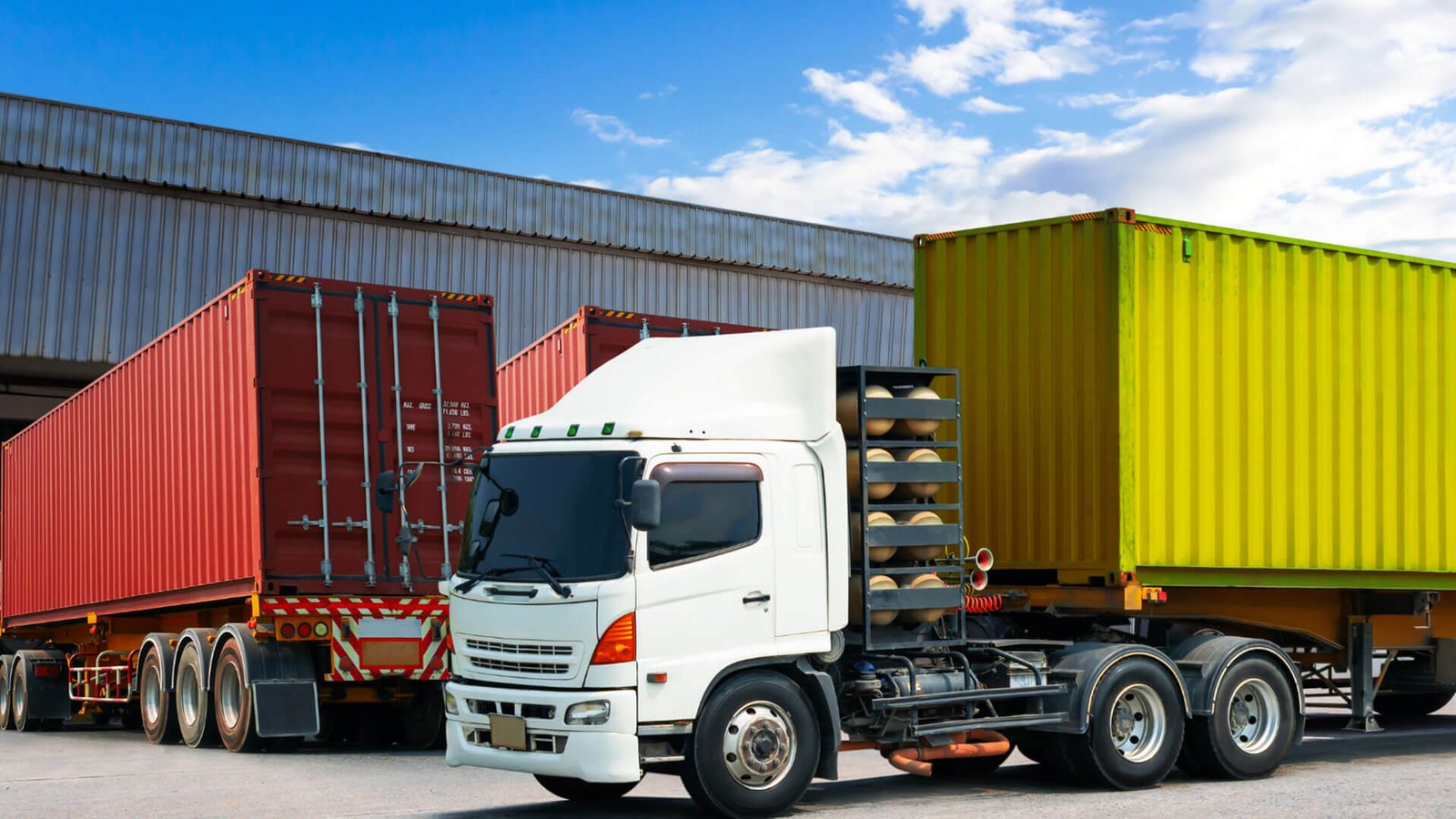
Collaborating with reliable freight forwarders12 or customs brokers can provide added security. They can help navigate the complex landscape of customs compliance5 and ensure everything is on track. By clearly defining responsibilities and using precise Incoterms13, you can regain control over the shipping process.
Additionally, consider negotiating terms that allow you to be more involved in customs clearance2. This way, you can ensure everything aligns with U.S. regulations.
Conclusion
Understanding DDP shipping1 is vital for U.S. importers3. Taking control and being informed can significantly reduce risks and lead to smoother imports.
Understanding DDP shipping can help you save time and money by knowing who is responsible for freight, customs, and duties. ↩
Knowing who handles customs clearance can prevent delays and ensure compliance with regulations. ↩
Learn about the specific challenges U.S. importers encounter with DDP shipping to better navigate international logistics. ↩
Knowing your legal responsibilities can prevent penalties and ensure compliance with U.S. import laws. ↩
Ensuring compliance is crucial to avoid fines and shipment holds when using DDP shipping. ↩
Understanding total landed cost helps in budgeting and avoiding unexpected expenses in DDP shipping. ↩
Maintaining shipment visibility helps in tracking goods and preventing unexpected delays or losses. ↩
Correct HS classification is essential to avoid penalties and ensure accurate duty payments. ↩
Understanding undervaluation risks can prevent additional duties and compliance issues. ↩
Being aware of customs audits can help in preparing documentation and avoiding fines. ↩
Choosing the right shipping terms can provide better control and reduce long-term risks. ↩
Freight forwarders can provide expertise and support in navigating complex shipping processes. ↩
Understanding Incoterms can help in defining responsibilities and ensuring smooth shipping operations. ↩