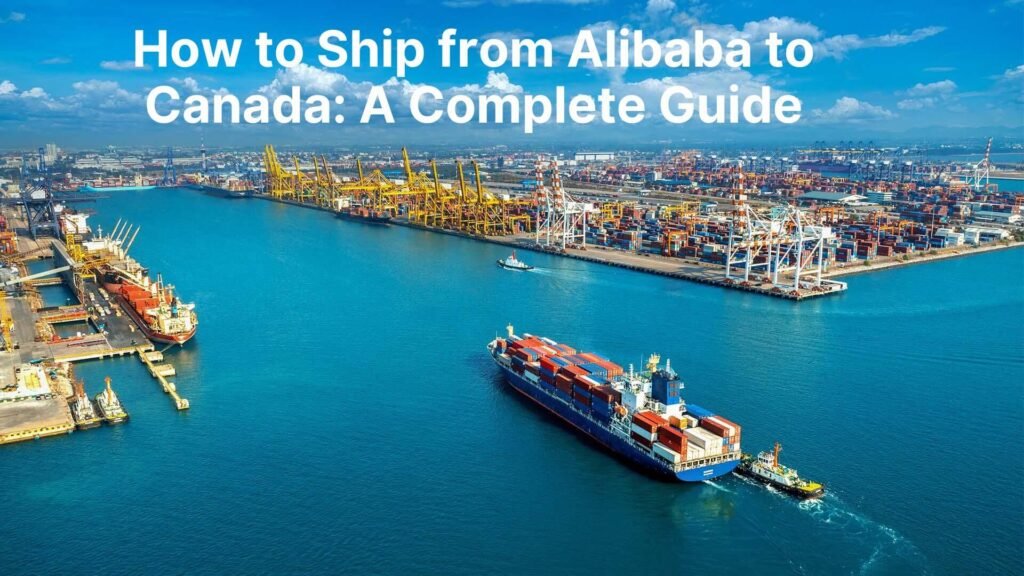
Shipping products from Alibaba to Canada can seem overwhelming. Understanding the entire process is vital to avoid mistakes and extra costs. In this guide, I'll help you navigate the journey from supplier pickup1 to delivery.
Shipping from Alibaba to Canada involves supplier pickup1, export documentation2, international freight, Canadian customs clearance3, and final delivery. While Alibaba connects buyers and suppliers, importers are responsible for freight coordination, customs compliance, and managing risk throughout the process.
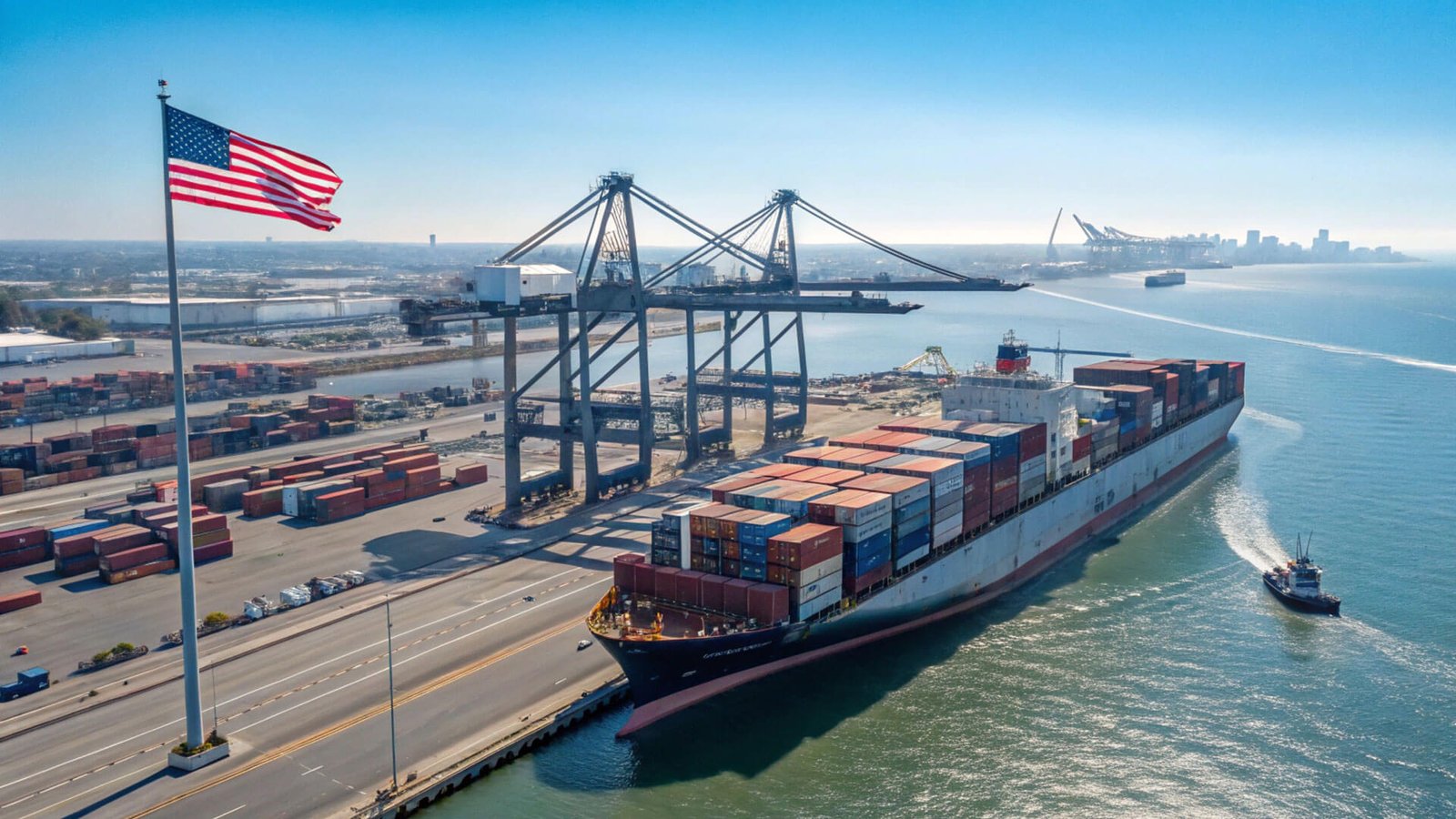
When you think about shipping from Alibaba, you should consider the entire journey. From the moment your supplier prepares your goods to the point they arrive at your doorstep, there are many steps to keep in mind. Each of those steps can impact your costs and timelines.
LOOP START
How Does Shipping from Alibaba to Canada Work from Supplier Pickup to Final Delivery?
Shipping from Alibaba to Canada follows a specific process. It begins with the supplier preparing your order. After that, the goods are picked up for international shipping. The crucial steps include organizing export documentation2 and ensuring compliance with Canadian customs regulations.
Most commercial shipments from Alibaba to Canada use ocean freight4 for cost efficiency, while air freight5 supports urgent or high-value goods. The best option depends on shipment size, delivery timelines, inventory risk, and total landed cost rather than base freight rates alone.
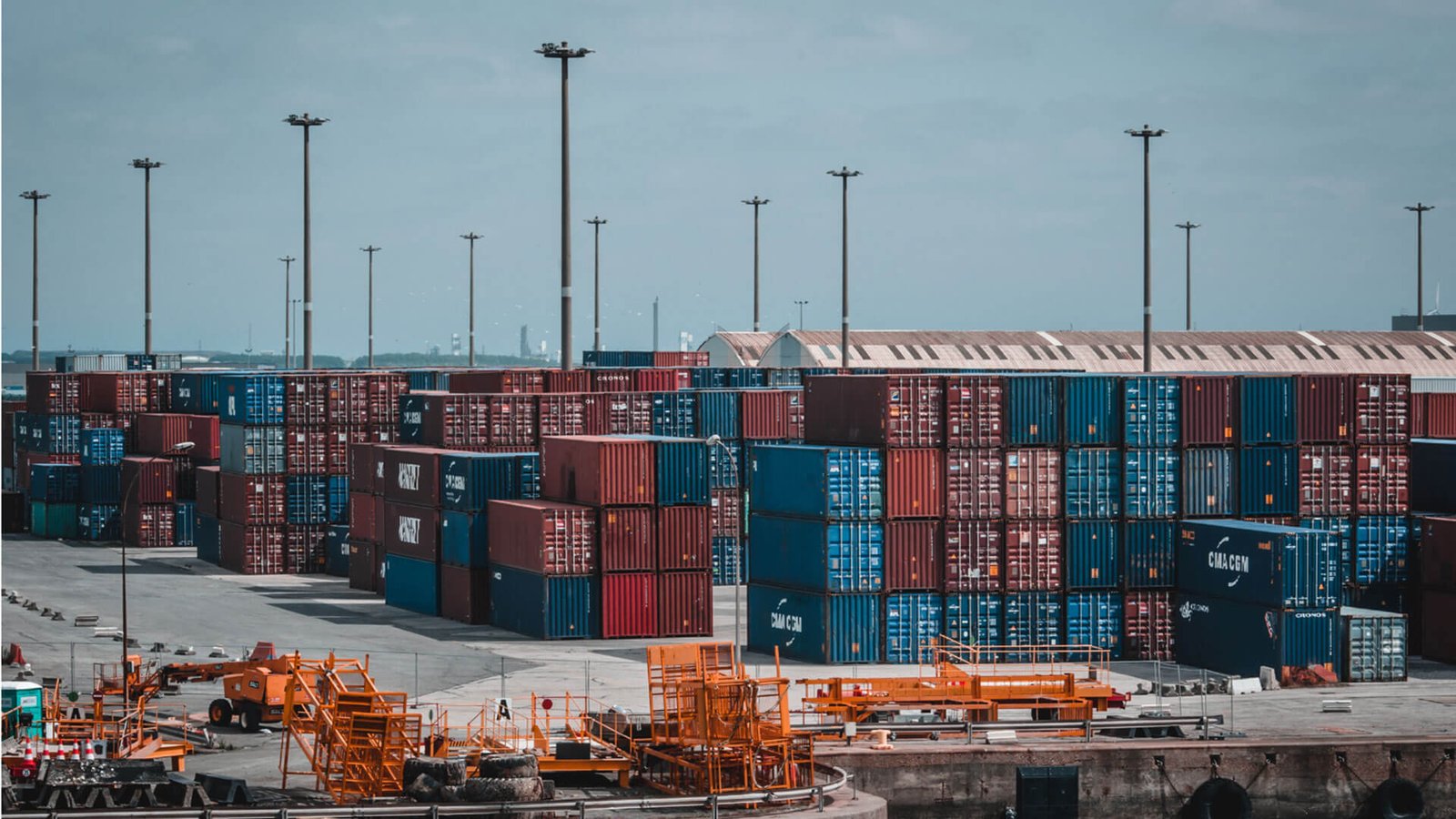
An important part of this process is ensuring you have all the necessary documents prepared for customs clearance. For importers, it's essential to be aware of potential risks and costs involved at each step. I once had a shipment delayed because the supplier failed to include the correct paperwork. This taught me the importance of verifying documentation before shipping.
What Shipping Methods from Alibaba to Canada Best Balance Cost, Transit Time, and Reliability for Importers?
Choosing the right shipping method is crucial for cost and efficiency. Ocean freight is commonly used for large shipments due to its cost-effectiveness. On the other hand, air freight5 is ideal for urgent shipments, though it comes with a higher price tag.
Alibaba shipping costs are heavily influenced by Incoterms6 such as EXW, FOB, or DDP7, which define who controls freight and bears risk. Misunderstanding these terms often leads to hidden fees, poor visibility, and higher landed costs for importers.
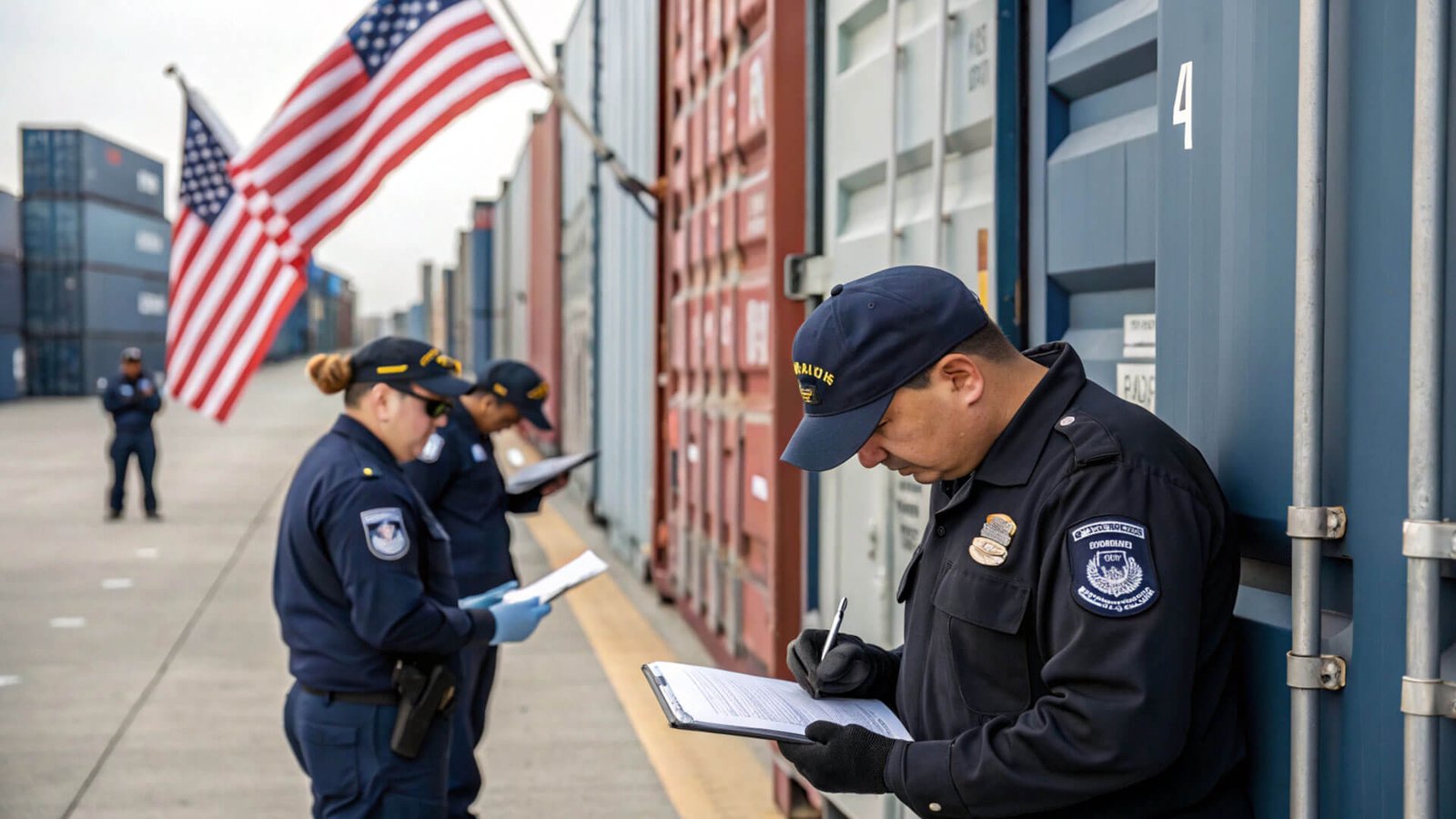
Using the right shipping method also involves understanding the total landed cost. This includes freight, duties, taxes, and any additional fees. You need to weigh the cost against urgency and reliability. For instance, I remember choosing air freight5 once to meet a tight deadline, but the costs significantly impacted my profit margins.
How Do Incoterms6 and Supplier Freight Quotes Affect Alibaba Shipping Costs to Canada?
Incoterms6 play a critical role in determining costs and responsibilities when shipping from Alibaba. Key terms include EXW, FOB, and DDP. Each of these terms dictates who is responsible for various aspects of the shipping process, such as freight costs and customs clearance.
Alibaba imports into Canada must clear customs and may be subject to import duties, GST/HST8, and regulatory requirements. Accurate HS classification9, valuation, and documentation are essential to avoid delays, penalties, or unexpected tax exposure at the border.
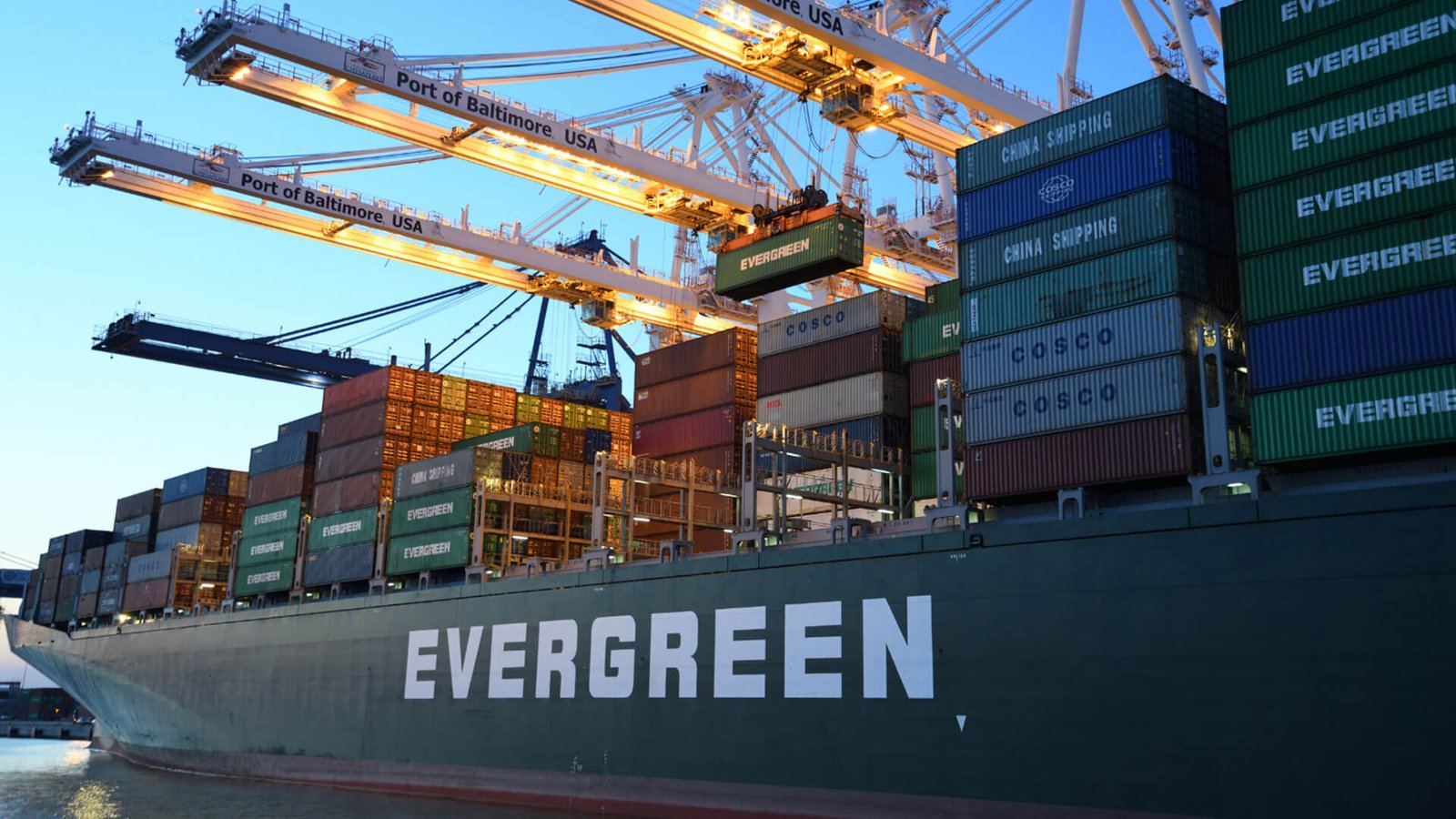
Misunderstandings regarding these terms can lead to unexpected costs. For example, if your supplier quotes you an EXW price, you need to arrange and pay for freight from their location. Once, I assumed an FOB quote included everything, and this oversight resulted in extra charges. Always clarify these terms with your supplier.
What Customs Clearance, Duties, and Taxes Apply When Importing Alibaba Goods into Canada?
When importing goods from Alibaba to Canada, understanding customs clearance is essential. Goods must be classified correctly to determine the applicable duties and taxes. Import duties, GST/HST, and other potential fees can significantly impact your overall cost.
Common mistakes include unclear Incoterms6, supplier-controlled freight, missing documents, and undervaluation10. These issues frequently cause customs delays, extra charges, or cargo holds, increasing landed cost and disrupting delivery schedules.
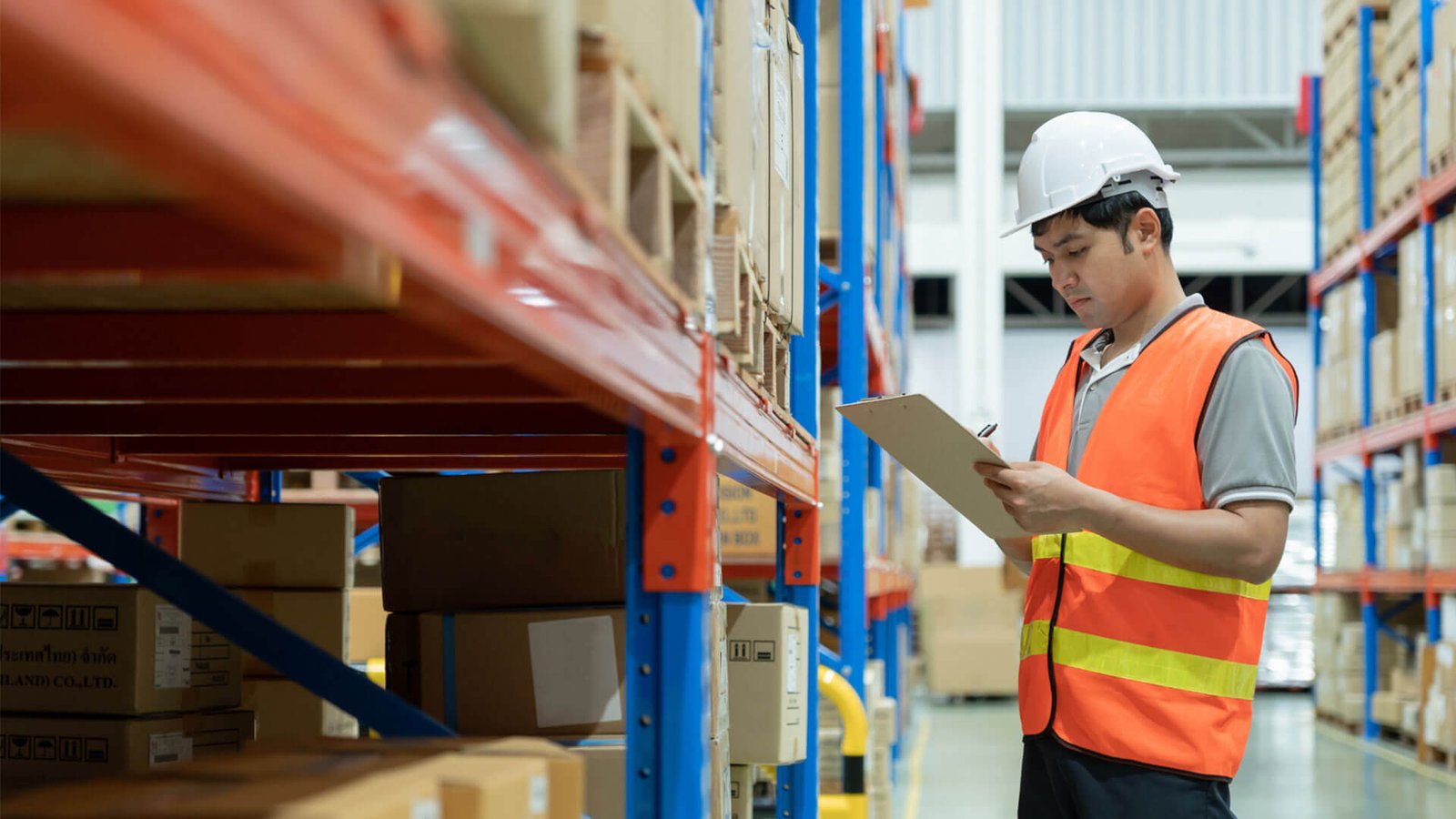
It’s critical to have all necessary documentation ready for customs. Failing to provide accurate information can lead to delays or unexpected costs. I've faced customs issues in the past simply because my HS classification9 was incorrect. Researching HS codes before shipping can save a lot of stress later.
What Common Alibaba Shipping Mistakes Cause Delays, Extra Fees, or Customs Issues in Canada?
Many common mistakes can lead to shipping delays or added costs. Some issues arise from incorrect or missing documentation, misunderstanding Incoterms6, or undervaluation10 of goods. These can cause customs delays or extra fees that eat into your profits.
Importers reduce cost and risk by consolidating shipments11, controlling freight through trusted forwarders12, validating customs compliance before export, and optimizing routing. A structured, end-to-end logistics strategy13 enables predictable lead times and scalable Alibaba sourcing.
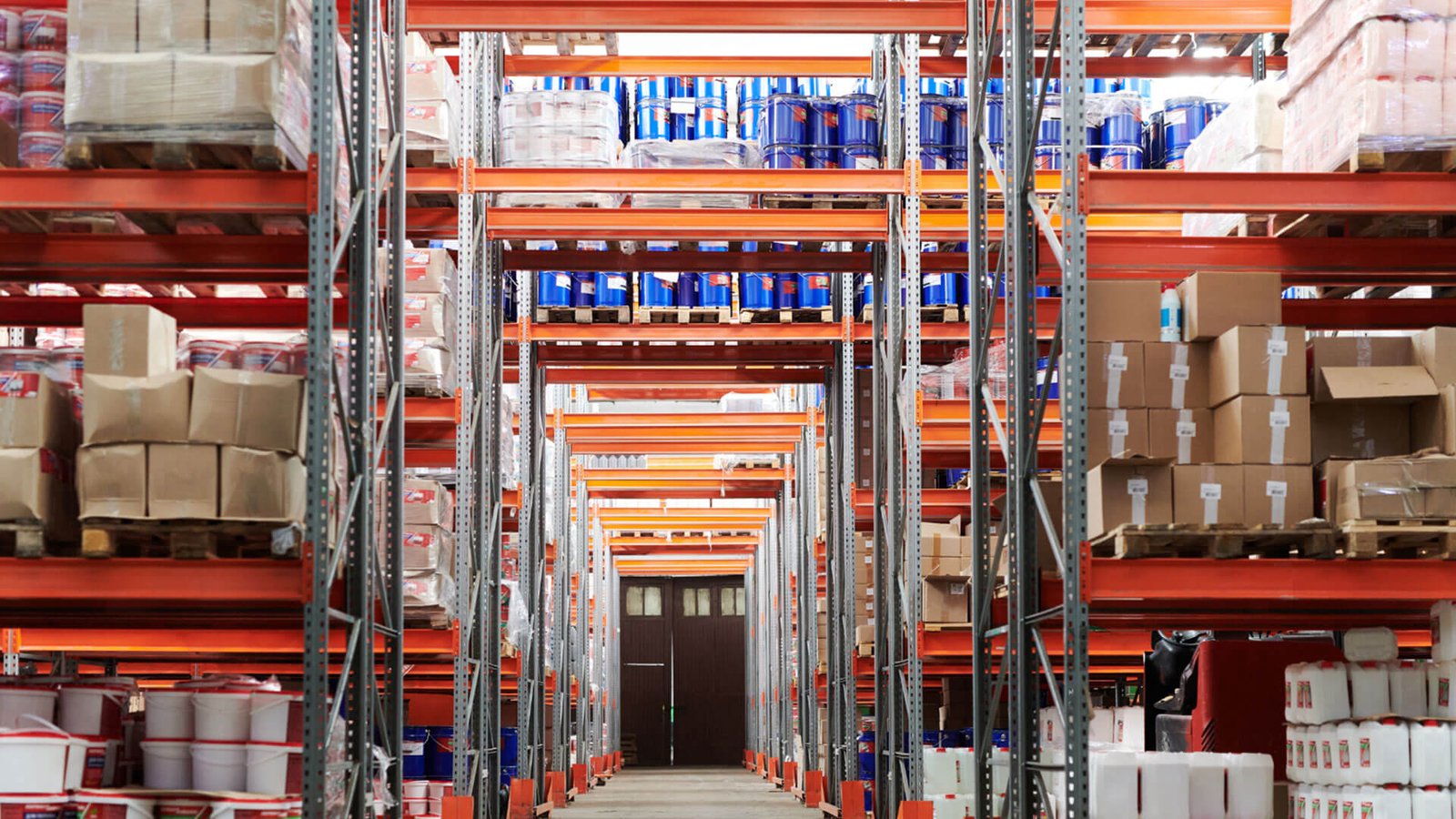
I’ve learned to be diligent in reviewing all documentation. One time, my shipment got held up because I misclassified a product, leading to unexpected duties. Regularly checking procedures and guidelines can prevent such costly errors.
How Can Importers Reduce Cost, Risk, and Lead Time When Shipping from Alibaba to Canada at Scale?
Reducing costs and risks when shipping at scale requires an organized approach. Importers should look into consolidating shipments11 to maximize space and minimize costs. Working with a reputable freight forwarder can also streamline the process.
A structured, end-to-end logistics strategy13 enables predictable lead times and scalable Alibaba sourcing.
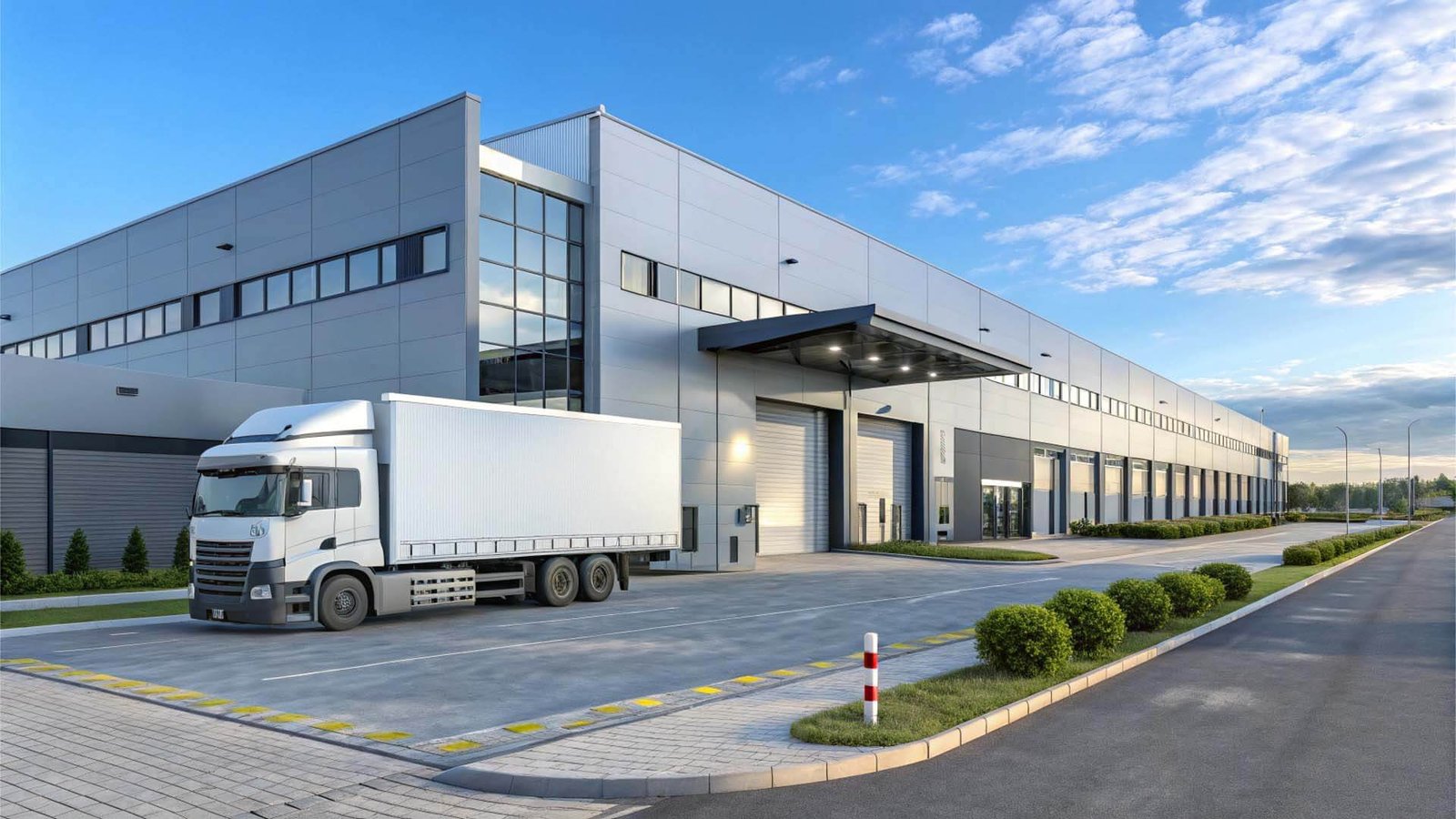
I’ve found that validating customs compliance before shipping can save a lot of headaches later. Once, I ensured all my documentation was in order before even placing an order, which greatly accelerated the process upon arrival. This proactive approach can make shipping from Alibaba much smoother.
Conclusion
Understanding the shipping process from Alibaba to Canada is crucial to avoid costly mistakes and delays.
Understanding supplier pickup is crucial as it marks the beginning of the shipping process, impacting timelines and costs. ↩
Proper export documentation ensures compliance and smooth customs clearance, preventing delays and additional costs. ↩
Knowing the customs clearance process helps avoid unexpected duties and ensures timely delivery of goods. ↩
Ocean freight is cost-effective for large shipments, making it a popular choice for importers looking to save on costs. ↩
Air freight is ideal for urgent or high-value goods, offering faster delivery despite higher costs. ↩
Understanding Incoterms helps importers manage costs and responsibilities, avoiding hidden fees and misunderstandings. ↩
These terms define who controls freight and bears risk, crucial for cost management and avoiding unexpected charges. ↩
Knowing applicable duties and taxes helps in budgeting and avoiding unexpected costs at the border. ↩
Accurate HS classification ensures correct duty payments and prevents customs delays. ↩
Undervaluation can lead to customs issues, penalties, and delays, impacting overall shipping efficiency. ↩
Consolidating shipments maximizes space and minimizes costs, making it a cost-effective strategy for importers. ↩
Trusted forwarders ensure reliable freight management, reducing risks and improving delivery timelines. ↩
A comprehensive logistics strategy enables predictable lead times and scalable sourcing, optimizing the shipping process. ↩