The logistics world can be overwhelming. Many U.S. importers struggle to find freight forwarders1 they can trust. Let's break it down and simplify your selection process.
A trusted freight forwarder offers more than competitive pricing—they provide transparency, compliance expertise2, reliable communication, and proven execution. From a U.S. importer’s perspective, trust is built through consistent performance, clear accountability, and the ability to manage risk across international supply chains.

Choosing the right freight forwarder is crucial. A good forwarder can make or break your shipping experience. Without the right partner, you might face delays, compliance issues, or even financial losses. So, how do we ensure we’re making the right decision?
What Makes a Freight Forwarder Truly Trusted from a U.S. Importer’s Perspective?
The landscape of freight forwarding is vast. Many companies claim to be the best, but what truly sets a trusted freight forwarder apart? It starts with their reputation. Importers need to look for forwarders that consistently deliver on promises.
The most trusted freight forwarders1 are those with strong global networks, multimodal capabilities3, and experience managing complex international shipments. These companies coordinate freight, customs, and delivery seamlessly, allowing importers to maintain control and predictability throughout the shipping process.
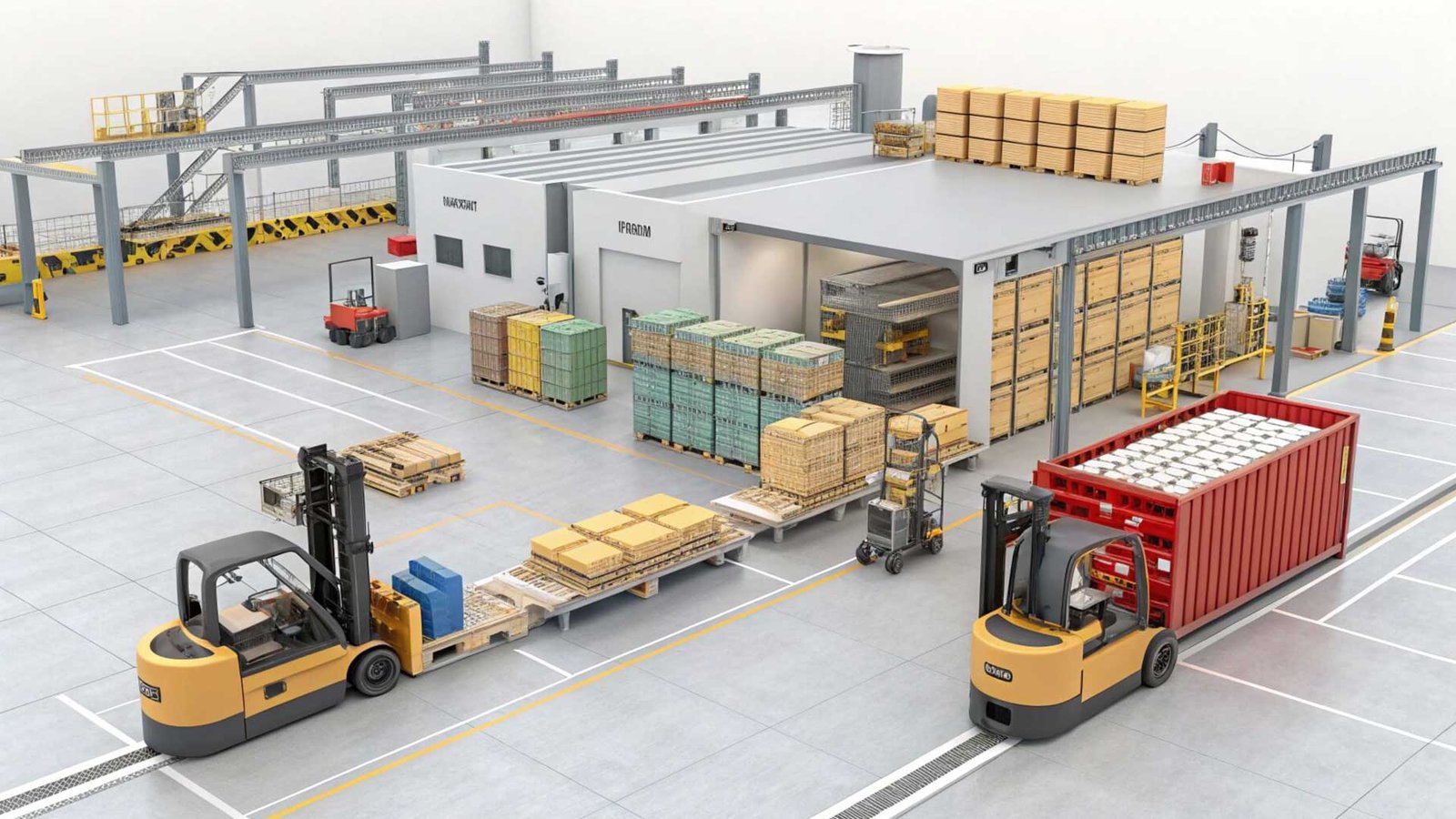
A trusted freight forwarder should also have a clear understanding of U.S. regulations4. Compliance can be tricky, and a reliable partner will help navigate these waters. Look for forwarders who prioritize transparency and communication. They should provide clear updates throughout the shipping process. This builds confidence and ensures you know where your cargo is at all times.
Which Freight Forwarders Are Most Trusted for Managing International Shipments End to End?
When managing international shipments, a freight forwarder's ability to handle logistics from start to finish is vital. A trusted forwarder will not only take care of shipping but also handle customs clearance and all related documentation.
Importers can verify a freight forwarder’s legitimacy by reviewing licenses, industry memberships, physical office presence, customer references, and compliance history. A legitimate forwarder provides clear contracts, transparent pricing, and documented processes that reduce the risk of fraud or shipment disruption.
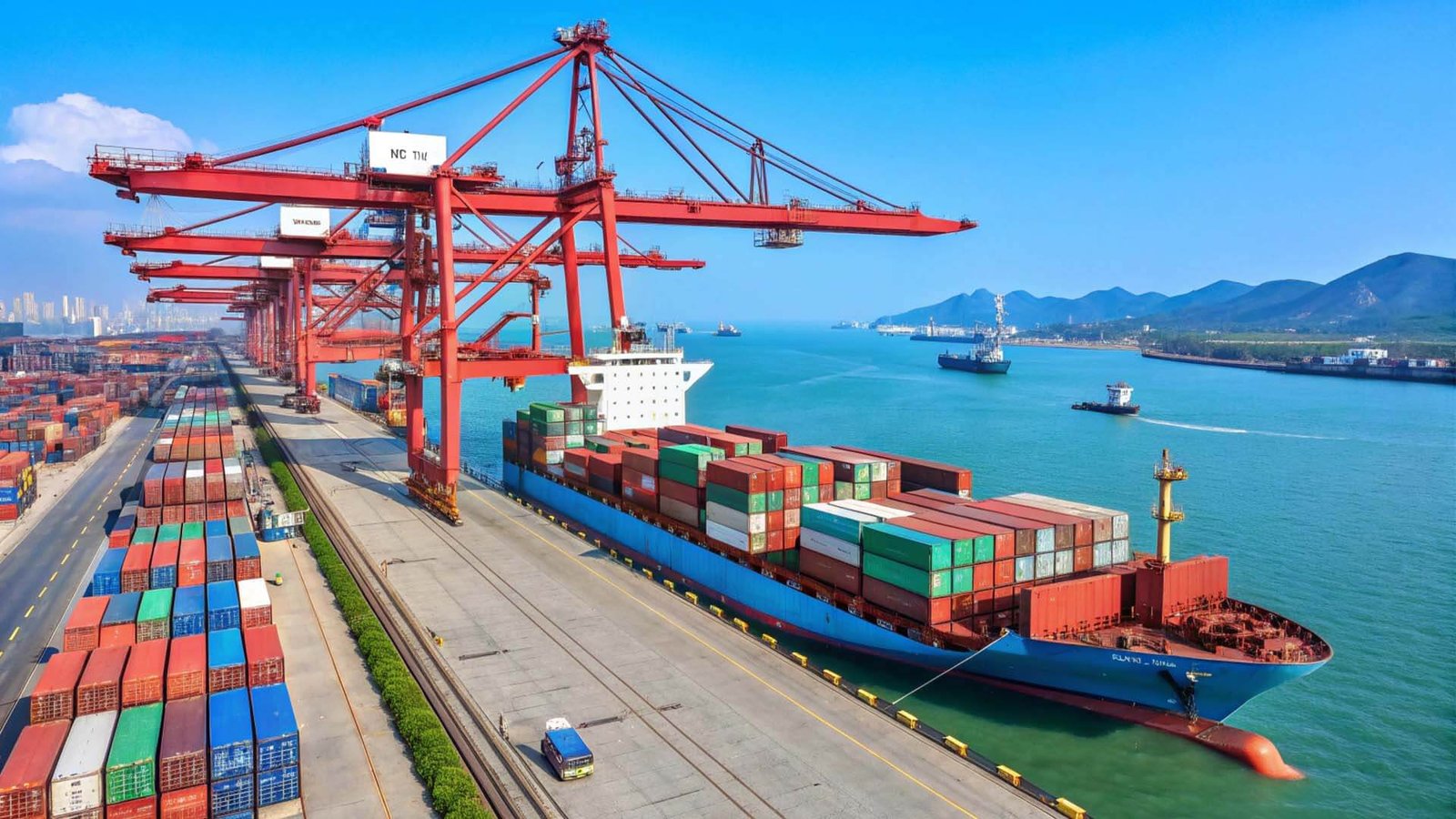
End-to-end management means that the forwarder takes responsibility for every step. This includes coordinating with customs brokers and ensuring that all documents are in order. A good forwarder builds strong relationships with customs authorities and has a proven track record in navigating the complexities of international shipping.
How Can Importers Verify the Legitimacy, Compliance, and Track Record of a Freight Forwarder?
Verification is key when choosing a freight forwarder. Importers should not take claims at face value. Instead, conduct thorough research. Start by checking the forwarder's licenses and certifications5. These are essential indicators of their legitimacy.
Common risks include hidden fees6, poor documentation, lack of compliance knowledge, and unreliable communication. These issues can lead to delays, penalties, or cargo loss, making due diligence and clear service agreements essential when selecting a freight forwarder.
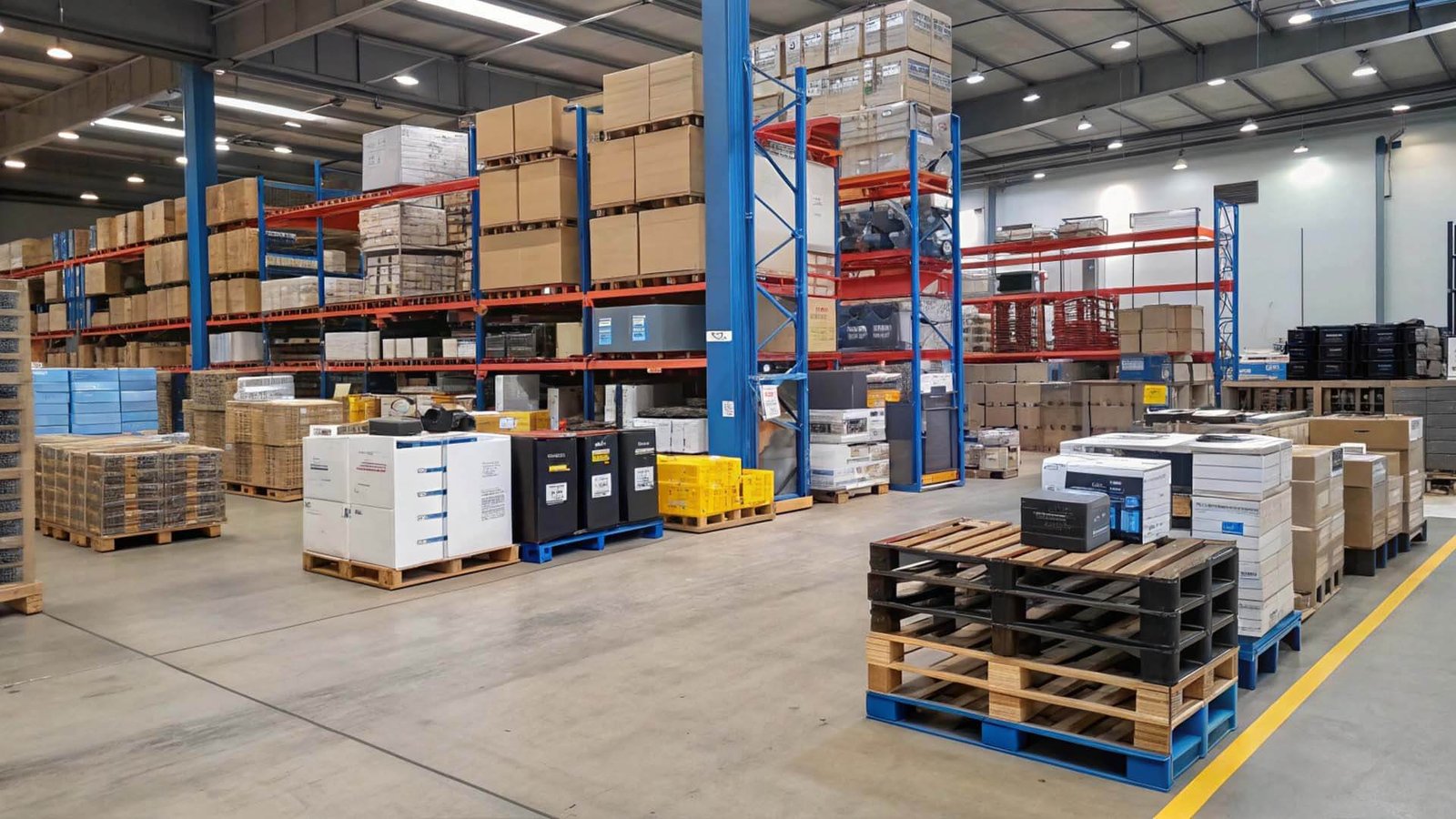
You can also seek customer testimonials7 and case studies. These provide insights into the forwarder's capabilities and reliability. Ensure they have a physical presence and not just an online operation. It’s also wise to ask about their insurance policies8 and how they handle potential damages or losses. Transparency here is crucial.
What Risks Should Importers Watch for When Choosing a Freight Forwarder—and How Can They Be Mitigated?
Selecting a freight forwarder comes with risks. As importers, we must be aware of the potential pitfalls. Hidden fees are a common concern. Some forwarders might initially quote low prices but add on fees later. Always request a detailed breakdown of costs.
U.S. importers should choose a trusted freight forwarder based on shipment size9, cargo type, trade lanes10, and compliance requirements. Aligning forwarder capabilities with business needs ensures efficient shipping, cost control, and long-term supply-chain reliability.

Another risk is poor communication. It’s essential to have a forwarder that provides timely updates and is readily available to address concerns. Look for ones that demonstrate a proactive approach to communication. This often reflects their commitment to customer service and the handling of your cargo.
How Should U.S. Importers Choose the Right Trusted Freight Forwarder Based on Cargo, Volume, and Trade Lanes?
Every shipment is unique. Factors like cargo type, volume, and trade lanes10 should influence your decision on a freight forwarder. A trusted forwarder should align with your specific needs. For example, if you're shipping delicate items, ensure the forwarder has experience handling such cargo.
Choosing the right freight forwarder involves analyzing multiple factors, including carrier performance11, service reliability, and compliance with regulations. This tailored approach helps ensure your shipments are handled efficiently and effectively.
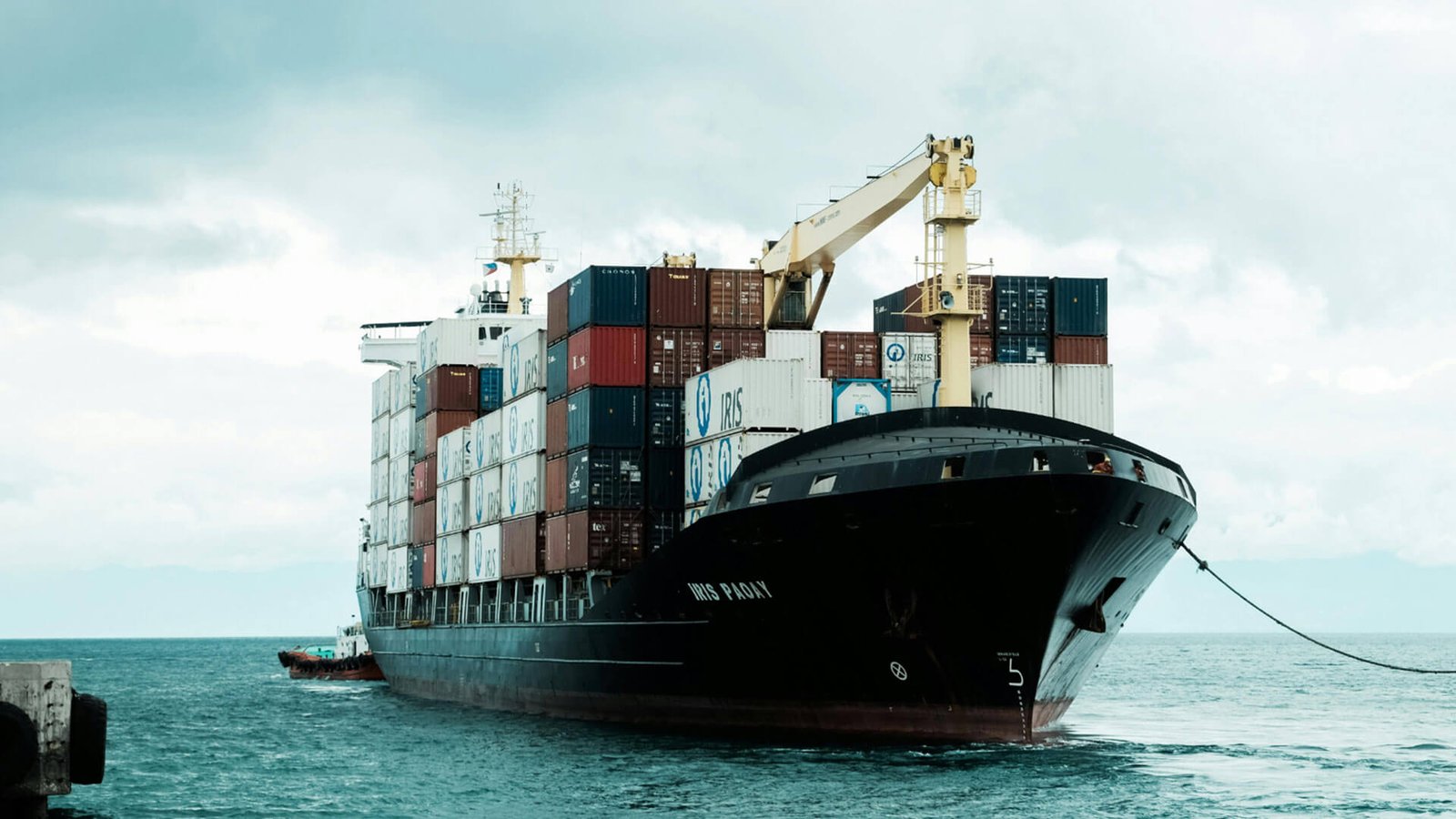
In conclusion, a thorough evaluation process is essential. Make sure to consider the forwarder’s experience with your specific cargo type and volume. Establish what you value most—whether it’s cost, speed, or reliability—and ensure the forwarder can deliver on those expectations.
Conclusion
Choosing a trusted freight forwarder is essential for smooth shipping experiences. Assessing their reputation, capabilities, and communication practices can safeguard your imports.
Discover the leading freight forwarders in the U.S. to ensure reliable and efficient shipping for your business needs. ↩
Learn how compliance expertise in freight forwarding can prevent legal issues and ensure smooth international shipping. ↩
Understand how multimodal capabilities can enhance the efficiency and flexibility of your shipping process. ↩
Explore the impact of U.S. regulations on freight forwarding to ensure compliance and avoid potential penalties. ↩
Learn why verifying licenses and certifications is crucial for ensuring the legitimacy and reliability of a freight forwarder. ↩
Discover strategies to identify and avoid hidden fees in freight forwarding to maintain cost-effective shipping. ↩
See how customer testimonials can provide insights into a freight forwarder's reliability and service quality. ↩
Understand the importance of insurance policies in protecting your cargo during international shipping. ↩
Learn how considering shipment size can help you select the most suitable freight forwarder for your needs. ↩
Explore the concept of trade lanes and how they influence the logistics and cost of shipping. ↩
Find out how carrier performance can affect the efficiency and reliability of your shipping operations. ↩