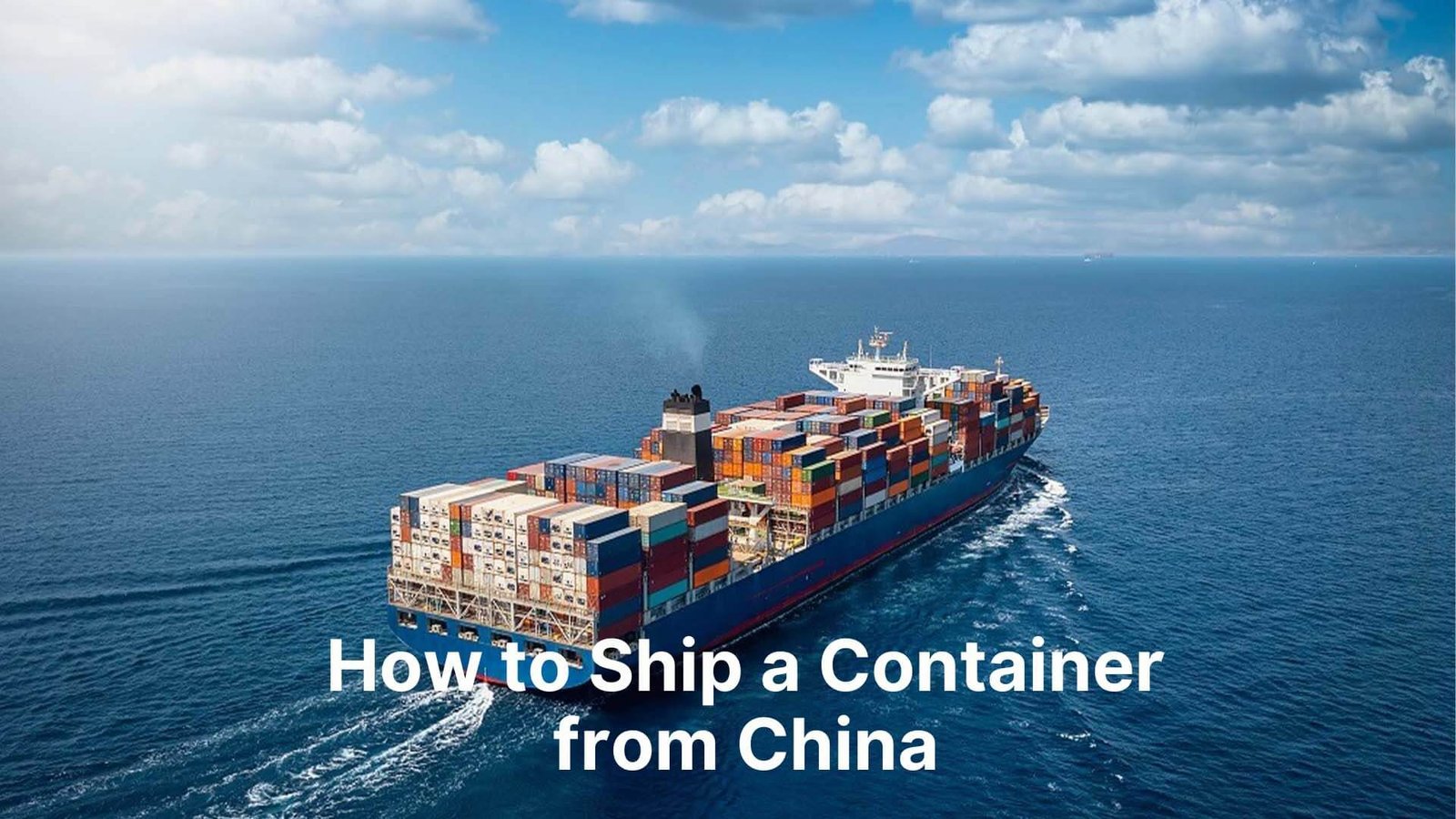
Shipping a container from China can feel overwhelming. With so many steps and potential pitfalls, it’s easy to get lost. But understanding the process can lead to successful imports.
The full shipping process from China to the USA involves multiple stages. From factory pickup1 to final delivery, knowing each step helps ensure smooth transit and compliance.
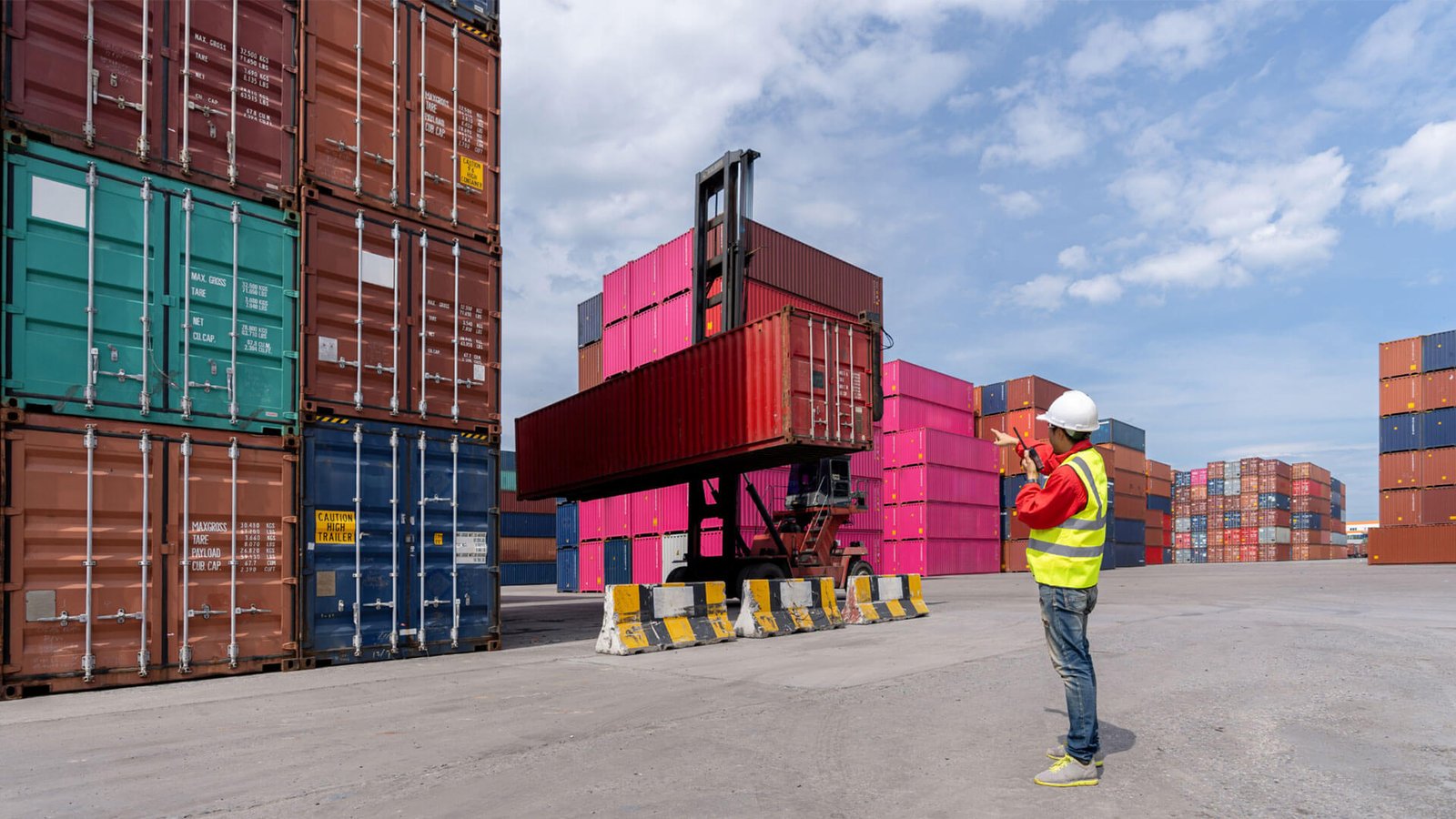
The journey from China to the USA involves many details. Each part of the process is critical. If you miss a step, it could lead to delays or unexpected costs. I’ve learned the ins and outs of container shipping, and I want to share this knowledge with you.
How the Full Container Shipping Process from China to the USA Works from Factory Pickup to Final Delivery?
Shipping containers might seem straightforward, but it’s more complicated than it appears. The process starts at the factory. Once the goods are ready, they are packed into containers. After this, the shipping company arranges for the container to be picked up. It then goes to the port for loading onto a ship. The journey across the ocean is next, which can take several weeks. Upon arrival in the U.S., customs clearance2 is required. Following that, the container is delivered to its final destination, typically a warehouse or distribution center.
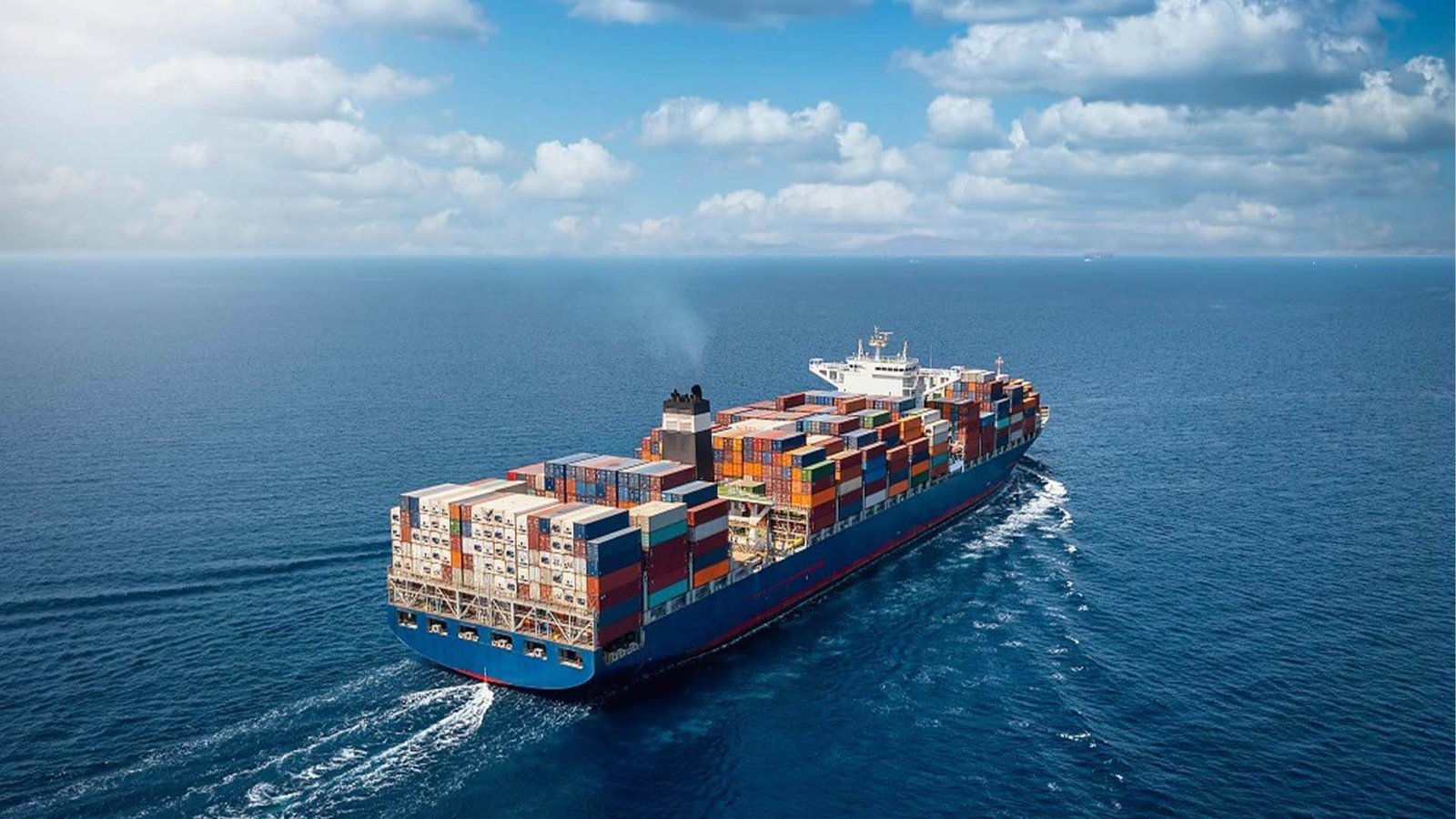
To visualize this process, here’s a simple flow:
- China Factory/Supplier
- Container Booking & Loading (20ft/40ft/LCL)
- Ocean Freight Export from China Port
- U.S. Customs Clearance (ISF, Duties, Compliance)
- Port Release & Drayage
- Final Delivery to Warehouse/DC/FBA
Understanding this flow means you can prepare better and avoid common mistakes.
How Much It Really Costs to Ship a 20ft or 40ft Container from China and What Drives Price Changes?
When considering shipping, cost is always a concern. The price to ship a container from China can vary significantly. It depends on several factors like the container size, the shipping route, and the current market conditions. Typically, a 20ft container costs less than a 40ft container, but it’s essential to calculate based on your specific needs.
The cost to ship a container from China fluctuates due to market demand3, fuel prices, and shipping line rates. Understanding these factors helps you budget accordingly.

Here’s a look at the costs involved:
| Option | Best For | Typical Cargo Volume | Cost Efficiency | Transit Risk | Common Importer Mistakes |
|---|---|---|---|---|---|
| 20ft FCL | Dense or heavy cargo | ~25–28 CBM | Medium | Low | Under-utilizing space |
| 40ft FCL | High-volume imports | ~55–58 CBM | High | Low | Poor load planning |
| LCL | Smaller shipments | <15–18 CBM | Low | Medium | Unexpected consolidation fees |
Each option has pros and cons. It’s crucial to choose based on your cargo needs.
How to Choose Between 20ft vs 40ft Containers and FCL vs LCL Based on Cargo and Volume?
Choosing between a 20ft or 40ft container4 depends on your shipment size. Full Container Load (FCL) is ideal for larger shipments. Less than Container Load (LCL) works for smaller volumes. Each option has different cost and risk factors.
Choosing the right container size is essential for efficiency and cost management. Understanding FCL vs LCL will help you make informed decisions.
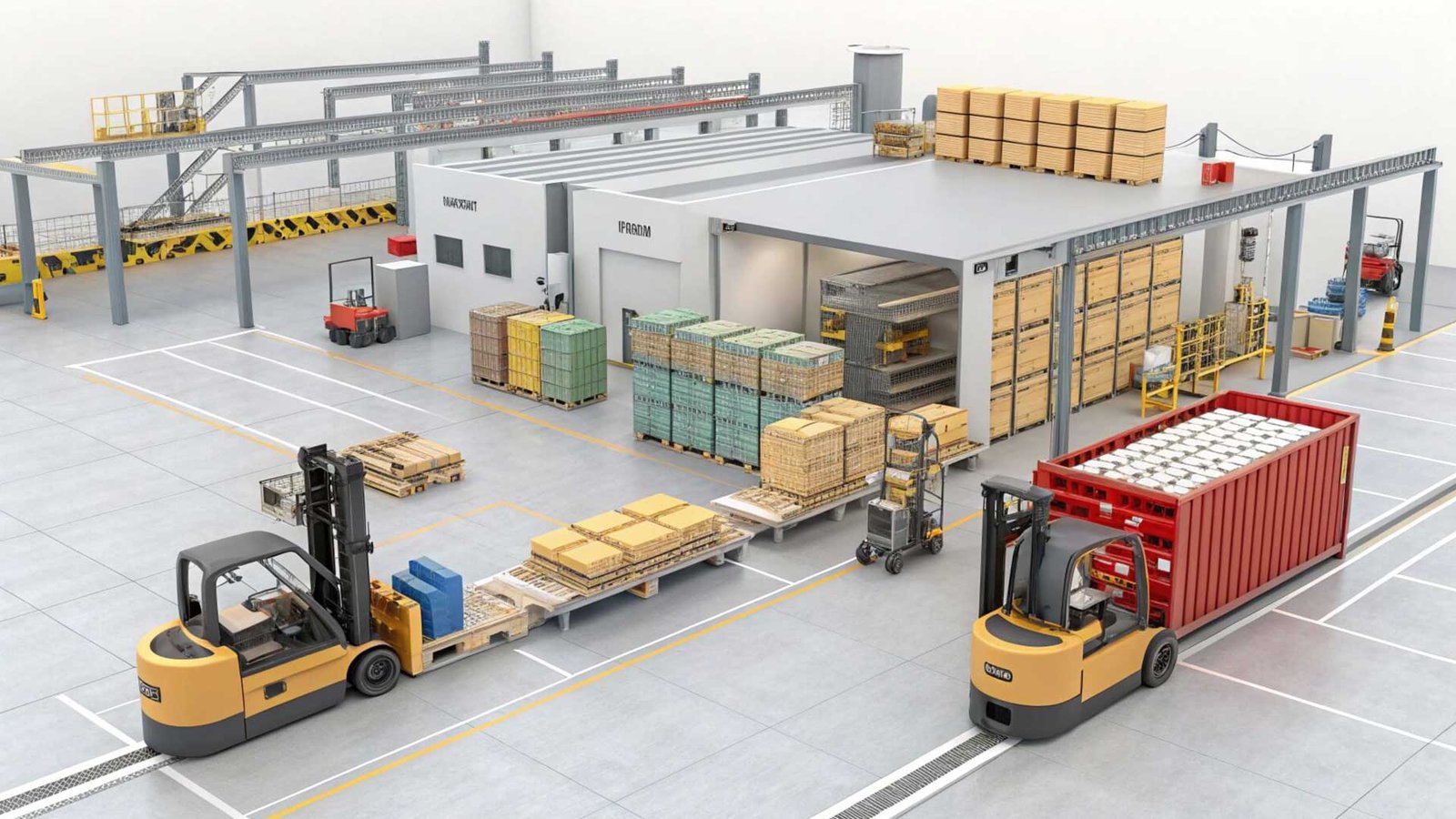
To illustrate this further, here’s a simple comparison:
| Option | Best For | Typical Cargo Volume | Cost Efficiency | Transit Risk | Common Importer Mistakes |
|---|---|---|---|---|---|
| 20ft FCL | Dense or heavy cargo | ~25–28 CBM | Medium | Low | Under-utilizing space |
| 40ft FCL | High-volume imports | ~55–58 CBM | High | Low | Poor load planning |
| LCL | Smaller shipments | <15–18 CBM | Low | Medium | Unexpected consolidation fees |
Knowing what fits your cargo best is key to preventing unnecessary costs and delays.
How Long It Takes to Ship a Container from China to the United States and What Causes Delays?
Shipping times can vary depending on the origin and destination. Typically, it takes about 15-30 days for a container to travel from China to the USA. However, delays can occur due to weather, port congestion5, or customs issues.
The transit time6 from China to the U.S. can range from 15 to 30 days, but delays can happen for various reasons such as weather or customs issues.

To help you understand potential delays, consider these points:
- Weather Conditions: Storms can delay ships.
- Port Congestion: Busy ports can slow down unloading.
- Customs Issues: Missing documentation can cause hold-ups.
Planning for these delays is smart. It helps in setting realistic delivery expectations.
What U.S. Importers Must Know About Customs Clearance, Duties, ISF, and Required Import Documents?
Customs clearance is a crucial step in the import process. U.S. importers must file Importer Security Filing (ISF)7 at least 24 hours before the cargo is loaded. Duties and taxes may also apply based on the value of the goods.
Understanding customs regulations and necessary documents can prevent costly delays and penalties. Compliance is key.
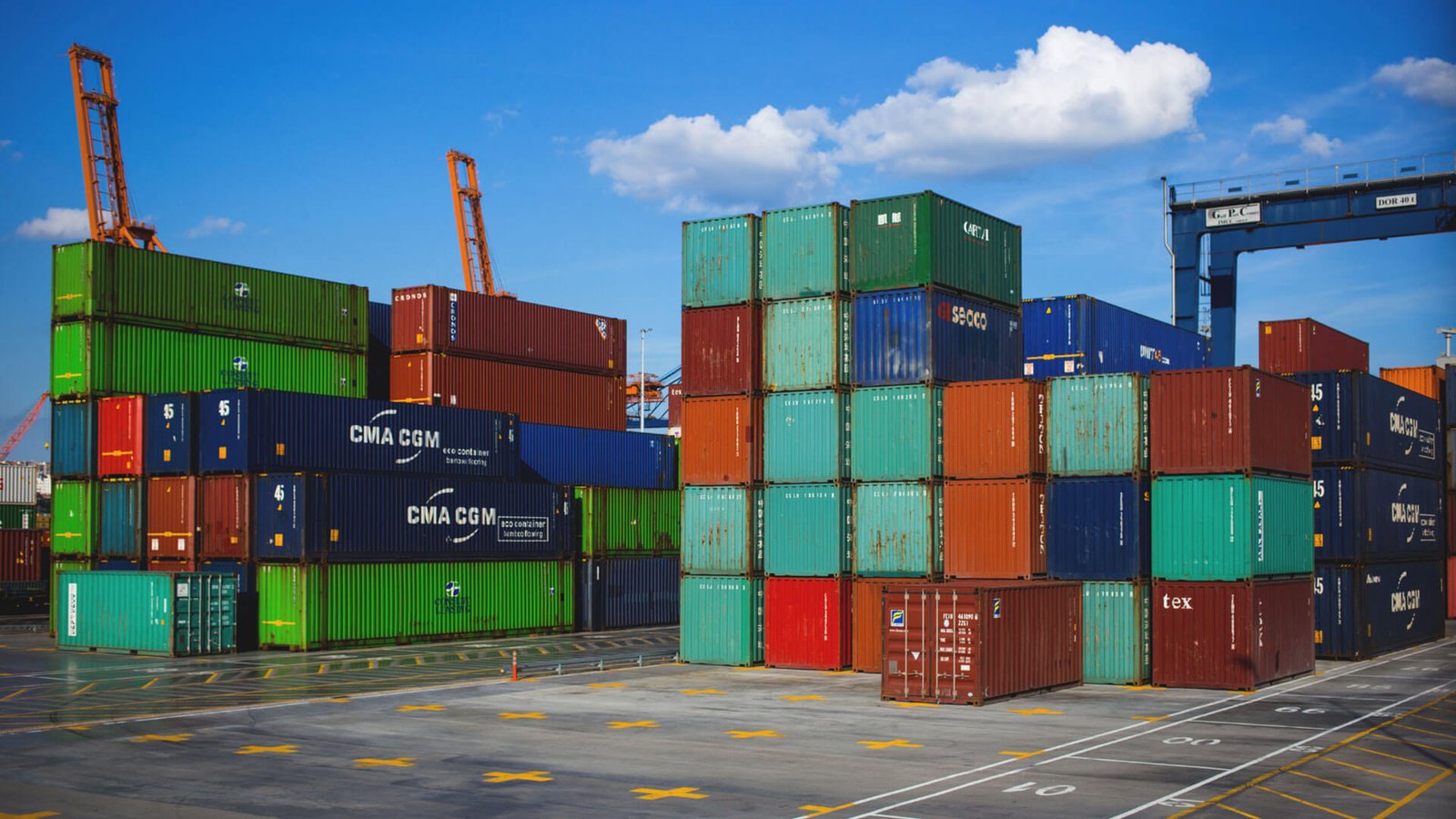
Key documents for customs clearance2 include:
- Commercial Invoice: Details the transaction.
- Packing List: Shows how goods are packed.
- Bill of Lading: The shipping contract.
- ISF Filing: Required for security purposes.
Being prepared with these documents ensures a smoother customs experience.
How to Avoid Common Container Shipping Risks Such as Demurrage, Detention, and Unexpected Fees?
Shipping can come with its share of risks. Demurrage and detention fees can add up quickly if containers are not moved in a timely manner. Unexpected charges may arise from miscommunication or lack of planning.
To minimize risks, clear communication and timely handling of containers are essential. Understanding potential fees will help avoid surprises.
Here are some tips to avoid these common pitfalls:
- Plan Ahead: Schedule pickups and deliveries in advance.
- Stay Informed: Know port regulations and fees.
- Use Reliable Partners: Work with experienced logistics providers.
Being proactive can save you money and stress.
Conclusion
Shipping a container from China to the U.S. involves many steps. With the right knowledge and preparation, you can navigate this process successfully.
Understanding factory pickup is crucial as it marks the beginning of the shipping process, ensuring your goods are correctly packed and ready for transit. ↩
Customs clearance is a critical step that can cause delays if not handled properly. Knowing the process helps in avoiding unnecessary hold-ups. ↩
Market demand can cause fluctuations in shipping costs. Understanding this helps in budgeting and cost prediction. ↩
Choosing the right container size affects cost and efficiency. Learn how to select the best option for your shipment needs. ↩
Port congestion can lead to significant delays. Understanding its impact helps in setting realistic delivery timelines. ↩
Transit time is crucial for planning deliveries. Understanding what affects it helps in managing expectations and schedules. ↩
ISF is a mandatory requirement for U.S. imports. Knowing its importance ensures compliance and avoids penalties. ↩