E-commerce is booming, but shipping can be a complex puzzle. Understanding how to navigate shipping solutions is crucial for success in this competitive market.
Shipping solutions in e-commerce streamline sourcing, fulfillment, and last-mile delivery1. This article will help U.S. importers understand their options and make informed decisions.

Shipping can often be confusing, especially when different terms are thrown around. Let’s break down how e-commerce shipping solutions2 work, from sourcing to delivery, to help you better manage your operations.
How E-commerce Shipping Solutions Work Across Sourcing, Fulfillment, and Last-Mile Delivery?
E-commerce shipping solutions connect suppliers, fulfillment centers, and customers. Each stage plays a crucial role in getting products to the customer on time. Understanding this workflow can improve efficiency and reduce costs.
The e-commerce shipping process involves sourcing products3, managing inventory, and executing last-mile delivery1. Each stage requires careful coordination to ensure customer satisfaction and operational efficiency.
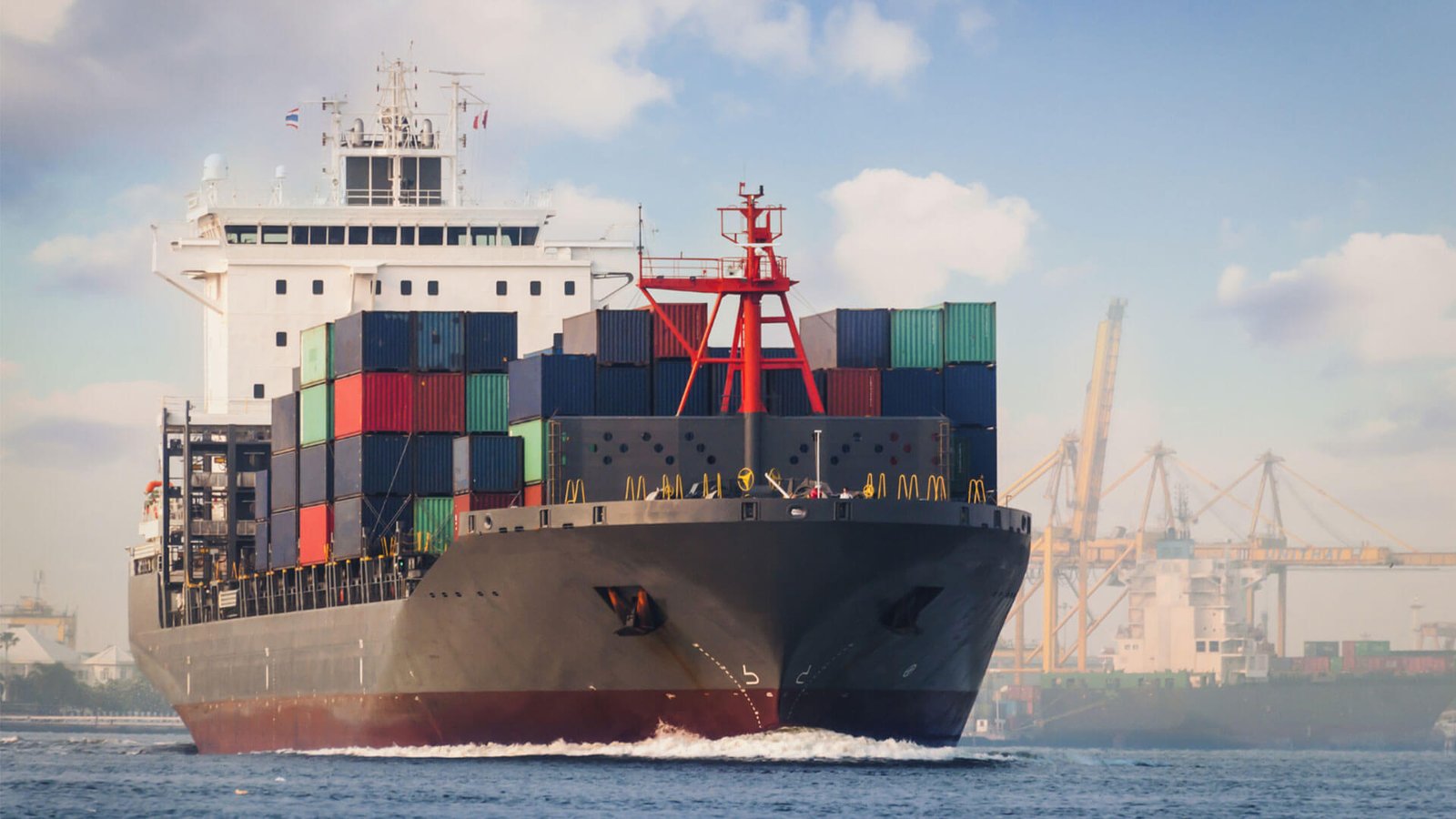
The initial stage starts with sourcing products3 from overseas suppliers or manufacturers. After that, the goods are shipped internationally via air or ocean freight. Once they arrive in the U.S., customs clearance4 takes place to ensure compliance with regulations. From there, products are stored and processed in fulfillment centers, whether in-house, through a 3PL, or Amazon FBA5. Finally, the last-mile delivery1 brings the product right to the customer’s door. Understanding this end-to-end workflow is essential for managing e-commerce operations effectively.
How U.S. Importers Should Choose Between In-House Shipping, 3PL Fulfillment, and Marketplace Fulfillment Models?
Choosing the right fulfillment model can greatly impact your operations. Each option has its advantages and disadvantages, especially regarding cost and scalability.
U.S. importers should assess their needs when selecting between in-house, 3PL, or marketplace fulfillment models. Each model offers different levels of cost control, speed, and scalability, impacting overall efficiency.
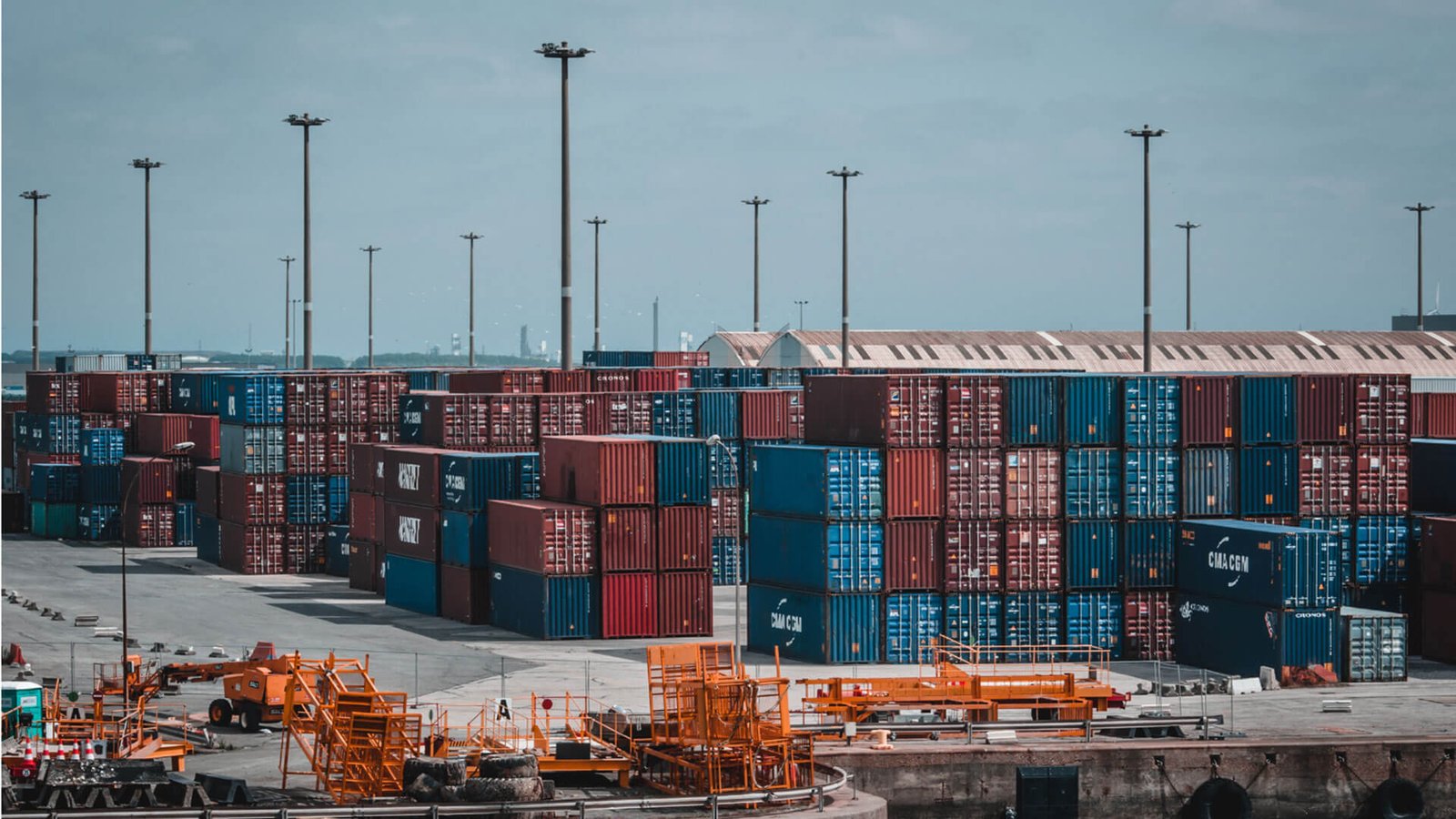
When deciding, consider the nature of your business. In-house shipping gives you high control over costs but can limit scalability due to labor and space constraints. On the other hand, 3PL fulfillment supports growth but may come with monthly minimums. Amazon FBA5 offers speed and high scalability but limits flexibility as you depend on their platform. A hybrid model can optimize costs and speed but introduces operational complexity. Choosing wisely ensures your e-commerce operations can grow sustainably.
What Shipping Methods and Carriers Make Sense for E-commerce Based on Order Volume, Speed, and Cost?
Understanding shipping methods and carriers is essential for optimizing your logistics. Different options can cater to varying order volumes and delivery timelines.
The best shipping method for e-commerce depends on order volume, desired speed, and overall cost. Evaluating your shipping needs is key for effective logistics management.

For smaller orders, parcel shipping with carriers like UPS or FedEx may be most economical. As your order volume grows, less-than-truckload (LTL) shipping6 becomes a viable option. It provides cost savings for larger shipments. Consider the urgency of your deliveries. For time-sensitive orders, air freight7 might be necessary, despite higher costs. Analyzing your shipping volume and speed requirements will help you choose the most effective method.
How International Shipping, Duties, and Customs Impact E-commerce Operations for U.S. Importers?
International shipping can introduce additional complexities like customs and import duties8. Understanding these factors is vital for compliance and cost management.
U.S. importers need to navigate cross-border shipping and understand e-commerce import duties8. Customs procedures can impact delivery times and overall costs.
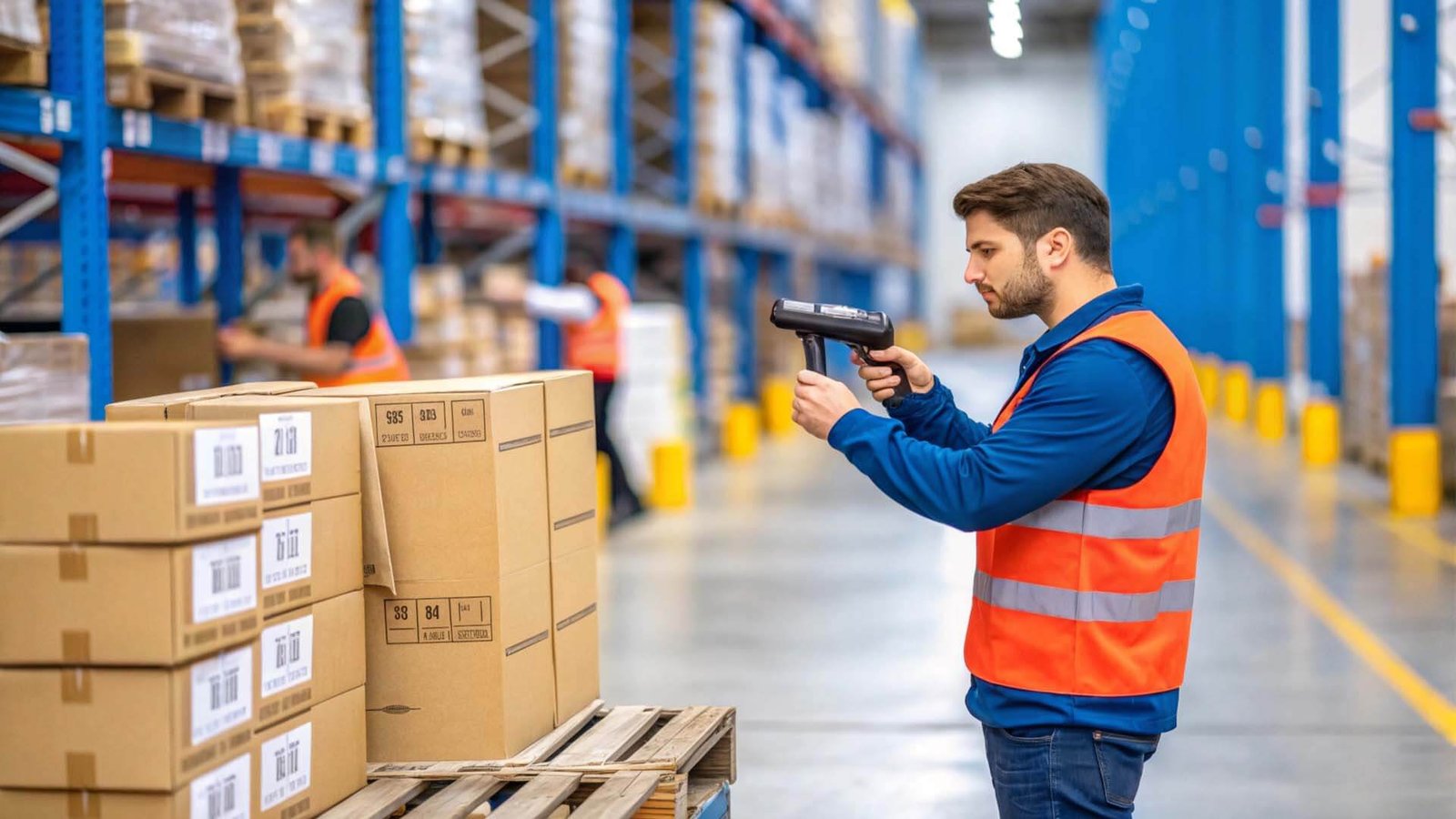
When shipping internationally, be aware of the import duties8 applicable to your products. These duties can affect your cost calculations and the final price for customers. Proper documentation is essential to avoid delays in customs clearance4, which can hinder delivery timelines. Ensuring compliance with customs regulations also protects your business from potential fines. Being proactive about these shipping aspects helps streamline your e-commerce operations.
What Technology, Automation, and Visibility Tools Are Critical for Scalable E-commerce Shipping Operations?
Implementing the right technology can transform your e-commerce shipping operations. Automation and visibility tools enhance efficiency and customer satisfaction.
E-commerce shipping software and automation tools are essential for scaling operations. They improve shipment tracking, order fulfillment, and overall visibility in the shipping process.

Tools like order fulfillment automation software9 can minimize human error and accelerate processing times. Additionally, visibility tools enable real-time tracking10, which enhances customer experience and trust. Having an integrated system allows you to manage everything from inventory levels to shipment status in one place. Investing in the right technology ensures that your operations can scale effectively as your business grows.
How the Right E-commerce Shipping Strategy Reduces Costs, Improves Delivery Performance, and Minimizes Risk?
A cohesive shipping strategy11 can significantly influence your e-commerce operations. It can lead to lower costs, better delivery performance, and reduced risks associated with logistics.
An effective e-commerce logistics strategy focuses on reducing shipping costs, enhancing delivery performance, and managing shipping risks effectively.

To lower shipping costs, consider negotiating rates with carriers or utilizing shipping software for cost comparisons. Establishing clear shipping policies will help manage customer expectations and improve delivery performance. Additionally, risk management strategies should address potential delays and compliance issues to safeguard your operations. By focusing on these elements, you can create a robust shipping strategy11 that supports your e-commerce business's success.
Conclusion
Understanding e-commerce shipping solutions2 is vital for U.S. importers aiming to enhance efficiency and reduce costs.
Last-mile delivery is crucial for customer satisfaction. Explore how it impacts the final stage of the shipping process. ↩
Exploring this link will provide insights into the most effective shipping solutions tailored for e-commerce businesses, enhancing your logistics strategy. ↩
Learn about the best practices and strategies for sourcing products, which is the first step in the e-commerce shipping process. ↩
Understanding customs clearance is vital for avoiding delays and ensuring compliance with international shipping regulations. ↩
Amazon FBA can offer speed and scalability for your e-commerce business. Learn how it works and its potential benefits. ↩
LTL shipping can offer cost savings for larger shipments. Understand how it can be integrated into your logistics. ↩
Air freight is essential for time-sensitive deliveries. Find out when it's the best option for your shipping needs. ↩
Import duties can impact your cost calculations. Learn how to manage these costs effectively in your e-commerce business. ↩
Automation software can enhance efficiency and reduce errors in your order fulfillment process. Discover the top tools available. ↩
Real-time tracking enhances customer experience by providing transparency. Learn how it can be implemented in your operations. ↩
A well-planned shipping strategy can reduce costs and improve delivery performance. Explore how to create one for your business. ↩