<!-- wp:heading --> <h2 class="wp-block-heading"><strong>Introduction: Why Understanding DDP Shipping Cost Matters in 2025</strong></h2> <!-- /wp:heading -->
<!-- wp:paragraph --> <p>International shipping has always been complex, but in <strong>2025</strong>, U.S. importers face an even more dynamic landscape. Freight rates fluctuate with global fuel prices, port congestion still occurs at major U.S. gateways, and customs regulations continue to tighten. In this environment, understanding your <strong>total door-to-door shipping cost</strong> from China to the U.S. has never been more important.</p> <!-- /wp:paragraph -->
<!-- wp:paragraph --> <p>For many importers, the most reliable and stress-free solution is <strong><a href="/ddp/">DDP (Delivered Duty Paid) shipping</a></strong>. Under this arrangement, the seller—or in this case, your logistics provider—takes care of <strong>everything from your factory door in China to your warehouse in the United States</strong>, including duties, taxes, and customs clearance.</p> <!-- /wp:paragraph -->
<!-- wp:paragraph --> <p>Unlike traditional shipping terms like <strong>CIF, DAP, or EXW</strong>, where the importer must handle part of the process, DDP gives you a <strong>complete landed cost upfront</strong>, so there are <strong>no hidden fees, unexpected customs bills, or delivery delays</strong>.</p> <!-- /wp:paragraph -->
<!-- wp:paragraph --> <p>In 2025, more and more American businesses—especially small and medium-sized importers—are switching to DDP because it eliminates uncertainty and reduces administrative workload. With DDP, importers can focus on <strong>selling products</strong> instead of <strong>dealing with shipping and customs paperwork</strong>.</p> <!-- /wp:paragraph -->
<!-- wp:paragraph --> <p>This complete guide will walk you through:</p> <!-- /wp:paragraph -->
<!-- wp:list --> <ul class="wp-block-list"><!-- wp:list-item --> <li>How DDP shipping works for containers from China to the USA.</li> <!-- /wp:list-item -->
<!-- wp:list-item --> <li>The <strong>full cost breakdown</strong> of a DDP shipment (origin, sea freight, and destination).</li> <!-- /wp:list-item -->
<!-- wp:list-item --> <li>The <strong>role of customs brokerage</strong> in ensuring smooth clearance on both sides.</li> <!-- /wp:list-item -->
<!-- wp:list-item --> <li>Typical <strong>shipping times and cost-saving tips</strong> for 2025.</li> <!-- /wp:list-item -->
<!-- wp:list-item --> <li>Why working with a <strong>China-based forwarder that owns a U.S. customs brokerage</strong> gives you the best combination of efficiency, compliance, and cost control.</li> <!-- /wp:list-item --></ul> <!-- /wp:list -->
<!-- wp:paragraph --> <p>Whether you’re importing <strong>consumer electronics, furniture, industrial goods, or retail merchandise</strong>, this guide will help you clearly understand the true cost of your door-to-door delivery under DDP terms—and how to optimize it.</p> <!-- /wp:paragraph -->
<!-- wp:heading --> <h2 class="wp-block-heading"><strong>What Is DDP Shipping from China to the USA?</strong></h2> <!-- /wp:heading -->
<!-- wp:paragraph --> <p><strong>Delivered Duty Paid (DDP)</strong> is an international shipping term under the <strong>Incoterms 2020</strong> rules that represents the <strong>highest level of responsibility</strong> for the seller or shipper. Under DDP terms, the seller (or logistics provider) handles <strong>every step of the shipment</strong> — from the Chinese factory to the U.S. importer’s door — and pays for <strong>all costs</strong>, including <strong>duties, taxes, and customs clearance</strong> on both sides.</p> <!-- /wp:paragraph -->
<!-- wp:paragraph --> <p>For U.S. importers, this means you can receive your goods <strong>fully cleared and delivered</strong>, without needing to handle complex shipping paperwork, coordinate with multiple agents, or deal with surprise customs fees.</p> <!-- /wp:paragraph -->
<!-- wp:separator --> <hr class="wp-block-separator has-alpha-channel-opacity"/> <!-- /wp:separator -->
<!-- wp:heading {"level":3} --> <h3 class="wp-block-heading"><strong>How DDP Shipping Works (Step-by-Step Overview)</strong></h3> <!-- /wp:heading -->
<!-- wp:list {"ordered":true} --> <ol class="wp-block-list"><!-- wp:list-item --> <li><strong>Pickup from Factory in China</strong><br>Your forwarder arranges inland trucking from the factory to the nearest export port (such as Shenzhen, Ningbo, or Qingdao).</li> <!-- /wp:list-item -->
<!-- wp:list-item --> <li><strong>Export Customs Clearance in China</strong><br>The forwarder prepares export declarations, verifies HS codes, and completes all customs documentation with Chinese authorities.</li> <!-- /wp:list-item -->
<!-- wp:list-item --> <li><strong>Sea Freight from China to the USA</strong><br>The container is shipped via FCL (Full Container Load) or LCL (Less than Container Load) to the selected U.S. port—commonly Los Angeles, Houston, or New York.</li> <!-- /wp:list-item -->
<!-- wp:list-item --> <li><strong>U.S. Customs Entry & Clearance</strong><br>Upon arrival, the forwarder (or its U.S.-registered customs brokerage) files the necessary entry documentation, pays duties and taxes on behalf of the importer, and ensures compliance with CBP (U.S. Customs and Border Protection) regulations.</li> <!-- /wp:list-item -->
<!-- wp:list-item --> <li><strong>Inland Delivery to Importer’s Address</strong><br>Once cleared, the shipment is trucked directly to the importer’s designated warehouse or business address.</li> <!-- /wp:list-item --></ol> <!-- /wp:list -->
<!-- wp:paragraph --> <p>At this point, the importer simply <strong>receives the goods ready for sale or distribution</strong>, without needing to interact with customs or pay additional fees.</p> <!-- /wp:paragraph -->
<!-- wp:separator --> <hr class="wp-block-separator has-alpha-channel-opacity"/> <!-- /wp:separator -->
<!-- wp:heading {"level":3} --> <h3 class="wp-block-heading"><strong>DDP vs. Other Shipping Terms</strong></h3> <!-- /wp:heading -->
<!-- wp:paragraph --> <p>Let’s compare DDP with some of the most common alternatives:</p> <!-- /wp:paragraph -->
<!-- wp:table --> <figure class="wp-block-table"><table class="has-fixed-layout"><thead><tr><th>Term</th><th>Who Handles Customs?</th><th>Who Pays Duties & Taxes?</th><th>Delivery Location</th><th>Importer’s Workload</th></tr></thead><tbody><tr><td><strong>DDP</strong></td><td>Seller / Forwarder</td><td>Seller / Forwarder</td><td>Importer’s Door</td><td>Minimal</td></tr><tr><td><strong>DAP</strong></td><td>Buyer</td><td>Buyer</td><td>Importer’s Door</td><td>Medium</td></tr><tr><td><strong>CIF</strong></td><td>Buyer</td><td>Buyer</td><td>U.S. Port</td><td>High</td></tr><tr><td><strong>EXW</strong></td><td>Buyer</td><td>Buyer</td><td>Factory</td><td>Very High</td></tr></tbody></table></figure> <!-- /wp:table -->
<!-- wp:paragraph --> <p>As shown above, <strong>DDP eliminates the importer’s burden</strong>, allowing you to focus on your business while your forwarder manages compliance and logistics.</p> <!-- /wp:paragraph -->
<!-- wp:separator --> <hr class="wp-block-separator has-alpha-channel-opacity"/> <!-- /wp:separator -->
<!-- wp:heading {"level":3} --> <h3 class="wp-block-heading"><strong>Why DDP Has Become So Popular for U.S. Importers</strong></h3> <!-- /wp:heading -->
<!-- wp:list --> <ul class="wp-block-list"><!-- wp:list-item --> <li><strong>Full cost transparency:</strong> One all-inclusive price covers shipping, customs clearance, duties, and delivery.</li> <!-- /wp:list-item -->
<!-- wp:list-item --> <li><strong>No customs headaches:</strong> Your provider handles both Chinese and U.S. customs formalities.</li> <!-- /wp:list-item -->
<!-- wp:list-item --> <li><strong>Tax included:</strong> Import duties and tariffs are prepaid, helping you plan your total landed cost accurately.</li> <!-- /wp:list-item -->
<!-- wp:list-item --> <li><strong>End-to-end accountability:</strong> One logistics provider manages the entire supply chain.</li> <!-- /wp:list-item -->
<!-- wp:list-item --> <li><strong>Ideal for e-commerce and B2B shipments:</strong> Perfect for importers who lack local customs expertise or U.S. import licenses.</li> <!-- /wp:list-item --></ul> <!-- /wp:list -->
<!-- wp:paragraph --> <p>In short, DDP shipping transforms what used to be a complicated multi-step import process into a <strong>seamless, predictable door-to-door service</strong>.</p> <!-- /wp:paragraph -->
<!-- wp:heading --> <h2 class="wp-block-heading"><strong>3. Breakdown of Total DDP Shipping Cost Structure</strong></h2> <!-- /wp:heading -->
<!-- wp:paragraph --> <p>One of the biggest advantages of DDP shipping is <strong>cost clarity</strong>. Instead of managing multiple invoices from trucking companies, customs brokers, and shipping lines, you get <strong>a single all-in-one price</strong> that includes every step from your Chinese supplier’s factory to your U.S. delivery address.</p> <!-- /wp:paragraph -->
<!-- wp:paragraph --> <p>To help importers better understand what makes up the total DDP rate, let’s break it down into three main components:</p> <!-- /wp:paragraph -->
<!-- wp:separator --> <hr class="wp-block-separator has-alpha-channel-opacity"/> <!-- /wp:separator -->
<!-- wp:heading {"level":3} --> <h3 class="wp-block-heading"><strong>a. Origin Costs (China Side)</strong></h3> <!-- /wp:heading -->
<!-- wp:paragraph --> <p>Origin costs cover everything required to move your cargo from the factory to the departure port in China and prepare it for export.</p> <!-- /wp:paragraph -->
<!-- wp:paragraph --> <p><strong>Typical cost components include:</strong></p> <!-- /wp:paragraph -->
<!-- wp:list --> <ul class="wp-block-list"><!-- wp:list-item --> <li><strong>Factory Pickup (Haulage):</strong> Trucking from the supplier’s factory or warehouse to the export port (e.g., Shenzhen, Ningbo, Shanghai).</li> <!-- /wp:list-item -->
<!-- wp:list-item --> <li><strong>Export Customs Declaration:</strong> Your forwarder files export documents and communicates with Chinese Customs to obtain clearance.</li> <!-- /wp:list-item -->
<!-- wp:list-item --> <li><strong>Documentation & Handling Fees:</strong> Includes the Bill of Lading (B/L), terminal handling charges (THC), and port service fees.</li> <!-- /wp:list-item -->
<!-- wp:list-item --> <li><strong>Container Loading & Drayage:</strong> Moving and loading the container onto the vessel.</li> <!-- /wp:list-item --></ul> <!-- /wp:list -->
<!-- wp:paragraph --> <p>These costs usually range between <strong>USD 300–600 per container</strong>, depending on the pickup distance and port.</p> <!-- /wp:paragraph -->
<!-- wp:separator --> <hr class="wp-block-separator has-alpha-channel-opacity"/> <!-- /wp:separator -->
<!-- wp:heading {"level":3} --> <h3 class="wp-block-heading"><strong>b. Sea Freight Costs</strong></h3> <!-- /wp:heading -->
<!-- wp:paragraph --> <p>This is the <strong>core cost</strong> of shipping your container across the Pacific Ocean. Sea freight rates fluctuate based on fuel prices, vessel capacity, route distance, and seasonal demand.</p> <!-- /wp:paragraph -->
<!-- wp:paragraph --> <p><strong>Key factors influencing sea freight in 2025:</strong></p> <!-- /wp:paragraph -->
<!-- wp:list --> <ul class="wp-block-list"><!-- wp:list-item --> <li>Ongoing supply chain adjustments post-Red Sea rerouting.</li> <!-- /wp:list-item -->
<!-- wp:list-item --> <li>Tight capacity during peak months (July–October).</li> <!-- /wp:list-item -->
<!-- wp:list-item --> <li>Higher surcharges for East Coast routes due to longer transit times.</li> <!-- /wp:list-item --></ul> <!-- /wp:list -->
<!-- wp:paragraph --> <p><strong>Estimated 2025 freight rate ranges for FCL shipments (40HQ containers):</strong></p> <!-- /wp:paragraph -->
<!-- wp:table --> <figure class="wp-block-table"><table class="has-fixed-layout"><thead><tr><th>Route</th><th>Estimated Transit Time</th><th>Estimated Sea Freight Cost (USD)</th></tr></thead><tbody><tr><td>Shenzhen → Los Angeles</td><td>15–18 days</td><td>$2,800 – $3,200</td></tr><tr><td>Ningbo → Houston</td><td>25–30 days</td><td>$3,400 – $3,900</td></tr><tr><td>Qingdao → New York</td><td>30–35 days</td><td>$4,000 – $4,500</td></tr></tbody></table></figure> <!-- /wp:table -->
<!-- wp:quote --> <blockquote class="wp-block-quote"><!-- wp:paragraph --> <p><em>Note: These are mid-2025 reference rates. Actual DDP prices will vary depending on cargo type, volume, and season.</em></p> <!-- /wp:paragraph --></blockquote> <!-- /wp:quote -->
<!-- wp:separator --> <hr class="wp-block-separator has-alpha-channel-opacity"/> <!-- /wp:separator -->
<!-- wp:heading {"level":3} --> <h3 class="wp-block-heading"><strong>c. Destination Costs (USA Side)</strong></h3> <!-- /wp:heading -->
<!-- wp:paragraph --> <p>Once the shipment arrives at a U.S. port, a new set of services and fees come into play — all covered by your DDP provider.</p> <!-- /wp:paragraph -->
<!-- wp:paragraph --> <p><strong>Key destination cost components:</strong></p> <!-- /wp:paragraph -->
<!-- wp:list --> <ul class="wp-block-list"><!-- wp:list-item --> <li><strong>U.S. Customs Clearance:</strong> Entry filing, ISF submission, and document review by a licensed customs broker.</li> <!-- /wp:list-item -->
<!-- wp:list-item --> <li><strong>Import Duty & Taxes:</strong> Your provider pre-pays duties and tariffs based on HS codes and product category.</li> <!-- /wp:list-item -->
<!-- wp:list-item --> <li><strong>Port Handling & Terminal Fees:</strong> Includes unloading, terminal service, and chassis usage.</li> <!-- /wp:list-item -->
<!-- wp:list-item --> <li><strong>Inland Delivery (Last Mile):</strong> Trucking from the U.S. port to your designated warehouse or business address.</li> <!-- /wp:list-item --></ul> <!-- /wp:list -->
<!-- wp:paragraph --> <p>For most DDP sea shipments, destination costs are the <strong>largest part</strong> of the total — typically ranging from <strong>USD 3,000–5,000 per 40HQ</strong>, depending on port location and inland delivery distance.</p> <!-- /wp:paragraph -->
<!-- wp:separator --> <hr class="wp-block-separator has-alpha-channel-opacity"/> <!-- /wp:separator -->
<!-- wp:heading {"level":3} --> <h3 class="wp-block-heading"><strong>d. All-In-One Example: Estimated Door-to-Door DDP Cost (2025)</strong></h3> <!-- /wp:heading -->
<!-- wp:table --> <figure class="wp-block-table"><table class="has-fixed-layout"><thead><tr><th>Route</th><th>Transit Time (Sea + Delivery)</th><th>Estimated All-In DDP Cost (40HQ)</th><th>Notes</th></tr></thead><tbody><tr><td>Shenzhen → Los Angeles</td><td>25–30 days</td><td>USD 7,000–8,000</td><td>Fastest, most cost-efficient route</td></tr><tr><td>Ningbo → Houston</td><td>30–35 days</td><td>USD 8,500–9,500</td><td>Balanced option for central states</td></tr><tr><td>Qingdao → New York</td><td>35–40 days</td><td>USD 9,500–10,500</td><td>Higher cost due to distance & tolls</td></tr></tbody></table></figure> <!-- /wp:table -->
<!-- wp:paragraph --> <p>This <strong>door-to-door cost</strong> includes:<br>✅ China factory pickup<br>✅ Export customs clearance<br>✅ Ocean freight<br>✅ U.S. customs clearance<br>✅ Duties & taxes<br>✅ Inland delivery to your address</p> <!-- /wp:paragraph -->
<!-- wp:separator --> <hr class="wp-block-separator has-alpha-channel-opacity"/> <!-- /wp:separator -->
<!-- wp:paragraph --> <p>With DDP shipping, you know your <strong>total landed cost upfront</strong>, so there are <strong>no hidden fees</strong> and no surprise bills from customs or trucking companies later on.</p> <!-- /wp:paragraph -->
<!-- wp:heading --> <h2 class="wp-block-heading"><strong>4. Hidden Charges to Watch Out For</strong></h2> <!-- /wp:heading -->
<!-- wp:paragraph --> <p>While DDP shipping is designed to simplify the import process and make costs predictable, not all “DDP quotes” on the market are truly <strong>all-inclusive</strong>. Some forwarders—especially those without U.S. customs brokerage capability—may exclude or understate key expenses, leaving importers facing unexpected charges upon arrival.</p> <!-- /wp:paragraph -->
<!-- wp:paragraph --> <p>To protect your margins and avoid shipment delays, it’s important to understand what <strong>hidden or surprise fees</strong> can arise in the process and how to <strong>avoid them</strong>.</p> <!-- /wp:paragraph -->
<!-- wp:separator --> <hr class="wp-block-separator has-alpha-channel-opacity"/> <!-- /wp:separator -->
<!-- wp:heading {"level":3} --> <h3 class="wp-block-heading"><strong>1. Port Congestion Surcharges (PCS)</strong></h3> <!-- /wp:heading -->
<!-- wp:paragraph --> <p>When U.S. ports like Los Angeles or New York experience congestion, carriers sometimes impose a <strong>Port Congestion Surcharge</strong>. These fees compensate for longer vessel waiting times or container yard delays.</p> <!-- /wp:paragraph -->
<!-- wp:list --> <ul class="wp-block-list"><!-- wp:list-item --> <li><strong>Typical cost:</strong> USD 100–300 per container.</li> <!-- /wp:list-item -->
<!-- wp:list-item --> <li><strong>Prevention tip:</strong> Work with a forwarder who monitors congestion trends and can reroute via alternative ports like Houston or Oakland when necessary.</li> <!-- /wp:list-item --></ul> <!-- /wp:list -->
<!-- wp:separator --> <hr class="wp-block-separator has-alpha-channel-opacity"/> <!-- /wp:separator -->
<!-- wp:heading {"level":3} --> <h3 class="wp-block-heading"><strong>2. Demurrage and Detention Fees</strong></h3> <!-- /wp:heading -->
<!-- wp:paragraph --> <p>These are among the most common and costly hidden charges.</p> <!-- /wp:paragraph -->
<!-- wp:list --> <ul class="wp-block-list"><!-- wp:list-item --> <li><strong>Demurrage</strong> occurs when your container stays too long inside the port terminal after it’s available for pickup.</li> <!-- /wp:list-item -->
<!-- wp:list-item --> <li><strong>Detention</strong> applies when the container is not returned to the shipping line within the allowed free time.</li> <!-- /wp:list-item --></ul> <!-- /wp:list -->
<!-- wp:paragraph --> <p>Both can cost <strong>$100–$200 per day per container</strong> if not handled promptly.</p> <!-- /wp:paragraph -->
<!-- wp:paragraph --> <p>✅ <em>How to avoid it:</em><br>Choose a DDP provider with an <strong>in-house U.S. trucking network and customs brokerage</strong>, ensuring quick clearance and same-day pickup from the port.</p> <!-- /wp:paragraph -->
<!-- wp:separator --> <hr class="wp-block-separator has-alpha-channel-opacity"/> <!-- /wp:separator -->
<!-- wp:heading {"level":3} --> <h3 class="wp-block-heading"><strong>3. Customs Examination Fees</strong></h3> <!-- /wp:heading -->
<!-- wp:paragraph --> <p>If your shipment is randomly selected by U.S. Customs for inspection (such as a <strong>VACIS, CET, or USDA exam</strong>), you may face additional charges for unloading, handling, and reloading.</p> <!-- /wp:paragraph -->
<!-- wp:list --> <ul class="wp-block-list"><!-- wp:list-item --> <li><strong>Typical cost:</strong> $200–$1,000, depending on the exam type.</li> <!-- /wp:list-item --></ul> <!-- /wp:list -->
<!-- wp:paragraph --> <p>A professional forwarder with strong compliance records and good standing with CBP can <strong>reduce the likelihood of inspection</strong>. For example, our U.S. brokerage maintains an excellent compliance history, helping clients achieve <strong>low inspection rates and faster releases.</strong></p> <!-- /wp:paragraph -->
<!-- wp:separator --> <hr class="wp-block-separator has-alpha-channel-opacity"/> <!-- /wp:separator -->
<!-- wp:heading {"level":3} --> <h3 class="wp-block-heading"><strong>4. Chassis and Storage Fees</strong></h3> <!-- /wp:heading -->
<!-- wp:paragraph --> <p>Container chassis rental is required to move your container overland after port release. In high-demand periods, chassis shortages can trigger additional daily fees. Similarly, port storage charges apply if your container sits too long at the terminal.</p> <!-- /wp:paragraph -->
<!-- wp:paragraph --> <p>✅ <em>Prevention tip:</em><br>An experienced DDP forwarder books chassis equipment in advance and manages trucking schedules closely to prevent idle time.</p> <!-- /wp:paragraph -->
<!-- wp:separator --> <hr class="wp-block-separator has-alpha-channel-opacity"/> <!-- /wp:separator -->
<!-- wp:heading {"level":3} --> <h3 class="wp-block-heading"><strong>5. Unexpected Inland Delivery Surcharges</strong></h3> <!-- /wp:heading -->
<!-- wp:paragraph --> <p>Some forwarders quote DDP rates that only cover delivery <strong>within a limited radius</strong> of the destination port. For example, a quote may include Los Angeles delivery but charge extra for long-haul trucking to Arizona or Nevada.</p> <!-- /wp:paragraph -->
<!-- wp:paragraph --> <p>✅ <em>How to avoid it:</em><br>Always confirm whether <strong>final-mile delivery</strong> to your specific address is included in the DDP rate. A truly door-to-door quote should specify your <strong>ZIP code</strong> and delivery type (dock, warehouse, residential, etc.).</p> <!-- /wp:paragraph -->
<!-- wp:separator --> <hr class="wp-block-separator has-alpha-channel-opacity"/> <!-- /wp:separator -->
<!-- wp:heading {"level":3} --> <h3 class="wp-block-heading"><strong>6. Brokerage or Documentation Add-Ons</strong></h3> <!-- /wp:heading -->
<!-- wp:paragraph --> <p>Certain non-licensed forwarders rely on third-party customs brokers in the U.S., who may charge additional <strong>entry filing or compliance service fees</strong>. These costs are not always included in the initial DDP quote.</p> <!-- /wp:paragraph -->
<!-- wp:paragraph --> <p>✅ <em>How to avoid it:</em><br>Work with a <strong>China-based forwarder that owns its own U.S. customs brokerage license</strong>. This ensures your clearance is handled internally—no subcontracting, no surprise bills, and no risk of communication errors.</p> <!-- /wp:paragraph -->
<!-- wp:separator --> <hr class="wp-block-separator has-alpha-channel-opacity"/> <!-- /wp:separator -->
<!-- wp:heading {"level":3} --> <h3 class="wp-block-heading"><strong>Summary: Transparency Is Key</strong></h3> <!-- /wp:heading -->
<!-- wp:paragraph --> <p>A genuine DDP shipping service gives you one <strong>final price</strong> that covers every stage—origin, freight, clearance, duties, and delivery. If a forwarder’s quote seems unusually low, that’s often a sign that <strong>hidden costs</strong> are not being disclosed upfront.</p> <!-- /wp:paragraph -->
<!-- wp:paragraph --> <p>Before you commit, always ask:</p> <!-- /wp:paragraph -->
<!-- wp:list --> <ul class="wp-block-list"><!-- wp:list-item --> <li>Does your DDP rate include U.S. customs duties and taxes?</li> <!-- /wp:list-item -->
<!-- wp:list-item --> <li>Is delivery to my warehouse fully included?</li> <!-- /wp:list-item -->
<!-- wp:list-item --> <li>Are potential exam or storage fees covered or handled by your team?</li> <!-- /wp:list-item --></ul> <!-- /wp:list -->
<!-- wp:paragraph --> <p>When managed by an experienced, compliant DDP provider, these risks are minimal—and your total shipping cost remains stable and transparent.</p> <!-- /wp:paragraph -->
<!-- wp:heading --> <h2 class="wp-block-heading"><strong>5. Transit Time for DDP Shipping (Sea Freight)</strong></h2> <!-- /wp:heading -->
<!-- wp:paragraph --> <p>When importing from China to the USA, <strong>delivery speed</strong> is almost as important as cost. U.S. importers often ask: <em>“How long does DDP shipping actually take?”</em></p> <!-- /wp:paragraph -->
<!-- wp:paragraph --> <p>While air freight is faster, sea freight remains the most economical and scalable choice for container shipments. DDP sea shipping times vary depending on <strong>port locations</strong>, <strong>customs clearance efficiency</strong>, and <strong>inland delivery distance</strong>. Let’s look at what you can realistically expect in 2025.</p> <!-- /wp:paragraph -->
<!-- wp:separator --> <hr class="wp-block-separator has-alpha-channel-opacity"/> <!-- /wp:separator -->
<!-- wp:heading {"level":3} --> <h3 class="wp-block-heading"><strong>Typical Transit Times (Door-to-Door)</strong></h3> <!-- /wp:heading -->
<!-- wp:table --> <figure class="wp-block-table"><table class="has-fixed-layout"><thead><tr><th>Shipping Mode</th><th>Transit Time</th><th>Notes</th></tr></thead><tbody><tr><td><strong>DDP Sea (FCL) West U.S.</strong></td><td><strong>13-18 days</strong></td><td>OA express alliance</td></tr><tr><td><strong><strong>DDP Sea (FCL) EAst U.S.</strong></strong></td><td><strong>30–40 days</strong></td><td>Slightly slower due to consolidation and deconsolidation at ports.</td></tr></tbody></table></figure> <!-- /wp:table -->
<!-- wp:quote --> <blockquote class="wp-block-quote"><!-- wp:paragraph --> <p><em>Transit time includes pickup from factory, export clearance, ocean voyage, import customs clearance, and final delivery to the importer’s address.</em></p> <!-- /wp:paragraph --></blockquote> <!-- /wp:quote -->
<!-- wp:separator --> <hr class="wp-block-separator has-alpha-channel-opacity"/> <!-- /wp:separator -->
<!-- wp:heading {"level":3} --> <h3 class="wp-block-heading"><strong>Stage-by-Stage Time Breakdown (FCL DDP Example)</strong></h3> <!-- /wp:heading -->
<!-- wp:list {"ordered":true} --> <ol class="wp-block-list"><!-- wp:list-item --> <li><strong>Factory Pickup & Export Handling (2–4 days)</strong><br>Arranging trucking, export declaration, and port booking in China.</li> <!-- /wp:list-item -->
<!-- wp:list-item --> <li><strong>Ocean Transit (15–25 days)</strong><br>Depending on the route:<!-- wp:list --> <ul class="wp-block-list"><!-- wp:list-item --> <li><strong>South China → West Coast (e.g., Shenzhen to Los Angeles):</strong> ~13–18 days</li> <!-- /wp:list-item -->
<!-- wp:list-item --> <li><strong>East China → Gulf Coast (e.g., Ningbo to Houston):</strong> ~22–28 days</li> <!-- /wp:list-item -->
<!-- wp:list-item --> <li><strong>North China → East Coast (e.g., Qingdao to New York):</strong> ~30–35 days</li> <!-- /wp:list-item --></ul> <!-- /wp:list --></li> <!-- /wp:list-item -->
<!-- wp:list-item --> <li><strong>U.S. Customs Clearance (2–5 days)</strong><br>Time for customs entry filing, possible examination, and cargo release. A licensed U.S. customs broker can shorten this step dramatically.</li> <!-- /wp:list-item -->
<!-- wp:list-item --> <li><strong>Inland Delivery (3–7 days)</strong><br>Trucking from the port to your final warehouse or distribution center. Time depends on delivery distance and local trucking availability.</li> <!-- /wp:list-item --></ol> <!-- /wp:list -->
<!-- wp:separator --> <hr class="wp-block-separator has-alpha-channel-opacity"/> <!-- /wp:separator -->
<!-- wp:heading {"level":3} --> <h3 class="wp-block-heading"><strong>Factors That Affect DDP Transit Time</strong></h3> <!-- /wp:heading -->
<!-- wp:list {"ordered":true} --> <ol class="wp-block-list"><!-- wp:list-item --> <li><strong>Port Pairing Efficiency</strong><br>Certain routes have faster vessel schedules and fewer transshipments. For example, <strong>Shenzhen–Los Angeles</strong> is faster than <strong>Qingdao–New York</strong>.</li> <!-- /wp:list-item -->
<!-- wp:list-item --> <li><strong>Customs Clearance Performance</strong><br>Delays often occur when import documents are incomplete or HS codes are mismatched. Working with a forwarder that <strong>directly manages both Chinese and U.S. customs</strong> minimizes such risks.</li> <!-- /wp:list-item -->
<!-- wp:list-item --> <li><strong>Seasonal Peak Periods</strong><br>July–October is peak shipping season before U.S. holidays. Congestion can add <strong>3–7 days</strong> to transit time.</li> <!-- /wp:list-item -->
<!-- wp:list-item --> <li><strong>Weather and Port Congestion</strong><br>Typhoons in Asia or terminal backlogs in the U.S. can occasionally cause vessel schedule disruptions.</li> <!-- /wp:list-item --></ol> <!-- /wp:list -->
<!-- wp:separator --> <hr class="wp-block-separator has-alpha-channel-opacity"/> <!-- /wp:separator -->
<!-- wp:heading {"level":3} --> <h3 class="wp-block-heading"><strong>How a Professional DDP Provider Saves Time</strong></h3> <!-- /wp:heading -->
<!-- wp:paragraph --> <p>At our company, we combine <strong>Chinese export clearance expertise</strong> with our <strong>U.S. customs brokerage operation</strong> to create a continuous flow of documentation and cargo movement.<br>This means:</p> <!-- /wp:paragraph -->
<!-- wp:list --> <ul class="wp-block-list"><!-- wp:list-item --> <li>Pre-clearance starts <strong>before</strong> the vessel arrives at the U.S. port.</li> <!-- /wp:list-item -->
<!-- wp:list-item --> <li>No third-party brokers or communication gaps.</li> <!-- /wp:list-item -->
<!-- wp:list-item --> <li>Faster cargo release and immediate dispatch for final delivery.</li> <!-- /wp:list-item --></ul> <!-- /wp:list -->
<!-- wp:paragraph --> <p>In many cases, our DDP shipments clear and deliver <strong>within 25–30 days door-to-door</strong>, even for full container loads.</p> <!-- /wp:paragraph -->
<!-- wp:separator --> <hr class="wp-block-separator has-alpha-channel-opacity"/> <!-- /wp:separator -->
<!-- wp:heading {"level":3} --> <h3 class="wp-block-heading"><strong>Summary</strong></h3> <!-- /wp:heading -->
<!-- wp:paragraph --> <p>When managed correctly, <strong>DDP sea shipping</strong> from China to the U.S. offers a practical balance between <strong>speed, cost, and reliability</strong>. By choosing a forwarder with <strong>both origin and destination control</strong>, you can avoid unnecessary delays and keep your supply chain predictable — a key advantage in 2025’s fast-moving import market.</p> <!-- /wp:paragraph -->
<!-- wp:heading --> <h2 class="wp-block-heading"><strong>6. How U.S. Customs Brokerage Impacts Your Total Cost</strong></h2> <!-- /wp:heading -->
<!-- wp:paragraph --> <p>When importing under DDP terms, <strong>customs clearance</strong> is one of the most critical stages — and one of the biggest factors that determines both <strong>cost efficiency</strong> and <strong>delivery speed</strong>.</p> <!-- /wp:paragraph -->
<!-- wp:paragraph --> <p>Many freight forwarders in China can arrange shipping and documentation, but very few have their <strong>own licensed customs brokerage in the United States</strong>. That distinction makes a major difference.</p> <!-- /wp:paragraph -->
<!-- wp:paragraph --> <p>A <strong>China-based forwarder that owns a U.S. customs brokerage</strong> can directly manage import clearance, pay duties and taxes on your behalf, and communicate in real time with CBP (U.S. Customs and Border Protection). This avoids the typical problems caused by using third-party agents, such as delays, communication errors, and unexpected fees.</p> <!-- /wp:paragraph -->
<!-- wp:paragraph --> <p>Let’s break down why this matters for your total DDP cost.</p> <!-- /wp:paragraph -->
<!-- wp:separator --> <hr class="wp-block-separator has-alpha-channel-opacity"/> <!-- /wp:separator -->
<!-- wp:heading {"level":3} --> <h3 class="wp-block-heading"><strong>1. Direct Communication with CBP for Faster Clearance</strong></h3> <!-- /wp:heading -->
<!-- wp:paragraph --> <p>When your provider is also a licensed customs broker, they can file entries electronically and communicate directly with CBP officers.</p> <!-- /wp:paragraph -->
<!-- wp:paragraph --> <p>This means:</p> <!-- /wp:paragraph -->
<!-- wp:list --> <ul class="wp-block-list"><!-- wp:list-item --> <li>No waiting for third-party brokers to process documents.</li> <!-- /wp:list-item -->
<!-- wp:list-item --> <li>No miscommunication between multiple agents in different time zones.</li> <!-- /wp:list-item -->
<!-- wp:list-item --> <li>Immediate resolution if CBP requests additional information or documents.</li> <!-- /wp:list-item --></ul> <!-- /wp:list -->
<!-- wp:paragraph --> <p>Result: <strong>Faster cargo release</strong> and fewer demurrage or storage charges at the port.</p> <!-- /wp:paragraph -->
<!-- wp:separator --> <hr class="wp-block-separator has-alpha-channel-opacity"/> <!-- /wp:separator -->
<!-- wp:heading {"level":3} --> <h3 class="wp-block-heading"><strong>2. Lower Inspection Rates Through Compliance Expertise</strong></h3> <!-- /wp:heading -->
<!-- wp:paragraph --> <p>A professional customs brokerage understands U.S. import regulations and classification requirements in detail — including <strong>HS codes</strong>, <strong>valuation rules</strong>, and <strong>partner government agency (PGA)</strong> filings.</p> <!-- /wp:paragraph -->
<!-- wp:paragraph --> <p>By submitting accurate and compliant documentation, the chance of your container being selected for inspection is significantly reduced.</p> <!-- /wp:paragraph -->
<!-- wp:paragraph --> <p>For example:<br>Our brokerage maintains an excellent compliance record with CBP, resulting in a <strong>low inspection rate and high release speed</strong> for our clients’ shipments. This translates directly into <strong>lower costs and faster delivery</strong>.</p> <!-- /wp:paragraph -->
<!-- wp:separator --> <hr class="wp-block-separator has-alpha-channel-opacity"/> <!-- /wp:separator -->
<!-- wp:heading {"level":3} --> <h3 class="wp-block-heading"><strong>3. Accurate Duty and Tax Estimation</strong></h3> <!-- /wp:heading -->
<!-- wp:paragraph --> <p>Incorrect HS code classification can cause costly mistakes — either overpaying or underpaying duties, which can lead to penalties or shipment holds.</p> <!-- /wp:paragraph -->
<!-- wp:paragraph --> <p>A licensed customs broker ensures:</p> <!-- /wp:paragraph -->
<!-- wp:list --> <ul class="wp-block-list"><!-- wp:list-item --> <li>Correct duty rate calculation before shipment.</li> <!-- /wp:list-item -->
<!-- wp:list-item --> <li>Proper tariff exclusions or preferential duty rates (if eligible).</li> <!-- /wp:list-item -->
<!-- wp:list-item --> <li>Full transparency in how duties and taxes are paid.</li> <!-- /wp:list-item --></ul> <!-- /wp:list -->
<!-- wp:paragraph --> <p>By having this managed within your DDP provider, you avoid <strong>surprise invoices</strong> or retroactive customs corrections after delivery.</p> <!-- /wp:paragraph -->
<!-- wp:separator --> <hr class="wp-block-separator has-alpha-channel-opacity"/> <!-- /wp:separator -->
<!-- wp:heading {"level":3} --> <h3 class="wp-block-heading"><strong>4. Compliance Protection and Record Management</strong></h3> <!-- /wp:heading -->
<!-- wp:paragraph --> <p>The U.S. Customs and Border Protection requires importers (even under DDP) to maintain detailed shipment records for up to <strong>five years</strong>.<br>When your forwarder is also the customs broker, they handle this compliance requirement for you — maintaining entry records, duty payments, and documentation securely.</p> <!-- /wp:paragraph -->
<!-- wp:paragraph --> <p>This protects importers from compliance risks and potential CBP audits.</p> <!-- /wp:paragraph -->
<!-- wp:separator --> <hr class="wp-block-separator has-alpha-channel-opacity"/> <!-- /wp:separator -->
<!-- wp:heading {"level":3} --> <h3 class="wp-block-heading"><strong>5. Seamless End-to-End Cost Control</strong></h3> <!-- /wp:heading -->
<!-- wp:paragraph --> <p>Every stage of your DDP process — from <strong>China export clearance to U.S. customs entry and final delivery</strong> — affects your overall cost. When these are handled by separate companies, costs often overlap or get duplicated.</p> <!-- /wp:paragraph -->
<!-- wp:paragraph --> <p>By contrast, a single provider with integrated brokerage can:</p> <!-- /wp:paragraph -->
<!-- wp:list --> <ul class="wp-block-list"><!-- wp:list-item --> <li>Consolidate all fees into one transparent invoice.</li> <!-- /wp:list-item -->
<!-- wp:list-item --> <li>Eliminate unnecessary markups from third parties.</li> <!-- /wp:list-item -->
<!-- wp:list-item --> <li>Coordinate schedules between ocean freight and customs release, reducing port charges.</li> <!-- /wp:list-item --></ul> <!-- /wp:list -->
<!-- wp:paragraph --> <p>This approach ensures <strong>real DDP pricing</strong> — where the quote you receive truly covers <em>everything</em> from factory to warehouse, with no hidden additions.</p> <!-- /wp:paragraph -->
<!-- wp:separator --> <hr class="wp-block-separator has-alpha-channel-opacity"/> <!-- /wp:separator -->
<!-- wp:heading {"level":3} --> <h3 class="wp-block-heading"><strong>6. Real Example: Saving Importers Time and Money</strong></h3> <!-- /wp:heading -->
<!-- wp:paragraph --> <p>In 2024, one of our U.S. clients importing consumer electronics faced repeated customs exams when using multiple forwarders. After switching to our DDP service, managed fully through our <strong>U.S. licensed customs brokerage</strong>, their inspection rate dropped by over <strong>70%</strong>, and total door-to-door time improved by <strong>five days per shipment</strong>.</p> <!-- /wp:paragraph -->
<!-- wp:paragraph --> <p>This saved thousands of dollars annually in port storage, exam, and delay costs — simply by using a single, compliant DDP partner with full customs control.</p> <!-- /wp:paragraph -->
<!-- wp:separator --> <hr class="wp-block-separator has-alpha-channel-opacity"/> <!-- /wp:separator -->
<!-- wp:heading {"level":3} --> <h3 class="wp-block-heading"><strong>Summary</strong></h3> <!-- /wp:heading -->
<!-- wp:paragraph --> <p>Your customs broker isn’t just a paperwork handler — they’re your gateway to faster, smoother, and cheaper imports.<br>When your DDP forwarder <strong>owns its own U.S. customs brokerage</strong>, you gain:</p> <!-- /wp:paragraph -->
<!-- wp:list --> <ul class="wp-block-list"><!-- wp:list-item --> <li>Direct communication with CBP</li> <!-- /wp:list-item -->
<!-- wp:list-item --> <li>Accurate duty and tax management</li> <!-- /wp:list-item -->
<!-- wp:list-item --> <li>Faster clearance and lower inspection rates</li> <!-- /wp:list-item -->
<!-- wp:list-item --> <li>Full transparency and compliance assurance</li> <!-- /wp:list-item --></ul> <!-- /wp:list -->
<!-- wp:paragraph --> <p>In short, it’s the difference between <strong>guesswork and guaranteed performance</strong> in your international supply chain.</p> <!-- /wp:paragraph -->
<!-- wp:heading --> <h2 class="wp-block-heading"><strong>7. Comparing DDP vs. Non-DDP Options (DAP, CIF, EXW)</strong></h2> <!-- /wp:heading -->
<!-- wp:paragraph --> <p>Before choosing your shipping term, it’s essential to understand how <strong>DDP (Delivered Duty Paid)</strong> differs from other Incoterms like <strong>DAP (Delivered at Place)</strong>, <strong>CIF (Cost, Insurance & Freight)</strong>, and <strong>EXW (Ex Works)</strong>.</p> <!-- /wp:paragraph -->
<!-- wp:paragraph --> <p>Each term determines <strong>who is responsible</strong> for costs, customs clearance, and risks during transportation. The wrong choice can expose U.S. importers to unexpected expenses, compliance issues, and delivery delays.</p> <!-- /wp:paragraph -->
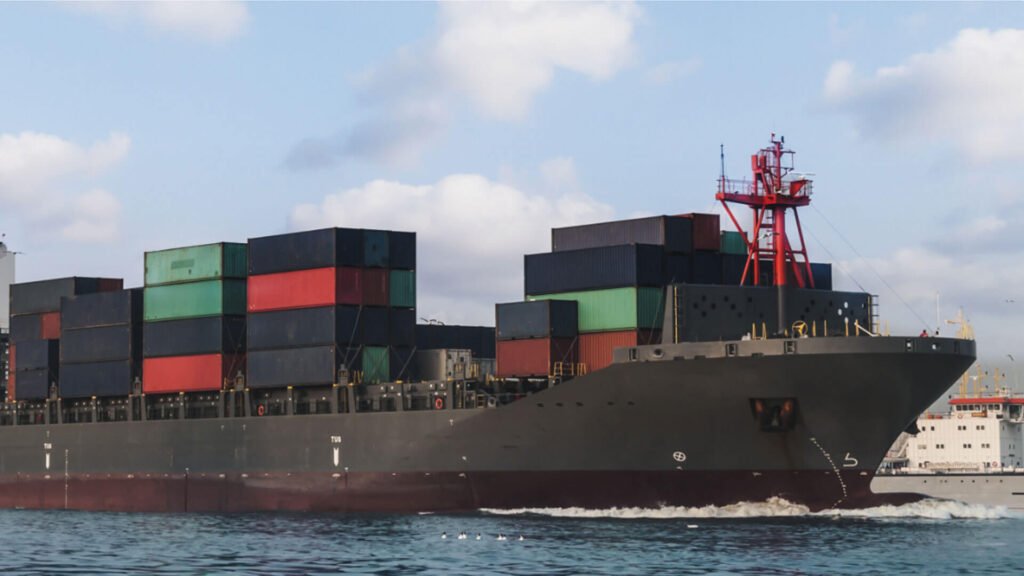
<!-- wp:image {"id":622,"width":"598px","height":"auto","sizeSlug":"large","linkDestination":"none"} --> <figure class="wp-block-image size-large is-resized"><img src="https://chinaoceanlogistics.com/wp-content/uploads/2025/10/How-to-caculate-importing-price-683x1024.jpg" alt="Container ship for China to USA DDP shipping service" class="wp-image-622" style="width:598px;height:auto"/></figure> <!-- /wp:image -->
<!-- wp:paragraph --> <p>Below is a detailed comparison to help you see why <strong>DDP is often the smartest and most predictable option</strong> in 2025.</p> <!-- /wp:paragraph -->
<!-- wp:separator --> <hr class="wp-block-separator has-alpha-channel-opacity"/> <!-- /wp:separator -->
<!-- wp:heading {"level":3} --> <h3 class="wp-block-heading"><strong>Incoterm Comparison Table</strong></h3> <!-- /wp:heading -->
<!-- wp:table --> <figure class="wp-block-table"><table class="has-fixed-layout"><thead><tr><th>Term</th><th>Who Handles Customs?</th><th>Who Pays Duties & Taxes?</th><th>Delivery Location</th><th>Importer’s Responsibility</th><th>Risk Level for Importer</th></tr></thead><tbody><tr><td><strong>DDP (Delivered Duty Paid)</strong></td><td>Seller / Forwarder</td><td>Seller / Forwarder</td><td>Importer’s Warehouse</td><td>Minimal – everything managed by forwarder</td><td><strong>Very Low</strong></td></tr><tr><td><strong>DAP (Delivered at Place)</strong></td><td>Buyer</td><td>Buyer</td><td>Importer’s Door</td><td>Must handle customs entry & pay duties</td><td><strong>Medium</strong></td></tr><tr><td><strong>CIF (Cost, Insurance & Freight)</strong></td><td>Buyer</td><td>Buyer</td><td>U.S. Port</td><td>Must clear customs and arrange inland delivery</td><td><strong>High</strong></td></tr><tr><td><strong>EXW (Ex Works)</strong></td><td>Buyer</td><td>Buyer</td><td>Factory in China</td><td>Responsible for all logistics and clearance</td><td><strong>Very High</strong></td></tr></tbody></table></figure> <!-- /wp:table -->
<!-- wp:separator --> <hr class="wp-block-separator has-alpha-channel-opacity"/> <!-- /wp:separator -->
<!-- wp:heading {"level":3} --> <h3 class="wp-block-heading"><strong>1. EXW (Ex Works) — Maximum Burden for the Importer</strong></h3> <!-- /wp:heading -->
<!-- wp:paragraph --> <p>Under EXW terms, the importer takes full responsibility once the goods leave the factory gate.<br>You must:</p> <!-- /wp:paragraph -->
<!-- wp:list --> <ul class="wp-block-list"><!-- wp:list-item --> <li>Book export transport and ocean freight.</li> <!-- /wp:list-item -->
<!-- wp:list-item --> <li>Handle Chinese and U.S. customs clearance.</li> <!-- /wp:list-item -->
<!-- wp:list-item --> <li>Pay all duties, taxes, and inland delivery.</li> <!-- /wp:list-item --></ul> <!-- /wp:list -->
<!-- wp:paragraph --> <p>While EXW may appear cheap at first glance, it’s <strong>high-risk and time-consuming</strong> unless you have your own logistics team in China.</p> <!-- /wp:paragraph -->
<!-- wp:separator --> <hr class="wp-block-separator has-alpha-channel-opacity"/> <!-- /wp:separator -->
<!-- wp:heading {"level":3} --> <h3 class="wp-block-heading"><strong>2. CIF (Cost, Insurance & Freight) — Port Delivery Only</strong></h3> <!-- /wp:heading -->
<!-- wp:paragraph --> <p>With CIF, the seller arranges sea transport to the destination port and provides basic insurance.<br>However, once the shipment arrives at the U.S. port, <strong>you’re on your own</strong> for:</p> <!-- /wp:paragraph -->
<!-- wp:list --> <ul class="wp-block-list"><!-- wp:list-item --> <li>Customs entry filing</li> <!-- /wp:list-item -->
<!-- wp:list-item --> <li>Duty and tax payments</li> <!-- /wp:list-item -->
<!-- wp:list-item --> <li>Port fees and trucking to your address</li> <!-- /wp:list-item --></ul> <!-- /wp:list -->
<!-- wp:paragraph --> <p>For many importers, CIF leads to <strong>unplanned costs</strong> such as customs broker fees, port storage, and delivery surcharges.</p> <!-- /wp:paragraph -->
<!-- wp:separator --> <hr class="wp-block-separator has-alpha-channel-opacity"/> <!-- /wp:separator -->
<!-- wp:heading {"level":3} --> <h3 class="wp-block-heading"><strong>3. DAP (Delivered at Place) — Close, But Not Complete</strong></h3> <!-- /wp:heading -->
<!-- wp:paragraph --> <p>DAP gets your shipment to your door, but <strong>duties and taxes are not included</strong>.<br>The forwarder handles international shipping and delivery, but you still need to pay:</p> <!-- /wp:paragraph -->
<!-- wp:list --> <ul class="wp-block-list"><!-- wp:list-item --> <li>U.S. customs duty and tariffs</li> <!-- /wp:list-item -->
<!-- wp:list-item --> <li>Brokerage and clearance fees</li> <!-- /wp:list-item --></ul> <!-- /wp:list -->
<!-- wp:paragraph --> <p>It’s a step up from CIF, but not truly “hassle-free.”</p> <!-- /wp:paragraph -->
<!-- wp:separator --> <hr class="wp-block-separator has-alpha-channel-opacity"/> <!-- /wp:separator -->
<!-- wp:heading {"level":3} --> <h3 class="wp-block-heading"><strong>4. DDP (Delivered Duty Paid) — Complete Door-to-Door Service</strong></h3> <!-- /wp:heading -->
<!-- wp:paragraph --> <p>With DDP, your logistics partner takes care of:</p> <!-- /wp:paragraph -->
<!-- wp:list --> <ul class="wp-block-list"><!-- wp:list-item --> <li>Factory pickup in China</li> <!-- /wp:list-item -->
<!-- wp:list-item --> <li>Export declaration</li> <!-- /wp:list-item -->
<!-- wp:list-item --> <li>Sea freight</li> <!-- /wp:list-item -->
<!-- wp:list-item --> <li>U.S. customs clearance</li> <!-- /wp:list-item -->
<!-- wp:list-item --> <li>Duty and tax payment</li> <!-- /wp:list-item -->
<!-- wp:list-item --> <li>Final delivery to your address</li> <!-- /wp:list-item --></ul> <!-- /wp:list -->
<!-- wp:paragraph --> <p>You pay <strong>one fixed all-inclusive price</strong> and receive your cargo <strong>fully cleared and delivered</strong>.</p> <!-- /wp:paragraph -->
<!-- wp:paragraph --> <p>That’s why DDP is considered the <strong>most importer-friendly Incoterm</strong> — especially for U.S. businesses that want predictable landed costs and simplified operations.</p> <!-- /wp:paragraph -->
<!-- wp:separator --> <hr class="wp-block-separator has-alpha-channel-opacity"/> <!-- /wp:separator -->
<!-- wp:heading {"level":3} --> <h3 class="wp-block-heading"><strong>Why DDP Is the Best Choice for U.S. Importers in 2025</strong></h3> <!-- /wp:heading -->
<!-- wp:list {"ordered":true} --> <ol class="wp-block-list"><!-- wp:list-item --> <li><strong>Full Visibility and Cost Control</strong> — One invoice covers everything.</li> <!-- /wp:list-item -->
<!-- wp:list-item --> <li><strong>No Customs Hassles</strong> — Your forwarder’s U.S. brokerage handles all clearance.</li> <!-- /wp:list-item -->
<!-- wp:list-item --> <li><strong>Time Efficiency</strong> — Faster cargo release and fewer communication delays.</li> <!-- /wp:list-item -->
<!-- wp:list-item --> <li><strong>Budget Certainty</strong> — All taxes and duties prepaid.</li> <!-- /wp:list-item -->
<!-- wp:list-item --> <li><strong>Better Compliance</strong> — Reduced risk of CBP penalties or misclassification errors.</li> <!-- /wp:list-item --></ol> <!-- /wp:list -->
<!-- wp:paragraph --> <p>In short, DDP shipping eliminates uncertainty — giving importers a <strong>true “factory-to-warehouse” solution</strong> that saves time, money, and effort.</p> <!-- /wp:paragraph -->
<!-- wp:heading --> <h2 class="wp-block-heading"><strong>8. Tips to Reduce Your DDP Shipping Cost</strong></h2> <!-- /wp:heading -->
<!-- wp:paragraph --> <p>While DDP shipping offers convenience and peace of mind, U.S. importers can still <strong>optimize their costs</strong> by making smart logistical decisions. The key is to balance efficiency, timing, and container utilization while working with a reliable forwarder that provides transparent, all-in pricing.</p> <!-- /wp:paragraph -->
<!-- wp:paragraph --> <p>Here are several <strong>practical ways to lower your total DDP shipping cost</strong> in 2025 without compromising on reliability or compliance:</p> <!-- /wp:paragraph -->
<!-- wp:separator --> <hr class="wp-block-separator has-alpha-channel-opacity"/> <!-- /wp:separator -->
<!-- wp:heading {"level":3} --> <h3 class="wp-block-heading"><strong>1. Ship Full Containers (FCL) Instead of LCL</strong></h3> <!-- /wp:heading -->
<!-- wp:paragraph --> <p>Whenever possible, consolidate your goods to fill a full 20GP or 40HQ container.</p> <!-- /wp:paragraph -->
<!-- wp:list --> <ul class="wp-block-list"><!-- wp:list-item --> <li><strong>Why it matters:</strong><br>FCL shipments have lower per-unit costs than LCL (Less-than-Container Load), which involves consolidation, extra handling, and deconsolidation fees in both China and the U.S.</li> <!-- /wp:list-item -->
<!-- wp:list-item --> <li><strong>Example:</strong><br>Two half-full LCL shipments can easily cost 20–30% more than one full 40HQ container.</li> <!-- /wp:list-item --></ul> <!-- /wp:list -->
<!-- wp:paragraph --> <p>✅ <em>Pro tip:</em> If you don’t have enough volume yourself, coordinate with your suppliers to combine compatible cargo into a shared full container.</p> <!-- /wp:paragraph -->
<!-- wp:separator --> <hr class="wp-block-separator has-alpha-channel-opacity"/> <!-- /wp:separator -->
<!-- wp:heading {"level":3} --> <h3 class="wp-block-heading"><strong>2. Plan Shipments During Off-Peak Seasons</strong></h3> <!-- /wp:heading -->
<!-- wp:paragraph --> <p>Sea freight prices fluctuate throughout the year, with the highest rates typically from <strong>July to October</strong> (pre-holiday season).</p> <!-- /wp:paragraph -->
<!-- wp:list --> <ul class="wp-block-list"><!-- wp:list-item --> <li><strong>Best time to ship:</strong> November–March (off-peak).</li> <!-- /wp:list-item -->
<!-- wp:list-item --> <li><strong>Benefit:</strong> You can save hundreds or even thousands of dollars per container by booking during lower-demand months.</li> <!-- /wp:list-item --></ul> <!-- /wp:list -->
<!-- wp:paragraph --> <p>✅ <em>Pro tip:</em> Ask your forwarder for seasonal rate forecasts to plan your purchasing and <a href="https://www.worldshipping.org/">world shipping</a> schedules strategically.</p> <!-- /wp:paragraph -->
<!-- wp:separator --> <hr class="wp-block-separator has-alpha-channel-opacity"/> <!-- /wp:separator -->
<!-- wp:heading {"level":3} --> <h3 class="wp-block-heading"><strong>3. Choose Ports Strategically</strong></h3> <!-- /wp:heading -->
<!-- wp:paragraph --> <p>Port selection can have a major impact on both cost and delivery time.</p> <!-- /wp:paragraph -->
<!-- wp:list --> <ul class="wp-block-list"><!-- wp:list-item --> <li><strong>West Coast ports</strong> (Los Angeles, Long Beach, Oakland): Shortest transit times, ideal for destinations in the western U.S.</li> <!-- /wp:list-item -->
<!-- wp:list-item --> <li><strong>Gulf Coast ports</strong> (Houston): Balanced choice for Midwest or southern states.</li> <!-- /wp:list-item -->
<!-- wp:list-item --> <li><strong>East Coast ports</strong> (New York, Savannah): More expensive but better for Eastern U.S. distribution.</li> <!-- /wp:list-item --></ul> <!-- /wp:list -->
<!-- wp:paragraph --> <p>✅ <em>Pro tip:</em> If you’re located inland, consider using a Gulf Coast port — it can reduce total trucking mileage and inland haulage costs.</p> <!-- /wp:paragraph -->
<!-- wp:separator --> <hr class="wp-block-separator has-alpha-channel-opacity"/> <!-- /wp:separator -->
<!-- wp:heading {"level":3} --> <h3 class="wp-block-heading"><strong>4. Avoid Overweight Containers</strong></h3> <!-- /wp:heading -->
<!-- wp:paragraph --> <p>Containers exceeding the standard weight limit (typically <strong>44,000 lbs for 40HQ</strong>) incur <strong>overweight surcharges</strong> from carriers and inland trucking companies.</p> <!-- /wp:paragraph -->
<!-- wp:list --> <ul class="wp-block-list"><!-- wp:list-item --> <li><strong>Extra fees:</strong> $150–300 per overweight container, depending on the route.<br>✅ <em>Pro tip:</em> Keep your cargo within standard weight limits, or split into two lighter containers to avoid penalties.</li> <!-- /wp:list-item --></ul> <!-- /wp:list -->
<!-- wp:separator --> <hr class="wp-block-separator has-alpha-channel-opacity"/> <!-- /wp:separator -->
<!-- wp:heading {"level":3} --> <h3 class="wp-block-heading"><strong>5. Optimize Packaging and Cargo Volume</strong></h3> <!-- /wp:heading -->
<!-- wp:paragraph --> <p>Efficient packaging helps maximize container space and reduce the total number of containers needed.</p> <!-- /wp:paragraph -->
<!-- wp:list --> <ul class="wp-block-list"><!-- wp:list-item --> <li>Use stackable pallets or adjust carton sizes to improve space utilization.</li> <!-- /wp:list-item -->
<!-- wp:list-item --> <li>Minimize wasted air space for bulky but lightweight goods.</li> <!-- /wp:list-item --></ul> <!-- /wp:list -->
<!-- wp:paragraph --> <p>✅ <em>Pro tip:</em> Ask your forwarder or warehouse to perform a <strong>container loading optimization</strong> analysis before shipment.</p> <!-- /wp:paragraph -->
<!-- wp:separator --> <hr class="wp-block-separator has-alpha-channel-opacity"/> <!-- /wp:separator -->
<!-- wp:heading {"level":3} --> <h3 class="wp-block-heading"><strong>6. Work with a Single Integrated DDP Provider</strong></h3> <!-- /wp:heading -->
<!-- wp:paragraph --> <p>Every time you involve multiple agents — one for China trucking, another for sea freight, another for U.S. clearance — you add layers of cost and delay.</p> <!-- /wp:paragraph -->
<!-- wp:paragraph --> <p>Choosing a <strong>China-based forwarder with a U.S. customs brokerage</strong> offers:</p> <!-- /wp:paragraph -->
<!-- wp:list --> <ul class="wp-block-list"><!-- wp:list-item --> <li>Lower coordination costs.</li> <!-- /wp:list-item -->
<!-- wp:list-item --> <li>Faster communication.</li> <!-- /wp:list-item -->
<!-- wp:list-item --> <li>One consolidated invoice with no double markups.</li> <!-- /wp:list-item --></ul> <!-- /wp:list -->
<!-- wp:paragraph --> <p>✅ <em>Pro tip:</em> Ensure your DDP provider directly controls both <strong>Chinese export and U.S. import clearance</strong> — not subcontracted through third parties.</p> <!-- /wp:paragraph -->
<!-- wp:separator --> <hr class="wp-block-separator has-alpha-channel-opacity"/> <!-- /wp:separator -->
<!-- wp:heading {"level":3} --> <h3 class="wp-block-heading"><strong>7. Bundle Shipments for Better Rates</strong></h3> <!-- /wp:heading -->
<!-- wp:paragraph --> <p>If you have consistent import volume, most forwarders can offer <strong>contract or monthly rates</strong> instead of one-off spot rates.</p> <!-- /wp:paragraph -->
<!-- wp:list --> <ul class="wp-block-list"><!-- wp:list-item --> <li>Larger shipping volume gives you better negotiation leverage.</li> <!-- /wp:list-item -->
<!-- wp:list-item --> <li>Combining multiple supplier shipments under one DDP project can reduce administrative and freight costs.</li> <!-- /wp:list-item --></ul> <!-- /wp:list -->
<!-- wp:paragraph --> <p>✅ <em>Pro tip:</em> Request a <strong>volume-based DDP pricing plan</strong> to lock in stable rates for recurring imports.</p> <!-- /wp:paragraph -->
<!-- wp:separator --> <hr class="wp-block-separator has-alpha-channel-opacity"/> <!-- /wp:separator -->
<!-- wp:heading {"level":3} --> <h3 class="wp-block-heading"><strong>8. Maintain Clear and Accurate Documentation</strong></h3> <!-- /wp:heading -->
<!-- wp:paragraph --> <p>Delays caused by incorrect or incomplete paperwork can lead to storage, demurrage, or inspection fees.<br>By ensuring commercial invoices, packing lists, and product descriptions are accurate and consistent with HS codes, you avoid unnecessary costs.</p> <!-- /wp:paragraph -->
<!-- wp:paragraph --> <p>✅ <em>Pro tip:</em> Let your forwarder’s brokerage team <strong>review your documents before export</strong> — it’s a simple step that can prevent costly U.S. customs issues later.</p> <!-- /wp:paragraph -->
<!-- wp:separator --> <hr class="wp-block-separator has-alpha-channel-opacity"/> <!-- /wp:separator -->
<!-- wp:heading {"level":3} --> <h3 class="wp-block-heading"><strong>9. Choose a Forwarder with In-House U.S. Trucking Network</strong></h3> <!-- /wp:heading -->
<!-- wp:paragraph --> <p>The last mile often accounts for a large portion of the total DDP cost. A provider with its own or partnered U.S. trucking network can offer more competitive inland delivery rates.</p> <!-- /wp:paragraph -->
<!-- wp:paragraph --> <p>✅ <em>Pro tip:</em> Confirm whether the quoted DDP rate includes delivery <strong>to your exact ZIP code</strong> — not just to a nearby port or region.</p> <!-- /wp:paragraph -->
<!-- wp:separator --> <hr class="wp-block-separator has-alpha-channel-opacity"/> <!-- /wp:separator -->
<!-- wp:heading {"level":3} --> <h3 class="wp-block-heading"><strong>Summary</strong></h3> <!-- /wp:heading -->
<!-- wp:paragraph --> <p>Reducing DDP shipping costs isn’t about cutting corners — it’s about <strong>better planning, smarter routing, and working with the right partner.</strong><br>A strong DDP provider will help you:</p> <!-- /wp:paragraph -->
<!-- wp:list --> <ul class="wp-block-list"><!-- wp:list-item --> <li>Consolidate loads efficiently.</li> <!-- /wp:list-item -->
<!-- wp:list-item --> <li>Avoid peak-season surcharges.</li> <!-- /wp:list-item -->
<!-- wp:list-item --> <li>Optimize clearance and delivery routes.</li> <!-- /wp:list-item -->
<!-- wp:list-item --> <li>Provide truly transparent, tax-included quotes.</li> <!-- /wp:list-item --></ul> <!-- /wp:list -->
<!-- wp:paragraph --> <p>When managed strategically, your DDP imports from China can remain both <strong>cost-effective and fully compliant</strong>, even in 2025’s challenging logistics environment.</p> <!-- /wp:paragraph -->
<!-- wp:heading --> <h2 class="wp-block-heading"><strong>9. Why Work with a China-Based Forwarder That Owns a U.S. Customs Brokerage</strong></h2> <!-- /wp:heading -->
<!-- wp:paragraph --> <p>When importing from China to the U.S., most importers face a major coordination problem:<br>They deal with <strong>multiple middlemen</strong> — one company handling export logistics in China and another managing U.S. customs clearance.</p> <!-- /wp:paragraph -->
<!-- wp:paragraph --> <p>This creates gaps in communication, unpredictable charges, and delays at the port.<br>That’s why working with a <strong>China-based forwarder that also owns a licensed U.S. customs brokerage</strong> is such a powerful advantage — and exactly what sets our service apart.</p> <!-- /wp:paragraph -->
<!-- wp:separator --> <hr class="wp-block-separator has-alpha-channel-opacity"/> <!-- /wp:separator -->
<!-- wp:heading {"level":3} --> <h3 class="wp-block-heading"><strong>1. One Team Handles the Entire Process</strong></h3> <!-- /wp:heading -->
<!-- wp:paragraph --> <p>When your shipping and customs clearance are managed by one integrated team, there’s <strong>no miscommunication between China and the U.S. side.</strong></p> <!-- /wp:paragraph -->
<!-- wp:list --> <ul class="wp-block-list"><!-- wp:list-item --> <li>We coordinate directly with your Chinese suppliers.</li> <!-- /wp:list-item -->
<!-- wp:list-item --> <li>Handle export declaration and origin documentation.</li> <!-- /wp:list-item -->
<!-- wp:list-item --> <li>Arrange ocean freight and insurance.</li> <!-- /wp:list-item -->
<!-- wp:list-item --> <li>Manage customs entry filing with <a href="https://www.cbp.gov">CBP (U.S. Customs and Border Protection)</a>.</li> <!-- /wp:list-item -->
<!-- wp:list-item --> <li>Deliver the cleared cargo directly to your door.</li> <!-- /wp:list-item --></ul> <!-- /wp:list -->
<!-- wp:paragraph --> <p>✅ <em>Result:</em> You enjoy <strong>a single chain of responsibility</strong> from factory to warehouse, eliminating the stress of dealing with multiple agents or customs brokers.</p> <!-- /wp:paragraph -->
<!-- wp:separator --> <hr class="wp-block-separator has-alpha-channel-opacity"/> <!-- /wp:separator -->
<!-- wp:heading {"level":3} --> <h3 class="wp-block-heading"><strong>2. Faster and More Reliable Customs Clearance</strong></h3> <!-- /wp:heading -->
<!-- wp:paragraph --> <p>Our in-house U.S. customs brokerage team communicates directly with CBP and other regulatory agencies (such as FDA, EPA, and USDA).</p> <!-- /wp:paragraph -->
<!-- wp:list --> <ul class="wp-block-list"><!-- wp:list-item --> <li><strong>Real-time clearance tracking</strong> and electronic entry filing.</li> <!-- /wp:list-item -->
<!-- wp:list-item --> <li><strong>Low inspection rate</strong> thanks to years of clean compliance records.</li> <!-- /wp:list-item -->
<!-- wp:list-item --> <li><strong>24-hour clearance turnaround</strong> for standard shipments.</li> <!-- /wp:list-item --></ul> <!-- /wp:list -->
<!-- wp:paragraph --> <p>✅ <em>Result:</em> Your cargo clears faster, avoiding demurrage or storage fees at the port.</p> <!-- /wp:paragraph -->
<!-- wp:separator --> <hr class="wp-block-separator has-alpha-channel-opacity"/> <!-- /wp:separator -->
<!-- wp:heading {"level":3} --> <h3 class="wp-block-heading"><strong>3. Full Compliance and Transparency</strong></h3> <!-- /wp:heading -->
<!-- wp:paragraph --> <p>Many freight forwarders rely on third-party customs brokers, which can lead to inconsistent paperwork or misdeclared HS codes — a common cause of penalties or cargo holds.</p> <!-- /wp:paragraph -->
<!-- wp:paragraph --> <p>Our integrated brokerage ensures that <strong>all customs documents are correct from the start</strong>:</p> <!-- /wp:paragraph -->
<!-- wp:list --> <ul class="wp-block-list"><!-- wp:list-item --> <li>Accurate <a href="https://hts.usitc.gov/">tariff classification (HTS codes)</a>.</li> <!-- /wp:list-item -->
<!-- wp:list-item --> <li>Proper valuation and origin declaration.</li> <!-- /wp:list-item -->
<!-- wp:list-item --> <li>Duty and tax prepayment under DDP terms.</li> <!-- /wp:list-item --></ul> <!-- /wp:list -->
<!-- wp:paragraph --> <p>✅ <em>Result:</em> You get <strong>zero hidden fees</strong> and full transparency on what’s paid to customs.</p> <!-- /wp:paragraph -->
<!-- wp:separator --> <hr class="wp-block-separator has-alpha-channel-opacity"/> <!-- /wp:separator -->
<!-- wp:heading {"level":3} --> <h3 class="wp-block-heading"><strong>4. Cost Efficiency Through Integration</strong></h3> <!-- /wp:heading -->
<!-- wp:paragraph --> <p>Because we manage the entire DDP chain — from Chinese export to U.S. clearance and delivery — we eliminate multiple markups charged by intermediaries.</p> <!-- /wp:paragraph -->
<!-- wp:list --> <ul class="wp-block-list"><!-- wp:list-item --> <li>No separate billing from customs brokers or U.S. agents.</li> <!-- /wp:list-item -->
<!-- wp:list-item --> <li>Lower total landed cost.</li> <!-- /wp:list-item -->
<!-- wp:list-item --> <li>One clear invoice covering every step.</li> <!-- /wp:list-item --></ul> <!-- /wp:list -->
<!-- wp:paragraph --> <p>✅ <em>Result:</em> Importers save an average of <strong>10–15%</strong> compared with traditional freight forwarding and brokerage combinations.</p> <!-- /wp:paragraph -->
<!-- wp:separator --> <hr class="wp-block-separator has-alpha-channel-opacity"/> <!-- /wp:separator -->
<!-- wp:heading {"level":3} --> <h3 class="wp-block-heading"><strong>5. Strategic Advantage for U.S. Importers</strong></h3> <!-- /wp:heading -->
<!-- wp:paragraph --> <p>Partnering with a forwarder who also acts as a U.S. customs broker gives you <strong>complete visibility and control</strong> over your imports.</p> <!-- /wp:paragraph -->
<!-- wp:list --> <ul class="wp-block-list"><!-- wp:list-item --> <li>Streamlined coordination.</li> <!-- /wp:list-item -->
<!-- wp:list-item --> <li>End-to-end tracking from factory to door.</li> <!-- /wp:list-item -->
<!-- wp:list-item --> <li>Simplified compliance under one accountable provider.</li> <!-- /wp:list-item -->
<!-- wp:list-item --> <li>Confidence that duties, taxes, and paperwork are handled correctly.</li> <!-- /wp:list-item --></ul> <!-- /wp:list -->
<!-- wp:paragraph --> <p>✅ <em>Result:</em> You can focus on your business growth — not on managing logistics and customs complexity.</p> <!-- /wp:paragraph -->
<!-- wp:separator --> <hr class="wp-block-separator has-alpha-channel-opacity"/> <!-- /wp:separator -->
<!-- wp:heading {"level":3} --> <h3 class="wp-block-heading"><strong>Real Value Example</strong></h3> <!-- /wp:heading -->
<!-- wp:paragraph --> <p>Let’s say you’re importing a 40HQ container of consumer electronics from Shenzhen to Chicago.<br>A traditional setup might involve:</p> <!-- /wp:paragraph -->
<!-- wp:list --> <ul class="wp-block-list"><!-- wp:list-item --> <li>A Chinese freight forwarder.</li> <!-- /wp:list-item -->
<!-- wp:list-item --> <li>A U.S. customs broker.</li> <!-- /wp:list-item -->
<!-- wp:list-item --> <li>A trucking company for inland delivery.</li> <!-- /wp:list-item --></ul> <!-- /wp:list -->
<!-- wp:paragraph --> <p>Each adds its own fees, communication gaps, and time delays.<br>By contrast, our <strong>DDP one-stop solution</strong> covers everything under one contract — including customs clearance, tax, and last-mile delivery — all at a fixed, predictable rate.</p> <!-- /wp:paragraph -->
<!-- wp:paragraph --> <p>✅ <em>Result:</em> Lower total cost, smoother delivery, and no surprise invoices.</p> <!-- /wp:paragraph -->
<!-- wp:separator --> <hr class="wp-block-separator has-alpha-channel-opacity"/> <!-- /wp:separator -->
<!-- wp:heading {"level":3} --> <h3 class="wp-block-heading"><strong>Why It Matters in 2025</strong></h3> <!-- /wp:heading -->
<!-- wp:paragraph --> <p>With new CBP data-sharing systems and stricter import compliance in 2025, having a <strong>licensed U.S. customs broker integrated with your China-side logistics</strong> is more critical than ever.</p> <!-- /wp:paragraph -->
<!-- wp:paragraph --> <p>Importers who rely on loosely connected agents are increasingly facing:</p> <!-- /wp:paragraph -->
<!-- wp:list --> <ul class="wp-block-list"><!-- wp:list-item --> <li>Random customs exams due to inconsistent data.</li> <!-- /wp:list-item -->
<!-- wp:list-item --> <li>Delays in duty payments and cargo release.</li> <!-- /wp:list-item -->
<!-- wp:list-item --> <li>Unexpected penalties for improper filing.</li> <!-- /wp:list-item --></ul> <!-- /wp:list -->
<!-- wp:paragraph --> <p>Choosing a <strong>China-based forwarder with a U.S. customs brokerage license</strong> ensures total control and compliance in both countries — from export declaration to final delivery.</p> <!-- /wp:paragraph -->
<!-- wp:separator --> <hr class="wp-block-separator has-alpha-channel-opacity"/> <!-- /wp:separator -->
<!-- wp:paragraph --> <p><strong>In summary:</strong><br>If you want to simplify your China-to-U.S. importing process, avoid customs delays, and get predictable door-to-door pricing, choose a partner who can <strong>handle both sides of the border under one roof.</strong></p> <!-- /wp:paragraph -->
<!-- wp:paragraph --> <p>That’s the true advantage of working with a DDP provider that owns a U.S. customs brokerage — <strong>complete control, faster clearance, and total peace of mind.</strong></p> <!-- /wp:paragraph -->
<!-- wp:heading --> <h2 class="wp-block-heading"><strong>10. Conclusion: Simplify Your China-to-USA Imports with a True DDP Partner</strong></h2> <!-- /wp:heading -->
<!-- wp:paragraph --> <p>Importing from China to the United States doesn’t have to be complicated or unpredictable.<br>With the right DDP partner, every step — from factory pickup to final delivery — can be transparent, efficient, and fully compliant.</p> <!-- /wp:paragraph -->
<!-- wp:paragraph --> <p>Throughout this guide, we’ve shown that <strong>Delivered Duty Paid (DDP)</strong> shipping is more than just a convenience — it’s a <strong>strategic advantage</strong> for U.S. importers who want total cost control and zero customs stress.</p> <!-- /wp:paragraph -->
<!-- wp:paragraph --> <p>Here’s what you gain when you choose a <strong>China-based forwarder with a U.S. customs brokerage</strong>:</p> <!-- /wp:paragraph -->
<!-- wp:list --> <ul class="wp-block-list"><!-- wp:list-item --> <li><strong>All-inclusive pricing</strong> with duties and taxes prepaid.</li> <!-- /wp:list-item -->
<!-- wp:list-item --> <li><strong>End-to-end visibility</strong> from Chinese factory to your U.S. warehouse.</li> <!-- /wp:list-item -->
<!-- wp:list-item --> <li><strong>Professional customs clearance</strong> managed by a licensed U.S. brokerage.</li> <!-- /wp:list-item -->
<!-- wp:list-item --> <li><strong>Faster, smoother delivery</strong> through one integrated logistics system.</li> <!-- /wp:list-item --></ul> <!-- /wp:list -->
<!-- wp:paragraph --> <p>No more juggling multiple agents, worrying about customs exams, or facing unexpected bills.<br>Instead, you get a <strong>single, predictable, door-to-door solution</strong> that lets you focus on your products and customers — not the paperwork behind them.</p> <!-- /wp:paragraph -->
<!-- wp:separator --> <hr class="wp-block-separator has-alpha-channel-opacity"/> <!-- /wp:separator -->
<!-- wp:heading {"level":3} --> <h3 class="wp-block-heading"><strong>Take the Next Step Today</strong></h3> <!-- /wp:heading -->
<!-- wp:paragraph --> <p>If you’re planning to import from China to the U.S. in 2025 — whether it’s your first shipment or part of a regular supply chain — our team is ready to help.</p> <!-- /wp:paragraph -->
<!-- wp:paragraph --> <p>✅ <strong>We handle everything:</strong></p> <!-- /wp:paragraph -->
<!-- wp:list --> <ul class="wp-block-list"><!-- wp:list-item --> <li>Factory pickup and China export clearance</li> <!-- /wp:list-item -->
<!-- wp:list-item --> <li>Sea shipping (FCL containers)</li> <!-- /wp:list-item -->
<!-- wp:list-item --> <li>U.S. port customs clearance and tax payment</li> <!-- /wp:list-item -->
<!-- wp:list-item --> <li>Final delivery to your warehouse</li> <!-- /wp:list-item --></ul> <!-- /wp:list -->
<!-- wp:paragraph --> <p>✅ <strong>You receive:</strong></p> <!-- /wp:paragraph -->
<!-- wp:list --> <ul class="wp-block-list"><!-- wp:list-item --> <li>One clear DDP quote</li> <!-- /wp:list-item -->
<!-- wp:list-item --> <li>Transparent cost breakdown</li> <!-- /wp:list-item -->
<!-- wp:list-item --> <li>Fast, compliant, worry-free delivery</li> <!-- /wp:list-item --></ul> <!-- /wp:list -->
<!-- wp:paragraph --> <p>Let us simplify your next import project.</p> <!-- /wp:paragraph -->
<!-- wp:separator --> <hr class="wp-block-separator has-alpha-channel-opacity"/> <!-- /wp:separator -->
<!-- wp:heading {"level":3} --> <h3 class="wp-block-heading">📩 <strong>Get Your DDP Shipping Quote Today</strong></h3> <!-- /wp:heading -->
<!-- wp:paragraph --> <p><strong>Effortless, all-inclusive DDP shipping from China to the USA — with expert customs clearance on both sides.</strong></p> <!-- /wp:paragraph -->
<!-- wp:heading {"level":3} --> <h3 class="wp-block-heading"><strong>Cost Structure of Shipping from China to USA: Door-to-Door Guide for Importers</strong></h3> <!-- /wp:heading -->
<!-- wp:paragraph --> <p>International shipping can be complex, especially when it comes to understanding the total cost of door-to-door delivery from China to the USA. This comprehensive guide breaks down the cost structure of shipping a 40ft container from China to the USA, providing clarity and transparency for importers. The total door-to-door shipping cost is fundamentally composed of three key parts: <strong>Origin Costs</strong>, <strong>Sea Freight</strong>, and <strong>Destination Costs</strong>. Let’s delve into each component:</p> <!-- /wp:paragraph -->
<!-- wp:separator --> <hr class="wp-block-separator has-alpha-channel-opacity"/> <!-- /wp:separator -->
<!-- wp:heading {"level":4} --> <h4 class="wp-block-heading"><strong>1. Origin Costs in China: Factory to Port Expenses</strong></h4> <!-- /wp:heading -->
<!-- wp:paragraph --> <p>Origin costs encompass all fees incurred in China, from the moment your goods leave the factory to when they are loaded onto a vessel at the port of loading. These costs are typically the seller’s responsibility, especially when using FOB (Free On Board) incoterms. Below are the key charges involved:</p> <!-- /wp:paragraph -->
<!-- wp:list --> <ul class="wp-block-list"><!-- wp:list-item --> <li><strong>Truck Fee (Pick-up & Delivery)</strong>: This covers the transportation of your containerized goods from the factory or supplier's warehouse to the port of loading.</li> <!-- /wp:list-item -->
<!-- wp:list-item --> <li><strong>Customs Clearance (Export)</strong>: This fee covers the mandatory customs clearance required to export your cargo from China.</li> <!-- /wp:list-item -->
<!-- wp:list-item --> <li><strong>Booking Fee (East & North China Ports)</strong>: Applied to shipments originating from East and North China ports. South China ports typically do not impose this fee.</li> <!-- /wp:list-item -->
<!-- wp:list-item --> <li><strong>THC/ORC (Terminal Handling Charge / Origin Receiving Charge)</strong>: These charges cover the cost of handling your container at the origin port terminal. Some ports charge THC, while others charge ORC.</li> <!-- /wp:list-item -->
<!-- wp:list-item --> <li><strong>DOC (Shipping Line Documentation Fee)</strong>: This fee covers the cost of essential documentation issued by the shipping line.</li> <!-- /wp:list-item -->
<!-- wp:list-item --> <li><strong>Manifest Fee (Export Customs)</strong>: This covers the preparation and submission of the export manifest to Chinese customs authorities.</li> <!-- /wp:list-item -->
<!-- wp:list-item --> <li><strong>SEAL (Container Seal Fee)</strong>: This covers the cost for the security seal affixed to the container.</li> <!-- /wp:list-item -->
<!-- wp:list-item --> <li><strong>EIR (Equipment Interchange Receipt)</strong>: This fee covers the process of exchanging the container between parties (e.g., shipper and terminal operator).</li> <!-- /wp:list-item -->
<!-- wp:list-item --> <li><strong>VGM (Verified Gross Mass)</strong>: A fee for the verification and certification of the container's gross mass for safety and compliance.</li> <!-- /wp:list-item -->
<!-- wp:list-item --> <li><strong>AMS Fee (Automated Manifest System)</strong>: A security filing with U.S. Customs and Border Protection (CBP) that may be managed or included in the origin costs.</li> <!-- /wp:list-item --></ul> <!-- /wp:list -->
<!-- wp:separator --> <hr class="wp-block-separator has-alpha-channel-opacity"/> <!-- /wp:separator -->
<!-- wp:heading {"level":4} --> <h4 class="wp-block-heading"><strong>2. Sea Freight: Ocean Transport from China to the USA</strong></h4> <!-- /wp:heading -->
<!-- wp:paragraph --> <p>Sea Freight is the core transportation cost—moving your container from a Chinese port to a U.S. port. It can also include transportation to inland container terminals within the USA, depending on the agreed-upon service.</p> <!-- /wp:paragraph -->
<!-- wp:separator --> <hr class="wp-block-separator has-alpha-channel-opacity"/> <!-- /wp:separator -->
<!-- wp:heading {"level":4} --> <h4 class="wp-block-heading"><strong>3. Destination Costs in the USA: Port to Door</strong></h4> <!-- /wp:heading -->
<!-- wp:paragraph --> <p>Destination costs are the charges that accrue upon arrival at the U.S. Port of Discharge (POD). These costs cover customs clearance, paying duties, and delivering the goods to your final destination.</p> <!-- /wp:paragraph -->
<!-- wp:list --> <ul class="wp-block-list"><!-- wp:list-item --> <li><strong>Customs Clearance (Import)</strong>: This fee covers the necessary import clearance procedures with U.S. Customs and Border Protection (CBP).</li> <!-- /wp:list-item -->
<!-- wp:list-item --> <li><strong>ISF (Importer Security Filing)</strong>: This mandatory filing, required by CBP, must be submitted prior to the arrival of your cargo in the USA.<!-- wp:list --> <ul class="wp-block-list"><!-- wp:list-item --> <li><strong>Cost Savings Tip</strong>: Obtaining a continuous customs bond can significantly reduce the costs associated with both customs clearance and ISF filings, especially for frequent or high-value importers.</li> <!-- /wp:list-item --></ul> <!-- /wp:list --></li> <!-- /wp:list-item -->
<!-- wp:list-item --> <li><strong>Import Duty</strong>: A percentage-based fee levied by the U.S. government on the declared value of your goods, depending on the Harmonized Tariff Schedule (HTS) code of your products.</li> <!-- /wp:list-item -->
<!-- wp:list-item --> <li><strong>Truck Fee (Port to Warehouse Delivery)</strong>: This fee covers the transportation from the U.S. port to your designated warehouse or delivery address.</li> <!-- /wp:list-item -->
<!-- wp:list-item --> <li><strong>Chassis Fee (Per Diem Charge)</strong>: A fee for the wheeled trailer used to transport the container. Charged on a per-day basis.</li> <!-- /wp:list-item -->
<!-- wp:list-item --> <li><strong>Pier Pass & Clean Truck Fee (California Ports)</strong>: Specific to California ports, these fees mitigate congestion (Pier Pass) and promote cleaner trucking (Clean Truck Fee).</li> <!-- /wp:list-item -->
<!-- wp:list-item --> <li><strong>Pre-Pull Recommendation</strong>: Pre-pulling involves moving your container from the port terminal to an off-dock storage location to avoid hefty demurrage costs. While this incurs a pre-pull fee and potential storage costs, it is often cheaper than accumulating demurrage.</li> <!-- /wp:list-item --></ul> <!-- /wp:list -->
<!-- wp:paragraph --> <p><strong>Additional Potential Fees</strong>:<br>Other fees may arise based on specific shipment circumstances, including:</p> <!-- /wp:paragraph -->
<!-- wp:list --> <ul class="wp-block-list"><!-- wp:list-item --> <li><strong>Chassis Split Fee</strong></li> <!-- /wp:list-item -->
<!-- wp:list-item --> <li><strong>Congestion Surcharge</strong></li> <!-- /wp:list-item -->
<!-- wp:list-item --> <li><strong>Toll Fees</strong></li> <!-- /wp:list-item -->
<!-- wp:list-item --> <li><strong>Warehousing Costs (Beyond Pre-Pull)</strong></li> <!-- /wp:list-item -->
<!-- wp:list-item --> <li><strong>Loading/Offloading Charges (Beyond Standard Port Handling)</strong></li> <!-- /wp:list-item --></ul> <!-- /wp:list -->
<!-- wp:separator --> <hr class="wp-block-separator has-alpha-channel-opacity"/> <!-- /wp:separator -->
<!-- wp:heading {"level":4} --> <h4 class="wp-block-heading"><strong>Visualizing the Cost Structure of China-USA Door-to-Door Shipping</strong></h4> <!-- /wp:heading -->
<!-- wp:paragraph --> <p>Here's an example of the cost structure for shipping from Foshan, China, to Houston, USA:</p> <!-- /wp:paragraph -->
<!-- wp:paragraph --> <p></p> <!-- /wp:paragraph -->