Finding overseas suppliers1 feels risky. You worry about sending money to a scammer and losing everything. I will show you how to source safely and protect your investment.
To source overseas suppliers1 without getting scammed, you must verify them2 beyond their online profile. Check their export history3, request compliance documents4, and perform independent checks. A cheap price5 and platform trust badges6 are not enough to ensure a supplier is legitimate and reliable.
Many people think sourcing scams happen when you first send money. That can be true. But the bigger, more expensive problems often happen later. They happen after your goods are made and shipped. You might only realize you were scammed when your products are stuck at the port. Or when you get a surprise bill for thousands in duties. This happens because buyers trust things like a low price or a platform's "verified" badge. These things create a false sense of security. The real way to stay safe is to understand the entire process, from finding a supplier to clearing U.S. customs. I will give you a step-by-step framework to manage these risks. Let’s get started.
How Do You Identify Legit Overseas Suppliers Before Sending Any Money?
A supplier's website looks professional. But they could just be a shell company waiting to take your money. I will show you what proof actually matters for verification.
To identify a legitimate supplier, you must look at their real-world actions, not just their online claims. Verify their export history3, check for consistent documentation across different platforms, and confirm their compliance behavior. Business licenses and factory photos can be easily faked and are not sufficient proof.
When you start sourcing, you will meet different types of suppliers. It is crucial to know who you are talking to. A real factory actually makes the products. A trading company buys from factories and sells to you; they are middlemen. A shell supplier is a fake company set up to scam you. Many buyers think asking for a business license or seeing factory photos is enough to prove a supplier is real. Unfortunately, these are weak signals. Scammers can easily create fake documents or use pictures from other factories. Even a video call from a factory floor doesn't prove they own it.
So, what verification actually matters? You need to look for stronger proof that shows they are a real, exporting business.
Strong vs. Weak Verification Signals
| Signal Type | Weak Signals (Easy to Fake) | Strong Signals (Hard to Fake) |
|---|---|---|
| Documents | Business License, ISO Certificates | Bill of Lading History, Export Licenses |
| Proof | Factory Photos, Product Samples | Third-Party Factory Audit Reports |
| Behavior | Low Prices, Fast Promises | Consistent Communication, Compliance Questions |
Strong signals are about their history and behavior in international trade. For example, I always check a potential supplier’s export history3. A real exporter will have a record of shipping goods, which can sometimes be found in trade databases. I also look for consistency. Does the company name on their Alibaba7 page match the name on their bank account and the name on their export documents? Any mismatch is a major red flag. A legitimate supplier understands compliance and will have their documents in order. A scammer will avoid these details.
What Are the Most Common Overseas Supplier Scams — and the Red Flags Buyers Miss?
You think you avoided a scam because you received your shipment. But the real scam can be in the box itself. I'll reveal these "soft scams8" and their warning signs.
The most common scams are "soft scams8." This is where the supplier ships goods, but they have the wrong specifications, a lower quantity, or are misclassified to avoid duties. Red flags include pressure for quick payment9, vague contracts10, and resistance to third-party inspections11.
Everyone worries about the most obvious scam: you send money and get nothing. But in my 15 years of experience, I see "soft scams8" far more often. These are harder to spot and can be just as costly. A soft scam happens when the supplier delivers a product, but it's not what you agreed on. They might use cheaper materials, short you on the quantity, or change the design slightly to save money. Another common one is when they intentionally misclassify the product on the customs declaration to pay lower export taxes, which causes major problems for you during U.S. import.
Smart buyers fall for these traps because they are focused on the pre-payment risks. They relax after the goods ship. Scammers know this. They use specific phrases to create urgency or avoid being held accountable.
Common Scammer Phrases and Red Flags
| Scammer's Phrase | What It Really Means | The Red Flag |
|---|---|---|
| "Pay a deposit now to lock in the low price." | "I need your money before you have time to do more research." | High-pressure sales tactics. |
| "Our company bank account is under review. Please pay to this personal account." | "This personal account cannot be traced back to the company." | Any request to pay a personal or different company account. |
| "The contract is just a formality. We operate on trust." | "I don't want a legal document that holds me to specific quality standards." | Refusal to sign a detailed purchase order or contract. |
| "A third-party inspection is not necessary and will only delay shipment." | "I don't want an expert to see the poor quality of the goods before they ship." | Resistance to quality control12 checks. |
These scams work because they exploit a buyer's desire for a good deal and a smooth process. The best defense is to be skeptical of anything that seems too good or too rushed.
How Can You Verify an Alibaba7 or B2B Platform Seller Is Real and Reliable?
You see a supplier with great badges on Alibaba7. You feel safe. But those badges do not guarantee they are compliant or won't cause you problems at customs.
To verify a platform seller, look beyond their profile. Check their export data on third-party sites, ask for specific compliance documents4, and research their company name independently. Platform badges only confirm basic business registration, not reliability or trade compliance13.
B2B platforms like Alibaba7 are powerful tools for finding suppliers. But it's important to understand what their verification systems do—and don't do. A "Gold Supplier" badge means the company has paid for a premium membership. A "Verified" badge means the platform confirmed their business registration exists. These are good starting points, but they do not equal trade compliance13. They don't prove the supplier makes quality products, ships on time, or knows how to prepare documents for U.S. customs correctly.
Scammers are experts at making their profiles look perfect. They know how to use platform features like Trade Assurance to their advantage. They know that the dispute timelines are often too short for a buyer to discover a quality problem or a customs issue. That is why you must do your own verification outside of the platform.
Steps for Verification Beyond the Platform
- Independent Company Search: Use the company's full legal name and search for it online, separate from the B2B platform. See if they have a real website, if their address is legitimate, and if there are any reviews or complaints on other forums.
- Request Specific Documents: Don't just ask if they have "certifications." Ask for a specific document relevant to your product, like a CPSIA test report for a children's product or an FDA registration for a food-contact item. A real, experienced supplier will have these. A scammer will make excuses.
- Check Public Records: For larger orders, you can use trade data services to see if the company has a real history of exporting to the United States. This is one of the strongest forms of verification.
- Small Trial Order: Before placing a large order, always start with a smaller trial order. This lets you test their product quality, communication, and ability to handle the logistics process from start to finish.
Relying only on the platform for safety is a common mistake. Treat it as a directory to find potential partners, then begin your own real verification process.
Should You Work With a Sourcing Agent — and How Do You Avoid Fake Agents?
You need help finding a good supplier in another country. But a fake sourcing agent14 could take your money or connect you with a bad factory. Here is how to find a good one.
A real sourcing agent14 provides transparent services like factory audits15 and quality control12 for a clear fee. Avoid agents with vague fees, who push one specific supplier too hard, or who handle your payments directly without a protective structure. They should work for you, not the factory.
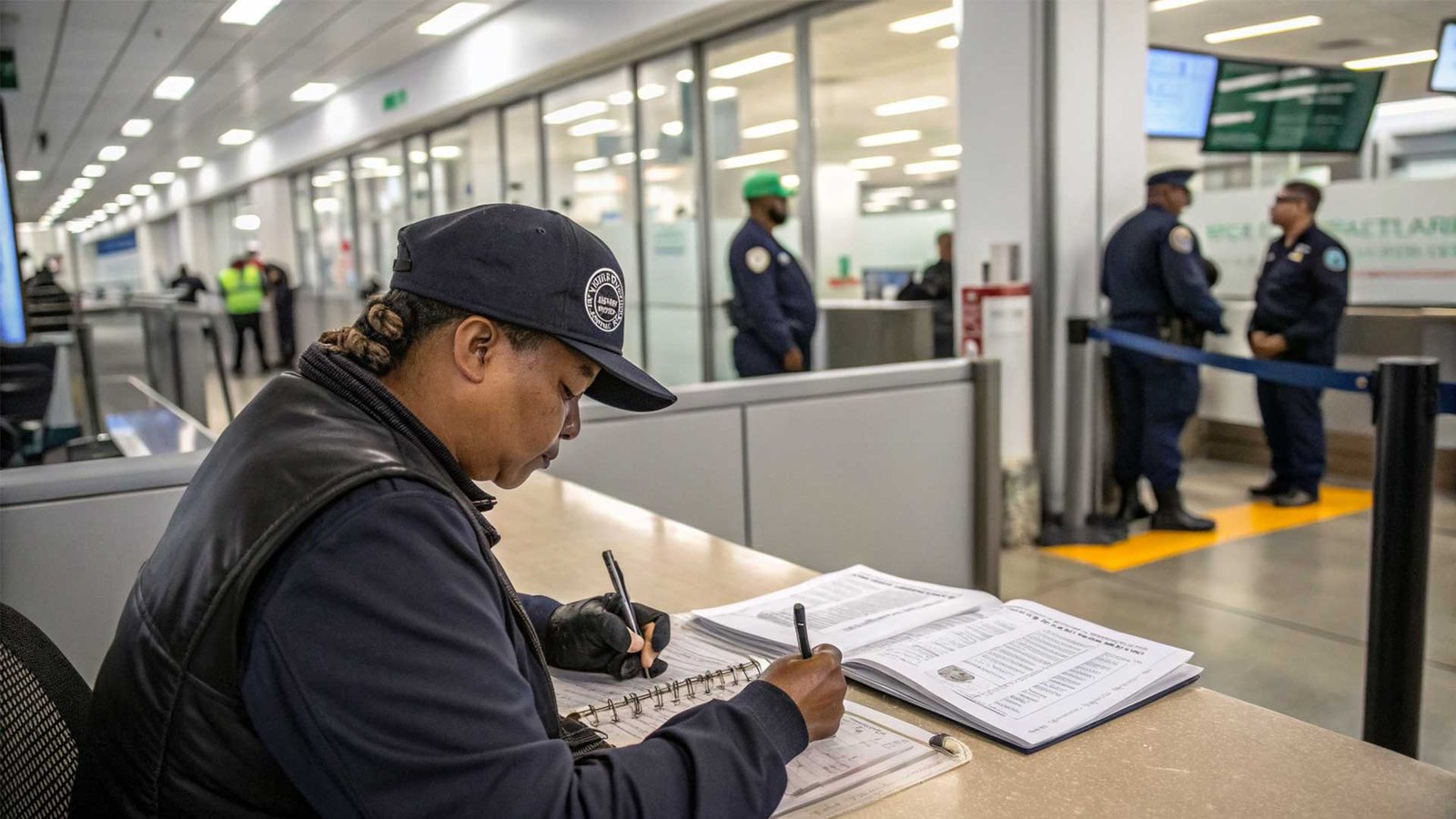
A good sourcing agent14 can be a huge asset. They are your boots on the ground. They can help you find suppliers, negotiate prices, manage quality control12, and handle logistics. A fake agent, or a bad agent, creates more problems. They might claim to be an agent but are actually just a trading company in disguise. Or they might accept a hidden kickback from a factory to push you toward a bad deal. This is a clear conflict of interest. The agent should always be working in your best interest.
The key is to understand what a real agent does and how they should be paid. A professional agent is a service provider. They should be transparent about their fees.
Sourcing Agent Fee Structures
| Fee Structure | How It Works | Potential Issues |
|---|---|---|
| Commission | The agent gets a percentage (usually 3-10%) of your order value. | The agent has an incentive for you to place a larger order, not necessarily a better one. |
| Flat Fee | You pay a fixed fee for a specific service, like a factory audit or a quality inspection. | This is very transparent and good for specific tasks. |
| Hybrid Model | A combination of a fixed fee for sourcing and a commission on the final order. | This can balance incentives if structured correctly. |
When I work with clients, I tell them to be very clear about the agent's role. Structure your agreement so their success is tied to your success. For example, part of their commission could be tied to the goods passing a final quality inspection. Never let an agent control the money. You should pay the factory directly. The agent is there to coordinate and verify, not to be a middleman for your funds. A good agent will have no problem with this arrangement. A fake agent will insist on handling the payment.
What Does “Too Cheap” Really Mean in Overseas Sourcing?
You found an amazing low price for your product. But this price is often a trap. It leads to poor quality, hidden fees16, and customs problems. Let me explain the true cost.
A price that is "too cheap" often means the supplier will cut corners on materials, use non-compliant labor, or misdeclare the goods at customs. The initial savings are lost to defects, returns, or unexpected fines and duties, making it a far more expensive mistake in the end.

In sourcing, the old saying is true: if it seems too good to be true, it probably is. A price that is significantly lower than all other quotes is the biggest red flag. New importers often get excited by these low prices, thinking they've found a secret deal. But experienced importers know this is a price trap. No factory can operate at a loss. If they give you an impossibly low price, they will make up their profit somewhere else.
They do this in a few predictable ways. First, they might use cheaper, lower-quality raw materials. Your product will look fine at first but will fail or break quickly. Second, they might cut corners during production, leading to a high defect rate. Third, and most dangerously, they might misdeclare the value or classification of the goods to customs. They do this to save on export taxes, but it puts you, the importer, at huge risk for fines, penalties, and seizure of your goods in the U.S.
Cost-Risk Comparison: Realistic vs. "Too Cheap" Quote
| Cost Factor | "Too Cheap" Quote | Realistic Quote |
|---|---|---|
| Unit Price | $5.00 | $7.00 |
| Initial Order Cost (1,000 units) | $5,000 | $7,000 |
| Hidden Costs | $1,500 (30% defect rate) + $2,000 (Customs fine for undervaluation) | $0 |
| True Landed Cost | $8,500 | $7,000 |
This is why the cheapest price is often the most expensive mistake. Sourcing is not just about finding the lowest unit cost. It is about finding the best value, which includes quality, reliability, and compliance. Don't let a low price blind you to the total risk.
What Import Taxes, Duties, and Customs Fees Do Buyers Usually Forget to Budget?
You budgeted for your products and the shipping. But surprise customs fees17 and duties can appear after your goods arrive, destroying your profit margin. I will list the hidden costs.
Buyers often forget to budget for customs duties (like Section 301 tariffs), customs clearance fees, port fees, and courier brokerage fees. These costs are separate from shipping and are the importer's legal responsibility. You must calculate your full "landed cost18" before you order.
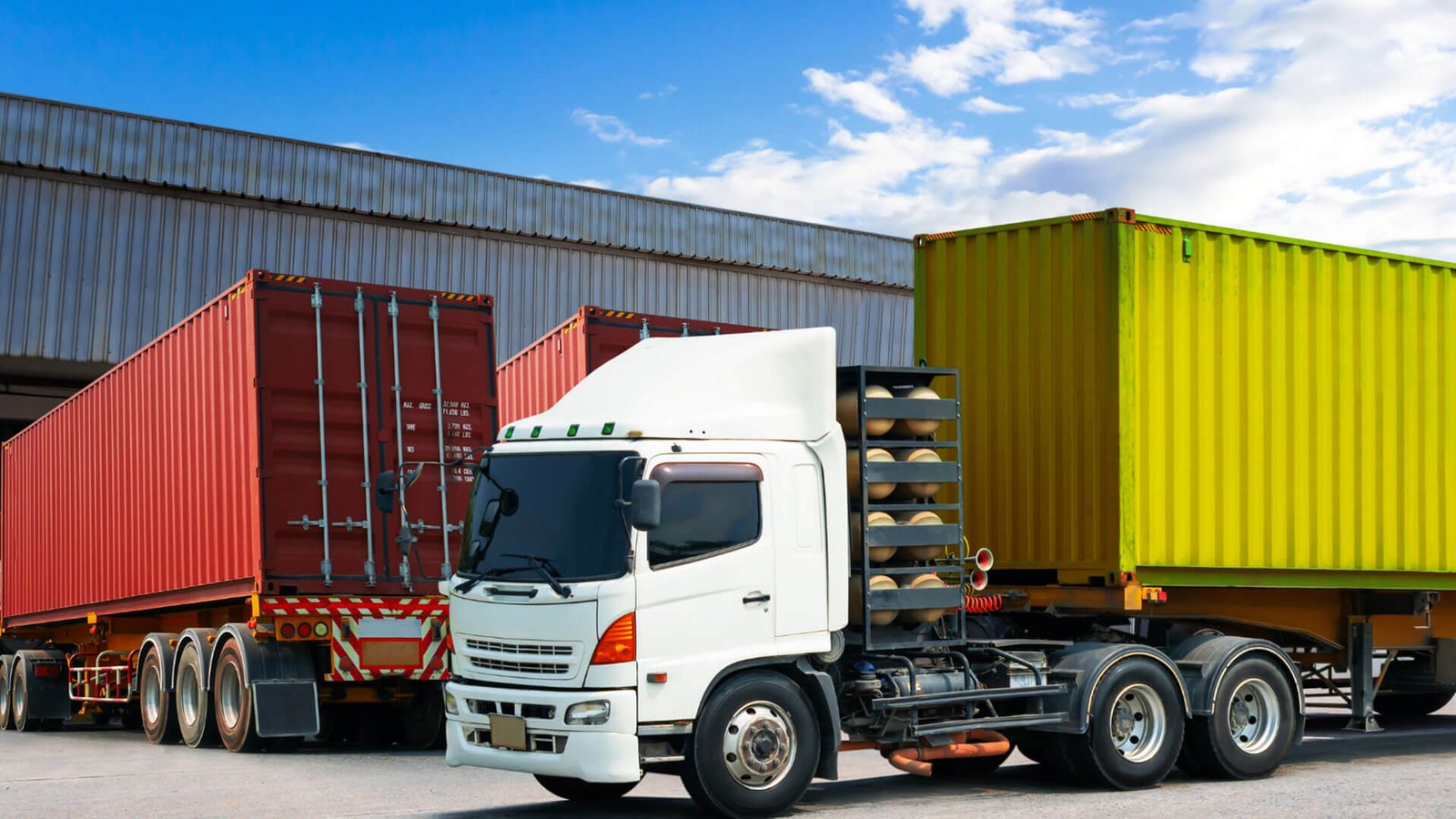
One of the biggest shocks for new importers is the bill they get after their goods land in the U.S. They thought the shipping cost was the final expense. But there is a whole other set of costs related to customs clearance. It is your legal responsibility as the Importer of Record to pay these. Your supplier in China does not pay them. Your shipping company does not pay them. You do. Forgetting to budget for these can turn a profitable order into a loss.
Here are the most common fees that people overlook:
- Customs Duties: This is a tax imposed by the U.S. government on imported goods. The rate depends on the product's HTS code. For many goods from China, there are also extra Section 301 tariffs, which can be as high as 25%.
- Customs Clearance Fees: Your customs broker charges a fee to prepare and file the necessary paperwork with Customs and Border Protection (CBP).
- Port Fees: If your container is not picked up quickly, you can be charged fees like demurrage (for using the container) and detention (for using the port space).
- Courier Brokerage Fees: If you ship with a company like FedEx or DHL, they often act as your customs broker and will charge you a brokerage fee, sometimes called an advancement fee.
Before you even place an order, you need to estimate your total landed cost. This is the final price of your product delivered to your door. It includes the product cost, shipping cost, and all of these import fees. This is the only way to know if your product will actually be profitable.
What Legal, Customs, and Compliance Steps Protect You From Getting Scammed After Shipping?
Your goods have finally shipped. You feel relieved. But the biggest risk is now at customs, where simple paperwork mistakes can lead to seizure. I'll show you how compliance protects you.
True protection from post-shipping problems comes from being a compliant importer. This means having the correct licenses, accurately declaring your goods with the right HTS code, and ensuring all paperwork is perfect. This prevents the delays, fines, and seizures that are often mistaken for scams.

Many importers think a strong contract with their supplier is the ultimate protection. A contract is important, but it is often very difficult to enforce internationally. Your real protection, especially after the goods have shipped, comes from U.S. customs and import law. Many situations that buyers call "scams" are actually their own compliance failures. For example, if your goods are seized by customs because they were misdeclared, that is a compliance problem, not necessarily a supplier scam. The responsibility was on you, the importer, to declare them correctly.
The best way to protect yourself is to take control of your own compliance. Don't just trust your supplier to handle it.
Key Compliance Steps for Protection
- Be the Importer of Record (IOR): Make sure you are officially listed as the IOR. This gives you control over the customs entry process and makes you responsible for compliance.
- Verify the HTS Code: The Harmonized Tariff Schedule (HTS) code determines your duty rate. Do not let your supplier choose this code. Work with a U.S. customs broker to classify your product correctly. An incorrect code can lead to audits and penalties years later.
- Ensure Documentation is Perfect: The commercial invoice, packing list, and bill of lading must all be accurate and consistent. The information on these documents must match exactly. Any small difference can trigger a customs inspection and long delays.
By focusing on prevention through compliance, you protect yourself far more effectively than trying to recover your money after a problem happens. It changes your mindset from hoping you don't get scammed to building a process that prevents problems from occurring in the first place.
Conclusion
Sourcing overseas is a risk management process, not just a search for suppliers. The biggest losses happen after production, during shipping and customs. Build verification and compliance into your decisions from day one.
Explore this resource to learn effective strategies for sourcing trustworthy suppliers abroad. ↩
Discover essential verification techniques to ensure your suppliers are legitimate and reliable. ↩
Understanding a supplier's export history can safeguard your investment; find out how to access this information. ↩
Learn about crucial compliance documents that can protect you from scams and ensure quality. ↩
Uncover the hidden risks associated with low prices in sourcing and how to avoid costly mistakes. ↩
Find out the truth about trust badges and what they really mean for supplier reliability. ↩
Get insights on verifying suppliers on Alibaba to ensure you are dealing with legitimate businesses. ↩
Explore the concept of soft scams and learn how to identify and avoid them effectively. ↩
Understanding the tactics used by scammers can help you avoid falling victim to their schemes. ↩
Learn how to spot vague contracts that could lead to disputes and losses in your sourcing. ↩
Discover the value of third-party inspections in ensuring product quality and compliance. ↩
Explore effective quality control measures to ensure the products you receive meet your standards. ↩
Understanding trade compliance is crucial for successful international sourcing; learn more here. ↩
Explore tips for finding trustworthy sourcing agents who can help you navigate international trade. ↩
Learn about the significance of factory audits in ensuring supplier reliability and product quality. ↩
Discover common hidden fees that can impact your budget and how to prepare for them. ↩
Understanding customs fees is essential for budgeting; find out what to expect when importing. ↩
Learn how to accurately calculate your total landed cost to avoid unexpected expenses. ↩