Struggling with FDA regulations causing shipment delays? You're not alone. Many importers find the process confusing, leading to costly hold-ups at the border. This article breaks down everything you need to know for a smoother clearance process.
FDA customs clearance1 is the process where the U.S. Food and Drug Administration2 reviews and approves imported goods to ensure they meet U.S. safety and quality standards. This is a required step for specific regulated products3, like food, medical devices, and cosmetics, before they can enter the country.

Navigating the complexities of FDA customs clearance1 is a common headache for importers. It's a critical step that goes beyond standard customs procedures, and any misstep can lead to significant delays and even seizure of your products. Many of these issues arise not from the products themselves being unsafe, but from simple procedural mistakes4. As a specialist with over 15 years of experience in this field, I've seen it all. This guide is specifically for commercial importers5 of FDA-regulated products3 like food, medical devices, cosmetics6, and supplements, to help you understand the process and avoid common pitfalls.
What Is FDA Customs Clearance — and When Is It Required for Imported Products?
Feeling overwhelmed by the term "FDA customs clearance1"? You're not the only one. Many importers are unsure what it entails and when it's necessary, leading to confusion and potential compliance issues.
FDA customs clearance1 is the procedure by which the FDA inspects and approves the entry of regulated products3 into the United States. This process is mandatory for goods such as food, drugs, medical devices, and cosmetics to ensure they comply with the agency's safety and quality standards before they can be sold in the U.S.
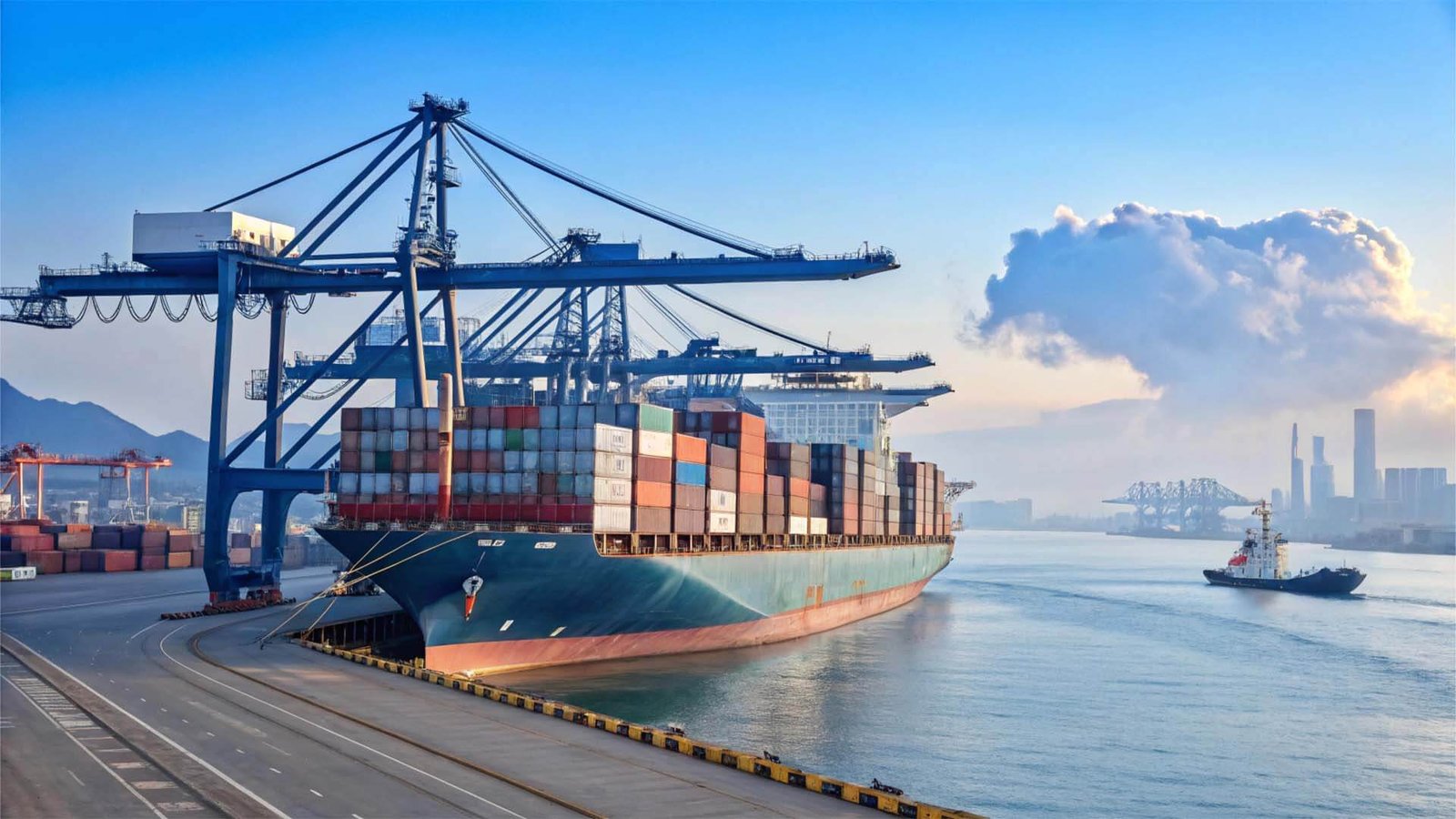
Dive Deeper: Understanding the Basics
When you import goods into the United States, they must first clear U.S. Customs and Border Protection7 (CBP). However, if your products fall under the FDA's jurisdiction, they face an additional layer of scrutiny. This is what we call FDA customs clearance1. It's not an optional step; it's a legal requirement to protect public health. The FDA works in partnership with CBP to screen and release compliant shipments.
So, what does "FDA cleared%%%FOOTNOTE_REF8%%%" actually mean in this context? It signifies that the FDA has reviewed the import documentation and, in some cases, physically examined the product, and determined that it meets all applicable U.S. laws and regulations. This clearance is specific to the admissibility of the product at the time of import and is different from "[FDA approval](https://www.goodrx.com/classes/medical-supplies-and-devices/fda-approval-vs-fda-clearance?srsltid=AfmBOorYwL-sjLYwEmAppLJu-rfBNQHDU1A5LB0LL-ev5zk57B0oNvK)9," which is a more rigorous pre-market authorization for certain high-risk products.
The scope of products requiring FDA clearance is broad and includes:
- Food and Beverages: This includes everything from raw ingredients to finished food products, dietary supplements, and even bottled water.
- Medical Devices: This category ranges from simple items like tongue depressors to complex machinery like MRI scanners.
- Pharmaceuticals: Both prescription and over-the-counter drugs are subject to FDA review.
- Cosmetics: Products for personal care, such as makeup and lotions, also fall under FDA's purview.
For any commercial shipment of these goods, you must comply with FDA import procedures. Failure to do so can result in your products being detained, refused entry, or even destroyed.
How Does the FDA Customs Clearance Process Work Step by Step?
Confused about the sequence of events in FDA customs clearance1? Understanding the step-by-step process is crucial for importers to anticipate requirements and prevent delays, but the workflow can seem opaque and complicated.
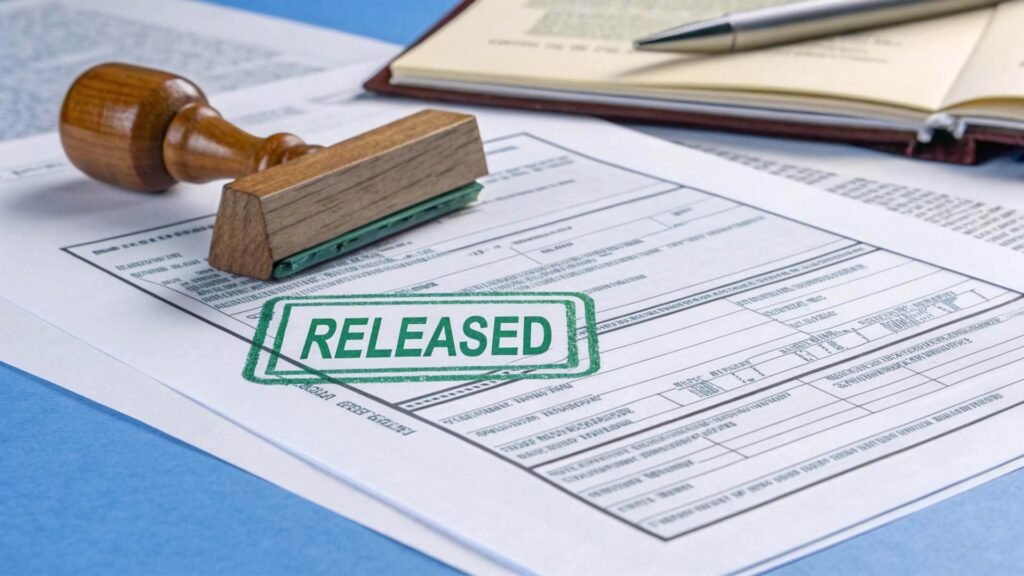
The FDA customs clearance1 process begins with the filing of entry documents with U.S. Customs and Border Protection7 (CBP), which includes specific data for the FDA. The FDA then electronically screens this information to assess risk, which may be followed by a documentary review, a physical examination, or sampling of the product before a final release decision is made.
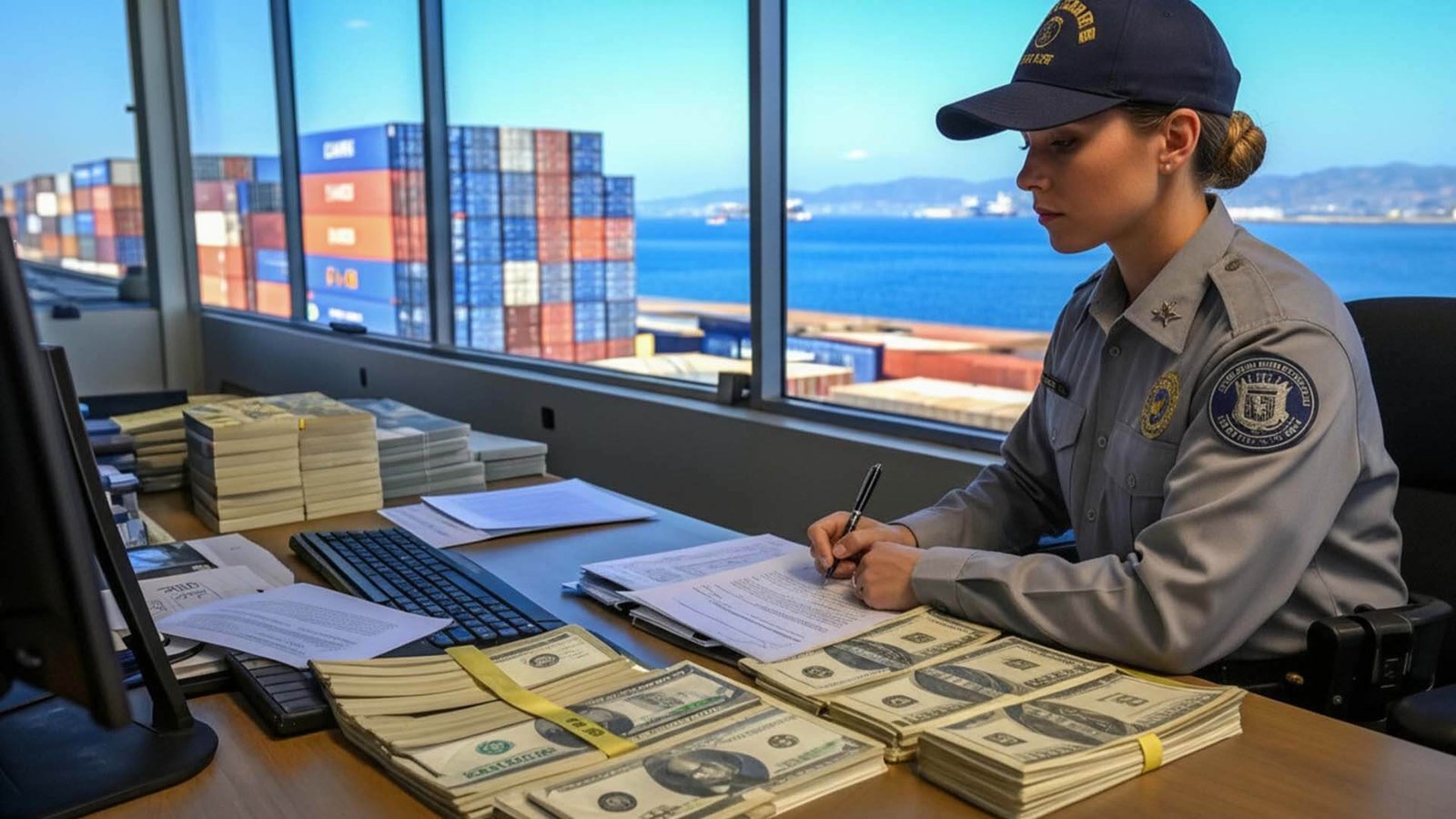
Dive Deeper: A Walkthrough of the Process
The FDA clearance process is a multi-stage workflow that runs parallel to the standard CBP entry process. Here’s a breakdown of the key steps involved, from pre-arrival to final release:
-
Entry Filing with CBP and PGA Data: Before your shipment arrives, your customs broker10 files an entry with CBP. This entry must include specific information for Partner Government Agencies (PGAs) like the FDA. This includes details like the FDA product code11, which is a crucial identifier for your goods.
-
FDA Prior Notice12 or Admissibility Screening: For food shipments, a "Prior Notice12" must be submitted to the FDA before the goods arrive at the port. This notice provides the FDA with advance information about the shipment, allowing them to target inspections more effectively. For other regulated products3, the FDA's electronic screening systems, like the Predictive Risk-based Evaluation for Dynamic Import Compliance Targeting (PREDICT)13, analyze the entry data to flag higher-risk shipments for further review.
-
FDA Review, Holds, Exams, or Sampling: Based on the initial screening, the FDA may take several actions:
- "May Proceed": If the shipment is deemed low-risk, the FDA may issue a "May Proceed," allowing the goods to be released.
- Documentary Review: The FDA may request additional documents, such as invoices or certificates of analysis, to verify compliance.
- Physical Examination: The FDA can decide to physically inspect the goods and their labeling.
- Sampling: In some cases, the FDA will collect a sample of the product for laboratory analysis to check for contamination or other violations.
-
Final Release or Enforcement Action: After the review is complete, the FDA will make a final admissibility decision. If the product is found to be compliant, it will be released into U.S. commerce. If violations are found, the FDA may detain the shipment and issue a "Notice of Detention and Hearing." At this point, the importer has an opportunity to present evidence to overcome the alleged violation. If the issues cannot be resolved, the shipment will be refused entry.
Who Is Responsible for FDA and Customs Clearance — Importer, Broker, or Carrier?
Unsure about who is ultimately accountable for FDA and customs compliance? This ambiguity can lead to costly mistakes and legal liabilities, as importers may mistakenly assume their broker or carrier14 is handling everything.
The Importer of Record (IOR)15 is legally responsible for all aspects of customs and FDA clearance. While a customs broker10 acts as an agent to file the entry, and a carrier14 transports the goods, the IOR bears the ultimate liability for ensuring the imported products comply with all U.S. laws and regulations.
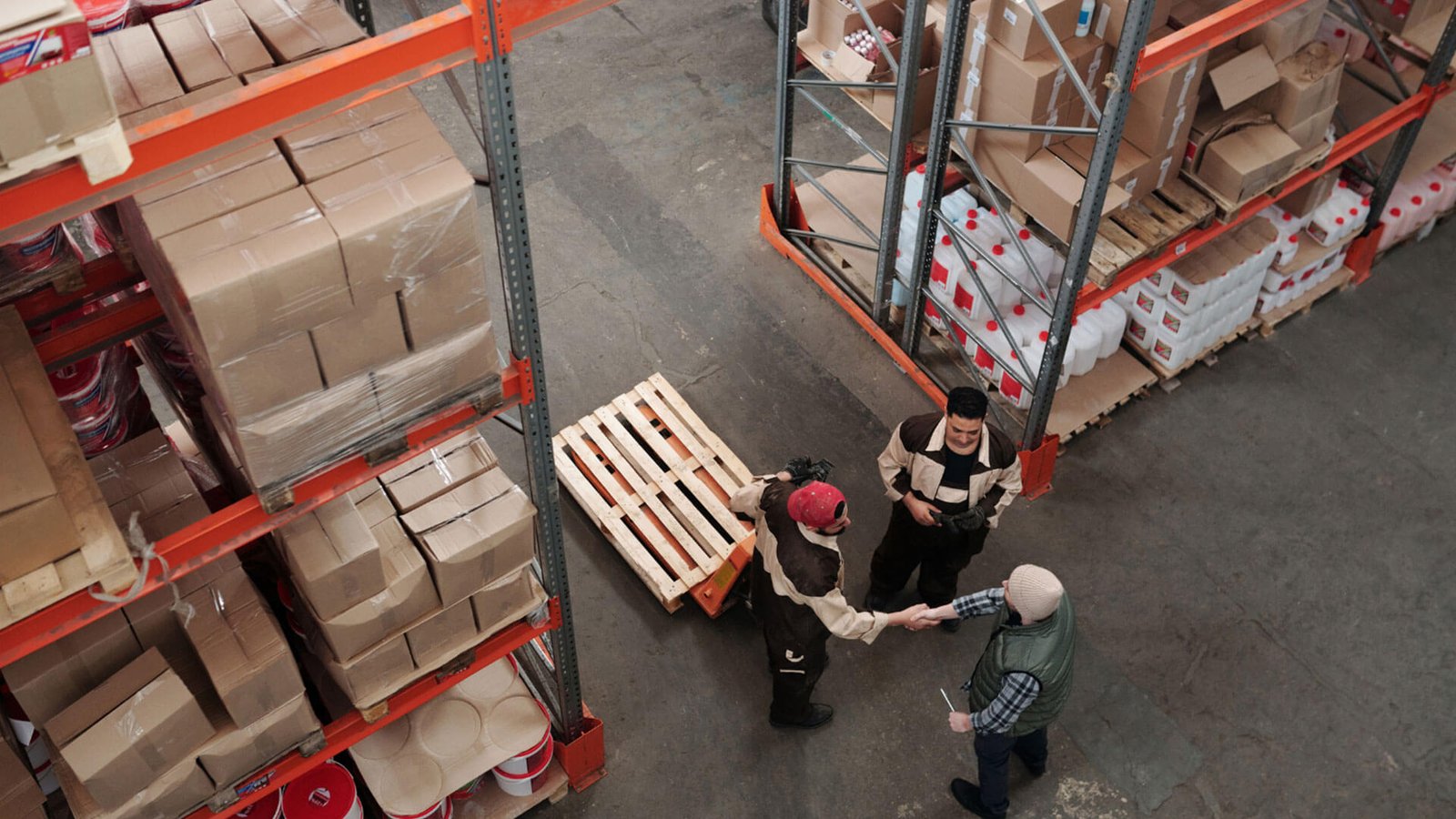
Dive Deeper: Clarifying Roles and Responsibilities
Understanding who is responsible for what is critical to avoiding compliance failures and unexpected costs. The roles of the importer, broker, and carrier14 are distinct, and the legal liability falls squarely on one party.
-
The Importer of Record (IOR)15: The IOR is the entity or individual who has the primary responsibility for ensuring that the imported goods are compliant with all legal and regulatory requirements. This includes paying any duties, taxes, and fees, as well as providing all necessary documentation for both CBP and the FDA. If there are any violations, the IOR is the one who will face the legal and financial consequences. For foreign companies without a U.S. presence, they must appoint a U.S.-based IOR to legally import their goods.
-
The Customs Broker: A licensed customs broker10 is hired by the importer to act as their agent in facilitating the customs clearance process. Their role is to prepare and submit the necessary entry documents to CBP and the FDA on behalf of the IOR. While a good broker is an invaluable partner in ensuring accuracy and compliance, they do not assume the legal liability of the IOR. The responsibility for providing correct and complete information to the broker rests with the importer.
-
The Carrier: The carrier14 (the shipping line or airline) is responsible for the transportation of the goods to the port of entry. Their role in the clearance process is generally limited to providing transportation-related documents, such as the bill of lading. They are not responsible for the customs or FDA compliance of the products they are transporting.
In short, as the importer, you are in the driver's seat. It is your responsibility to understand the requirements for your products, provide accurate information, and ensure that all necessary steps are taken for a compliant entry.
How Long Does FDA Clearance Take — and What Causes Delays?
Worried about unpredictable timelines for FDA clearance? The uncertainty of how long your shipment will be held at customs is a major pain point for importers, making it difficult to manage inventory and meet customer demands.
FDA clearance can range from a few hours for low-risk, properly filed entries to several days or even weeks if a shipment is flagged for documentary review, physical examination, or sampling. Delays are most often caused by incomplete or inaccurate documentation, incorrect FDA product code11s, missing Prior Notice12 for food, or labeling issues.
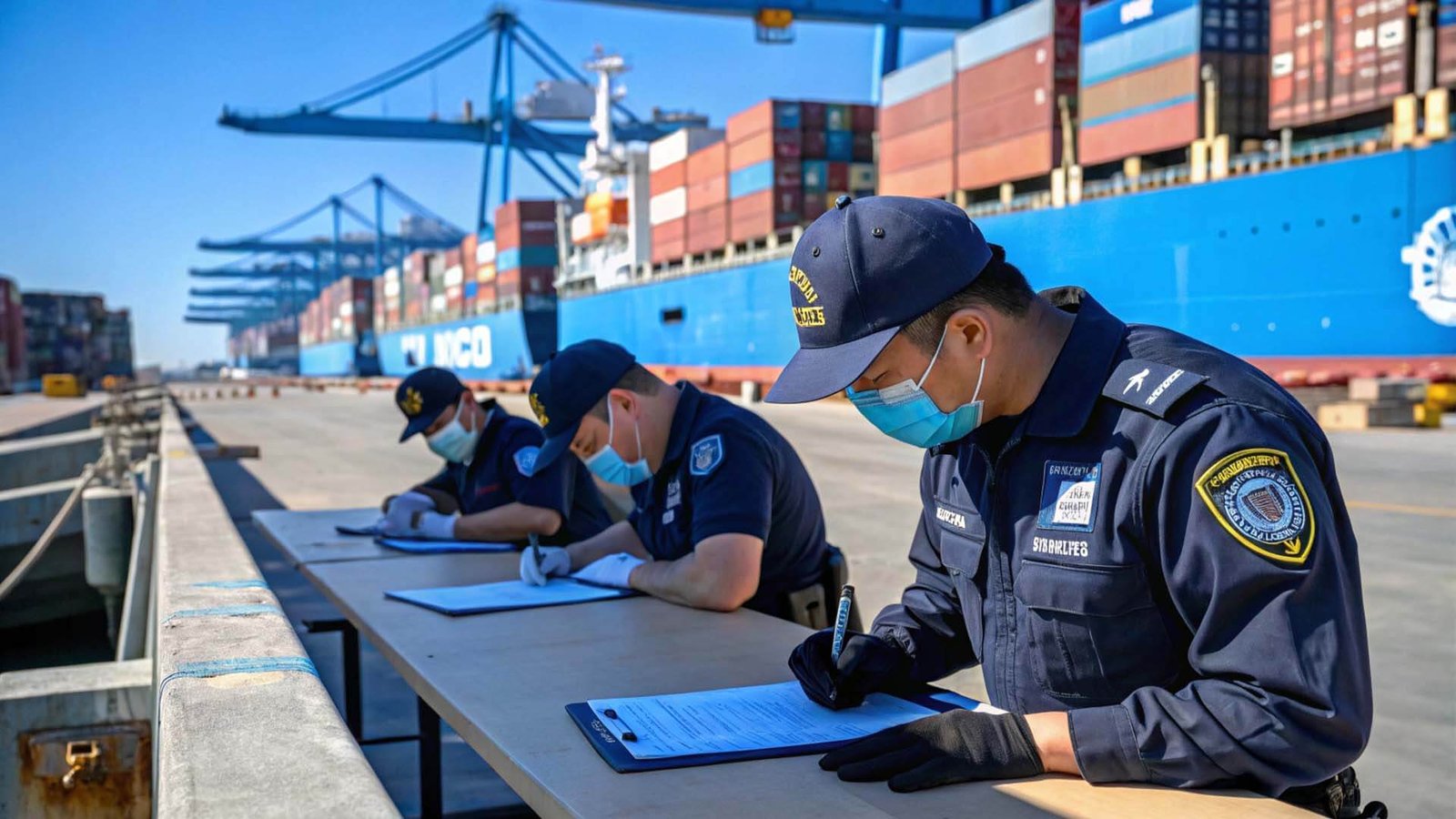
Dive Deeper: Managing Timelines and Avoiding Common Pitfalls
While there's no guaranteed timeline for FDA clearance, understanding the typical processing times and the common triggers for delays can help you plan more effectively.
Typical Timelines: For a well-prepared, low-risk shipment, the FDA's electronic screening can result in a release within 24 hours of the entry being filed. However, if your shipment is selected for further review, the timeline can extend significantly:
- Documentary Review: This can add 1-2 days to the process.
- Physical Examination or Sampling: This can take several days, depending on the availability of FDA officers and the location of the goods. If samples are sent to a lab for analysis, it can add a week or more to the timeline.
Common Causes of Delays: Most delays are preventable and stem from errors in the import documentation. Here are some of the most frequent culprits:
- Missing or Incorrect Prior Notice12: For food shipments, failing to file Prior Notice12 or providing inaccurate information is a primary reason for holds.
- Incorrect FDA Product Codes: Using the wrong product code can lead to the FDA flagging your entry for review. The FDA provides a tool to help importers determine the correct code.
- Incomplete or Inaccurate Documentation: Errors on the commercial invoice, packing list, or other required documents can cause discrepancies that lead to delays.
- Labeling Issues: Non-compliant labeling, such as missing information or making unapproved claims, is a common reason for detention.
- Import Alerts: If the manufacturer or a specific product is on an FDA Import Alert16, the shipment will be subject to "Detention Without Physical Examination" (DWPE), meaning it will be automatically detained.
It's important to note that the FDA does not physically inspect every package. They use a risk-based approach to target their resources on shipments that are most likely to be non-compliant.
What Is the Difference Between FDA Clearance and FDA Approval?
Confused by the terms "FDA cleared8" and "FDA approved"? This is one of the most misunderstood concepts in importing, and the distinction is critical for ensuring compliance and avoiding clearance failures.
FDA clearance (often through the 510(k) process%%%FOOTNOTE_REF17%%%) allows a product to be marketed in the U.S. by demonstrating it is "substantially equivalent" to a legally marketed device. [FDA approval](https://www.goodrx.com/classes/medical-supplies-and-devices/fda-approval-vs-fda-clearance?srsltid=AfmBOorYwL-sjLYwEmAppLJu-rfBNQHDU1A5LB0LL-ev5zk57B0oNvK)9 (through the Premarket Approval or PMA process) is a more stringent review for high-risk devices, requiring scientific evidence of safety and effectiveness.
Dive Deeper: A Practical Distinction for Importers
While both terms relate to the FDA's oversight of products, they represent different regulatory pathways and levels of scrutiny. For importers, understanding this difference is key to correctly classifying and documenting products.
-
FDA Clearance (510(k)): This is the most common pathway for medical devices. A 510(k) is a premarket submission made to the FDA to demonstrate that the device to be marketed is at least as safe and effective, that is, substantially equivalent, to a legally marketed device that is not subject to PMA. Most Class II (moderate-risk) devices require 510(k) clearance. The FDA's goal is to review these submissions within 90 days, though this can be longer if additional information is needed. At the border, when we talk about FDA clearance, we are referring to the admissibility decision for a specific shipment, which verifies that the imported product has met the necessary pre-market requirements, such as a 510(k) if applicable.
-
FDA Approval (PMA): This is the most stringent type of pre-market submission required by the FDA. The PMA process is for Class III (high-risk) devices, which are those that support or sustain human life, are of substantial importance in preventing impairment of human health, or present a potential, unreasonable risk of illness or injury. The FDA requires a PMA to include sufficient valid scientific evidence to assure that the device is safe and effective for its intended use(s). The review process is much more involved and can take 180 days or longer.
For most imported products, such as food, cosmetics, and the majority of medical devices, the relevant term at the border is "clearance" or "admissibility," not "approval." Misunderstanding this can lead to incorrect declarations on your import documents, which can trigger an FDA hold and delay your shipment.
What Happens If a Shipment Fails FDA or Customs Clearance?
Dreading the possibility of your shipment being refused by the FDA? Understanding the potential consequences of a failed clearance is crucial for importers to appreciate the importance of proactive compliance and risk management.
If a shipment fails FDA clearance, it will be detained, and the importer will be issued a "Notice of Detention and Hearing." The importer then has an opportunity to present evidence to resolve the issue. If the violation cannot be corrected, the FDA will issue a "Notice of Refusal of Admission," and the goods must be either exported or destroyed within 90 days.

Dive Deeper: Navigating Enforcement Actions
When an FDA-regulated product is found to be non-compliant at the port of entry, a series of enforcement actions are set in motion. It's a serious situation, but importers do have options.
-
FDA Detention: This is the first step. The FDA will place a hold on your shipment and issue a "Notice of Detention and Hearing." This notice will specify the alleged violations. The importer then has a set period (usually 10 days) to respond and provide evidence that the product is in compliance. This evidence could include a private lab analysis or documentation correcting a labeling error.
-
Refusal of Admission: If the importer cannot overcome the detention, the FDA will issue a final decision to refuse entry. This means the product is not allowed into the United States. The importer will be notified, and CBP will also be informed.
-
Options After Refusal: Once a shipment is refused, the importer has two primary options:
- Re-export: The goods can be exported to another country.
- Destruction: The goods must be destroyed under the supervision of CBP and the FDA.
These actions must be completed within 90 days of the refusal notice. Failure to do so can result in CBP issuing a notice for redelivery and potentially assessing liquidated damages against the importer's bond. The costs associated with detention, storage, re-export, or destruction can be substantial, which is why a seizure-prevention mindset is so important.
How Can Importers Avoid FDA Customs Clearance Delays and Extra Fees?
Want to keep your shipments moving smoothly through customs and avoid costly delays? Proactive compliance is the key, but many importers are unsure where to focus their efforts to prevent common pitfalls.
To avoid FDA customs clearance delays, importers should ensure accurate product classification and FDA codes, work closely with a knowledgeable customs broker, and meticulously prepare all required documentation, including proper labeling and Prior Notice filings for food. Proactive planning before shipping is the most effective strategy.

Dive Deeper: Best Practices for Proactive Compliance
The best way to deal with FDA clearance issues is to prevent them from happening in the first place. Here are some actionable best practices that can help you speed up the process and avoid unnecessary fees.
-
Accurate Product Classification and FDA Codes: This is the foundation of a smooth entry. Ensure you are using the correct Harmonized Tariff Schedule (HTS) code for your product, as well as the correct FDA product code. The FDA's Product Code Builder is an essential tool for this.
-
Early Coordination with Your Customs Broker: Treat your customs broker as a partner in compliance. Provide them with complete and accurate information well in advance of the shipment's arrival. This gives them time to review the documentation and identify any potential issues before the entry is filed.
-
Proper Documentation, Labeling, and Prior Notice:
- Documentation: Ensure your commercial invoices are detailed and accurate.
- Labeling: Review your product labels to ensure they comply with all FDA requirements. This includes things like the statement of identity, net quantity of contents, and ingredient list.
- Prior Notice: For food shipments, file your Prior Notice accurately and on time.
-
Compliance Planning Before Production and Shipping: Don't wait until your goods are on the water to think about FDA compliance. Integrate these considerations into your supply chain from the beginning. Verify that your foreign manufacturers are registered with the FDA if required. Be aware of any FDA Import Alerts that may apply to your products or suppliers.
By taking these proactive steps, you can significantly reduce the risk of your shipments being delayed or detained, saving you time, money, and a lot of headaches.
Conclusion
FDA customs clearance is a detailed compliance process, not a single event. Most delays and holds are preventable with careful planning. By integrating FDA and customs strategy into your supply chain, you can ensure smoother, more predictable imports.
Understanding FDA customs clearance is crucial for importers to ensure compliance and avoid costly delays at the border. ↩
Learn how the FDA's role in customs clearance impacts the importation of regulated products into the U.S. ↩
Discover which products are regulated by the FDA and require customs clearance to enter the U.S. market. ↩
Avoid common procedural mistakes that can lead to shipment delays and product seizures during FDA customs clearance. ↩
Gain insights into the FDA customs clearance process specifically tailored for commercial importers. ↩
Explore why these specific product categories are subject to FDA customs clearance requirements. ↩
Learn about the collaboration between CBP and the FDA in the customs clearance process. ↩
Understand the significance of a product being FDA cleared and how it differs from FDA approval. ↩
Explore the critical differences between FDA clearance and FDA approval for importers. ↩
Learn how a customs broker assists importers in navigating the FDA customs clearance process. ↩
Find out how the FDA product code is used in the customs clearance process and its importance for importers. ↩
Understand the role of Prior Notice in the FDA customs clearance process for food imports. ↩
Discover how the PREDICT system is used to assess risk and streamline the FDA customs clearance process. ↩
Understand the limited role of carriers in the FDA customs clearance process and their responsibilities. ↩
Clarify the responsibilities of the Importer of Record in ensuring compliance with FDA customs clearance. ↩
Learn about FDA Import Alerts and their impact on the customs clearance process for flagged shipments. ↩
Learn about the 510(k) process and its role in obtaining FDA clearance for medical devices. ↩