Struggling to manage import duties on high-value or seasonal goods1? You're paying tariffs the moment your products land, tying up cash flow for months. This upfront cost hurts, especially when you don't need the inventory right away.
A warehouse entry2 is a U.S. Customs procedure that allows importers to store goods in a secure, CBP-authorized bonded warehouse3e](https://www.maersk.com/logistics-explained/storage-and-warehousing/2024/09/06/bonded-warehouses-explained)%%%FOOTNOTE_REF_4%%% for up to five years without paying duties. You only pay duties and taxes when you withdraw the products for sale in the U.S. market.
I've spent over 15 years helping B2B importers navigate U.S. customs, and I can tell you that the warehouse entry2 is one of the most powerful—and misunderstood—tools available. High-value electronics importers and seasonal apparel brands use it to masterfully control their duty payments and inventory releases. It’s not just a storage decision; it's a critical cash-flow strategy. This article is for serious B2B importers, especially those using DDP shipping terms, who want to understand how to use warehouse entries to their advantage. Let's dive into how it works and when you should be using it.
What Is a Warehouse Entry in U.S. Customs?
Finding it hard to manage cash flow when large duty payments are due immediately upon your shipment's arrival? This forces you to pay for inventory that might sit for months, straining your finances and limiting your operational flexibility.
A warehouse entry2, officially known as a Type 21 entry5, is a formal declaration to U.S. Customs and Border Protection (CBP) that allows imported goods to be moved directly into a bonded warehouse4. This means you can defer paying duties and taxes for up to five years.
A warehouse entry2 is a strategic decision you and your customs broker6 must make before your goods arrive in the U.S. Once the entry is filed, your shipment is transported to a CBP-bonded warehouse4 instead of being immediately cleared for U.S. consumption. A bonded warehouse4 is a secured facility authorized by CBP where you can store dutiable merchandise under customs supervision. The key benefit here is duty deferral7. You gain control over your money until the goods are actually needed in the market. This tool is incredibly valuable for different types of importers:
- Electronics Importers8: For high-value goods, the duty liability is significant. A warehouse entry2 allows you to manage tariff exposure and release products according to market demand or even in response to tariff rate changes.
- Apparel Importers9: You can bring in an entire season's collection—like winter coats arriving in summer—and store it without paying a massive upfront duty bill. You withdraw and pay duties only as retailers require the inventory for the selling season.
- Bulk Goods Importers10: If you import raw materials, you can store large quantities and withdraw smaller portions as needed for your manufacturing process. This turns a huge, single duty payment into smaller, predictable operational expenses, greatly improving cash flow.
How Does a Warehouse Entry Work in the U.S. Import Process?
Confused about the actual steps involved in getting your goods from the port into a bonded warehouse4? The process seems complex, and you're worried about making a mistake that could cause delays or penalties with U.S. Customs.
A warehouse entry2 works by first filing the correct documentation with CBP upon your goods' arrival. The cargo is then transported to a bonded warehouse4 under customs control. You can then withdraw portions of your goods by filing a "withdrawal entry11" and paying duties only on what you take.
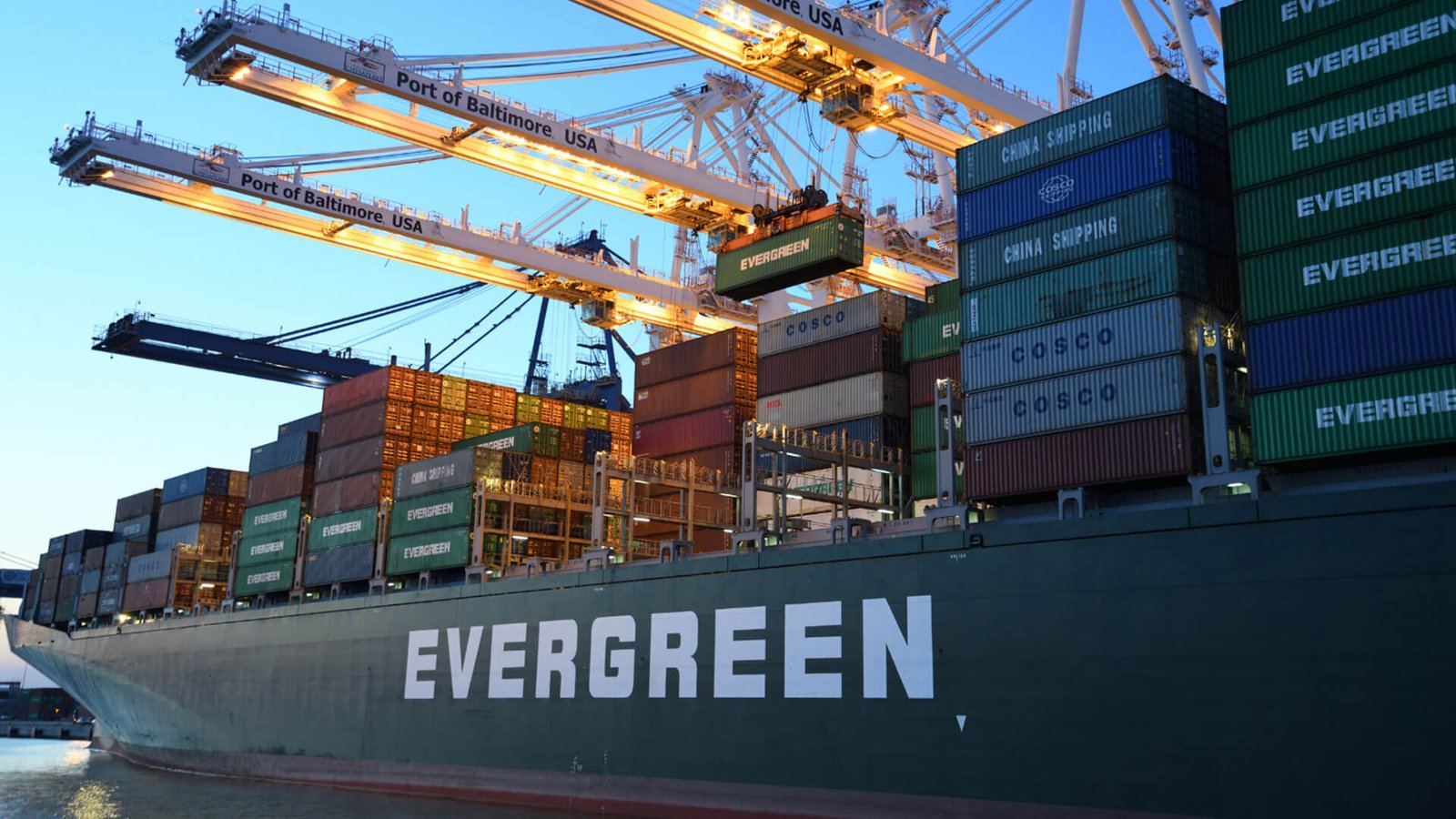
The process is more straightforward than it sounds when handled by an experienced customs broker6. Here is a simple breakdown of the workflow:
- Filing the Warehouse Entry: As your shipment nears the U.S. port, your customs broker6 files a warehouse entry2 (Type 21) with CBP. This declaration signals your intent to store the goods and defer duties.
- Transfer to a Bonded Warehouse: Once CBP authorizes the entry, your cargo is moved from the port to a designated CBP-bonded warehouse4. It is now considered to be under "customs supervision," meaning the warehouse proprietor is liable for the goods under a bond and must maintain strict inventory records for CBP.
- Withdrawal for Consumption: When you're ready to sell or use the goods, your broker files a withdrawal entry11. This can be for the entire shipment or just a portion of it. At this point, duties and taxes are calculated based on the value of the withdrawn goods and paid to CBP. For example, an electronics company might import 10,000 units of a new device. They can withdraw 2,000 units for an initial product launch and pay duty only on those 2,000. An apparel brand can withdraw winter coats in October, not when they arrive in July. This staged release is the core strategic advantage.
When Should Importers Use a Warehouse Entry Instead of a Consumption Entry?
Are you automatically paying duties on all your imports the moment they land? This common practice of using a standard consumption entry12 means you could be unnecessarily hurting your cash flow and missing out on significant strategic advantages.
You should use a warehouse entry2 when you need to defer duty payments, manage seasonal inventory, or handle unpredictable market demand. It is a strategic financial tool13, whereas a consumption entry12 is for goods that are needed for immediate sale or use in the U.S.
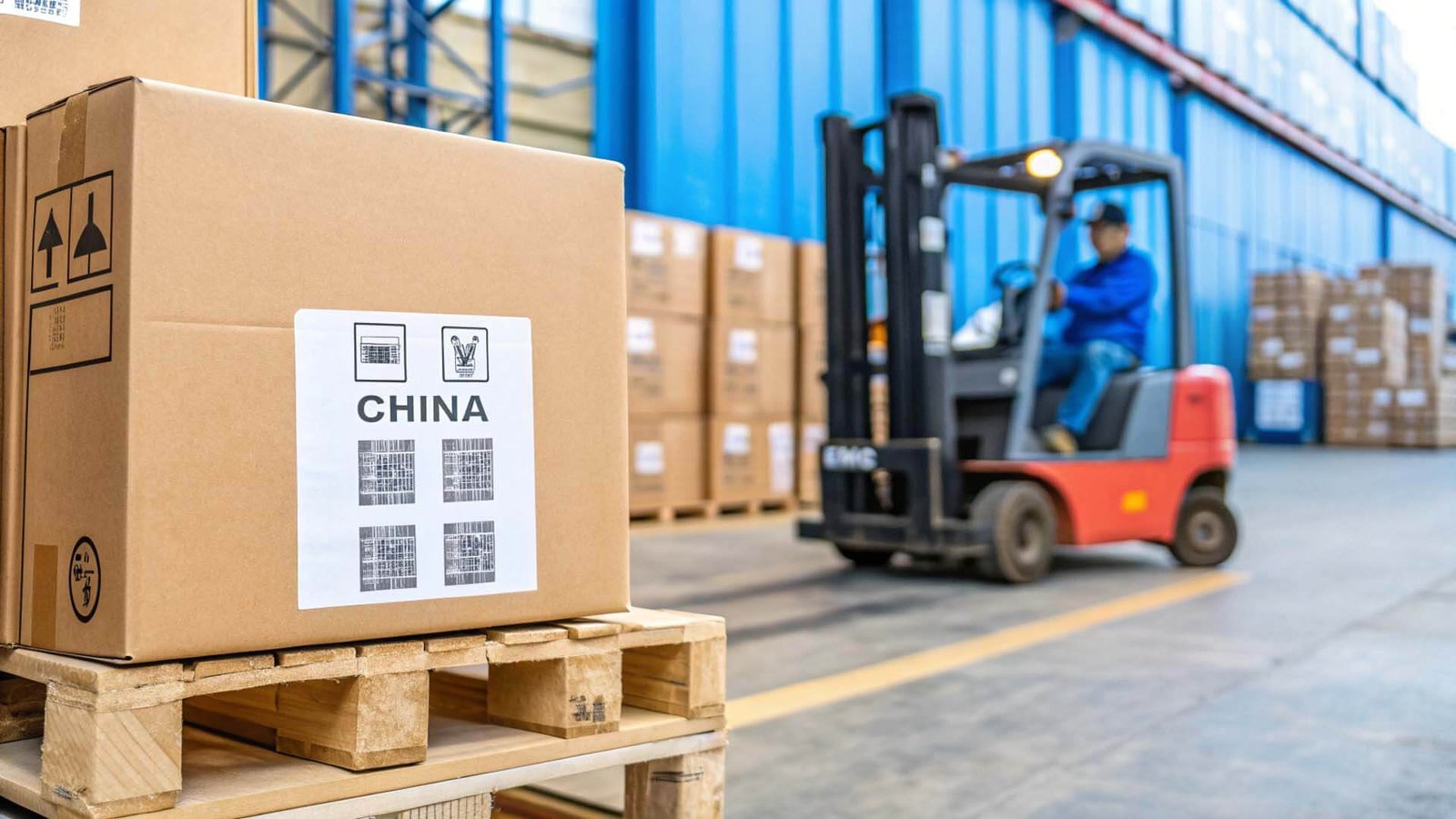
Choosing a warehouse entry2 over a consumption entry12 is not an operational afterthought; it's a financial and strategic decision. A consumption entry12 (Type 01) is the most common type, used when goods are intended for immediate entry into U.S. commerce. With a consumption entry12, you pay all duties and taxes upfront to get the goods released. A warehouse entry2, on the other hand, is designed for situations where immediate release isn't necessary or financially ideal. Here’s how different importers make the decision:
- Apparel importers use it to align duty payments with their selling seasons. They avoid paying duties on an entire year's worth of inventory at once, freeing up capital for marketing and operations.
- Electronics importers use it to manage risk. If they are facing high tariffs on expensive products, they can store goods in a bonded warehouse4 and monitor for any potential changes in duty rates, which are applied at the time of withdrawal, not arrival.
- Bulk goods importers use it for cash-flow optimization. Instead of a massive upfront duty payment on raw materials, they can withdraw and pay for supplies monthly, aligning their costs directly with their production schedule.
What Is the Difference Between a Warehouse Entry and Other U.S. Customs Entry Types?
Feeling overwhelmed by the different customs entry types? Choosing the wrong one can lead to unexpected duty payments, compliance issues, or missed opportunities to improve your cash flow, especially when dealing with DDP shipments14.
The key difference is the timing of duty payment and goods release. A warehouse entry2 defers duty payment and stores goods in a bonded warehouse4. A consumption entry12 requires immediate duty payment for goods to enter U.S. commerce right away.
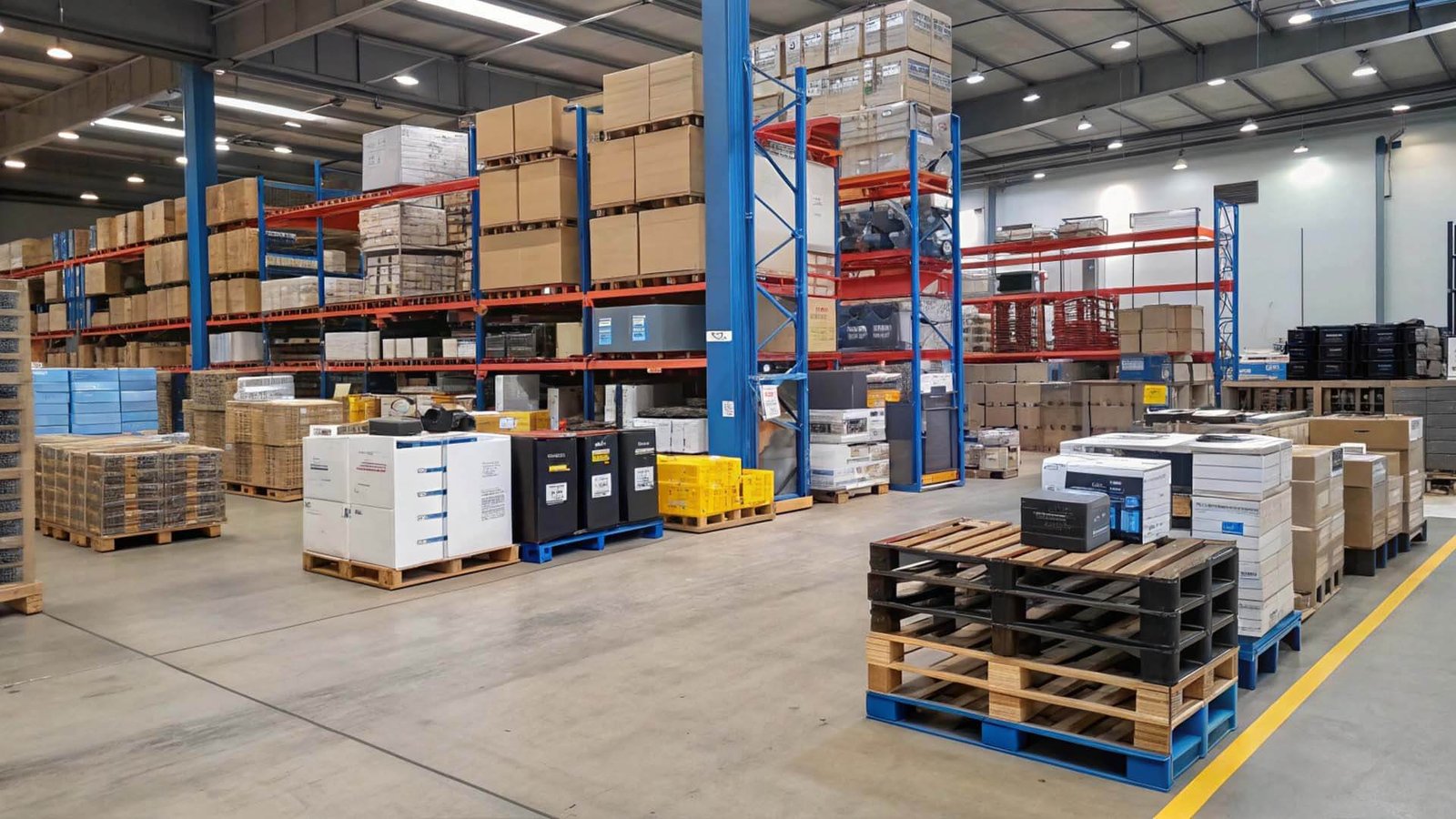
Understanding the primary entry types is crucial for any B2B importer. Let’s compare the main options to make the distinctions clear.
| Entry Type | Purpose | Duty Payment | Goods Release | Best For |
|---|---|---|---|---|
| Warehouse Entry (Type 21) | Duty deferral and inventory management | Paid upon withdrawal from warehouse | To a bonded warehouse4 for storage | Seasonal goods, high-tariff items, bulk materials. |
| Consumption Entry (Type 01) | Immediate entry into U.S. commerce | Paid immediately upon arrival | Directly to the importer/end-user | Goods needed for immediate sale or manufacturing. |
| Immediate Transportation (IT) | Moving goods to another U.S. port for clearance | Paid at the final port of entry | To a bonded carrier for transit | When clearance is more convenient at an inland port. |
For importers using Delivered Duty Paid (DDP)15 terms, the choice of entry type is still critical. Under DDP, the seller is responsible for costs, but the U.S. buyer is often the legal Importer of Record. If your seller's agent defaults to a consumption entry12, you lose all the cash-flow benefits a warehouse entry2 could have provided. It is your responsibility to direct the correct entry strategy.
What Is a Customs Entry Summary (CBP Form 7501)16 for Warehouse Entries?
Worried you're not tracking the final paperwork correctly for your bonded goods? Many importers focus on getting goods into the warehouse but forget about the critical document that finalizes the duty payment and ensures compliance upon withdrawal.
For warehouse entries, the Customs Entry Summary (CBP Form 7501)16 is filed when goods are withdrawn from the bonded warehouse4, not when they first arrive. This withdrawal entry11 triggers the final duty calculation and payment for the specific goods entering U.S. commerce.

The CBP Form 7501 is the master document for all formal entries, providing CBP with the final details on classification, value, and origin. For a standard consumption entry12, this form is filed shortly after arrival. However, the process for a warehouse entry2 is split into two key steps:
- Initial Warehouse Entry: This secures the goods in the bonded facility.
- Warehouse Withdrawal: When you are ready to move goods into the U.S. market, your broker files a new entry—a warehouse withdrawal for consumption—using CBP Form 7501. This is when the final duties are calculated. This distinction is vital for electronics and apparel importers who are sensitive to tariff changes. The duty rate applied is the one in effect on the day of withdrawal, not the day of importation. If you are storing high-tariff goods and the rates are reduced while your products are in the warehouse, you pay the lower rate upon withdrawal, potentially saving thousands. This makes the timing of your withdrawal a powerful strategic tool.
How Long Can Goods Stay Under a Warehouse Entry — and When Are Duties Paid?
Unsure about the time limits for storing goods in a bonded warehouse4? You're concerned about deadlines and exactly when the duty payment obligation is triggered, which directly impacts your financial planning and inventory strategy.
Goods can be stored in a CBP-bonded warehouse4 under a warehouse entry2 for up to five years from the date of importation. Duties are paid only when the merchandise is withdrawn from the warehouse for consumption in the United States.
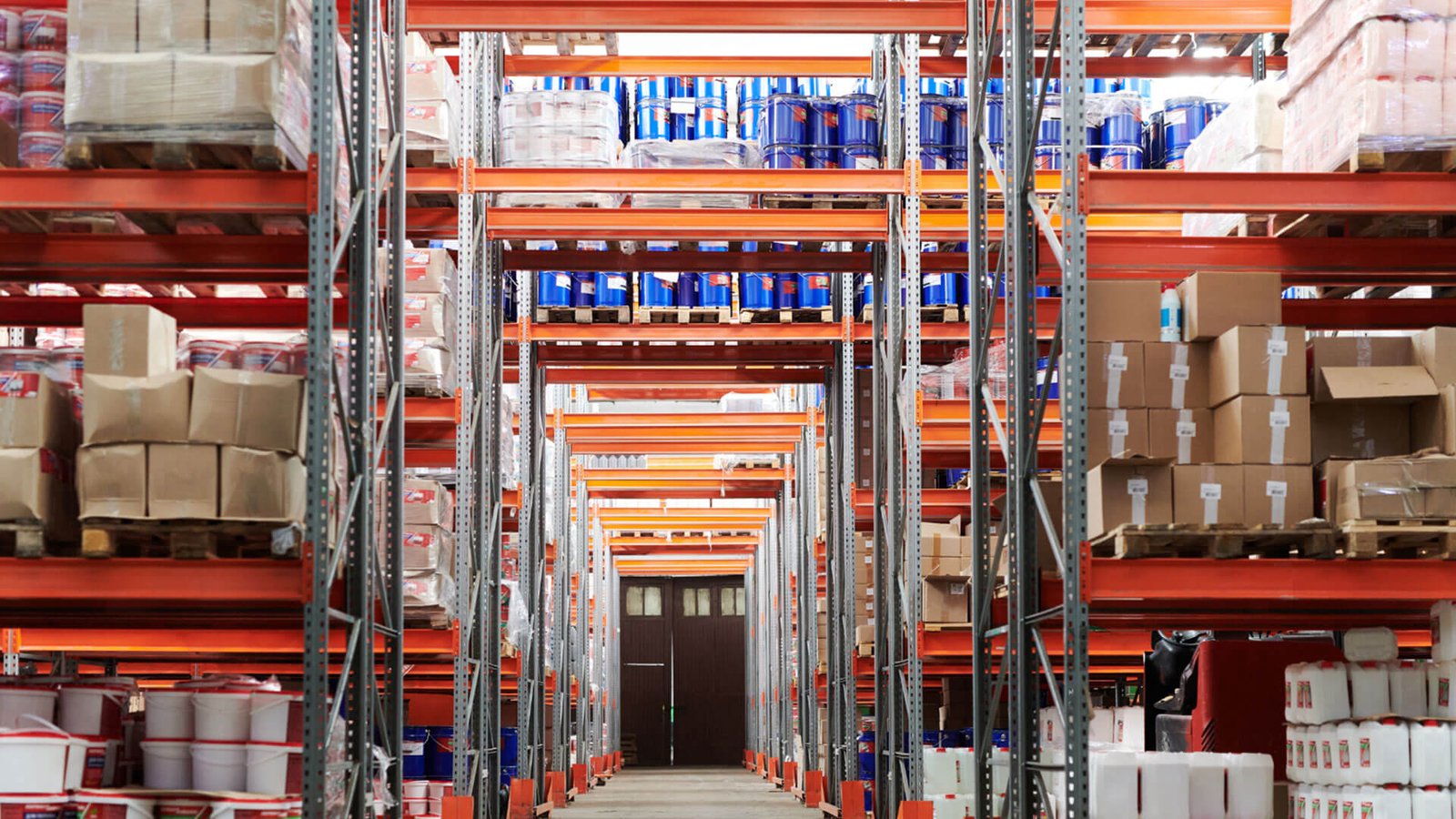
The five-year storage period provides tremendous flexibility for importers. You are not required to withdraw the entire shipment at once. This ability to make partial withdrawals is one of the biggest advantages of a warehouse entry2. For example, an importer of bulk industrial chemicals can bring in a large volume to secure better pricing and then withdraw smaller amounts each month to supply a factory. This transforms a single, large duty payment into a series of smaller, manageable operational costs. The trigger for duty payment is the filing of the warehouse withdrawal for consumption. Once your broker files this withdrawal and CBP accepts it, the duty payment is due. This gives you precise control over your cash flow. For seasonal importers, this means you don't pay for the inventory until just before it hits the shelves. For bulk importers, you pay as you use the materials. This strategic deferral is the primary reason experienced importers rely on warehouse entries to optimize their finances.
What Are the Risks and Common Mistakes With Warehouse Entries?
Think a warehouse entry2 is a risk-free way to delay duties? Many importers overlook the compliance risks17, especially with DDP shipments14, leading to costly penalties, abandoned goods, or a complete loss of the financial benefits they expected.
The most common risks are filing errors, missing the five-year withdrawal deadline, and misunderstanding liability on DDP shipments14. Poor coordination between your broker and the warehouse can also lead to compliance failures, turning a cost-saving strategy into a significant financial burden.
While a warehouse entry2 is a powerful tool, it demands careful management. Here are the mistakes I see most often:
- Filing Errors and Missed Deadlines: An incorrectly filed entry can cause delays. More critically, failing to withdraw or export goods within the five-year limit can result in them being declared abandoned by CBP and potentially auctioned off.
- Poor Coordination: Your customs broker6 and the bonded warehouse4 must be in constant communication. The warehouse's inventory records must be impeccable and ready for CBP audits. Any discrepancy can cause significant problems when you try to withdraw your goods.
- Misunderstanding DDP Responsibility: This is the biggest pitfall. Under DDP terms, your supplier pays for everything, including duties. However, U.S. Customs almost always considers the U.S. buyer to be the legal Importer of Record (IOR)18. This means you are ultimately responsible for the entry's accuracy and compliance. If the seller's freight forwarder makes a mistake on the withdrawal, CBP will hold you liable.
Importer Risk: On a DDP shipment using a warehouse entry2, you are the Importer of Record. Even if your supplier pays the duty, you own the compliance risk. You must ensure your own trusted customs broker6 oversees the process to protect your business.
Conclusion
A warehouse entry is far more than just a storage option; it is a strategic tool for managing cash flow, mitigating tariff risks, and optimizing your supply chain. It empowers electronics, apparel, and bulk-goods importers to control exactly when and how they pay duties.
To succeed, you must integrate your DDP shipping strategy, bonded warehouse selection, and customs brokerage expertise from the very beginning. Proactive planning ensures you can leverage the full financial benefits of duty deferral while protecting your business from compliance risks. This is how smart importers stay ahead.
Understanding how to manage import duties can help you optimize cash flow and reduce upfront costs. ↩
Learn how a warehouse entry can defer duty payments and improve your financial strategy. ↩
Discover the benefits of storing goods in a CBP-authorized bonded warehouse for duty deferral. ↩
Bonded warehouses offer secure storage and duty deferral, crucial for strategic inventory management. ↩
A Type 21 entry allows for duty deferral, providing strategic financial benefits for importers. ↩
A customs broker ensures compliance and smooth processing of warehouse entries, avoiding costly errors. ↩
Duty deferral can significantly improve cash flow by delaying duty payments until goods are needed. ↩
Electronics importers can manage tariff exposure and align product releases with market demand. ↩
Apparel importers align duty payments with selling seasons, optimizing cash flow and inventory management. ↩
Bulk goods importers can transform large duty payments into smaller, predictable expenses, improving cash flow. ↩
A withdrawal entry allows importers to pay duties only on goods withdrawn from a bonded warehouse. ↩
Understanding consumption entries helps importers decide when immediate duty payment is necessary. ↩
Warehouse entries offer financial flexibility and duty deferral, enhancing cash flow management. ↩
DDP shipments can complicate compliance and duty responsibilities, requiring careful management. ↩
DDP terms affect who is responsible for duties and compliance, impacting financial and legal responsibilities. ↩
CBP Form 7501 is crucial for finalizing duty payments and ensuring compliance upon withdrawal. ↩
Understanding compliance risks helps avoid penalties and ensures the financial benefits of warehouse entries. ↩
The IOR is responsible for compliance and duty payments, crucial for legal and financial accountability. ↩