Importing chemicals1 is complex and risky. One mistake with EPA2 or DOT3 rules can lead to seized cargo and massive fines. Let's simplify the essential permits and regulations you need.
Importing chemicals1 into the U.S. requires more than standard customs clearance. You must comply with U.S. Customs4 (CBP), Environmental Protection Agency (EPA2), and Department of Transportation (DOT3) rules before your cargo can be released and transported legally.

I've worked with many U.S. importers like my client Mark. He's detail-oriented and always looking to run his business efficiently. When he first started importing chemicals from China, he hit a wall of regulations he didn't expect. He learned that success isn't just about finding a good supplier; it's about mastering the import compliance process. This guide will walk you through the critical rules so you can avoid the same pitfalls.
How Do You Import Chemicals Into the United States?
Think importing chemicals is like general cargo? That mistake can get your shipment flagged and held by multiple agencies. Know the unique requirements to avoid costly delays and inspections.
Importing chemicals1 into the U.S. requires more than standard customs clearance. Importers must comply with U.S. Customs4 and Border Protection (CBP) entry rules, Environmental Protection Agency (EPA2) chemical regulations, and Department of Transportation (DOT3) hazardous materials requirements before cargo can be released or transported.
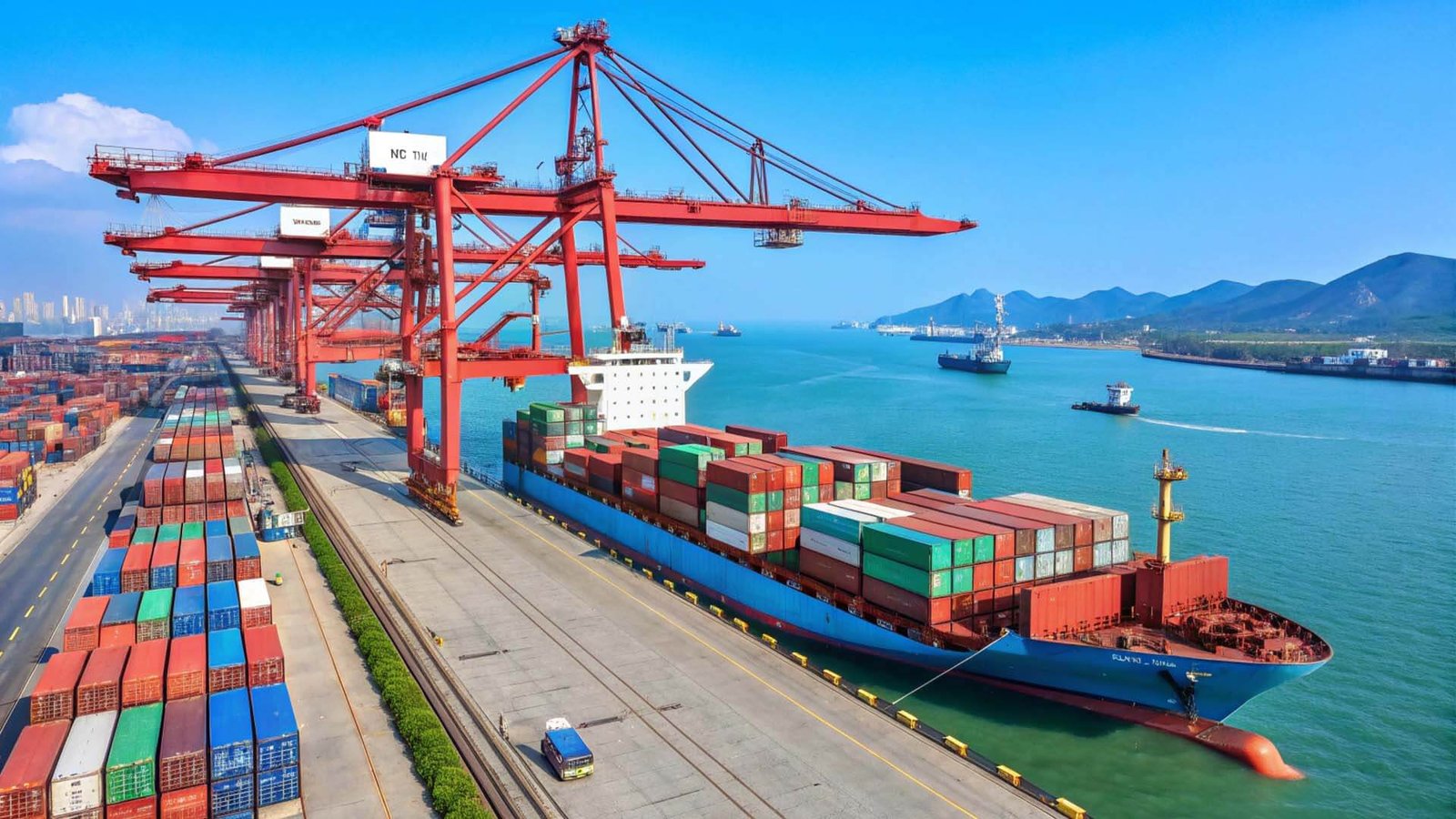
When you import chemicals, you take on a higher level of responsibility. As the Importer of Record (IOR), you are legally responsible for ensuring the shipment meets all U.S. laws. This goes far beyond just paying duties. The process starts with the correct Harmonized System (HS) code. Chemical HS codes often have flags in the customs system. These flags automatically notify Partner Government Agencies (PGAs) like the EPA2 that a regulated product is entering the country. This is why chemical shipments face multi-agency review. It is a system designed to protect public health and the environment. I remember a client who tried to use a general HS code for a new solvent to save a little on duties. CBP's system flagged the shipment based on the cargo description anyway. The shipment was held for weeks while we rushed the correct EPA2 and TSCA paperwork. It was a costly lesson.
Here is a simple breakdown of the differences:
| Feature | General Cargo (e.g., T-shirts) | Regulated Chemicals |
|---|---|---|
| Primary Agency | CBP | CBP, EPA2, DOT3, and sometimes others |
| Key Document | Commercial Invoice | Commercial Invoice, SDS, TSCA Certification |
| Entry Process | Standard customs filing | Customs filing with PGA data |
| Risk of Delay | Low to moderate | High, if compliance is incorrect |
How Are Chemicals Regulated in the United States?
Your chemical is legal to sell in another country. So, you assume it's fine for the U.S. market. Then, the EPA2 blocks your import, and you're stuck. Understand TSCA first.
Chemicals imported into the U.S. are regulated primarily under the Toxic Substances Control Act5 (TSCA), which authorizes the EPA2 to control which chemicals may enter U.S. commerce. Additional transportation and safety rules apply when chemicals are classified as hazardous materials.
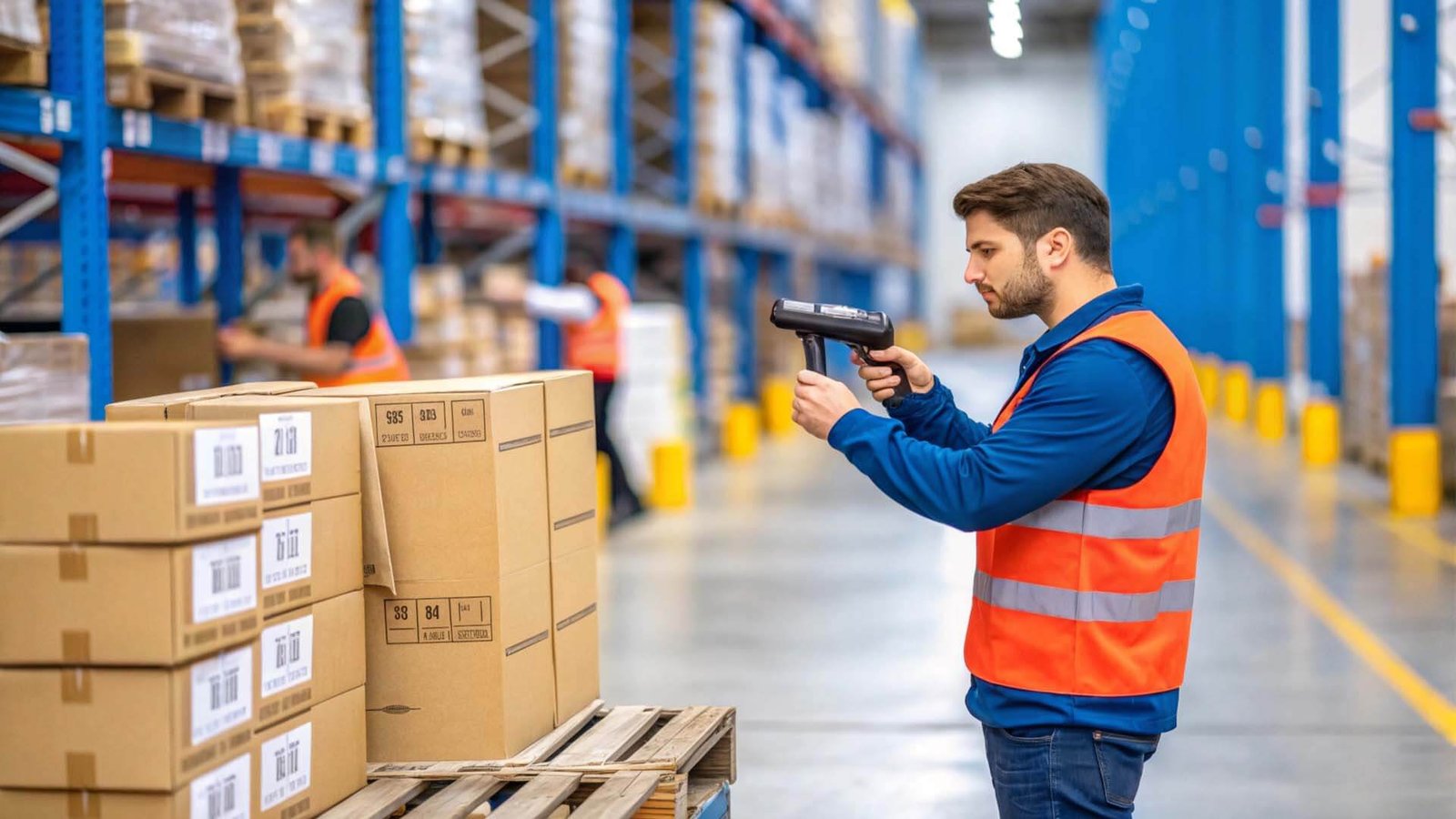
The main law you need to know is the Toxic Substances Control Act5, or TSCA. This law gives the Environmental Protection Agency (EPA2) the authority to track, test, and regulate all chemicals sold in the U.S. The core of TSCA is the TSCA Chemical Substance Inventory6. This is a list of over 86,000 existing chemicals. If your chemical is on this list, you can generally import it, provided you file the correct certification. If your chemical is not on the Inventory, it is considered a "new chemical." You cannot import a new chemical for commercial purposes without first submitting a Premanufacture Notice7 (PMN) to the EPA2. This is a complex and expensive process. Many importers make the mistake of assuming a chemical that is legal in Europe or Asia is automatically legal in the U.S. This is not true. Each country has its own list and its own rules. Failing to comply with TSCA can lead to huge civil penalties, potentially over $40,000 per day, per violation.
Who Regulates Chemical and Hazmat Imports in the U.S.?
You filed your customs entry perfectly. But your chemical shipment is still on hold, and you don't know who to call. Knowing the role of each agency is crucial.
Chemical imports into the U.S. are regulated by multiple agencies, including U.S. Customs4 and Border Protection (CBP), the Environmental Protection Agency (EPA2), and the Department of Transportation (DOT3). Each agency enforces different compliance requirements at different stages of the import process.
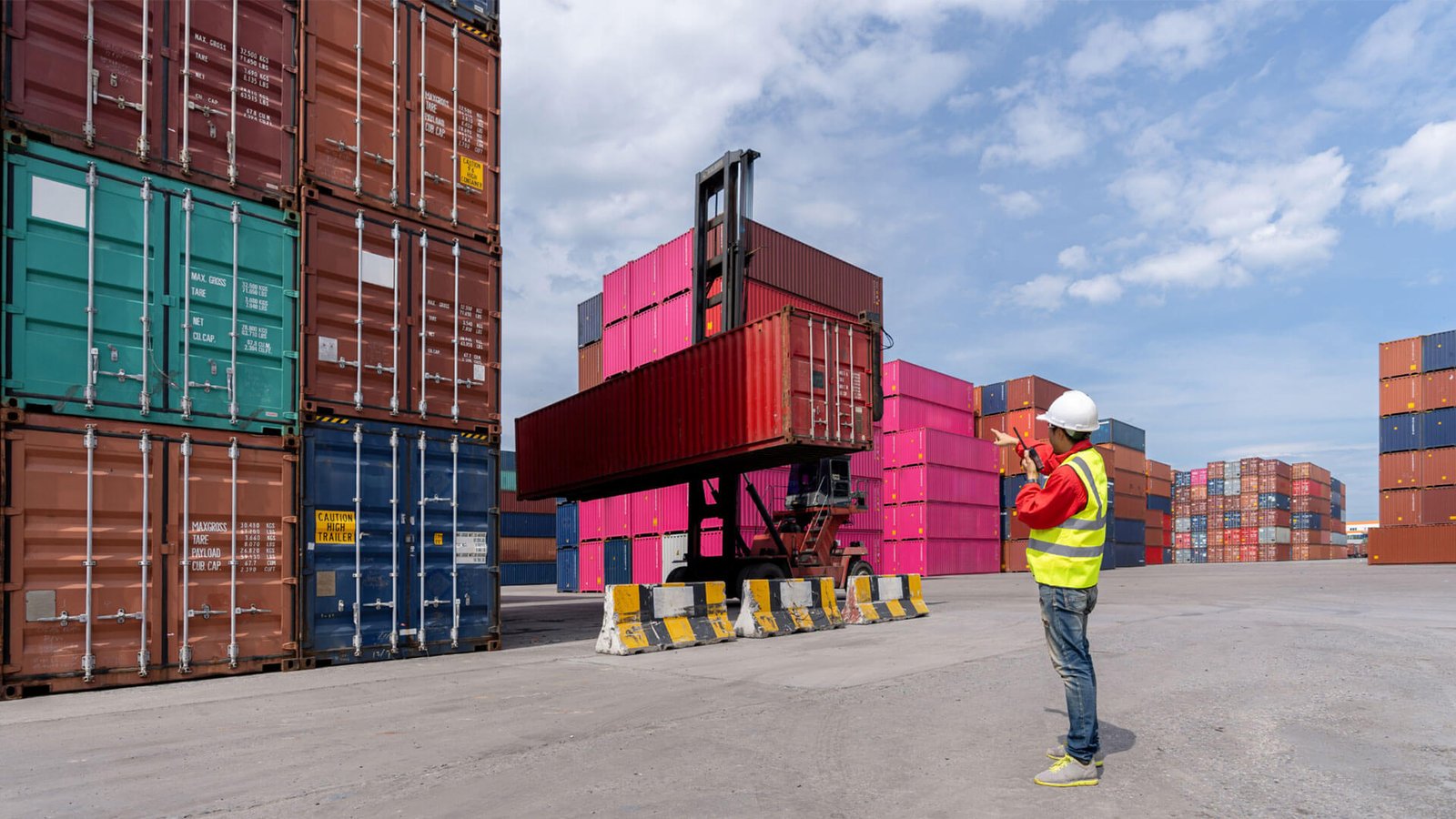
At least three major government agencies will have a hand in your chemical import. Understanding who does what is key to resolving problems quickly. It's a team effort, and each one has a specific job.
U.S. Customs4 and Border Protection (CBP)
CBP is the gatekeeper. They are stationed at every port of entry. Their primary job is to assess duties and ensure that no illegal goods enter the country. For chemicals, they act as the enforcement arm for other agencies. If the EPA2 puts a hold on your shipment, it is CBP officers who will physically stop it from leaving the port. They verify all paperwork and have the authority to inspect, sample, and seize any shipment that does not comply with U.S. laws.
Environmental Protection Agency (EPA2)
The EPA2 is focused on environmental and health safety. Their main concern for your import is TSCA compliance. When your customs broker files the entry, they also transmit the TSCA certification data to the EPA2. The EPA2's system reviews this information. If the chemical is not on the TSCA Inventory or the certification is missing, the EPA2 will flag the shipment and instruct CBP to hold it.
Department of Transportation (DOT3)
The DOT3's job is to ensure safe transportation on U.S. roads, rails, and waterways. Their rules, known as the Hazardous Materials Regulations8 (HMR), apply if your chemical is classified as a hazmat. They don't typically get involved at the port of entry, but their regulations on packaging, labeling, and documentation must be met before your shipment can be picked up by a trucker.
In some cases, the FDA may be involved if the chemical is for food or drug use, or the DEA if it is a precursor chemical.
What Permits Are Required to Import Chemicals Into the U.S.?
You're searching everywhere for a "chemical import license" to fill out. But you can't find one, and the shipping deadline is near. You're looking for the wrong document.
Most chemical imports do not require a traditional “import license,” but they do require mandatory certifications and regulatory filings. The most common requirement is TSCA import certification, along with agency-specific permits for controlled or restricted substances.

Many importers get stuck looking for a single "import permit" for chemicals. In most cases, such a document does not exist. Instead, compliance is based on declarations and, for certain products, specific agency licenses. It is better to think of it in two categories.
First is the general regulatory authorization. The most important one is the TSCA Import Certification. This is not a pre-approved license. It is a statement you, the importer, provide to your customs broker for every single chemical shipment. You are certifying that the shipment complies with all applicable TSCA rules. You can make a "positive" certification, stating the chemical is subject to TSCA and complies, or a "negative" certification, stating it is not subject to TSCA (for example, a pesticide, which is regulated under a different law).
Second are the agency-specific controlled permits. These are true licenses required for a small subset of highly regulated chemicals. For example, if you are importing precursor chemicals that could be used to make illegal drugs, you will need a specific import permit from the Drug Enforcement Administration (DEA). These permits require a detailed application and background check.
| Type of Authorization | What It Is | Example |
|---|---|---|
| General Regulatory Filing | A declaration of compliance made for each shipment. | TSCA Import Certification |
| Specific Agency Permit | A pre-approved license to handle a controlled substance. | DEA Permit to Import |
How to Get a U.S. Chemical Import Permit or Approval (Step-by-Step)?
You know compliance is necessary, but the exact steps are unclear. Missing just one can create a domino effect of costly delays. Follow this step-by-step process for a smooth import.
To legally import chemicals into the U.S., companies must first confirm the chemical’s regulatory status, submit required EPA2 certifications, and file accurate customs entry data through CBP. Missing or incorrect filings commonly lead to shipment holds or refusals.
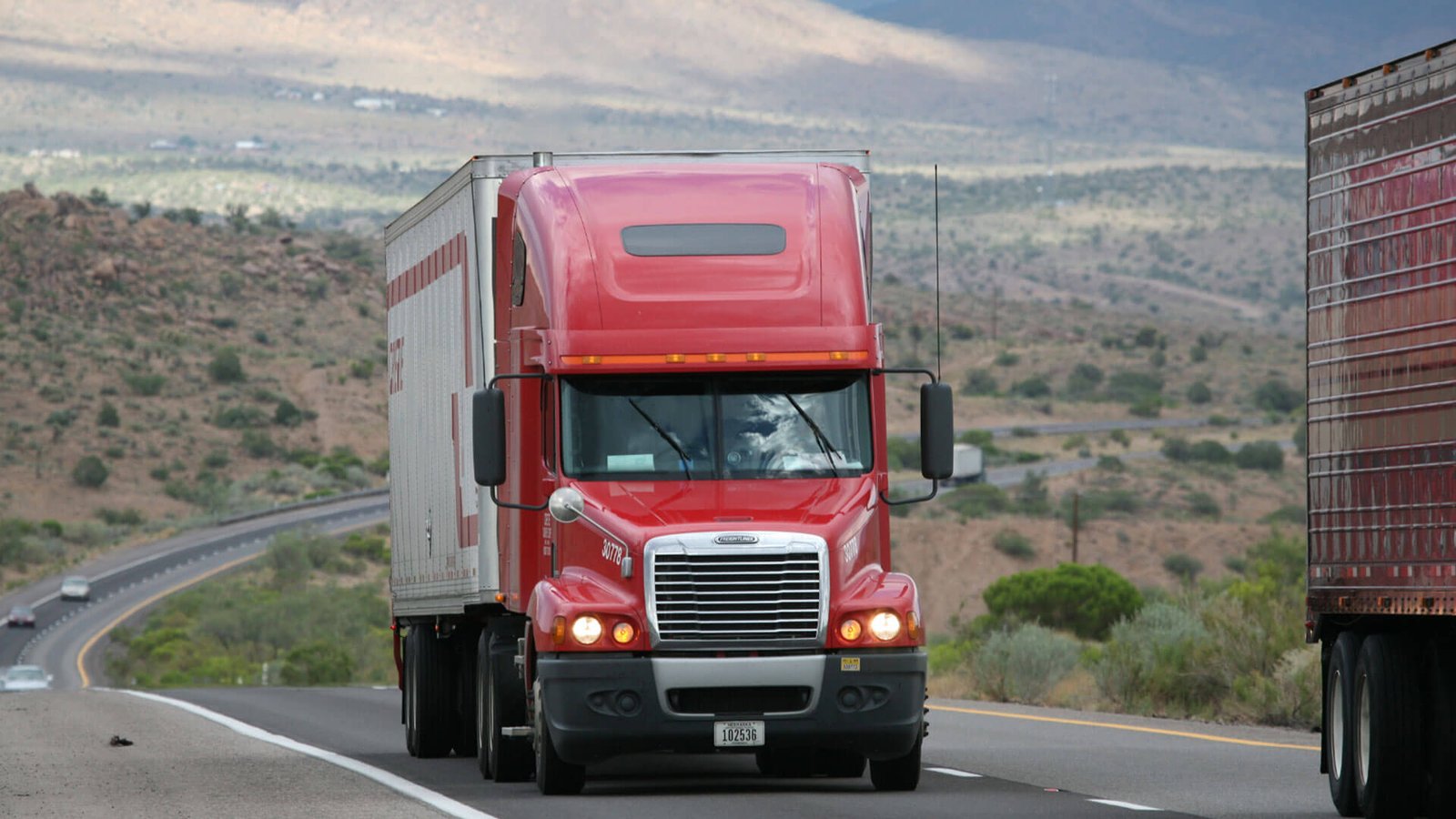
Bringing chemicals into the U.S. legally follows a clear, repeatable process. Skipping any of these steps is where importers get into trouble. I guide my clients through this process every day to ensure their shipments clear without issues.
-
Identify Chemical Composition and CAS Number. Everything starts here. You must know the exact chemical identity and Chemical Abstracts Service (CAS) number for every substance in your product. Vague descriptions are a major red flag for CBP.
-
Confirm TSCA Inventory Status. This is the most critical step. Using the CAS number, you or your broker must check the public TSCA Inventory on the EPA2's website. This check determines if you can import the chemical with a standard certification or if it's a "new chemical" requiring EPA2 review.
-
Prepare a Safety Data Sheet9 (SDS). Your supplier must provide a U.S.-compliant SDS. This document contains the information needed for customs classification, EPA2 reporting, and hazmat declarations.
-
Submit TSCA Certification. You must provide a signed statement to your customs broker declaring the shipment's TSCA compliance status. The broker then transmits this information to CBP and the EPA2 electronically with the customs entry.
-
File CBP Entry and Secure an Import Bond. Your broker files the formal entry documents (CBP Form 7501). You must also have a continuous customs bond in place, which is a financial guarantee to the government that you will pay all duties and follow all laws.
-
Retain All Records. You must keep all documents related to the import for at least five years. This includes the commercial invoice, SDS, bill of lading, and TSCA certification. CBP or the EPA2 can request these records during an audit.
What Hazmat Rules Apply When Importing Chemicals?
Your chemical shipment cleared customs. But now, the trucking company refuses to pick it up, citing hazmat violations. Customs clearance and transport compliance are two separate, critical steps.
When imported chemicals meet hazardous material criteria, they must comply with U.S. Hazardous Materials Regulations8 (49 CFR). These rules govern classification, packaging, labeling, documentation, and employee training for chemical shipments entering the U.S.

Getting your chemicals cleared by CBP is only half the battle. If your product is a hazardous material, it must also comply with the Department of Transportation's (DOT3) rules before it can be moved from the port. These regulations are found in Title 49 of the Code of Federal Regulations (49 CFR). The shipper is responsible for ensuring compliance before the container is even loaded in China.
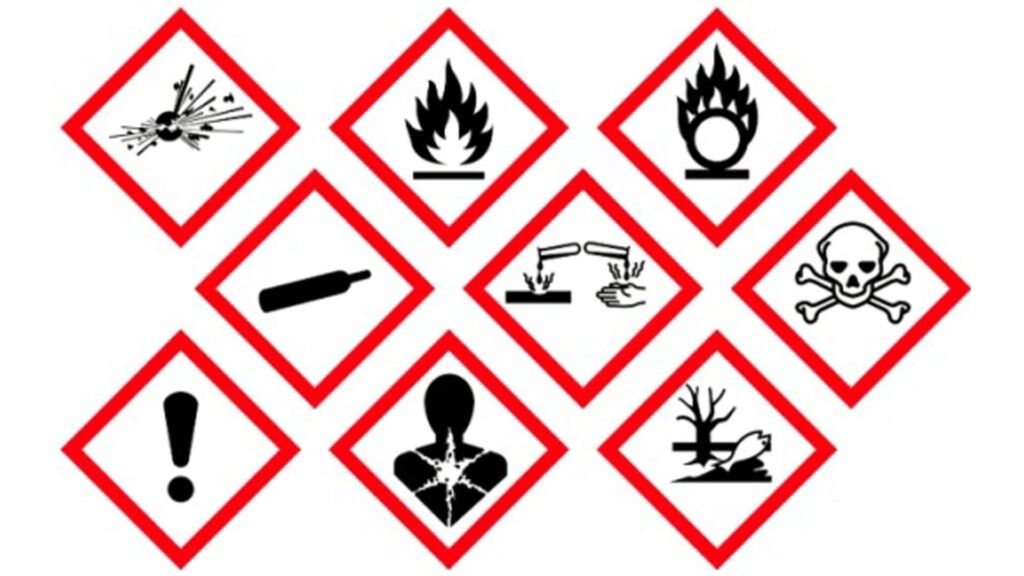
First, the chemical must be properly classified according to its hazards. The DOT3 uses nine hazard classes, such as Class 3 for flammable liquids or Class 8 for corrosive materials. This classification determines everything else.
Based on the class, the chemical must be in UN-specification packaging that has been tested to withstand transport conditions. Each package must have diamond-shaped hazard labels and proper shipping names. The shipping container itself must have large placards on all four sides to warn emergency responders of the contents.
A key document is the Dangerous Goods Declaration10 (DGD). This form, prepared by the shipper, details the chemical's classification, packaging, and quantity. Finally, and this is often missed, any employee involved in preparing or transporting hazmat shipments must have certified training. This includes office staff who only handle paperwork.
Are Any Chemicals Prohibited or Restricted From Importing Into the U.S.?
You found a great deal on a chemical from a new supplier. You import it, only to have CBP seize the shipment because it's banned. Always verify a chemical's status first.
Certain chemicals are prohibited or restricted from entering the United States due to environmental, health, or national security concerns. Importing restricted substances without proper authorization can result in seizure, penalties, or criminal liability.

While most chemicals on the TSCA Inventory can be imported, some are completely banned or heavily restricted. You must do your research before placing an order, because importing a prohibited substance can lead to seizure of the goods and severe penalties.
The EPA2 explicitly bans the import of certain chemicals under TSCA Section 6, such as Polychlorinated Biphenyls (PCBs) and most uses of asbestos. The list is not long, but the consequences are absolute.
More common are restrictions. The EPA2 can issue a Significant New Use Rule11 (SNUR) for a chemical. This means the chemical is on the Inventory, but it is restricted to specific, existing uses. If you want to import it for a "new use" not covered by the SNUR, you must notify the EPA2 first. This is a common trap for B2B importers bringing in chemicals for new industrial applications.
Additionally, the DEA heavily restricts precursor chemicals that can be diverted to make illegal drugs. You need a specific DEA permit for these.
Common red flags that will trigger a CBP exam include:
- Vague cargo descriptions like "industrial chemicals" or "cleaning solution."
- Shipping documents that do not match the Safety Data Sheet.
- Shipments coming from countries known for illegal transshipment.
How Much Does It Cost to Import Chemicals Into the U.S.?
You calculated your freight and duty costs to the dollar. But then, unexpected compliance fees and hazmat surcharges destroy your profit. You must budget for the full cost of compliance.
The cost of importing chemicals extends beyond freight charges and customs duties. Importers must budget for regulatory compliance, testing, documentation, hazmat handling, and ongoing recordkeeping.

When my client Mark plans his imports, he knows to budget for more than just the product and shipping. The true cost of importing chemicals includes several compliance-related fees that are easy to overlook but can significantly impact your bottom line.
- Customs Bond: All commercial imports require a bond. A continuous bond is usually the most cost-effective option for regular importers, costing a few hundred dollars per year.
- Broker & Compliance Fees: Filing a customs entry for chemicals is more complex than for general goods. It involves PGA data submission. Expect to pay a higher fee to a customs broker who specializes in chemical compliance.
- TSCA Review or PMN Costs: If you are importing a "new chemical," the cost of preparing and submitting a Premanufacture Notice (PMN) to the EPA can be very high, often running into tens of thousands of dollars for testing and consulting.
- Hazmat Surcharges: If your chemical is hazardous, expect surcharges from the ocean carrier, the port terminal, and the trucking company. They charge more for the special handling and liability involved.
- Training and Internal Compliance: Don't forget the internal costs. Your staff needs certified hazmat training, which must be renewed every few years. There is also the cost of the time your team spends managing documents and overseeing the compliance process.
Best Practices for B2B Chemical Importers?
Are you constantly reacting to customs holds and compliance issues? This reactive approach wastes money and hurts your reputation. A proactive strategy prevents these problems before they ever start.
Successful chemical importers treat regulatory compliance as a core business function, not an afterthought. Early classification, documentation accuracy, and working with experienced customs and hazmat partners significantly reduce risk and delays.

Over the years, I've seen what separates successful chemical importers from those who constantly struggle with delays and fines. The successful ones are proactive. They build compliance into their business process from the very beginning. They don't see it as a cost, but as a way to protect their profit and supply chain.
Here are the best practices I recommend to all my B2B clients:
- Pre-Import Regulatory Screening. Do not issue a purchase order until you have the CAS number and have verified the chemical’s status on the TSCA Inventory. This single step prevents 90% of potential EPA problems.
- SDS Validation Before Booking. Get the Safety Data Sheet from your supplier and have an expert review it before you book freight. An incomplete or non-compliant SDS will cause problems with customs and transportation providers.
- Coordinate Your Broker and Forwarder. Use a customs broker and a freight forwarder who both specialize in chemicals. Ensure they communicate with each other to align the customs and hazmat declarations.
- Maintain Audit-Ready Documentation. Keep a digital file for every import shipment with all the key documents: commercial invoice, SDS, bill of lading, TSCA certification, and customs entry summary. You must be able to produce these immediately if CBP or the EPA audits you.
- Avoid "Low-Value" Shortcuts. Trying to save a few dollars by using an inexperienced broker or misclassifying a product is the fastest way to get a multi-thousand-dollar penalty. Investing in expert compliance partners always pays off.
Conclusion
Importing chemicals requires careful planning around CBP, EPA, and DOT rules. Proactive compliance is not just about avoiding fines; it is a smart business strategy for protecting your supply chain.
Understanding the regulations is crucial to avoid costly mistakes and ensure compliance. ↩
The EPA's regulations are vital for ensuring environmental safety and compliance in chemical imports. ↩
DOT regulations are essential for safe transportation of chemicals and avoiding legal issues. ↩
U.S. Customs plays a key role in enforcing compliance and preventing illegal imports. ↩
TSCA is fundamental for regulating chemicals in the U.S. and ensuring public safety. ↩
This inventory is crucial for determining if a chemical can be imported legally. ↩
A PMN is necessary for importing new chemicals and avoiding legal issues. ↩
These regulations ensure safe handling and transport of hazardous chemicals. ↩
An SDS is critical for compliance and safety in chemical handling and transport. ↩
A DGD is essential for compliance when transporting hazardous materials. ↩
SNURs can restrict the use of chemicals, impacting import decisions. ↩