Importing perishable avocados presents huge risks. A single compliance error can lead to costly delays, spoilage, and total loss of your cargo. Are you prepared for the strict regulations involved?
To legally import avocados into the U.S., you must comply with rules from the USDA, FDA, and CBP. This involves securing a phytosanitary certificate1, filing FDA Prior Notice2, obtaining a customs bond3, and ensuring the shipment passes agricultural inspections4 upon arrival before it can be cleared.
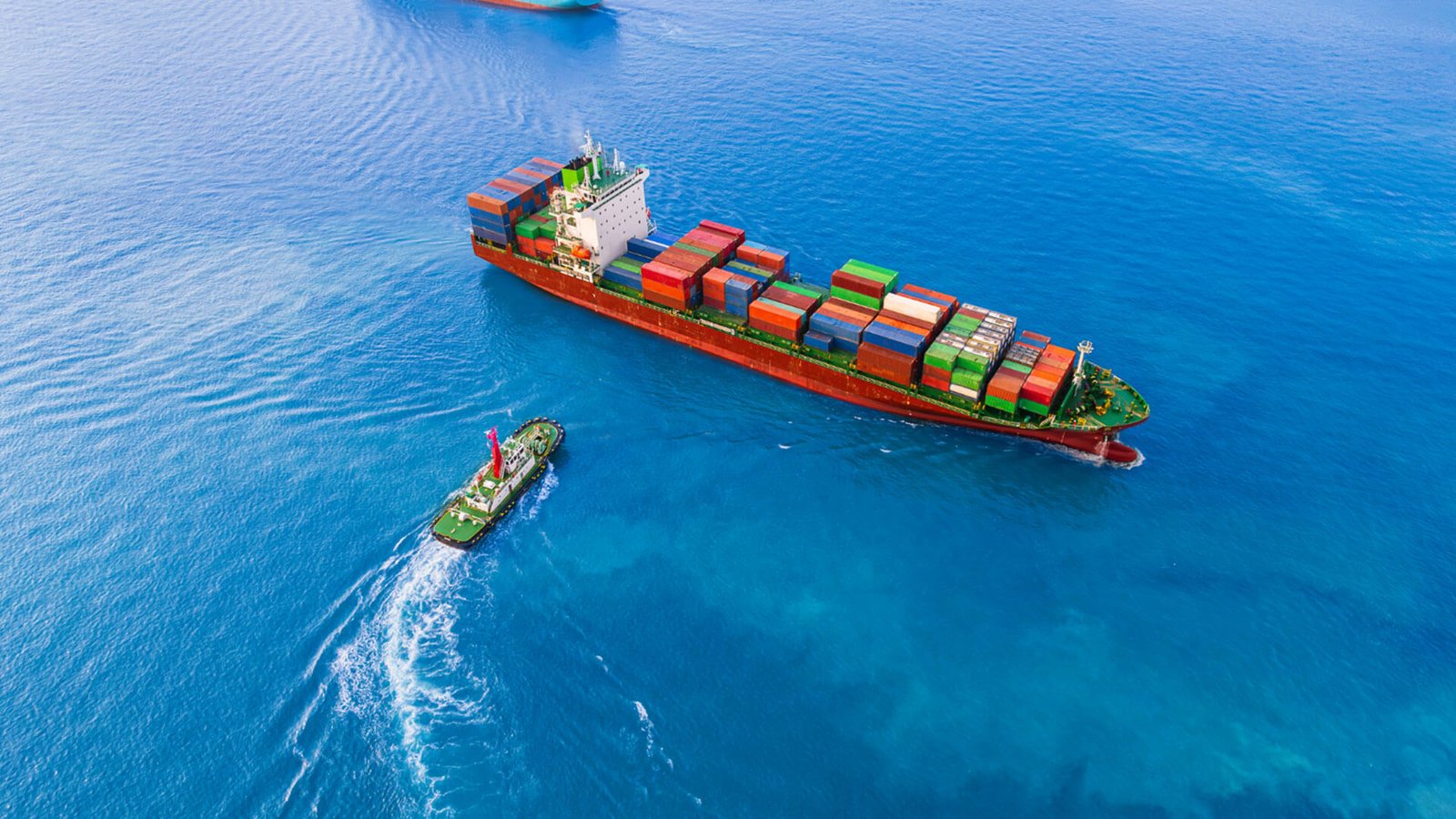
Navigating the import process for fresh produce like avocados requires careful planning and a deep understanding of federal regulations. I have seen many importers face setbacks because they overlooked a critical step. The journey from a foreign farm to a U.S. distribution center is complex. It involves multiple government agencies, precise documentation, and a zero-tolerance policy for pests or food safety5 issues. Let's break down exactly what you need to do to ensure your avocado shipment clears customs smoothly and successfully.
Where Does the United States Import Avocados From?
Sourcing avocados without a clear plan for seasonality and logistics can disrupt your entire supply chain6. Different countries have unique risks and transit times. Do you know how origin impacts your costs?
The United States primarily imports avocados from Mexico, which supplies the market year-round. Other major commercial sources include Peru, Colombia, and Chile, which fill seasonal supply windows. Your sourcing country directly impacts transit time, cold-chain risk7, USDA inspection protocols, and final DDP costs.

When I work with clients, the first thing we discuss is the country of origin. This isn't just about finding a supplier; it's about building a resilient supply chain6. Mexico is the dominant player due to its proximity and year-round production, which allows for shorter transit times via truck. This reduces cold-chain risk7 compared to ocean freight from South America. Shipments from Peru, Colombia, and Chile are vital for keeping shelves stocked, but they require longer sea voyages. This increases the potential for temperature fluctuations8 and spoilage. The origin also dictates the specific USDA APHIS9 inspection requirements. Certain pests are more prevalent in some regions, leading to stricter protocols for avocados from those areas. All these factors—transit time, logistics method10, and inspection intensity—are built into a reliable Delivered Duty Paid (DDP) cost structure. Understanding this helps you plan inventory and manage costs effectively.
| Country of Origin | Typical Seasonality | Primary Logistics Method | Key Considerations |
|---|---|---|---|
| Mexico | Year-round | Truck | Short transit, high volume, USMCA benefits |
| Peru | May - September | Ocean Freight | Longer transit, significant cold-chain risk7 |
| Colombia | Year-round (peaks) | Ocean Freight | Growing supplier, requires careful logistics planning |
| Chile | September - March | Ocean Freight | Established supplier, faces South American transit risks |
What Government Agencies Regulate Avocado Imports Into the U.S.?
Many importers think only about customs when shipping goods. With avocados, three different federal agencies are watching your every move. Are you ready to satisfy all of their requirements?
Fresh avocado imports are regulated by three main U.S. government agencies. The USDA's APHIS division checks for pests and diseases, the FDA ensures food safety5 and requires Prior Notice, and Customs and Border Protection (CBP) enforces all import laws, collects duties, and clears the shipment.

I often explain to new importers that bringing food into the U.S. is a multi-layered process. You are not just dealing with one gatekeeper. First, the U.S. Department of Agriculture (USDA) and its Animal and Plant Health Inspection Service (APHIS) are your primary hurdle. Their mission is to protect American agriculture from foreign pests and diseases. They will inspect your avocados to ensure they are free from any prohibited threats. Second, the Food and Drug Administration (FDA) steps in. The FDA is concerned with food safety5 for human consumption. You must be registered with the FDA as a Food Facility and file a Prior Notice (PN) for every single shipment before it arrives. Failure to file PN is a common and costly mistake. Finally, U.S. Customs and Border Protection (CBP) is the agency that grants final entry. CBP ensures all duties are paid, all documents from other agencies are in order, and all import laws are met. These three agencies work together, and a problem with one can stop your entire shipment.
What Permits, Registrations, and Documents Are Required to Import Avocados?
Entering the U.S. market without the correct paperwork is impossible. A missing document can lead to seizure and destruction of your perishable cargo. Do you have your compliance checklist11 ready?
To import avocados, you must be the Importer of Record (IOR), have an FDA Food Facility Registration, and file FDA Prior Notice2. Key documents include a Phytosanitary Certificate from the origin country, a commercial invoice12, a packing list13, and a valid U.S. customs bond3.

Let's walk through the essential paperwork. First, you need to be established as the Importer of Record (IOR). This is the person or entity responsible for the import. Next is your FDA Food Facility Registration, which is mandatory for any facility that manufactures, processes, packs, or holds food for U.S. consumption. Before your avocados even leave the port of origin, you must submit a Prior Notice (PN) to the FDA, detailing the shipment. The most critical document from your supplier is the Phytosanitary Certificate. This is issued by the plant protection organization of the exporting country and certifies that the avocados are free from pests. Along with this, you need standard commercial documents: a commercial invoice12 detailing the transaction and a packing list13 specifying the contents. Finally, you must have a continuous customs bond3 filed with CBP. This bond acts as an insurance policy for the government, guaranteeing that all duties and taxes will be paid. Without this bond, your shipment will not be released.
What Is the Import Duty and HTS Code for Avocados?
Guessing your product's HTS code14 is a recipe for disaster. Misclassification can lead to unexpected duty bills and significant port delays. Do you know the correct code for your avocados?
Fresh avocados are classified under HTS code14 0804.40.00. The import duty15 for avocados from most countries is a specific rate per kilogram. However, avocados from Mexico may qualify for duty-free entry under the USMCA trade agreement16 if they meet the rules of origin.

The Harmonized Tariff Schedule (HTS) code is how CBP identifies your product and determines the duty owed. For fresh or chilled avocados, the code is 0804.40.00. It is crucial to distinguish this from processed avocado products like guacamole or frozen avocado, which fall under different codes with different duty rates. While a duty rate exists, many importers benefit from trade agreements. For example, avocados originating from Mexico are typically duty-free under the United States-Mexico-Canada Agreement (USMCA), provided you have the proper certification. I always stress the importance of correct classification because a mistake can be devastating for perishables. If CBP flags your entry for a classification error, your avocados will be held for review. This delay can last days, and in the world of fresh produce, that is long enough for your entire shipment to spoil. DDP shipping provides clarity here, as the final price includes the correctly calculated duty, removing the risk of unexpected costs.
Who Are the Largest Commercial Importers of Avocados in the U.S.?
The U.S. avocado market is dominated by large, established players. These companies don't succeed by chance; they master logistics and compliance. What can you learn from their operations?
The largest commercial importers of avocados in the U.S. are major produce distributors, wholesalers, and food service suppliers. These companies leverage economies of scale, sophisticated cold chains, and dedicated compliance teams to manage risk and ensure a consistent supply to grocery chains and restaurants.
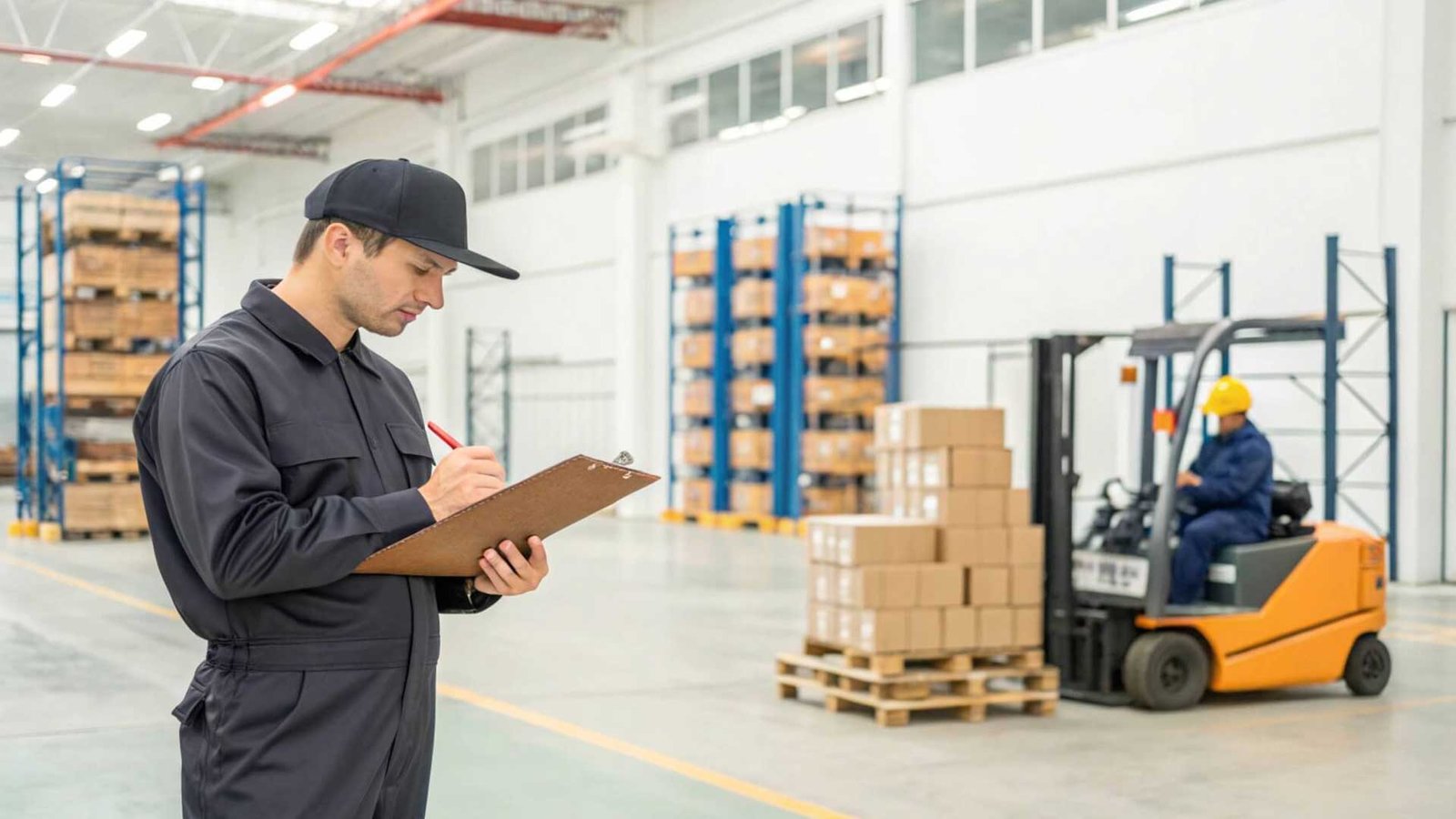
When we look at the major players in the avocado import market, we see companies that have perfected their supply chain6s. These are not small-time traders; they are large-scale distributors who supply the nation's biggest grocery stores and restaurant chains. Their success is built on two pillars: operational efficiency and regulatory mastery. They have robust cold-chain logistics to move massive volumes of avocados from farm to warehouse with minimal spoilage. They also have in-house experts or dedicated customs brokers who handle the complex web of USDA, FDA, and CBP regulations. Their scale allows them to negotiate better freight rates and build resilient systems to handle inevitable disruptions, like a delayed inspection or a port slowdown. For a new or growing importer, the lesson is clear: you must prioritize compliance and logistics with the same intensity as the industry leaders. Trying to cut corners in these areas is the fastest way to fail.
Is Importing Avocados Profitable for U.S. Importers?
Many see the high demand for avocados and assume it's an easy path to profit. But high demand comes with high risks that can erase your margins overnight. Is it truly a profitable venture?
Importing avocados can be highly profitable, but margins depend entirely on managing risk. Profitability is eroded by spoilage from cold-chain failures, customs holds due to compliance errors, and unexpected inspection fees. Predictable costs, not just low freight rates, are the key to success.

I have seen importers make a fortune and I have seen others lose their entire investment on a single shipment. The difference always comes down to risk management. The potential profit margin on avocados is attractive, but it is extremely fragile. Your biggest enemies are time and temperature. A cold-chain failure, where the container's temperature rises even slightly for too long, can ruin the product. A customs delay is just as dangerous. If your shipment is held by the FDA for a random exam or by the USDA for an intensive pest inspection, your avocados are sitting in a container, aging. Every day of delay reduces their shelf life and market value. This is why focusing only on the cheapest freight quote is a mistake. A reliable logistics partner17 who guarantees a smooth, predictable journey is far more valuable. Your profit is not made on the purchase price; it is preserved through flawless execution.
Why DDP Shipping Is Critical for Importing Avocados Successfully?
When importing perishables, multiple handoffs between suppliers, carriers, and brokers create opportunities for error. A single miscommunication can be catastrophic. Is there a simpler, safer way to manage your shipment?
DDP (Delivered Duty Paid) shipping is critical for avocados because it assigns single-point responsibility for the entire journey. This model includes transportation, customs clearance, duties, and final delivery, minimizing handoffs and reducing the risk of costly delays for perishable goods.

For perishable goods like avocados, I almost always recommend a DDP shipping model. The reason is simple: it eliminates complexity and reduces risk. With traditional shipping terms, responsibility shifts between the seller, the carrier, and the buyer at various points. For a sensitive product like avocados, this is dangerous. A delay at the port is everyone's problem and no one's fault. Under DDP, one party is responsible for everything from the origin farm to your warehouse door. This includes arranging the ocean or truck freight, managing the complex customs clearance process with all three agencies, paying the import duties, and coordinating the final delivery. This integrated approach leads to faster cargo release. Since the logistics provider is also the customs expert, documents are prepared correctly and submitted on time. This is especially valuable for first-time produce importers who need a reliable, all-in-one solution.
Common Mistakes When Importing Avocados (and How to Avoid Them)?
Many importers make the same handful of preventable errors. These simple mistakes can cause shipment rejections, financial loss, and major headaches. Are you aware of these common pitfalls?
The most common mistakes18 include failing to file FDA Prior Notice2 on time, providing an incorrect or missing Phytosanitary Certificate, not having a customs bond3 in place before arrival, and choosing FOB shipping when DDP offers more control and safety for perishable cargo.

In my years as a customs broker, I have seen the same mistakes repeated over and over. The number one error is failing to file the FDA Prior Notice2 correctly and on time. The FDA is strict about this; no notice means no entry, period. Another frequent issue is with the Phytosanitary Certificate. The certificate must be accurate, complete, and from the correct government agency in the origin country. Any discrepancies will trigger an immediate hold by the USDA. A surprising number of importers also wait until their cargo arrives to secure a customs bond3, only to find out it's too late. The bond must be active before the shipment reaches the port. Finally, a strategic mistake is choosing Free on Board (FOB) to save a few dollars. With FOB, your control begins at the origin port, leaving you vulnerable to any upstream delays. For a high-risk product like avocados, a DDP service provides the end-to-end control needed to protect your investment.
How a Licensed U.S. Customs Broker Simplifies Avocado Imports?
Managing multi-agency regulations for perishable goods is a full-time job. Trying to handle it yourself without expertise invites disaster. How can a specialist help you navigate this process?
A licensed U.S. customs broker acts as your single point of contact to coordinate with USDA, FDA, and CBP. The broker manages your customs bond, ensures all documents are compliant, schedules necessary inspections, and mitigates risks to ensure a fast and legal release of your perishable avocados.

Think of a customs broker as the quarterback of your import operation. We are licensed by CBP to act on your behalf, but our role goes far beyond just filing paperwork. For fresh produce, our primary job is coordination and risk management. We ensure your customs bond is in place and sufficient for your shipment's value. We meticulously review your Phytosanitary Certificate and commercial documents before submission to prevent errors. We file the FDA Prior Notice and liaise with the FDA if they select your shipment for examination. We also coordinate with USDA APHIS if an agricultural inspection is required at the port. This proactive management is what separates a smooth clearance from a costly delay. When you combine customs brokerage with a DDP logistics service, you create a seamless system. Having customs and logistics under one roof ensures that everyone is working together to get your avocados cleared and delivered as quickly as possible.
Conclusion
Successfully importing avocados into the U.S. hinges on strict regulatory compliance and proactive risk management. Partnering with an expert who understands this process is essential for protecting your investment.
Understanding the phytosanitary certificate is crucial for ensuring your avocados meet import regulations and avoid costly delays. ↩
Learn about FDA Prior Notice to ensure compliance and prevent shipment rejections when importing avocados. ↩
A customs bond is essential for smooth avocado imports; explore its role in ensuring compliance and avoiding delays. ↩
Understanding agricultural inspections can help you prepare your shipment and avoid potential issues at customs. ↩
Understanding food safety regulations is vital for compliance and ensuring your avocados are safe for consumption. ↩
Understanding the supply chain dynamics can help you make informed decisions about sourcing avocados. ↩
Learn about cold-chain risk to ensure your avocados remain fresh and minimize spoilage during transit. ↩
Explore the impact of temperature fluctuations on avocado quality to ensure your shipment arrives in perfect condition. ↩
Explore USDA APHIS's role in protecting U.S. agriculture and ensuring your avocados are pest-free. ↩
Choosing the right logistics method is key to successful avocado imports; explore your options for efficiency. ↩
A thorough compliance checklist is essential for successful avocado imports; learn what to include. ↩
A commercial invoice is a key document for avocado imports; learn its importance in the customs process. ↩
A packing list is essential for smooth customs clearance; discover its role in avocado import documentation. ↩
Understanding the HTS code is vital for accurate duty calculations and avoiding customs delays. ↩
Understanding import duty is crucial for budgeting your avocado imports and avoiding unexpected costs. ↩
Discover how the USMCA can provide duty-free benefits for avocado imports, enhancing your profit margins. ↩
A reliable logistics partner can streamline your avocado imports, reducing risks and ensuring timely delivery. ↩
Avoiding common mistakes can save you time and money; learn what pitfalls to watch out for in avocado imports. ↩