Facing high import duties1 from Mexico or Canada? The complex rules of the USMCA2 can feel overwhelming, but ignoring them means leaving significant money on the table.
The United States-Mexico-Canada Agreement (USMCA2) is a trade deal that allows qualifying goods to be imported duty-free or at a reduced rate. To qualify, your product must meet specific "Rules of Origin3" and be supported by a valid Certification of Origin4, proving it was produced within the region.
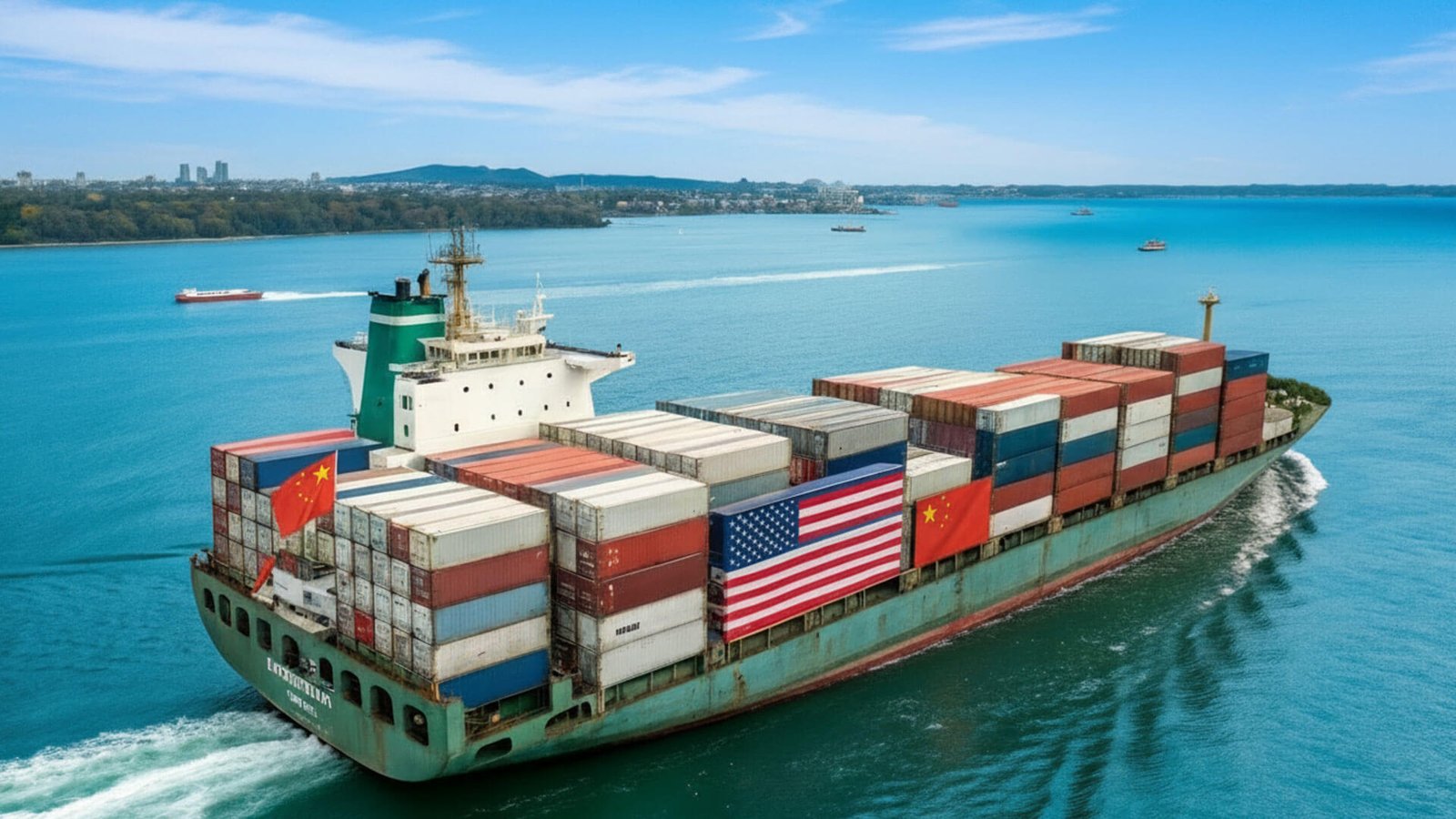
As a customs broker, I see importers struggle with this every day. They either pay duties they don't owe or make incorrect claims that lead to costly audits and penalties from Customs and Border Protection (CBP)5. The key isn't just knowing the USMCA2 exists; it's about mastering its rules to your advantage. This guide will walk you through exactly how to determine if your goods qualify, how to create the necessary documentation, and how to integrate these savings directly into your landed cost. Let's make sure you are not overpaying.
What Is the USMCA2 and Why Does It Matter for Importers?
Are you confused about what the USMCA2 means for your bottom line? This trade agreement isn't just a political headline; it's a critical tool for reducing your import costs.
The USMCA2 is a free trade agreement between the United States, Mexico, and Canada that replaced NAFTA. For importers, it matters because it provides a legal framework to eliminate or reduce customs duties on goods that are proven to originate within these three countries.
Think of the USMCA2 less as a treaty and more as a compliance program for cost reduction. Its primary purpose is to encourage manufacturing and sourcing within North America. When I work with my clients, I emphasize that this agreement is a massive opportunity. If you import goods from Mexico or Canada, understanding these rules is not optional—it's essential for competitive pricing. The savings from avoiding, for example, a 5% or 10% duty can be the difference between profit and loss. However, this benefit comes with responsibility. You, the importer, are legally liable for the accuracy of any USMCA2 claim you make. This means you can't just take your supplier's word for it; you must understand the rules yourself.
How Do You Qualify for Duty Savings Under USMCA2?
Wondering what it actually takes to get that duty-free treatment6? The process seems complicated, but it boils down to two core requirements you absolutely must get right.
To qualify for duty savings, your goods must meet the USMCA2's specific Rules of Origin3 for their tariff classification7. You must also possess a valid, complete Certification of Origin4 at the time of your claim to prove the goods qualify.
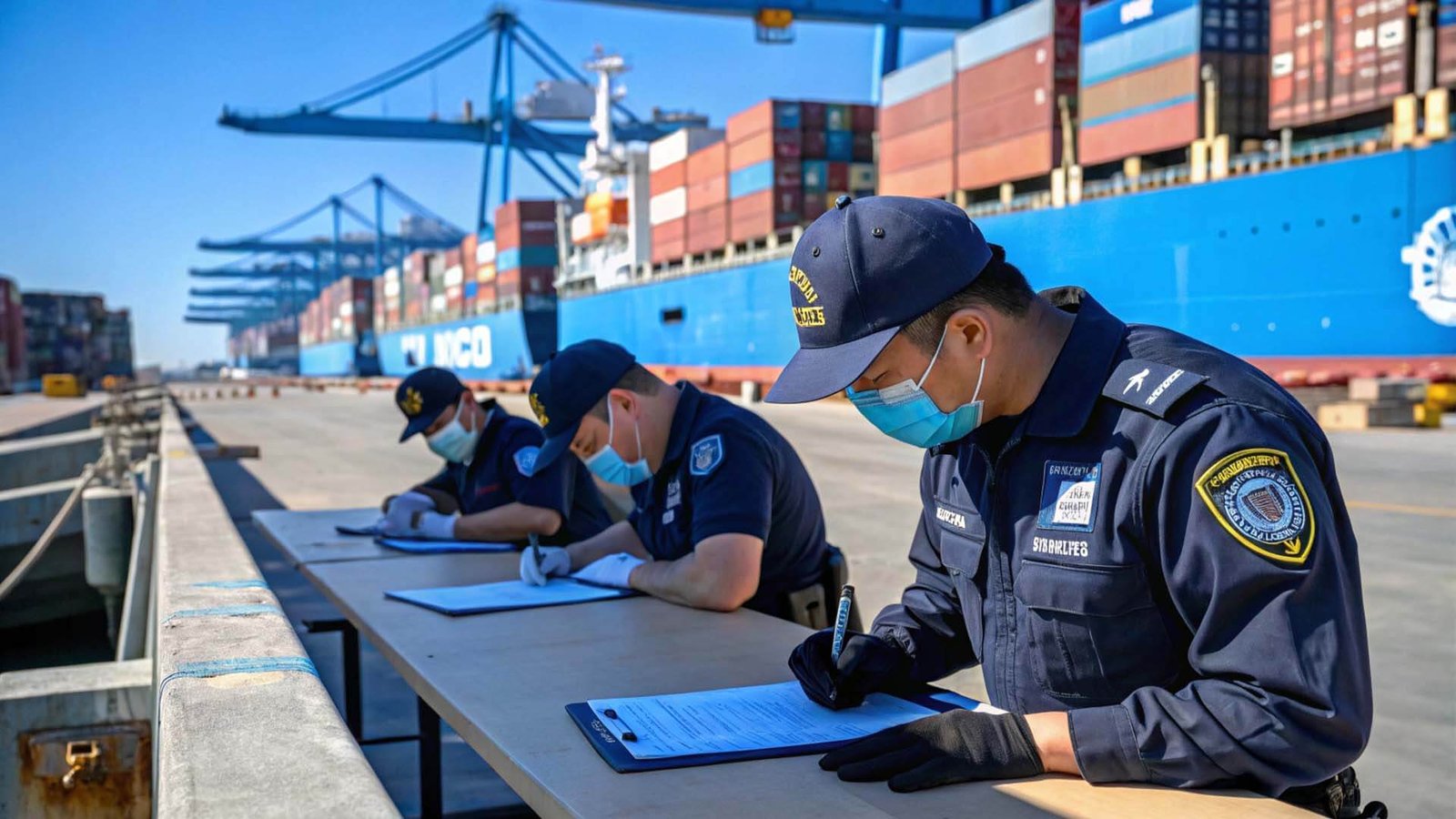
Let’s break this down. First, your product has to "originate" in the USMCA2 region. This doesn't just mean it was shipped from Mexico. It means it was manufactured or sufficiently transformed there according to a very specific set of rules. I'll cover those rules in a moment. Second, you need proof. This proof is the USMCA2 Certification of Origin4. Without this document, you cannot legally claim the duty preference, even if the goods genuinely qualify. As the importer of record8, CBP holds you responsible for any incorrect claims. If you are audited and your documentation is missing or incorrect, you will be forced to pay back all the saved duties, plus interest and potential penalties.
How Do You Determine If a Product Qualifies Under USMCA2 Rules of Origin3?
How can you be sure your product truly "originates" in a USMCA2 country? It's often more complex than just knowing where the factory is located.
You determine if a product qualifies by analyzing its production process against the USMCA2 Rules of Origin3. This involves confirming if it was "wholly obtained" or if foreign materials underwent a required "tariff shift9" or met a Regional Value Content (RVC)10 threshold.
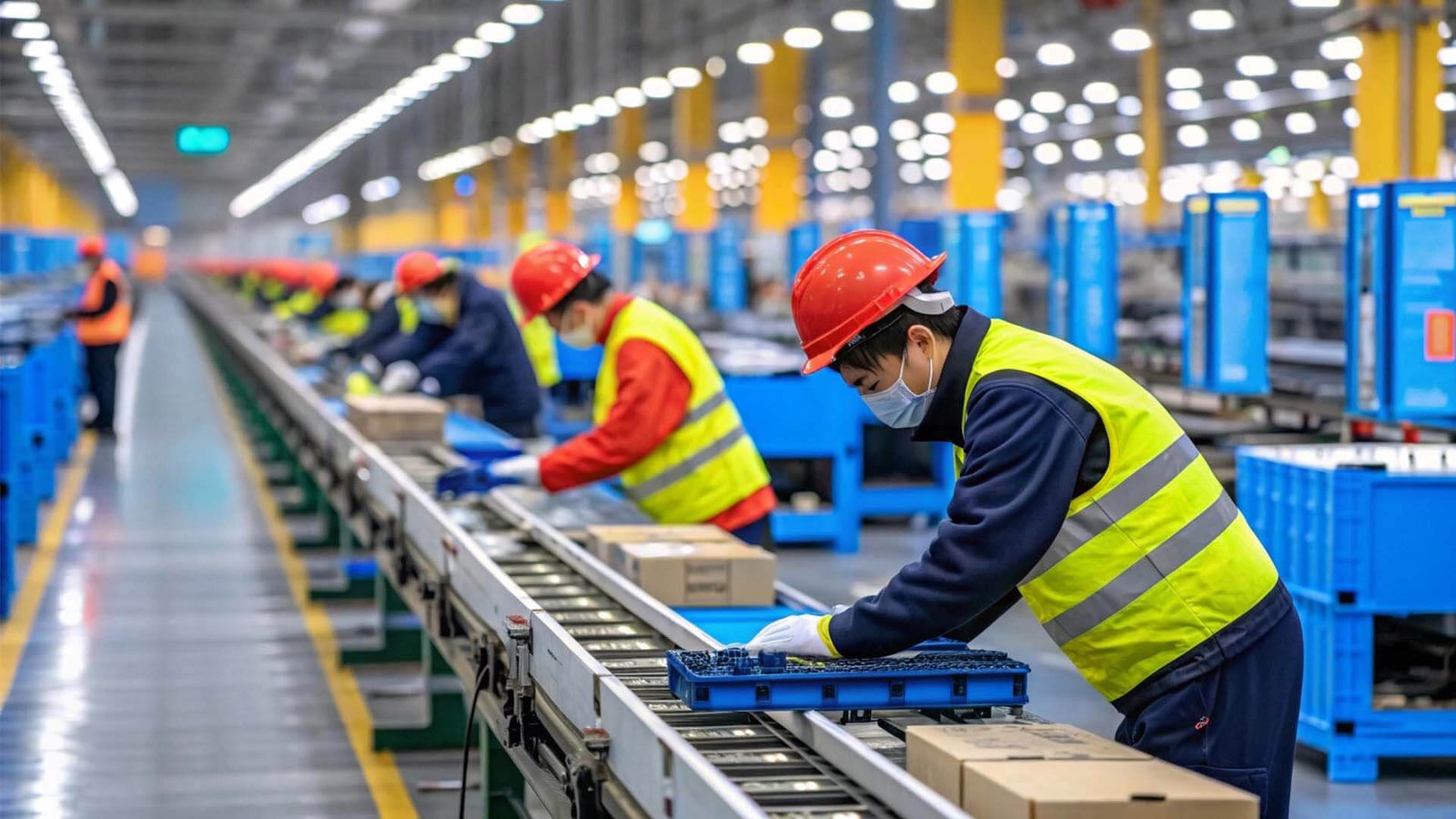
This is the most technical part of the USMCA2, and where I see most mistakes happen. The rules are specific to each product's HTS (Harmonized Tariff Schedule) code. Here’s how I guide my clients through it:
| Origin Criterion | Description | Example |
|---|---|---|
| Wholly Obtained | The product is entirely grown, mined, or born in a USMCA2 country. | Wheat grown in Canada, lumber from trees in the U.S. |
| Tariff Shift | All non-originating (e.g., Asian) materials used in production change their HTS classification during manufacturing. | A Chinese-made engine (HTS 8407) is installed into a car in Mexico. The final car (HTS 8703) has a different classification. |
| Regional Value Content (RVC)10 | A certain percentage of the product's value must come from North American materials and labor. | A computer assembled in Mexico must have at least 50% of its value from North American parts and labor to qualify. |
Simply assembling a kit of foreign parts in Mexico rarely qualifies. You must perform a deep analysis of your bill of materials to see if the rules are met.
What Goods Are Eligible for Duty-Free Treatment Under USMCA2?
Are you wondering if your specific products are covered by the agreement? While many goods are, eligibility is never automatic and requires careful verification against the rules.
Most goods can be eligible for duty-free treatment6 if they meet their specific Rule of Origin. This includes a vast range of automotive parts11, electronics, machinery, textiles, and agricultural products. Eligibility is determined by production, not by the product category itself.
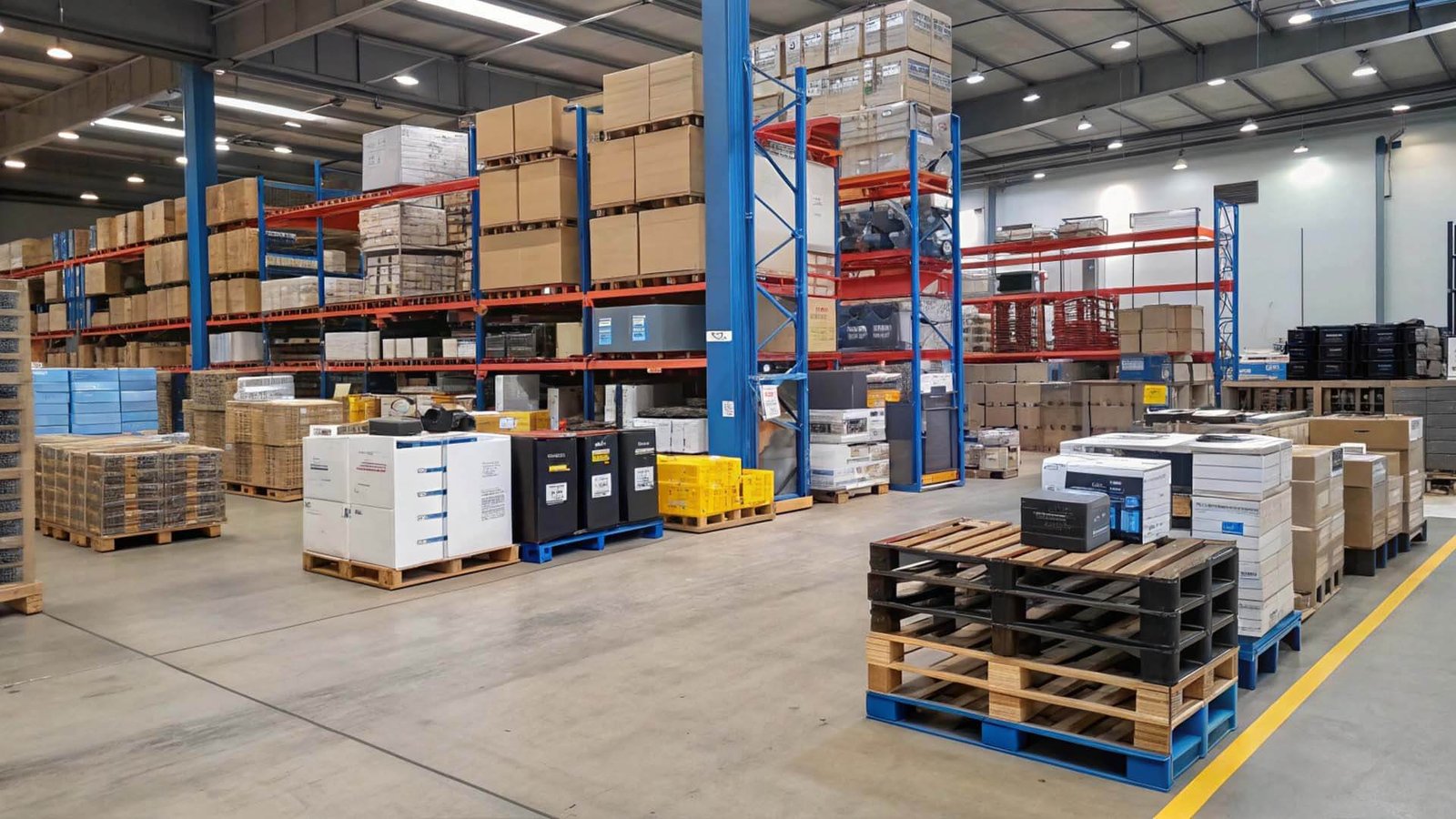
I often get asked, "Are electronics from Mexico duty-free?" The answer is always, "It depends." A television assembled in Mexico from 100% Asian components will likely not qualify. However, a circuit board assembled in Mexico where the production process causes a significant "tariff shift9" for the non-originating components might qualify. This is why accurate HS classification12 is the critical first step. The Rule of Origin is tied directly to your product's 6-digit HS code. If you classify your product incorrectly, you will be applying the wrong origin rule, and your USMCA2 claim will be invalid from the start. This can lead to denied benefits and penalties during a CBP audit.
What Is the Regional Value Content (RVC)10 Requirement Under USMCA2?
Heard about RVC but not sure what the percentage means for your product? This calculation is a key test for many manufactured goods to qualify for USMCA2 benefits.
Regional Value Content (RVC)10 is a USMCA2 rule requiring a minimum percentage of a product's value to originate from North America. This threshold, often between 50% and 75%, ensures substantial production activity occurs within the USMCA2 region.
The RVC is one of the main ways a product with non-regional components can still qualify for USMCA2. Think of it as a test: did enough of the product's value come from North American parts, labor, and overhead? There are two primary methods for calculating this:
- Transaction Value Method: This method is based on the selling price of the good. It subtracts the value of non-originating materials from the final transaction value. This is generally simpler for exporters.
- Net Cost Method: This method is based on the total cost of producing the good. It subtracts the value of non-originating materials from the net cost. This is often required for automotive goods and can be more complex.
The specific RVC percentage required varies by industry. For example, automotive goods have some of the highest and most complex RVC requirements. It's crucial to check the specific rule for your product's HS code.
What Is the USMCA2 70% Rule and When Does It Apply?
If you are in the automotive industry, you need to pay special attention to this rule. It goes beyond the standard RVC and adds another layer of compliance complexity.
The USMCA2 70% rule, officially the Labor Value Content (LVC)13 rule for automotive goods, requires that a significant percentage of a vehicle's value be derived from high-wage manufacturing facilities. It also includes steel and aluminum sourcing requirements14.

This rule is a major change from NAFTA and was designed to support higher-wage jobs in the North American automotive sector. It's a prime example of how USMCA2 rules can be highly technical and industry-specific. For a passenger vehicle to qualify for duty-free treatment6, it must meet several criteria, including:
- Regional Value Content (RVC)10: The overall North American content must meet a threshold of 75%.
- Labor Value Content (LVC)13: 40-45% of the car's content must be made by workers earning at least $16 USD per hour.
- Steel and Aluminum: At least 70% of the vehicle producer's steel and aluminum purchases must originate in North America.
For my clients in automotive manufacturing or parts supply, navigating these rules is a core part of their compliance strategy15. Failure to track and document these percentages correctly can lead to the disqualification of an entire vehicle line, resulting in millions of dollars in duties.
Who Benefits Most from Using USMCA2?
Is taking the time to comply with USMCA2 rules really worth the effort for your business? For certain types of companies, the answer is a clear and resounding yes.
Importers, manufacturers, and distributors sourcing from Mexico or Canada benefit most from USMCA2. Specifically, businesses with high-volume imports or high-duty products see the largest financial gains, as do DDP sellers who can offer more competitive pricing.
In my experience, the strategic advantage of using USMCA2 is most significant for these groups:
- U.S. Importers: The most direct beneficiary. Eliminating a 5%, 10%, or even 25% duty on goods imported from Canada or Mexico flows directly to your bottom line, increasing profit margins.
- Manufacturers & Assemblers: Companies with assembly plants in Mexico or Canada that use a mix of global and North American components can use USMCA2 rules to make their finished goods duty-free when imported into the U.S.
- DDP (Delivered Duty Paid) Sellers: As a DDP seller, all costs, including duties, are built into your price. If you can legally eliminate the duty through USMCA2, you can lower your price to the customer, making you far more competitive, or you can maintain your price and increase your profit. It gives you a powerful pricing advantage.
For these businesses, USMCA2 is not an administrative burden16; it's a strategic financial tool.
Who Is Responsible for Completing the USMCA2 Certification of Origin4?
When something goes wrong with a USMCA2 claim, who does CBP hold accountable? Understanding responsibility is key to managing your risk and avoiding costly penalties.
The USMCA2 Certification of Origin4 can be completed by the exporter, the producer, or the importer. However, the ultimate legal responsibility for the accuracy of the claim made to U.S. Customs rests with the importer of record8.
This is a critical point that many importers miss. While your supplier in Mexico may provide you with a certification, you are the one making the legal declaration to CBP. If that certification is found to be inaccurate during an audit, CBP will come to you—the U.S. importer—for the unpaid duties and penalties. This is why I always tell my clients they cannot afford to "blindly" accept a supplier's certificate. You have a duty of "reasonable care17" to ensure the information is correct. This might involve asking your supplier for the basis of their claim or performing your own analysis of the product's bill of materials to verify it meets the origin rules.
How Do You Complete a USMCA2 Certificate of Origin Correctly?
Are you worried about filling out the certification form incorrectly? A simple mistake on this document can lead to your entire duty-savings claim being denied.
To complete a USMCA2 Certificate of Origin correctly, you must include nine mandatory data elements. These include identifying the certifier, exporter, producer, importer, the product's HTS code18, the specific origin criterion, and a valid certification statement.
Unlike the old NAFTA form, there is no official USMCA2 certificate format. You can provide the required information on an invoice or a separate document. However, it must contain these minimum data elements:
- Certifier: Who is completing the form (importer, exporter, or producer).
- Exporter: Name and address.
- Producer: Name and address (if different from exporter).
- Importer: Name and address.
- Description & HTS Code: A clear description of the goods and their 6-digit HTS classification.
- Origin Criterion: The specific rule met (e.g., "A" for wholly obtained, "B" for tariff shift9, "C" for RVC).
- Blanket Period: If the certificate covers multiple shipments (up to 12 months).
- Authorized Signature & Date.
- Certification Statement: A required legal attestation.
The most common mistake I see is a missing or incorrect origin criterion. Simply stating "Made in Mexico" is not enough. You must specify the exact rule that qualifies the product.
How Long Is a USMCA2 Certification of Origin4 Valid?
Once you have a valid certification, how long can you use it for? Understanding the validity period is important for managing your compliance paperwork efficiently.
A USMCA2 Certification of Origin4 can be valid for a single shipment or for multiple shipments of identical goods for a "blanket" period of up to 12 months. Regardless of validity, you must keep all records for five years.
This flexibility is designed to reduce the administrative burden for businesses with regular, recurring shipments of the same products.
- Single Shipment: The certificate applies only to one specific import entry. This is useful for one-off or infrequent purchases.
- Blanket Certificate: This is far more efficient for regular importers. You can create one certificate that covers all shipments of identical goods for a period you specify, up to a maximum of 365 days.
A crucial point is recordkeeping. U.S. Customs law requires you to maintain all records related to the import and the USMCA claim for five years from the date of entry. This includes the certificate itself and any supporting documentation you used to verify the origin claim. During an audit, CBP will expect you to produce these records promptly.
What Is Article 5.2 of the USMCA and Why Does It Matter?
Why should you care about a specific article in a dense legal text? Because this one gives U.S. Customs the power to audit your claims and demand back duties.
Article 5.2 of the USMCA outlines the legal basis for the certification of origin. It specifies the minimum data required for a valid claim and establishes the importing country's right to verify that claim through audits and requests for information.

This is the "teeth" of the agreement from a compliance perspective. It's the part of the text that says, "You can claim duty savings, but you have to prove it if we ask." For you, the importer, Article 5.2 means that a USMCA claim is not a "fire and forget" activity. It creates a potential liability that can last for years. When CBP initiates an origin verification, they are acting under the authority granted by this article. They can send a detailed questionnaire (CBP Form 28) to you or even directly to the foreign producer to demand proof that the goods qualified. If the response is inadequate or the proof is missing, they will deny the claim retroactively.
What Are the Advantages and Limitations of Using USMCA?
Is pursuing USMCA qualification always the right move? A clear-eyed view of the pros and cons helps you make an informed decision for your business.
The primary advantage of USMCA is significant duty savings, which lowers landed costs and improves competitiveness. The main limitations are the administrative burden of compliance, the complexity of the rules, and the risk of financial penalties from incorrect claims during an audit.
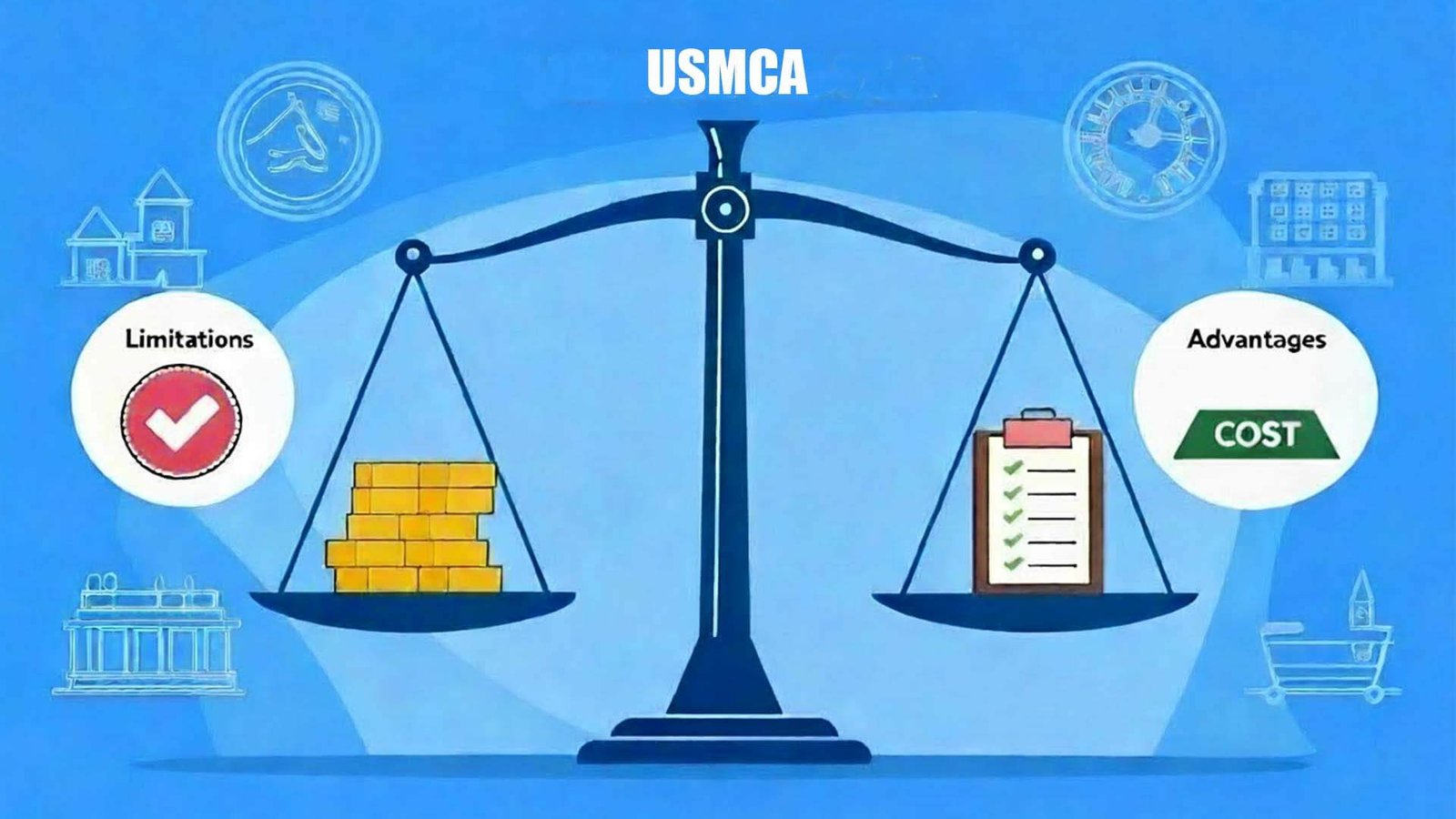
I always advise my clients to weigh both sides before making a USMCA claim. It's a risk-reward calculation that is unique to every business.
| Advantages (Pros) | Limitations (Cons) |
|---|---|
| Direct Duty Savings: Reduces or eliminates customs duties, directly increasing your profit margin. | Compliance Burden: Requires time and expertise to analyze rules, gather data, and create documentation. |
| Increased Predictability: Creates stable, predictable landed costs for goods sourced within North America. | Audit & Verification Risk: An incorrect claim can lead to audits, back-duties, interest, and penalties. |
| Competitive Pricing: Lower costs allow for more competitive pricing in the U.S. market, especially for DDP sellers. | Complexity of Rules: Rules of Origin can be highly technical and difficult to interpret without expertise. |
| Supply Chain Stability: Encourages sourcing from nearby countries, potentially reducing logistical risks. | Supplier Reliance: Requires close collaboration with and reliance on suppliers for accurate information. |
For most regular importers from Mexico and Canada, the financial advantages far outweigh the limitations, provided they invest in a robust compliance process.
How USMCA Qualification Impacts DDP Pricing and Landed Cost
If you sell on DDP terms, how does USMCA affect your quotes? This is where compliance directly translates into a powerful sales advantage or a hidden financial risk.
Correct USMCA qualification directly lowers your Delivered Duty Paid (DDP) price by eliminating the duty component. This makes your pricing more competitive. However, an incorrect claim exposes you to post-sale losses if CBP later demands the unpaid duty.
As a DDP seller, you are responsible for all costs to the buyer's door, including the import duty. This is where USMCA becomes a critical pricing tool. When my DDP clients can confidently qualify their products for USMCA, we build the DDP quote with a 0% duty rate. This immediately gives them a price advantage over a competitor who either doesn't qualify their goods or doesn't know how and must include a 5% or 10% duty in their price.
However, the risk is significant. Imagine you quote a DDP price based on 0% duty. A year later, CBP audits the entry and denies your USMCA claim. You are now on the hook for that 5% or 10% duty, long after the sale is complete. This is a direct loss that erodes your profit. This is why origin verification must be done before you issue a DDP quote. You must be certain the goods qualify so that your pricing is both competitive and accurate.
Common USMCA Mistakes That Lead to Denied Duty Savings
Why are USMCA claims denied so often? From my experience handling customs audits, it almost always comes down to a few common, avoidable errors.
The most common mistakes are blindly relying on a supplier's declaration without verification, using an incorrect HTS code to determine the origin rule, and having incomplete or missing Certification of Origin documentation at the time of the claim.
Here are the top errors I see that cost importers money:
- Accepting a Supplier's Certificate Blindly: Your Mexican supplier might check a box saying the goods qualify, but they may not understand the complex rules. You, the importer, are liable, so you must exercise due diligence.
- Using the Wrong HTS Code: The entire origin analysis depends on the correct HTS code. A mistake here means you're applying the wrong rule, and your claim is invalid from the start.
- No Certificate on Hand: You must have the certification ready when you make the claim. You cannot create it retroactively if you get audited.
- Math Errors in RVC Calculations: Simple mistakes in calculating the Regional Value Content can lead to an invalid claim.
- "Assembled in Mexico" is Not Enough: Assuming that assembly in Mexico automatically qualifies a product is a huge mistake. The transformation of the non-originating parts must meet the specific tariff shift rule.
Avoiding these pitfalls requires a proactive and detailed approach to compliance.
Conclusion
Navigating the USMCA is complex, but the duty savings are real and achievable. Proper qualification lowers your costs, improves your pricing, and protects you from significant compliance risks.
Understanding current import duties can help you assess potential savings through USMCA compliance. ↩
Learning about USMCA can reveal opportunities for reducing import costs and gaining a competitive edge. ↩
Mastering the Rules of Origin is crucial for qualifying your goods for duty-free treatment under USMCA. ↩
A valid Certification of Origin is essential for claiming duty savings under USMCA. ↩
Understanding CBP's role can help you avoid audits and penalties related to USMCA claims. ↩
Duty-free treatment can significantly reduce import costs, making it vital to understand qualification criteria. ↩
Correct tariff classification is key to applying the right Rules of Origin and ensuring compliance. ↩
The importer of record is legally responsible for USMCA claims, making it vital to understand their duties. ↩
Understanding tariff shifts can help you determine if your product qualifies under USMCA Rules of Origin. ↩
Calculating RVC correctly can help your product qualify for duty-free treatment under USMCA. ↩
Automotive parts often have specific requirements under USMCA, making it crucial to verify eligibility. ↩
Accurate HS classification is crucial for applying the correct Rules of Origin under USMCA. ↩
LVC is a critical requirement for automotive goods, affecting their eligibility for duty-free treatment. ↩
Meeting sourcing requirements is essential for automotive goods to qualify for duty-free treatment. ↩
A robust compliance strategy can help businesses maximize benefits and minimize risks under USMCA. ↩
Reducing administrative burden can streamline operations and improve efficiency in USMCA compliance. ↩
Exercising reasonable care is essential to avoid penalties and ensure accurate USMCA claims. ↩
The HTS code determines the specific Rule of Origin applicable to your product under USMCA. ↩