Your container has landed in the U.S., but the final delivery is a black box of risk. Delays and surprise fees pile up, leaving you wondering who is responsible.
A freight hauler is a trucking company that physically transports your cargo container. For imports, their main job is moving your container from the U.S. port or rail yard to your warehouse. They execute the critical final-mile delivery on land.
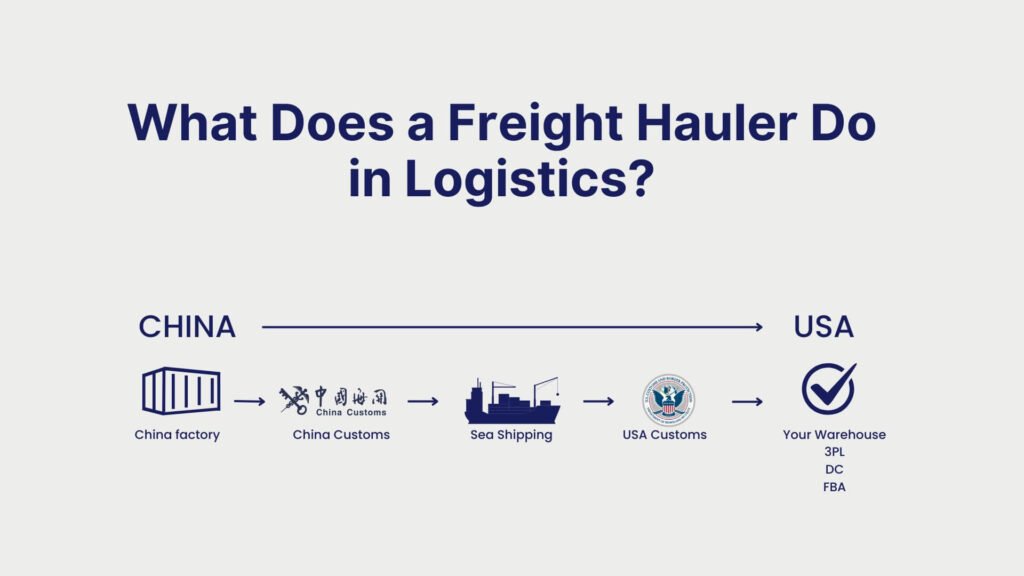
The freight hauler’s role seems simple, but it is one of the most common failure points in the entire import process. Understanding exactly what they do—and more importantly, what they don't do—is critical for any U.S. importer. Let's break down their specific function in your China-to-USA shipments so you can avoid costly delays and hold the right parties accountable.
What Does a Freight Hauler Do for China → USA FCL Shipments?
Your FCL container has cleared customs, but the clock is ticking on free time at the port. Who actually gets the box and brings it to your door?
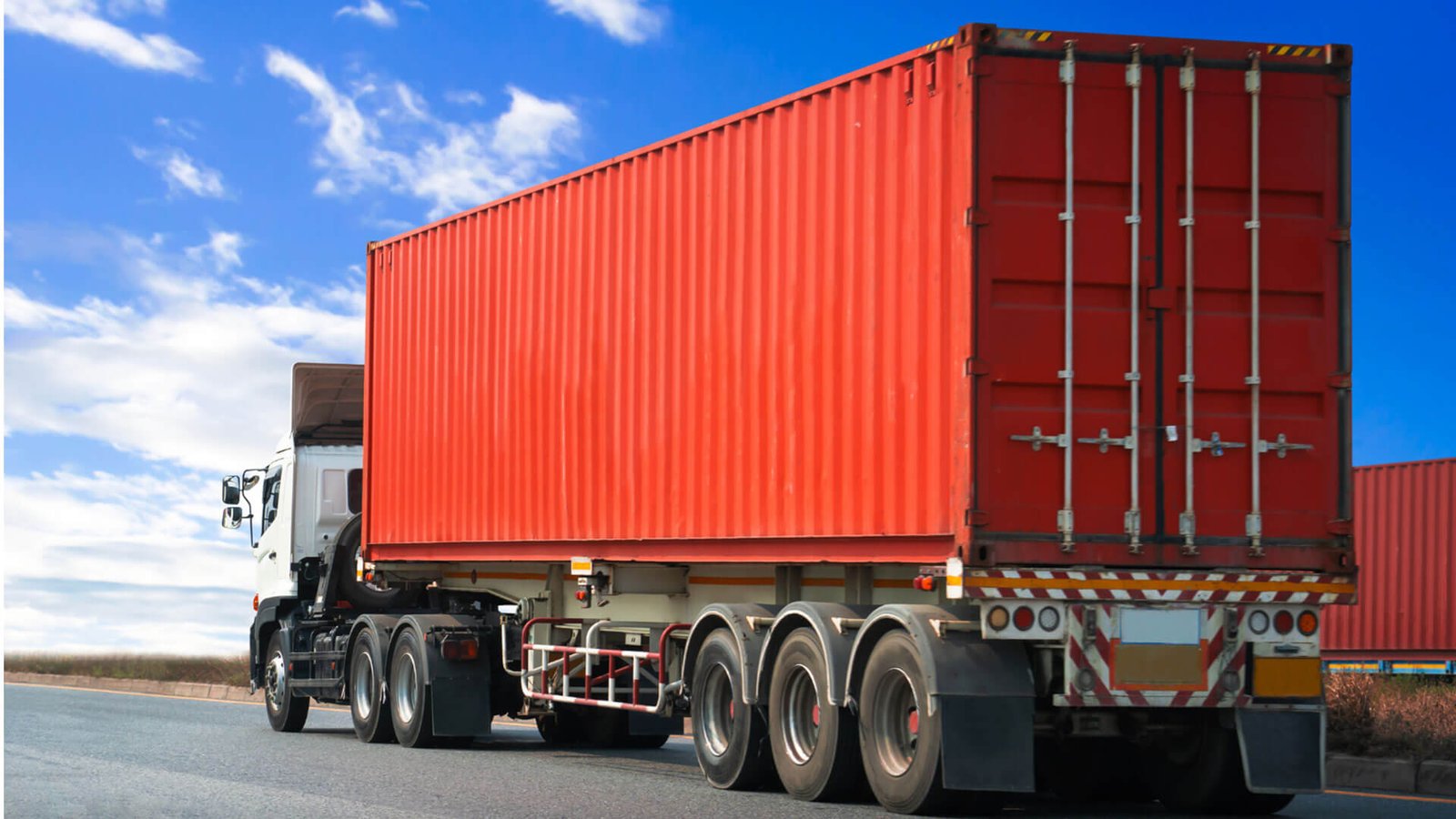
For your China to USA FCL shipments, a freight hauler executes the final, physical delivery. They use a truck to pick up your specific container from the seaport or rail terminal and transport it directly to your designated warehouse or distribution center.
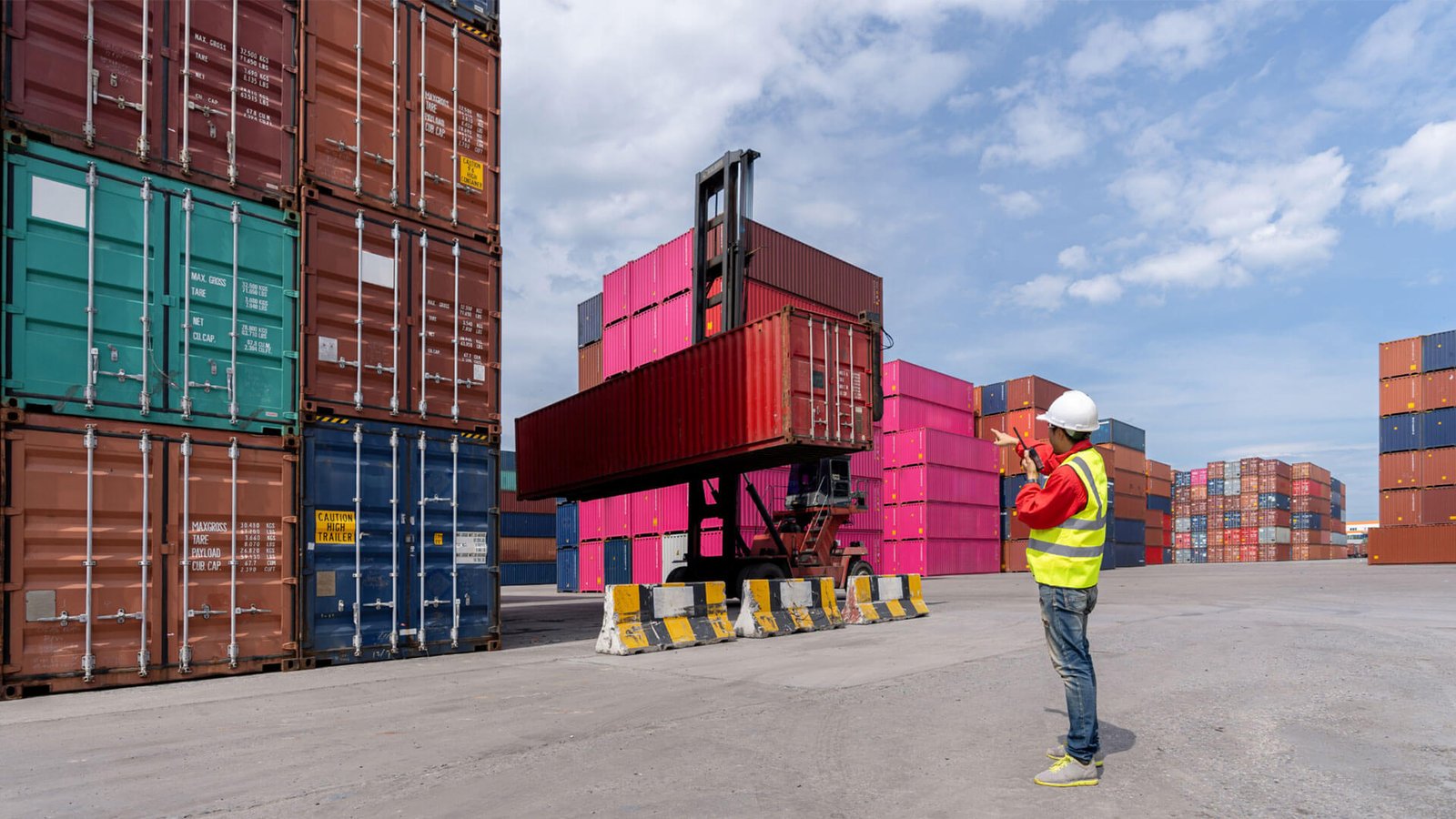
This part of the process is often called "drayage." After I, as the freight forwarder, or your customs broker confirm the container is released by both the shipping line and U.S. Customs, the job is dispatched to a freight hauler. Their work involves several key steps. First, they must schedule a pickup appointment with the port terminal, a process that can be very competitive in busy ports like Los Angeles or Long Beach. Next, they secure a chassis, which is the trailer frame the container sits on. They then drive their truck into the terminal, locate your container, hook it up, and transport it to the final destination. For my client Mark, who imports to a warehouse in California, this single step is where he used to see the most unexpected delays before we took over the process. The hauler is the one who physically connects the port to your warehouse.
For a U.S. Importer, Why is the Inland Haul So Risky?
Your container has crossed the ocean safely, and you think the hard part is over. But the final 50 miles can often be the most expensive and frustrating part of the journey.
For a U.S. importer, the inland haul is a high-risk phase where accountability often blurs, timing is tight, and unexpected costs like demurrage arise. The freight hauler's performance directly controls these outcomes after the ship docks, making them a critical link.
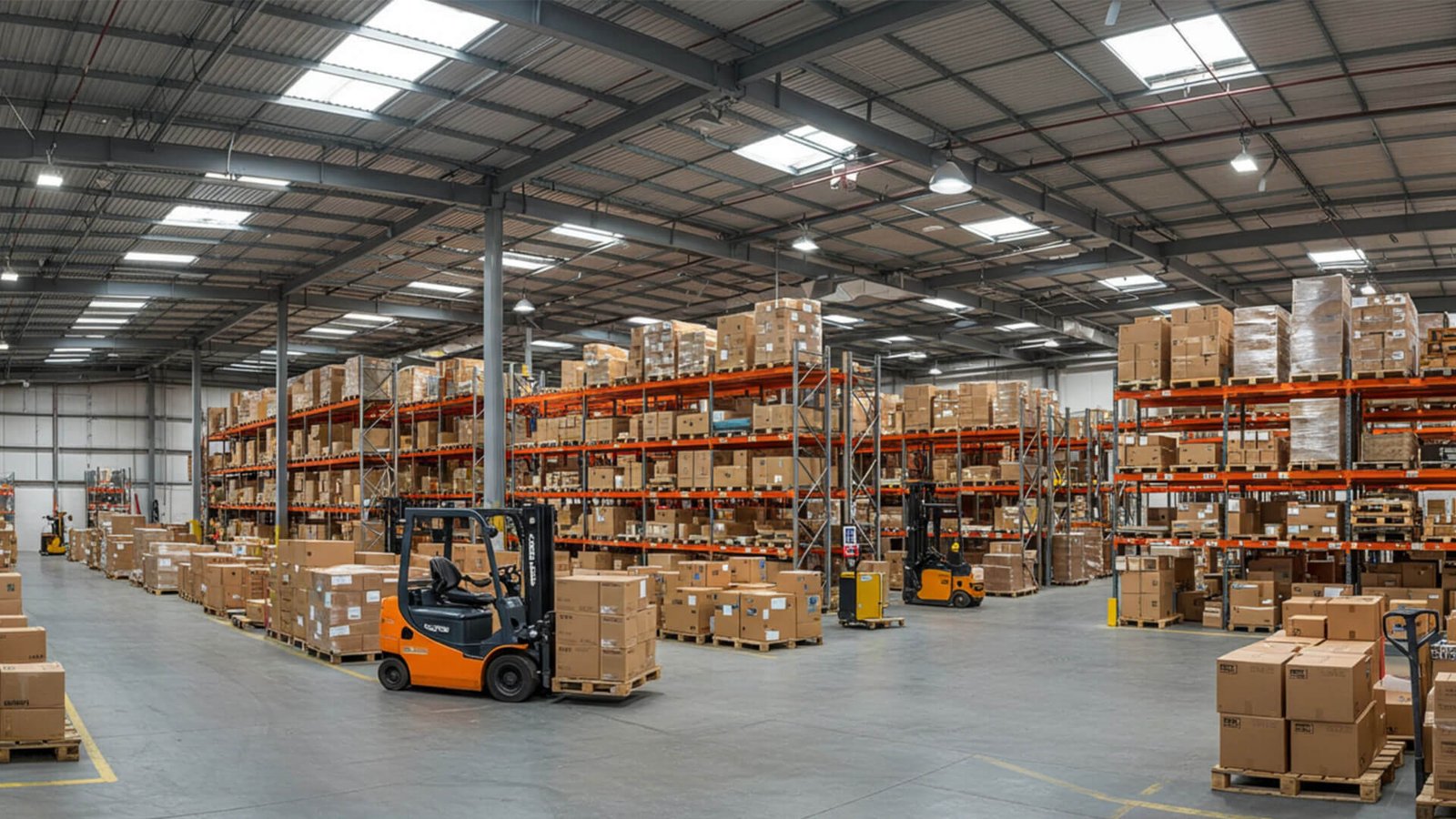
The risk comes down to three things: timing, resources, and accountability. First, the timing is unforgiving. Your container has a "Last Free Day" (LFD) at the port. If the hauler doesn't pick it up by that date, you start paying expensive daily storage fees called demurrage. Second, resources are tight. The hauler needs a port appointment, a specific type of chassis, and an available driver, all at the same time. In a congested port, a shortage of any of these can cause a delay that costs you money. Third, accountability gets tricky. If you hire a separate customs broker, freight forwarder, and freight hauler, they can easily start blaming each other when a delay occurs. The broker might blame the hauler for not being ready, while the hauler might say they couldn't act because the broker hadn't secured the customs release. This is why our DDP shipping model, which integrates all these roles, eliminates this risk by creating a single point of accountability.
Where Do Freight Haulers Fit in the Import Process?
The import process has many steps, and a delay at one stage causes a domino effect. Where exactly does the freight hauler's job begin and end?
A freight hauler's job begins only after your container is released by both the shipping line and U.S. Customs. They operate in the critical window between customs clearance and final warehouse delivery, making their role extremely time-sensitive.
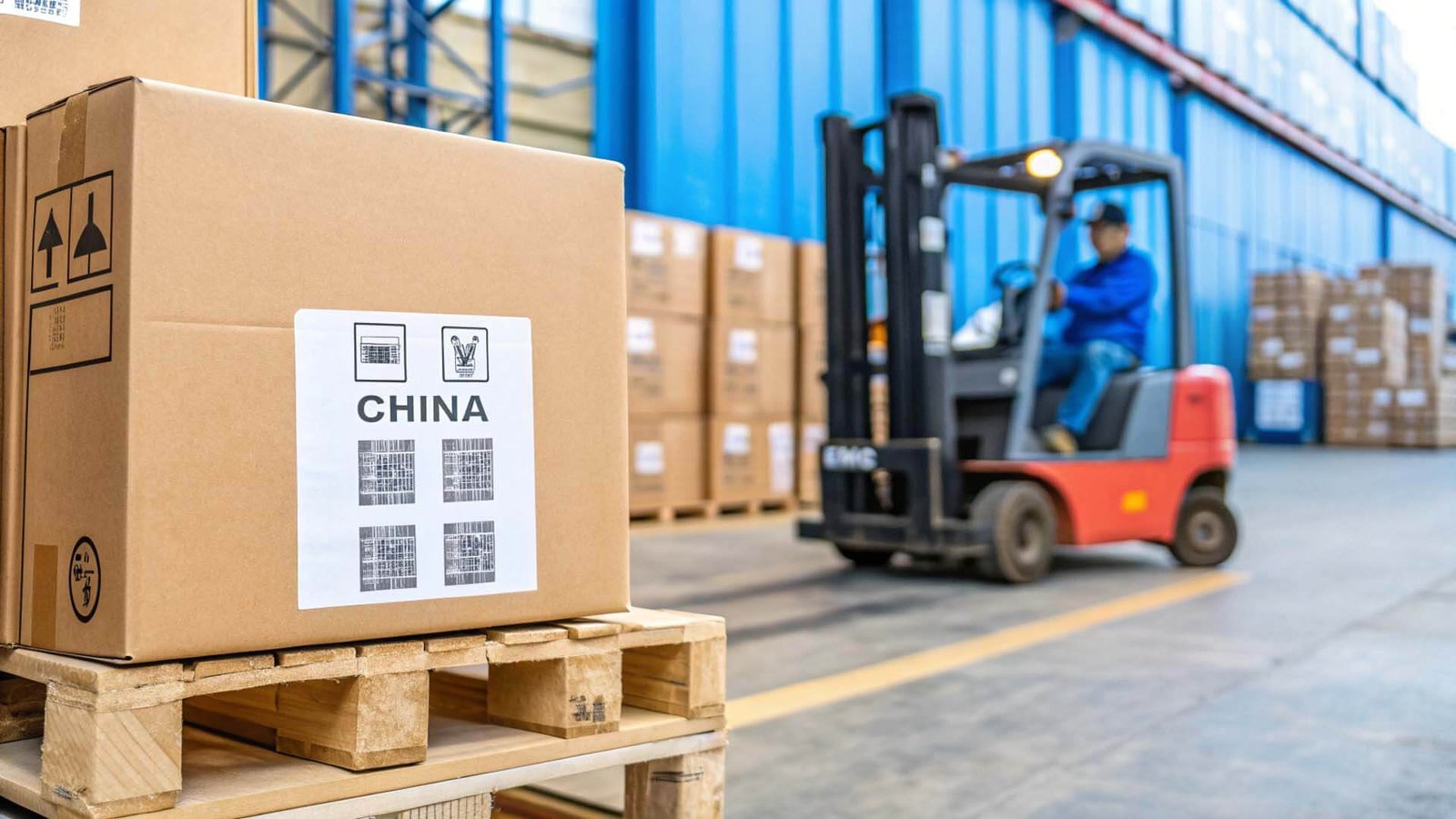
Thinking about the import journey as a timeline helps clarify the hauler's position. Their role is purely executional and happens late in the game. Here is the typical sequence for a container arriving in the U.S.:
- Vessel Arrival & Discharge: Your container is taken off the ship.
- Customs Clearance: Your U.S. Customs Broker files the entry with CBP.
- Freight & Terminal Release: Your Freight Forwarder pays ocean freight and terminal fees.
- Hauler Dispatch: Once both releases are confirmed, the job is sent to the hauler.
- Hauler Pickup: The hauler secures an appointment and picks up the container.
- Inland Transit: The hauler drives the container to your warehouse.
- Delivery & Unloading: The container arrives for you to unload.
- Empty Return: The hauler returns the empty container to the designated terminal.
The freight hauler cannot act until steps 2 and 3 are complete. This handoff is the most critical point. If there is poor communication between the broker, forwarder, and hauler, your container will sit at the port, and you will be the one paying for it.
What Is a Freight Hauler Responsible For—and What Are They Not?
Your container is stuck and costs are rising. You call the trucking company, but they say it's not their problem. Who is actually responsible for what?
A freight hauler is responsible for the safe and timely physical transport of your container. They are NOT responsible for customs clearance, paying duties, HTS classification, or dealing with government agencies like CBP. Their job is strictly operational.
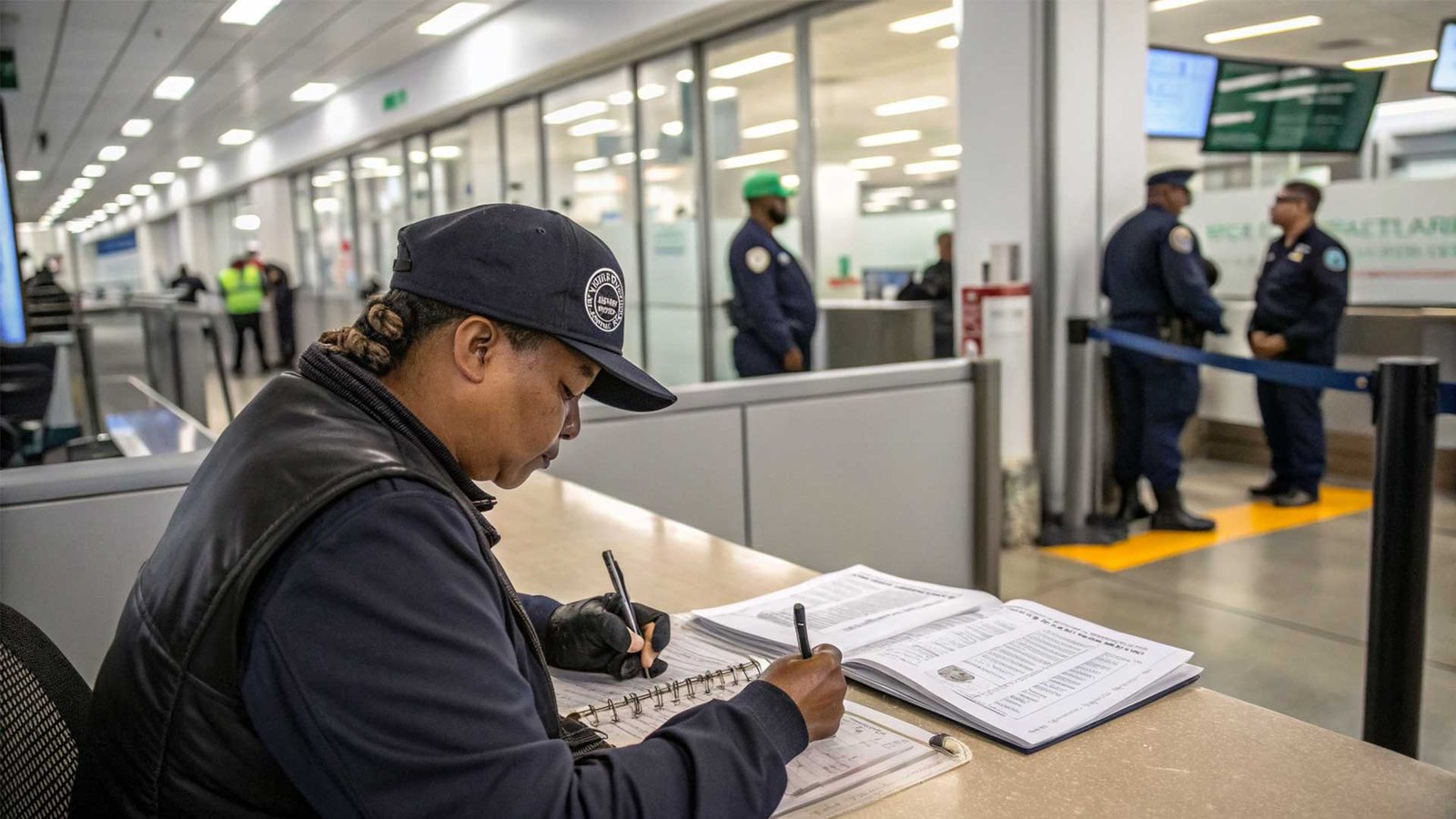
Drawing clear lines of responsibility is essential to managing your imports effectively. Misunderstanding these roles leads to wasted time and frustration. The freight hauler is a transportation service provider, not a logistics planner or a legal compliance expert.
Here is a simple breakdown to help you contact the right person:
| Task | Responsible Party | Not Responsible Party |
|---|---|---|
| Scheduling a port pickup appointment | Freight Hauler | Customs Broker |
| Providing a truck and chassis | Freight Hauler | Freight Forwarder |
| Filing customs entry with CBP | Customs Broker | Freight Hauler |
| Paying import duties and taxes | Importer/Broker | Freight Hauler |
| Safely driving the container | Freight Hauler | Anyone else |
| Returning the empty container on time | Freight Hauler | Importer |
As you can see, the hauler’s world is focused on trucks, appointments, and driving. If your container is on a customs hold, calling the hauler won't help. You need to speak with your U.S. Customs Broker, who manages that part of the process.
What Is the Difference Between a Freight Hauler, Freight Forwarder, and Customs Broker?
You hear these terms all the time, but do you truly know who does what? Mixing them up can lead to costly mistakes and serious gaps in your supply chain.
A Freight Hauler moves the goods. A Freight Forwarder plans the shipment. A Customs Broker handles customs compliance. Think of them as the driver, the architect, and the lawyer for your import shipment.
These three roles are the pillars of international logistics, but they are completely different. Confusing them means you'll be asking the driver about legal issues or the lawyer about truck availability.
Here’s how to tell them apart:
| Role | Freight Hauler | Freight Forwarder | Customs Broker |
|---|---|---|---|
| Primary Function | Physical Execution | Logistics Planning | Legal Compliance |
| Key Task | Drives the truck to pick up and deliver the container. | Arranges the entire shipment, from origin to destination. | Files required documents with U.S. Customs (CBP). |
| You Call Them To | Ask, "Where is my truck right now?" | Ask, "What is the overall status of my shipment?" | Ask, "Has my container cleared customs yet?" |
| Their Focus | Operations: Trucks, chassis, appointments, road safety. | Coordination: Booking, documents, communication, planning. | Regulations: HTS codes, duties, CBP rules, import law. |
A Freight Forwarder like us often hires and manages both the customs broker and the freight hauler on your behalf. This is the core of a stress-free DDP service—we handle the coordination so you have one expert point of contact.
How Does Freight Hauler Performance Affect Demurrage, Detention, and Delivery Delays?
You just received a huge, unexpected bill for demurrage and detention fees. You thought everything was on schedule. What went wrong during that final delivery stage?
Poor freight hauler performance directly causes extra costs. A missed pickup appointment leads to demurrage (port storage fees). A late return of the empty container leads to detention (equipment rental fees). This can easily turn a profitable import into a loss.

Demurrage and detention are two of the most painful hidden costs for U.S. importers, and they are almost always linked to the freight hauler's performance.
-
Demurrage: This is a daily fee charged by the port terminal for letting your container sit there for too long after it's available. If your hauler fails to schedule an appointment or misses their pickup slot before your "Last Free Day" expires, you start paying demurrage.
-
Detention: This is a daily fee charged by the ocean carrier for keeping their container and chassis for too long. After the hauler delivers the container to you, they must return the empty box to the port within a set number of free days. If they are late, you get a bill for detention.
A reliable hauler is proactive. They book appointments early, have contingency plans for chassis shortages, and communicate clearly. A poor hauler creates bottlenecks that cost you money. This is why in our DDP service, we only work with a small, vetted network of haulers whose performance we monitor constantly.
Conclusion
A freight hauler executes the final delivery, but they don't manage compliance or planning. Predictable imports depend on seamless coordination between your forwarder, broker, and hauler, especially with DDP shipping.