Shipping documents feel complicated, and losing one can cause major stress. A Letter of Indemnity (LOI)1 might be the solution you need to keep your cargo moving.
A Letter of Indemnity (LOI)1 is a formal document where you promise to compensate a shipping carrier for any losses they might suffer for following your non-standard request2. For example, asking them to release your container without the original Bill of Lading.
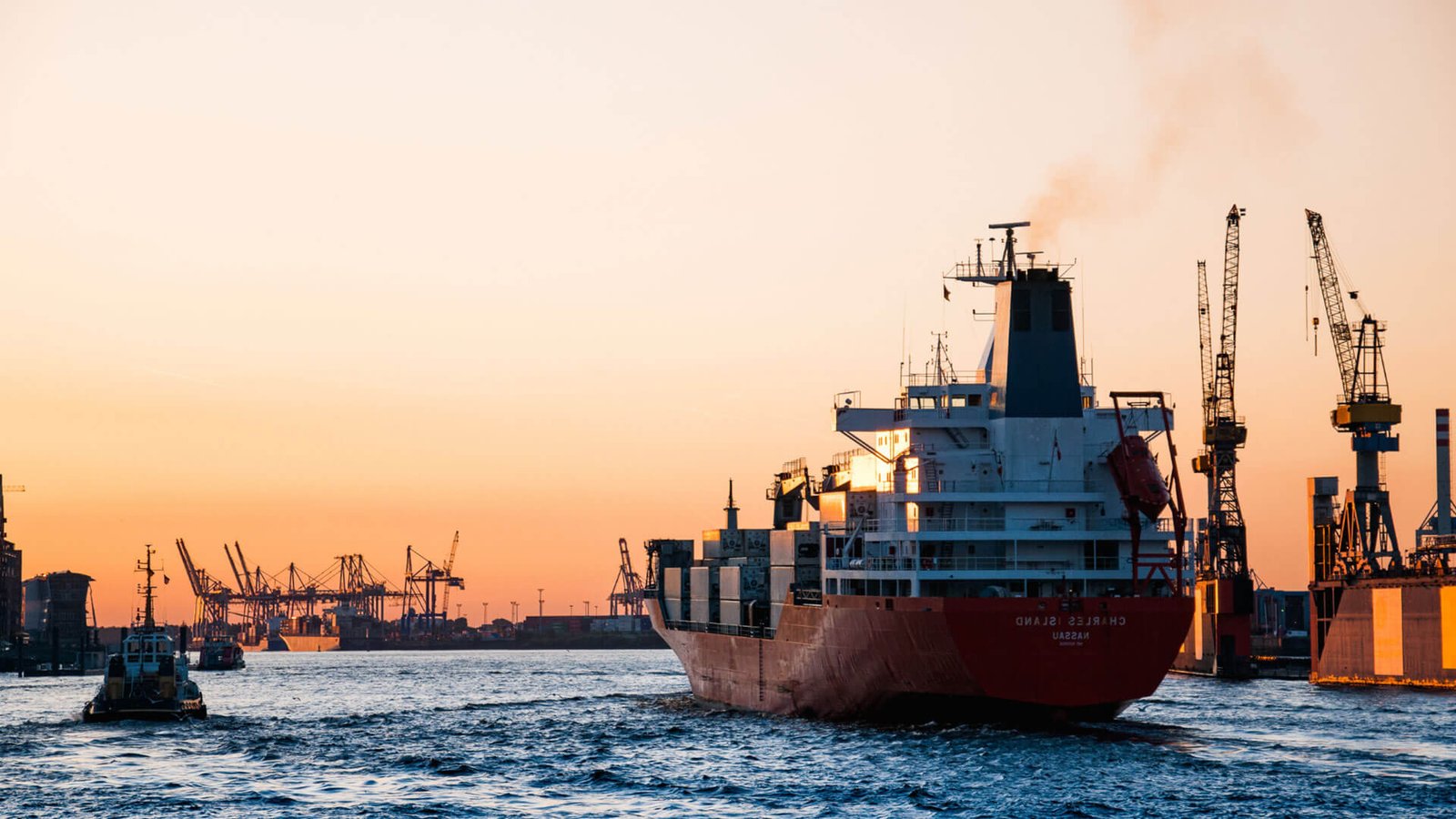
A Letter of Indemnity is a critical tool in international logistics3, but it's also one filled with risk. As someone who manages China to USA shipments daily, I've seen LOIs save the day, but I've also seen them create huge financial problems for importers who don't understand what they are signing. It’s not just another piece of paper; it’s a financial guarantee4 that puts you on the hook. Before you ever consider using one, you need to know exactly what it is, when it's appropriate, and what risks you are taking on. Let's break it down so you can protect your business.
What Is a Letter of Indemnity in Shipping?
Your container is stuck at the port because of a paperwork issue. The carrier won't release it, and storage fees are piling up. An LOI acts as your formal guarantee to solve this.
An LOI is a legal promise5 you make to the carrier. You ask them to do something unusual, like release cargo without the proper documents, and in return, you agree to cover all potential costs and legal troubles that result from their action.
An LOI functions as a safety net for the carrier, not for you. The most important document in ocean freight is the original Bill of Lading (B/L)6. It serves three purposes: it's a receipt for the goods, a contract of carriage, and most importantly, a document of title7. Whoever holds the original B/L owns the cargo. When you ask a carrier to release cargo without you presenting this B/L, you are asking them to break a fundamental rule of shipping.
I had a client, Mark, who was importing a full container of furniture from China to the USA. The original B/L was sent by courier but got lost. His container arrived in Long Beach, but the carrier rightfully refused to release it. Without the B/L, they had no proof Mark was the true owner. We prepared an LOI for Mark to sign. In that letter, he formally requested the release and promised to indemnify—or pay back—the carrier for any and all costs if another party showed up later with the original B/L and claimed the furniture. The carrier, knowing our long-standing relationship, accepted the LOI and released his container. Mark got his goods, but he carried the risk until the B/L was officially declared void.
When Is an LOI Required in International Shipping?
Your shipment hits an unexpected snag, like a lost document. Standard procedures can't fix it, and you're facing costly delays. An LOI is often the tool used for these specific situations.
You will most likely need an LOI in three common scenarios. First, if the original Bill of Lading is lost or delayed. Second, if you need to change key details on the B/L after it has been issued. Third, to get a "clean" B/L despite issues with the cargo's condition.
The request for an LOI is always triggered by a deviation from the standard shipping process. These are exceptions, not the rule. For US importers shipping FCL from China, these situations can be stressful because they put the delivery timeline and cost control at risk. Let's look at the most common scenarios I see in my work. The table below breaks down why an LOI is needed, who asks for it, and the risk you, the importer, take on.
Common LOI Use-Cases in China-USA Shipping
| LOI Scenario | Why LOI Is Requested | Who Typically Requests It | Importer's Risk |
|---|---|---|---|
| Lost Original Bill of Lading | The document of title7 is missing, but the consignee8 needs to claim the cargo. | Consignee (Importer) | High. You are liable for the full cargo value if the original B/L appears in someone else's hands. |
| Switch Bill of Lading9 | The shipper needs to change the consignee8, port of discharge, or other details after the ship has sailed. | Shipper (Exporter) | Moderate. You must ensure the change is legitimate and that you won't face claims from the original consignee8. |
| Delivery Without Original B/L | The vessel arrives before the original B/L, which is slow to arrive by mail. The cargo needs to be released to avoid port fees. | Consignee (Importer) | High. Same risk as a lost B/L. You are guaranteeing you are the rightful owner without presenting proof. |
| Request for "Clean" B/L | The carrier notes damaged packaging, but the shipper needs a "clean" B/L (with no negative remarks) to meet Letter of Credit terms. | Shipper (Exporter) | Indirect. The shipper takes the risk, but if you are the buyer, you may receive damaged goods that were not declared on the B/L. |
Each of these scenarios puts the carrier in a difficult position, which is why they demand a promise of indemnity before they will proceed.
Who Issues and Signs a Letter of Indemnity?
An LOI is needed, but who is responsible for it? Confusion over who creates and signs the document can lead to serious delays and finger-pointing. Understanding each party's role is critical.
The party asking for the favor—usually the shipper or the importer—is the one who issues and signs the LOI. The carrier is the recipient. Whoever signs the LOI is accepting all the financial risk. Often, the carrier will also require a bank to countersign it.
Let's clarify the roles because this is where many importers get into trouble. There are three main parties involved in an LOI transaction.
- The Issuer (The party taking the risk): This is the person or company who needs the carrier to bend the rules. If you are the importer and your documents are lost, you are the one who needs the cargo released. Therefore, you would be the issuer. I often help my clients like Mark draft these letters, but the signature and the responsibility are ultimately his. The letter is from him to the carrier.
- The Recipient (The party being protected): This is almost always the ocean carrier. They own the ship and are responsible for the cargo in their care. The Bill of Lading is their contract. By accepting an LOI, they are agreeing to deviate from that contract based on your promise to protect them from harm.
- The Countersigner (The guarantor): This is the part that surprises many importers. A carrier might not trust the financial standing of the issuer alone. They may demand that a reputable bank also sign the LOI. This is called a "bank-countersigned LOI10." By signing, the bank also guarantees payment to the carrier if things go wrong. Getting a bank to do this is not easy or free. They will likely freeze funds in your account equal to 100-200% of the cargo's value as security. This adds significant cost and delay.
As your logistics partner, my role is to advise you on this process. I explain the risks and help prepare the document to the carrier's standards, but the decision and the liability always rest with the party who signs.
Is a Letter of Indemnity Legally Binding?
You've been asked to sign an LOI, but you worry if it will hold up in court. You wonder if this document is a true legal threat. The short answer is yes, it is.
Yes, an LOI is a legally binding contract. When you sign it, you are making a formal promise to pay for any and all damages. However, courts may refuse to enforce it if the LOI was created to help commit fraud or an illegal act.
Think of an LOI as a simple but powerful contract. It contains an offer (your request), consideration (the carrier's action), and acceptance (the carrier taking the LOI and performing the action). This makes it enforceable in court. However, there are important limits. Carriers are insured by Protection and Indemnity Clubs (P&I Clubs)11. These clubs have strict rules about LOIs. If a carrier accepts an LOI for an act that is considered risky or improper, like releasing cargo to an unverified party, the P&I Club might void the carrier's insurance coverage for that specific shipment.
This is a huge deal. It means the carrier would be completely exposed to any claims. Because of this, carriers are very cautious. They will often refuse to accept an LOI if:
- The party signing it has a poor reputation or is unknown to them.
- The cargo is very high in value.
- The request seems suspicious.
- The LOI is not countersigned by a first-class bank.
I've seen carriers in China refuse LOIs from new exporters. They have no relationship history, so the risk is too high. A carrier is never obligated to accept an LOI. They can always insist on the standard procedure, which is their safest option. The legality of an LOI is strong, but its power depends entirely on the carrier's willingness to accept the risk you are asking them to take.
What Are the Risks of Using a Letter of Indemnity?
Using an LOI seems like a quick and easy fix for a shipping problem. But the hidden dangers for your business and your bottom line are very real. The financial and legal risks can be massive.
The biggest risk of signing an LOI is unlimited financial liability12. You are promising to cover all potential losses, which could include the full cargo value, legal fees, port charges, and other damages, with no fixed cap. This can be a company-ending amount of money.
For a detail-oriented, cost-saving importer like my client Mark, understanding these risks is non-negotiable. The exposure you take on is significant.
- Unlimited Financial Risk: This is the most critical point. Let's say you get your $50,000 cargo released with an LOI. A year later, someone with the true original B/L sues the carrier. The carrier will turn to you. You will have to pay them back the full $50,000, plus their legal fees, plus interest, plus any other related costs. Your liability is not limited to the value of the goods.
- Insurance Voids: Your standard cargo insurance policy will likely not cover losses arising from a situation where you used an LOI. The insurer will argue that you voluntarily assumed the risk by circumventing the normal, secure process of using a Bill of Lading. You are on your own.
- DDP Shipments Don't Eliminate Risk: Many importers believe that under DDP (Delivered Duty Paid)13 terms, they have no risk. But if the seller in China loses the B/L and asks you, the consignee8, to sign an LOI to "help speed things up," the moment you sign, you inherit all the liability. I always advise my clients: never sign an LOI for a DDP shipment. The risk belongs to the seller.
- Operational Delays: The process of getting an LOI, especially one that needs a bank's signature, can take days or even weeks. This can defeat the entire purpose of using it to avoid delays, and you might end up paying storage fees anyway.
What Happens If an LOI Is Used Incorrectly?
You rushed through an LOI or made a mistake on the document. The consequences can be severe, putting your cargo, your money, and your business reputation on the line. Things can go wrong very fast.
Using an LOI incorrectly or fraudulently can lead to immediate cargo release refusal14, expensive legal claims15 from other parties, denial of all insurance coverage, and even criminal charges if you intended to deceive someone.
When an LOI is mishandled, the "quick fix" turns into a complex problem. Here are the real-world consequences I've seen happen.
- Immediate Rejection and Cargo Hold: If the LOI is worded incorrectly, not on the carrier’s required template, or not signed by a bank when required, the carrier will simply reject it. They won't even consider your request. Your container will remain at the port, and you will be responsible for all demurrage and detention fees16, which can be hundreds of dollars per day.
- Legal Claims from the Rightful Owner: This is the nightmare scenario. You use an LOI to get your cargo. Later, the person with the actual original B/L shows up. That person is the legal owner of the goods. They will sue the carrier for wrongfully releasing their cargo. The carrier, protected by your LOI, will then legally compel you to pay for all of their losses. You could end up paying for the same container twice.
- Loss of Insurance Protection: As mentioned, both your insurer and the carrier's P&I Club will likely step away. P&I Clubs explicitly state that coverage is lost for liabilities arising from delivering cargo without the original B/L. This makes the carrier extremely motivated to enforce the LOI against you to recover their losses.
- Accusations of Fraud: The most serious outcome. If you use an LOI to intentionally deceive someone—for example, asking the carrier for a clean B/L17 for clearly damaged goods to trick a buyer—this is fraud. The LOI becomes legally unenforceable, and you could face criminal prosecution.
Conclusion
LOIs are a necessary exception tool in shipping, not a standard solution. For China-USA FCL shipments18, you must understand the full and often unlimited liability before you ever sign one.
Understanding the basics of an LOI is crucial for anyone involved in international shipping to manage risks effectively. ↩
Learn about non-standard requests to understand when an LOI might be necessary to keep your cargo moving. ↩
Gain insights into the complexities of international logistics to better navigate shipping challenges. ↩
Explore how financial guarantees like LOIs can impact your shipping operations and financial liability. ↩
Understanding legal promises can help you grasp the implications of signing documents like an LOI. ↩
The Bill of Lading is a key document in shipping, and knowing its importance can help prevent costly mistakes. ↩
Learn why the document of title is crucial for establishing ownership and preventing disputes in shipping. ↩
Knowing the role of a consignee can help you understand responsibilities and risks in shipping transactions. ↩
Discover the purpose and risks of using a Switch Bill of Lading in international shipping. ↩
Learn why a bank-countersigned LOI might be required and how it affects your financial obligations. ↩
Understanding P&I Clubs can help you comprehend the insurance aspects and risks involved in shipping. ↩
Explore the concept of unlimited financial liability to understand the potential risks of signing an LOI. ↩
Understanding DDP terms can help you manage risks and responsibilities in international trade. ↩
Understanding reasons for cargo release refusal can help you prevent delays and additional costs. ↩
Understanding how legal claims can arise helps you prepare for and mitigate potential shipping disputes. ↩
Knowing about these fees can help you avoid unexpected costs and manage shipping delays effectively. ↩
A clean B/L is important for meeting certain shipping terms, and understanding it can prevent legal issues. ↩
Explore the specific challenges of China-USA FCL shipments to better manage your logistics operations. ↩