Your container is stuck at the port, and the reason is paperwork. A simple error on your commercial invoice1 is now costing you thousands in delays. It’s a frustrating and expensive problem.
A commercial invoice1 is the primary legal document U.S. Customs and Border Protection (CBP)2 uses to determine the value of your goods, assess duties and taxes, and ensure compliance. It must accurately detail the transaction between the shipper in China and you, the U.S. importer.
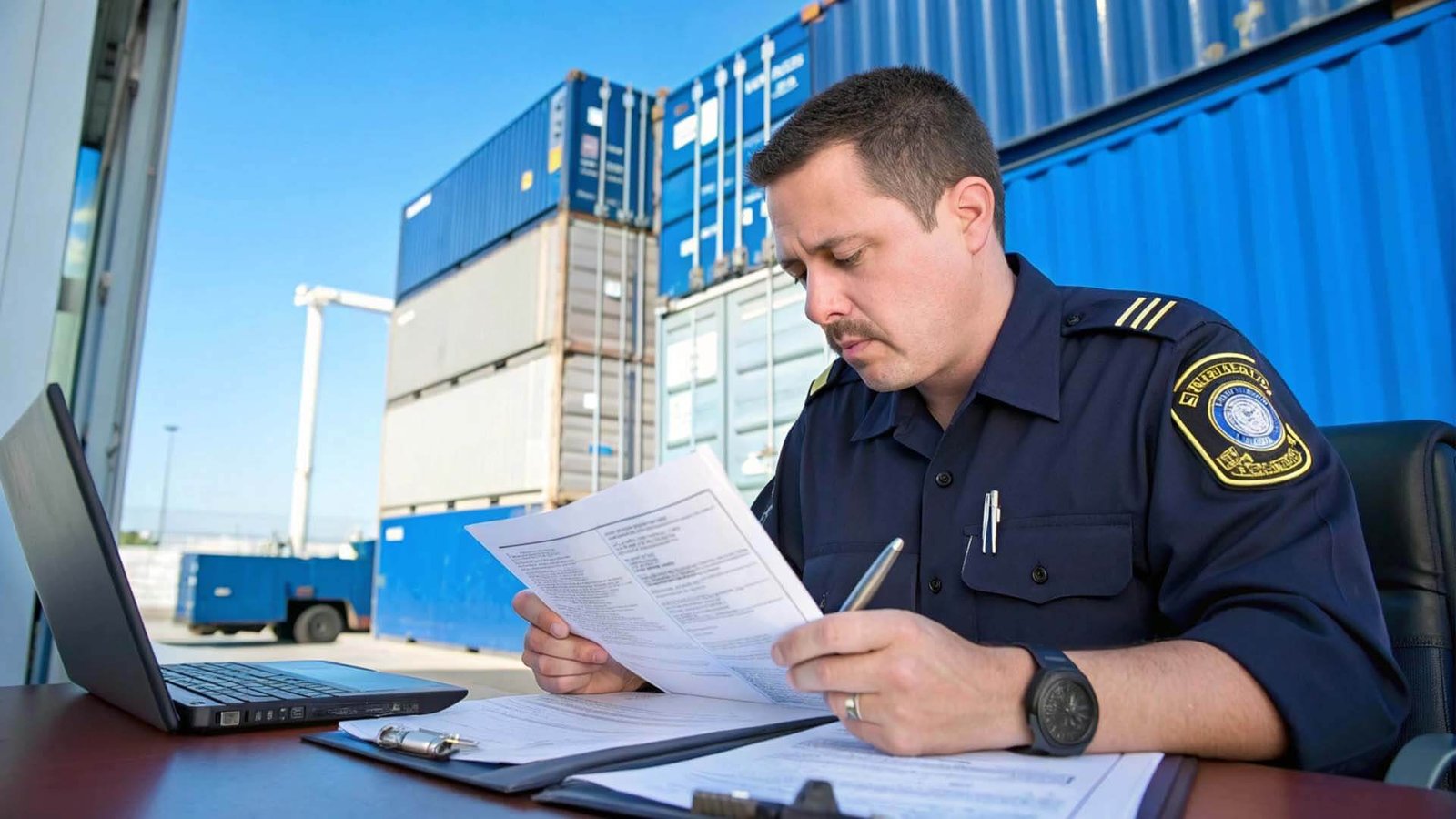
Getting this document right is not just about filling out a form. It's about creating a legal declaration that stands up to scrutiny from customs officials. As someone who manages China to USA shipments every day, I've seen firsthand how a correct invoice ensures a smooth process, while a bad one creates chaos. Let's break down exactly what you need to know to avoid the headaches.
Is a Commercial Invoice Required for Customs Clearance?
Thinking your invoice is just a formality for your records? This mistake can get your entire container shipment stopped at the border, with no movement until the proper document is provided.
Yes, a commercial invoice1 is mandatory for nearly all commercial goods imported into the United States, especially for FCL and DDP shipments3 from China. U.S. Customs will not release your cargo without one. It is a non-negotiable part of the customs entry process.
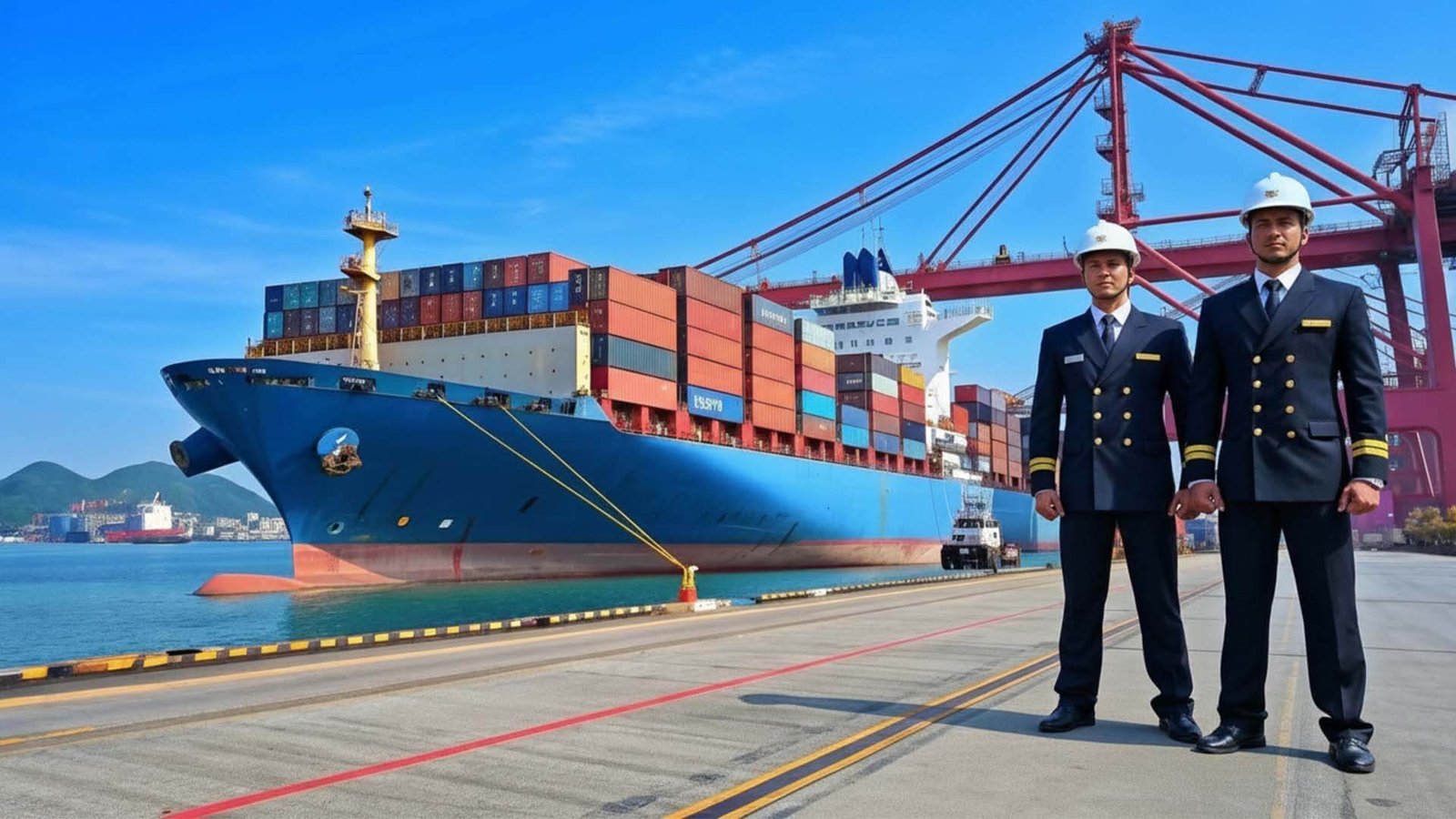
I often have to explain to new importers that the commercial invoice1 is the backbone of the entire customs declaration. For any shipment with a commercial value, especially those exceeding $2,500, CBP legally requires it to classify and value your products. Without it, your customs broker4 cannot even file the entry. I've personally seen containers sit for weeks, accumulating expensive demurrage fees5, all because a supplier in China forgot or delayed sending the final commercial invoice1. For my clients shipping full containers (FCL) or using DDP terms, I always stress that this document must be ready before the ship even arrives. It's that critical.
What Information Must Appear on a Commercial Invoice?
You sent an invoice, but a single missing detail gets your entry flagged. Now CBP wants to review everything, and a simple import has turned into a week-long delay and a major headache.
A compliant commercial invoice1 must clearly state the full shipper and consignee details, a very specific description of the goods, quantities, unit and total values, country of origin, and the Harmonized Tariff Schedule (HTS) code6 for each item. Missing fields are a primary trigger for customs hold7s.
Over the years, I've developed a simple checklist to ensure my clients' invoices from their Chinese suppliers are perfect every time. A vague description is one of the most common mistakes I see. "Auto parts" is not enough. It needs to be "10,000 units of steel brake calipers, model #BC-54321." The more detail, the better. CBP needs this information to verify that you are using the correct HTS code and paying the right amount of duty. An incomplete invoice tells CBP that the importer might not have full control of their supply chain, which invites extra scrutiny.
Commercial Invoice Checklist
Here is a table outlining the essential information:
| Field | Description | Why It's Critical for CBP |
|---|---|---|
| Shipper | Full name and address of the seller in China. | Identifies the party exporting the goods. |
| Consignee | Full name and address of the buyer in the USA. | Identifies the Importer of Record8. |
| Date of Invoice | The date the invoice was created. | Establishes the timeline of the transaction. |
| Detailed Description | A plain-language, specific description of each item. | Allows CBP to verify classification and admissibility. |
| HTS Code | The Harmonized Tariff Schedule code for each item. | Determines the duty rate for your products. |
| Country of Origin | The country where the goods were manufactured (e.g., China). | Crucial for assessing tariffs, like Section 301 duties9. |
| Quantity | The number of units for each item. | Used to verify the shipment contents and value. |
| Unit & Total Value | The price per unit and total price for each item. | Forms the basis of the dutiable value10. |
| Currency | The currency of the transaction (e.g., USD, CNY). | Ensures correct value calculation by CBP. |
What Value Should Be Declared on a Commercial Invoice?
You might be tempted to ask your supplier for a lower invoice value to save on duties. But if U.S. Customs discovers this, you could face penalties that are many times the amount you tried to save.
You must declare the full "transaction value11" on the commercial invoice1. This is the total price you actually paid for the goods. It must also include the value of any "assists," such as molds, tooling, or design work you provided to the factory for free or at a reduced cost.
Undervaluation is one of the biggest risks an importer can take, and CBP is extremely focused on finding it. The "transaction value11" isn't just the number on the invoice; it's the reality of the deal. I once had a client, let's call him Mark, who was importing plastic casings from China. He had paid his supplier $50,000 for a custom mold, but that cost was not reflected in the per-unit price of the casings. During a customs audit, CBP flagged this as an "assist." They argued that the value of the mold should have been spread across the price of the imported goods. Mark ended up with a significant bill for back-duties12 and a penalty for negligence. It was a tough lesson: CBP has databases of typical values for goods. If your declared value is suspiciously low, they will notice.
Should Freight, Insurance, and Incoterms13 Be Included on the Invoice?
You see "FOB Shanghai" on one invoice and "DDP Los Angeles" on another, and you're not sure how it affects your costs. This confusion can lead you to pay duties on non-dutiable charges, costing you money.
Yes, the Incoterm (e.g., FOB, DDP) must be stated on the commercial invoice1 because it dictates how the dutiable value10 is calculated. For an FOB shipment, you add international freight costs to the product value. For a DDP shipment, you subtract them.
This is where many importers get confused. U.S. Customs duties are calculated on the value of the goods plus the cost to get them to the U.S., but not the costs inside the U.S. The Incoterm tells CBP which costs are included in your invoice total.
Let's look at a simple FCL container shipment from China:
- FOB (Free On Board)14 Example: Your invoice from the supplier is $80,000 for the products. This is the FOB value. You then separately pay $5,000 for ocean freight and insurance. For customs, the dutiable value10 is $85,000 ($80,000 + $5,000).
- DDP (Delivered Duty Paid)15 Example: Your invoice from the supplier is $100,000. This price includes the product, ocean freight, insurance, duties, and U.S. inland delivery. To find the dutiable value10, your customs broker4 must show a breakdown and subtract the non-dutiable costs (like U.S. inland freight) from the $100,000 total.
Stating the Incoterm clearly on the invoice prevents disputes and ensures you only pay duty on the correct amount.
Commercial Invoice vs Customs Invoice: What’s the Difference?
Your supplier sends a document titled "Pro Forma Invoice16," and you assume it's good enough for customs. This simple mistake gets your entry rejected, and your cargo sits idle while you chase the correct paperwork.
For U.S. imports, a standard "commercial invoice1" is what you need. A "customs invoice" is a specific form required by other countries, not the U.S. The title doesn't matter as much as the information; as long as your document has all the required fields, CBP will accept it.
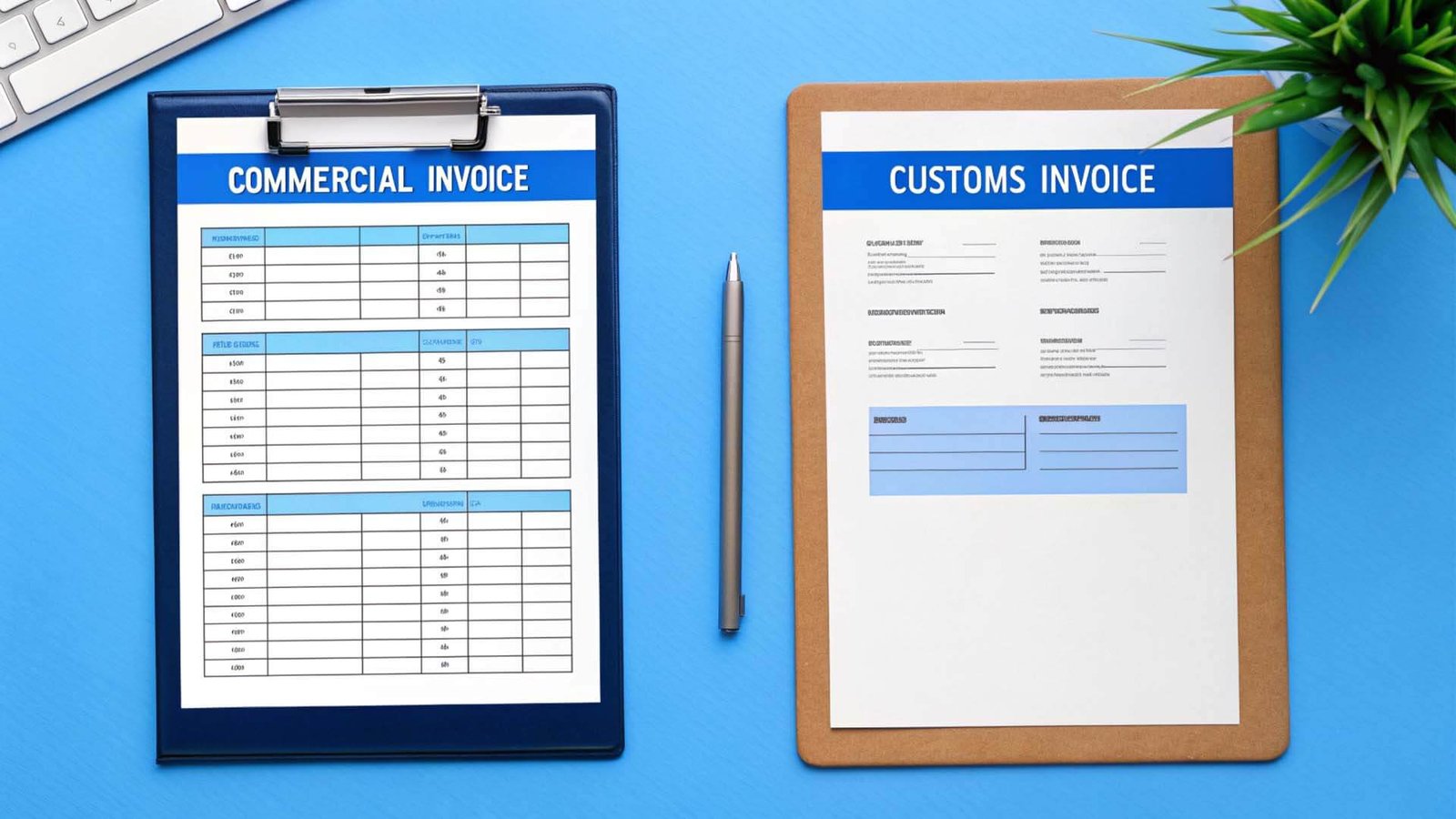
This is a common point of confusion, but the solution is simple. The United States does not have an official government form called a "Customs Invoice" that you must use. A well-prepared commercial invoice1 from your seller is the standard and accepted document. The key is to avoid using a Pro Forma Invoice16. I've had to explain this to clients many times: a pro forma invoice is a quote or an estimate, not a record of a final sale. CBP will reject it every time because it doesn't represent the actual transaction. You must insist that your supplier in China provides a final "Commercial Invoice" that reflects the actual payment and shipment details.
What Happens If a Commercial Invoice Is Incorrect or Incomplete?
You figure a small error on the invoice is no big deal. But that "small error" gets your container pulled for a full customs exam17, costing you an extra $2,000 and two weeks of lost time.
An incorrect commercial invoice1 leads to customs hold7s, costly exams, duty reassessments, and even severe financial penalties. Consistently filing bad paperwork damages your reputation with CBP, leading to more inspections on your future shipments. It's a serious compliance failure.
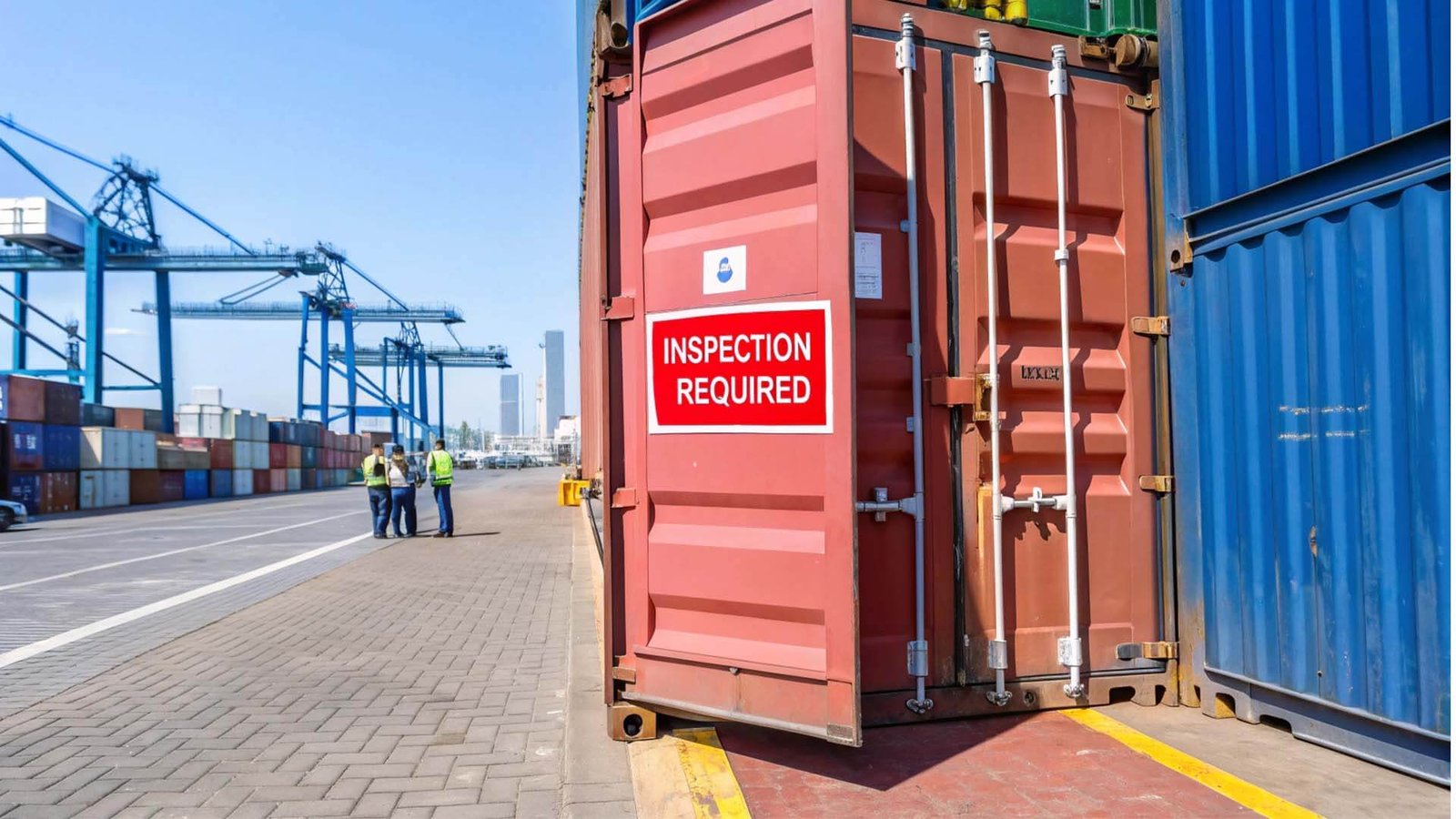
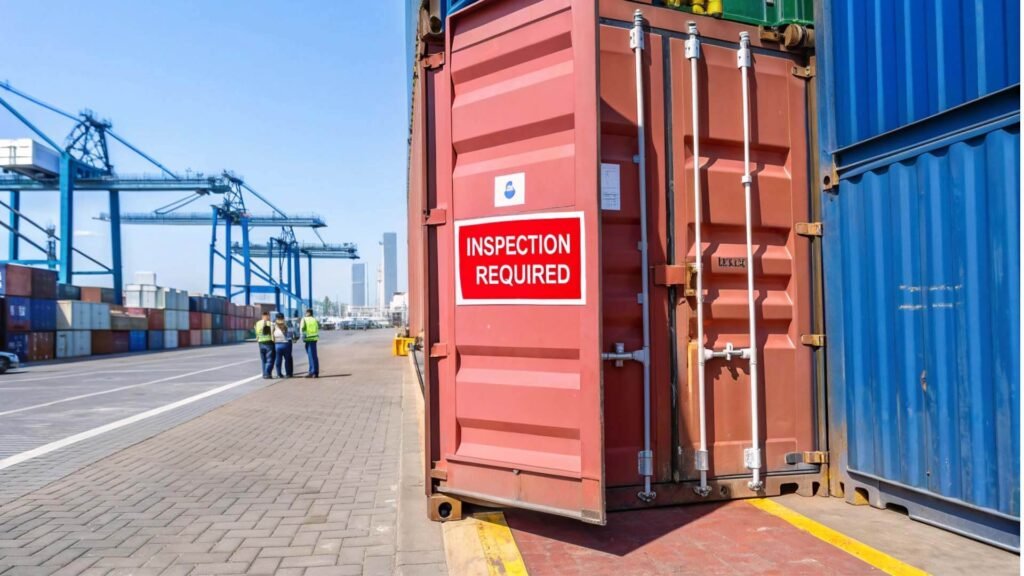
The consequences are not theoretical; they are very real. First, your shipment stops. Your broker will report a rejection, and you'll have to scramble to get a corrected invoice from your supplier in China, losing days to the time difference. This delay can trigger an exam. A simple X-ray (VACIS exam18) can cost hundreds of dollars, while a full physical exam where they unload your container can cost thousands. If CBP finds a value discrepancy, they will issue a new bill for the higher duty and can levy penalties for negligence or fraud, which can be multiples of the duty owed. Worst of all, it puts a black mark on your record as an importer. Your company's risk profile increases, making every future shipment more likely to be flagged for inspection.
Conclusion
For China-USA FCL and DDP imports, the commercial invoice1 is not just paperwork. It is a legal declaration to the government, and its accuracy is the foundation of predictable customs clearance.
Understanding the role of a commercial invoice is crucial for smooth customs clearance and avoiding costly delays. ↩
Learn how CBP ensures compliance and assesses duties, which is vital for importers to navigate the customs process. ↩
Knowing the differences between FCL and DDP can help importers choose the best shipping terms for their needs. ↩
A customs broker can facilitate smooth customs clearance and help avoid costly errors in documentation. ↩
Avoiding demurrage fees can save importers significant costs and prevent shipment delays. ↩
Using the correct HTS code is essential for determining duty rates and ensuring compliance with customs regulations. ↩
Resolving customs holds quickly is vital to prevent costly delays and additional inspections. ↩
Understanding the role of the Importer of Record is crucial for compliance and smooth customs processing. ↩
Knowing about Section 301 duties is important for importers dealing with tariffs on goods from certain countries. ↩
Accurate calculation of dutiable value is essential to ensure correct duty payments and compliance. ↩
Declaring the correct transaction value is essential to avoid penalties and ensure accurate duty assessments. ↩
Understanding back-duties helps importers avoid unexpected costs due to incorrect duty declarations. ↩
Understanding Incoterms helps importers manage costs and responsibilities in international shipping. ↩
Knowing FOB terms helps importers understand their cost responsibilities up to the point of shipment. ↩
Understanding DDP terms clarifies the seller's responsibilities, including duties and delivery to the buyer's location. ↩
Distinguishing between a Pro Forma Invoice and a Commercial Invoice is crucial for compliance with customs. ↩
Knowing what triggers a customs exam can help importers prepare and minimize the risk of costly inspections. ↩
Understanding VACIS exams helps importers prepare for potential inspections and associated costs. ↩