Shipping documents feel overwhelming. Incorrect forms cause delays and fines. An SLI simplifies this by giving your forwarder clear instructions for your shipment.
A Shipper's Letter of Instruction (SLI)1 is a document from the shipper authorizing a freight forwarder2. It provides all the necessary details and instructions to handle the export, including routing, documentation, and filing the Electronic Export Information (EEI)3 on the shipper's behalf.
This seems simple, but I've seen major issues arise from this one document. It's the starting point for your entire shipment's journey. Let's break down exactly what it does and who is truly responsible for it. Understanding this is key to smooth FCL shipping4 from China.
Who Is Responsible for Filling Out the SLI?
Confusion over who fills out the SLI is common. This uncertainty can lead to mistakes and leave you liable. Let's clarify who owns the responsibility.
The shipper is always legally responsible for the accuracy of the information on the SLI. While a freight forwarder2 often prepares the document based on the shipper's data, the ultimate liability for any errors or omissions remains with the shipper of record.
In my day-to-day work, the process is pretty standard. An importer like my client, Mark, will send us his commercial invoice5 and packing list6 from his supplier in China. My team uses that information to draft the SLI. But here is the most critical step: we send that draft back to Mark for his review and signature. That signature is everything. It is his legal confirmation that all the data—the value, the HTS code7, the consignee details8—is 100% correct. The freight forwarder2 acts as an agent. We don't own the goods, and we are not the experts on your specific products. The shipper is. I remember a case where a client's supplier provided the wrong HTS code7. We put it on the SLI draft, and the client signed it without double-checking. This mistake led to a customs exam9, delays, and penalties. Even though my team prepared the form, the client was responsible because he provided and approved the incorrect data. This holds true even for DDP shipments10; the responsibility for providing correct data for customs declarations ultimately rests with the parties in the transaction.
Why Is an SLI Required in International Shipping?
Is the SLI just more paperwork? Skipping it or rushing it seems tempting. But this document is the core instruction set for your entire shipment's journey.
An SLI is required because it gives the freight forwarder2 explicit, written authority to act on the shipper's behalf. It ensures correct booking, routing, document preparation (like the Bill of Lading11), and is essential for filing the mandatory Electronic Export Information (EEI)3 with the government.
Think of the SLI as the blueprint for your FCL shipment. It serves three primary functions. First, it is a legal authorization. It’s my team's permission slip to handle your cargo and represent you to carriers and government agencies like U.S. Customs. Without a signed SLI, we cannot legally file your export declaration12. Second, it provides a complete set of instructions. It tells us the essential details: Who is the final recipient? What are the Incoterms13, for example, FOB Shanghai or DDP Los Angeles? This data is used to create the Bill of Lading11 and other key shipping documents. An error here creates a domino effect of incorrect paperwork. Finally, and most critically, it is the single source of truth for compliance filings14. The data on the SLI is used to file the Electronic Export Information (EEI)3. For an FCL container of machinery leaving Ningbo for New York, the SLI must have the correct Schedule B code15, value, and weight. Any mistake here directly leads to a non-compliant government filing16.
SLI vs EEI: What’s the Difference and Why It Matters?
People often use SLI and EEI interchangeably. This confusion is dangerous. It can lead to compliance failures, fines, and audits from U.S. Customs.
The SLI is an instruction document from you to your forwarder. The Electronic Export Information (EEI)3 is the official government filing submitted to the Automated Export System (AES)17 based on the SLI's data. The SLI is the cause; the EEI is the effect.
Let me put it this way: the SLI is the recipe you give me. The EEI is the official declaration I submit to the government based on your recipe. If your recipe lists the wrong ingredient, the final product will be wrong, and you, the author of the recipe, are responsible. My role as the forwarder is to accurately transfer the data from your signed SLI into the government's Automated Export System (AES)17. In this specific function, we are data-entry agents, not compliance auditors for your products. U.S. Customs and the Census Bureau regularly audit EEI filings. When they find a mistake, the first document they request is the signed SLI. This document is your proof of what you instructed us to file. If the SLI data was wrong, the liability falls squarely on the shipper who signed it. Confusing the two can lead to a false sense of security, where a shipper thinks the forwarder is responsible for data accuracy when they are not.
SLI vs. EEI Responsibility Matrix
| Aspect | SLI (Shipper's Letter of Instruction) | EEI (Electronic Export Information) |
|---|---|---|
| Who provides the info? | The Shipper / Exporter of Record. | The Shipper / Exporter (via the SLI). |
| Who files? | N/A (It's an instruction form, not a filing). | The Freight Forwarder or a designated agent. |
| Who is legally responsible? | The Shipper / Exporter is responsible for the accuracy of the data. | The Shipper / Exporter is legally responsible for the filing's accuracy. |
| Common Mistakes | Incorrect HTS/Schedule B code15s, wrong values, typos in names/addresses. | Data entered does not match the SLI, filing is late or missed. |
| Consequences | Leads to incorrect EEI filings, customs delays, and incorrect shipping docs. | Fines, penalties, shipment holds18, and increased audit risk19. |
What Happens If the SLI Is Incorrect or Missing?
A small mistake on the SLI seems minor. But this single error can snowball. It can cause shipment delays, rejected filings, and expensive government penalties.
An incorrect or missing SLI can cause serious problems. These include booking delays, the carrier rejecting the cargo, failed EEI filings which halt the export, and potential fines from U.S. Customs or Census Bureau for non-compliance. Your shipment can literally be stopped at the port.
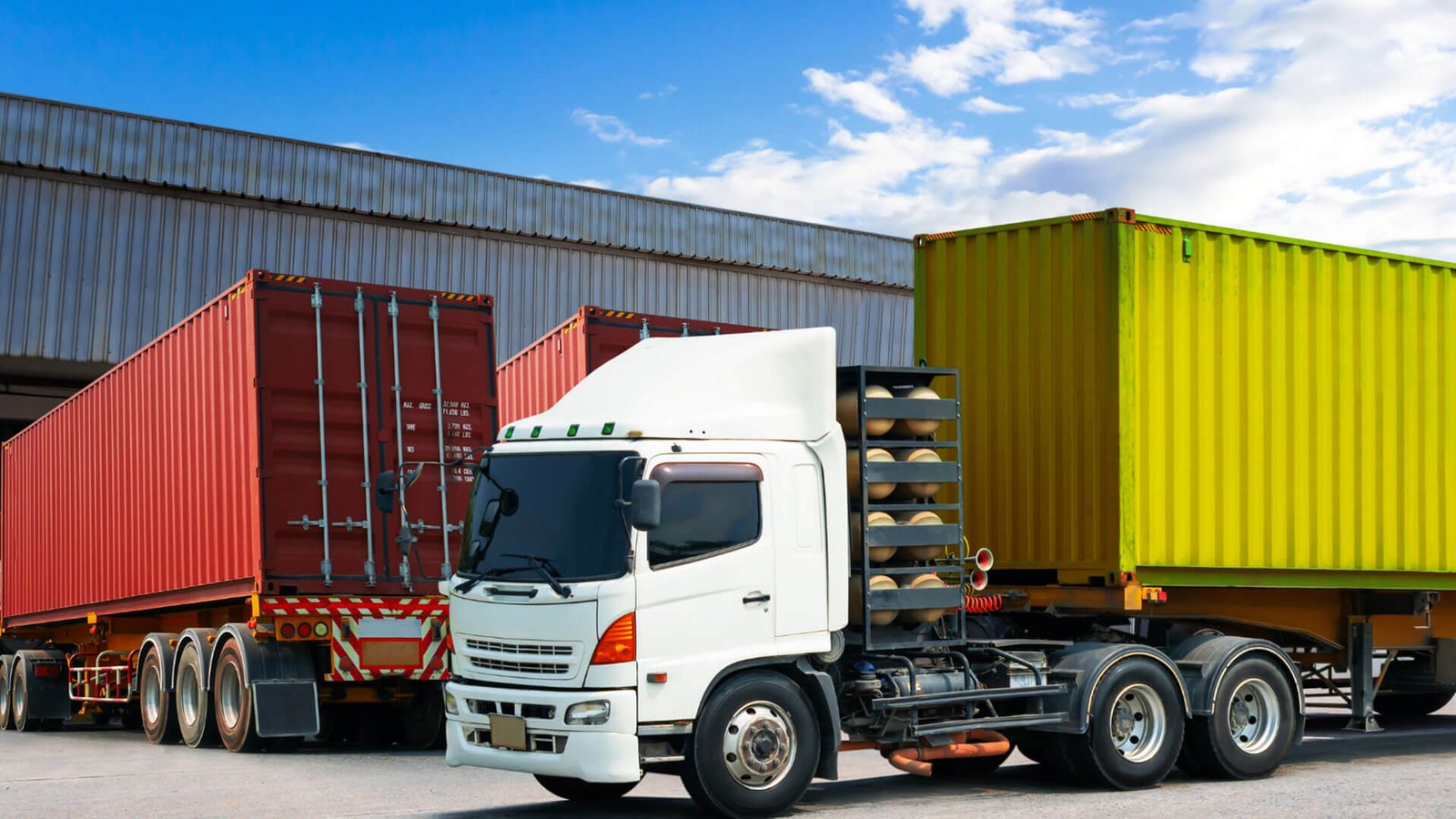
I've seen the real-world impact of SLI errors firsthand, and it’s not pretty. First, you face immediate operational delays. If the consignee name is misspelled on the SLI, the Bill of Lading11 will be wrong. Trying to fix this after a container has been loaded is a complex and costly process. Carriers can refuse to load a container if the paperwork is not in order. Second, and more common, are rejected EEI filings. The government's AES system will reject a filing with obvious errors, like an invalid Schedule B code15. When the filing is rejected, the shipment cannot legally be exported. Your FCL container will sit at the port in China, accumulating storage fees until the SLI is corrected and the EEI is successfully filed. Third, you risk customs holds and inspections. A mismatch between the declared value on the EEI and the commercial invoice5 is a huge red flag for U.S. Customs. This can trigger an inspection, leading to weeks of delay and thousands of dollars in exam fees. Finally, there are direct financial penalties for non-compliance, which can be thousands of dollars per violation, all directed at the shipper of record.
Your Reusable SLI Checklist
Before you sign and return an SLI to your forwarder, use this checklist to protect yourself.
- Shipper & Consignee Details: Are the full legal names, addresses, and contact details 100% correct?
- Incoterms13: Does the listed Incoterm (e.g., FOB, DDP) match your sales contract?
- Commodity Description: Is the description specific and accurate? "General Merchandise" is not acceptable.
- HTS/Schedule B Code: Have you personally verified this is the correct classification code for your product? Do not trust the supplier's code without checking.
- Value, Quantity, and Weight: Do these figures exactly match your commercial invoice5 and packing list6?
- Export Control: Are your goods subject to any export controls20 or require a license (ECCN)?
- EEI Filing Authorization: Does the document clearly state that you authorize your forwarder to file the EEI on your behalf as your agent?
- Signature & Date: Have you signed and dated the document, confirming you have reviewed and approved all information?
Conclusion
For China-USA FCL trade, the SLI isn't just paperwork. It's a liability document. Accurate instructions are the foundation of compliant, delay-free shipping. Get it right every time.
Understanding the SLI is crucial for ensuring smooth international shipping and avoiding costly errors. ↩
Discover how a freight forwarder can assist in managing your shipping logistics efficiently. ↩
Learn about EEI to ensure compliance with government regulations and avoid fines. ↩
FCL shipping is a common method for transporting large shipments efficiently. ↩
Ensure your commercial invoice is complete to facilitate smooth customs clearance. ↩
A detailed packing list helps in verifying shipment contents and avoiding disputes. ↩
Using the correct HTS code is essential to avoid customs delays and penalties. ↩
Correct consignee details ensure that shipments reach the intended recipient without issues. ↩
Avoiding customs exams can save time and money by preventing shipment delays. ↩
DDP shipments involve specific responsibilities that affect cost and liability. ↩
The Bill of Lading is a key document that serves as a receipt and contract for the shipment. ↩
An export declaration is crucial for legal and regulatory compliance in international trade. ↩
Understanding Incoterms is vital for determining shipping responsibilities and costs. ↩
Proper compliance filings prevent legal issues and ensure smooth shipping operations. ↩
Accurate Schedule B codes are necessary for compliance with export regulations. ↩
Avoiding non-compliant filings prevents fines and shipment delays. ↩
Learn about AES to ensure your export filings are accurate and compliant. ↩
Understanding shipment holds helps in resolving issues quickly to avoid delays. ↩
Reducing audit risk ensures smoother shipping operations and compliance with regulations. ↩
Understanding export controls is essential to avoid legal penalties and shipping delays. ↩