Your container is stuck, costing you money daily. These delays aren't random; they disrupt inventory and sales. But what if most were preventable before your shipment even left China?
The most common causes of shipment delays1 are incorrect shipping documents2, customs clearance failures3, port congestion4, and poor coordination5 between your forwarder, broker, and trucker. These issues create a chain reaction, but most are preventable with proper oversight before the container is loaded.
It’s a frustrating feeling to see your delivery ETA pushed back again and again. You start to wonder if delays are just a random, unavoidable part of international shipping. I’ve spent my career managing logistics from China to the U.S., and I can tell you they are not random. They are predictable, and more importantly, they are preventable. The key is understanding where and why they happen, so you can build a supply chain6 that anticipates problems instead of just reacting to them. Let's break down the entire process.
What Exactly Is a Shipment Delay in Logistics?
A "delay" seems simple, but it's a complex problem in your supply chain6. Is it a customs issue or a transit snag? Misdiagnosing it costs you valuable time and money.
In logistics, a shipment delay means your cargo fails to arrive at a planned milestone on schedule. This could be the port, customs, or your warehouse. One missed ETA creates a domino effect, disrupting your entire supply chain6 downstream.
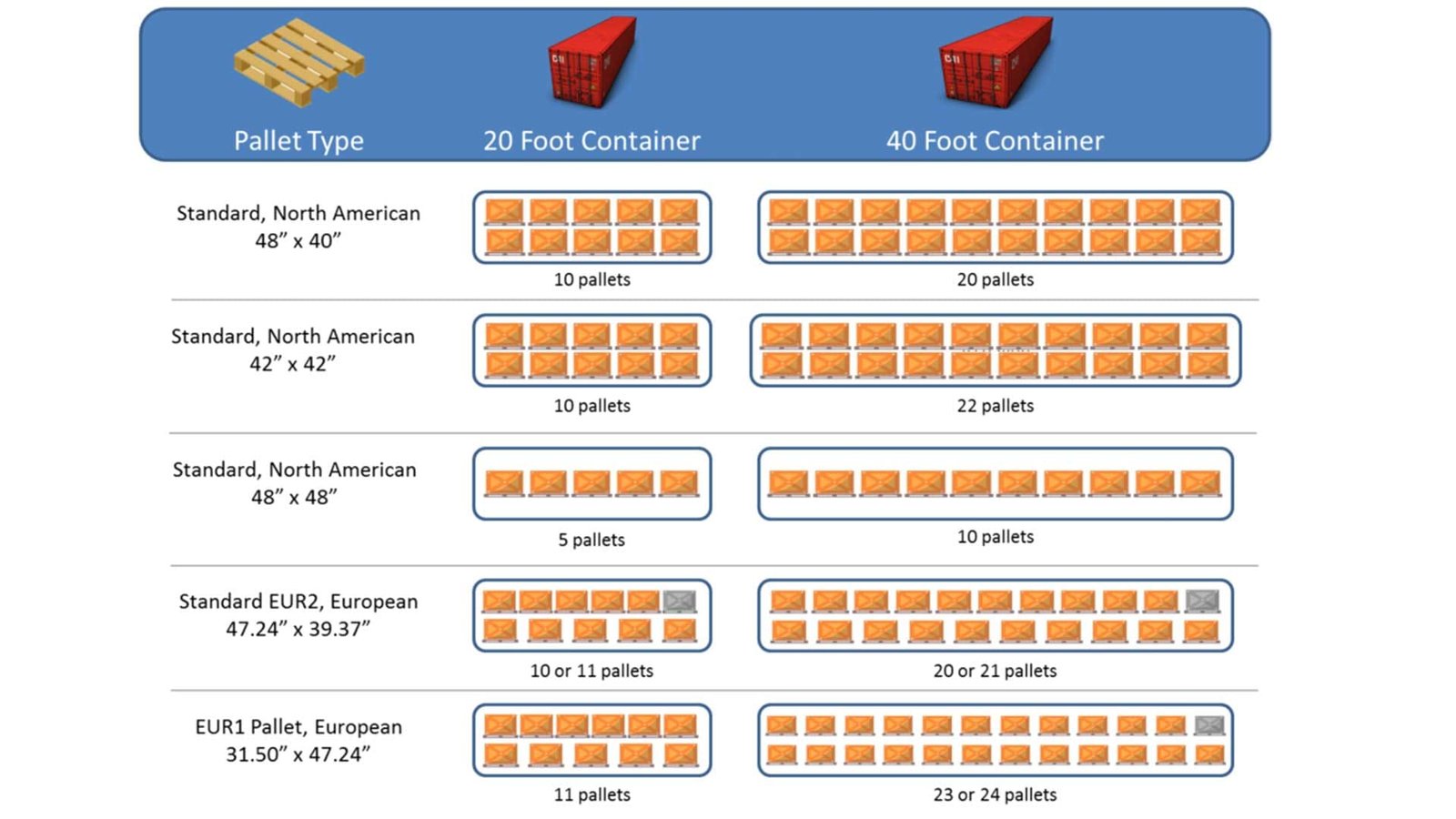
A delay isn't just about your cargo taking longer to cross the ocean. It's a failure at a specific checkpoint. To solve it, you first need to understand the different types. I've seen importers waste weeks trying to fix a "transit" problem that was actually a documentation error from the start. They are fundamentally different.
Transport Delay
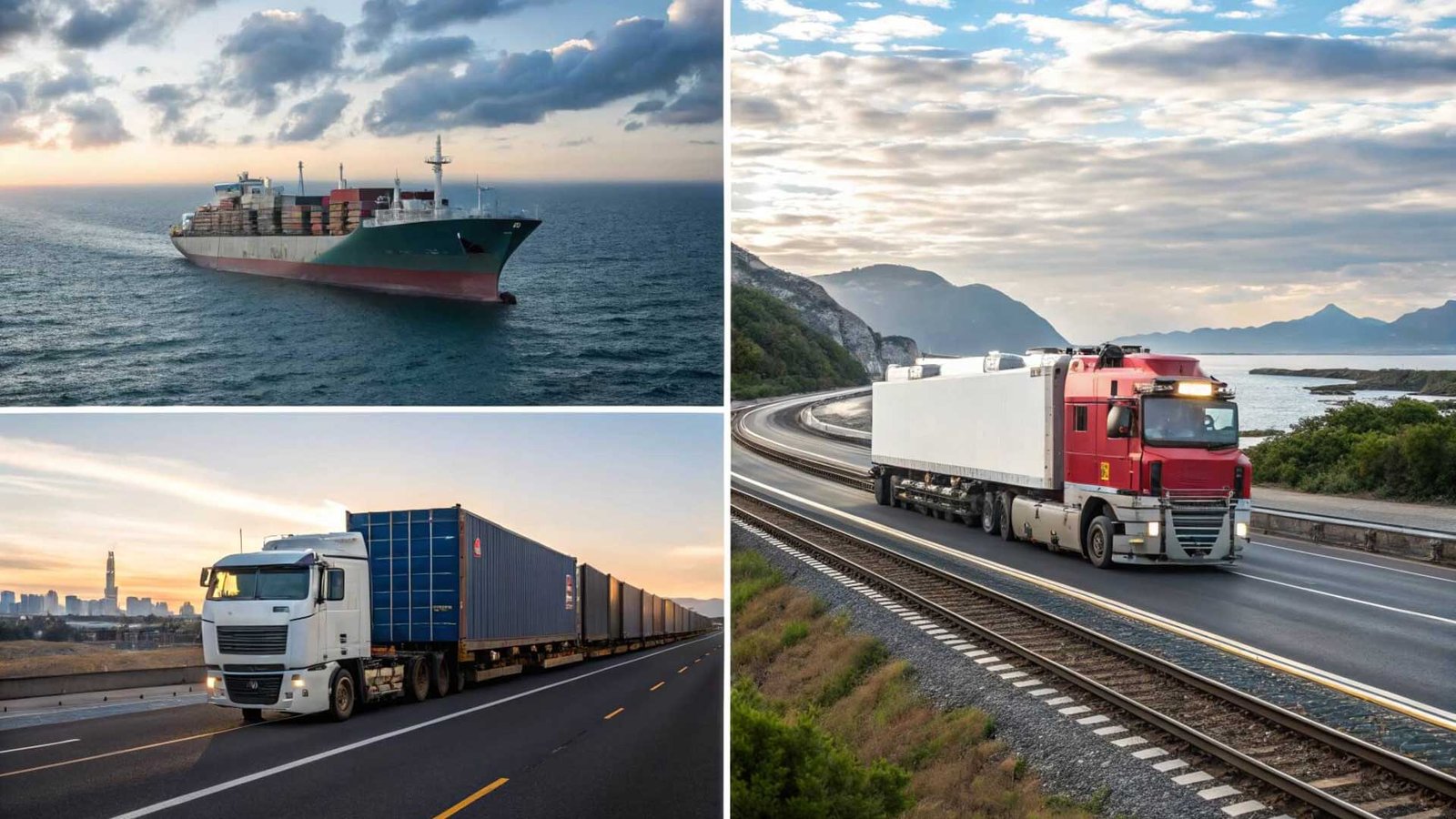
This is a delay that happens while the goods are physically moving. It's what most people think of first. This can include issues like a vessel being forced to wait at anchor outside a congested port, a truck getting stuck in traffic, or a train being rescheduled. These delays are often operational and are managed by the carriers themselves.
Customs Delay
This type of delay occurs when your container is held by U.S. Customs and Border Protection (CBP). It has nothing to do with the ship or truck. The hold is almost always due to problems with your documentation, data filing, or a random inspection. Examples include an incorrect HTS code7, a late ISF filing, or a discrepancy between the commercial invoice and the packing list.
Supplier Delay
This delay happens before your cargo even begins its journey. The problem is at the origin. Your supplier might miss the agreed-upon cargo-ready date8, fail to prepare the necessary export documents, or not have the goods packed correctly for shipment. This initial delay can cause you to miss your vessel booking, creating a ripple effect.
Where Do Shipment Delays Usually Happen in the China-to-U.S. Journey?
You know your shipment is late, but you don't know where it went wrong. Was it the factory, the ocean carrier, or U.S. Customs? The blame game begins, but it doesn't solve your problem.
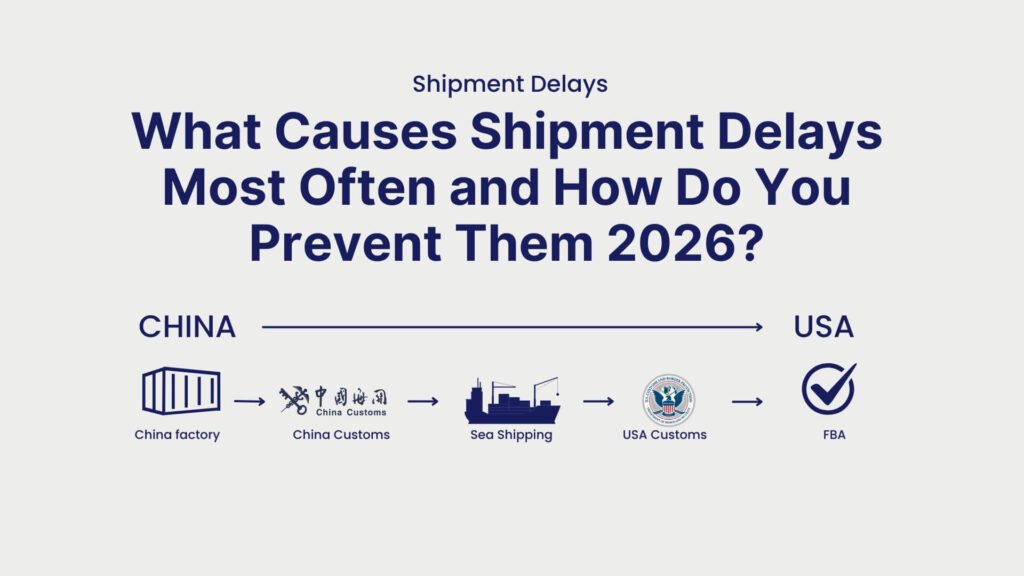
Shipment delays typically happen in one of three critical zones. First is at the origin in China, with supplier or export issues. Second is in transit, during ocean and port operations. Third is at the destination in the U.S., with customs and final delivery problems.

Over the years, I've seen thousands of containers move from China to the U.S. The problems almost always fall into one of these three buckets. Understanding these zones helps you ask the right questions and focus your prevention efforts where they matter most. It’s about diagnosing the problem correctly.
Delay Zone #1 — Origin (Supplier & Export Side)
This is where most preventable delays begin. Before your container is even loaded onto a ship, things can go wrong. A common issue is the factory not being "cargo-ready" on time. Other major problems are missing or inaccurate documents, like the commercial invoice or packing list. A simple typo can cause a customs hold weeks later. We also see late export customs filings in China or incomplete booking information given to the ocean carrier, which can cause your container to be "rolled" to a later vessel.
Delay Zone #2 — In Transit (Ocean & Port Operations)
Once your container is on the water, you're subject to operational delays. Port congestion is a huge factor, where ships have to wait for days just to get a berth to unload. Carriers may also "roll" your container to a different vessel if they overbook, or they might announce a "blank sailing," which means they cancel the voyage entirely. If your shipment has to be moved from one ship to another at a transshipment port9, that adds another potential point of failure. And of course, there are always uncontrollable factors like severe weather.
Delay Zone #3 — Destination (U.S. Customs & Delivery)
Your container has arrived in the U.S., but the final hurdles can be the highest. U.S. Customs holds are a major source of delays. These can be triggered by a late or inaccurate Importer Security Filing (ISF)10, a wrong HTS code7 on your entry documents, or a random exam. After clearing customs, you still face trucking challenges. There might be no available appointments at the port terminal, or a shortage of chassis (the trailer a container sits on) could leave your box sitting at the port, racking up fees.
What Are the Most Common Causes of Shipment Delays for U.S. Importers?
Your container is stuck, and you’re told it’s due to "unforeseen circumstances." But in my experience, these issues are rarely a surprise. They are recurring problems that trap unprepared importers.
The most common causes are incorrect shipping documents2, customs clearance failures3, port congestion4, supplier production delays11, and fragmented logistics coordination12. Each one of these is highly preventable with the right oversight and proactive planning.
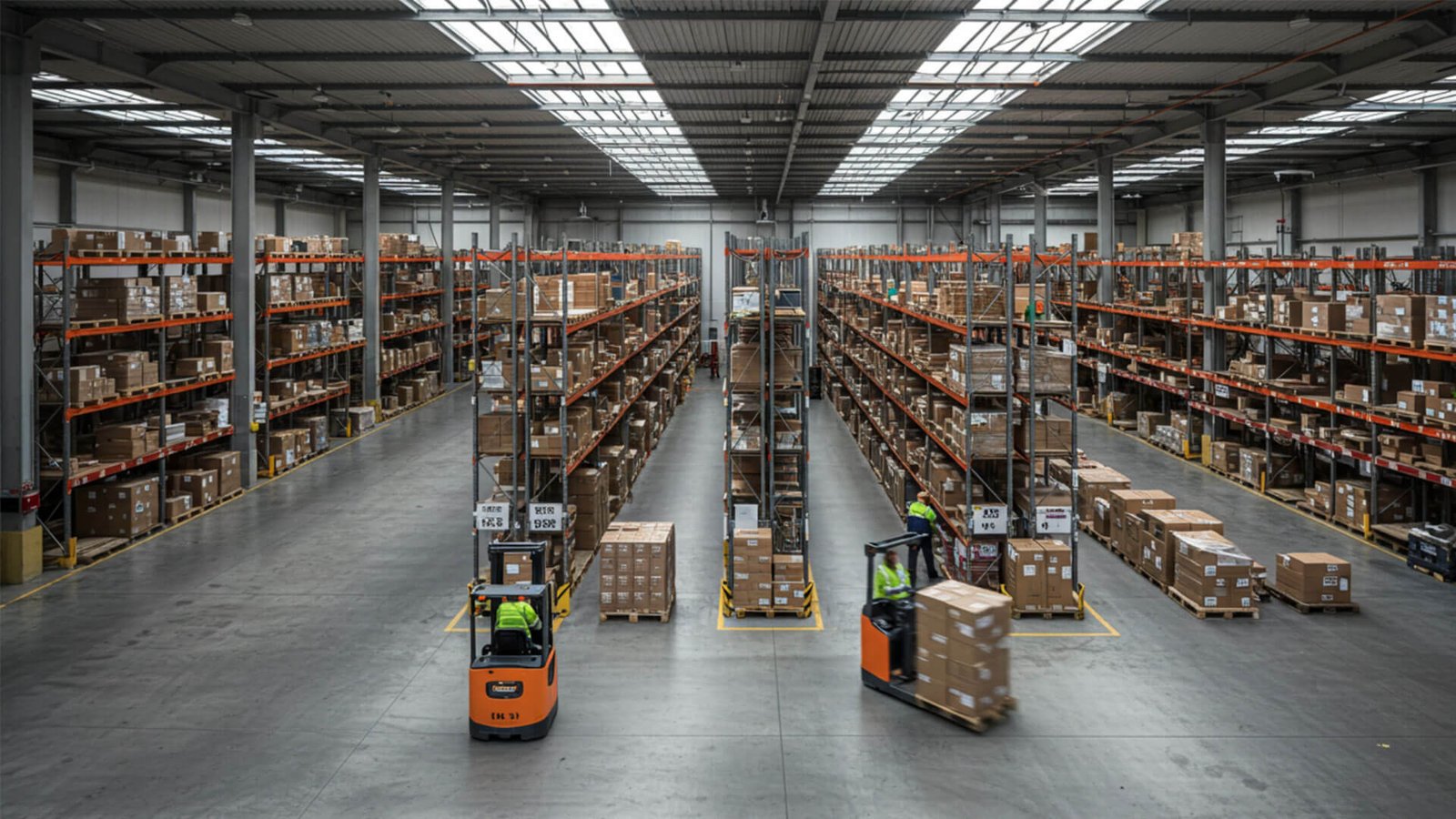
If you want to build a resilient supply chain6, you need to focus on the root causes, not just the symptoms. I have seen importers spend a fortune on expediting a shipment that was delayed by a simple, fixable documentation error. Let's look at the top five culprits I see every day.
Incomplete or Incorrect Shipping Documents
This is, by far, the number one cause of customs-related delays. A commercial invoice with the wrong value, a packing list that doesn't match the cargo, or an incorrect HTS code7 can trigger an immediate customs hold. Even inconsistent shipper and consignee information across documents can raise a red flag for CBP.
Customs Clearance Issues
These are often linked to documentation but are specifically related to regulatory filings. The most common is filing the ISF late—it must be submitted 24 hours before the cargo is loaded in China. Other issues include not having a valid customs bond in place or being flagged for a random or risk-based inspection, which can delay your container for days or even weeks.
Port Congestion & Carrier Disruptions
The operational side can be unpredictable. Carriers sometimes cancel sailings (blank sailings) to manage capacity, or they roll containers to a later vessel if they are overbooked. U.S. ports, especially on the West Coast, frequently suffer from congestion, leading to long wait times for vessels to berth and for trucks to pick up containers.
Supplier & Production Delays
Your logistics plan is only as good as your supplier's reliability. If your factory misses the agreed-upon cargo-ready date8, your entire shipping schedule is thrown off. Sometimes they complete only a partial production run or have to rework goods due to quality issues. Poor communication from the supplier about these delays makes the problem even worse.
Poor Logistics Coordination
This is a huge, often overlooked issue. When you use a separate company for freight forwarding13, another for customs brokerage, and a third for trucking, no one has full visibility or accountability. The forwarder might blame the broker for a customs delay, and the broker might blame the forwarder for not providing documents on time. This finger-pointing happens while your container sits at the port collecting fees.
What Is the Biggest Logistics Problem Causing These Delays?
You've tried to address documents and plan for customs, but delays still happen. You're left chasing your forwarder, who blames the customs broker, who then blames the trucker. It's a frustrating cycle.
The single biggest problem is fragmented responsibility. When different companies handle forwarding, customs, and trucking, there is no single point of accountability. Problems are discovered too late, and finger-pointing replaces real solutions.

Let's think about a typical, fragmented shipping process14. You hire a freight forwarder in China to book your container. Then you hire a U.S. customs broker to handle the import filings. Finally, you have to find a trucking company to pick up the container from the port. Each party is responsible for only one small piece of the puzzle.
When a problem occurs, who is responsible? If the ISF is filed late, the customs broker might say they never received the documents from the forwarder. The forwarder might say the supplier didn't provide them. No one owns the entire process from end to end. This creates massive blind spots. Information doesn't flow smoothly, and problems aren't identified until a critical deadline has already passed. A customs hold becomes a surprise, instead of a preventable error. The real solution is to have one partner who is accountable for the entire chain, from the factory door in China to the warehouse door in the U.S. This eliminates the gaps and the blame game.
How Do Shipment Delays Truly Impact Your Business Bottom Line?
A few extra days in transit might seem like a minor inconvenience. But for a U.S. importer, those days can trigger a cascade of fees, lost sales, and operational chaos that hits your bottom line hard.
Shipment delays create direct financial hits like demurrage and detention fees15. They also cause inventory stockouts16, missed retail windows, Amazon FBA penalties17 for late check-ins, and serious cash-flow disruption18s for your business.
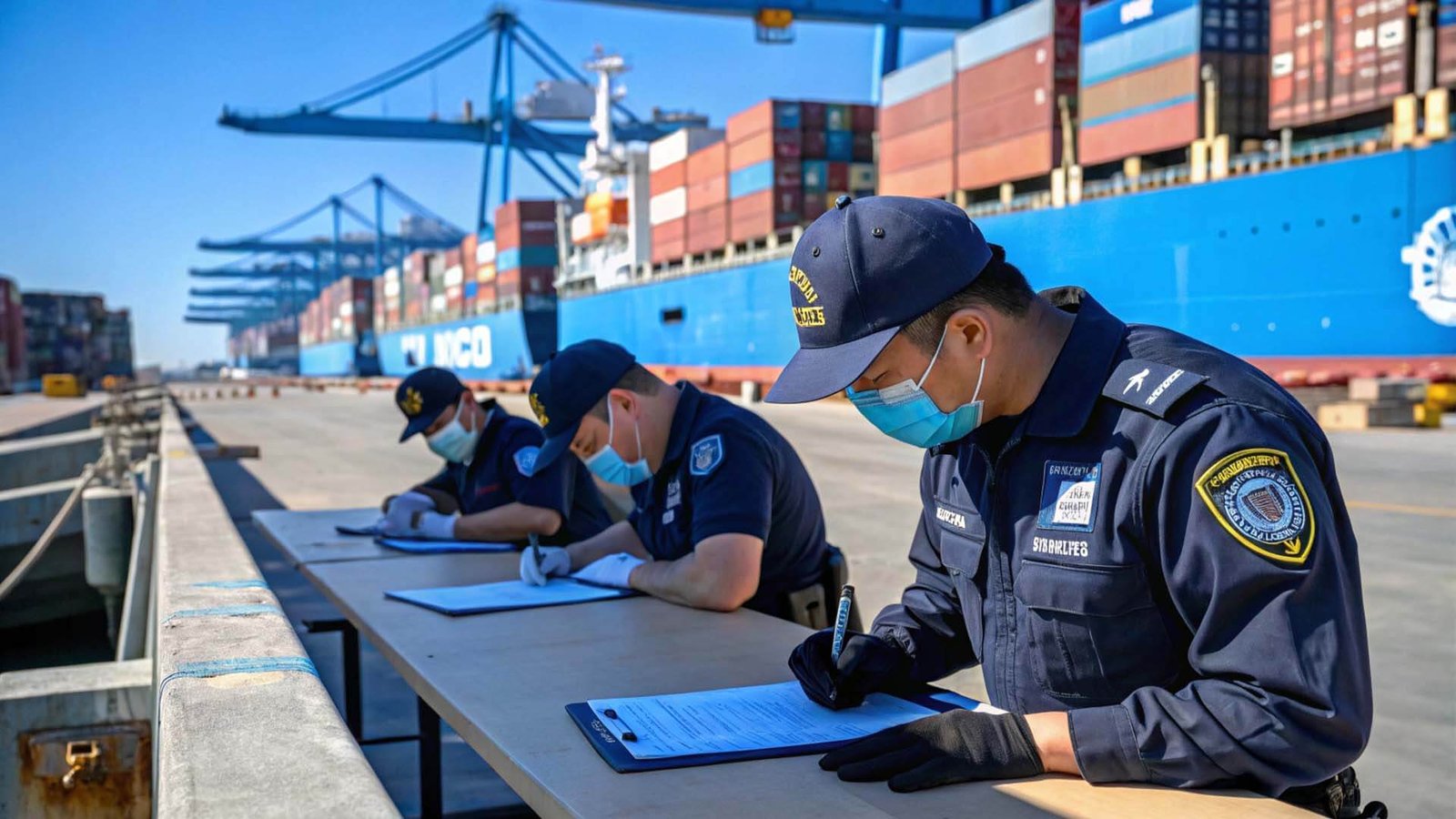
The cost of a delay goes far beyond the freight rate. I've worked with clients who faced five-figure bills for a single delayed container because they didn't understand the downstream financial risks. It's critical to see a delay not just as a timeline issue, but as a direct threat to your profitability.
Demurrage & Detention
These are penalties charged by the port and the shipping line. Demurrage is a fee for leaving your container at the port terminal for too long after it has been unloaded. Detention is a fee for keeping the carrier's container for too long outside the port. A customs hold can easily lead to thousands of dollars in these fees.
Inventory Stockouts & Lost Sales
If your product isn't on the shelf, you can't sell it. A delay can mean you run out of stock, losing sales to competitors. For businesses that rely on seasonal sales, a delay of even one or two weeks can mean missing your entire selling window for that product.
Amazon FBA & Retail Penalties
If you sell on Amazon or supply to major retailers, the stakes are even higher. Amazon has strict appointment times for FBA deliveries. Missing your slot can lead to penalties or even your shipment being rejected. Retailers often have contractual penalties for late deliveries, which they will deduct from your invoice.
Cash-Flow Disruption
When your goods are stuck, so is your cash. You have likely already paid your supplier for the products, but you can't sell them to generate revenue. This ties up your working capital and can severely disrupt your business's financial planning.
Your Shipment Is Already Delayed, So What Should You Do Right Now?
You just got the email: your container is delayed. Panic starts to set in. But reacting without a clear plan can make things worse, costing you even more time and money.
First, identify exactly where the delay occurred (origin, transit, or destination). Next, confirm the root cause. Then, take specific corrective action. Finally, communicate the new timeline clearly to all internal and external stakeholders.
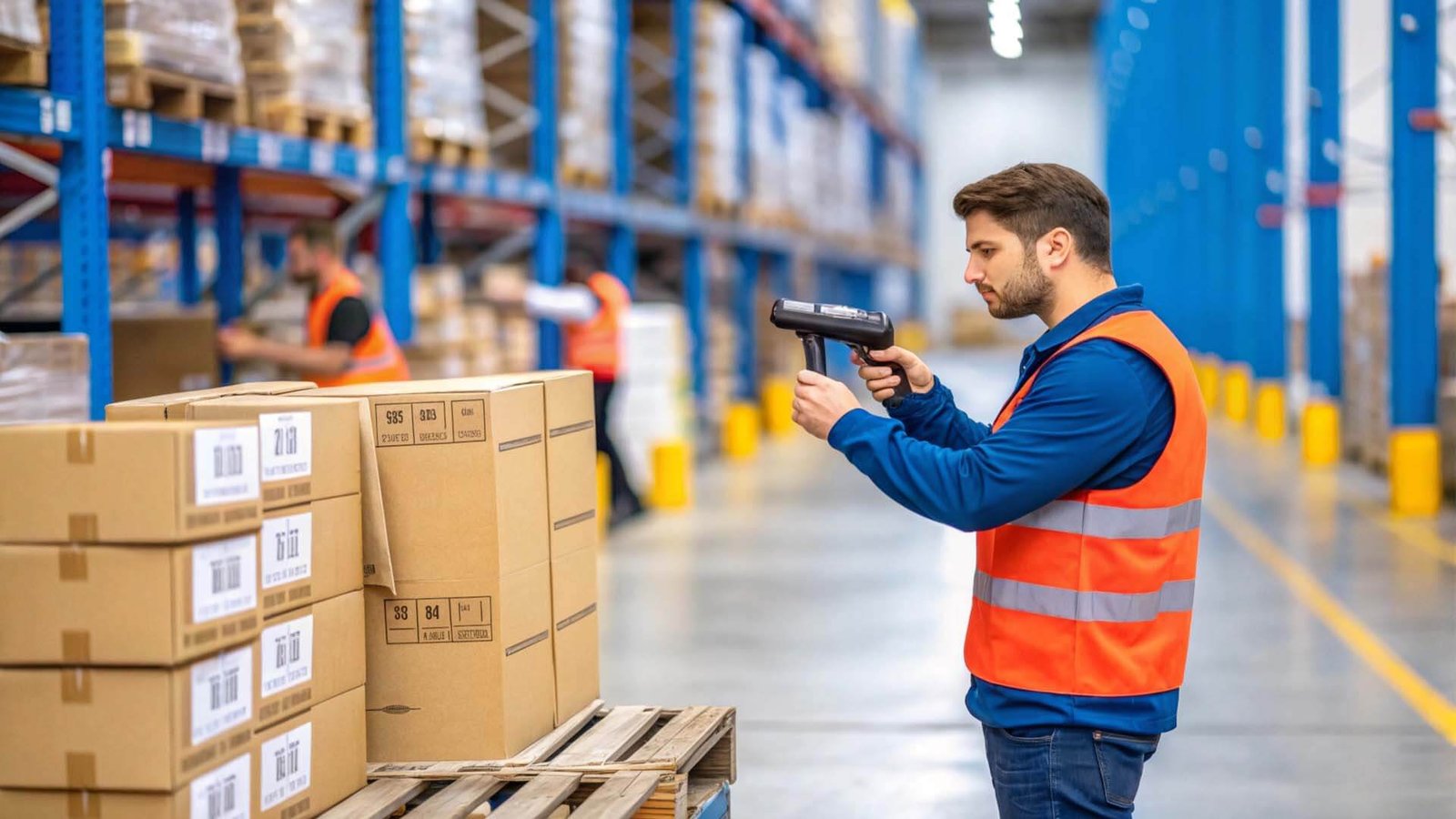
Dealing with a delay in progress is all about damage control. The goal is to resolve the issue as quickly as possible and minimize the financial impact. Panicking doesn't help. A methodical approach does. Here is the four-step process I use with my clients to take control of the situation.
Step 1 — Identify Where the Delay Occurred
Is the container still in China? Is it stuck at a transshipment port9? Or is it being held by U.S. Customs? You need to know the location and status. Don't accept vague answers like "it's delayed." Demand specifics from your logistics provider19.
Step 2 — Confirm the Root Cause
Once you know where it is, find out why it's stuck. Is it a documentation error? A customs exam? A port labor shortage? Knowing the root cause is critical because the solution for a paperwork problem is very different from the solution for a trucking capacity issue.
Step 3 — Take Corrective Action
Now you can act. If it's a documentation issue, work with your customs broker to amend the filings immediately. If it's a customs exam, ask for updates daily. If it's a trucking problem, see if your provider can find another carrier or re-book the appointment. You must also adjust your internal inventory and sales plans based on the new, realistic ETA.
Step 4 — Communicate Internally & Externally
Keep everyone informed. Your operations and sales teams need to know about the new timeline. If the delay will impact your customers, it's better to communicate with them proactively. Clear communication, even with bad news, builds trust and helps everyone else adjust their plans accordingly.
How Can You Proactively Prevent Shipment Delays from Happening in the First Place?
Constantly reacting to delays is exhausting, expensive, and stressful. You might feel powerless, at the mercy of carriers and customs agents. But the best solution is always prevention.
Prevent delays by using pre-shipment document checks, filing ISF and customs data early, and building buffer time into your schedule. Most importantly, work with a single, accountable logistics partner who manages the entire process.
After managing thousands of shipments, I can confidently say that what happens before your cargo leaves China has the biggest impact on whether it arrives on time. Shifting your focus from reaction to prevention is the single best way to create a reliable supply chain. Here are the most effective strategies.
Use Pre-Shipment Document Checks
Before your container is even booked, have your logistics partner audit all documents from your supplier. This includes the commercial invoice, packing list, and any other required paperwork. They should verify that the values, quantities, product descriptions, and HTS codes are all correct and consistent. This simple step can prevent over 90% of customs-related holds.
File ISF and Customs Data Early
Don't wait until the last minute. The ISF must be filed 24 hours before vessel loading, but it's best to file it as soon as you have the information. Filing your customs entry data before the vessel arrives in the U.S. (known as a pre-clearance) can also significantly speed up the release of your cargo.
Work With a Single Accountable Logistics Partner
This is the most important strategy. When one company handles your freight forwarding, customs brokerage, and even trucking, there is no one to blame. They have full visibility and are accountable for the entire process. They can spot potential problems early and fix them before they cause a delay.
Build Buffer Into Transit Planning
Don't rely on the best-case-scenario ETAs that carriers provide. Work with your logistics partner to build a realistic timeline that includes potential buffer days for common issues like port congestion, especially during peak season. A realistic plan prevents surprises.
Choose DDP or End-to-End Shipping When Possible
Using a model like Delivered Duty Paid (DDP) shifts much of the risk and responsibility to your logistics partner. They handle everything—duties, customs clearance, and final delivery. This integrated approach is designed to prevent surprise delays and costs, as clearance is often handled before the cargo even arrives.
Why Are Shipments from China to the U.S. So Prone to Delays?
It often seems like shipments from China face more delays than those from other regions. This perception makes it incredibly difficult for U.S. importers to plan their inventory and cash flow with any certainty.
The China-to-U.S. route is prone to delays due to its massive cargo volume, strict export and import compliance checks, and seasonal port congestion. Importers mitigate this by using meticulous planning, early data filing, and integrated logistics control.
The challenges on this trade lane are unique, but they are not insurmountable. It's not that shipping from China is inherently "slow"; it's that the scale and complexity require a higher level of precision and planning. Blaming the route doesn't help. Understanding its specific pressure points does.
The first factor is the sheer volume. China is the world's largest exporter, and the U.S. is its biggest customer. This concentration of cargo puts immense pressure on ports, carriers, and infrastructure on both sides of the Pacific. During peak seasons, this volume can easily overwhelm capacity, leading to congestion and rollovers.
Second is the level of compliance scrutiny. Both Chinese export authorities and U.S. Customs pay very close attention to shipments on this lane. Any mistake in documentation or data filing is more likely to be flagged for review or inspection. This is why having perfect paperwork is not just a recommendation; it's a requirement for smooth transit. Finally, the lane is subject to predictable cycles of disruption, such as Golden Week in the fall or pre-Chinese New Year rushes in the winter, which must be planned for well in advance. Successful importers don't avoid these challenges; they navigate them with a strategy built on control, compliance, and communication.
Have More Questions About Shipment Delays?
You still have some specific questions about shipping delays. Searching for clear, business-focused answers online can be frustrating and often leads to generic advice that doesn't apply to B2B importing.
This section provides concise, business-focused answers to key questions about delay causes, transit times, and prevention strategies. This helps you navigate the complexities of international shipping with more confidence.

I get these questions all the time from U.S. importers who are tired of dealing with uncertainty. Here are direct, no-nonsense answers to some of the most common ones.
What causes delays in transportation most often?
The most common causes are port congestion, which forces vessels to wait, and carrier-side issues like rolled containers or blank sailings. On land, delays are often caused by trucking appointment shortages or a lack of available chassis at the port.
How long do most shipments take (China → U.S. ocean)?
An FCL ocean shipment from a main port in China to a U.S. West Coast port typically takes 14-20 days on the water. For the U.S. East Coast, it's closer to 30-40 days. However, the total transit time from factory to your door can be 30-60 days depending on customs and delivery.
What are the three categories of delays?
Delays fall into three main categories: supplier delays (at origin, before shipping), transport delays (in transit, operational issues), and customs delays (at destination, related to compliance and documentation).
What are excusable vs preventable delays?
Excusable delays are caused by forces beyond anyone's control, like severe weather (force majeure) or a major labor strike. Preventable delays are caused by human error, like incorrect documents, late filings, or poor coordination between logistics providers. The vast majority of delays are preventable.
How do importers ensure timely delivery?
Importers ensure timely delivery by focusing on prevention. They work with a single, accountable logistics partner, verify all documents before shipping, file customs data early, and plan for realistic transit times instead of best-case scenarios.
Conclusion
Shipment delays are predictable, diagnosable, and largely preventable. Control over your documentation, customs filings, and logistics accountability before your cargo ever leaves China is the key to a reliable supply chain.
Understanding the causes of shipment delays can help you prevent them and streamline your logistics. ↩
Find out how incorrect shipping documents can lead to costly delays and how to avoid them. ↩
Learn strategies to avoid customs clearance failures and ensure smooth shipping processes. ↩
Explore how port congestion impacts shipping timelines and costs, and find solutions. ↩
Discover the importance of coordination in logistics to prevent delays and improve efficiency. ↩
Explore how effective supply chain management can help prevent delays and improve efficiency. ↩
Learn about HTS codes and their critical role in international shipping compliance. ↩
Understand the importance of the cargo-ready date in the shipping process to avoid delays. ↩
Discover the role of transshipment ports in logistics and how they can affect your shipments. ↩
Understand the significance of ISF in customs clearance to prevent delays. ↩
Understanding supplier production delays can help you manage your supply chain more effectively. ↩
Learn about the pitfalls of fragmented logistics and how to create a more integrated approach. ↩
Learn about freight forwarding and its role in international shipping logistics. ↩
Get a comprehensive overview of the shipping process to better manage your logistics. ↩
Get insights into demurrage and detention fees to avoid unexpected costs in your shipping. ↩
Explore the impact of inventory stockouts on sales and customer satisfaction. ↩
Understand the penalties associated with Amazon FBA to avoid costly mistakes. ↩
Learn how shipment delays can impact your cash flow and financial planning. ↩
Find tips on selecting a logistics provider that can help you avoid delays and improve efficiency. ↩