Struggling with surprise port fees1 on your invoices? These unexpected charges destroy your budget. Understanding the chassis usage fee2 is the first step to controlling your landed costs from China.
A chassis usage fee2 is a daily rental charge for the wheeled trailer frame needed to move a shipping container. It's charged by the chassis owner from the moment your container is picked up until it's returned, directly impacting your total drayage cost.
When I talk to importers like Mark, they are often frustrated by fees that appear on their drayage invoices3. They feel these costs are out of their control. The truth is, while you can't eliminate the chassis usage fee2, you can absolutely manage it. It all comes down to understanding what triggers the charge and planning ahead. This fee is a critical piece of the puzzle for any U.S. importer shipping FCL containers4. Let's break down how you can take control of it.
What Is a Chassis and How Is It Used in Container Drayage?
Your container has landed, but it can't move. Without the right equipment, it's stuck at the port, racking up fees. Let's break down the essential tool for drayage: the chassis.
A chassis is a specialized trailer or undercarriage onto which a shipping container is loaded for road transport. In container drayage5, it's the critical link that allows a truck to haul your container from the U.S. port terminal to your warehouse.
Think of a shipping container as just a box. It has no wheels. To move it over the road, a truck driver needs a chassis. The truck, or tractor, connects to the chassis, and the container is then lifted by a crane onto the chassis. This complete unit—truck, chassis, and container—can then leave the port and head to your facility.
For years, I've seen importers get confused about this. They assume the truck that shows up automatically comes with everything needed. But in the U.S. port system, the chassis is often a separate piece of equipment managed by different companies.
Key Chassis Characteristics
| Feature | Description | Impact on Your Shipment |
|---|---|---|
| Type | Chassis come in different sizes, mainly 20ft, 40ft, and 45ft, to match container lengths. | Using the wrong size is not an option. Your logistics partner6 must secure the correct chassis for your specific container. |
| Ownership | They are owned by ocean carriers, leasing companies (known as chassis pool operators7), or trucking companies. | This determines who you pay and where the equipment must be returned. It can get complicated, especially with "gray pools" where different owners' chassis are mixed. |
| Availability | Chassis are a finite resource. At busy ports like Los Angeles/Long Beach or NY/NJ, shortages are common. | If no chassis is available when your trucker arrives, your container cannot be picked up. This is a primary cause of drayage delays and extra costs. |
Ultimately, a chassis is the simple but non-negotiable tool required for the final leg of your container's journey. Its availability and management directly influence the speed and cost of your entire import process.
When and How Are Chassis Usage Fees Charged at U.S. Ports?
You see a "chassis fee" on your invoice but don't know why. These unclear charges can feel random and unfair, making budgeting impossible. Here’s exactly when and how these fees get triggered.
Chassis usage fees are typically charged on a daily basis. The clock starts when your container is mounted on the chassis for pickup at the port and stops when the empty container and chassis are returned to their designated locations.
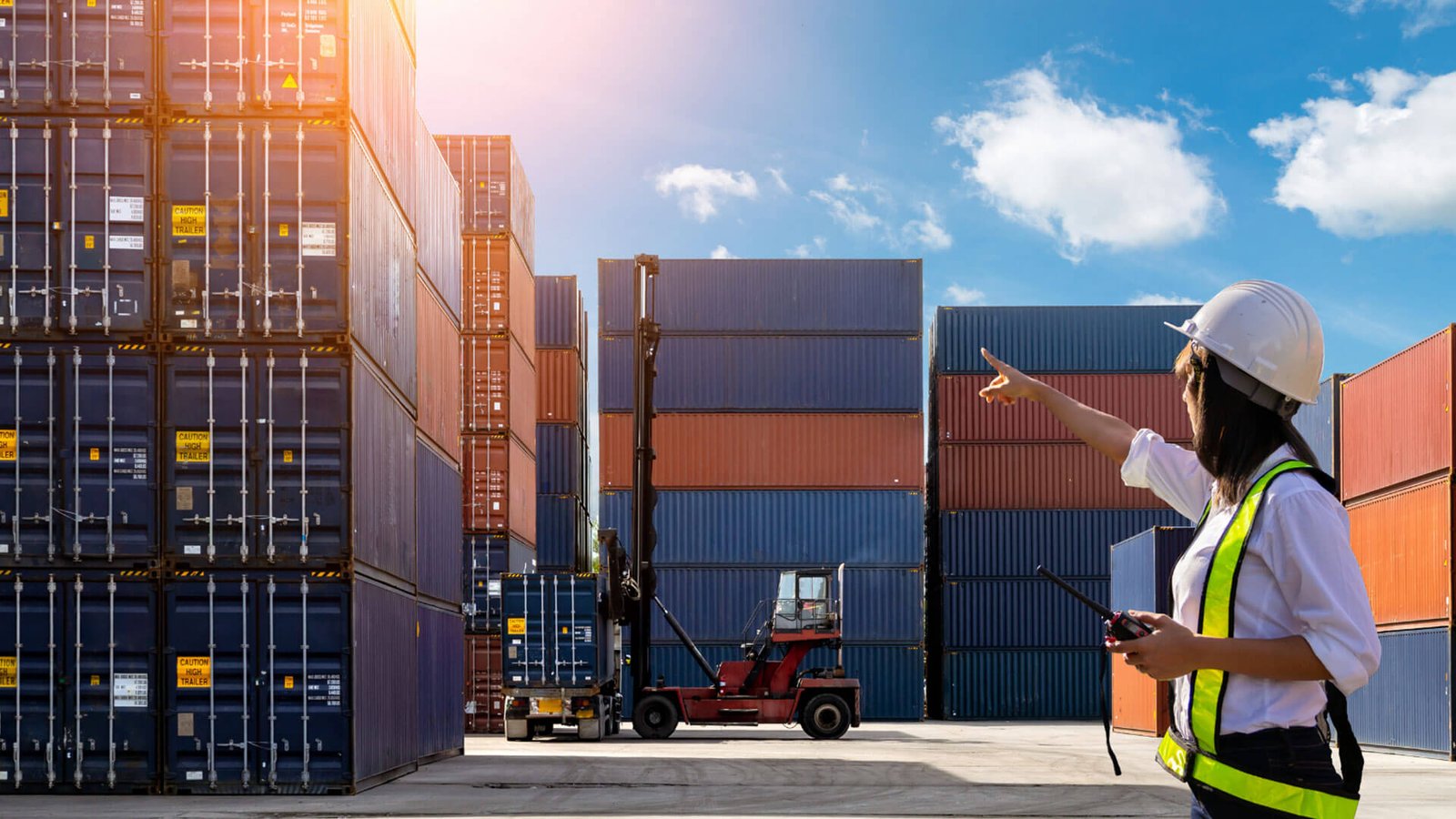
The process is straightforward, but the details matter. When your FCL container from China is unloaded from the vessel, it's placed in a stack at the terminal. Your freight forwarder or drayage company dispatches a trucker to retrieve it.
Here is the typical sequence of events that triggers the fee:
- Trucker Arrives at Port: The driver enters the terminal.
- Pick Up Chassis: The driver first goes to a chassis depot or "pool" to pick up a bare chassis.
- Mount Container: The driver then proceeds to the container stack, where a port crane lifts your container and secures it onto the chassis. The daily rental clock starts now.
- Transit to Warehouse: The driver transports the container to your warehouse for unloading. The daily fee continues to accrue.
- Return Empty: After unloading, the driver returns the empty container to its designated terminal and the chassis to its designated pool. The daily rental clock stops now.
The total number of days the chassis was in use is then multiplied by the daily rate. This charge appears as a line item on the final drayage bill from your logistics partner6. For example, if the daily rate is $40 and the entire process takes three days, you will see a $120 chassis usage fee2. It’s a simple rental model, but as we’ll see, external factors can easily extend those days and inflate the cost.
What Drives Chassis Usage Fee Costs (Shortages, Congestion, and Splits)?
Your chassis fee was much higher than expected. Unforeseen issues like port congestion8 can double or triple your costs without warning. Let's look at the three main drivers behind high chassis fees.
Higher chassis usage fee2s are driven by chassis shortages9, port congestion8, and chassis split10s. Shortages and congestion extend the time you need the chassis, increasing daily charges. A "chassis split10" occurs when the container and chassis are in different locations, requiring a separate trip and fee.
I often explain to my clients that the base daily rental fee is just the starting point. The final cost is determined by efficiency. Anything that slows down the process will increase your bill.
Primary Drivers of High Chassis Costs
-
Chassis Shortages: During peak season or when multiple vessels arrive at once, the demand for chassis can exceed the supply at the port. A trucker might have an appointment to get your container but has to wait for hours, or even a full day, for a chassis to become available. Since you are charged per day, this waiting time directly adds to your bill. You are paying for a rental period that includes time the chassis was just sitting idle, waiting to be used.
-
Port Congestion: Even if a chassis is available, long lines of trucks waiting to enter or exit the terminal can cause major delays. A pickup that should take a few hours can turn into an all-day affair. This congestion prevents the driver from returning the chassis on the same day, automatically adding another day's rental fee to your invoice.
-
Chassis Splits: This is a specific fee that catches many importers by surprise. A "chassis split10" or "split pickup" happens when the container and a suitable chassis are not located in the same place. For example, your container might be at Terminal A, but the only available chassis is at a pool a few miles away. The trucker must first go to the pool, pick up the chassis, and then drive to Terminal A to get your container. This extra trip costs time and fuel, so the drayage company charges a one-time "chassis split10 fee," which can be $50 to $150 on top of the daily rental.
Who Pays the Chassis Usage Fee in FCL and DDP Shipments?
You thought DDP shipping covered all costs. Then a bill with hidden chassis-related detention charges arrives, creating a dispute with your supplier. Let's clarify who is responsible for the fee.
The U.S. importer is always ultimately responsible for chassis usage fee2s. Under terms like FOB, the importer pays directly. With DDP shipments11, the seller pays the fee, but this cost is simply bundled into the product price and doesn't cover delays you cause.
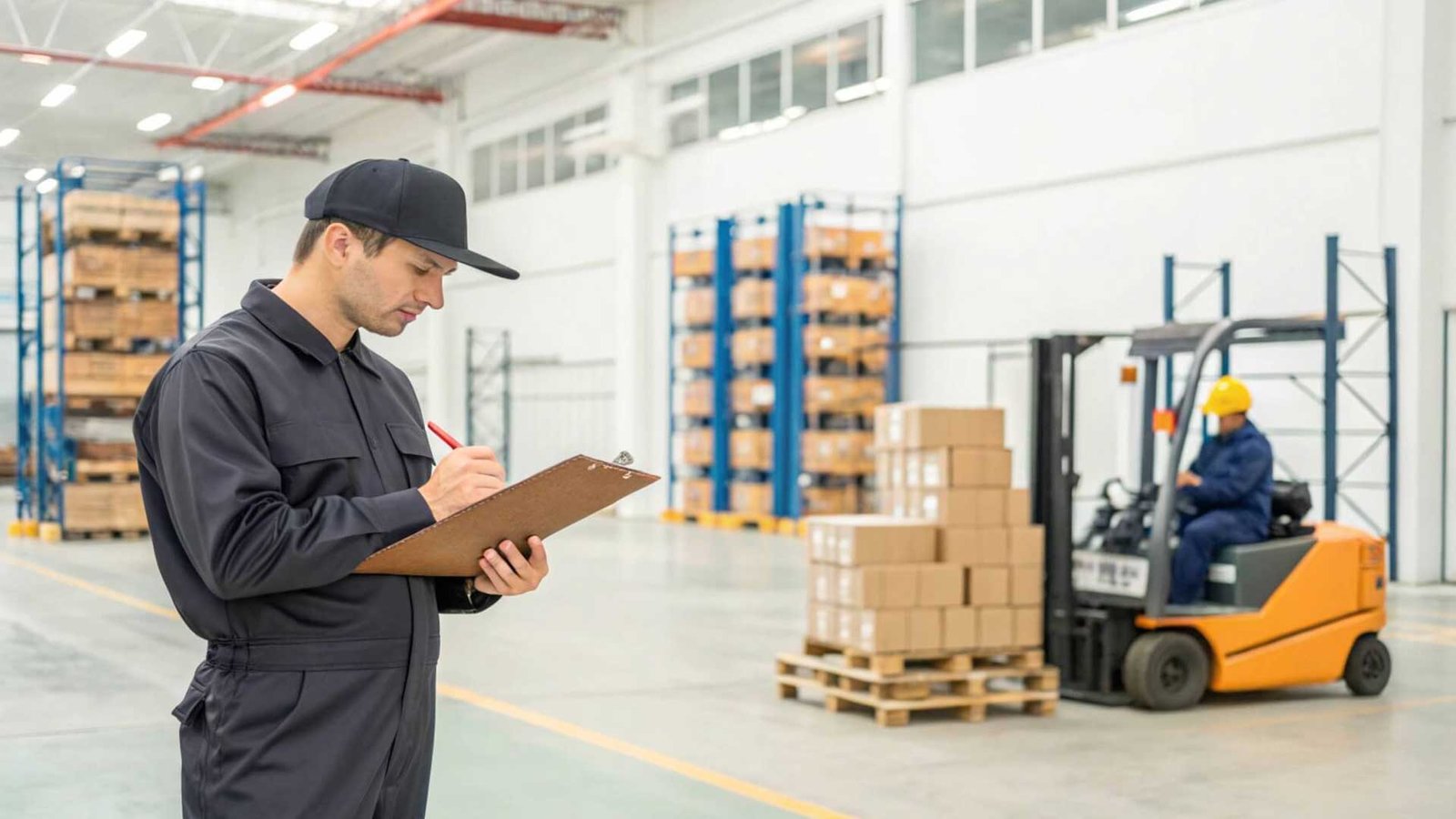
Understanding who pays is crucial for accurate job costing. The responsibility depends on the Incoterms you agree on with your supplier in China.
Payment Responsibility by Incoterm
| Incoterm | Who Arranges & Pays the Chassis Fee? | Who is Responsible for Delay Costs? |
|---|---|---|
| EXW / FOB12 | The importer. The fee will be on your freight forwarder's or drayage company's invoice. | The importer. Any delays, from customs holds to slow unloading, are your financial responsibility. |
| DDP (Delivered Duty Paid) | The seller (exporter). They arrange and pay for all transportation to your door, including the drayage and the base chassis fee. | The importer. While the seller pays for standard transit, if your warehouse is not ready and delays the driver, the resulting detention fees and extra chassis rental days will be billed back to you. |
Many importers I work with choose DDP because they believe it's "all-inclusive." It's a common misconception. While the seller in China handles the logistics and pays the bills, they are only paying for a standard, efficient delivery. Their quote does not include extra fees caused by the buyer. If your team takes three days to unload a container when the driver was expecting to leave in two hours, the seller isn't going to absorb that cost. They will pass those detention charges and extra chassis rental fees directly back to you. No matter the Incoterm, the responsibility to unload and return the equipment promptly always falls on the U.S. importer.
How Do Chassis Delays Increase Demurrage and Detention Risk?
A small chassis issue seems minor. But it can trigger a chain reaction of massive demurrage and detention13 bills, costing thousands. Let's connect the dots between chassis availability14 and these penalties.
Chassis delays are a direct cause of demurrage and detention13. If no chassis is available, your container sits at the port past its free time, incurring demurrage. Delays in returning the chassis lead to detention charges from the ocean carrier.
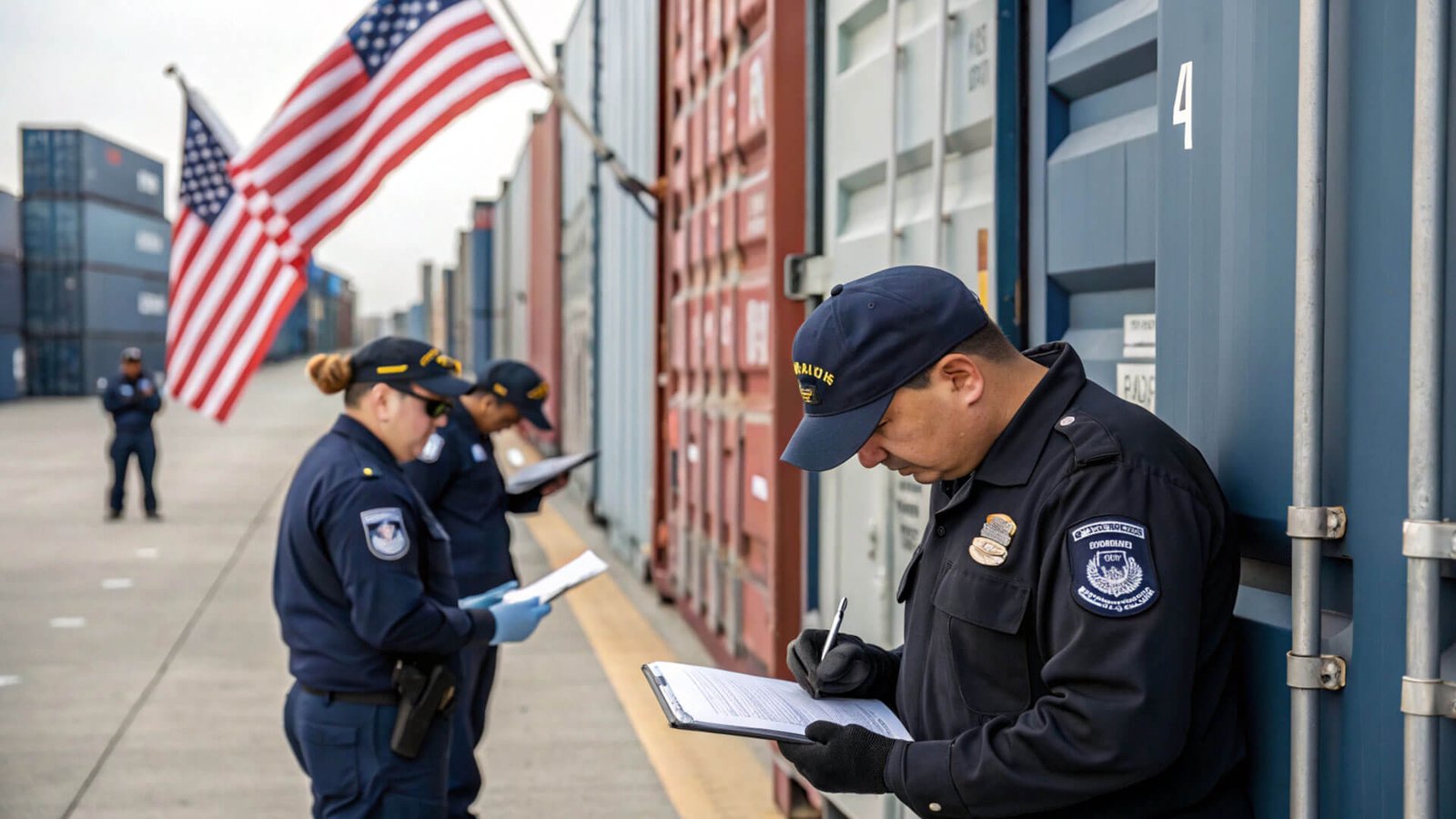
Demurrage and detention are the two most painful surprise costs in ocean freight. A lack of chassis planning15 is one of the main reasons importers get hit with them.
Demurrage: This is a fee charged by the port terminal for using their space. You get a few "free days" (usually 3-5) to pick up your container after it's unloaded. If a chassis shortage prevents your trucker from picking it up within that window, you start paying demurrage for every extra day it sits there.
Detention: This is a fee charged by the ocean carrier for using their equipment (the container). You get a set number of free days (often 5-7) to unload the container and return it empty. If a chassis is tied up at your warehouse because of slow unloading, you can't return the container on time, triggering detention fees.
Cost Breakdown: How a Chassis Delay Escalates
Let's look at a realistic scenario for an FCL shipment from China to the Port of Los Angeles.
| Day & Event | Chassis Fee | Demurrage Fee | Detention Fee | Daily Total |
|---|---|---|---|---|
| Day 1-4: Container available, 4 days free time. No chassis available. | $0 | $0 | $0 | $0 |
| Day 5: Last day of free time. Chassis is secured, container picked up. | $40 (Day 1 Rental) | $0 | $0 | $40 |
| Day 6: Container at warehouse for unloading. | $40 (Day 2 Rental) | $175 (Day 1 Demurrage) | $0 | $215 |
| Day 7: Unloading continues. | $40 (Day 3 Rental) | $175 (Day 2) | $0 | $215 |
| Day 8: Empty container & chassis returned to port. | $40 (Day 4 Rental) | $175 (Day 3) | $100 (Day 1 Detention) | $315 |
| Total Cost: | $160 | $525 | $100 | $785 |
In this example, a simple 1-day delay in finding a chassis cascaded into $785 in extra fees. The initial $40/day rental became a secondary concern compared to the massive demurrage and detention13 penalties it triggered. This shows that chassis management16 is not just about a small rental fee; it's about risk management for your entire shipment.
How Can U.S. Importers Reduce or Avoid Chassis Usage Fees?
You feel helpless against these port fees. It seems like you have no control over drayage costs and delays. Here are practical strategies you can use to manage and reduce these costs.
Reduce chassis fees by working with a forwarder who pre-books chassis and coordinates customs clearance17 with drayage appointments. Ensure your warehouse is ready for immediate unloading to return the equipment quickly, avoiding extended rental days and potential detention fees.

Controlling chassis costs is not about finding the cheapest daily rate. It's about minimizing the number of days you need to rent the chassis. This requires proactive coordination between your customs broker, your drayage provider, and your warehouse team. As a freight forwarder who manages this entire process for my clients, I know that integrated planning is the only way to succeed.
You need a partner who sees the whole picture, from customs release to final delivery.
Your Chassis Fee Reduction Checklist
Use this checklist to discuss strategy with your logistics partner6 and ensure you are minimizing unnecessary costs.
-
[ ] Pre-Book Your Chassis: Does your drayage partner reserve a chassis in advance? Some providers have direct agreements with chassis pools, allowing them to secure equipment before your container is even available for pickup. This is the single most effective way to avoid shortages.
-
[ ] Clear Customs Early: We file customs entry and ISF for our clients well before the vessel arrives. A customs hold means the container is stuck at the port. Clearing customs in advance ensures the container is available for pickup the moment it's discharged.
-
[ ] Coordinate Appointments: Your partner must secure a terminal pickup appointment that aligns with chassis availability14. It’s useless to have an appointment if there's no chassis, and vice versa. This requires constant communication with the terminal and chassis pools.
-
[ ] Know Your Free Time: Track both port free time (for demurrage) and carrier free time (for detention). Plan the entire drayage move—pickup, transit, unloading, and return—to fit comfortably within these windows.
-
[ ] Prepare Your Warehouse: Communicate the ETA to your receiving team. Ensure they have the staff and space ready to unload the container immediately upon arrival. A "live unload," where the driver waits, is the fastest way to turn the equipment around and stop the clock on rental fees.
By following this checklist, you shift from reacting to fees to proactively preventing them.
Conclusion
Chassis usage fees are driven by timing and coordination. Early planning with an integrated logistics partner is the only reliable way to prevent these fees from escalating into costly demurrage and detention.
Understanding surprise port fees can help you anticipate and manage unexpected costs in your shipping invoices. ↩
Learning about chassis usage fees is crucial for controlling your shipping expenses and avoiding unexpected charges. ↩
Managing drayage invoices effectively can help you avoid surprise fees and better control your shipping budget. ↩
Learning about FCL containers can help you understand their role in shipping and how they impact costs. ↩
Understanding container drayage is essential for efficient logistics and cost management in shipping. ↩
Choosing the right logistics partner can improve your shipping efficiency and help you manage costs effectively. ↩
Knowing about chassis pool operators can help you understand who manages the equipment and how it affects your costs. ↩
Exploring port congestion can reveal how it affects your shipping schedule and costs, helping you plan better. ↩
Exploring chassis shortages can help you prepare for potential delays and additional costs in your shipping process. ↩
Understanding chassis splits can help you anticipate additional fees and manage your shipping budget more effectively. ↩
Learning about DDP shipments can clarify cost responsibilities and help you avoid disputes with suppliers. ↩
Understanding EXW and FOB terms can help you determine cost responsibilities and manage your shipping expenses. ↩
Understanding demurrage and detention fees can help you avoid costly penalties and manage your shipping budget effectively. ↩
Exploring chassis availability can help you anticipate potential delays and manage your shipping schedule effectively. ↩
Effective chassis planning can help you avoid delays and reduce costs in your shipping operations. ↩
Learning about chassis management can help you reduce costs and improve efficiency in your shipping process. ↩
Understanding customs clearance can help you avoid delays and manage your shipping costs more effectively. ↩