Are your freight quotes confusing and your final costs unpredictable? A unified system that compares total landed cost1, not just ocean rates, is the solution to this frustrating problem.
To compare and book freight effectively in one place, you must use a service that provides a complete cost breakdown. This includes ocean freight, origin fees in China2, destination charges in the USA3, customs clearance4, and final-mile trucking5. This gives you the true total landed cost1.
Finding the right freight partner is one of the biggest challenges for U.S. importers. I’ve seen so many business owners, like my client Mark, get frustrated by quotes that look great at first but end up costing a fortune. The key is to move from just getting a price to understanding the entire process. In this article, I'll walk you through how we do it, so you can compare, book, and manage your freight6 with confidence and without any surprises. Let's dive in.
How Do U.S. Importers Compare Freight Rates Without Missing Hidden Costs?
You found a fantastic freight rate from China, but the final bill was double. The best quotes often hide fees, so you must learn to look for a complete cost breakdown.
To compare rates accurately, you must look beyond the ocean freight. Always demand a full breakdown including origin charges (THC, docs), destination fees (port fees, customs), and inland trucking. A low ocean rate often hides high destination costs and is a major red flag.
The biggest mistake I see importers make is comparing quotes based only on the ocean freight rate. A forwarder can offer a $1,000 ocean freight rate that looks amazing next to a $1,500 rate from a competitor. However, the first quote might intentionally leave out $1,200 in destination port fees, customs clearance4, and drayage7. The second quote, while appearing more expensive initially, includes everything. In the end, the "cheaper" option costs you more.
For any FCL shipment from China to the USA, your quote must be broken down. You need to see every single line item to make a smart decision. This is how you calculate your true total landed cost1.
Here’s what a transparent quote should include:
| Cost Category | Specific Line Items | Why It Matters |
|---|---|---|
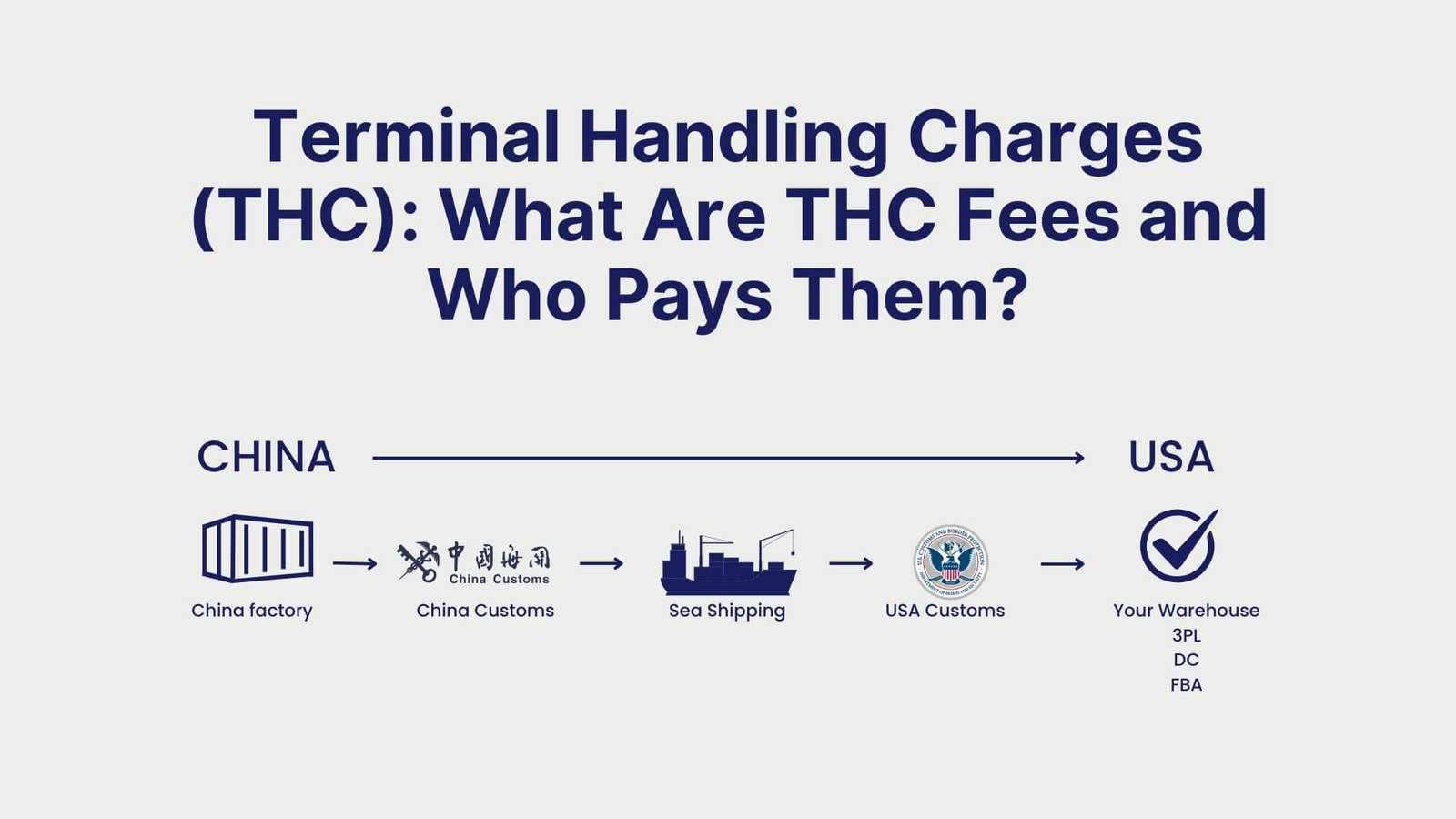
| Origin Charges | Export Customs, Terminal Handling (THC)8, Documentation Fee | These are mandatory costs at the port in China. If they aren't listed, they will be billed to you later. |
| Ocean Freight | Base rate for a 20ft or 40ft container | This is the sea transit cost. It fluctuates, but it's only one piece of the puzzle. |
| Destination Charges | Port Fees, Destination THC, ISF Filing, Customs Bond | These U.S. side costs are often where hidden fees9 appear. A reliable quote details them upfront. |
| U.S. Customs | Brokerage Fee, Duties & Taxes | Your customs broker's fee and the government-mandated import duties. Duties depend on your product's HS code. |
| Inland Delivery | Drayage / Trucking, Chassis Fee | The cost to move the container from the U.S. port to your warehouse. This can vary a lot by distance. |
Always ask: "Is this the total cost to my door?" If a provider can't answer that with a detailed breakdown, you can't trust their quote.
How Do You Book Freight Correctly and Avoid Pricing Surprises?
You booked your container, but now you're facing delays and extra charges for simple mistakes. A clear booking checklist is the best way to prevent these costly and frustrating errors.
Book correctly by confirming container size (20ft/40ft), verifying the shipping route, and aligning your booking with the correct Incoterms10 (like FOB or DDP). Ensure your commercial invoice and packing list are accurate and ready before you confirm the booking.

Booking freight is more than just telling a forwarder to "ship it." Small mistakes at this stage can cause huge problems down the line. I always walk my clients through a simple checklist to ensure everything is aligned. This prevents pricing surprises and keeps the shipment moving smoothly. For example, booking a 40ft container when your cargo only needs a 20ft one is just wasted money. Or worse, booking a standard container when you need a high cube can mean your cargo doesn't fit, forcing a costly last-minute change.
Here is a simple checklist to use before you book your next China-USA FCL shipment:
Before You Book Freight Checklist
- Confirm Container Size and Type: Do you need a 20ft, 40ft, or 40ft High Cube (HC) container? Is your cargo heavy, requiring a standard 20ft, or light and bulky, better for a 40ft?
- Verify Incoterms10 with Your Supplier: Are you buying under FOB (Free On Board) or DDP (Delivered Duty Paid)? This determines who is responsible for booking and paying for the main freight. If it's FOB, you book it. If it's DDP, your supplier does. Don't book freight for a DDP shipment—you'll end up paying twice.
- Prepare Accurate Documents: Your Commercial Invoice11 and Packing List12 must be 100% correct. The product descriptions, quantities, values, and weights must match exactly what is inside the container. Any discrepancy can lead to a customs hold, exams, and fines.
- Confirm Origin and Destination Addresses: Provide the full factory address in China and the complete delivery address in the USA. This is crucial for accurate drayage7 quotes.
Getting these four things right from the start is the foundation of a successful shipment. It puts you in control and protects you from the most common unexpected charges.
How Are Freight Charges Calculated for Containers and Large Shipments?
Your freight bill is a long list of confusing acronyms and charges. You can't tell if you're being overcharged. The solution is to understand how the final price is built layer by layer.
Freight charges are calculated by adding multiple cost layers. It starts with the base ocean freight, then adds origin charges in China, destination charges in the USA3, customs clearance4 fees, duties, and finally, inland drayage7 to your warehouse.
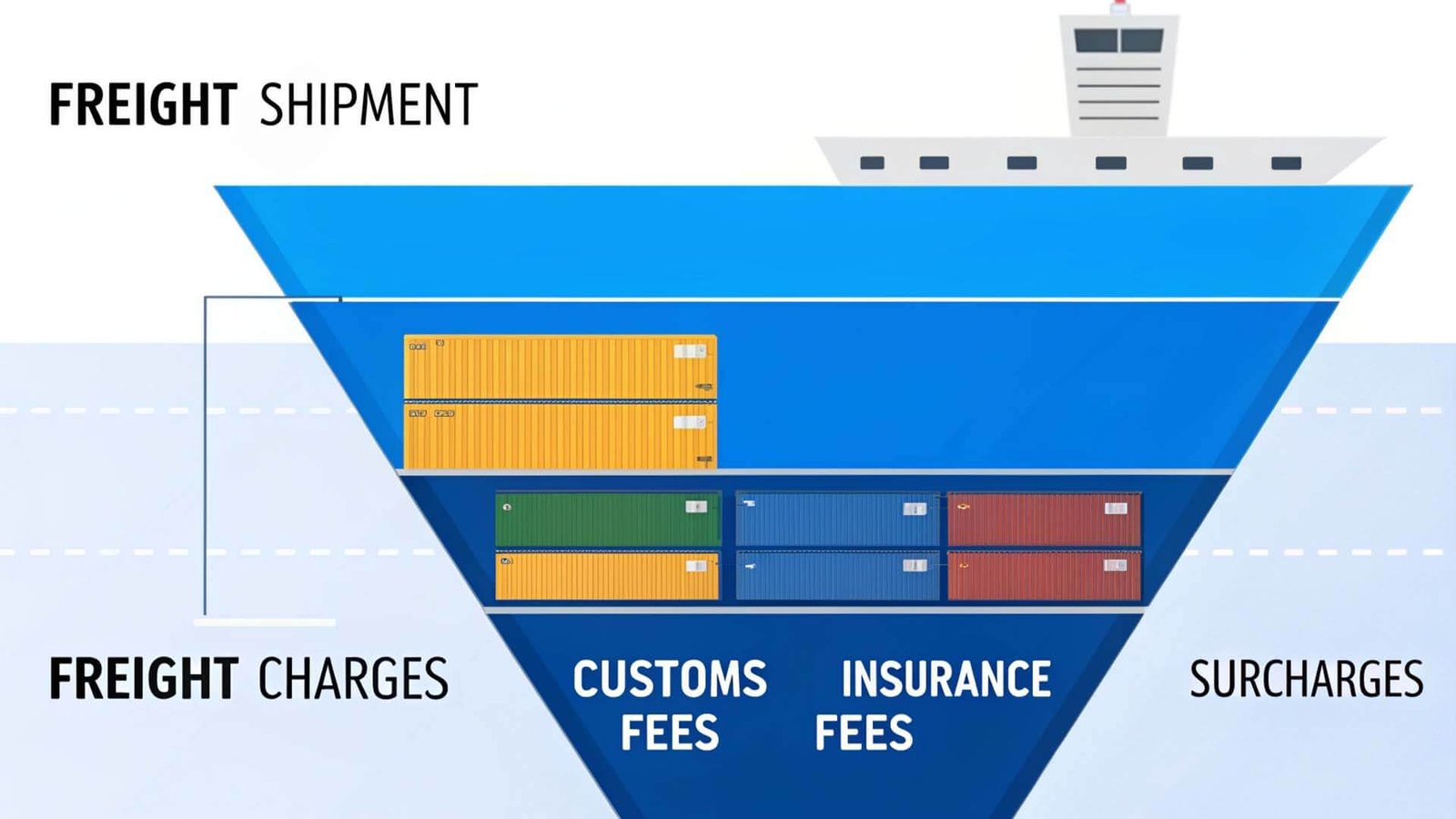
There is no single "rate" for shipping a container. The final price you pay is a buildup of many different services and fees from the factory in China to your warehouse in the USA. I always explain to my clients that thinking in terms of a "total cost buildup" is the best way to manage their budget. A trustworthy partner will show you this buildup clearly. A partner who hides it is almost certainly hiding fees.
Let's look at a real-world example. Here are two quotes for a 40ft container from Shenzhen, China, to a warehouse in Houston, USA. Notice how Quote A's low ocean freight is misleading.
Freight Cost Breakdown: Shenzhen to Houston (40ft Container)
| Line Item | Quote A (Looks Cheap) | Quote B (Transparent) | Notes |
|---|---|---|---|
| Ocean Freight | $1,800 | $2,500 | Quote A's rate is artificially low to win the business. |
| Origin THC & Docs | $350 | $350 | Standard fees at the port in Shenzhen. |
| Export Customs | $100 | $100 | Standard fee for clearing export customs in China. |
| ISF Filing | $35 | $35 | Mandatory U.S. Customs security filing. |
| Destination THC | $650 | $650 | Often hidden in cheap quotes. This is a terminal fee in Houston. |
| Port Fees | $200 | $200 | Another mandatory fee at the U.S. port. |
| Customs Brokerage | $250 | $175 | Quote A marks up this service. |
| Inland Drayage | Not Quoted | $850 | Quote A leaves this out completely, a huge hidden cost. |
| Total Cost | $3,385 + Trucking | $4,860 | Quote B is the true, all-in cost. Quote A is incomplete. |
As you can see, Quote A looks $700 cheaper at first glance. But it's missing the $850 trucking cost and has a higher brokerage fee. The final cost for Quote A would be at least $4,235, and that's assuming no other hidden fees9 pop up. Quote B, while having a higher ocean freight rate, is the honest and ultimately more reliable option. This is why you must always demand a full cost breakdown.
What Freight Booking Options Matter Most for FCL and Bulk Imports?
You need to book freight but face many options, from digital platforms to traditional agents. Choosing the wrong one can lead to lost control, high risk, and major headaches.
Key booking options are digital platforms, traditional forwarders, and integrated DDP providers. For China-USA FCL, an integrated provider who handles shipping, customs, and delivery offers the lowest risk and most control over the total landed cost1.
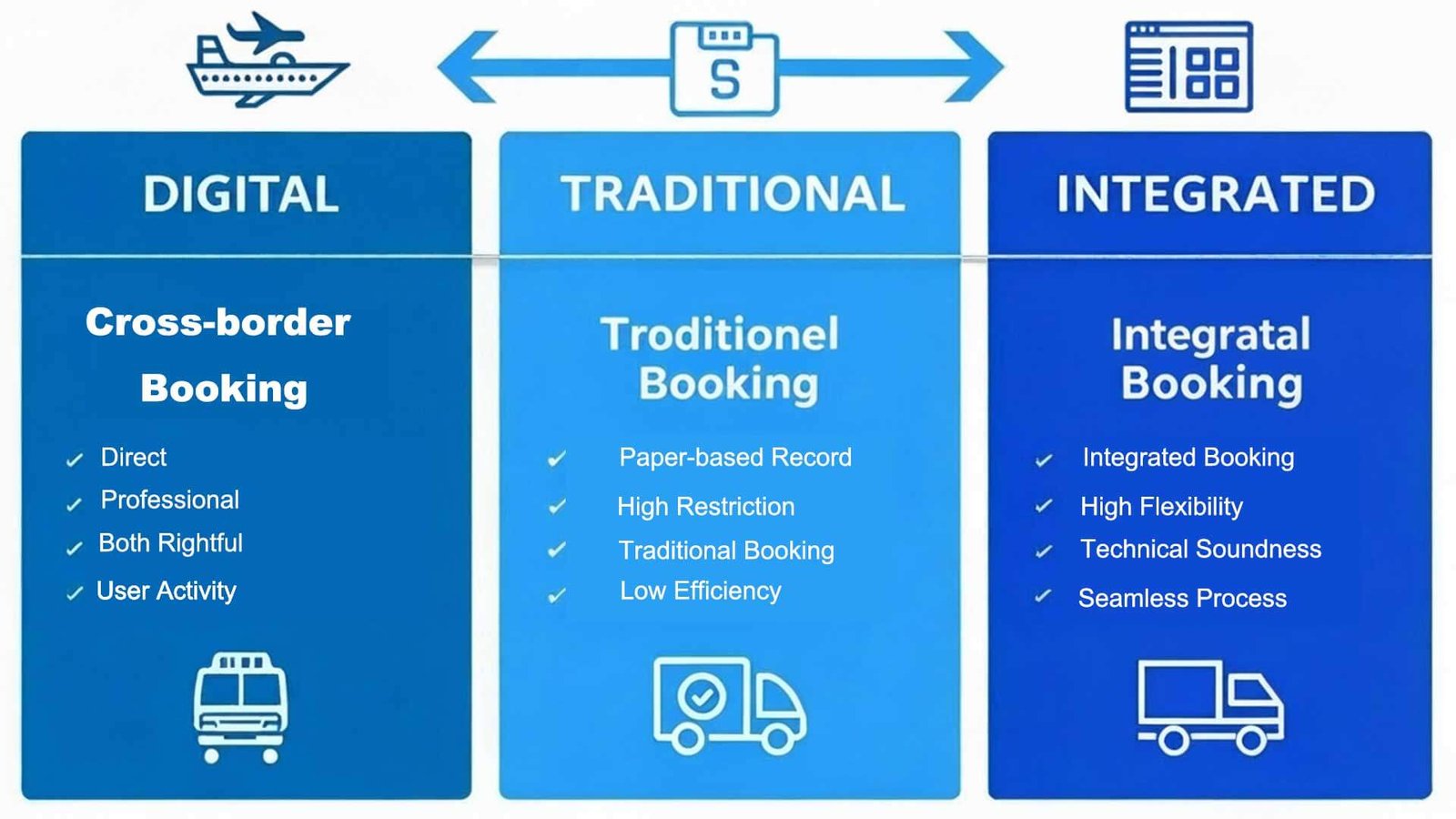
When you import from China, you have three main ways to book your freight. Each has its pros and cons, and the best choice depends on how much control and risk you are willing to take on. For importers like Mark who are detail-oriented and cost-conscious, minimizing risk is just as important as finding a good price.
Let's break down the options from a risk perspective:
-
Digital Freight Platforms13: These websites give you instant quotes. They are fast and easy for simple shipments. However, the risk is high. When a problem occurs—like a customs hold or a port delay—you are often left dealing with a call center or multiple unknown third parties. They are great for getting a price, but they often lack the expert oversight needed to solve real-world shipping problems. The person you book with is rarely the person who handles your customs clearance4 or final delivery.
-
Traditional Freight Forwarders14: These are the classic agents you call or email. They have experience and relationships. The risk is moderate. A good forwarder is a valuable partner, but many still operate in silos. They may handle the ocean freight but then outsource your customs clearance4 to one company and your trucking to another. When a delay happens, the forwarder, broker, and trucker can start pointing fingers at each other, leaving you stuck in the middle.
-
Integrated Service Providers15: This is the model we use. One company acts as your forwarder, customs broker, and delivery coordinator. The risk is the lowest. You have one point of contact and one company accountable for the entire journey. Our incentive is to make the entire process smooth because we are responsible for every step. If there's a delay at the port, it's our job to fix it, not to blame someone else. This model provides the most control and predictability.
For FCL imports where delays can cost thousands in fees, the integrated model is the safest bet.
How Do Importers Track and Manage Freight Spend After Booking?
You approved a freight budget, but the final invoice is 20% higher due to surprise fees. To prevent this, you must proactively track potential costs after booking to stay on budget.
To manage post-booking spend, monitor accessorial charges16. These include detention and demurrage (D&D) fees17 for container delays, chassis fees18, and any customs exam fees19. A good partner provides a clear way to track these potential costs before they become large bills.
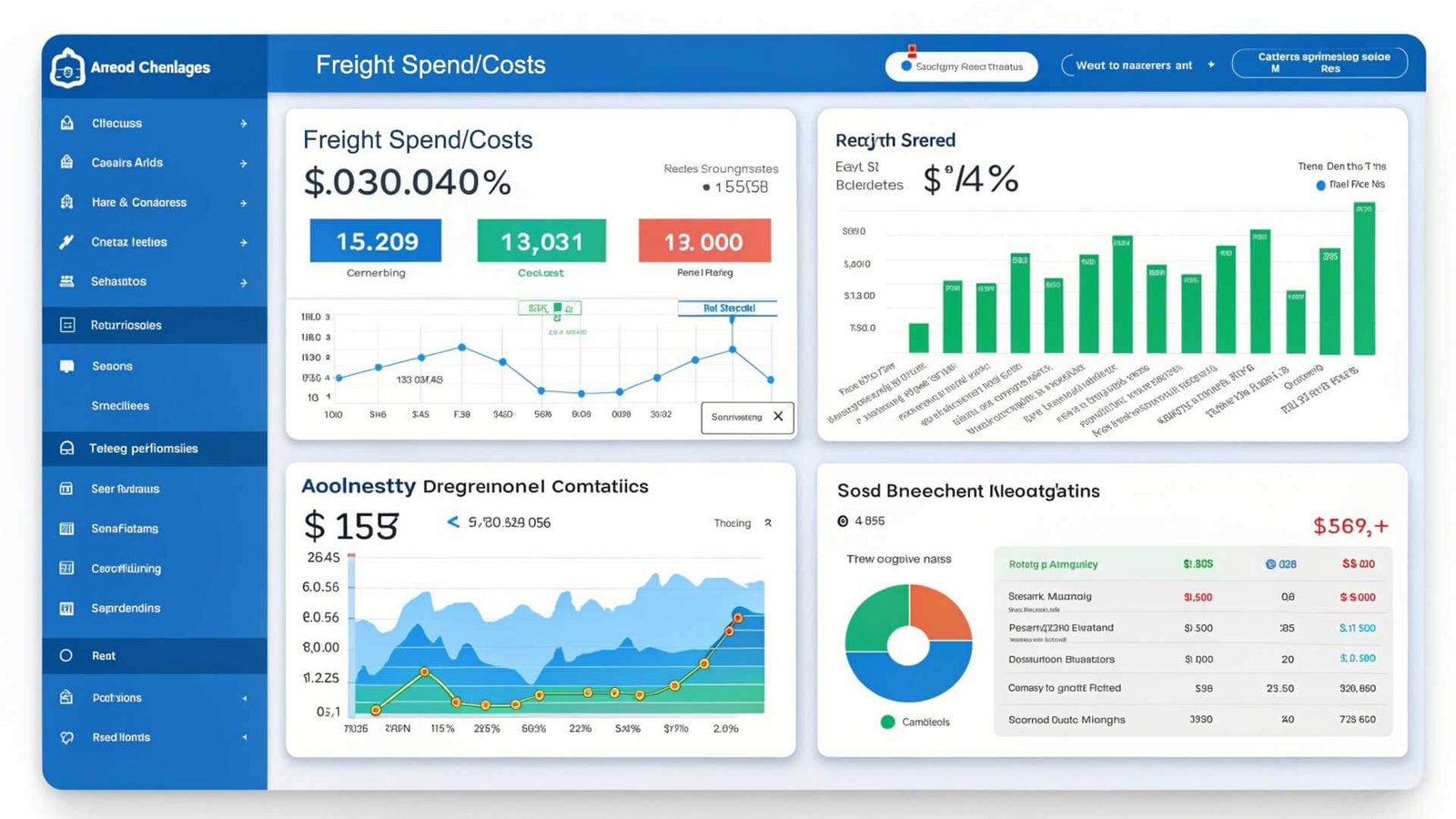
The price you agree to when you book your freight is not always the final price you pay. The most common reason for budget overruns is "accessorial charges16." These are fees for additional services or penalties that occur after the container arrives in the USA. Managing your freight spend20 means keeping these costs under control.
I once helped a new client who was facing a $2,500 bill for something called "demurrage." His previous broker was slow to file the customs paperwork, so his container sat at the Port of Los Angeles for 10 days past its "last free day." The port charged him $250 per day for storage. This was a completely avoidable cost.
Here are the main accessorials to watch for:
- Demurrage: A daily fee charged by the port if your full container is not picked up within the allowed free time (usually 4-7 days). This is often caused by customs clearance4 delays.
- Detention (or Per Diem): A daily fee charged by the shipping line if you do not return the empty container to the port on time after unloading it at your warehouse.
- Chassis Fee: A daily rental fee for the wheeled trailer frame your container sits on. If your delivery is delayed, this fee adds up.
- Exam Fees: If U.S. Customs selects your container for inspection, you are responsible for all costs associated with the exam, which can range from a few hundred to several thousand dollars.
A good logistics partner helps you manage these risks. We track your container, pre-clear it with customs before it arrives, and coordinate with the trucker to ensure a fast pickup. This proactive management is the key to protecting your budget from post-booking cost creep.
Why Does an Integrated Compare–Book–Manage Model Reduce Freight Risk?
Juggling a separate forwarder, customs broker, and trucker is a recipe for disaster. When delays happen, everyone blames each other. A single, integrated partner eliminates this risk and the blame game.
An integrated model reduces risk because one company is accountable for the entire process: shipping, customs, and delivery. This alignment prevents the communication gaps and conflicting priorities that cause most delays and unexpected costs in international shipping, ensuring a smooth process.
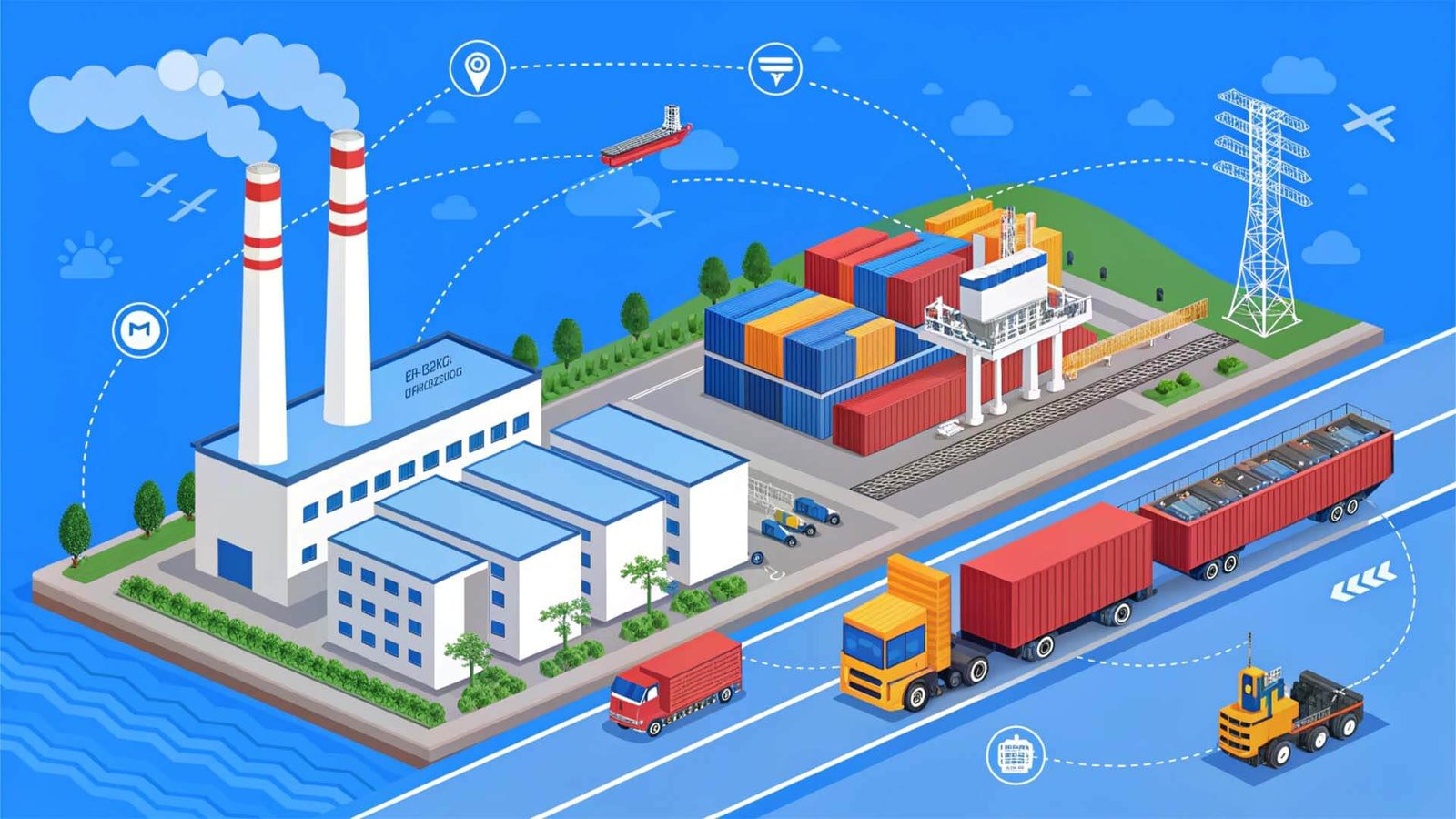
The traditional way of shipping is fragmented. You have one company for ocean freight, another for customs, and a third for trucking. This creates three major points of failure. The forwarder's job is done when the ship docks. The broker's job is done when the paperwork is filed. The trucker's job is just to move the box. No one owns the entire process from end to end. When your container gets stuck, they can all claim it's not their fault.
An integrated model, where one partner handles everything, solves this problem completely. At my company, we are the forwarder, the customs broker, and the trucking coordinator. Our performance is measured by one thing: getting your container from the factory in China to your door in the USA on time and on budget.
This approach aligns all incentives. We want to clear customs fast to avoid demurrage for you, because we are also the ones arranging the pickup. We want the trucker to be on time because we are accountable for the delivery schedule. This single point of accountability is the most powerful way to reduce risk. A DDP (Delivered Duty Paid) shipment is a perfect example of this model in action, where one party takes on all responsibility. By choosing an integrated partner, you are essentially creating your own seamless DDP-style experience, but with full transparency and control.
Conclusion
The best freight decision is not the lowest quote. It's the one with transparent pricing, clear responsibility, and full execution control, especially when customs and delivery are aligned under one partner.
Understanding total landed cost helps you see the complete picture of shipping expenses, ensuring no hidden fees surprise you. ↩
Knowing origin fees in China is crucial for accurate budgeting and avoiding unexpected charges in your shipping process. ↩
Understanding destination charges in the USA helps you anticipate costs and avoid surprises when your shipment arrives. ↩
Customs clearance is a vital step in shipping; understanding it ensures smooth transit and compliance with regulations. ↩
Final-mile trucking is essential for delivering goods to their final destination, impacting overall shipping efficiency and cost. ↩
Learning to compare, book, and manage freight effectively ensures cost-efficiency and smooth logistics operations. ↩
Drayage is a critical component of the shipping process, affecting the movement of goods from port to warehouse. ↩
Terminal Handling Charge (THC) is a significant part of shipping costs; understanding it helps in accurate budgeting. ↩
Identifying hidden fees in freight quotes prevents unexpected costs and helps you choose the most transparent and reliable service. ↩
Incoterms define the responsibilities of buyers and sellers, impacting shipping costs and logistics management. ↩
A Commercial Invoice is crucial for customs clearance and accurate billing, ensuring compliance and smooth shipping. ↩
A Packing List ensures all items are accounted for and matches the shipment, preventing customs issues and delays. ↩
Digital Freight Platforms offer quick quotes and convenience, but understanding their limitations is crucial for complex shipments. ↩
Traditional Freight Forwarders provide personalized service and expertise, essential for navigating complex shipping scenarios. ↩
Integrated Service Providers offer end-to-end solutions, reducing risk and ensuring a seamless shipping process. ↩
Accessorial charges can inflate your shipping costs; understanding them helps you manage your budget effectively. ↩
Understanding D&D fees helps you avoid costly penalties for container delays, keeping your shipping budget on track. ↩
Chassis fees can add up quickly; knowing about them helps you manage costs effectively during the shipping process. ↩
Customs exam fees can be significant; understanding them helps you prepare for potential additional costs. ↩
Tracking and managing freight spend post-booking helps you stay within budget and avoid unexpected financial surprises. ↩