Struggling with peak season costs and delays1? Your supply chain grinds to a halt, erasing profits. Planning ahead is the only way to maintain control and protect your business.
Peak shipping seasons are predictable periods of high demand, mainly from August to December and again before Lunar New Year. For U.S. importers, this means planning at least 60-90 days in advance2 is crucial to secure space and manage costs for shipments from China.

As an importer, you know that timing is everything. But when it comes to ocean freight3, the calendar can feel like your enemy. I've spent years helping clients navigate these turbulent waters. The key isn't avoiding peak season—it's mastering it. The truth is, with the right strategy, you can turn this period of chaos into a competitive advantage. Let's break down how you can do that.
Do Peak Shipping Seasons Occur When Global Demand Surges Faster Than Vessel, Port, and Trucking Capacity?
Worried about getting your cargo on a vessel? During peak season, everyone is shipping at once. This creates a massive bottleneck4, leaving your goods stranded at the origin port.
Yes, peak season happens when demand for shipping outstrips the available capacity of ships, port terminals, and trucks. This imbalance causes a chain reaction of delays and cost increases across the entire supply chain, from the factory in China to your warehouse in the USA.
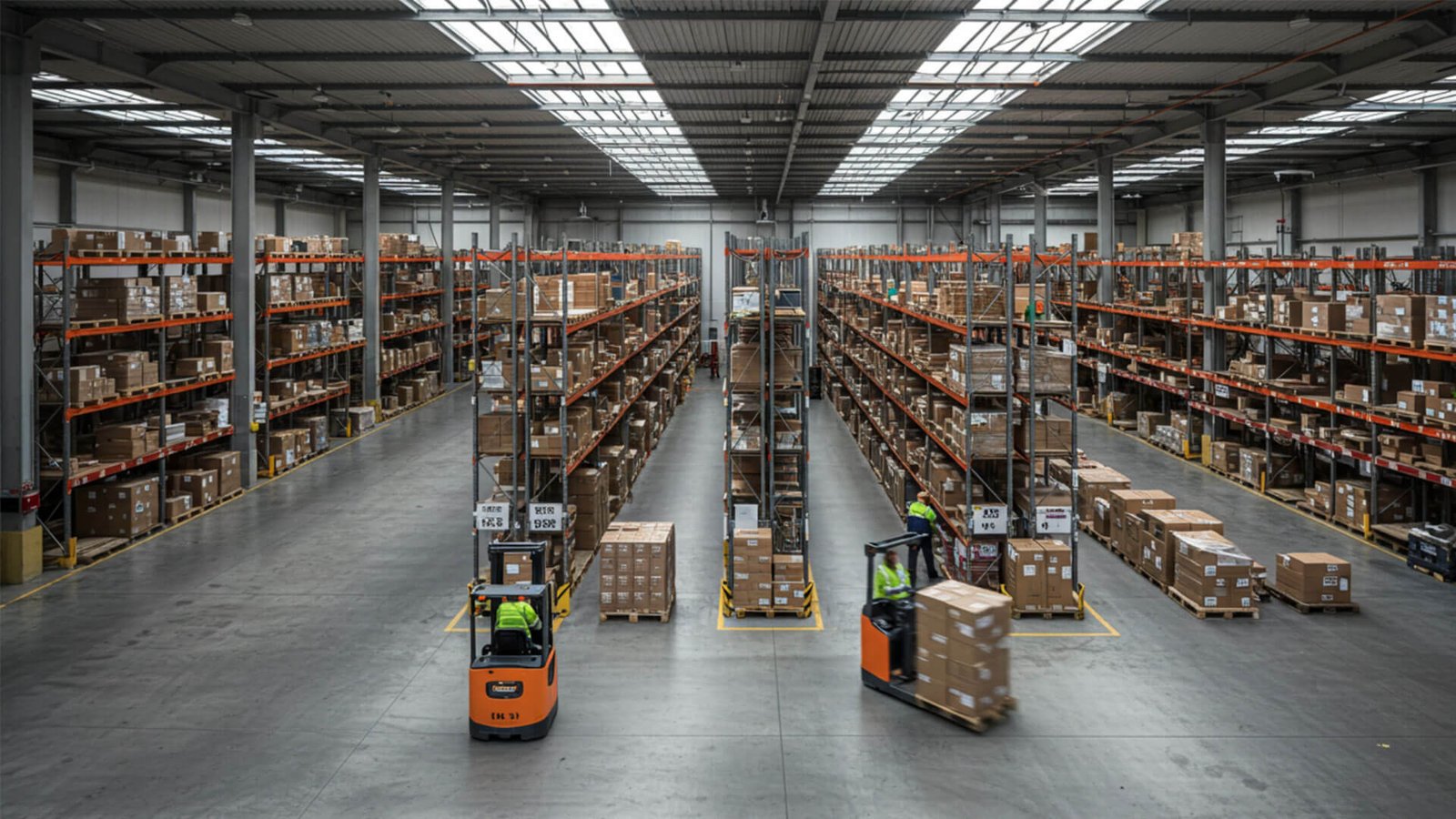
I often get asked by clients like Mark, "Will there even be a ship for my container?" This is the core concern. During peak season, which is driven by back-to-school and holiday shopping, demand for goods spikes. Carriers simply can't add enough ships to the water to handle the surge. At the same time, ports get overwhelmed with containers, and the trucks and trains needed to move them inland become scarce. This creates a system-wide traffic jam. The financial and delivery impact is immediate. Your freight costs go up because of the high demand. Your cargo might get "rolled" to the next sailing if a higher-paying shipper comes along. Your delivery dates become totally unpredictable. My practical advice is always the same: start your planning early. I tell my clients that capacity is king. You need to talk to your freight forwarder5 60 to 90 days before your cargo is ready. This gives us time to evaluate all the carrier options and secure a booking before the real rush begins. It stops being about finding the absolute cheapest rate and starts being about guaranteeing your spot on a vessel so your business can keep running.
For U.S. Importers, Does Peak Season Risk Show Up as Higher Freight Rates, Space Shortages, and Schedule Uncertainty?
Do fluctuating freight rates destroy your budget? Peak season brings unpredictable surcharges and a lack of vessel space. This volatility makes it almost impossible to forecast your final landed costs.
Absolutely. For U.S. importers, peak season risk directly translates into three major problems: soaring freight rates, severe space shortages leading to rolled cargo6, and unreliable schedules that disrupt your entire inventory and sales plan. It’s a perfect storm of operational headaches.

A common question I hear is, "How can I budget when costs and schedules are always changing?" During peak season, what happens is that ocean carriers implement Peak Season Surcharges (PSS)7 and General Rate Increases (GRI)8. These are extra fees added on top of your base rate. At the same time, carriers often overbook their vessels. When they do, lower-paying cargo is the first to get bumped, or "rolled," to the next available ship, which could be a week later. Finally, port congestion9 on the U.S. side means even if your ship arrives, it might wait days to unload. The financial impact is significant. Your profit margins get squeezed by unexpected fees. You can miss key sales dates because your products are stuck on the water. Worse, you might have to pay extra storage fees, called demurrage and detention10, if your container gets stuck at the port. My strategy for clients is to build a "peak season buffer" into both their budget and their timeline. Don't plan for the best-case transit time. Instead, work with a forwarder who provides real visibility and has strong carrier relationships. We can often secure more reliable premium services that protect against rolling, which is a form of insurance against much larger downstream costs.
Does Ocean Freight Peak Season Typically Run from Late Summer Through Q4, with China Export Cycles Driving the Pressure?
Are you shipping from China? The country's production cycles create massive export waves every year. If you don't plan your shipments around them, you will get caught in the chaos.
Yes, the main ocean freight3 peak season is from August through December. This is driven heavily by China's export patterns11, as factories rush to ship goods for Western holidays. Key periods like the pre-Golden Week surge and the pre-Lunar New Year rush intensify this pressure.
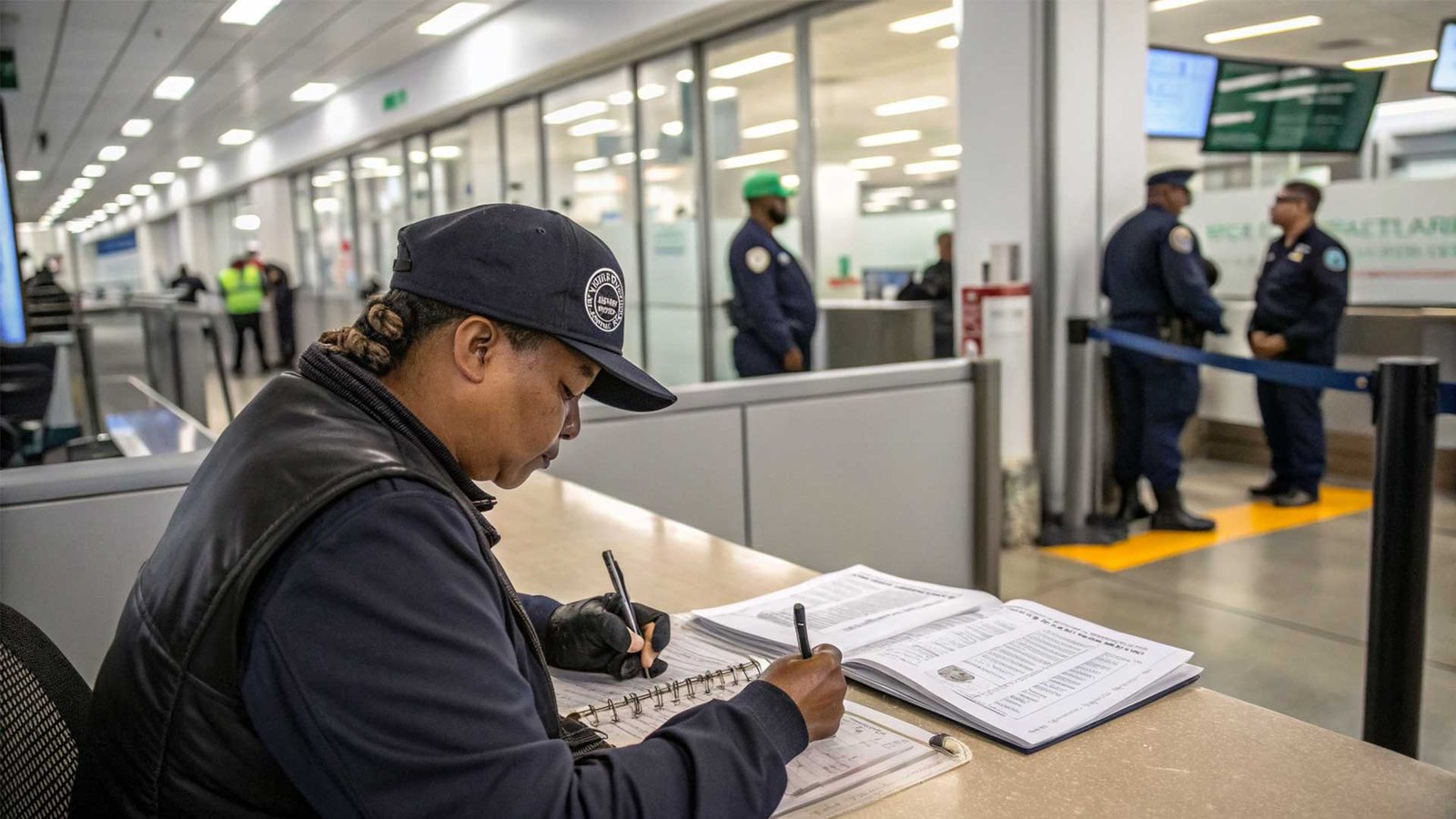
"When are the worst times to ship from China?" This is a critical question for any U.S. importer. The answer lies in understanding China's manufacturing and holiday calendar, which dictates global shipping pressure. If you ignore this, you'll face the highest rates and longest delays. I work with importers to map their shipping calendar against these key periods to find the best shipping windows. Planning your production and shipping around this timeline is not optional if you want to control costs and delivery schedules. For example, we always advise clients to get their critical holiday inventory on the water no later than September to bypass the worst of the Q4 port congestion9 in the U.S.
China to USA Peak Season Timeline
| Period | When It Is | What Happens | Impact on Importers |
|---|---|---|---|
| Pre–Golden Week Surge12 | August–September | Factories rush to ship cargo before the week-long national holiday in early October. | Extreme space shortages, high rates, and a very high risk of your cargo being rolled. |
| Golden Week Shutdown13 | First week of Oct | Most factories and logistics operations close. No new cargo moves from the interior. | A temporary lull, but it creates a huge cargo backlog that hits ports right after. |
| Q4 Holiday Rush14 | October–December | This is the main push for Black Friday and Christmas inventory to reach the U.S. | Sustained high demand, severe port congestion9 in the U.S., and inland trucking delays. |
| Pre–Lunar New Year Rush15 | January–early Feb | Another massive surge as factories try to ship everything before shutting down for 2-4 weeks. | The last, most frantic rush of the season. Rates often peak again, and space is scarce. |
Are Peak Season Surcharges, Rolling Cargo, and Port Congestion Cost Drivers That Importers Must Plan for in Advance?
Are hidden fees eating your profits? Unexpected peak season surcharges, rolled cargo6, and port delays can appear out of nowhere. These can turn a profitable shipment into a financial loss.
Yes, these are the three main hidden cost drivers. Peak Season Surcharges (PSS)7 are direct price hikes. Rolled cargo creates delays that lead to other fees. Port congestion causes demurrage and detention10 charges that can cost hundreds of dollars per day, per container.

My clients always ask, "How do I avoid these surprise charges?" It's a fair question because these costs are frustrating. Here’s what happens: carriers add a PSS, a flat fee per container, to cover their higher operating costs. If your container is "rolled," it sits at the origin port and misses its sailing, which ruins your schedule. When it finally arrives at a congested U.S. port, it might sit too long before you can pick it up. This triggers demurrage (for using terminal space) and detention (for keeping the container too long) fees. The financial impact can be huge, adding thousands of dollars to a single shipment. Proactive management is the only way to protect yourself. You have to anticipate these issues.
Key Cost Drivers and How to Plan for Them
| Cost Driver | What It Is | How to Plan for It |
|---|---|---|
| Peak Season Surcharge (PSS) | A fee added by carriers to cover higher demand and operating costs. | You must budget for it. Ask your forwarder for "all-in" rates that include likely surcharges so there are no surprises. |
| Rolled Cargo | Your booked container gets bumped to a later sailing by the carrier. | Book early with a forwarder who has strong carrier relationships. For critical shipments, consider premium, "no-roll" services. |
| Demurrage & Detention | Fees for using the container or terminal space beyond the allotted "free time." | We arrange U.S. customs clearance and trucking before the vessel arrives. Having a backup trucking option is also smart. |
Can Importers Who Lock Capacity Early, Adjust Shipping Modes, or Use DDP Reduce Peak Season Disruptions and Cost Volatility?
Feeling powerless during peak season? You are not. Smart importers use specific, proactive strategies to take back control. They secure space, manage costs, and ensure on-time delivery.
Definitely. The most successful importers reduce peak season chaos by being proactive. They lock in capacity with early bookings, shift from FCL to LCL for urgent goods, and use DDP (Delivered Duty Paid) shipping to transfer risk to their logistics partner.
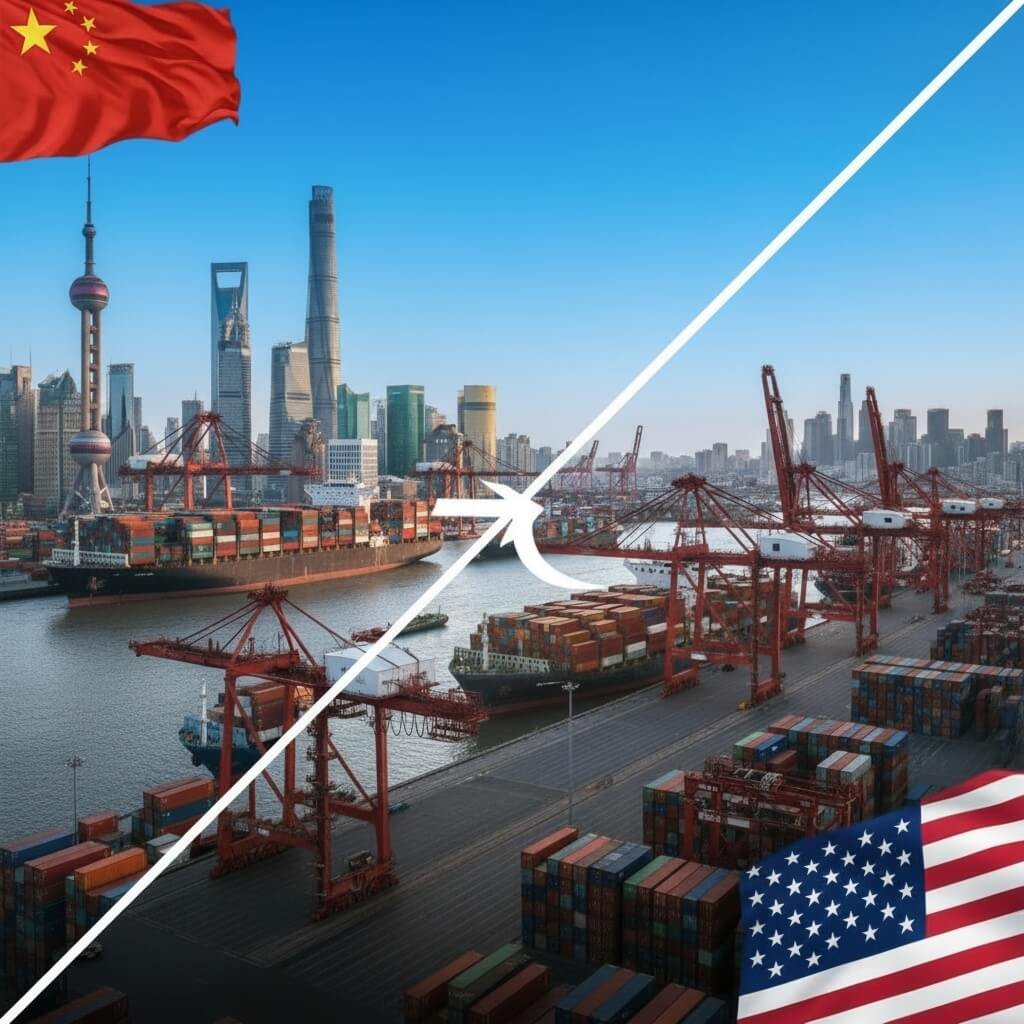
"What specific actions can I take to protect my business?" This is where we move from problems to solutions. Proactive importers treat logistics as a strategic advantage, not just a cost. They prevent problems instead of just reacting to them. As a result, they have fewer delays, more predictable costs, and keep their own customers happy. For my clients, I focus on a few powerful strategies that give them back control during the most volatile time of the year. These aren't just theories; they are practical steps that work.
Proactive Planning Strategies for Peak Season
| Strategy | How It Works | Benefit During Peak Season |
|---|---|---|
| Lock Capacity Early | Book your shipments 60-90 days in advance of the cargo ready date. | This is the single best way to guarantee space on a vessel. It helps lock in rates before they spike and ensures your cargo moves. |
| Adjust Shipping Modes | If a full container (FCL) shipment is delayed, send a smaller portion via Less-than-Container Load (LCL)16. | This keeps your key products in stock. LCL can sometimes offer more flexibility and find space on vessels when FCL is sold out. |
| Use DDP Shipping | Your logistics partner handles the entire process: ocean freight3, U.S. customs, duties, and final delivery to your door. | This is a game-changer. We take on the risk of port congestion9 and customs delays. You get one all-in price and a single point of contact. |
| Utilize 3PL Warehouses17 | Move containers quickly from the congested port to a nearby 3PL or bonded warehouse. | This is a key tactic to avoid expensive demurrage and detention10 fees. It creates a buffer to manage inventory flow to your customers. |
Frequently Asked Questions
What months are peak shipping season? Peak shipping season for imports into the U.S. generally runs from August through December, with another smaller peak in January and early February before Lunar New Year.
When is peak season for ocean freight3 from China? The peak season for ocean freight3 from China is driven by two main rushes: the pre-Golden Week surge (August-September) and the Q4 holiday rush (October-December).
What is a peak season surcharge in shipping? A peak season surcharge (PSS) is an extra fee that ocean carriers add to freight rates during periods of high demand to manage increased operational costs and vessel capacity.
How far in advance should importers book for peak season? Importers should book ocean freight3 at least 60-90 days in advance for peak season to secure space and gain some protection from last-minute rate increases.
Who pays peak season surcharges? The shipper or importer (the party paying for the freight) is responsible for paying any peak season surcharges. These are typically included in the freight invoice.
Is October peak season for shipping? Yes, October is a core month of peak shipping season. It's when cargo for the Black Friday and Christmas holidays is arriving in the U.S., leading to high volume and port congestion9.
Conclusion
In short, peak shipping season is predictable. But for importers who plan for capacity, cost, and delivery responsibility early, the disruption that comes with it is entirely optional.
Understanding peak season costs and delays helps you plan better and avoid unexpected expenses. ↩
Advance planning secures space and manages costs, ensuring timely delivery during peak seasons. ↩
Knowing the challenges of ocean freight helps you navigate peak season more effectively. ↩
Understanding bottlenecks helps you mitigate delays and maintain smooth operations. ↩
A freight forwarder helps you navigate shipping complexities and secure better rates. ↩
Knowing about rolled cargo helps you plan for potential delays and adjust schedules. ↩
Learning about PSS helps you budget accurately and avoid surprise costs. ↩
Understanding GRIs helps you anticipate and manage shipping costs effectively. ↩
Understanding port congestion helps you plan for delays and manage costs better. ↩
Knowing about these fees helps you avoid unexpected costs and manage your budget. ↩
Understanding China's export patterns helps you plan shipments to avoid peak congestion. ↩
Knowing about this surge helps you plan shipments to avoid delays and high costs. ↩
Understanding this shutdown helps you plan shipments to avoid delays and congestion. ↩
Knowing about the Q4 rush helps you plan shipments to avoid delays and high costs. ↩
Understanding this rush helps you plan shipments to avoid delays and high costs. ↩
Using LCL can offer flexibility and ensure timely delivery when FCL is not available. ↩
Using 3PL Warehouses helps you avoid demurrage fees and manage inventory efficiently. ↩