Confused about the various numbers Amazon uses for shipping? You're not alone. Getting this wrong can lead to costly delays and frustrated partners, stalling your high-value inventory.
The Amazon Reference ID1 is a unique number that identifies your specific Fulfillment by Amazon2 (FBA) shipment when it arrives at the warehouse. This ID is crucial for Amazon to schedule a delivery appointment3 and receive your inventory correctly.
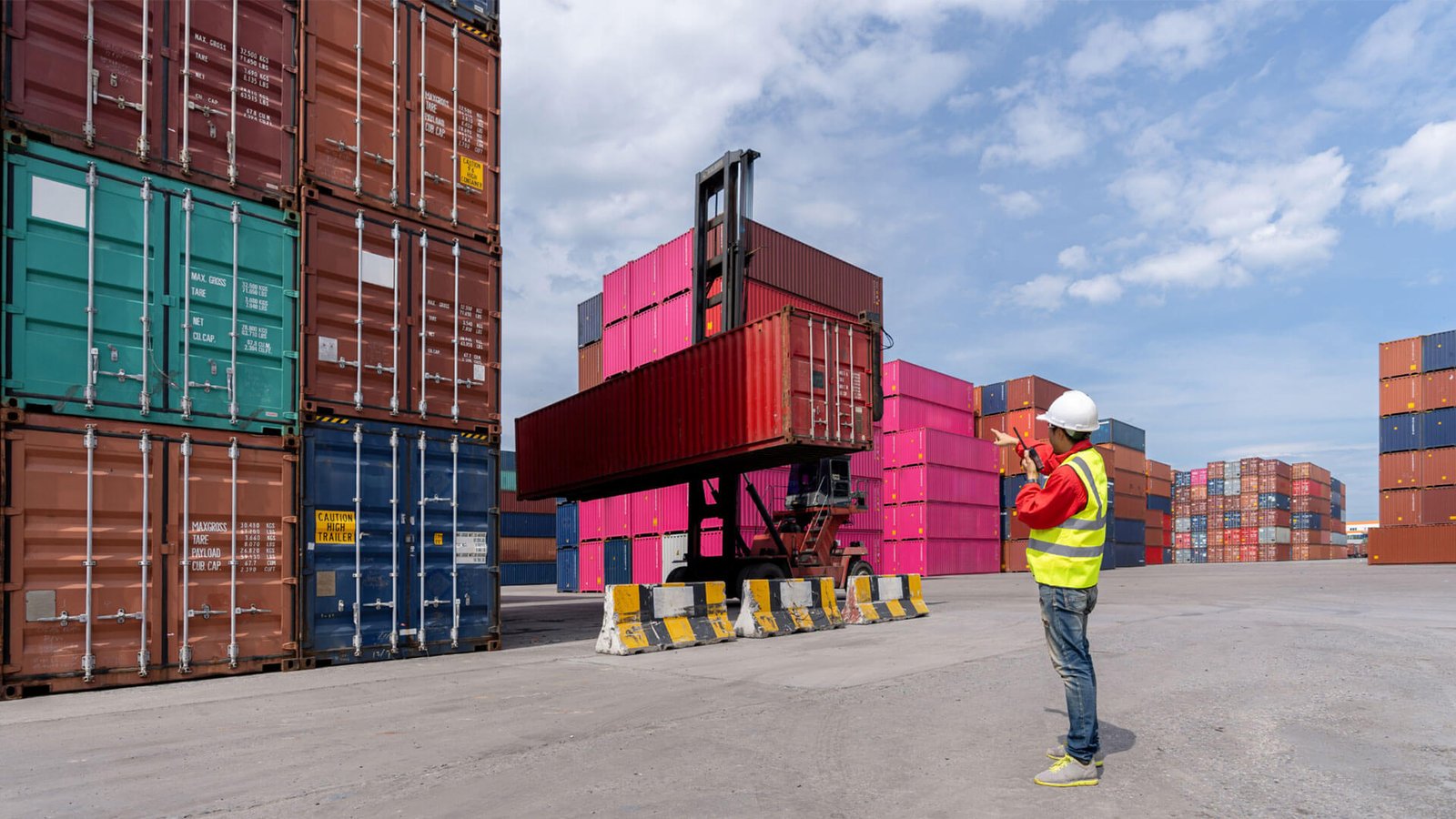
Understanding the Amazon Reference ID1 is the first step. It's the key that allows your products to enter Amazon's fulfillment network smoothly. Without it, your entire import process4 can come to a halt at the final, most critical stage. My goal is to clarify what this ID is, why it's so important, and how you can manage it effectively to prevent any operational bottlenecks5. Let's ensure your inventory gets checked in without a hitch.
What an Amazon Reference ID1 Is and Why Amazon Requires It for FBA Freight Deliveries?
Are your shipments facing unexpected delays at Amazon's fulfillment centers? The problem might be a misunderstanding of a key identifier. This can disrupt your supply chain6 and impact your sales.
An Amazon Reference ID1 is a unique alphanumeric code assigned to each FBA shipment you create. Amazon requires this ID to schedule a delivery appointment3 at their fulfillment centers and to identify your specific shipment upon arrival. It's a critical piece of information for their internal receiving process.
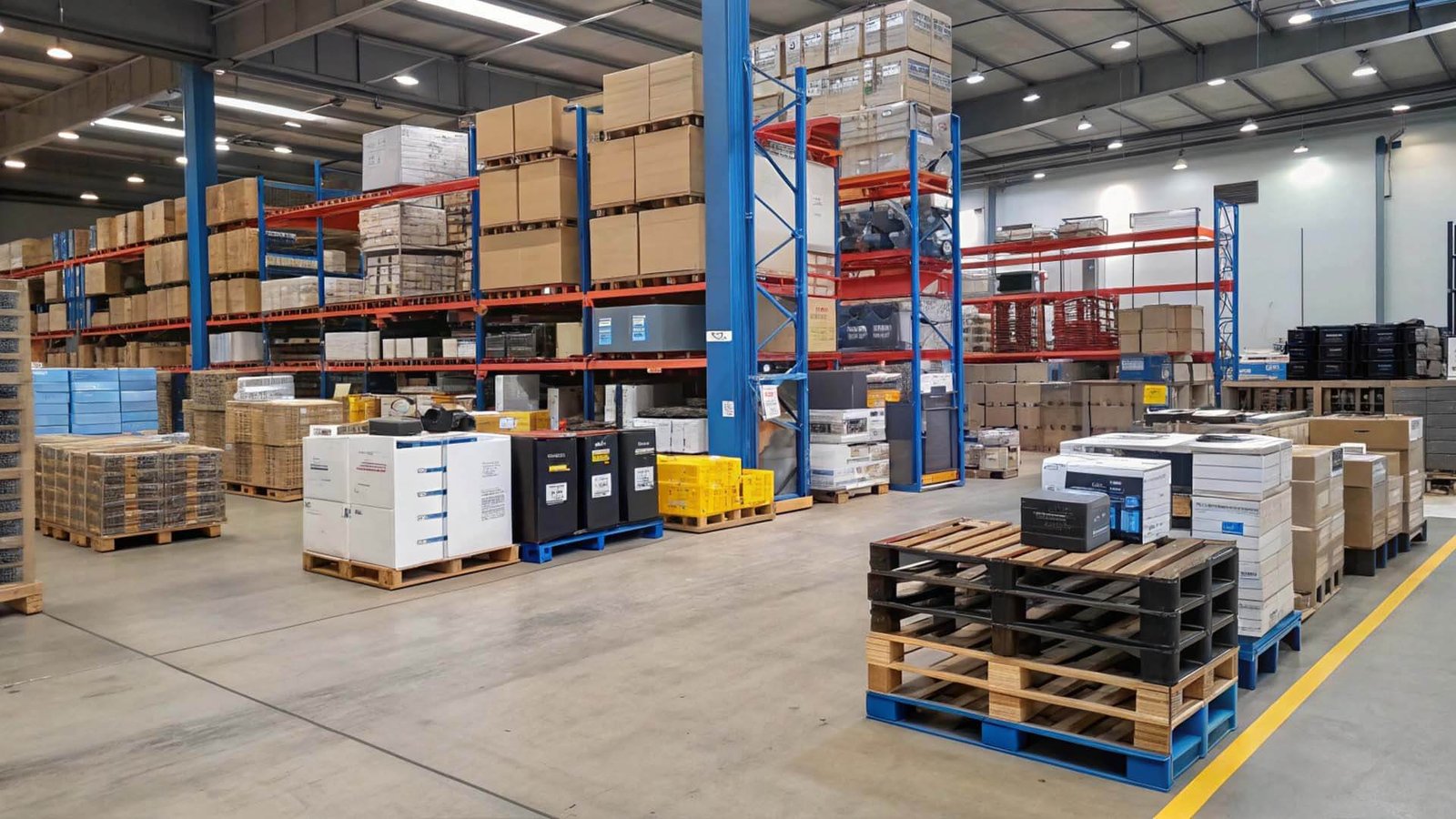
The Amazon Reference ID1 is essential for the operational efficiency7 of Amazon's vast logistics network8. Think of it as a reservation number for your inventory. When your freight forwarder9's carrier arrives at an Amazon fulfillment center, this ID allows the warehouse team to quickly pull up all the details of your shipment. This ensures that your products are received accurately and stored correctly. Without this identifier, Amazon's system cannot process your incoming inventory, leading to refused shipments or significant receiving delays. For U.S. importers dealing with high-value goods10, ensuring this ID is correctly generated and communicated is a fundamental step in preventing costly logistical issues. It bridges the gap between your international shipment and Amazon's domestic fulfillment process, making it an indispensable part of your FBA operations.
Where U.S. Importers Can Find the Amazon Reference ID1 in Seller Central (Step-by-Step by Shipment Type)?
Having trouble locating the Amazon Reference ID1 in your Seller Central account? This can be a frustrating roadblock, especially when your logistics partners are waiting on it to proceed with delivery.
You can find the Amazon Reference ID1 within the "Manage FBA Shipments" section of your Seller Central account. After you create a shipment, the ID will be displayed on the "Shipment Summary" page next to the FBA Shipment ID11.

Finding your Amazon Reference ID1 is a straightforward process once you know where to look. The location is the same regardless of whether you are sending a Less-Than-Truckload12 (LTL) or Full-Container-Load13 (FCL) shipment. Here is a simple step-by-step guide to locate it:
- Log in to your Amazon Seller Central account.
- Navigate to the Inventory tab and select Manage FBA Shipments from the dropdown menu.
- Locate the specific shipment you are working on from the list. You can use the FBA Shipment ID11 to identify it.
- Click on the shipment name to go to the "Shipment Summary" page.
- On this page, you will find the Amazon Reference ID1 listed prominently, usually near the top and next to the FBA Shipment ID11.
I always make it a practice to copy this ID as soon as it's generated and provide it to my freight forwarder9. This proactive step ensures they have all the necessary information to book a timely delivery appointment3 with Amazon, keeping the final leg of the shipping process14 moving smoothly.
Amazon Reference ID1 vs Order ID vs Tracking Number: What Each One Does in International Shipping?
Are you getting confused by the different numbers involved in your shipping process14? Using the wrong identifier can lead to miscommunication with your partners and create unnecessary complications for your shipment.
The Amazon Reference ID1 is for internal FBA shipment identification at Amazon's warehouses. An Order ID is for customer purchase tracking, and a Tracking Number is for monitoring the package's transit with the carrier. Each serves a distinct purpose in the logistics chain.

To ensure clarity in your operations, it's vital to understand the specific role of each identifier. Misusing these numbers can cause confusion for you, your freight forwarder9, and Amazon. Here’s a breakdown to help you differentiate them:
| Identifier | Purpose | Who Uses It | When It's Used |
|---|---|---|---|
| Amazon Reference ID1 | Uniquely identifies an FBA shipment for a delivery appointment3 and warehouse check-in. | Amazon, Freight Forwarder, Carrier | During the FBA inbound shipping process14 to an Amazon fulfillment center. |
| Order ID | Identifies a specific customer's purchase on the Amazon platform. | Customer, Amazon Seller | For customer service inquiries, returns, and managing individual sales. |
| Tracking Number | Tracks the real-time movement of a package from origin to destination. | Customer, Seller, Carrier | To monitor the progress of a shipment once it has been dispatched by the carrier. |
For my business, I treat the Amazon Reference ID1 as the "entry ticket" for my goods into Amazon's FBA system. The Order ID is for managing the sale to the end customer, and the Tracking Number is for observing the final delivery. Keeping these three distinct in all my communications and documentation prevents errors and ensures every party in the supply chain6 has the exact information they need.
When Freight Forwarders, Carriers, and Customs Brokers Need Your Amazon Reference ID1?
Are you unsure when to provide the Amazon Reference ID1 to your logistics partners? Withholding this information at the wrong time can cause your shipment to get stuck, incurring extra costs and delaying your inventory's availability.
Your freight forwarder9 and their designated carrier need the Amazon Reference ID1 to schedule the final delivery appointment3 with the Amazon fulfillment center. It must be included on the Bill of Lading15 for the shipment to be accepted.
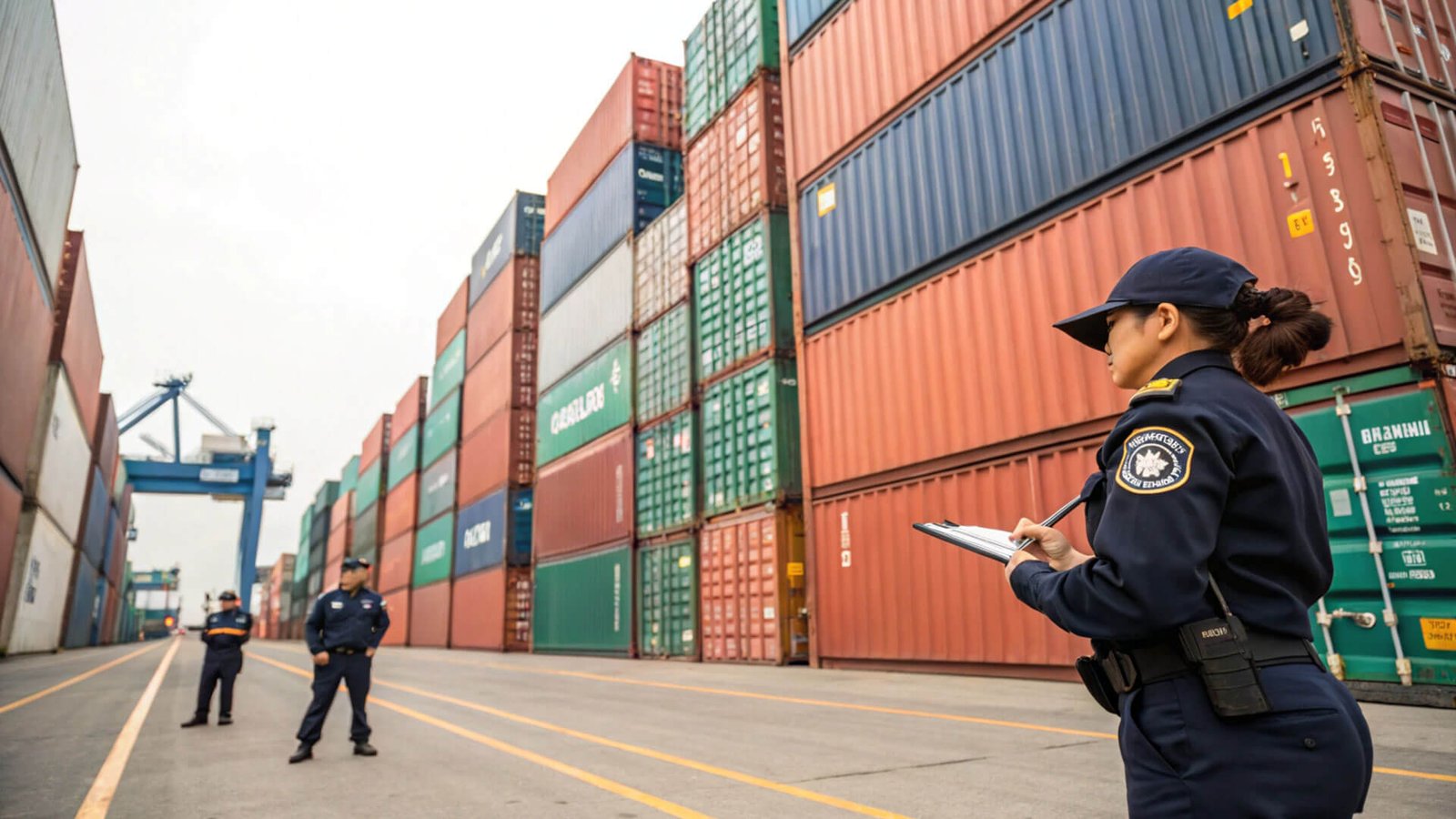
Understanding the specific moments your partners require the Amazon Reference ID1 is crucial for a coordinated and efficient import process4. While the customs broker16's primary role concludes before the final delivery to Amazon, the freight forwarder9 and carrier depend on this ID to complete their tasks. Here's a breakdown of when each partner needs this key piece of information:
-
Freight Forwarders: As the main coordinator of your shipment, your freight forwarder9 will ask for the Amazon Reference ID1 as soon as it is available. They need it to communicate with the carrier and ensure all documentation for the final delivery is in order.
-
Carriers: The trucking company responsible for the final delivery to the Amazon fulfillment center requires the Reference ID to book a delivery appointment3 through Amazon's scheduling system. Without this ID, they cannot secure a time slot, and the delivery cannot be made.
-
Customs Brokers: Generally, your customs broker16 will not need the Amazon Reference ID1. Their responsibility is to clear your goods through U.S. Customs. This process typically happens before the final inland delivery to Amazon is arranged. However, it's always good practice to maintain clear communication with all partners.
In my experience, providing the Amazon Reference ID1 to my freight forwarder9 immediately after creating the FBA shipment in Seller Central is the best approach. This allows them to plan the final delivery well in advance, avoiding any last-minute scheduling issues.
Common Amazon Reference ID1 Problems That Delay FBA Appointments and How Importers Avoid Them?
Have your FBA shipments been rejected or delayed at Amazon's warehouses? Often, the root cause is a simple but critical issue with the Amazon Reference ID1, leading to a cascade of logistical problems.
Common problems include the ID not being generated in Seller Central, providing an incorrect ID to the carrier, or the ID being missing from the Bill of Lading15. These issues prevent the carrier from scheduling a delivery, causing significant delays.

Navigating the final stage of FBA delivery requires precision, and issues with the Amazon Reference ID1 are a frequent source of trouble. Based on my experience handling high-value imports, here are some of the most common pitfalls and how to steer clear of them:
| Problem | Consequence | How to Avoid |
|---|---|---|
| ID Not Generating: | You cannot provide the necessary information to your freight forwarder9, halting the delivery process. | This can be a temporary glitch in Seller Central. Wait for a short period, and if the issue persists, contact Seller Support immediately before the cargo arrives at the port. |
| Incorrect ID Provided: | The carrier's appointment request will be rejected by Amazon's system, leading to a failed delivery attempt. | Double-check the alphanumeric ID for accuracy before sending it to your freight forwarder9. A simple copy-paste error can be costly. |
| ID Missing from BOL: | Amazon's warehouse may refuse the shipment upon arrival as they cannot identify it without the Reference ID on the Bill of Lading15. | Confirm with your freight forwarder9 that the Amazon Reference ID1 is clearly stated on the Bill of Lading15 before the truck is dispatched for delivery. |
| Delayed Communication: | If you wait too long to provide the ID, the carrier may not be able to secure a timely delivery appointment3, leading to storage fees. | As a rule, I send the Reference ID to my logistics partners the same day I create the shipment in Seller Central. This gives them ample time to coordinate. |
By being meticulous with the handling of your Amazon Reference ID1, you can prevent these common but disruptive problems. Proactive communication and careful documentation are your best defenses against delays at Amazon's gates.
Conclusion
Mastering the use of the Amazon Reference ID1 is fundamental to successful FBA importing. It ensures your high-value inventory flows seamlessly from the port into Amazon's fulfillment network without costly delays.
Understanding the Amazon Reference ID is crucial for smooth FBA operations and avoiding costly delays. ↩
Explore how FBA can streamline your shipping process and enhance your business efficiency. ↩
Learn the steps to secure timely delivery appointments and avoid shipment delays. ↩
Understanding the import process can help you navigate international shipping effectively. ↩
Learn strategies to avoid bottlenecks and ensure smooth operations. ↩
Learn about supply chain management to streamline your e-commerce operations. ↩
Explore strategies to enhance your operational efficiency and reduce delays. ↩
Gain insights into Amazon's logistics network to improve your shipping efficiency. ↩
Explore how freight forwarders facilitate your shipping process and ensure timely deliveries. ↩
Discover best practices for handling high-value inventory to minimize risks. ↩
Learn how to locate your FBA Shipment ID for efficient shipment tracking. ↩
Discover the benefits of LTL shipping for your FBA shipments. ↩
Understand FCL shipping to optimize your logistics for larger shipments. ↩
Understanding the shipping process can help you navigate FBA more effectively. ↩
Learn about the Bill of Lading and its critical role in ensuring smooth deliveries. ↩
Understanding the customs broker's role can help you navigate international shipping more smoothly. ↩