Worried about your container arriving damaged? The real danger isn't the long ocean voyage. It’s the chaotic final stretch1 after your goods land in the USA.
Final-mile delivery2 is the last step in shipping, moving your container from the port to its destination warehouse after customs clearance3. You reduce damage claims4 by increasing control over drayage5, coordinating warehouse appointments, and ensuring clear documentation, as most damage happens during these final, poorly managed handoffs.
I've spent years helping importers like you navigate shipping from China. Many focus on the ocean transit6. They track their vessel across the Pacific, assuming the riskiest part is over once it makes landfall. But from my experience, the opposite is true. The real headaches, the costly damages, and the frustrating claims almost always happen in the last few miles on U.S. soil. This is where importers lose control, and money. Let’s break down why this happens and how you can protect your cargo.
Final-Mile Risk Starts After Customs Clearance, Not at Sea. So What's the Real Danger?
Your container survived a month at sea. Now you think it's safe? The biggest risks begin the moment customs releases it, where control is often lost.
Your container's riskiest journey is not across the ocean but the short trip from the U.S. port to your warehouse. Ocean transit is standardized, but post-customs handling is fragmented. This is where delays, damages, and surprise costs happen because multiple different companies are involved.
The Illusion of Safety
As an importer, your risk begins where you think it ends. The ocean voyage feels like the main event. It's long and full of unknowns. But in reality, ocean carriers have this down to a science. Containers are loaded securely onto massive vessels designed for stability. The process is highly regulated and predictable.
The real chaos starts once your container is off the ship and officially released by U.S. Customs. This is the moment your cargo enters the "final mile." It's no longer under the direct, unified control of the ocean carrier. Instead, a series of handoffs begins between the port terminal, a drayage5 trucking company, and the destination warehouse. I've seen countless importers breathe a sigh of relief when they get that "customs cleared" notification, only to face a damage claim a week later. They are shocked to learn the damage happened on a 50-mile truck ride, not a 5,000-mile ocean journey. This is the critical blind spot for many businesses.
| Stage of Shipping | Level of Control & Standardization | Common Risks |
|---|---|---|
| Ocean Transit | High | Weather delays, port congestion |
| Customs Clearance | High (Process-driven) | Documentation errors, inspections |
| Final-Mile (Post-Customs) | Low | Damage, delays, lost accountability7 |
Most Container Damage Happens During Drayage and Warehouse Receiving. Why Is This Stage So Risky?
That short truck ride from the port is surprisingly rough. Rushed drivers and busy warehouses are a recipe for damaged goods, leading to expensive and frustrating claims.
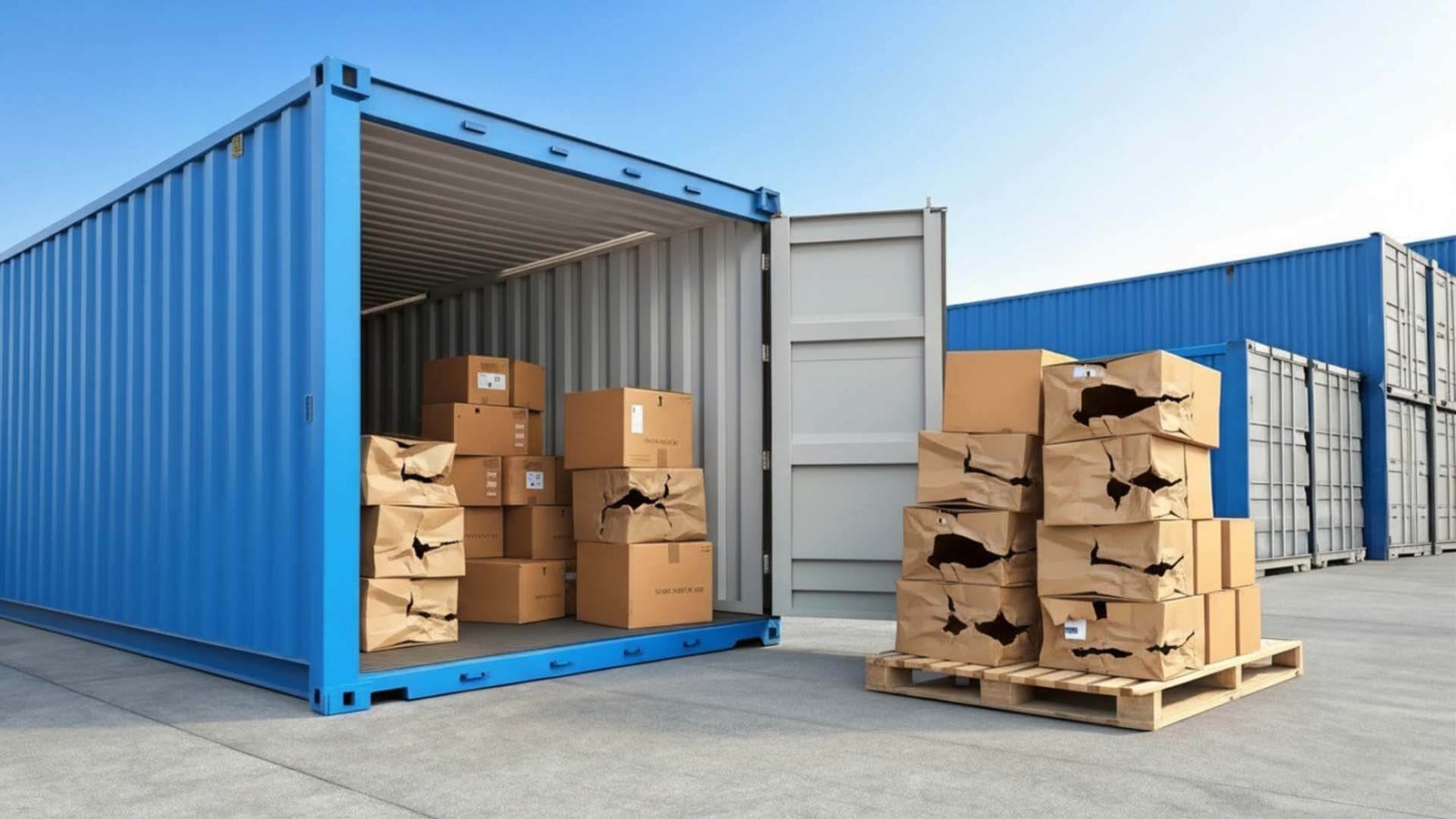
Most container damage occurs during drayage5 and warehouse unloading. Rough handling, poor chassis condition8s, and rushed receiving staff cause pallet shifts9, forklift punctures10, and crushed boxes. These incidents often go undocumented at the time, making claims nearly impossible to win later.
Where Things Actually Go Wrong
Let's talk about what really happens on the ground. Once cleared, your container is picked up by a drayage5 truck. This is your first major risk point. The driver might be in a hurry. The chassis (the trailer frame that holds the container) could be old or poorly maintained, leading to a bumpy ride that causes your carefully packed pallets to shift or topple. I remember a client, Mark, who was importing a full container of high-end consumer electronics. The cargo was perfect when it left China. But during the drayage5 trip in the U.S., a sudden stop caused several pallets to shift and fall. The damage wasn't discovered until his 3PL11 started unloading, and by then, the trucker was long gone. This is called concealed damage12, and it's an importer's nightmare.
The second risk point is the destination warehouse. Warehouse teams are under pressure to unload containers quickly to avoid detention fees. This rush leads to mistakes. Forklift operators might puncture boxes or even the container walls. Pallets can be dropped or tipped over. If the receiving team doesn't properly note the damage on the Proof of Delivery (POD)13 before signing off, you have almost no chance of a successful claim. They simply sign, and the driver leaves, closing the window of liability.
| Damage Scenario | Where It Happens | Why It's Hard to Claim |
|---|---|---|
| Pallet Shift / Concealed Damage | Drayage Truck | Not visible until unloading; trucker is already gone. |
| Crushed Cartons / Broken Pallets | Drayage or Terminal | Caused by bad chassis or rough handling; hard to prove. |
| Forklift Punctures / Dropped Pallets | Destination Warehouse | Warehouse staff fails to note damage on POD. |
Poor Handoffs After Customs Create Delays, Damage, and Claims. How Can This Be Fixed?
Your customs broker, trucker, and warehouse don't talk to each other. This communication gap14 creates chaos, resulting in costly delays and damage to your precious cargo.
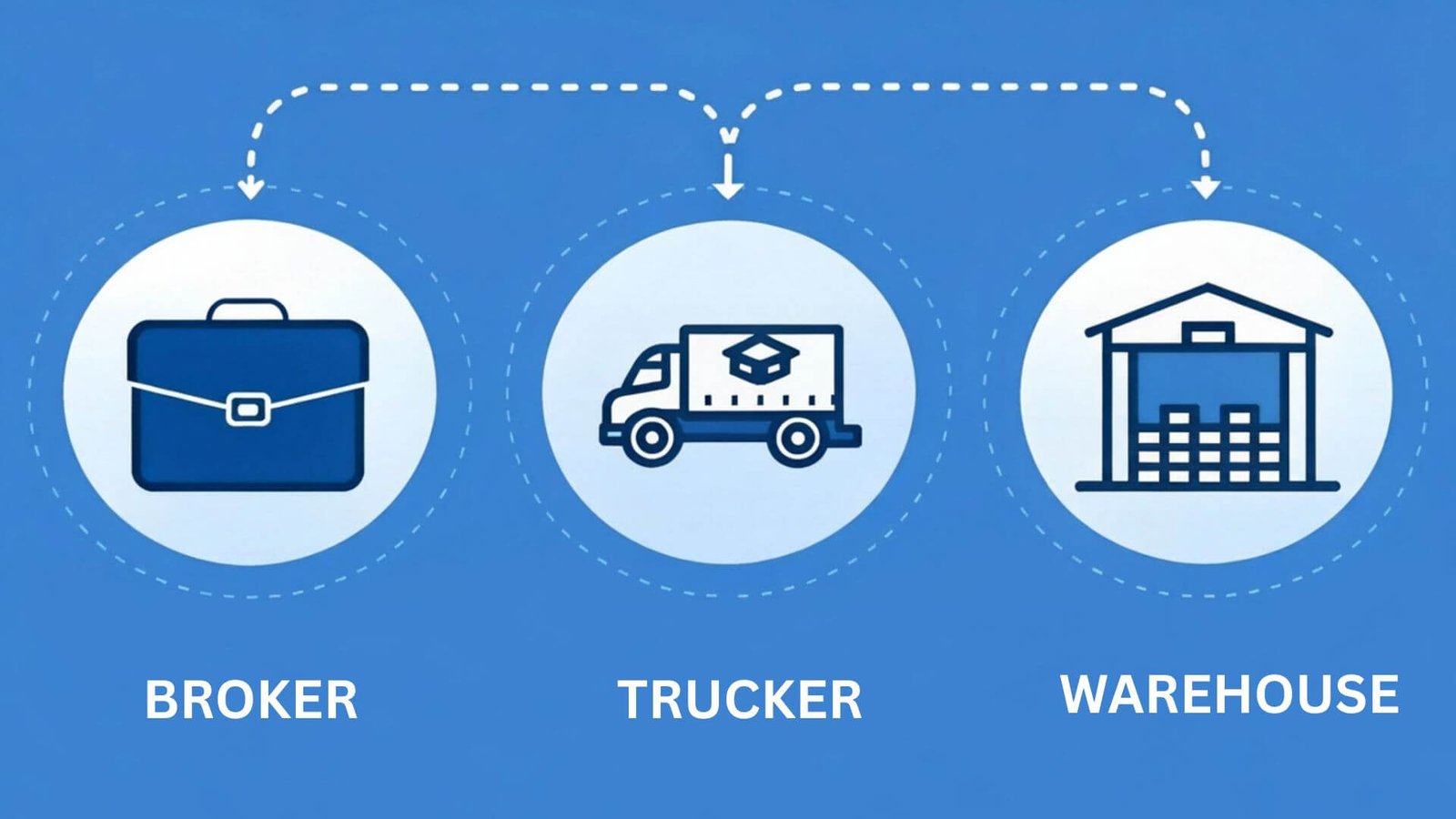
When your customs broker, drayage5 company, and warehouse operate independently, information gets lost. This leads to missed appointments, surprise fees, and rushed handling that causes damage. A single point of contact15 is needed to coordinate these steps smoothly and prevent problems.
The Chain of Confusion
Think of the final mile as a relay race. The customs broker has the baton first, securing the release. They need to pass it to the drayage5 company to schedule a pickup. The drayage5 company then needs to coordinate with the final warehouse for a delivery appointment. When these three parties are separate companies that don't communicate well, the baton gets dropped.
Here is what I see happen all the time: a container of retail goods is cleared by customs, but the broker doesn't immediately inform the trucking company. The trucker misses the window for a cheap port pickup, and now your container is racking up expensive demurrage fees16. To make up for lost time, the trucker rushes. They grab the first available chassis, which might be in poor condition. They drive aggressively to make the delivery appointment. The warehouse, now behind schedule, unloads the container carelessly to free up the dock door. The result? Broken cartons and crushed pallets. The importer is left with damaged inventory and a bill for port fees, all because of poor communication between vendors. Each party blames the other, and you are stuck in the middle.
Unclear Responsibility Makes Final-Mile Damage Hard to Recover. Who Is Actually Liable?
Your container arrives damaged, so you file a claim. The trucker blames the warehouse, and the warehouse blames the trucker. Without clear proof, your claim is denied.
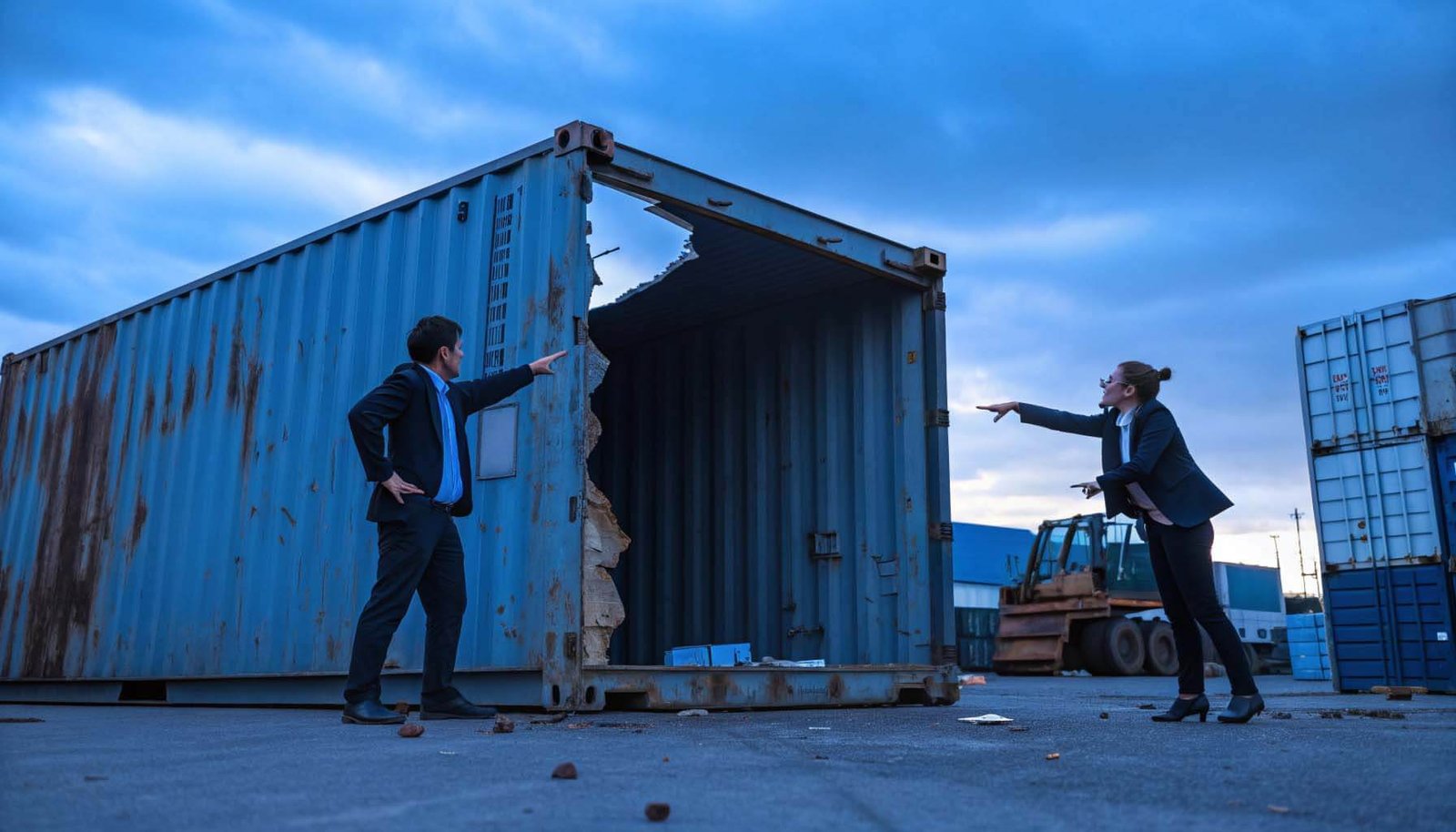
Liability for final-mile damage is often disputed because responsibility is fragmented. The drayage5 company, terminal operator, and receiving warehouse can all point fingers at each other. Without irrefutable proof, like photos and notes on the delivery receipt, importers cannot win claims.
The Blame Game
This is the most frustrating part for importers. When damage occurs after customs release, who pays for it? The answer is often "nobody." Let's look at a common scenario with a palletized FCL shipment. The container seal17 is intact when the driver picks it up from the port. This releases the ocean carrier from liability. The driver delivers it to your 3PL11. The 3PL11 signs the Proof of Delivery, maybe without even looking inside. Later, they open it and find tipped pallets and forklift punctures10.
You file a claim with the drayage5 company. They will deny it, stating the 3PL11 signed the POD "clean," meaning they accepted the cargo in good condition. You then go to the 3PL11. They will claim the load must have shifted in transit and the damage was already there. Without a clear record of when the damage occurred, you are trapped. I’ve seen importers lose thousands of dollars this way. The key is documenting everything. The moment the seal is broken at the warehouse, someone needs to be there taking photos and inspecting the load before a single pallet is touched. Any damage must be noted on the POD before the driver is allowed to leave.
Integrated Brokerage and Delivery Is the Only Way to Control Final-Mile Risk. How Does It Work?
Tired of juggling different vendors and fighting losing claims? The solution is to use one partner who manages customs, drayage5, and delivery, creating a seamless and accountable process.
An integrated service18 combines customs brokerage and final-mile delivery under one roof. This single point of contact15 ensures smooth communication, coordinated scheduling, and clear accountability7. It's the most effective way for importers to reduce damage, avoid delays, and control costs.
Taking Back Control
The fragmentation of the final mile is the root cause of risk. The only way to fix it is to eliminate the gaps. When you work with a single partner who handles your U.S. customs brokerage and inland delivery, you create a closed loop of accountability7. That partner is responsible from the moment the ship docks until the container is safely delivered and unloaded.
This integrated approach solves the core problems. Communication is streamlined because it's all happening within one team. We know the second your cargo is cleared by customs, and we have a truck ready to go. We vet our drayage5 partners and ensure they use reliable equipment. We coordinate the delivery appointment with the warehouse directly, ensuring they are prepared. Most importantly, if something does go wrong, there is no blame game. There is one point of contact and one party responsible for making it right. This is the only way to truly de-risk the most dangerous part of your supply chain.
Final-Mile Container Delivery Risk Checklist for U.S. Importers
Use this checklist to regain control:
- [ ] Customs Release: Confirm your provider notifies the drayage5 carrier within minutes of customs release.
- [ ] Drayage Accountability: Use a single, vetted drayage5 partner instead of the cheapest option.
- [ ] Chassis Condition: Ask if your logistics partner has a process for checking chassis condition8.
- [ ] Seal Verification: Instruct the warehouse to verify the container seal17 number matches the paperwork before breaking it.
- [ ] Appointment Coordination: Ensure your broker or forwarder has confirmed the delivery appointment with the warehouse.
- [ ] Warehouse Receiving SOP: Provide your warehouse with a Standard Operating Procedure (SOP)19 for receiving your containers.
- [ ] Damage Notation: Mandate that any damage, even minor, is noted on the Proof of Delivery (POD)13 before the driver leaves.
- [ ] Photo Evidence: Require the receiving team to take photos of the container's interior as soon as the doors are opened and of any damage found.
Frequently Asked Questions
When does final-mile risk start for container shipments? Final-mile risk begins the moment your container is released by U.S. Customs and moves from the controlled environment of the port terminal into the hands of drayage5 carriers and warehouses.
Who is responsible for damage after customs clearance3? Responsibility is split between the drayage5 trucking company and the receiving warehouse, but it is often disputed. The importer must prove where the damage occurred to hold either party liable.
Why are container damage claims4 often denied? Claims are often denied due to a lack of proof. If the receiving warehouse signs the delivery receipt without noting damage, it legally releases the trucking company from liability.
Does customs clearance3 protect my cargo from damage? No, customs clearance3 is a legal process to allow entry into the country. It offers no physical protection for your cargo; risk of damage actually increases after clearance.
How can importers reduce final-mile delivery risk? Importers can reduce risk by using an integrated logistics partner who manages both customs clearance3 and inland delivery, ensuring accountability7 and clear communication between all parties.
Conclusion
For U.S. importers, the most dangerous mile isn’t overseas—it’s the final mile after customs release, where control either exists or disappears.
Exploring why the final stretch is chaotic can help you prepare and mitigate risks associated with this part of the shipping process. ↩
Understanding final-mile delivery is crucial as it represents the last step in shipping, where most damage occurs, impacting your cargo's safety. ↩
Customs clearance is a critical step before final-mile delivery, and understanding it can help you ensure smooth cargo transition. ↩
Learning how to handle damage claims can save you money and frustration when dealing with damaged goods during final-mile delivery. ↩
Drayage is a key component of final-mile delivery, and knowing its role can help you manage risks and reduce damage claims. ↩
Understanding ocean transit risks can help you differentiate them from final-mile risks and better protect your cargo. ↩
Ensuring accountability can prevent disputes and improve the handling of your cargo during final-mile delivery. ↩
Chassis condition affects the safety of your cargo during drayage, so ensuring good condition can prevent damage. ↩
Pallet shifts can lead to significant damage, and knowing their causes can help you prevent them during final-mile delivery. ↩
Preventing forklift punctures is essential to avoid damage during warehouse handling, a common issue in final-mile delivery. ↩
A 3PL can handle various logistics functions, and knowing their role can help you manage final-mile delivery more effectively. ↩
Concealed damage is a hidden risk that can lead to costly claims, so understanding it is vital for protecting your cargo. ↩
Knowing about POD can help you ensure that any damage is documented, which is crucial for successful claims. ↩
A communication gap can lead to delays and damage, so learning how to bridge it can improve your shipping efficiency. ↩
A single point of contact can streamline communication and accountability, reducing risks in final-mile delivery. ↩
Demurrage fees can add unexpected costs, so understanding them can help you avoid these charges during final-mile delivery. ↩
A container seal ensures cargo integrity, and understanding its importance can help you maintain control over your shipment. ↩
An integrated service can streamline your shipping process, reducing risks and improving accountability in final-mile delivery. ↩
Implementing an SOP can help standardize processes and reduce errors during final-mile delivery. ↩