Are you tired of customs jargon causing shipment delays? These confusing terms can lead to costly holds and frustrated customers. Understanding them is the key to smooth, predictable importing.
A customs entry1 is the official declaration filed with U.S. Customs and Border Protection (CBP)2 to legally import goods into the country. It contains all the critical data—value, origin, classification—that CBP uses to assess duties, taxes, and determine if your shipment can be released or needs inspection.

I’ve seen it countless times. An importer's container arrives from China, but it gets stuck at the port. The importer calls me, frantic, thinking there's a problem with the shipping line. But the freight is fine. The real problem is the data submitted to Customs. Getting the customs entry1 right is not just paperwork; it is the single most important step for a fast clearance. Let's break down what these terms really mean for your business.
What “Customs Entry” Really Means and Why Entry Accuracy Determines Whether Your Shipment Clears or Gets Held?
Your shipment is stuck, but the container is physically at the port. This isn't a shipping problem; it's a data problem. An inaccurate customs entry1 can halt your entire supply chain.
A customs entry1 is not the same as your shipment. The entry is the digital information package you send to CBP. Your shipment is the physical goods. CBP focuses on the accuracy of this data to decide if your shipment gets a green light (clearance) or a red light (a hold).
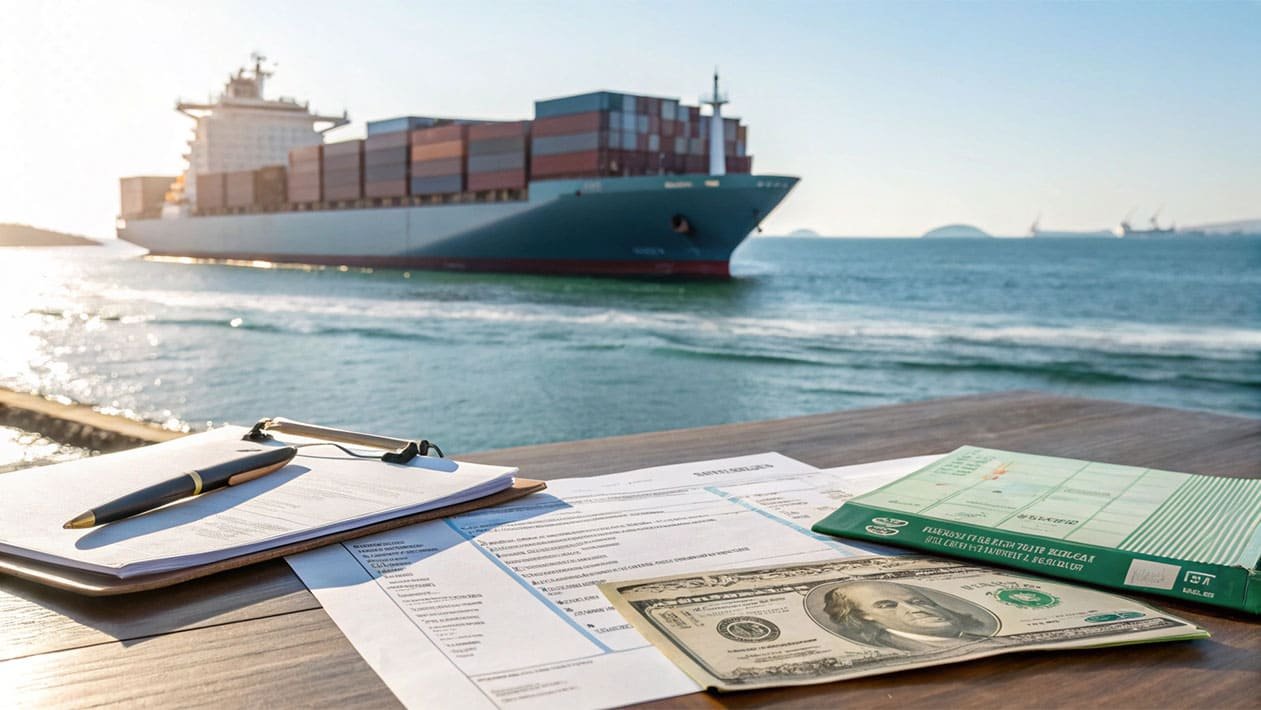
Many importers think "shipment," "clearance," and "entry" are the same thing. They are not. Think of it this way: your container is the car, clearance is the green traffic light, and the customs entry1 is your driver's license and registration. If your paperwork is wrong, you aren't getting through the intersection, no matter how perfect your car is.
Entry vs. Shipment vs. Clearance
- Your Shipment: The actual container of goods moving from China to the USA.
- The Customs Entry: The set of electronic data filed with CBP describing those goods. This includes the commercial invoice3, packing list, and bill of lading.
- Customs Clearance4: The official permission from CBP to release the goods from the port into the country.
CBP’s system is automated. It scans your entry data for red flags. A wrong value, a mismatched country of origin, or an incorrect product code can trigger an automatic hold. The responsibility for this data falls on one party: the Importer of Record (IOR)5. If you are the IOR, you are legally responsible for the accuracy of the entry, even if someone else filed it for you. This is why entry accuracy6 is everything.
The Most Important U.S. Customs Entry Types (01, 11, 21, Informal vs Formal) and When Each One Applies?
Are you using the right entry type for your shipment? Choosing the wrong one is a common mistake that leads to automatic rejections, fines, and delays at the port.
U.S. Customs entry types7 are codes that tell CBP how you plan to bring goods into the country. Type 01 is for standard imports for immediate use. Type 11 is for low-value shipments. Type 21 is for goods going into a bonded warehouse8 before official entry.
I had a client who tried to file a Type 11 informal entry for a shipment valued at $3,000. Because the value was over the $2,500 threshold for most goods, CBP's system instantly rejected the filing. The shipment sat at the port for three extra days while we refiled it as a formal entry, costing him hundreds in storage fees. Choosing the correct entry type from the start is not optional; it’s a core requirement for compliance.
A Closer Look at Entry Types
The entry type you choose depends on your shipment's value, the type of goods, and your business intent. Using the wrong one is a guaranteed way to get your filing rejected.
Here is a simple breakdown of the most common types I handle for my clients importing from China.
| Entry Type | Common Name | When Used | Risk Level | Common Importer Mistake |
|---|---|---|---|---|
| 01 | Consumption Entry | Standard commercial imports intended for immediate use in the U.S. | Medium | Misclassifying the HTS code9, leading to wrong duty rates. |
| 11 | Informal Entry | Low-value shipments (generally under $2,500). | Low–Medium | Exceeding the value limit, causing the entry to be rejected. |
| 21 | Warehouse Entry | Goods entering a bonded warehouse8 to defer duty payment. | Medium | Forgetting to file a subsequent "withdrawal" entry to clear the goods. |
| Formal | Formal Entry | Required for high-value (over $2,500) or regulated goods. | High | Not having a valid customs bond10 in place before filing. |
| Informal | Informal Entry | A simplified process for low-value shipments, not a specific type code. | Low | Trying to use it for goods that require a formal entry, like textiles. |
“Which Entry Type Should I Use?” Decision Checklist
Use this checklist to help you and your broker make the right call.
| Question | If Yes | If No |
|---|---|---|
| Is the shipment value above the informal threshold (usually $2,500)? | Use a formal entry. | An informal entry may apply. |
| Are the goods regulated by an agency like the FDA or EPA? | Formal entry is required. | Review the value to decide. |
| Do you need to store goods and defer duties before selling them? | Use Entry Type 21 (Warehouse). | Use Entry Type 01 (Consumption). |
| Is this a DDP (Delivered Duty Paid)11 shipment? | Your broker must control the entry to ensure compliance. | The risk of an incorrect filing is high. |
| Do you import multiple times a year? | Get a continuous bond12. It's more cost-effective. | A single entry bond will work. |
| Are the duties complex or the total duty amount high? | A thorough broker review before filing is critical. | You should still verify all details. |
How Customs Entry Terms Like Importer of Record, Bond, and ABI Directly Affect Your Liability and Costs?
Do you know who is legally on the hook if customs finds an error? These terms are not just jargon; they define who pays the penalties and who is liable for compliance.
Key customs terms define legal and financial responsibility. The Importer of Record (IOR)5 is legally liable for the shipment. A customs bond10 guarantees payment to CBP. The Automated Broker Interface (ABI)13 is the electronic system used to file the entry. Understanding these is crucial for managing your risk.
Your liability as an importer is directly tied to these concepts. For example, the IOR is responsible for the entry's accuracy, even if your supplier in China filled out the paperwork or you hired a broker. If CBP issues a penalty, they send the bill to the IOR. Your customs bond10 is the insurance policy that guarantees CBP will get paid. Without a valid bond, your formal entry won't even be accepted by the ABI system. These terms are the foundation of your customs compliance and financial risk.
Real-World Failure: The Wrong Entry Type
I worked with a new importer bringing in a full container of consumer goods from China to Los Angeles. To save money, they tried to file it themselves as an informal entry, thinking it was a simpler process. But the commercial value was over $20,000, far exceeding the $2,500 informal threshold. CBP’s system immediately rejected the filing. The container was flagged and pulled for a secondary exam. By the time they contacted me to fix it, the shipment had been sitting at the port for a week, accumulating over $1,500 in demurrage and storage fees. We had to refile a formal entry, post a bond, and wait for CBP to release the hold. The attempt to save a few hundred dollars on a broker fee ended up costing them thousands.
Commonly Confused Customs Entry Terms That Cause Delays, Rejected Filings, or Unexpected Duties?
Do you think an "entry number14" is the same as a "bill of lading number"? This simple confusion can cause major headaches, leading to rejected filings and costly delays.
Many customs delays happen because importers mix up similar-sounding terms. For example, confusing an ISF filing15 with a customs entry1, or an HTS code9 with a duty rate, can lead to incorrect declarations, CBP holds, and unexpected financial penalties. Clarity is key to avoiding risk.
I often get calls from importers who are confused about why their shipment is held. A common issue is mixing up the Importer Security Filing (ISF) and the customs entry1. The ISF is a pre-departure security declaration. The customs entry1 is the at-arrival import declaration. They are two separate, mandatory filings. Forgetting one or thinking they are the same thing is a direct path to penalties and delays. Understanding the difference between these closely related terms is critical.
Real-World Failure: The Wrong Entry and No Bond
An importer of electronics accessories had a time-sensitive shipment coming from China to New Jersey for a big retail promotion. Their previous broker filed the entry but selected the wrong type and didn't realize the importer’s annual bond had expired. The entry was rejected by CBP, but the broker didn't catch the error for two days. The shipment arrived and couldn't be released. We had to rush to secure a new continuous bond12 and refile the entire entry correctly. The delay caused the importer to miss their delivery window with the retailer, resulting in contract penalties and a damaged business relationship. This was a completely avoidable problem caused by a lack of attention to detail on the entry.
How U.S. Importers Can Use the Right Customs Entry Type and Broker Strategy to Speed Clearance and Reduce Risk?
Want to get your shipments cleared faster and with fewer problems? The solution isn't luck; it's a deliberate strategy involving your customs broker from the very beginning.
The fastest, lowest-risk path to customs clearance is a proactive broker strategy16. This means your broker reviews all documents, selects the correct entry type, and confirms all compliance details before the shipment arrives. This prevents errors, reduces holds, and ensures predictable costs.
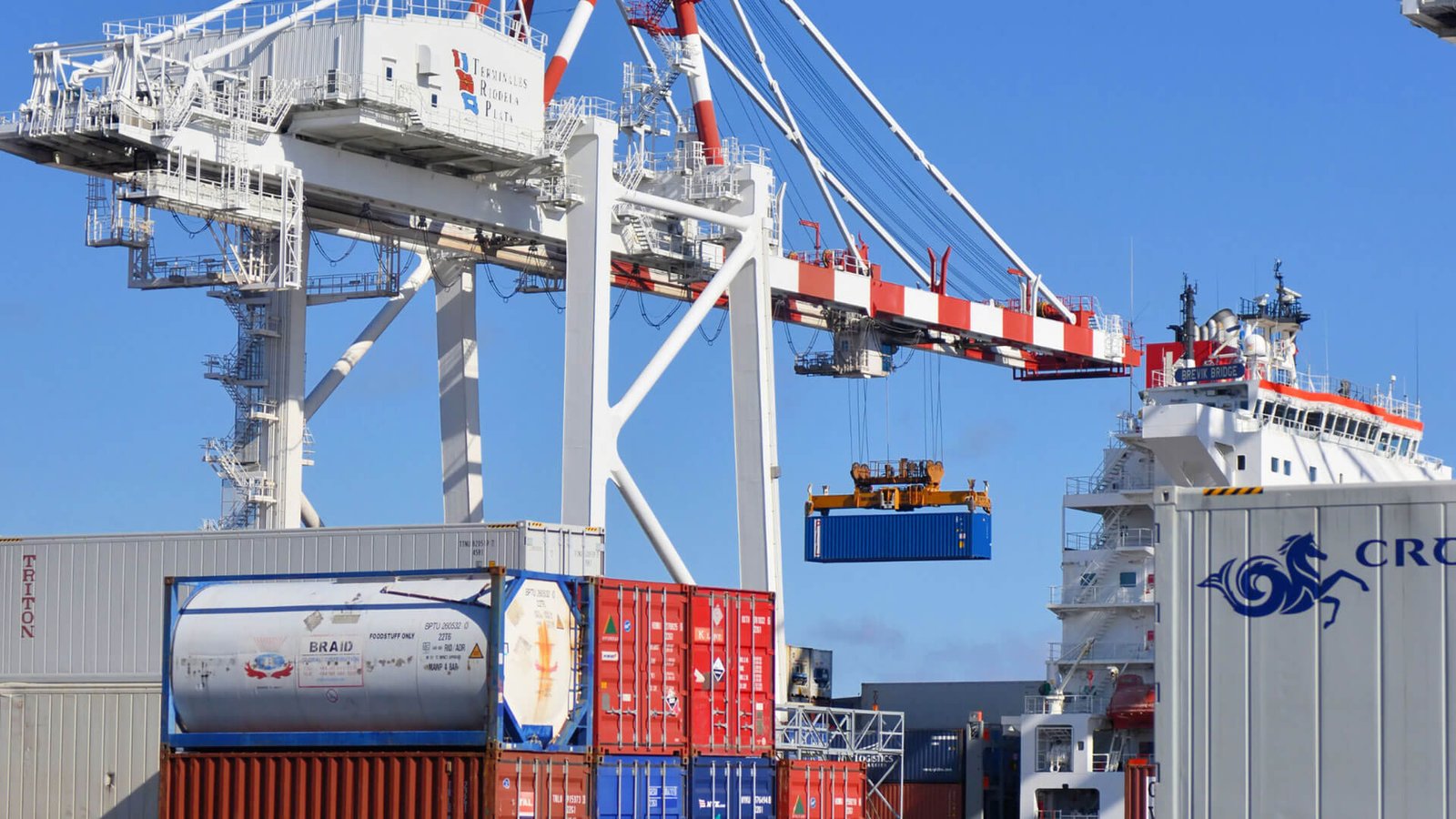
The difference between a smooth clearance and a costly delay often comes down to one thing: control. When we handle DDP shipments from China, we manage the entry process from start to finish. We don't wait for problems to happen. We verify the commercial invoice3, confirm the HTS code9s, and ensure the correct bond is in place long before the vessel docks. This isn't just about filing paperwork; it's about managing risk. A smart entry strategy is your best defense against unexpected port fees, CBP exams, and supply chain disruptions17.
Real-World Success: The Power of a Proactive Broker
A client shipping home goods from China to Houston on DDP terms is a perfect example of how to do it right. As soon as the cargo was booked, we received the shipping documents. Our team immediately reviewed the invoice and packing list, confirmed the HTS classifications for the furniture, and verified that their continuous bond12 was active. We prepared the customs entry1 and the ISF filing15 well in advance. Because we are the broker and the freight forwarder, we had full visibility. The moment the ship arrived, we filed the clean, pre-vetted entry through ABI. CBP’s system processed it instantly, and the shipment was released on the first presentation without any questions. The container was picked up the next day, avoiding all port fees and getting to their warehouse on schedule. That is the power of a proactive entry strategy.
Conclusion
Customs terminology isn't just academic; these words control your costs and timelines. The right entry type, managed by a skilled broker, is the safest path to fast, reliable customs clearance.
Understanding customs entry is crucial for importers to ensure smooth and legal importation of goods, avoiding costly delays. ↩
CBP oversees import compliance, making it essential for importers to understand their regulations. ↩
A commercial invoice provides essential details for customs entry, affecting duty assessments and clearance. ↩
Understanding customs clearance helps importers navigate the release of goods from ports efficiently. ↩
Knowing the responsibilities of the IOR helps importers manage compliance and avoid penalties during customs processes. ↩
Accurate entries prevent delays and holds, ensuring smooth customs clearance and avoiding supply chain disruptions. ↩
Choosing the correct entry type is essential for compliance and avoiding rejections or fines during importation. ↩
Using a bonded warehouse can defer duty payments, impacting entry type and compliance strategy. ↩
Correct HTS codes ensure accurate duty rates and prevent customs holds or penalties. ↩
A customs bond guarantees payment to CBP, ensuring compliance and preventing entry rejections. ↩
DDP terms affect customs entry strategy, ensuring compliance and managing risk effectively. ↩
A continuous bond is cost-effective for regular importers, ensuring compliance and reducing entry risks. ↩
Understanding ABI helps importers streamline the filing process and ensure accurate data submission to CBP. ↩
Distinguishing these terms prevents filing errors and delays in customs processing. ↩
ISF filing is a mandatory pre-departure declaration, crucial for avoiding penalties and ensuring compliance. ↩
A proactive broker strategy minimizes risks and ensures fast, reliable customs clearance. ↩
Preventing disruptions ensures timely delivery and maintains business relationships. ↩