Struggling with export declarations1? A small filing mistake can trap your shipment at the port, causing expensive delays. Understanding the system is the first step to avoiding these headaches.
The National Export System (NES)2 is the UK's electronic system for submitting export declarations1 to customs. It allows authorities to screen, risk-assess, and clear goods before they leave the country. Correctly using NES is essential for ensuring your shipments get permission to load and avoid compliance penalties3.
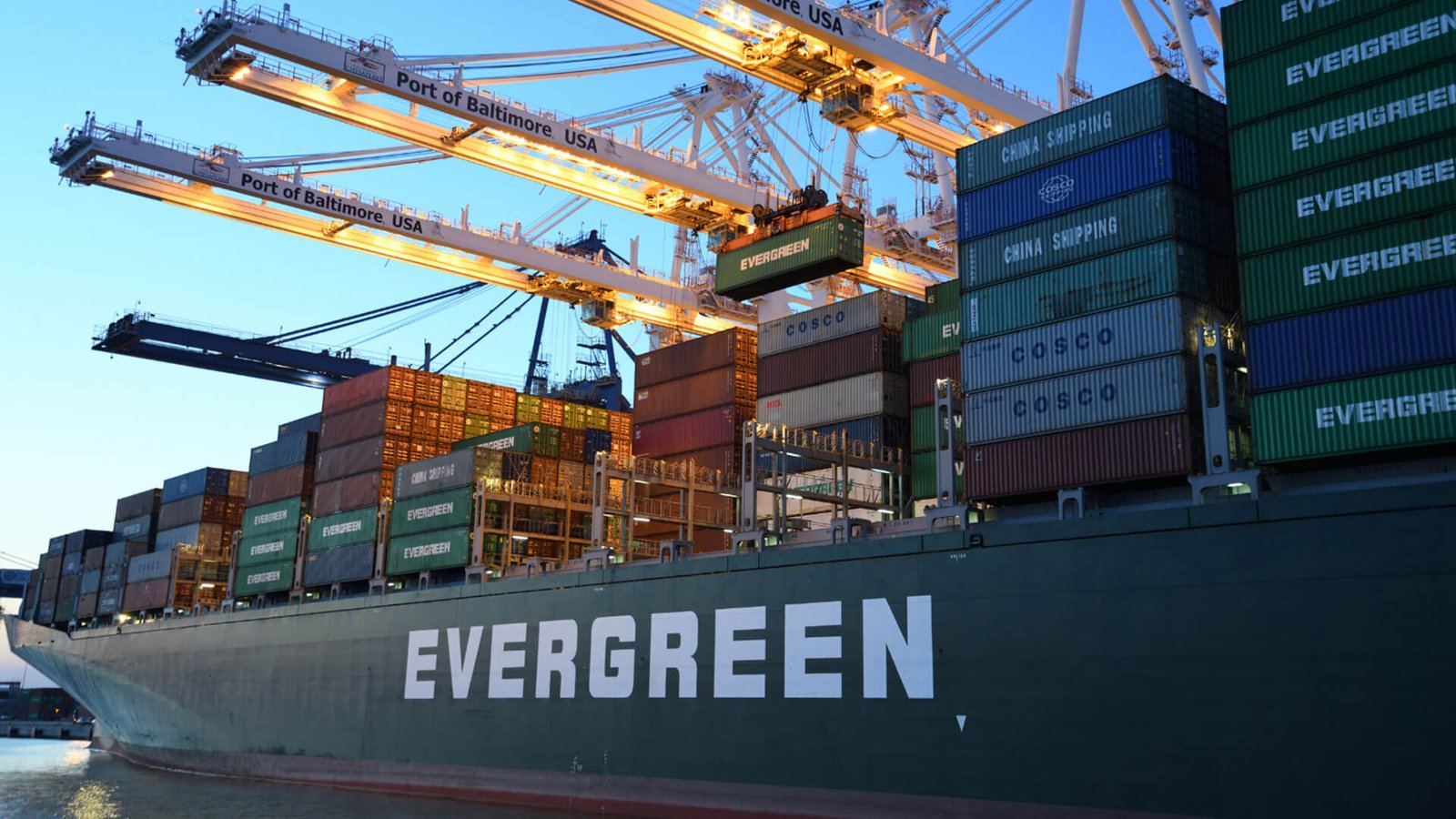
I've seen firsthand how a simple data entry error4 can derail an entire shipment. Many of my clients, like Mark, import goods to the US but also manage supply chains that start elsewhere, like the UK. They often ask me about export systems in other countries. Understanding these systems, like the UK's National Export System (NES)2, is just as crucial as knowing the US rules. A mistake at the origin port can stop a shipment long before it ever reaches US waters. This knowledge prevents delays and keeps your business moving. Let's break down what NES is and how to handle it correctly.
What is the National Export System (NES)2 and how does it fit into modern export declaration filing?
Exporting goods feels complicated. You worry a manual error on a paper form could stop your entire shipment. The process needs to be faster and more reliable.
NES is the electronic system that replaced slow, manual paper declarations5 in the UK. It streamlines how exporters report their shipments to customs, allowing for faster review and approval. This system is a core part of modern, compliant international trade.
I remember the days of paper declarations. We used runners to deliver stacks of documents to customs offices. A single typo could mean starting the whole process over, and you wouldn't know about the error for days. NES changed all that.
The Shift from Paper to Digital
Before electronic systems, every export required a physical paper trail. It was slow, prone to human error, and created massive storage problems. NES was introduced to digitize this process. It connects exporters, freight forwarders, and customs authorities on a single platform. This means data is submitted instantly, checked by automated systems, and reviewed by officers much more efficiently. It's not just about speed; it's about accuracy. The system flags potential errors in real-time, giving you a chance to fix them before they become a major problem.
The Purpose of an Export Declaration
An export declaration isn't just paperwork. It's a legal statement to the government about what you are shipping, its value, and where it's going. Governments use this data for several key reasons:
- Trade Statistics: To understand the economy.
- Security Screening: To prevent illegal or dangerous goods from leaving the country.
- Compliance: To ensure export laws and sanctions are followed.
NES is the gatekeeper for this entire process in the UK.
When must an export declaration be filed through NES and what happens if it is missed or filed incorrectly?
Your shipment is ready to go. But you are not sure if a declaration is needed, and you fear missing the deadline could cause your cargo to miss its vessel.
An export declaration is mandatory when goods meet certain value, control, or destination criteria. Missing the filing deadline or submitting it incorrectly will result in an automatic rejection, causing your shipment to be held at the port until the issue is resolved.
You must file the declaration before the goods depart. The exact timing depends on the mode of transport, but the rule is simple: no declaration, no departure. The consequences are not just theoretical. They are real and costly.
Common Triggers for Mandatory Filing
You don't need to file for every single shipment. However, you almost certainly will if your shipment involves:
- Goods exceeding a specific value threshold.
- "Controlled" goods, such as military items, certain technologies, or chemicals.
- Shipments moving under a specific customs procedure, like temporary export.
- Exports to a sanctioned country6 or entity.
Scenario 1: The Cost of a Late Filing
I once worked with a company shipping industrial machinery to a buyer in the EU. Their team was new to the process and submitted the NES export declaration after the container had already arrived at the port. The NES system immediately rejected the filing because it was late. The terminal could not grant "permission to load." The shipment missed its vessel, and the client had to pay for several days of port storage plus a re-booking fee. It was a costly lesson in the importance of timing. This simple mistake delayed their customer's project and damaged their reputation, all because a deadline was missed.
How do NES export filings affect shipment release, border clearance, and trade compliance7?
You've filed your declaration. Now you are waiting, hoping it gets approved quickly. Any delay at this stage could disrupt your entire supply chain and delivery schedule.
Your NES filing directly determines if your export is cleared for loading, flagged for a document check8, or selected for physical inspection9. A clean filing gets you a green light, while errors or risk flags lead to delays and scrutiny from customs.
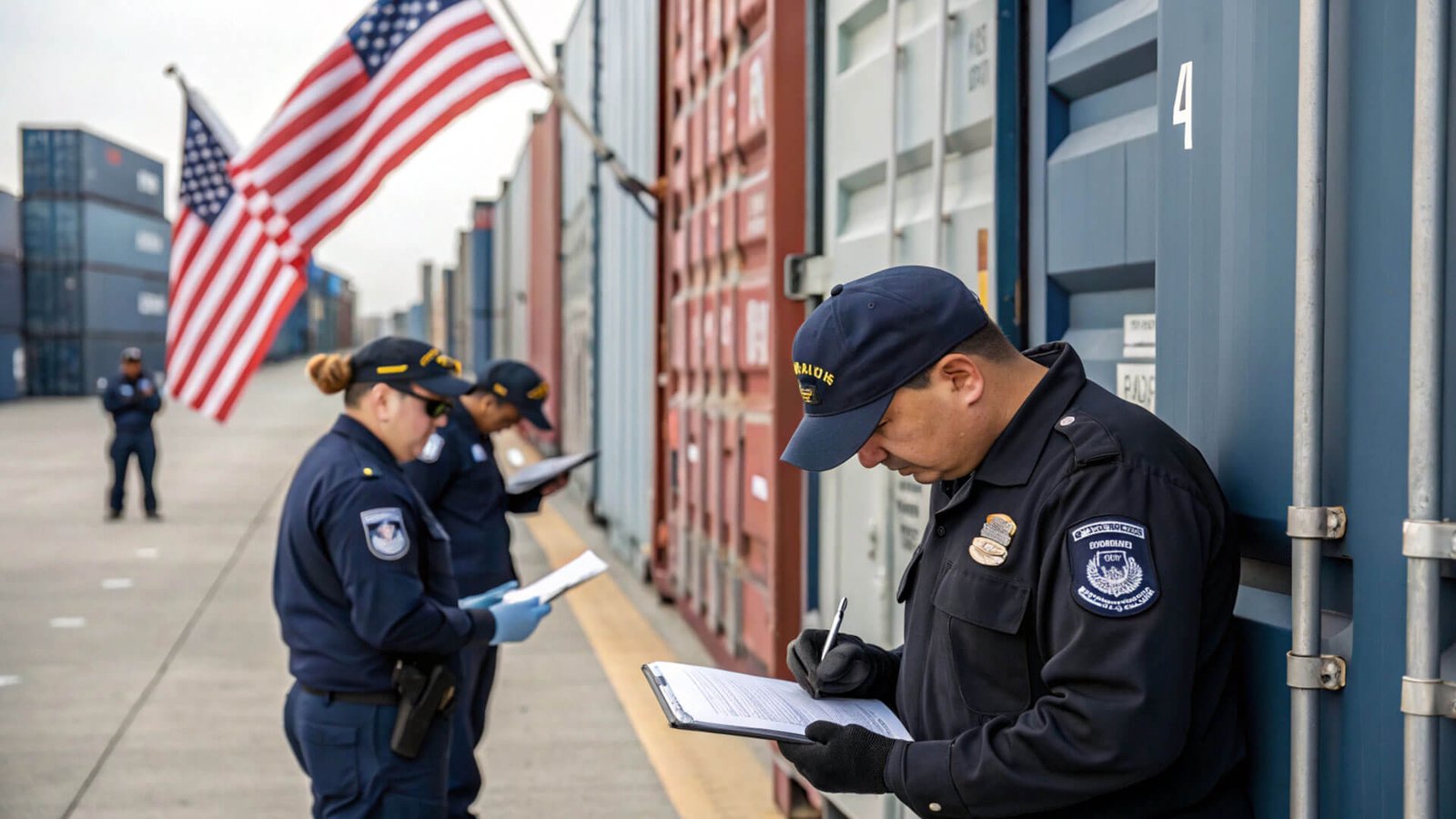
Think of the NES filing as your shipment's passport. Without a valid, approved passport, it's not going anywhere. The system's response dictates the next steps at the border.
"Permission to Load10" and Customs Screening
Once you submit your declaration, NES performs an automated risk assessment. If everything looks good—the data is consistent, the goods are not high-risk, and the exporter is in good standing—the system grants "Permission to Progress" or "Permission to Load10." This is the green light your carrier needs to load your cargo onto the vessel or aircraft. If the system flags a risk, it will trigger a manual review. This could be a simple document check8 or a full physical inspection9 of the goods. This is where delays happen.
NES in the Global Context
If you're trading globally, you'll encounter many systems like NES. The US uses the Automated Export System (AES)11, and other EU countries have their own national systems. While they operate in different regions, their purpose is the same: to control and monitor exports. Understanding the differences is key to avoiding confusion.
| System | Region Used | Primary Purpose | Filing Authority | Common Risk |
|---|---|---|---|---|
| NES | UK | Export declarations & customs clearance12 | HMRC (UK Customs) | Late or incorrect filing |
| AES | United States | Export control, security & trade data | U.S. CBP | Data mismatches with other documents |
| Manual / Paper | Limited use globally | Legacy filing for specific situations | Local customs offices | High error rate and long delays |
| Other EU Systems | Individual EU member states | National export clearance | National customs authorities | Confusion over which system to use |
What are the common NES filing mistakes that cause export delays, penalties, or rejected declarations?
You think your goods are fine, but your shipment is still delayed. The problem is often not the goods themselves, but a simple mistake in the export declaration data.
Most export holds are not due to restricted goods. They are caused by simple data entry error4s, like incorrect commodity codes, wrong exporter details, or missing documents. These mistakes trigger automatic rejections or manual reviews, causing delays.

I've spent countless hours fixing declarations for clients who tried to file themselves. The mistakes are almost always the same. A small typo or a wrong code can bring a multi-million dollar shipment to a halt. It's frustrating because these problems are completely preventable.
Scenario 2: The Wrong Code Causes a Multi-Day Delay
A client was shipping electronics components across a border for a just-in-time manufacturing line. They filed the NES declaration themselves and accidentally used an incorrect HS (Harmonized System) code13 for one of the parts. The code they used was for a dual-use item that required an export license14, which they didn't have. NES immediately flagged the declaration for manual review. Customs requested supporting documentation to prove the item was not controlled. It took three days to sort out the paperwork and get the declaration amended. The delay shut down their customer's assembly line and resulted in a formal compliance warning.
Export Declaration "Before You File" Checklist
To avoid these issues, use a checklist. It's the same process my team and I follow to ensure every filing is right the first time.
| Checklist Item | Why It Matters |
|---|---|
| Confirm filing system (NES, AES, etc.) | Filing in the wrong system guarantees rejection. |
| Verify exporter details | Ensures the legally responsible party is correctly identified. |
| Confirm commodity codes | The most common cause of inspections and penalties. |
| Check shipment value thresholds15 | Determines if a declaration is even required. |
| Prepare supporting documents | Having invoices and packing lists ready speeds up approval. |
| File before cargo departure | A strict deadline. Missing it means your cargo stays put. |
| Use a licensed broker16 | The best way to reduce compliance risk and ensure accuracy. |
How can importers and exporters use broker-managed NES filing to avoid delays and compliance risk?
Filing export declarations1 yourself seems like a way to save money. But the risk of making a costly error is high, and you don't have an expert to call for help.
Broker-managed filing is the safest way to handle NES declarations. A good broker ensures accuracy, timeliness, and audit readiness, turning a risky task into a smooth, compliant process. They act as your expert guide, preventing problems before they happen.
The biggest benefit of using a broker isn't just filing the form. It's the peace of mind that comes from knowing an expert has reviewed every detail. We are your safety net.
The Risks of Self-Filing
When you file yourself, you are 100% responsible for any errors. There's no one to double-check your work. If customs has a question, you are the one who has to answer it. This increases your risk of penalties, audits, and shipment delays. For most businesses, the time, stress, and potential cost of a mistake far outweigh the small fee for a broker's service. A broker's job is to protect you from that risk. We review your commercial invoice, packing list, and other documents to ensure the declaration data is perfect.
Scenario 3: Broker-Managed Success Story
We have a client who exports time-sensitive machinery parts. Missing a delivery window means their customer faces a factory shutdown. For one urgent shipment, we received the documents and immediately prepared the NES declaration. Our team verified the commodity codes and cross-referenced the values with the commercial invoice. We filed the declaration 48 hours before the cargo arrived at the port. NES granted immediate clearance. The shipment was loaded without inspection and departed on time, with no stress or extra costs for the client. This is the standard result when things are managed correctly from the start.
Conclusion
The National Export System is more than just a software platform; it is a critical gatekeeper for your exports. Most delays are preventable, and the safest path is always early, accurate, broker-managed filing17.
Export declarations are legal statements that help governments track trade statistics and ensure compliance with export laws. ↩
Understanding NES is crucial for exporters in the UK to ensure compliance and avoid shipment delays. ↩
Avoiding compliance penalties is essential for maintaining smooth international trade operations and avoiding costly fines. ↩
Data entry errors can lead to shipment delays and rejections, impacting business operations and customer satisfaction. ↩
Manual paper declarations are prone to errors and delays, making electronic systems like NES more efficient. ↩
Exporting to sanctioned countries requires careful compliance to avoid legal penalties and shipment holds. ↩
Trade compliance ensures adherence to international laws, preventing legal issues and shipment delays. ↩
Document checks are part of customs procedures to ensure all export details are accurate and compliant. ↩
Physical inspections can delay shipments, so understanding triggers helps in preparing compliant declarations. ↩
Understanding 'Permission to Load' is vital for ensuring shipments are cleared for departure without delays. ↩
AES is the US counterpart to NES, and understanding it is key for exporters dealing with US customs. ↩
Efficient customs clearance is essential for timely shipment release and avoiding border delays. ↩
Correct HS codes are crucial for accurate export declarations and avoiding compliance issues. ↩
Knowing when an export license is needed helps prevent shipment delays and legal issues. ↩
Understanding shipment value thresholds is crucial for determining when export declarations are required. ↩
Licensed brokers provide expertise and accuracy, reducing the risk of errors and ensuring smooth export processes. ↩
Broker-managed filing ensures accuracy and compliance, reducing the risk of errors and delays in export processes. ↩