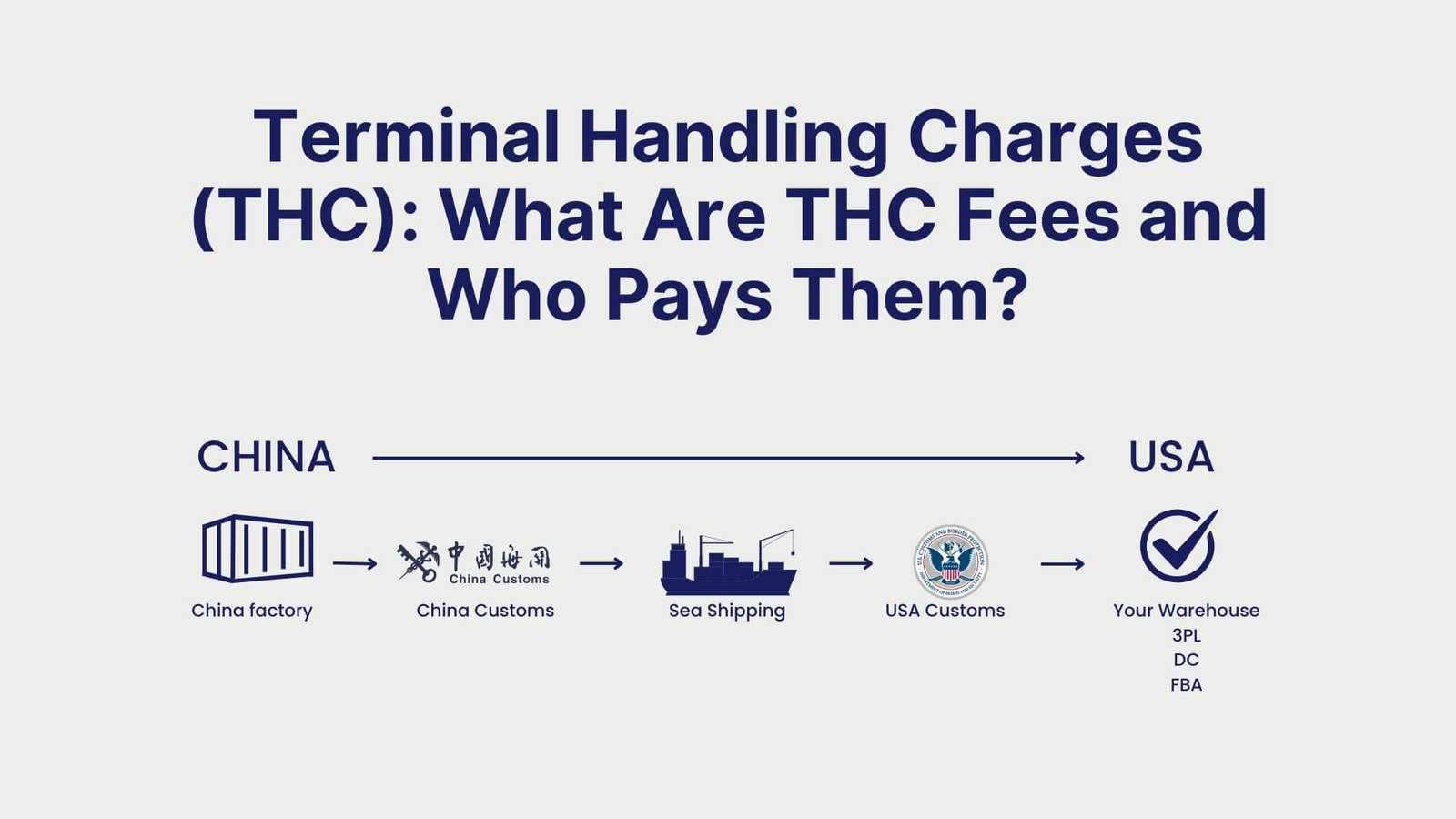
Paying extra tariffs on your China-sourced goods? These Section 301 duties1 are cutting into your margins, creating uncertainty and financial strain for your import business.
Yes, Section 301 exclusions are available for specific products, but they are tied to a precise 10-digit Harmonized Tariff Schedule (HTS) code2 and product description. You must actively check the latest U.S. Trade Representative (USTR) exclusion lists3 to see if your product qualifies for relief.

I've spent years helping U.S. importers navigate the complexities of customs compliance4. The introduction of Section 301 tariffs on Chinese goods added a massive layer of cost and confusion. Many businesses I work with initially felt powerless, assuming these duties were just a new, unavoidable cost of doing business. They were wrong. There are legitimate ways to reduce this burden, but it requires diligence and a clear understanding of the rules. The key isn't to fight the policy, but to master the process. Let's break down how you can find and claim these savings for your business.
Why is Accurate HTS Classification the First Step for Section 301 Exclusions?
Are you classifying your products correctly? A small mistake here can cost you thousands in unnecessary tariffs, as the entire Section 301 system is built on HTS codes.
Accurate HTS classification5 is the foundation for any tariff savings strategy. Section 301 duties1 and their exclusions are applied at the specific 10-digit HTS code level. If your code is wrong, you will miss eligible exclusions or incorrectly pay duties you don't owe.
In my experience, about half the importers I first meet have at least one product line that is slightly misclassified. They see a high tariff and assume it's unavoidable, but the real issue is foundational. Getting this right is the single most important step you can take.
The Importer's Pain
Many importers feel trapped. They see a 25% tariff on their invoice and assume it's correct. For example, a company importing power adapters might use a general HTS code for "power supplies," which carries the full Section 301 duty. They are overpaying without even realizing it because they haven't explored if a more specific code exists that might have an exclusion. This directly impacts their landed cost and competitiveness.
The Regulatory Cause
The U.S. government applies Section 301 tariffs based on the HTSUS (Harmonized Tariff Schedule of the United States). An exclusion is not a blanket exemption for a product like "smart home devices." Instead, it's a specific instruction tied to an HTS code, like 8504.40.9570, and often includes a very narrow product description. If your product is classified under a different code, even if it's functionally similar, you cannot use the exclusion.
The Practical Solution
You must perform a detailed classification review for all products sourced from China. Don't rely on the factory's suggested code. Work with a customs broker or consultant to validate every single one.
| Action Item | Why It Matters | Example |
|---|---|---|
| Product Spec Review | Technical details determine the correct HTS code. | A power adapter's output wattage can shift it between HTS codes with different duty rates. |
| Get a Binding Ruling | A binding ruling from CBP6 provides legal certainty on your HTS code. | If your smart device has multiple functions, a ruling clarifies its primary function for classification. |
| Document Everything | Keep detailed records of why you chose a specific HTS code. | This documentation is your first line of defense during a Customs and Border Protection (CBP) audit. |
Why this matters to U.S. importers: Correct classification is not just about compliance; it's a direct cost-saving tool. It's the key that unlocks the door to potential Section 301 exclusions.
How Do You Know if Your Product Qualifies for a Section 301 Exclusion?
Your product is correctly classified, but how do you find out if an exclusion exists? The lists are constantly changing, making it hard to keep track of opportunities.
To see if your product qualifies, you must check the official USTR notices and the Section 301 exclusion lists published in the Federal Register7. These documents provide the specific HTS codes and product descriptions that are temporarily exempt from the additional duties.

I once had a client importing industrial pumps from China. They were paying a hefty Section 301 tariff for months. We discovered an exclusion had been granted for a very specific type of centrifugal pump that matched their product exactly. The information was public, but they didn't know where to look.
The Importer's Pain
The biggest challenge for importers is the dynamic nature of these exclusions. A list published today might be extended, modified, or allowed to expire in a few months. Business owners don't have time to read through hundreds of pages of government notices. They miss out on savings because the information is buried in legal documents and isn't presented in a simple, business-friendly format.
The Regulatory Cause
The USTR is the agency responsible for managing Section 301 tariffs and exclusions. They announce new exclusions, extensions, and expirations through official notices in the Federal Register7. These notices are the sole legal source of truth. There is no simple, centralized "database" that is always up-to-date. The process is intentionally formal and requires active monitoring. An exclusion for a CNC machine component, for instance, might be extended while an exclusion for a different type of motor expires.
The Practical Solution
You need a reliable system for monitoring USTR announcements8.
- Bookmark Key Government Websites: Regularly check the USTR's Section 301 page and the Federal Register7.
- Subscribe to Trade Publications: Many industry newsletters and customs brokerage updates summarize these changes.
- Match Both HTS Code and Description: It's not enough for the HTS code to match. The product description in the exclusion notice must also accurately describe your product. An exclusion for "fasteners, of iron or steel, threaded" is different from one for "fasteners, of aluminum, non-threaded."
Why this matters to U.S. importers: Proactive monitoring translates directly to savings. If you aren't checking for new or extended exclusions, you are likely leaving money on the table.
Are You Missing Section 301 Savings by Not Monitoring Exclusion Extensions?
You found an exclusion, but it expired. Many importers give up at this point, assuming the savings are gone forever. This is a common and costly mistake.
Yes, many importers miss significant savings because they fail to monitor USTR announcements8 about exclusion extensions9. An expired exclusion can be reinstated or extended, creating new refund opportunities, but you must be watching for the official notice to take advantage of it.

This is a recurring theme I see. A client importing electrical connectors was using an exclusion that expired on December 31st. They switched back to paying the full tariff. Six months later, the USTR announced a retroactive extension for that exact exclusion. Because they weren't monitoring, they missed the window to claim back six months of overpaid duties.
The Importer's Pain
The "stop-and-go" nature of exclusions creates massive uncertainty in budgeting and pricing. An importer might lose a competitive advantage overnight when an exclusion expires. When it's later reinstated retroactively, they often lack the process to go back and claim the refund, having already written off the duties as a sunk cost. This constant change makes it incredibly difficult to maintain accurate landed cost calculations.
The Regulatory Cause
Exclusions are granted for limited time periods. The USTR periodically reviews them and decides whether to grant extensions. These decisions are published as formal notices. Importantly, when an extension is granted retroactively, it re-opens a window for importers to claim refunds on duties paid during the lapse period. The burden is entirely on the importer to identify this opportunity and file the correct paperwork.
The Practical Solution
Create a tracking system for all exclusions relevant to your products.
| Element to Track | Action Required | Potential Outcome |
|---|---|---|
| HTS Code | List every HTS code you import from China. | Clear visibility of your exposure. |
| Exclusion Status | Note if an exclusion is Active, Expired, or Never Existed. | Prioritize which codes to monitor. |
| Expiration Date | For active exclusions, log the exact expiration date. | Set calendar reminders to check for extension news. |
| Retroactive Window | If an extension is granted, note the date range for refunds. | Quickly identify entries eligible for duty recovery. |
Why this matters to U.S. importers: Diligent tracking is not just administrative work; it's a cash recovery strategy. Failing to monitor extensions is the same as turning down a refund check from the government.
What is the Best Strategy to Avoid or Reduce Section 301 Duties?
Knowing about exclusions is one thing; successfully using them is another. You need a complete strategy that covers actions before and after your goods arrive at the port.
A successful strategy combines four key elements: confirming exclusion eligibility, ensuring proper entry filing, using Post-Summary Corrections (PSCs)10 for recent errors, and filing protests or claims for older entries to recover overpaid duties. It's a proactive and reactive approach.
The most successful importers I work with don't just focus on one piece of this puzzle. They have a system. They know which products are eligible before they ship, their broker files the entry correctly the first time, and they have a plan to fix it if something goes wrong.
The Importer's Pain
Importers often get stuck in one phase. Some focus only on finding an exclusion but don't communicate it to their customs broker, leading to an incorrect entry filing. Others find out about an exclusion months after the goods have been released and don't know how to claim a refund. This fragmented approach leads to missed opportunities and wasted time.
The Regulatory Cause
CBP has specific procedures for how duties are paid and refunded.
- Entry Filing: The HTS code and any applicable exclusion codes must be declared when the goods are imported.
- Post-Summary Correction (PSC): This is an electronic process to correct errors on an entry within 300 days of the entry summary date. It's the fastest way to get a refund for a recently missed exclusion.
- Protest: This is a more formal legal challenge to a CBP decision, which can be filed up to 180 days after liquidation. It's used for older entries where the PSC window has closed.
It is critical to distinguish exclusion eligibility from duty drawback11. Drawback is a refund of duties paid on imported goods that are later exported. Section 301 exclusion claims are for goods that are imported and consumed in the U.S.
The Practical Solution
Implement a multi-stage process for every import from China.
- Pre-Shipment: Verify HTS code and check for active exclusions. Provide clear instructions to your broker.
- At Entry: Have your broker file using the correct HTS code and the special Chapter 99 HTS code12 that claims the exclusion.
- Post-Entry Audit (Within 300 Days): Regularly review your filed entries. If you find a missed exclusion, instruct your broker to file a PSC immediately.
- Long-Term Recovery (Post-300 Days): For older entries, work with a specialist to evaluate if a formal protest is a viable option for duty recovery.
Why this matters to U.S. importers: A comprehensive strategy ensures you're not just finding savings, but actually capturing them. It protects you from errors and maximizes your potential refunds.
What are the Risks of Using the Wrong HTS Code for Section 301 Exclusions?
In the rush to find savings, some importers might be tempted to use an HTS code that has an exclusion, even if it's not a perfect fit. This is a dangerous game.
Using the wrong HTS code to claim an exclusion can lead to severe consequences, including CBP audit13s, repayment of all saved duties plus interest, monetary penalties, and being flagged as a high-risk importer14, which means more cargo inspections and delays in the future.

I've seen this happen. A company importing a specific type of CNC component found a similar, but not identical, component had a 301 exclusion. They changed their HTS code to match the exclusion. A year later, a CBP audit13 uncovered the misclassification. They had to pay back two years of duties, plus a penalty that was twice the amount of the duties they had tried to save.
The Importer's Pain
The short-term gain of dodging a tariff can quickly be erased by the long-term pain of a CBP enforcement action. An audit is time-consuming and stressful. Penalties can be financially crippling. Furthermore, being labeled "high-risk" means your future shipments will face more scrutiny, disrupting your supply chain and adding unpredictable costs and delays.
The Regulatory Cause
CBP operates on a principle of "informed compliance15" and "reasonable care16." This means you, the importer, are legally responsible for correctly classifying your goods. Intentionally misclassifying a product to evade duties is considered fraud. Even if it's an honest mistake, CBP can still issue penalties for negligence if you cannot demonstrate you took reasonable care16 to get it right.
The Practical Solution
Prioritize compliance over short-term savings. Your goal is to build a defensible and repeatable classification process.
| Action | Description | Consequence of Failure |
|---|---|---|
| Maintain a Classification Rationale | For every HTS code, have a written document explaining why you chose it, citing the tariff schedule rules. | In an audit, you'll have no evidence of reasonable care, increasing penalty risk. |
| Never "Shop" for HTS Codes | Do not search for HTS codes that have lower duty rates or exclusions. Start with the product and find the correct code. | This is a red flag for intentional misclassification and potential fraud. |
| When in Doubt, Ask | If you are unsure about a classification, consult with a licensed customs broker or trade lawyer. | Guessing is considered negligence. Professional advice demonstrates reasonable care. |
Why this matters to U.S. importers: The risks of non-compliance far outweigh the potential rewards. A strong compliance posture not only protects you from penalties but also builds a more resilient and predictable supply chain.
Conclusion
Section 301 savings depend less on policy changes and more on execution—classification accuracy, active monitoring, and disciplined filing. Take control of what you can control.
Understanding Section 301 duties is crucial for importers to manage costs and navigate trade regulations effectively. ↩
Accurate HTS classification is essential for compliance and cost savings on tariffs. ↩
Checking USTR exclusion lists can help importers identify potential tariff relief opportunities. ↩
Customs compliance is vital to avoid penalties and ensure smooth import operations. ↩
Correct HTS classification can prevent unnecessary tariffs and ensure eligibility for exclusions. ↩
A binding ruling provides legal certainty on HTS codes, reducing the risk of misclassification. ↩
The Federal Register is the official source for updates on Section 301 exclusions and extensions. ↩
Staying informed on USTR announcements can help importers take advantage of exclusion extensions. ↩
Exclusion extensions can provide opportunities for duty refunds, reducing import costs. ↩
PSCs allow importers to correct entry errors and claim refunds for missed exclusions. ↩
Understanding duty drawback helps importers differentiate between various duty recovery options. ↩
Using the Chapter 99 HTS code correctly is crucial for claiming Section 301 exclusions. ↩
Understanding CBP audits helps importers maintain compliance and avoid penalties. ↩
Being labeled high-risk can lead to increased inspections and delays, affecting supply chain efficiency. ↩
Informed compliance ensures importers meet legal responsibilities and avoid costly penalties. ↩
Reasonable care is a legal requirement for importers to ensure accurate product classification. ↩