Feeling the pressure from changing Section 301 tariffs1? These updates threaten your 2026 margins. Here’s how you can prepare and protect your business from unexpected costs.
The U.S. has increased Section 301 tariffs1 on select Chinese goods for 2024-2025, with many continuing into 2026. Importers must proactively verify their HTS codes2, review landed costs3, and update compliance strategies4 now to avoid financial shocks5 and stay compliant.

You know that changes are here and more are coming. But what exactly changed? It's easy to get lost in government announcements. Let's break down the details so you can see how this directly impacts your business. The first step is understanding the new rules.
What Changed in the 2024–2025 Section 301 China Tariff Updates and Which Increases Continue Through 2026?
Are you confused by the latest Section 301 tariff updates? This uncertainty makes planning difficult. Here is a clear summary of what's new and what stays through 2026.
In 2024, the U.S. finalized new and increased Section 301 tariffs1 on strategic products like EVs, batteries, and medical supplies. Many of these increases are phased in through 2025 and are set to continue into 2026, while only limited general exclusions were extended.
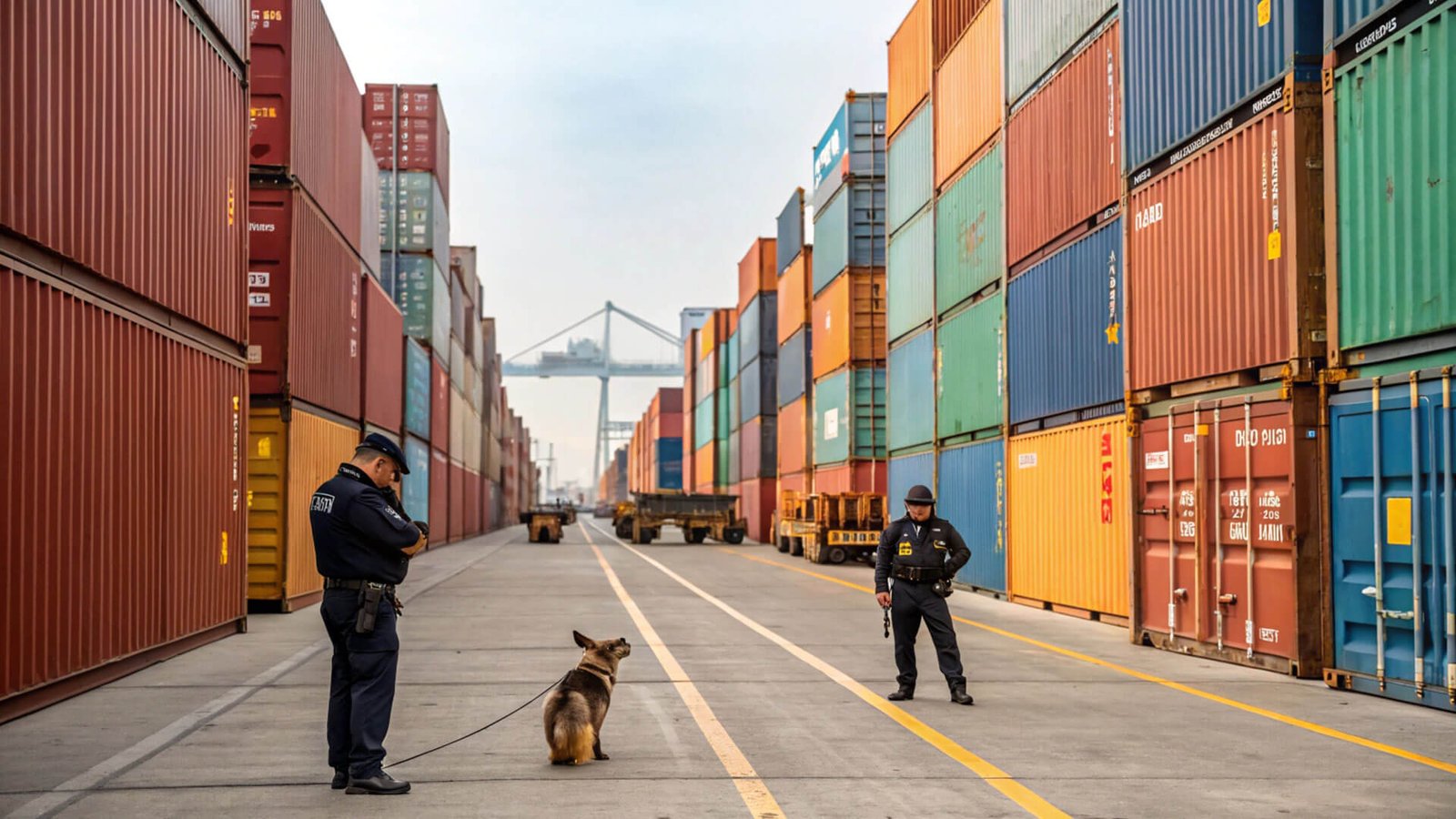
The Timeline for New Tariff Hikes
The United States Trade Representative (USTR) concluded its four-year review and announced significant changes. Some tariffs increased on August 1, 2024, while others are scheduled for January 1, 2025, and January 1, 2026. This staggered approach means you need a multi-year plan. For example, tariffs on certain steel and aluminum products went up in 2024, but the big hike on electric vehicles (from 25% to 100%) is set for this year. These aren't just one-time changes; they signal a long-term trade policy shift6 that impacts your sourcing strategy.
Why "Temporary" Tariffs Become Permanent Problems
I've seen it many times with my clients. A tariff is announced as a "temporary" measure, so importers hope it will go away. But these Section 301 tariffs1 have been in place for years. The recent updates confirm they are now a core part of the U.S. trade landscape. Believing they will simply vanish is a risky business strategy. You must plan your costs and contracts as if these tariffs are here to stay, because, for many products, they are. Your 2026 budget must reflect this reality.
Which Products and HTS Codes Face the Highest Section 301 Tariff Exposure Going Into 2026?
Do you know if your specific products are hit by Section 301 tariffs1? Guessing based on product descriptions can lead to costly surprises when your container lands.
Section 301 tariff liability7 is determined by the specific Harmonized Tariff Schedule (HTS) code, not the product's common name. High-exposure categories include industrial machinery, electronics, EV batteries, solar cells, and certain medical supplies. Importers must verify the exact HTS code for every product.

The Critical Role of the HTS Code
This is where most importers get into trouble. Your supplier in China might call a product a "power bank," but U.S. Customs sees it as HTS code 8507.60.0020 (lithium-ion battery). One might have a 25% tariff, another might not. The tariff is tied directly to that 10-digit HTS code you declare on your customs entry. Two very similar products can have completely different tariff treatments. We always tell our clients: never trust a commercial invoice's product description alone. You must know the correct HTS code. Getting this wrong is not a valid excuse during a customs audit.
Case Study: A DDP Contract Fails Under Tariff Shock
I worked with a client, an electronics importer, who thought they were safe with a Delivered Duty Paid (DDP) contract from China to Los Angeles. Mid-contract, a new Section 301 interpretation hit their main product. Their Chinese DDP provider, who was not a licensed U.S. Customs broker, suddenly demanded a massive surcharge to cover the unexpected 25% tariff. The importer had to absorb the cost, wiping out their profit margin for the quarter. The lesson was clear: a DDP price is only as good as the customs planning behind it.
How Section 301 Tariff Increases Impact Landed Cost, DDP Pricing, and Importer Margin Planning?
Are you struggling to see how a tariff percentage translates to your final costs? These duties directly attack your margins and can make your DDP pricing completely unreliable.
Section 301 tariffs1 are calculated on the customs value8 and are added on top of regular Most-Favored-Nation (MFN) duties. This directly inflates your landed cost, erodes profit margins, and strains cash flow. DDP agreements often fail because the seller did not account for these high, variable duties.

The Pain of "Tariff Stacking"
Let's make this real. Imagine you import a product with a customs value8 of $100,000. The regular MFN duty is 3%. That’s $3,000. Now, add a 25% Section 301 tariff. That’s another $25,000. Your total duty bill is not $25,000, it's $28,000. This "stacking" effect is a direct hit to your landed cost before the goods even leave the port. Many importers fail to model this correctly and are shocked by the final bill. DDP pricing is especially vulnerable because the Chinese seller often underestimates or ignores the Section 301 duties, leaving you to fight over who pays when CBP demands the money.
Section 301 Tariffs: 2024 vs 2025 vs 2026
The risk to your business is not static; it's growing. Here's how the landscape is changing.
| Factor | 2024 | 2025 | 2026 |
|---|---|---|---|
| Section 301 Status | Active | Expanded | Largely continuing |
| New Increases | Announced | Implemented | In force |
| Exclusions | Limited | Narrowed | Mostly expired |
| Importer Risk | Medium | High | Very High |
| DDP Stability | Fragile | Unstable | Requires redesign |
Which Exclusions, Extensions, and Duty Relief Options Still Apply—and Where Importers Get Them Wrong?
Hoping a tariff exclusion will save you money? Misinterpreting these narrow rules is a common and expensive mistake that can trigger a customs audit years down the road.
Only a small, specific list of products qualifies for Section 301 exclusions, and most have strict expiration dates. The USTR extended some exclusions until May 31, 2025, but importers often mistakenly apply them to the wrong HTS code or after they expire, leading to penalties.

The Dangerous Myth of "My Competitor Didn't Pay"
This is one of the worst arguments an importer can make. I had a client say, "My competitor imports the same thing and doesn't pay the Section 301 duty." The truth is, the competitor was likely misclassifying their goods or illegally claiming an expired exclusion. U.S. Customs can (and does) go back five years to audit entries. When they find the mistake, they will demand all back-duties plus interest and penalties. Your competitor’s mistake is not a legal defense; it's a warning sign for your own compliance.
Case Study: An Expired Exclusion Leads to Penalties
A home goods importer shipping FCL containers to New Jersey came to us after a painful audit. They had been claiming a Section 301 exclusion on a popular product. The problem? The exclusion had expired a year earlier. Their previous broker never checked. U.S. Customs and Border Protection (CBP) denied the claim retroactively and sent them a bill for a full year of unpaid 25% tariffs, plus interest. The financial hit was significant and completely avoidable with proper customs oversight.
What U.S. Importers Must Do in 2026 to Stay Compliant and Reduce Section 301 Tariff Risk Legally?
Feeling overwhelmed by the risks of Section 301 tariffs1? Ignoring the problem won't make it go away. Here is a clear, actionable plan to protect your business in 2026.
For 2026, importers must actively manage their customs strategy. This means validating every HTS code, reviewing country of origin9, redesigning DDP contracts10 to be broker-led, and considering a binding ruling from CBP11 to lock in classification and duty rates for certainty.

Taking Control with a Proactive Customs Strategy
The only way to survive Section 301 is to stop being reactive. You, the Importer of Record, are ultimately responsible. This means working with a licensed customs broker12 to verify HTS codes2 before you ship. For high-value or ambiguous products, we often advise clients to seek a binding ruling from CBP11. This ruling is a legally binding document that confirms your product's HTS code and duty rate, providing certainty for years. It's the ultimate defense against future claims or audits and provides the stability you need for long-term planning.
Case Study: A Protected Importer with Predictable Costs
We worked with an industrial components importer shipping to Houston who was worried about 2026. Before they signed their next supplier contract, we did a full review. We found that a slight, legal adjustment to their product's HTS classification, supported by technical specs, significantly lowered their Section 301 exposure. We helped them secure a binding ruling to lock it in. As a result, they entered 2026 with a predictable landed cost and a compliant, defensible customs strategy.
Section 301 Survival Checklist for 2026 Importers
Use this checklist to guide your planning.
| Step | Action |
|---|---|
| Map Exposure | Identify all your HTS codes2 affected by Section 301 tariffs1. |
| Model Landed Cost | Calculate your total costs, including worst-case Section 301 duties. |
| Validate HTS | Work with your customs broker12 to confirm classification accuracy for every SKU. |
| Review Origin | Confirm the true country of origin9; "Made in China" is not always simple. |
| Check Exclusions | Verify if any exclusions apply, their exact scope, and their expiration date. |
| Redesign DDP | Shift to a model where your U.S. customs broker12 controls the customs entry. |
| Secure Rulings | For key products, apply for a binding ruling from CBP11 for legal certainty. |
| Align Contracts | Update supplier and sales contracts to address tariff risk and price changes. |
| Monitor Updates | Stay informed on changes from the USTR and CBP with your logistics partner. |
Conclusion
Section 301 tariffs1 are now a permanent cost of business. Unprepared importers will face major losses in 2026. A proactive, broker-led customs strategy is your safest path forward.
Understanding the latest updates on Section 301 tariffs is crucial for businesses to plan and adjust their strategies accordingly. ↩
Knowing how HTS codes impact tariff liabilities helps importers avoid costly mistakes and ensure compliance. ↩
Exploring how tariffs affect landed costs can help businesses better manage their expenses and pricing strategies. ↩
Effective compliance strategies are essential to avoid penalties and ensure smooth import operations. ↩
Preparing for financial shocks ensures business continuity and stability in uncertain times. ↩
Understanding trade policy shifts helps businesses anticipate changes and adapt their strategies. ↩
Understanding tariff liability helps businesses manage risks and avoid unexpected costs. ↩
Knowing how customs value is calculated ensures accurate duty payments and compliance. ↩
Verifying the country of origin ensures compliance and prevents misclassification issues. ↩
Understanding the impact on DDP contracts helps importers negotiate better terms and avoid unexpected costs. ↩
A binding ruling provides legal certainty and helps businesses avoid future classification disputes. ↩
A customs broker can provide expert guidance and help navigate complex tariff regulations. ↩