Struggling to get clear numbers for your Singapore to U.S. shipments? Hidden fees and delays can ruin your budget. A solid plan is your best defense.
Shipping from Singapore to the U.S. involves choosing between cost-effective ocean freight (18-35 days)1 and fast air freight (3-7 days)2. Costs depend on mode, cargo size, and destination. Planning for port fees, customs, and inland delivery is essential for an accurate total landed cost3.
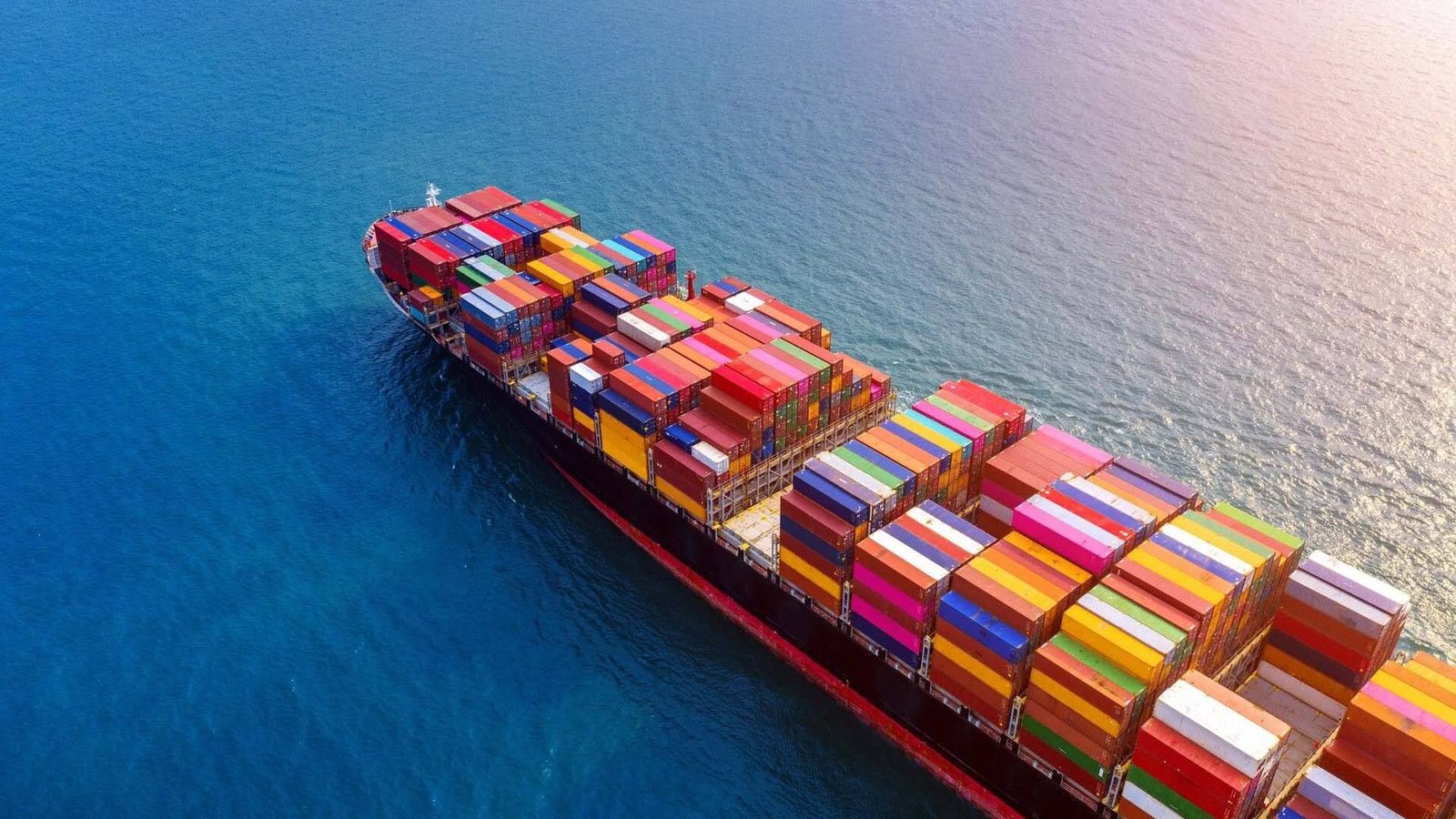
Getting your goods from Singapore to the U.S. feels complicated. I see it all the time with clients like Mark, a U.S. importer who was tired of surprise costs and unreliable timelines. The key is to break the process down into manageable parts. Let's look at the real costs, transit times, and best routes. This will give you the clarity and control you need to manage your supply chain effectively.
What Does It Really Cost to Ship From Singapore to the U.S. by Ocean and Air in 2025?
Are freight quotes confusing you? Volatile rates and surcharges make budgeting difficult. Understanding each cost component is the first step to gaining control over your expenses.
Shipping costs from Singapore to the U.S. vary by mode, cargo size, and destination. Ocean freight is the cheapest per unit, while air is fastest. Remember to include fuel surcharges, port fees, and inland delivery costs when you calculate your total landed cost3 for an accurate budget.
When my clients ask for a quote, they are often focused on the base freight rate. But the final invoice includes much more. To calculate your true "landed cost," you have to see the full picture. It's not just about the ocean or air rate; it's about every charge from the factory door in Singapore to your warehouse door in the USA.
Understanding Ocean Freight Costs
For ocean freight, your main choice is between a Full Container Load (FCL)4 and Less than Container Load (LCL)5.
- FCL: You pay for an entire container (20ft or 40ft). It's more cost-effective if you have enough cargo to fill at least 70% of the container.
- LCL: You share container space with other importers. You pay based on the volume (cubic meters) or weight of your cargo, whichever is greater.
Understanding Air Freight Costs
Air freight cost is based on "chargeable weight6." The carrier will calculate both the actual weight (gross weight) and the volumetric weight of your cargo. You pay for whichever is higher. This is why light, bulky items can be surprisingly expensive to ship by air.
Key Surcharges and Fees
Beyond the base rate, you must budget for these common additional costs.
| Fee / Surcharge | Description |
|---|---|
| Fuel Surcharges (BAF/FAF)7 | Covers fluctuations in fuel prices for sea and air carriers. |
| Terminal Handling (THC)8 | Fees charged by the port for handling the container at origin and destination. |
| Peak Season (PSS)9 | A premium charged during high-demand periods, typically from August to October. |
| Customs & Duties10 | Fees for customs clearance and any import taxes owed to the U.S. government. |
| Inland Transport | The cost of trucking or rail from the U.S. port to your final destination. |
I always advise clients to request a detailed, all-inclusive quote to avoid surprises.
How Long Does Shipping From Singapore to the U.S. Take Based on Mode, Port, and Service Level?
Unpredictable transit times messing with your inventory planning? Late shipments can lead to stockouts and lost sales. Let's map out the real timelines you can expect.
Shipping time from Singapore to the U.S. is 3-7 days by air or 18-35+ days by sea. Your choice depends on routing and destination port. West Coast ports11 are faster for ocean transit, but East Coast routes can sometimes save on inland trucking costs for certain final destinations.
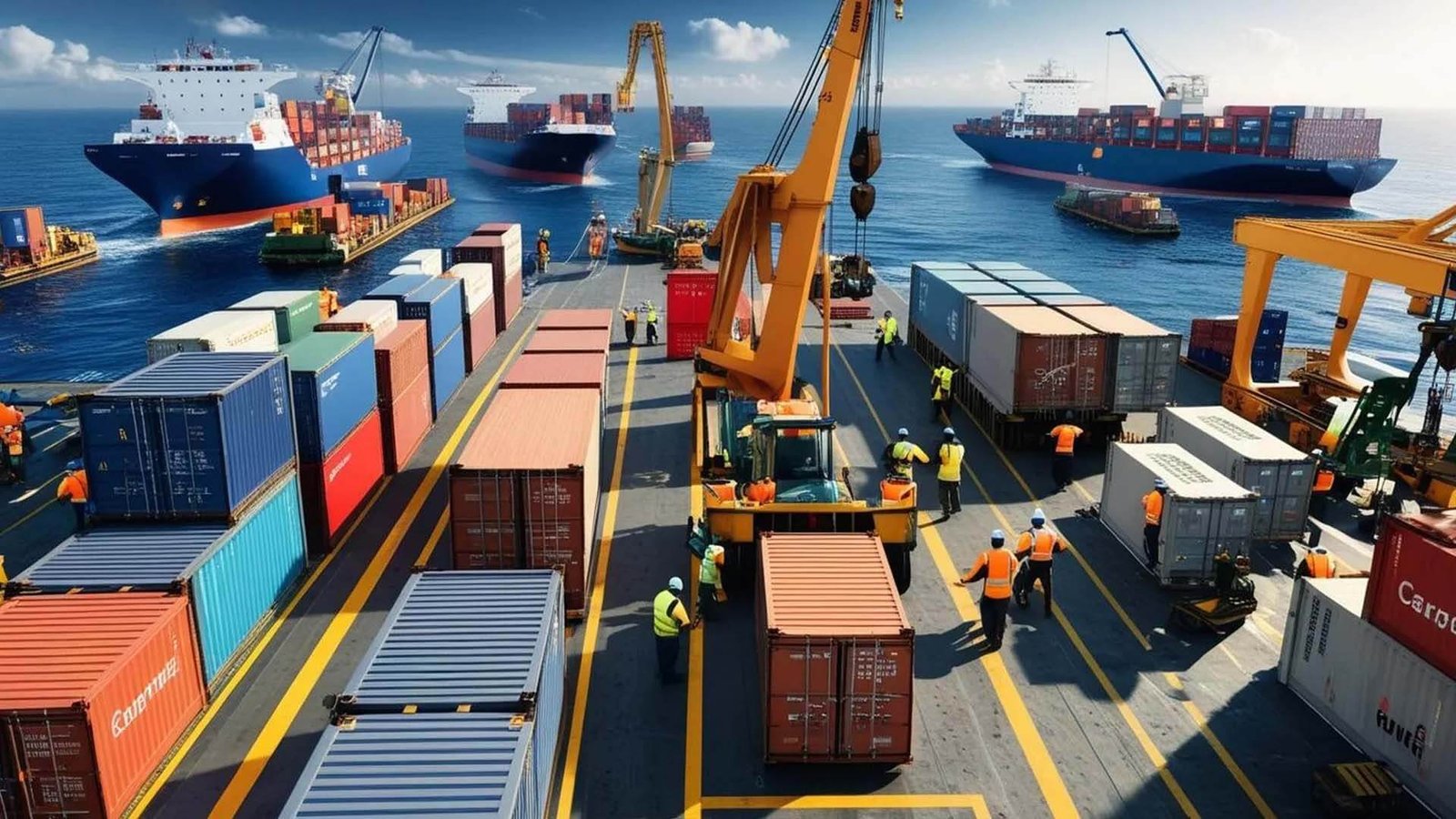
Transit time is more than just the time on the water or in the air. The total "door-to-door" time includes several stages: cargo pickup, travel to the port, waiting at the port, the main transit, customs clearance, and final delivery. A simple port-to-port estimate of 20 days can easily become 35 days door-to-door if there are delays at customs or with inland trucking.
Comparing Shipping Modes
The mode of transport is the biggest factor affecting your timeline. You have to balance speed with cost. For a client shipping high-value electronics, air freight makes sense. For another client shipping heavy machinery parts, ocean freight is the only economical choice.
| Mode | Typical Transit Time | Cost Level | Best For | Key Trade-Off |
|---|---|---|---|---|
| Ocean Freight (FCL/LCL) | 18–35 days | Lowest | Bulk & non-urgent cargo | Longer lead times |
| Air Freight | 3–7 days | High | High-value or urgent goods | Cost volatility |
| Express / Courier | 2–5 days | Highest | Samples & documents | Size & cost limits |
Port Selection and Transit Time
The U.S. port you choose directly impacts the ocean transit time. Shipments from Singapore have a shorter journey to the West Coast than the East Coast. However, if your final destination is in the Midwest or on the East Coast, the extra ocean time might be offset by shorter and cheaper inland transport.
| Destination | Ocean Transit Time | Air Transit Time | Key Advantage |
|---|---|---|---|
| U.S. West Coast | 18–25 days | 3–5 days | Fastest ocean transit |
| U.S. East Coast | 28–35 days | 4–7 days | Better inland distribution |
| Gulf Coast | 30–38 days | 4–7 days | Alternative congestion routing |
Always consider the total transit time and cost to your warehouse, not just to the port.
Which Shipping Routes and U.S. Ports Are Most Reliable for Singapore-Origin Cargo?
Worried about choosing the wrong route? A bad choice can mean delays and added costs. Knowing the most reliable paths is crucial for a smooth supply chain.
For cargo from Singapore, U.S. West Coast ports11 offer the fastest ocean transit. East Coast ports12 take longer but can be better for inland distribution. Reliability really depends on the carrier's schedule, port congestion13, and how good the inland truck or rail connections are from the port.

Choosing the "best" route is about finding the right balance of speed, cost, and reliability for your specific needs. There is no single answer for every importer. What works for a large retailer might not work for a small business importing its first container. I help my clients analyze their supply chain to find the optimal path.
West Coast vs. East Coast Ports
The classic choice for Singapore-origin cargo is between the West Coast and East Coast.
-
U.S. West Coast Ports (Los Angeles/Long Beach, Oakland): This is the most direct transpacific route.
- Pros: Fastest ocean transit time. This is critical if you need to replenish inventory quickly.
- Cons: These ports can face heavy congestion. Inland transport to the eastern half of the U.S. can be expensive and time-consuming.
-
U.S. East Coast Ports (New York/New Jersey, Savannah): These routes go through the Suez Canal or Panama Canal.
- Pros: Can be more cost-effective for final destinations in the Midwest and East. It reduces the distance and cost of inland trucking.
- Cons: The ocean voyage is significantly longer, adding 7-10 days to your lead time.
Factors That Determine Route Reliability
A route's reliability is not just about the lines on a map. It depends on several real-world factors:
- Carrier Service: Does the shipping line offer a direct service, or will your container be transshipped at another port? Transshipments add time and risk.
- Port Efficiency: How quickly can a port unload a vessel and get containers onto trucks or trains? Congestion and labor issues can create major bottlenecks.
- Inland Connections: A port is only as good as its connections. Strong rail and trucking networks are essential for getting your cargo out of the port and on its way to you.
I work with clients to weigh these factors and sometimes suggest alternative ports like those on the Gulf Coast to avoid major congestion points.
What Factors Cause Cost and Transit Time Volatility on the Singapore–U.S. Trade Lane?
Are surprise delays and price hikes hurting your business? This uncertainty makes planning impossible. Understanding the causes is the only way to protect your shipments and budget.
Volatility in shipping from Singapore is caused by changing fuel prices, port congestion13, and peak season demand. Carrier capacity shifts and labor issues also create delays. Relying on last-minute spot rates is risky. Proactive planning and forecasting are key to managing these unpredictable factors.
The international shipping market is not static. Rates and schedules can change weekly. I've seen importers get burned because they planned their budget based on a quote from three months ago. Understanding what drives this volatility is the first step toward building a more resilient supply chain. These factors are the primary culprits.
Economic Factors
The global economy has a direct impact on shipping.
- Carrier Capacity vs. Demand: When demand for shipping is high and there aren't enough ships or containers, carriers implement General Rate Increases (GRIs)14. When demand is low, rates fall.
- Fuel Prices: Oil prices are a major operational cost for carriers. They pass these costs on to you through fuel surcharges (like BAF). When oil prices spike, so do your shipping costs.
Operational Factors
Day-to-day logistics challenges create constant uncertainty.
- Port Congestion: A backlog of ships waiting to unload at a major port like Los Angeles can add days or even weeks to your transit time. This also increases costs for things like chassis rental and storage.
- Vessel and Container Availability: Sometimes there simply isn't enough space on ships leaving Singapore, or there is a shortage of empty containers. This forces importers to wait for the next available vessel.
Seasonal and External Factors
Predictable and unpredictable events can throw a wrench in your plans.
- Peak Season: From late summer to fall, retailers are stocking up for the holidays. This surge in demand (the "peak season") leads to higher rates (PSS) and less available space.
- Labor Disruptions: Port worker strikes or contract negotiations can shut down a port with little warning, leaving your cargo stranded.
- Weather and Geopolitics: Hurricanes, canal blockages, or international conflicts can instantly reroute ships and cause massive delays across the industry.
You can't control these factors, but with a good logistics partner, you can plan for them.
What U.S. Customs, Duties, and Import Compliance Issues Should Singapore Shipments Plan For?
Afraid of your shipment getting stuck in customs? A small paperwork error can lead to huge delays and fines. Proper preparation is not optional; it's essential.
For U.S. imports from Singapore, you must have correct customs paperwork, HS codes, and country-of-origin info. Mistakes can cause delays, fines, and audits. This is why having an experienced U.S. customs broker is so important for a smooth clearance process. It avoids costly problems.
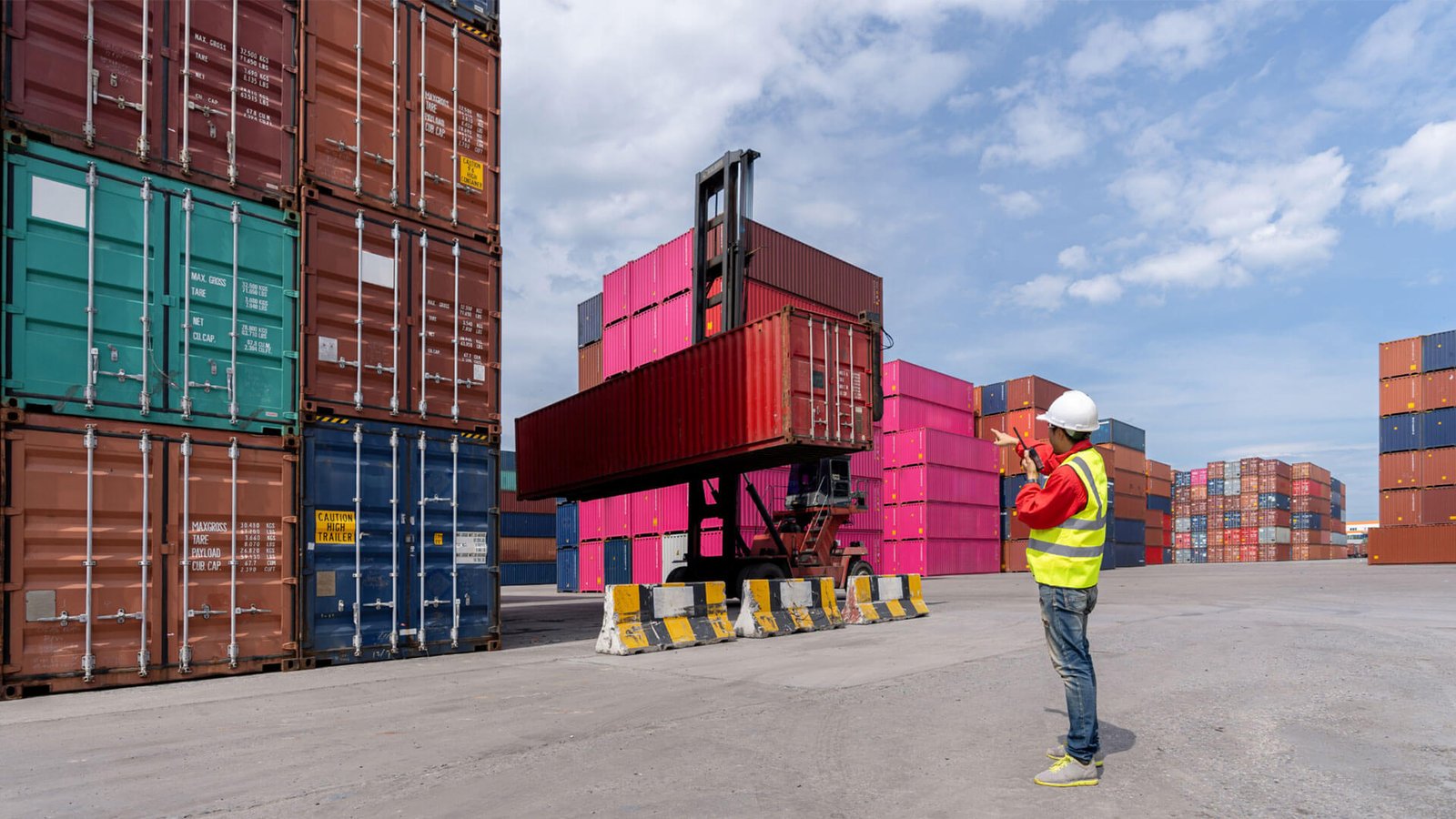
Getting your freight to a U.S. port is only half the journey. The next critical step is clearing U.S. Customs and Border Protection (CBP). I've seen simple mistakes here cost importers thousands of dollars and weeks of delays. For my client Mark, this was his biggest pain point before we started working together. He needed a partner who could handle the complexities of customs for him.
Essential Customs Documents
For every shipment, CBP requires a set of documents to verify the cargo's contents, value, and origin.
- Commercial Invoice: Details the buyer, seller, description of goods, quantities, and value.
- Packing List: Itemizes the contents, weight, and dimensions of each package.
- Bill of Lading (B/L) or Air Waybill (AWB): The contract between you and the carrier. It also acts as a receipt for the cargo.
The Importance of ISF and HS Codes
Two items are especially critical for compliance:
- Importer Security Filing (ISF 10+2)15: For ocean freight, this filing is mandatory. It must be submitted to CBP at least 24 hours before the cargo is loaded onto the vessel in Singapore. Failure to file on time results in a $5,000 penalty per violation. This is a common and costly mistake for new importers.
- Harmonized System (HS) Codes16: Every product has a specific HS code. This code determines the rate of duty (import tax) you must pay. Using the wrong code can lead to paying too much duty or, worse, facing penalties for underpayment during a CBP audit.
Partner Government Agencies (PGAs)17
If you are importing certain goods like electronics, food products, or medical devices, you may need to meet requirements from other agencies besides CBP, such as the FDA or FCC. An experienced customs broker will identify these requirements early to prevent delays. That is our role: to act as your trusted guide through this complex process.
How Can U.S. Importers Optimize Shipping From Singapore With the Right Mode, Routing, and Logistics Partner?
Feeling like you're overpaying for shipping? Inefficient logistics eats into your profits. A strategic approach can save you money and headaches on every single shipment.
To optimize shipping from Singapore, match the freight mode to your inventory needs. Choose reliable ports and consolidate cargo when possible. A single partner managing freight, customs, and delivery provides visibility, cuts risk, and helps control your total landed cost from start to finish.
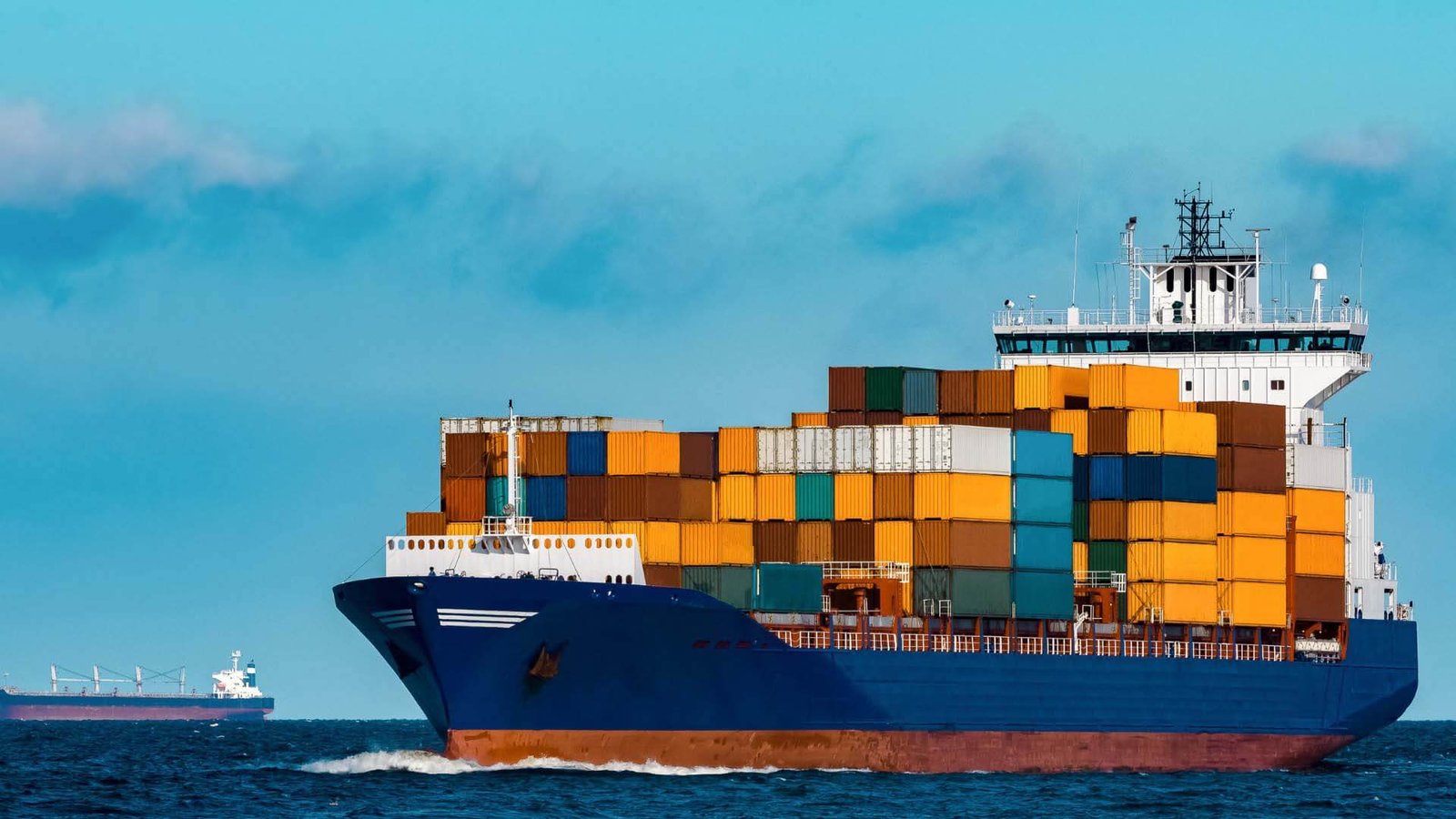
Optimizing your supply chain isn't about finding the cheapest rate on a single shipment. It's about building a predictable, efficient, and cost-effective system for the long term. This means moving from a reactive approach—finding a new carrier for every shipment—to a proactive strategy. Here are the steps I take with my clients to achieve true optimization.
Strategy 1: Align Mode with Inventory Needs
Don't default to the cheapest option (ocean) or the fastest (air). Look at your inventory velocity and product value.
- Use slower, cheaper ocean freight for your baseline, planned inventory replenishment.
- Reserve more expensive air freight for urgent, high-value, or unexpected stockouts.
- This blended approach helps you manage overall costs without risking sales.
Strategy 2: Plan for Total Landed Cost
Don't just compare port-to-port ocean rates. Analyze the entire journey. A slightly more expensive ocean route to an East Coast port might save you thousands on inland trucking compared to shipping to the West Coast. I help my clients model these different scenarios to find the route with the lowest total cost.
Strategy 3: Unify Your Logistics and Customs
The biggest source of friction, cost, and delay I see is when an importer uses separate companies for freight, customs, and inland delivery. The freight forwarder doesn't talk to the customs broker, and the customs broker doesn't talk to the trucking company. When a problem occurs, everyone points fingers, and your container just sits at the port, racking up fees.
By using a single, integrated logistics partner, you have one point of contact and one team responsible for your shipment from door to door. This streamlines communication, provides end-to-end visibility, and ensures a smooth handoff between each stage of the journey. This is how you transform logistics from a cost center into a competitive advantage.
Conclusion
Shipping from Singapore requires balancing cost, time, and risk. By planning your mode, route, and customs compliance with an expert partner, you can build a reliable and cost-effective supply chain.
Understanding the transit time for ocean freight helps in planning your inventory and managing expectations for delivery timelines. ↩
Knowing the air freight timeline is crucial for urgent shipments, ensuring you meet tight deadlines and avoid stockouts. ↩
Calculating the total landed cost ensures you account for all expenses, avoiding budget overruns and surprise fees. ↩
FCL can be more cost-effective for large shipments, providing better security and faster transit times compared to shared containers. ↩
LCL is ideal for smaller shipments, allowing you to share space and costs with other importers, optimizing your shipping budget. ↩
Understanding chargeable weight helps in accurately estimating air freight costs, especially for light but bulky items. ↩
Fuel surcharges can significantly impact shipping costs, so understanding them helps in budgeting and cost management. ↩
Knowing about THC helps in understanding port-related costs, ensuring you budget accurately for your shipments. ↩
Being aware of PSS helps in planning shipments outside peak times to avoid additional costs and delays. ↩
Understanding customs and duties is essential to avoid unexpected costs and ensure compliance with U.S. import regulations. ↩
West Coast ports offer faster ocean transit times, which can be crucial for time-sensitive shipments. ↩
East Coast ports can offer cost savings on inland transport for destinations in the Midwest and East, balancing longer ocean transit. ↩
Port congestion can lead to significant delays and increased costs, so it's important to plan for potential bottlenecks. ↩
GRIs can affect your shipping budget significantly, so understanding them helps in planning and cost management. ↩
ISF 10+2 is crucial for compliance with U.S. customs, preventing costly penalties and ensuring smooth cargo clearance. ↩
Correct HS codes ensure accurate duty payments, avoiding penalties and ensuring compliance with customs regulations. ↩
Understanding PGAs is essential for compliance with additional regulations, especially for specific goods like electronics or food. ↩