Confused by shipping terms? A simple mistake can cost you thousands in unexpected fees and damages. Understanding FAS Incoterms puts you in control, protecting your cargo and your budget.
FAS (Free Alongside Ship) is an Incoterm where the seller delivers goods alongside the vessel at the port. The key is that risk transfers to you1, the importer, before loading. It's best used when you want direct control over vessel selection2 and ocean freight.
Many importers I work with are familiar with FOB, but FAS is often misunderstood. It offers unique advantages, but only if you know exactly what you are responsible for. It's a powerful tool, especially for certain types of cargo. Let's break down the details so you can decide if it is the right choice for your shipments.
What Exactly Is FAS, and Where Does Risk Transfer to the Importer?
Worried about damage at the port before loading? A vague handover point3 can lead to costly disputes with your supplier. FAS defines this moment precisely, giving you clarity and control.
FAS (Free Alongside Ship) is an Incoterm where the seller delivers goods alongside the vessel at the named port of shipment. Once the cargo is placed at the quay or on a barge, risk transfers to the buyer4, even though the goods have not yet been loaded onboard.
The term "alongside" is very specific. It means the seller's job is done5 once your goods are on the dock, within reach of the ship's loading crane. From that exact moment, you, the U.S. importer, are responsible for everything that happens next. I once had a client, Mark, importing heavy machinery from China. The port crane dropped his cargo on the quay. Because they used FAS, the risk had already transferred to him. If they had used FOB, the seller would have been responsible for the damage. This single detail is the most critical part of FAS. The seller handles inland transport and export clearance in their country. But the moment the goods are at the quay, the risk and responsibility for loading, shipping, and everything else becomes yours.
Seller vs. Buyer Responsibility in FAS
| Seller's Responsibility (Before Risk Transfer) | Buyer's Responsibility (After Risk Transfer) |
|---|---|
| Production and Packaging | Vessel Loading (Stevedoring) |
| Inland Transport to Port | Ocean Freight |
| Export Customs Clearance | Marine Insurance |
| Port Handling at Destination | |
| U.S. Customs Clearance & Duties | |
| Final Mile Delivery |
When Should a U.S. Importer Use FAS to Gain Control?
Tired of your supplier's slow, expensive shipping choices? This lack of control over ocean freight6 can disrupt your entire supply chain. FAS gives you the power to choose your own carrier.
U.S. importers typically use FAS when they want full control over ocean freight6, carrier selection, and vessel scheduling. It is most common in bulk, breakbulk, or project cargo shipments7 where buyers prefer to manage loading and international transport directly.

The primary reason to choose FAS is control. When you are the importer, you can negotiate your own freight rates and select a carrier that fits your schedule, not your supplier's. This is especially important for non-standard cargo. Think about shipping bulk materials like grain or coal, or breakbulk items like large steel beams and oversized machinery. These shipments often require specialized vessels or specific handling8 at the port. Using FAS allows you to manage these complex logistics directly. For example, if you are shipping a large turbine for a power plant project, you cannot afford delays. With FAS, you can book a specialized heavy-lift vessel yourself and coordinate its arrival with your project timeline, instead of relying on your supplier's limited options. However, FAS is generally not a good choice for standard container shipments9. For containers, the goods are typically dropped off at a container yard (CY), not placed alongside a specific vessel. In those cases, FCA is a much safer and more appropriate Incoterm.
What Costs Are U.S. Importers Responsible for Under FAS?
Hit with surprise port charges from your supplier? These hidden fees10 can quickly erase your profit margins. FAS clearly defines your costs, giving you full budget visibility from the start.
Under FAS, the importer assumes responsibility for vessel loading, ocean freight, marine insurance11, and all downstream costs. Because risk transfers before loading12, buyers must closely manage port operations to avoid damage, delays, or unexpected handling expenses.
Understanding the cost division is crucial for your budget. With FAS, your price from the seller does not include any shipping or loading fees. You are paying only for the goods, delivered to the side of the ship. After that point, all costs are yours. This can be a long list. You will be responsible for paying the terminal handling charges (THC)13 and the stevedoring costs to load the cargo onto the vessel. You will contract and pay for the main ocean freight journey. Because you hold the risk, you must also arrange and pay for marine insurance11 to cover the journey from the quay onwards. I always advise clients to get insurance that covers the loading process itself, as this is a high-risk activity. Once the ship arrives in the U.S., you also cover all destination charges14, including unloading, import customs clearance, duties, taxes, and final delivery to your warehouse. While it seems like a lot, this structure gives you complete transparency and control over your spending.
Importer's Cost Checklist for FAS
- [ ] Origin Port Loading Charges (Stevedoring)
- [ ] Origin Terminal Handling Charges (THC)
- [ ] Ocean Freight Contract
- [ ] Marine Cargo Insurance
- [ ] Destination Port Unloading & Handling
- [ ] U.S. Customs Brokerage Fees
- [ ] Import Duties and Taxes
- [ ] Inland Transportation in the U.S.
How Does FAS Differ from FOB and FCA, and Why Is This Confusing?
Confused by the differences between FAS, FOB, and FCA? Using the wrong term can leave you responsible for costs and risks you did not expect. Let's clarify the key distinctions.
FAS is often confused with FOB and FCA, but the key difference lies in loading responsibility and risk transfer. Unlike FOB, the seller does not load the goods, and unlike FCA, delivery occurs at the quay rather than to a carrier, creating frequent misuse.
This confusion can be very expensive. The most common mix-up is between FAS and FOB (Free On Board). With FOB, the seller is responsible for loading the goods on board the vessel. The risk only transfers to you, the buyer, once the cargo is safely on the ship. With FAS, the risk transfers to you1 before loading. If damage occurs during loading under FAS, it is your problem. If it happens under FOB, it is the seller's problem. This is a critical distinction. Another point of confusion is with FCA (Free Carrier). FCA is the modern, flexible rule recommended for containerized shipping. Under FCA, the seller delivers the goods to your chosen carrier at a named place, like a warehouse or container terminal. Risk transfers when your carrier takes control. FCA is safer for containers because you are not exposed to risks at the open quay, and it better reflects how container terminals actually operate. Using FAS for a container shipment is an operational mismatch15.
Incoterms Comparison: FAS vs. FOB vs. FCA
| Incoterm | Delivery Point | Risk Transfers... | Who Loads Vessel? | Best For U.S. Importers When... |
|---|---|---|---|---|
| FAS | Alongside ship at quay | Before loading | Buyer | You want full control of non-containerized cargo at the origin port. |
| FOB | On board vessel | After loading | Seller | You trust the seller to handle loading of bulk or container cargo. |
| FCA | Named place / carrier | At carrier handoff | Usually Buyer | You are shipping containers and want to reduce port risk. |
How Can a Logistics Partner Help Manage FAS Risks?
Managing port logistics from the U.S. feels overwhelming, right? Miscommunication can lead to costly delays and damage. A reliable partner acts as your eyes and ears on the ground.
Experienced logistics partners16 help U.S. importers evaluate whether FAS is suitable and manage the critical transition from quay to vessel. Proper coordination at the origin port reduces exposure to loading damage, demurrage, and misaligned Incoterms responsibilities.
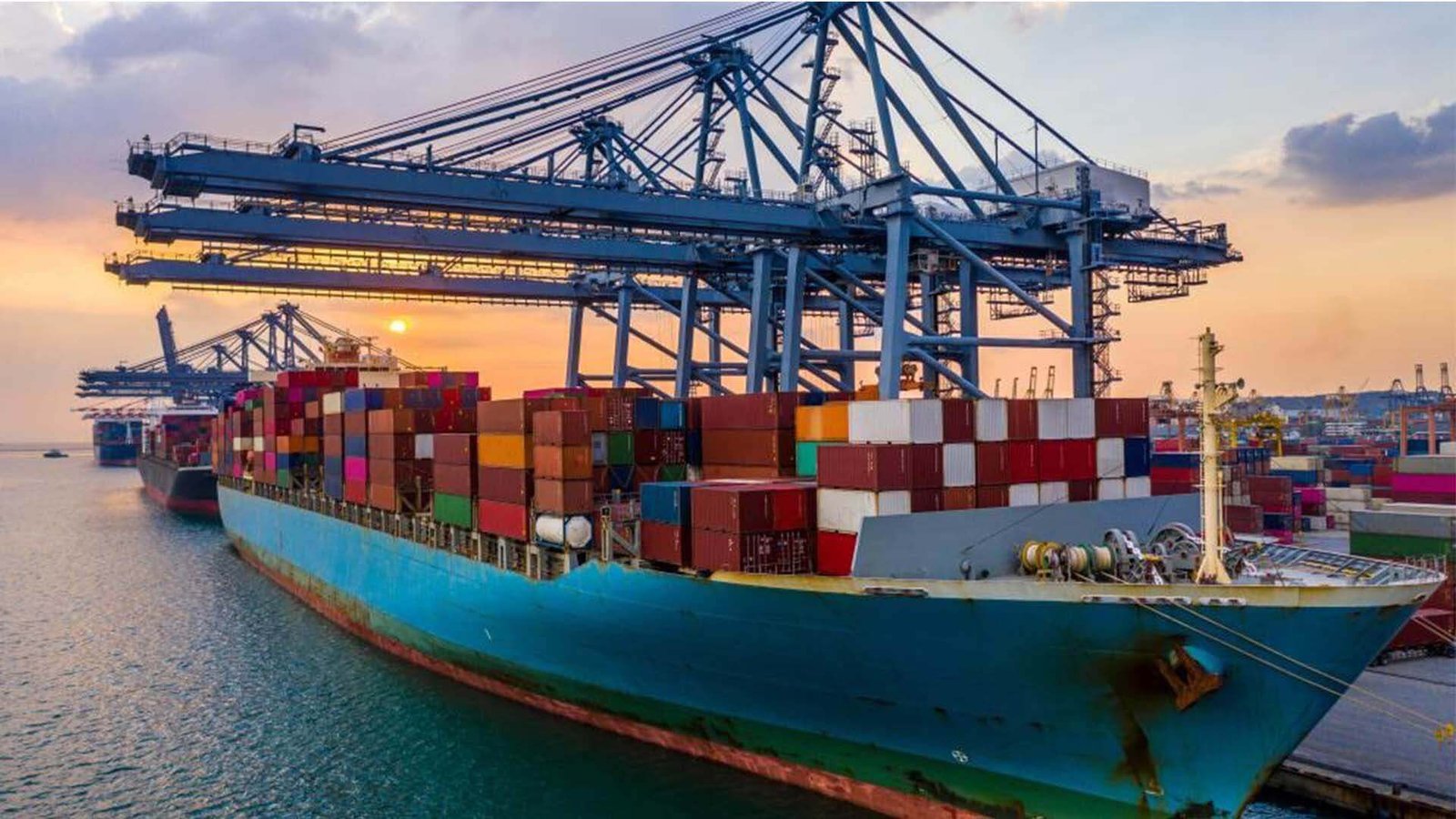
Using FAS successfully requires a strong presence at the port of origin. As a U.S. importer, you cannot be in China to oversee this yourself. This is where a partner like us comes in. First, we act as your advisor. We help you analyze your shipment to determine if FAS is truly the best Incoterm. Often, for container freight, we will recommend FCA to better protect you. If FAS is the right choice, we become your operational arm on the ground. We coordinate everything between your supplier, the port authority, the terminal, and the loading crew (stevedores). We ensure your cargo is correctly positioned, documented, and ready for the vessel you booked. We can oversee the risky loading process, providing you with updates and even photos for peace of mind. This on-the-ground management17 is vital. It prevents costly delays, avoids demurrage charges, and bridges the dangerous gap in responsibility that exists under FAS.
Conclusion
FAS offers importers great control but comes with significant risk before loading. Understanding its costs, responsibilities, and when to use it is key to successful, cost-effective shipping.
Knowing when risk transfers to you helps in planning and mitigating potential losses during shipping. ↩
Gaining control over vessel selection allows you to choose the best shipping options for your needs. ↩
Avoiding a vague handover point can prevent disputes and ensure clarity in shipping responsibilities. ↩
Understanding the exact point of risk transfer helps in managing responsibilities effectively. ↩
Knowing when the seller's job is done clarifies the division of responsibilities in shipping. ↩
Having control over ocean freight allows you to optimize shipping routes and costs. ↩
Understanding these types of shipments helps in choosing the right shipping methods and terms. ↩
Knowing when specialized handling is needed ensures safe and efficient transport of goods. ↩
Understanding why FAS is not suitable for containers helps in selecting the right Incoterms. ↩
Identifying hidden fees helps in budgeting and avoiding unexpected costs in shipping. ↩
Marine insurance protects your cargo from potential losses during transit, ensuring peace of mind. ↩
Knowing why risk transfers before loading helps in planning and mitigating potential risks. ↩
Understanding THC helps in budgeting and managing port-related expenses effectively. ↩
Knowing about destination charges helps in budgeting and managing end-to-end shipping costs. ↩
Avoiding operational mismatches ensures smooth and efficient shipping operations. ↩
Logistics partners provide expertise and support, reducing risks and ensuring smooth shipping operations. ↩
On-the-ground management ensures proper coordination and handling of cargo, preventing delays and damages. ↩