Are you flying blind with your U.S. imports? Without direct access to your customs data, you risk costly delays and compliance penalties. It's time to take control.
The ACE Secure Data Portal1 is the official U.S. Customs and Border Protection (CBP) system. It gives importers direct visibility into filings, releases, holds, and compliance data2 for their shipments.

This direct access is not just a nice-to-have; it's a critical tool for modern importers. I've seen countless clients transform their operations once they understand how to use it. Let's break down exactly what this system is and why it's so important for your business.
An ACE Secure Data Portal1 account is the official CBP system that gives importers direct visibility into customs filings3, releases, holds, and compliance data2. But what does that really mean for you?
Do you worry about what your customs broker4 is filing on your behalf? Not knowing can lead to surprise audits and penalties. There is a way to verify everything yourself.
An ACE Secure Data Portal1 account is the official system operated by U.S. Customs and Border Protection that allows importers to view customs filings3, shipment releases5, holds, exams, and compliance data2. It gives importers direct visibility into how their entries are filed and processed.
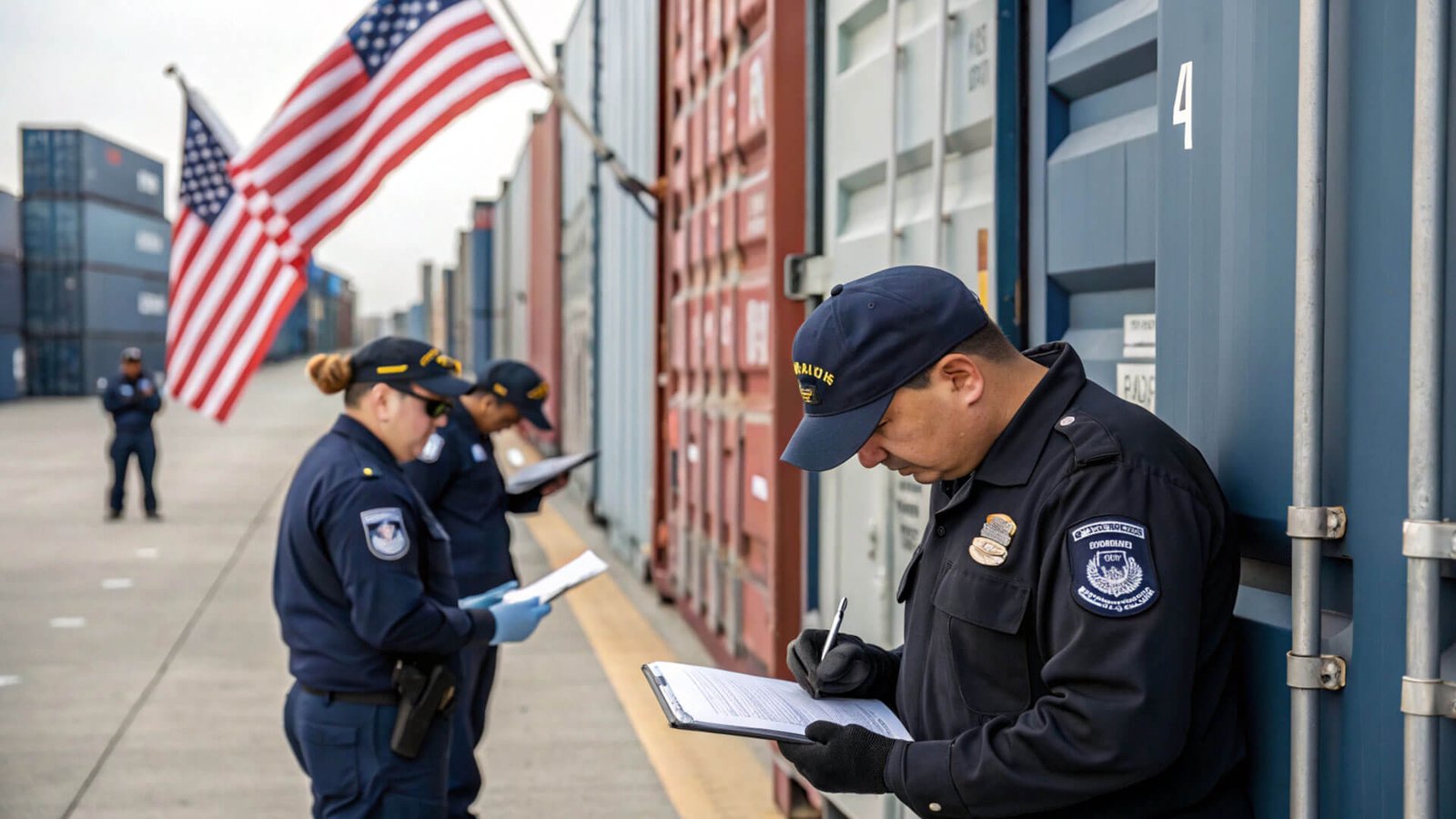
Let's get straight to the point. The Automated Commercial Environment (ACE)6 is the backbone of U.S. trade processing. Your ACE Secure Data Portal1 account is your personal window into this system. Before ACE, importers were almost completely reliant on their customs broker4s for information. You got a report when they sent it, and you had to trust it was accurate. Now, ACE gives you the power to see what CBP sees, often in real time. It's the single source of truth for your import activities.
So, is an ACE account required? While not legally mandatory for all importers to have an account, using the ACE system for filings is mandatory. By not having your own portal account, you are choosing to stay blind to your own compliance data2. I always advise my clients that it's an essential tool for risk management. It lets you independently verify entries, track shipments, and access compliance reports directly from the source.
Key Features You Can Access
- Entry Summaries7: See how your goods were declared.
- Shipment Status: Track releases, holds, and exams.
- Financial Data8: Monitor duties, taxes, and fees paid.
- Compliance Reports9: Pull data to analyze your import history.
Having this data at your fingertips changes the conversation from "What happened?" to "What do we do next?"
U.S. importers should set up an ACE Portal account to monitor customs entries, duties, exams, and broker activity in real time. So why is this direct oversight so crucial?
Are your landed costs10 higher than expected? Hidden fees and unexpected delays often come from a lack of visibility into your customs entries. You can change that.
U.S. importers set up an ACE Portal account to gain real-time visibility into customs entries, duties, exams, and broker activity. ACE allows importers to verify filings independently, identify issues early, and maintain stronger control over compliance and landed costs10.

The biggest benefit of an ACE Portal account is control. For years, I've worked with U.S. importers who felt powerless. They would hire a customs broker4 and hope for the best. When a shipment got stuck or they faced a big duty bill, they were caught by surprise. ACE puts an end to that. It allows you to supervise your broker's work. You can see the entry filings they submit on your behalf. You can confirm the HTS codes used and the duties calculated are correct.
This isn't about mistrusting your broker. It's about fulfilling your legal responsibility as the importer of record. I once had a client who discovered their broker was consistently misclassifying a product11, leading to overpayment of duties for years. They only found it by running reports in their own ACE account. This tool helps you with compliance by creating a system of checks and balances. It helps you catch errors before they become expensive problems or lead to a CBP audit. Ultimately, using the ACE portal is one of the smartest ways to protect your bottom line and your business's reputation.
Setting up an ACE Portal account requires matching IRS, CBP, and company records12 correctly to avoid application delays or rejections. How can you get this right the first time?
Tried to apply for an ACE account and got stuck in a pending status? Mismatched company information is a common roadblock that can halt your progress. Here's how to fix it.
Applying for an ACE Portal account requires company information to match IRS and CBP records exactly. Mismatched legal names, EINs, or addresses are the most common reasons applications are delayed or rejected, making accuracy critical during setup.
The ACE application process is where many importers get frustrated. It seems simple, but it's incredibly precise. CBP's system cross-references your information with IRS records. Any small mismatch will get your application flagged for manual review, causing significant delays. I've seen applications get stuck for weeks over a missing "LLC" or a slightly different address.
Before you even start the online application, you must gather the correct information. The most important thing is to use your company's legal name as registered with the IRS, not a "Doing Business As" (DBA) or trade name.
Here is a simple checklist of what you need:
| Information Required | Common Mistake to Avoid |
|---|---|
| Legal Company Name | Using a trade name or DBA. Must match IRS records exactly. |
| Employer Identification Number (EIN) | A typo in the number, or using a number not tied to the legal name. |
| Importer of Record (IOR) Number | If you have one, ensure it's correct. It's often your EIN with a suffix. |
| Business Address | Using a PO Box or an address different from your IRS registration. |
| Account Owner's Name | The person who will be the main administrator of the account. |
The single biggest reason applications get rejected is a mismatch between the legal name and the EIN. Double-check your corporate documents and IRS filings before you start. Getting this right from the beginning saves you a massive headache.
ACE Portal user roles and permissions13 allow importers to securely delegate access to brokers, compliance teams, and finance stakeholders. But how do you manage this without giving away too much control?
Want to give your team access to customs data without sharing everything? Granting everyone admin rights is a security risk. There's a smarter, safer way to manage users.
ACE Portal allows importers to assign user roles and permissions13, enabling secure access for customs broker4s, internal compliance teams, and finance staff. Proper role management helps importers maintain data security while ensuring the right stakeholders can monitor filings and clearance activity.

Once your ACE account is active, your next job is to manage who can see and do what. This is handled through user roles. Giving everyone the keys to the kingdom is a common but dangerous mistake. You, as the importer, should control the master account. The person who sets up the account becomes the Account Owner, the highest level of authority. From there, you can create other users with different levels of permission.
This is crucial for security and proper workflow. For example, you want your customs broker4 to have access to view entry data, but you might not want them to be able to change your company's address or add other users. You might want your finance team to be able to run reports on duties paid, but not see sensitive operational messages from CBP.
Understanding Key User Roles in ACE
| User Role | Key Permissions | Best For |
|---|---|---|
| Account Owner | Full control. Can manage users, edit company info, and access all data. | The primary compliance or legal officer of the company. |
| Proxy Account Owner | Same permissions as the Account Owner. | A designated backup for the Account Owner. |
| Account User | View-only access to selected data. Cannot manage users or company info. | Internal teams (finance, logistics) and external partners (customs broker4s). |
My advice is simple: be conservative with permissions. Start by giving users, especially external partners like brokers, the most limited "Account User" access they need to do their job. You can always grant more permissions later if needed. This approach protects your data and ensures you remain in full control of your compliance dashboard.
Through the ACE Portal, importers can track customs holds14, exams, and message sets that directly impact clearance speed and landed cost. How does this work in practice?
Are your shipments often delayed at the port with no explanation? These delays cost you money in fees and lost sales. You can get early warnings and take action.
Through the ACE Portal, importers can monitor customs holds14, exams, releases, and CBP message sets15 that directly affect clearance speed. This visibility helps importers respond faster to issues that may increase demurrage, detention, or overall landed cost.

This is where the ACE Portal goes from being an administrative tool to a powerful operational weapon. Port delays are an importer's worst nightmare. They lead to demurrage and detention fees16, which can add up to thousands of dollars. The ACE Portal gives you a direct line of sight into the CBP actions that cause these delays.
When your broker files an entry, CBP's system sends back messages. In your portal, you can see these status updates. A "Release" message means your cargo is cleared. But you might see other messages indicating a problem. For example, a hold for a document review or, worse, a physical exam.
Common Holds You Can See in ACE:
- Manifest Hold: A problem with the carrier's manifest information.
- CBP Hold: CBP needs to review documents or inspect the cargo.
- PGA Hold: A Partner Government Agency (like the FDA or USDA) needs to review your shipment.
By seeing a hold notification in ACE the moment it's issued, you or your logistics partner can act immediately. You can contact your broker to submit the needed documents or prepare for an exam. This proactive approach can shorten the delay significantly. Without ACE, you might not find out about a hold for a day or more, by which time storage fees have already started to accumulate. Monitoring these message sets is critical to controlling your landed cost.
Experienced customs and logistics partners17 help importers set up, manage, and use ACE correctly as part of an end-to-end import compliance strategy18. Why is this partnership so valuable?
Feeling overwhelmed by all the data in your ACE Portal? Having access is one thing, but knowing what to do with it is another. A partner can help you turn data into savings.
Experienced customs and logistics partners17 help importers set up and use ACE correctly as part of a broader compliance strategy. Proper guidance ensures accurate access, effective monitoring, and alignment between ACE data and end-to-end shipping operations.

Setting up your ACE Portal is an important first step. But the real value comes from using it effectively as part of your overall compliance program. This is where a knowledgeable partner becomes essential. Many importers I work with are experts in their products, not in customs regulations. They can see the data in ACE, but they don't always know what it means or what to do about it.
A good logistics and customs partner doesn't just help you with the initial setup. We help you integrate ACE into your daily operations. We can teach your team which reports to run and how to interpret them. For example, we can help you analyze your entry data over time to spot trends in misclassifications or identify products that are frequently flagged for exams. This information is gold. It allows you to address root causes, not just react to problems. We can help you answer critical questions like:
- Should you manage ACE in-house or outsource monitoring?
- How can you use ACE data to evaluate your customs broker4's performance?
- What are the best practices to avoid common compliance issues flagged in ACE?
Think of us as your compliance co-pilot19. You have the controls through your ACE account; we provide the navigation and expertise to help you avoid turbulence and reach your destination smoothly and cost-effectively.
Conclusion
Setting up and using your ACE Portal account is essential for any serious U.S. importer. It provides the visibility and control you need to manage risk and reduce costs.
Understanding the ACE Secure Data Portal is crucial for importers to gain visibility into their customs data and improve compliance. ↩
Access to compliance data helps importers ensure they meet legal requirements and avoid penalties. ↩
Verifying customs filings through ACE helps importers avoid costly errors and ensure compliance with U.S. regulations. ↩
Supervising a customs broker through ACE ensures accurate filings and prevents costly errors. ↩
Tracking shipment releases and holds through ACE allows importers to manage logistics efficiently and avoid delays. ↩
ACE is the backbone of U.S. trade processing, providing essential data for importers to manage their operations. ↩
Entry Summaries provide detailed information on how goods are declared, aiding in compliance and cost management. ↩
Monitoring financial data through ACE helps importers manage costs and ensure accurate duty payments. ↩
Compliance Reports help importers analyze their import history and identify potential compliance issues. ↩
Managing landed costs through ACE allows importers to control expenses and improve profitability. ↩
Identifying misclassified products through ACE prevents overpayment of duties and ensures accurate filings. ↩
Matching records accurately is crucial to avoid application delays and ensure smooth ACE account setup. ↩
Proper management of user roles and permissions in ACE protects sensitive data and maintains control. ↩
Tracking customs holds and exams through ACE helps importers respond quickly to avoid delays and extra costs. ↩
Understanding CBP message sets helps importers address issues promptly, improving clearance speed. ↩
Reducing demurrage and detention fees through ACE saves importers money and improves logistics efficiency. ↩
Logistics partners provide expertise and support, helping importers use ACE data to improve compliance and operations. ↩
Integrating ACE into a compliance strategy ensures importers meet legal requirements and optimize operations. ↩
A compliance co-pilot provides guidance and expertise, helping importers navigate ACE and improve compliance. ↩