Are surprise detention and demurrage1 fees destroying your shipment profitability? These unexpected costs can quickly spiral, turning a good import deal into a financial headache and making you feel powerless.
The best way for importers to reduce extra fees is by taking control of the shipment timeline2. This means preparing customs documents3 in advance, understanding your specific free time limits4, and coordinating closely with your customs broker5 and trucking company6 to ensure a smooth transition from port to warehouse.
I've spent years helping U.S. importers navigate the complexities of international shipping. I can tell you from experience that these extra fees are rarely unavoidable. They are almost always the result of a breakdown in planning or communication somewhere along the supply chain. The good news is that you have more power to prevent them than you might think. Let's break down exactly where these fees come from and how you can stop them before they start.
What Are Detention and Demurrage, and How Do They Hurt Your Bottom Line?
You see "demurrage" and "detention" on your freight invoice, but what do they really mean? These vague charges add up fast, making it nearly impossible to calculate your final landed cost7 accurately. Let's clarify these terms so you can protect your budget.
Detention and demurrage are container-related charges imposed when importers exceed allowed "free time" at ports or during equipment use. Demurrage applies while loaded containers remain at the terminal, while detention applies after pickup when empty containers are not returned on time, both directly increasing landed cost7.
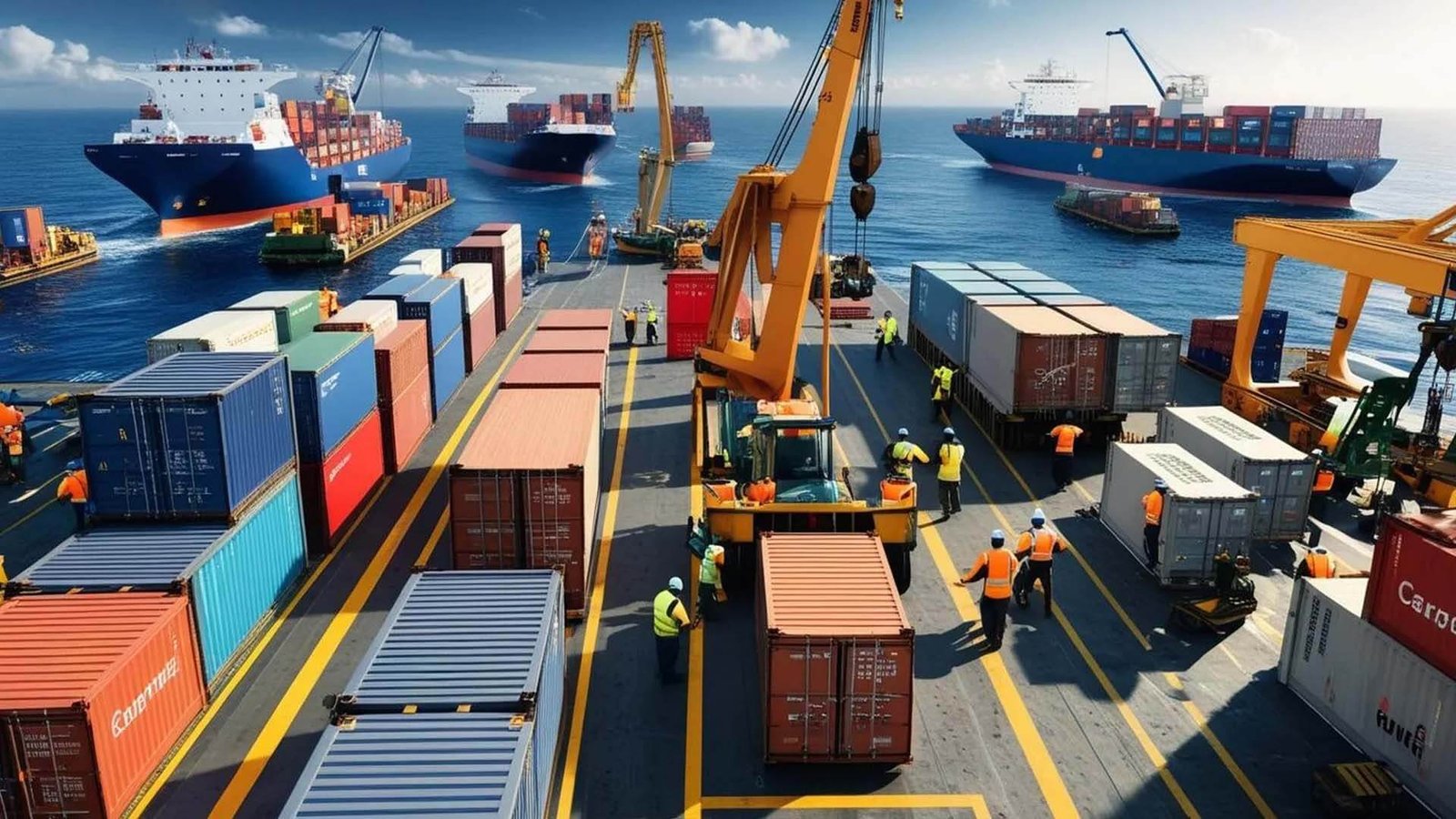
Think of it this way: the shipping line and the port terminal are giving you a grace period to handle your container. This grace period is called "free time." If you go over that time, they start charging you penalties.
Demurrage is a fee for using the terminal's space for too long. Your container has been unloaded from the ship, but it's still sitting at the port, waiting to be picked up. After your free time runs out, the terminal charges you demurrage for every extra day your container is taking up their valuable real estate.
Detention is a fee for using the shipping line's equipment—the container itself—for too long. Once you pick up the container from the port, a new clock starts. You have a set number of free days to take the container to your warehouse, unload it, and return the empty container to the designated location. If you're late, the shipping line charges you detention.
These fees are not small; they can range from $75 to over $300 per container, per day, and they often increase the longer the delay continues. This directly impacts your landed cost7, which is the total price of a product once it has arrived at your door. Unexpected fees can erase your profit margin on a shipment.
Detention vs. Demurrage vs. Per Diem
| Charge Type | When It Applies | Where It Occurs | What Triggers It | Who Controls It Most |
|---|---|---|---|---|
| Demurrage | Before container pickup | Port / Terminal | Cargo not picked up within free time | Importer + Broker + Port Coordination |
| Detention | After container pickup | Inland / Outside terminal | Empty container not returned on time | Importer + Trucking + Warehouse |
| Per Diem | Daily equipment use charge | Carrier equipment | A combined detention structure used by some carriers | Importer + Carrier Contract Terms |
Why Are You Being Charged for Detention and Demurrage?
You're getting hit with fees, but the delays don't feel like your fault. It seems unfair to pay for port congestion8 or slow customs inspections, and you feel trapped by forces outside your control. Understanding the true root causes is the first step to preventing them.
Most U.S. importers incur detention and demurrage1 due to factors like port congestion8, customs holds9, missing documents, and misaligned pickup or delivery scheduling. These fees are often the result of operational breakdowns rather than unavoidable port conditions.
Over the years, I’ve seen every possible reason for these charges. While some causes, like a major storm closing a port, are truly out of your hands, most are not. They fall into a few common categories.
Port Congestion: When terminals are overwhelmed, it creates a cascade of delays. Ships wait at anchor, cranes can't unload containers fast enough, and truck appointments become scarce. While you can't control this, a good logistics partner monitors port conditions and can sometimes suggest routing to a less congested port or building buffer time into your schedule.
Customs Holds and Exams: U.S. Customs and Border Protection (CBP) can place a hold on any container for inspection. This could be a simple document review or a full physical exam (Contraband Enforcement Team, CET). A hold automatically stops you from picking up your container, and the demurrage clock keeps ticking. While the hold itself is a government action, the reason for the hold is often related to paperwork.
Documentation Delays: This is the most common and most preventable cause I see. A simple typo on a commercial invoice, a missing packing list, or a failure to file the Importer Security Filing (ISF) on time can all trigger customs holds9. I once had a client, Mark, whose supplier listed the wrong HS code. This small error caused a two-week customs hold, resulting in thousands of dollars in demurrage fees.
Poor Coordination: This is the silent profit killer. Your container is cleared by customs and ready to go, but your trucker isn't scheduled. Or the trucker arrives, but your warehouse can't receive the delivery for three days. The container sits, and detention fees pile up. This happens when your customs broker5, forwarder, and trucking company6 don't communicate effectively.
How Much Free Time Do Importers Really Get?
You might assume "free time" is a standard number of days across the board. Then you get a bill because the carrier only offered 4 days of combined time, not the 7 you expected for demurrage and another 7 for detention. This inconsistency makes planning a nightmare.
Free time allowances, terminal policies, and carrier contracts differ significantly by port, shipping line, and even by the terminal within a port. Because these rules are inconsistent, detention and demurrage1 should be managed as a planning risk, not an assumed fixed cost.
There is no "standard" amount of free time. It is a variable that you must confirm for every single shipment. Thinking otherwise is a costly mistake. The amount of free time you receive depends on several factors that are always in flux.
First, the shipping line sets its own rules. One carrier might offer 5 free days for demurrage, while another offers only 3. These policies can change based on how busy they are and their need to get equipment back quickly.
Second, the specific port and terminal play a huge role. Some terminals have their own rules that can override the carrier's standard policy, especially during periods of high congestion. For example, a terminal in Los Angeles might have different rules than one in Savannah.
Third, your service contract is a major factor. As an importer, you or your logistics partner can negotiate for more free time when you sign a contract with a shipping line. If you ship a significant volume, you have leverage. This is one of the most effective ways to mitigate risk, but it must be done before your cargo is booked. Trying to negotiate after fees have already been charged is much, much harder.
Because of this variability, you must treat free time as a critical piece of information to be confirmed for each shipment. Never assume. Always ask your logistics partner: "How many free days do I have for demurrage at the terminal, and how many for detention after pickup?" Knowing this number is the foundation of your plan to avoid extra fees.
How Can You Speed Up Customs to Avoid Demurrage?
Your container is stuck at the port, and the demurrage clock is ticking away. Every day costs you more money while you wait for customs clearance, and it's easy to feel helpless. The truth is, you have more control over this part of the process than you think.
Customs clearance speed is one of the most critical areas importers can directly control to reduce demurrage. Accurate documentation, timely ISF and entry filing, and proactive issue resolution with your broker help ensure cargo is released before terminal free time expires.
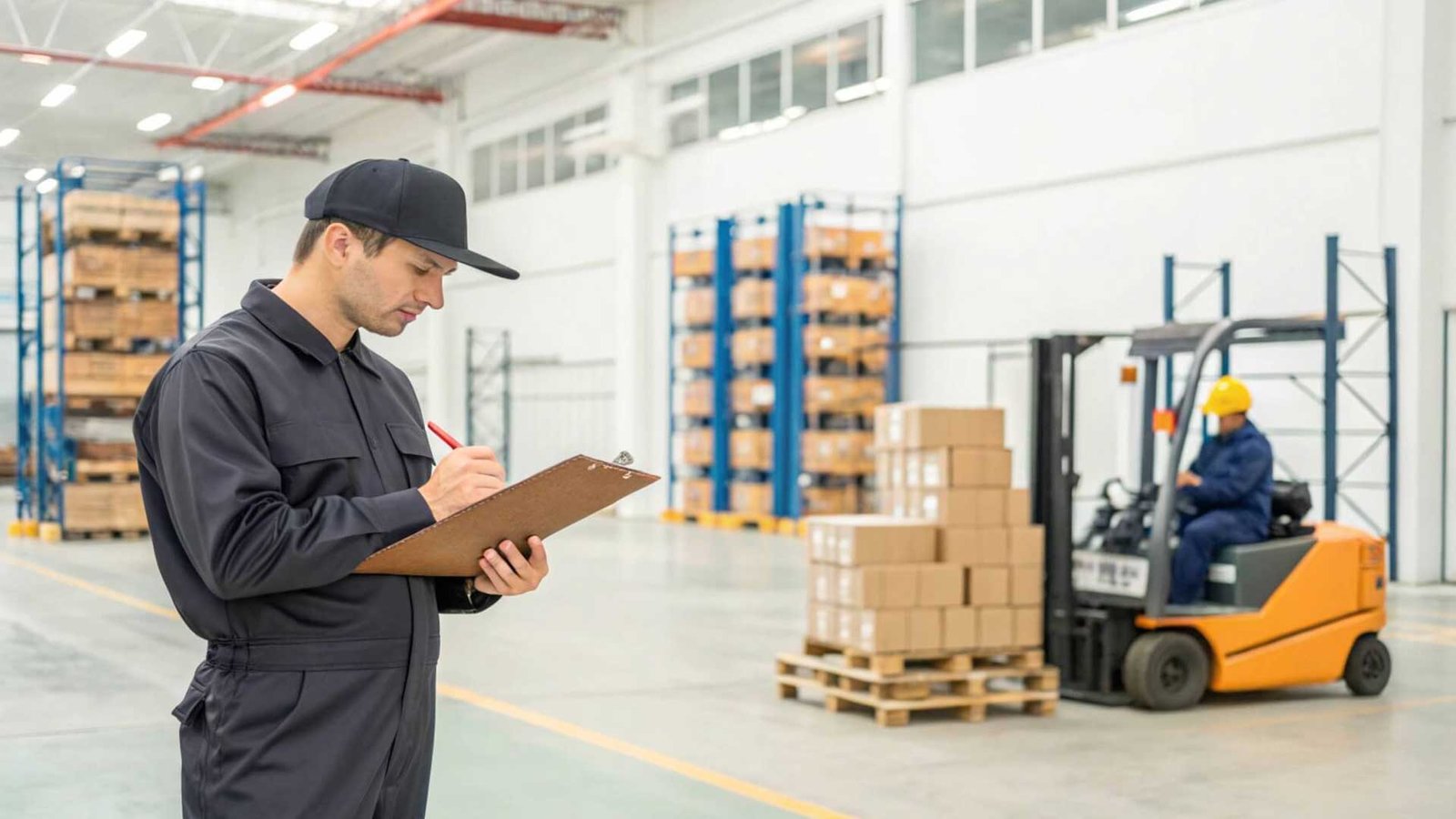
Demurrage fees often start because of delays in getting a customs release. Here is where a detail-oriented importer like my client Mark can really shine. The key is to be proactive, not reactive.
First, focus on document readiness. Your customs broker5 cannot clear your shipment without perfect paperwork. This includes the Commercial Invoice, Packing List, and Bill of Lading. Ensure all information is 100% accurate and that the details match across all documents. Any discrepancy, even a small one, is a red flag for CBP and can trigger a hold. Also, make sure your supplier files the ISF (Importer Security Filing) at least 24 hours before the cargo is loaded onto the vessel at origin. A late ISF is a guaranteed way to get extra scrutiny from customs.
Second, leverage pre-clearance10. We, as your customs broker5, don't have to wait for the ship to arrive to start working. We can submit the customs entry to CBP up to five days before the vessel docks. This allows CBP to review and often release the cargo while it's still on the water. By the time the container is discharged at the terminal, it's already cleared and ready for pickup, maximizing your use of free time.
Finally, work with a proactive customs broker5. A good broker doesn't just file paperwork. We review your documents for potential problems, ask clarifying questions, and classify your products correctly to prevent customs delays. When a hold does occur, we are immediately in contact with CBP to resolve it as quickly as possible. This hands-on management is essential to keeping your cargo moving and avoiding demurrage.
Your Cargo Is Cleared, So Why Are You Still Paying Detention Fees?
You did everything right. Your documents were perfect, customs cleared your cargo before it even arrived, and you avoided demurrage. You think you're safe. Then, a week later, a surprise detention bill arrives. The problem has now shifted from the port to your inland operations.
Once cargo is released from the port, detention risk is driven by inland transportation. Delayed trucking appointment11s, warehouse congestion, and inefficient empty container return12 planning are the primary causes of detention charges after your cargo leaves the terminal.
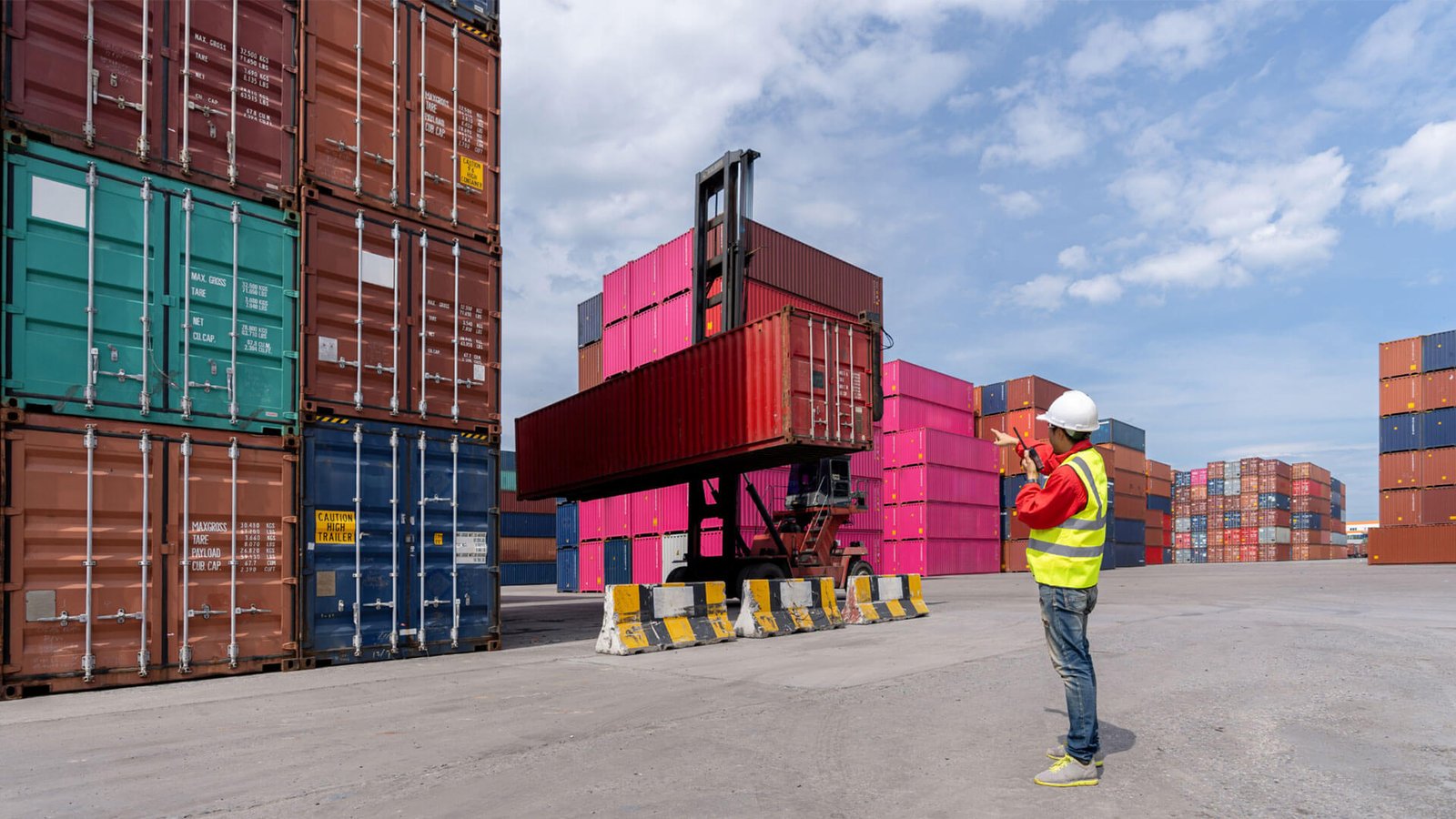
Getting your container out of the port is only half the battle. Now you have to manage the clock for detention. This risk is all about inland execution.
The process starts with scheduling a trucking appointment11. Most major U.S. terminals now require appointments to pick up containers. These slots can be limited, especially during busy times. If your broker clears customs but you haven't arranged for a trucker, you could lose a day or two of free time just waiting for an available appointment.
Next is warehouse unloading13. I've seen countless importers get hit with detention because their own warehouse wasn't ready. The trucker arrives, but there's no space on the dock or no staff available to unload the container. The driver has to leave with the container and come back another day. Meanwhile, your detention free time is burning away. It is critical to coordinate the truck's arrival with your warehouse's receiving capacity.
Finally, you must plan for the empty container return12. The shipping line will tell you which terminal or container yard to return the empty container to. Sometimes, this return location is congested and won't accept empties, or it's far from your warehouse, adding time and cost. A good logistics plan includes confirming the return location and ensuring the trucker can return the empty immediately after it's unloaded.
U.S. Importer Responsibility Timeline
- Vessel ETA announced – Prepare clearance documents and book your trucker.
- Container discharged at terminal – Demurrage clock begins.
- Customs clearance completed – Cargo is now available for pickup.
- Free time countdown – You must schedule and complete pickup before demurrage starts.
- Container picked up – Demurrage stops; Detention clock begins.
- Cargo unloaded at warehouse – Immediately schedule the empty container return12.
- Empty container returned – Detention stops. If done within free time, you pay $0.
How Can an End-to-End Partner Eliminate These Surprise Fees?
You're trying to manage a freight forwarder in China, a customs broker in the U.S., and a separate trucking company. When delays happen and fees start piling up, everyone points fingers. You're stuck in the middle, paying the price for their lack of coordination.
End-to-end logistics partners help importers eliminate detention and demurrage by managing the entire process as one seamless operation. This integrated approach closes the communication gaps between origin, customs, and final delivery where costly delays typically occur.
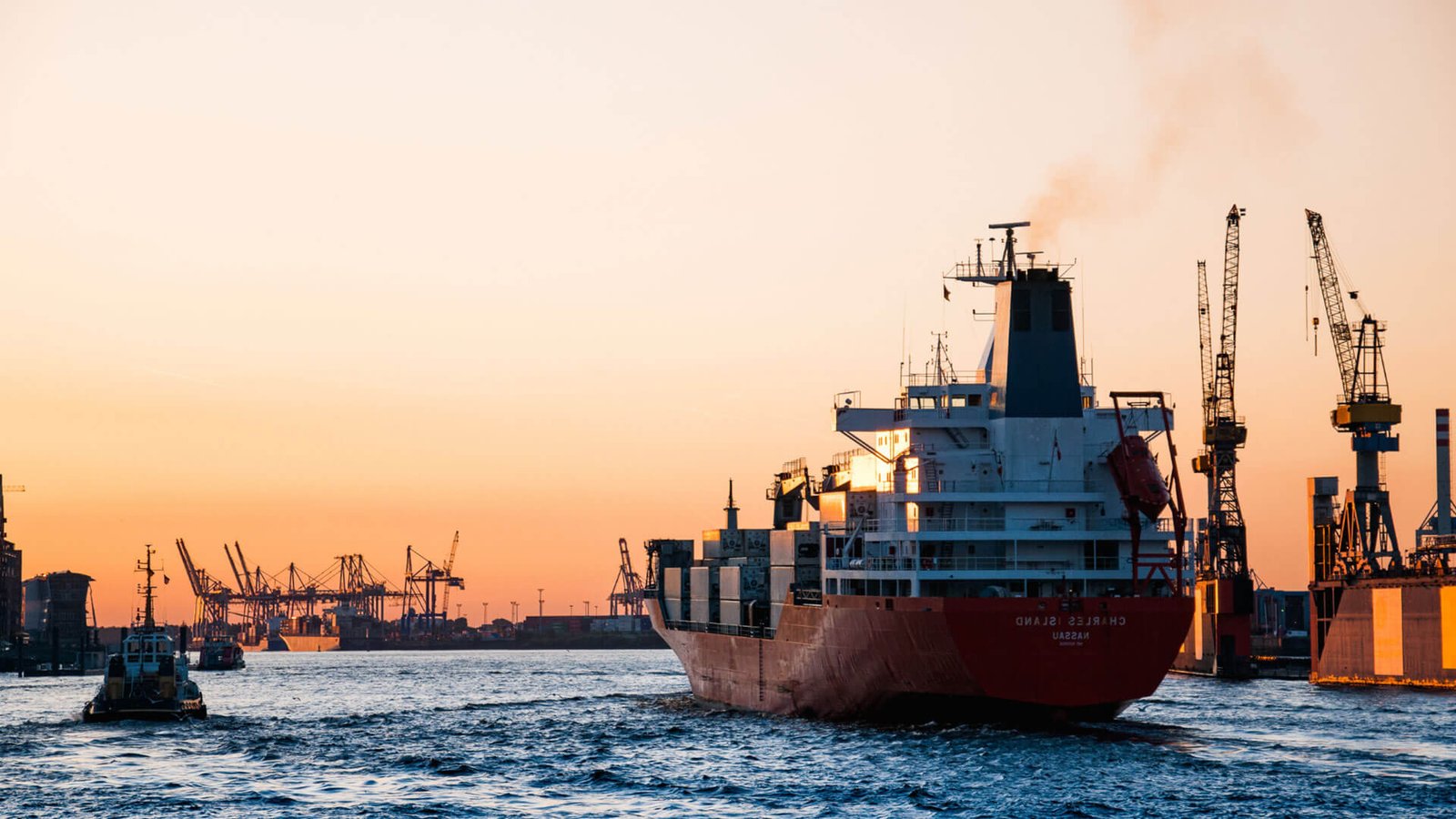
The core problem with using multiple, separate providers is that no one sees the full picture. The forwarder's job ends at the port. The broker's job is just customs. The trucker only knows about pickup and delivery. The gaps between these silos are where your money is lost.
As an end-to-end partner, we manage the entire journey. This provides a powerful advantage. From the moment your order is placed with the factory in China, we are planning for a smooth delivery to your U.S. warehouse. We ensure documents are correct at the source. We handle the ocean freight booking. We file for customs pre-clearance while the vessel is at sea. Critically, we have our trucking team ready and scheduled before the container is available.
When an issue arises, like a random customs exam, we don't just send you a notification of a problem. We manage the solution. Our customs team works to get the hold released, while our trucking team proactively reschedules the pickup appointment to minimize delays. You have a single point of contact and complete visibility from start to finish. This is the key: Demurrage is a port-side risk, and detention is an inland execution risk. Both are manageable with unified planning. An integrated partner turns this complex, risky process into a simple, predictable operation.
Conclusion
Avoiding detention and demurrage is not about luck; it's about control. With proactive planning, clear communication, and an integrated logistics partner, you can turn these unpredictable costs into manageable expenses.
Understanding these fees can help you manage costs and avoid unexpected charges on your freight invoice. ↩
Understanding how to manage your shipment timeline can significantly reduce unexpected fees and improve your overall shipping efficiency. ↩
Having the right customs documents prepared in advance can prevent costly delays and ensure a smooth import process. ↩
Knowing your free time limits can help you avoid unnecessary detention and demurrage fees, saving you money. ↩
A good customs broker can streamline the customs process, reducing the risk of delays and additional fees. ↩
Coordinating with a reliable trucking company ensures timely pickup and delivery, minimizing detention fees. ↩
These fees can significantly increase your landed cost, affecting your profit margins. ↩
Port congestion can lead to delays and increased fees, but knowing how to navigate it can save you time and money. ↩
Avoiding customs holds can prevent demurrage fees and ensure your shipment moves smoothly through the port. ↩
Customs pre-clearance can significantly reduce delays and help you avoid demurrage fees. ↩
Timely trucking appointments are crucial to avoid detention fees and ensure smooth delivery. ↩
Proper planning for empty container return can help you avoid detention fees and additional costs. ↩
Efficient warehouse unloading can prevent detention fees and ensure timely return of containers. ↩