Struggling to keep up with constant trade rule changes? You risk costly delays, fines, and seized cargo. Staying informed is the only way to protect your supply chain.
Tracking regulatory compliance news is essential for U.S. importers to manage risk and ensure operational continuity. It allows you to proactively adapt to changes in duty rates1, admissibility rules2, and enforcement priorities3, preventing costly fines, shipment delays, and supply chain disruptions before they happen.

I've seen firsthand how a small, missed regulatory update can snowball into a massive problem for an importer. It’s not just about ticking a box for legal; it's about protecting your entire business operation from the border inward. The world of trade is always moving, and if you stand still, you get left behind with a container stuck at the port. Let's break down exactly why you need to pay close attention to this news and what you should be looking for.
How does regulatory compliance news directly affect U.S. importers by changing duty exposure, admissibility rules2, and enforcement priorities3?
Your landed cost4s and shipment timelines are directly tied to new rules. A single update can change everything overnight, making a profitable product suddenly unprofitable or unimportable.
Regulatory compliance news directly affects U.S. importers by altering duty rates1, product admissibility, and enforcement focus. Updates issued by U.S. Customs and Border Protection5 and other authorities can immediately change how shipments are classified, cleared, and released at the border.
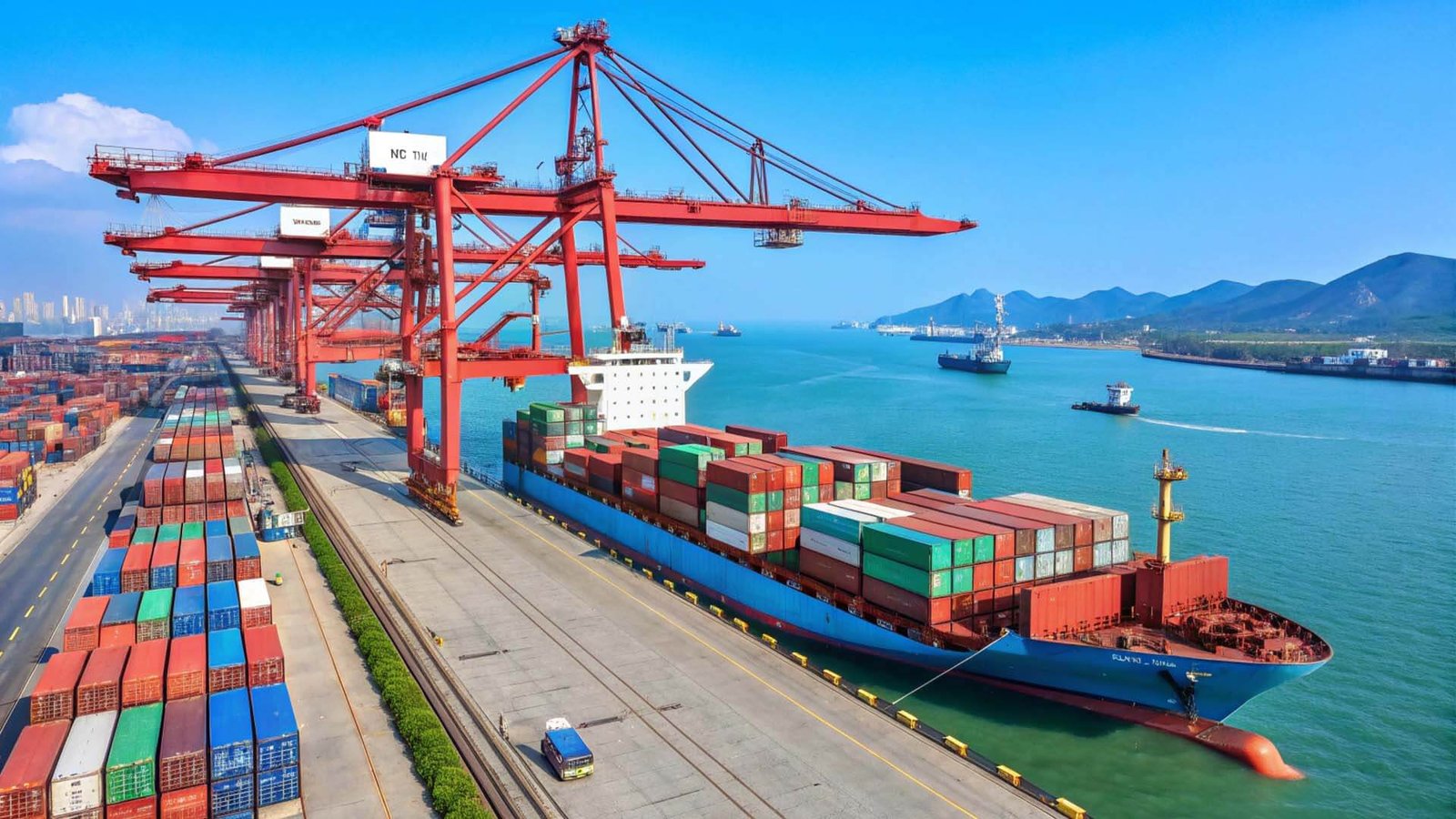
I once worked with a client, let's call him Mark, who imported electronic components. A ruling from Customs changed the interpretation of the tariff code for one of his key products. Overnight, his duty rate jumped from 2% to 15%. Because he wasn't tracking these updates, he didn't find out until his containers arrived. The unexpected duty bill wiped out his profit margin for that entire quarter. This is a common story. Regulatory changes are not abstract legal theories; they have immediate, real-world financial and operational consequences.
The Three Main Impact Areas
Regulatory news hits your business in three primary ways. Each one can disrupt your operations if you aren't prepared.
- Changes in Duty Exposure: This is the most direct financial impact. It includes new Section 301 tariffs6 on goods from China, antidumping and countervailing duty (AD/CVD)7 investigations on specific products, or simple revisions to the Harmonized Tariff Schedule (HTS)8. A new duty can instantly make your product uncompetitive.
- Evolving Admissibility Rules: Your products don't just clear Customs; they must also meet the requirements of Partner Government Agencies (PGAs)9 like the FDA, CPSC, or EPA. These agencies frequently update their rules for labeling, testing, and documentation. A new FDA rule could mean your food product is refused entry.
- Shifting Enforcement Priorities: U.S. Customs and Border Protection5 (CBP) regularly announces new enforcement priorities3. One month they might focus on intellectual property rights10 for apparel. The next, they might target forced labor11 in the solar panel supply chain. If your product falls into a new enforcement area, expect more exams, document requests, and delays.
What happens if importers who fail to track compliance updates face increased risks of cargo holds12, penalties, audits, and shipment disruptions?
Ignoring compliance news is like driving blind. You expose your business to severe penalties, long delays, and intense government scrutiny that can cripple your import program.
Importers that fail to track compliance updates face higher risks of cargo holds12, monetary penalties, audits, and shipment disruptions. Many enforcement actions occur not because of intent, but because importers continue operating under outdated regulatory assumptions.
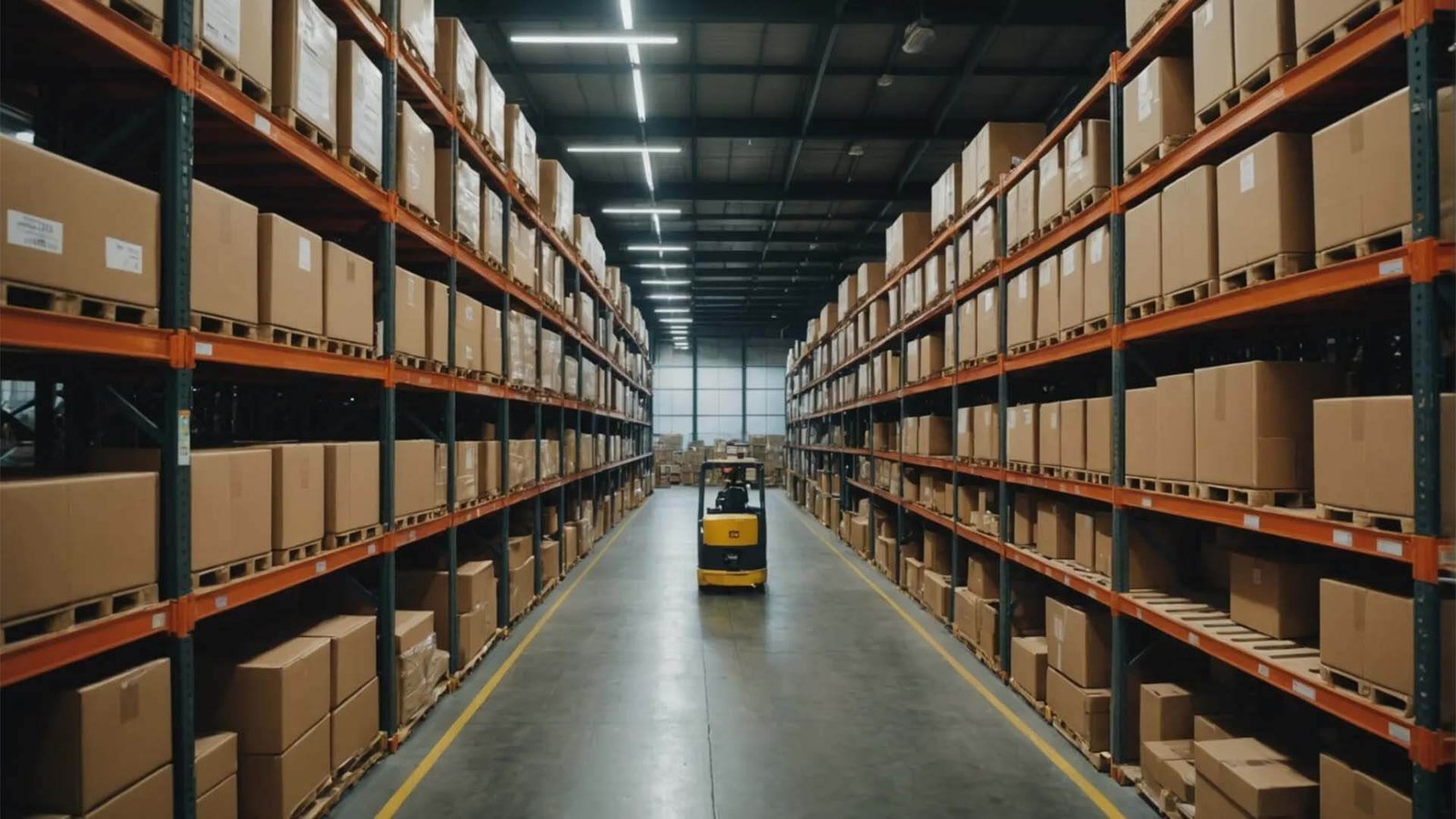
The biggest mistake I see importers make is assuming "it won't happen to me." They believe that because they've been importing the same product from the same supplier for years, they are safe. But CBP's motto is "informed compliance." This means the responsibility is 100% on you, the importer, to know and follow the current rules. Ignorance is not a defense. The consequences start small with a delay but can quickly escalate into a full-blown audit that paralyzes your business for months, sometimes years. These risks are not just possibilities; they are the predictable outcomes of failing to monitor the regulatory environment.
The Escalation of Risk
When you miss a compliance update, the problems don't happen all at once. They build on each other, getting more severe at each stage.
| Risk Level | Consequence | Importer Experience |
|---|---|---|
| Level 1: Disruption | Cargo Holds, Document Requests | Your shipment is flagged for a customs exam. It sits at the port, racking up demurrage fees while you scramble to provide missing paperwork. |
| Level 2: Financial Penalty | Monetary Fines for Non-Compliance | CBP issues a penalty for negligence, often a percentage of the goods' value. You now have a record of non-compliance. |
| Level 3: Intense Scrutiny | Customs Audits, Increased Exams | Your company is now on CBP's radar. Future shipments are automatically flagged for inspection, and you may face a formal audit of all your imports from the past five years. |
This progression shows how a simple oversight can lead to a major business crisis. The initial delay is a warning sign. The penalty is a direct hit to your finances. The audit is a long-term drain on your resources and a threat to your ability to import at all.
How do customs, trade, and supply chain regulations evolve continuously across classification, valuation, origin, sanctions13, and security programs14?
Trade rules are not static. They change constantly due to new laws, court rulings, and global events. What was compliant yesterday might be a violation tomorrow across many areas.
Trade and customs regulations evolve continuously across tariff classification15, customs valuation, country of origin, sanctions13, and security programs14. Because these areas are interrelated, a single regulatory update can affect multiple parts of an importer’s compliance and logistics process.
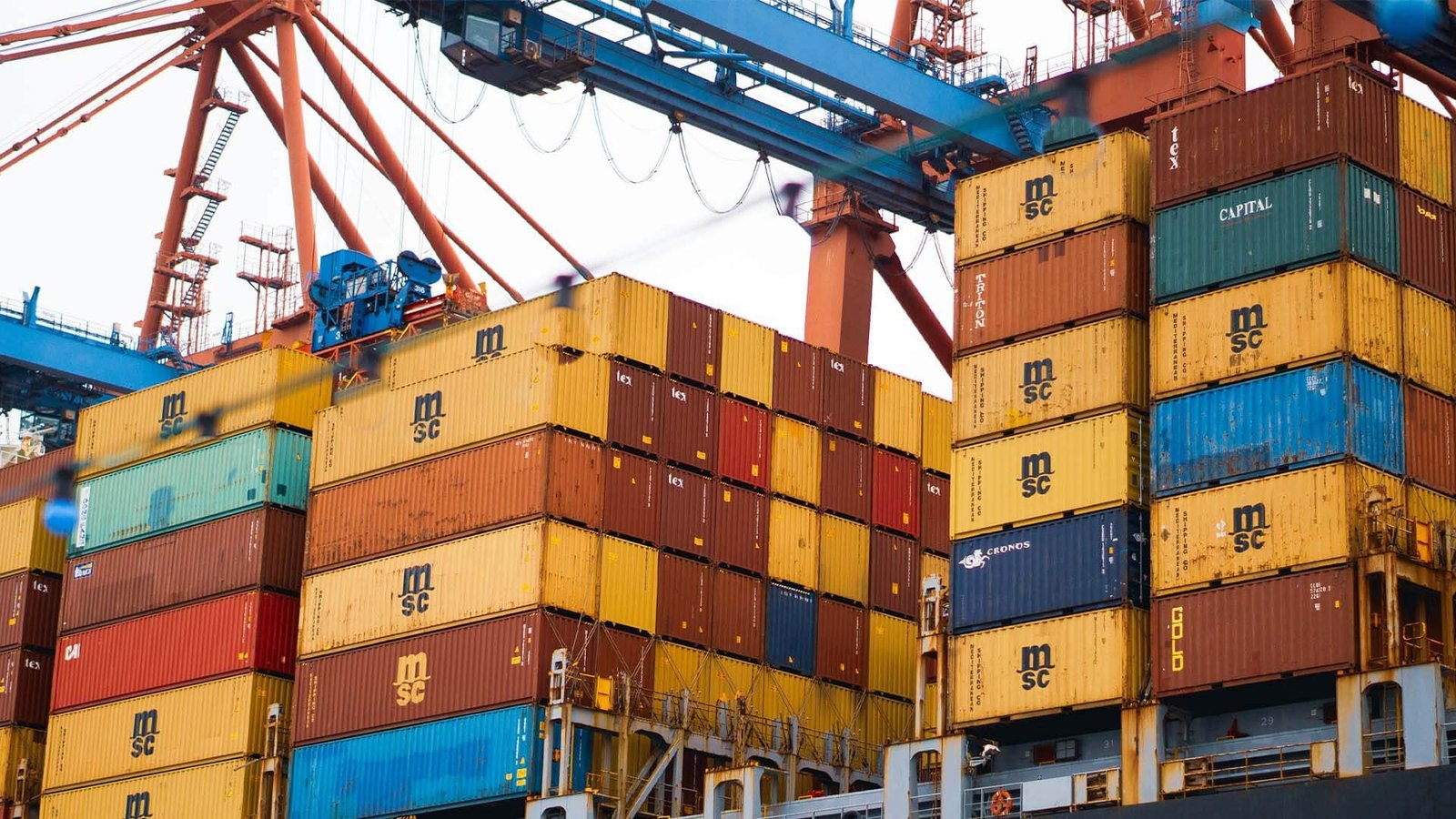
Think of your import process like a machine with many interconnected gears. A change in one gear affects how all the others turn. For example, a new Free Trade Agreement might change the rules of origin for your product. This doesn't just affect the origin declaration. It also impacts your tariff classification15 (to see if the product qualifies) and your sourcing decisions. I've helped many importers navigate this complexity. They are often surprised to learn that a sanction against a country can affect the banking and insurance for their shipments, even if their goods aren't from there. You cannot look at these areas in isolation.
Compliance Update → Operational Impact
Understanding the scope of change is critical. A single update can ripple through your entire operation, requiring coordinated action.
| Compliance Update Area | Typical Change | Operational Impact | Importer Action Required |
|---|---|---|---|
| Tariff Classification | HTS code revision or CBP ruling | Duty increase or reclassification | Review product database and update broker instructions. |
| Country of Origin | New origin rules (e.g., for an FTA) | Loss of duty preference eligibility | Update sourcing strategy and Certificate of Origin documentation. |
| Sanctions/Restrictions | Expanded prohibited entity lists | Cargo holds, seizure, or rejected payments | Screen all suppliers, vendors, and financial institutions. |
| Security Programs | New CTPAT or ISF data requirements | Clearance delays or increased inspections | Update pre-shipment data filing processes and timelines. |
| Valuation Rules | New guidance on "assists" or royalties | Underpayment penalties and audits | Review transfer pricing agreements and commercial invoice declarations. |
This table shows that compliance is not just a legal task. It is an operational function that touches everything from product development to final delivery.
How do timely compliance updates help U.S. importers adapt documentation, sourcing, and routing decisions before violations occur?
Knowing about a change early gives you time to react. It turns a potential crisis into a manageable business decision, allowing you to adjust your strategy proactively.
Monitoring compliance updates allows importers to proactively adjust documentation, sourcing strategies, and routing decisions before violations occur. Early awareness reduces the likelihood of clearance delays, rejected entries, and corrective actions that disrupt ongoing import operations.

Being proactive is the difference between steering your ship and being tossed by the waves. I advise my clients to treat compliance news as market intelligence. For example, if you hear chatter about potential new duties on goods from a certain country, you can start exploring alternative sourcing locations before the rule takes effect. This gives you a massive advantage over competitors who wait until their containers are stuck at the port. Proactive monitoring isn't about avoiding trouble; it's about seizing control of your supply chain in a constantly changing environment. It allows you to make calm, strategic choices instead of panicked, expensive ones.
A Proactive Compliance Monitoring Workflow
You need a systematic process to turn information into action. Simply reading the news is not enough. Follow these steps to build a robust monitoring program.
- Track: First, you must gather the information. Monitor official sources daily. This includes CBP's CSMS messages, the Federal Register, and notices from PGAs. Trade publications and alerts from logistics partners are also valuable.
- Assess: Next, determine the impact. Does this change affect your specific products, suppliers, or shipping lanes? This step requires expertise to interpret the legal language and understand its practical meaning.
- Communicate: Share the findings immediately. Your compliance, procurement, and logistics teams all need to know. A change in documentation needs to be communicated to the supplier overseas.
- Update: Implement the necessary changes. This means updating your internal product database with new HTS codes, revising standard operating procedures (SOPs), and providing new instructions to your customs broker.
- Validate: Finally, check that the changes are working. Review your customs entries after they are filed to ensure the new requirements were applied correctly. This closes the loop and confirms your process is effective.
How can regulatory changes increase landed cost4 and lead time16 unless importers adjust processes across shipping, customs clearance, and inland delivery?
New rules add new requirements. These requirements add steps, and every new step can add both cost and time to your supply chain if you are not prepared for it.
Regulatory changes often increase landed cost4 and lead time16 when importers do not adapt processes in advance. New requirements may trigger additional inspections, documentation reviews, or duty exposure, affecting shipping schedules and inventory availability.
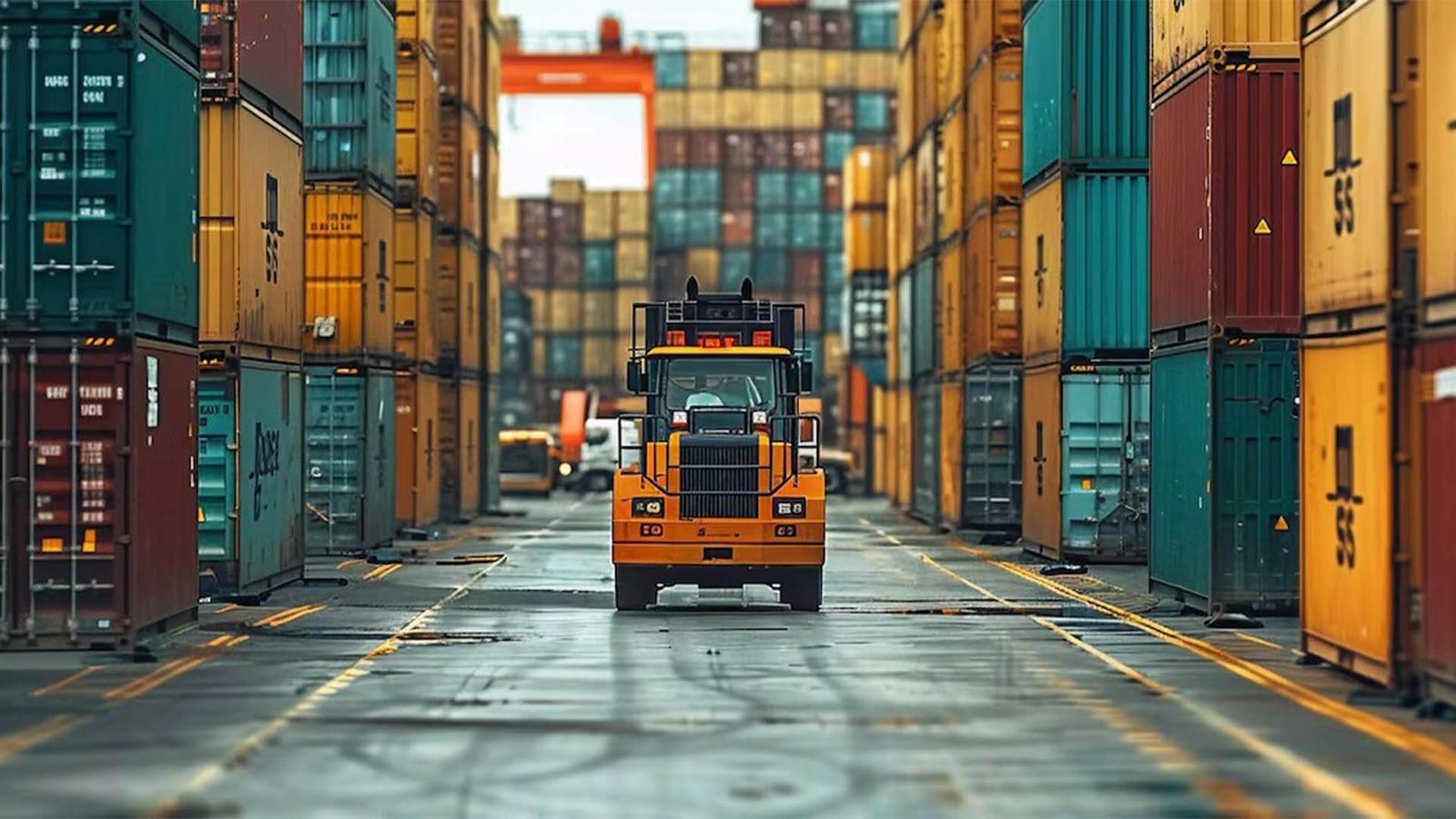
Landed cost and lead time16 are the two metrics every importer lives by. Regulatory changes are a direct threat to both. I remember a case where the CPSC implemented a new testing requirement for children's toys. An importer I knew missed the announcement. Their container arrived and was flagged for an exam. The toys had to be sent to a lab for testing, which took two weeks. During that time, they paid thousands in port storage fees. The final landed cost4 for that shipment was 30% higher than projected, and the product missed a key holiday selling window. This entire disaster could have been avoided by simply tracking the CPSC updates and getting the toys tested before they were shipped.
The Hidden Costs of Non-Compliance
The impact of a missed update goes far beyond just a potential fine. It creates a chain reaction of costs and delays that ripple through your entire supply chain.
- Impact on Landed Cost: The obvious costs are new duties or penalties. However, the hidden costs are often larger. These include exam fees, demurrage and detention charges for delayed containers, fees for lab testing, and the cost of reworking or destroying non-compliant goods. Your cost of goods sold can skyrocket unexpectedly.
- Impact on Lead Time: A customs hold can add days or even weeks to your transit time. This is not just an inconvenience; it disrupts your entire inventory management plan. It can lead to stockouts, which mean lost sales and damaged customer relationships. It can also cause you to miss production schedules if you are importing raw materials. Predictability is key in logistics, and regulatory surprises are the enemy of predictability.
How do end-to-end logistics and compliance partners help importers monitor regulatory updates and implement changes consistently across the import lifecycle?
A good partner doesn't just inform you of changes. They act as an extension of your team, embedding new compliance requirements directly into your day-to-day shipping operations.
End-to-end logistics and compliance partners help importers track regulatory updates and implement changes consistently. This ensures compliance adjustments are reflected across shipping, customs clearance, and inland delivery, rather than handled in isolated or reactive ways.
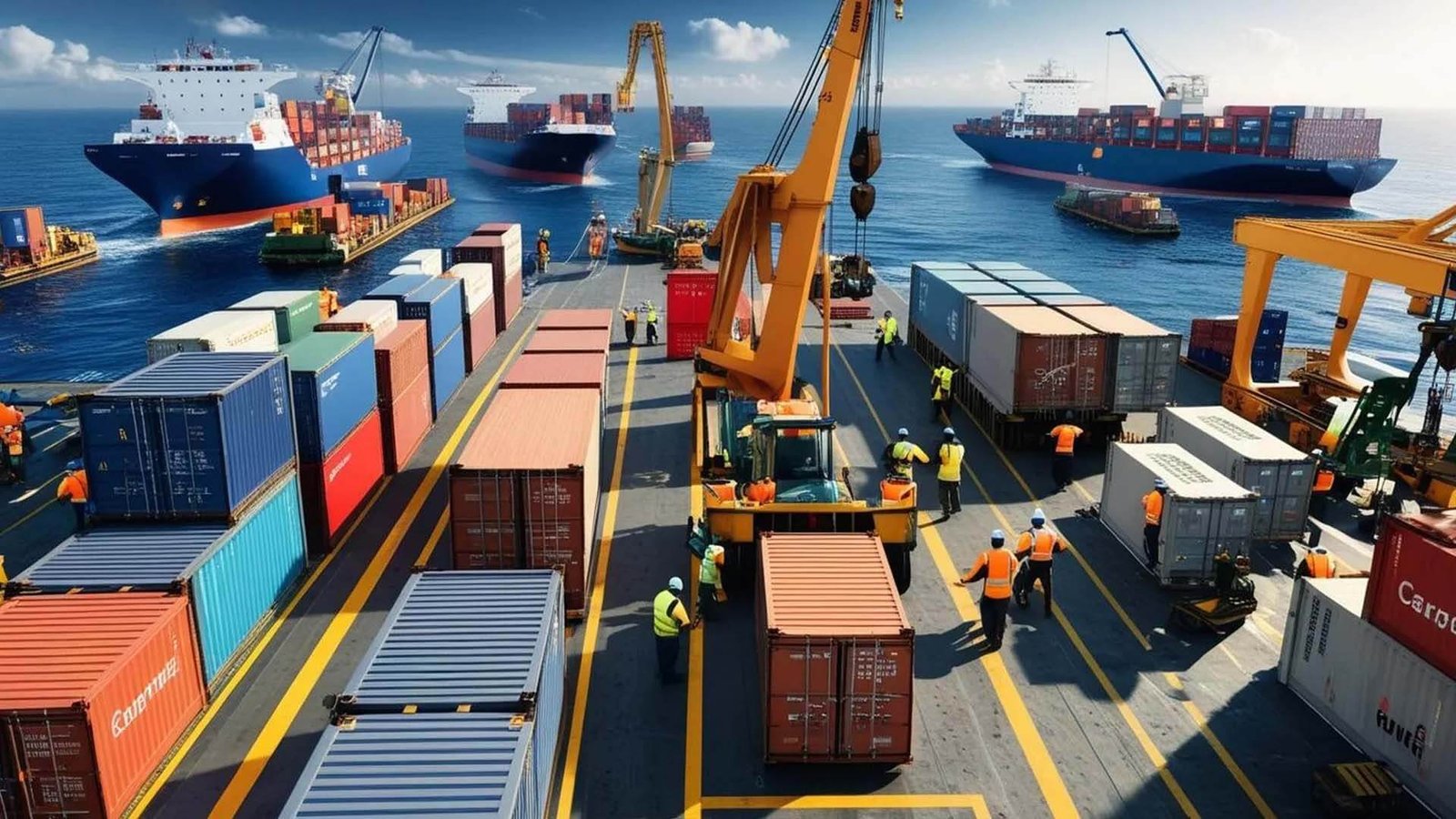
Many importers try to manage compliance in-house, but it's a full-time job requiring specialized expertise. The real value of a dedicated partner is in the execution. It's one thing to know a new rule exists; it's another to ensure it's followed every single time, from the factory in China to your warehouse in the USA. A true partner integrates compliance into the logistics process. For example, if a new certificate is required at origin, our system will not allow a booking to proceed until that document is uploaded. This transforms compliance from a reactive legal check into a proactive operational control. This approach protects your cost, speed, and continuity.
From Information to Integrated Execution
A partner moves you beyond simply knowing about a rule to actively implementing it. Here is how we make that happen.
- Centralized Monitoring: Instead of you having to check a dozen websites, we monitor everything for you. Our experts subscribe to all official and industry sources, and they interpret what the updates mean for your specific business.
- System-Wide Implementation: When a rule changes, we update our operational systems. This means our team, your supplier, and our overseas agents are all working from the same updated playbook. The new requirement becomes a mandatory step in the shipping process.
- Consistent Application: We ensure the compliance change is managed from end to end. If a new labeling rule is announced, we work with your supplier to apply it at the factory. This prevents the problem from ever reaching the U.S. border. This consistent application across the entire lifecycle is what separates a true partner from a simple service provider. It turns compliance from a headache into a competitive advantage.
Conclusion
Ultimately, tracking regulatory news is not optional. It is a fundamental business practice for any U.S. importer who wants to protect their profits, avoid delays, and maintain a resilient supply chain.
Duty rates directly impact the cost of imported goods, affecting profitability and competitiveness in the market. ↩
Admissibility rules determine if products meet the necessary standards to enter a country, impacting import eligibility. ↩
Shifting enforcement priorities can lead to increased inspections and compliance requirements, affecting import processes. ↩
Landed cost includes all expenses to bring goods to market, crucial for pricing and profitability. ↩
CBP is crucial in regulating imports, ensuring compliance with trade laws, and protecting U.S. borders. ↩
Section 301 tariffs are imposed to address unfair trade practices, impacting the cost of imported goods. ↩
AD/CVD duties protect domestic industries from unfair foreign pricing, affecting import costs. ↩
The HTS classifies goods for duty rates and trade statistics, essential for accurate import documentation. ↩
PGAs set specific import requirements, ensuring products meet safety and regulatory standards. ↩
Enforcement protects against counterfeit goods, ensuring compliance and avoiding legal issues. ↩
Enforcement against forced labor ensures ethical sourcing and compliance with human rights standards. ↩
Cargo holds delay shipments, increasing costs and affecting supply chain efficiency. ↩
Sanctions restrict trade with certain countries, affecting sourcing and compliance requirements. ↩
Security programs protect supply chains from threats, ensuring safe and compliant trade operations. ↩
Accurate classification ensures correct duty payments and compliance with trade regulations. ↩
Lead time impacts inventory levels and customer satisfaction, essential for efficient supply chain operations. ↩