Struggling with complex machinery imports1? The risk of costly delays and fines is high if you don't know the rules. Proper planning is your key to a smooth process.
Importing machinery to the U.S. requires more than just customs clearance. Importers must correctly classify the equipment2, confirm duty treatment3, and comply with various partner government agencies. This preparation must happen before arrival to avoid delays.

Bringing new machinery into your U.S. operation should be an exciting step forward, not a logistical nightmare. I've seen too many importers, like my client Mark, get blindsided by unexpected rules and expenses. They plan for the shipping cost but forget about the complex web of regulations that governs these high-value items. The good news is that with the right knowledge, you can navigate this process confidently. Let's break down exactly what you need to know, step by step, to get your machinery from the factory to your facility without a hitch.
Importing machinery into the U.S. requires accurate classification, proper permits, and compliance with multiple agencies beyond U.S. Customs?
Think U.S. Customs is your only hurdle? Many importers get stuck when other government agencies unexpectedly demand paperwork, stopping their shipment cold. A broader compliance view is essential.
Importing machinery into the U.S. requires more than customs clearance alone. Importers must correctly classify the equipment2, confirm duty treatment3, and comply with applicable partner government agencies. Many shipments involve overlapping requirements that must be addressed before arrival.
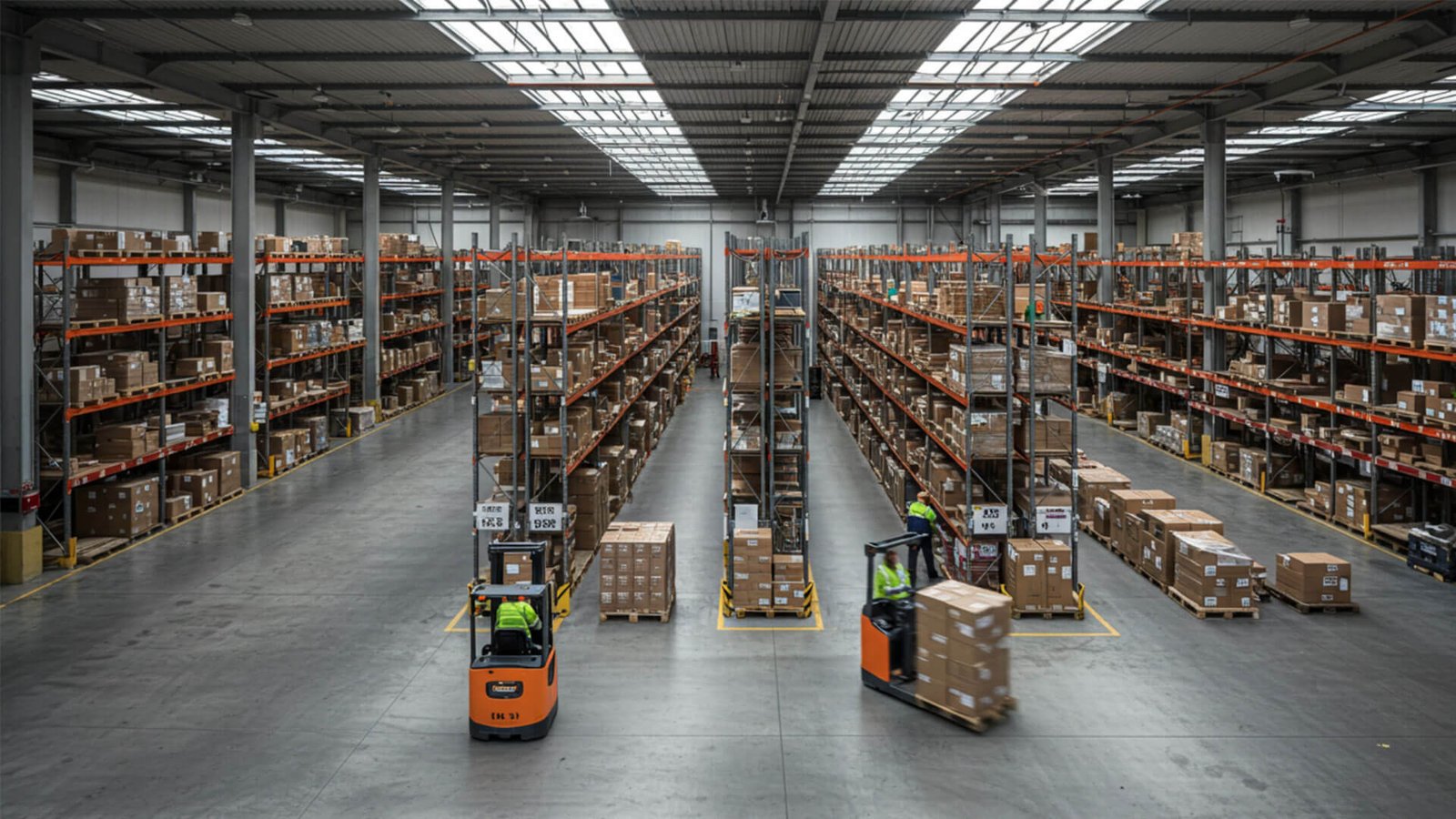
When you import anything into the United States, you, the importer, are legally responsible for meeting all rules. This role is called the Importer of Record4. For machinery, this responsibility goes far beyond a simple customs declaration. I always tell my clients that the entire process starts with one critical task: correctly classifying your equipment. Every item has a specific 10-digit Harmonized System (HS) code5. This code determines duties, tells customs what you're importing, and flags potential requirements from other agencies. These Partner Government Agencies6 (PGAs) work with U.S. Customs and Border Protection (CBP) to regulate goods that fall under their authority. For machinery, this could be the EPA, FDA, or FCC. Getting the HS code wrong is the first domino to fall, often leading to incorrect duty payments, missed permits, and long, expensive delays at the port.
U.S. import duties on machinery depend on HS classification, country of origin, trade remedies, and applicable exemptions or special programs?
Worried about unpredictable import costs? A surprise tariff bill can easily blow your project budget. You must understand exactly what factors determine the final duty you'll pay.
U.S. import duties on machinery vary based on HS classification, country of origin, and whether trade remedies such as Section 301 tariffs7 apply. Some machinery may qualify for duty reductions, but incorrect classification causes most unexpected duty bills.
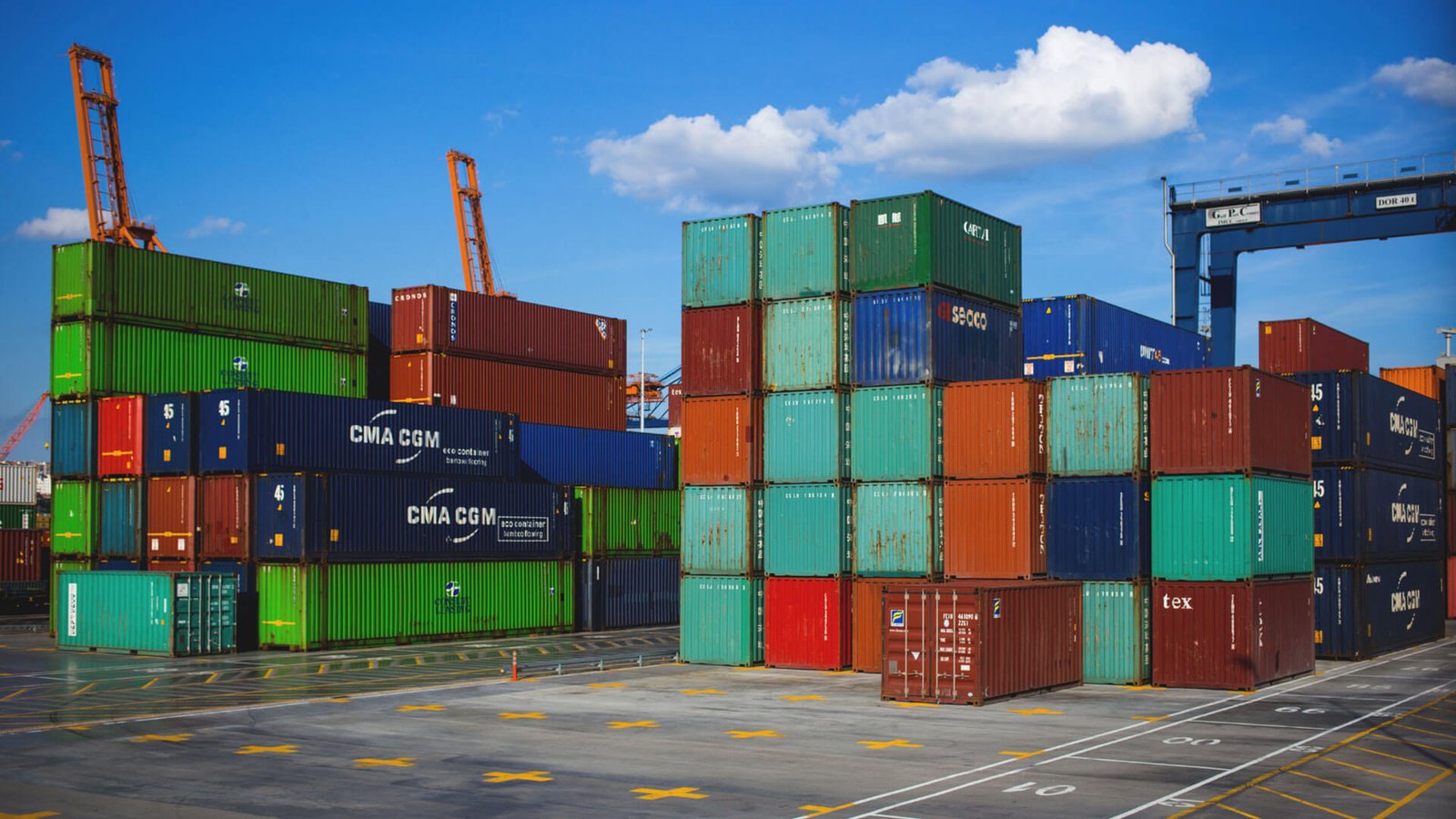
The duty you pay on imported machinery isn't a single, flat rate. It's a calculation based on several key factors. First, as we discussed, is the HS code. Most industrial machinery falls under Chapter 84 of the Harmonized Tariff Schedule, but the specific code determines the base duty rate, which can often be 0%. However, the country of origin is just as important. For example, many machines and components from China are subject to additional Section 301 tariffs7, which can add a significant 25% to the cost. I've seen this catch many importers by surprise. On the other hand, some machinery might qualify for duty-free treatment8 under a special program or trade agreement9. The only way to know for sure is to do the research before you ship. Misclassifying your machine to get a lower duty rate is a major compliance risk that can lead to audits and penalties long after your goods have cleared.
Certain machinery imports require permits or approvals from partner government agencies such as FDA, EPA, FCC, or DOT depending on use and technology?
Does your machine have special functions? A shipment can be rejected by an agency you've never even heard of. You must identify these Partner Government Agency (PGA) requirements early.
Depending on function and technology, machinery imports may require approvals from agencies such as the FDA, EPA, FCC, or DOT. Equipment for food processing, with engines, wireless tech, or for transport is often subject to additional regulatory review.
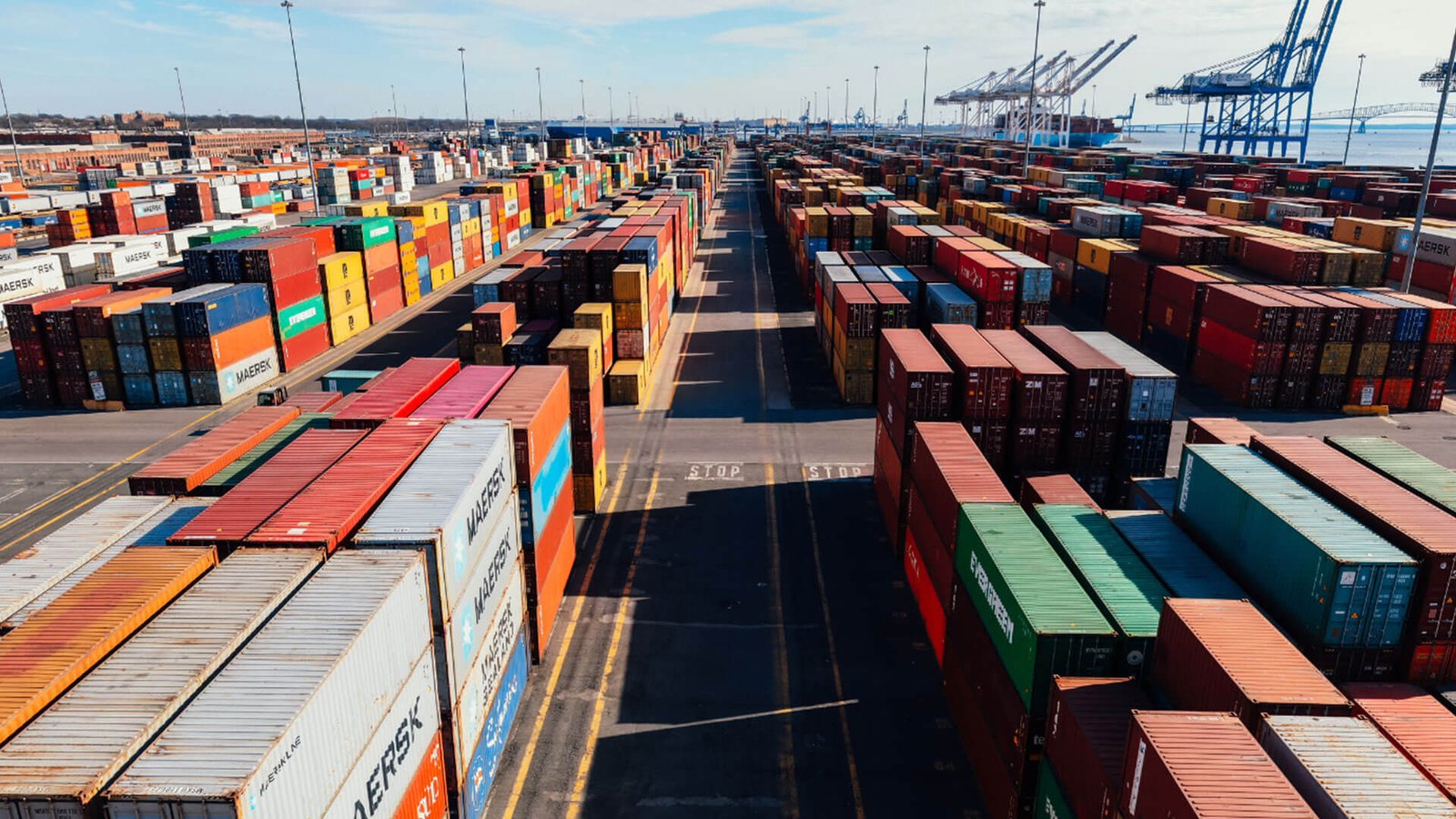
Many importers don't realize that U.S. Customs is just one gatekeeper. Several other Partner Government Agencies6 (PGAs) have a say, depending on what your machine does. If your equipment has a diesel engine, the Environmental Protection Agency (EPA) will want to see emissions compliance forms10. If it has a Wi-Fi or Bluetooth module, the Federal Communications Commission (FCC) requires proof of equipment authorization11. I work with clients who import food packaging equipment, which falls under the Food and Drug Administration's (FDA) rules, requiring them to file Prior Notice12. It's crucial to analyze your machine's every function to see which PGAs might be involved. Failing to secure the right permit before your shipment arrives is one of the surest ways to get it held at the port.
Common Machinery Types and Their Regulating Agencies
| Machinery Type | Regulating Agency | Permit or Approval Needed | Example |
|---|---|---|---|
| Food processing machinery | FDA | Prior Notice12 / compliance review | Packaging or bottling equipment |
| Emission-producing machinery | EPA | Emissions compliance declaration | Generators, engines |
| Wireless-enabled machinery | FCC | Equipment authorization | CNC machines with wireless modules |
| Transportation-related equipment | DOT | Safety or conformity review | Rail or vehicle-mounted machinery |
| Used industrial machinery | CBP + EPA | Cleaning declaration, inspection | Used presses, lathes |
Incomplete documentation, incorrect valuation13, and missing permits are the primary causes of customs holds and delays for machinery shipments?
Is your high-value machine stuck at the port? Production lines are down and storage fees are piling up. Perfect paperwork, prepared in advance, is the only solution to prevent this.
Most machinery shipment delays result from missing permits, inaccurate valuation13, or incomplete documentation. Because machinery is often high-value and complex, customs and agency reviews are more likely, making advance compliance preparation critical for on-time clearance.
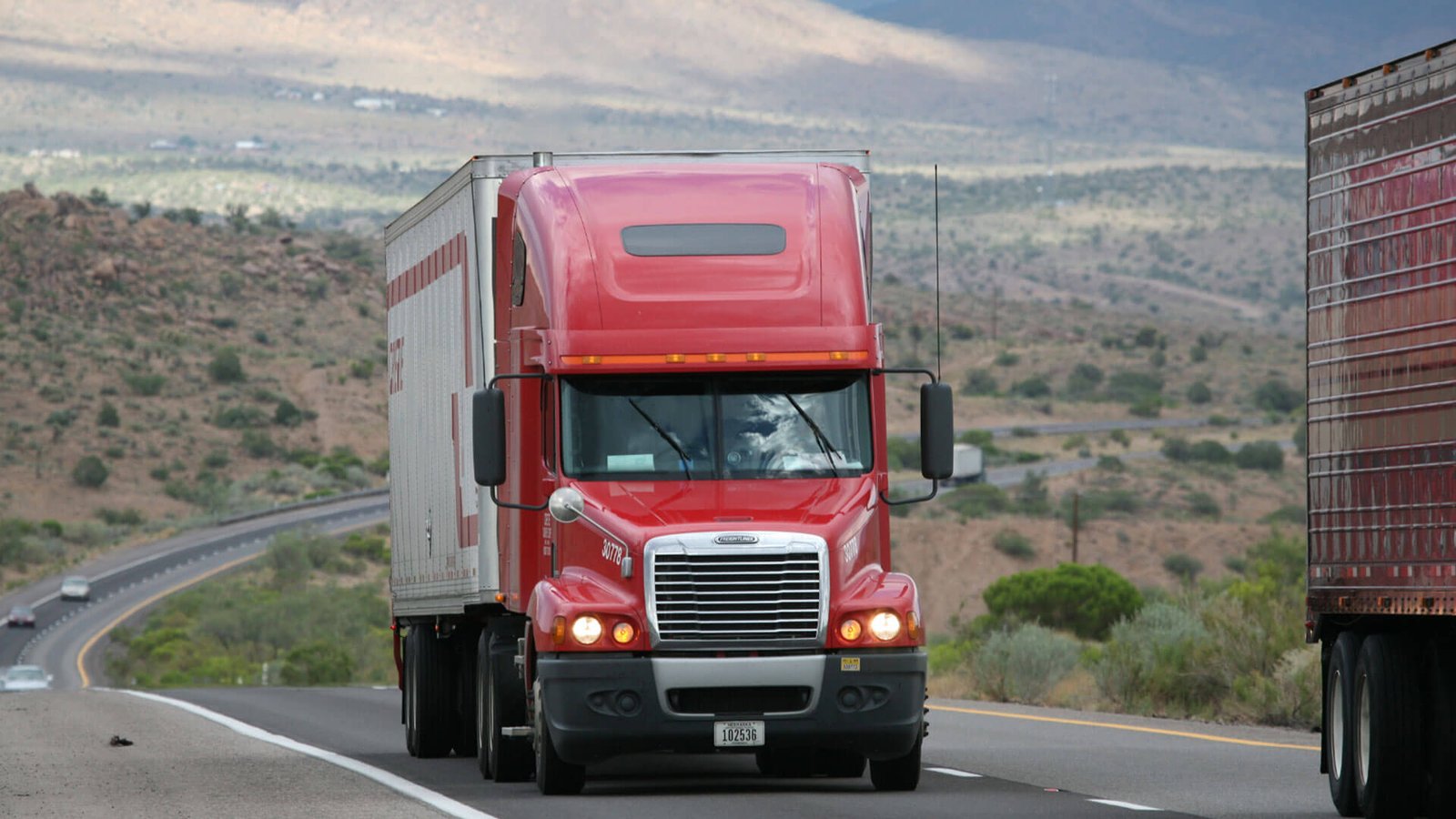
In my experience, almost every customs hold on machinery comes down to one of three things: bad paperwork, wrong value, or a missing permit. First, your core documents—the commercial invoice14, packing list, and bill of lading—must be perfect. The descriptions must be detailed and match across all forms. Second, valuation13 is a major red flag for CBP. Machinery is expensive, and importers are sometimes tempted to declare a lower value to save on duties. Customs officers are trained to spot this, and an incorrect valuation13 will trigger a deep inspection and potential penalties. Finally, as we've covered, missing a required PGA permit is a guaranteed delay. If your machine needs an EPA form and you don't have it, your shipment isn't moving. These are not simple mistakes; they stop your entire supply chain and can cost thousands in demurrage and storage fees while you scramble to fix them.
Importing used or oversized equipment? You can get hit with unexpected cleaning fees or safety holds. You need to know the special rules that apply to these non-standard items.
Large, used, or specialized machinery faces additional scrutiny related to safety standards, cleanliness, and inspection risk. Used equipment often requires proof of cleaning and may trigger environmental reviews, while oversized machinery complicates inspections.
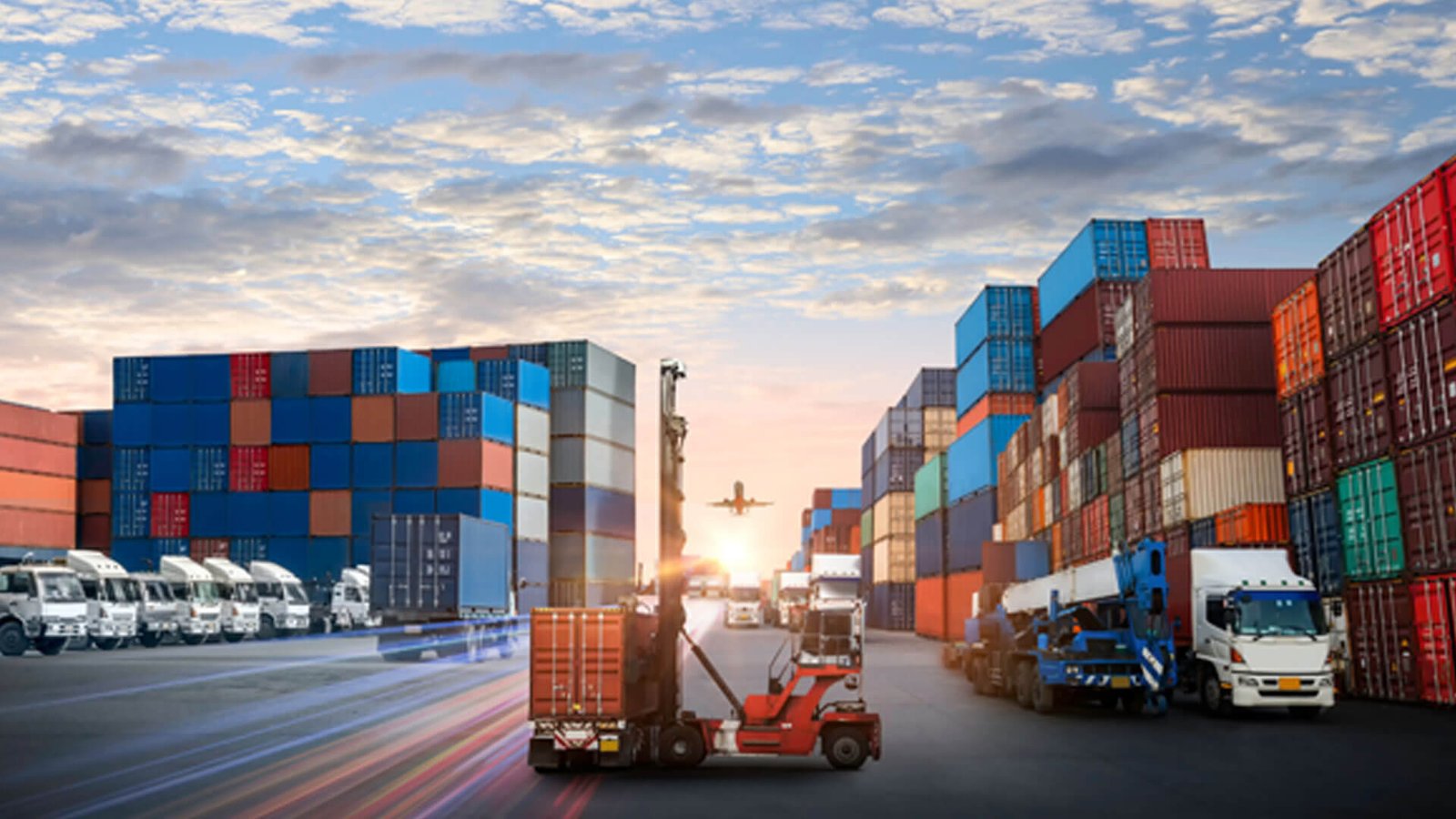
If you are importing used machinery, expect extra attention from customs. The primary concern is cleanliness. U.S. Customs and the Department of Agriculture (USDA) are extremely strict about preventing foreign soil, plant matter, and pests from entering the country. Your used machine must be thoroughly cleaned before it's loaded into the container. I always advise my clients to get a formal cleaning certificate15 from the provider and take pictures as proof. Without this, customs may order the machine to be cleaned at your expense upon arrival, which is very costly. Oversized machinery presents a different challenge: logistics. A machine that doesn't fit in a standard container requires special handling, and if CBP decides to inspect it, the process is much more complex and expensive than opening a simple box. These unique shipments demand more planning for both compliance and transportation.
End-to-end logistics and customs expertise helps U.S. importers manage permits, duties, and transportation planning for machinery from origin to final delivery?
Are you juggling a freight forwarder, a customs broker, and a trucking company? Miscommunication between vendors often leads to the most expensive errors. A single expert partner is better.
End-to-end logistics and customs expertise helps importers manage machinery permits, duty planning, and transportation as a single process. Coordinating compliance, clearance, and delivery reduces delays and ensures machinery arrives ready for operation.
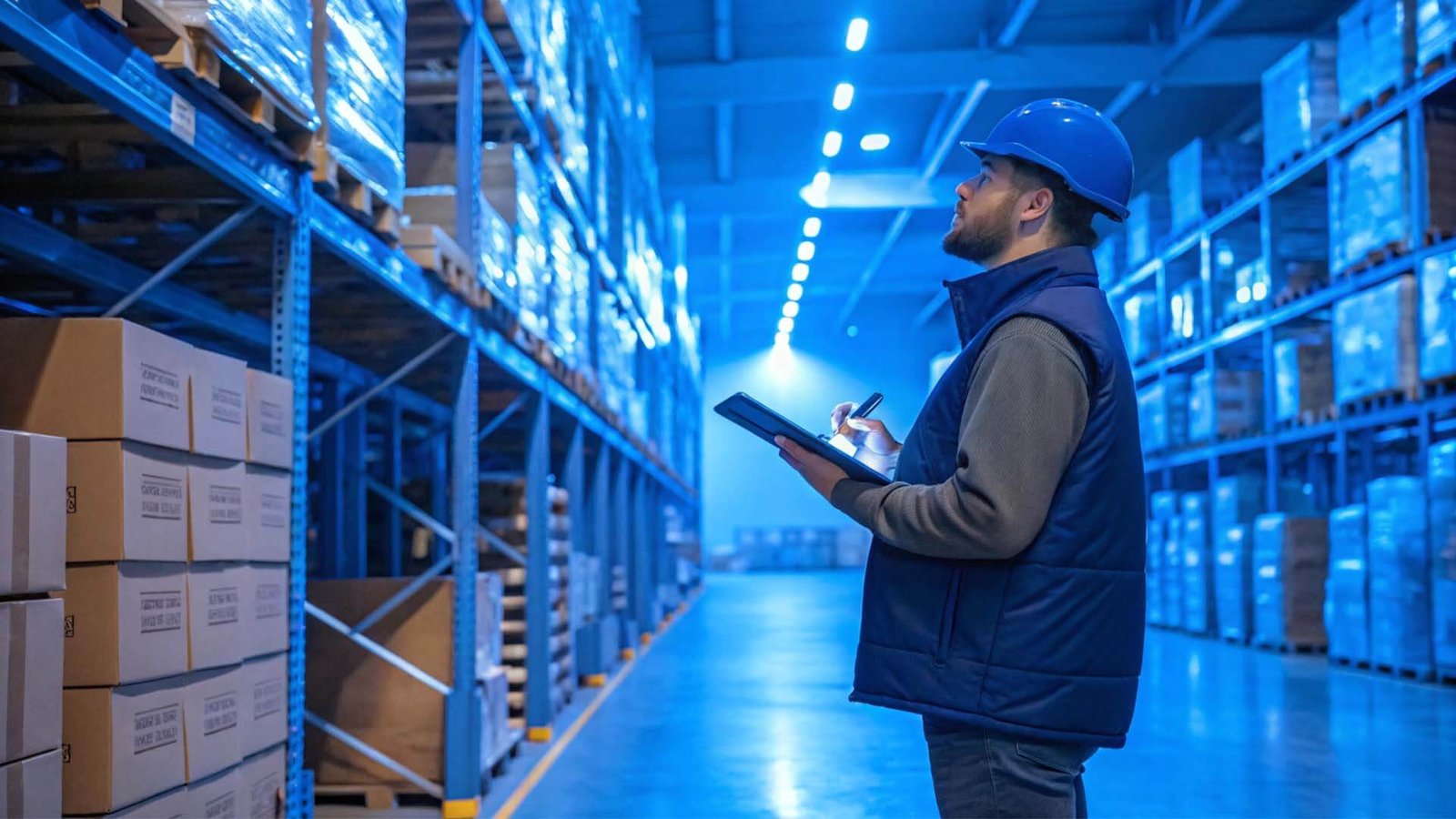
The key insight I share with all my clients is this: machinery imports fail most often at the planning stage, not at the port. The solution is to treat the import not as a series of separate tasks, but as one integrated project. This is where a partner with expertise in both project cargo logistics16 and customs brokerage17 becomes invaluable. They can help you execute a clear compliance workflow18 from the very beginning, long before the machine is even built. An expert can ensure all steps are aligned, from classifying the product and securing permits to filing the entry and coordinating the final delivery. This unified approach is the best way to manage complex machinery imports1 and prevent problems before they happen.
Step-by-Step Machinery Import Compliance Workflow
- Identify: Pinpoint the machine's function, technology, and intended use.
- Classify: Assign the correct HS code to the equipment.
- Determine: Calculate applicable duties, tariffs (like Sec. 301), and trade remedies.
- Identify PGAs: Find out which Partner Government Agencies6 require permits or approvals.
- Prepare: Gather all documentation, confirm valuation13, and complete compliance declarations.
- File: Submit the customs entry and all agency forms before the shipment arrives.
- Address: Respond immediately to any customs inspections or holds if they occur.
- Coordinate: Arrange for inland transportation19 and final delivery to your facility.
Conclusion
Proper planning, correct classification, and expert guidance are essential for successful machinery imports. This approach avoids costly delays and ensures your equipment arrives ready for work.
Understanding the challenges of complex machinery imports can help you avoid costly delays and fines by knowing the rules and proper planning. ↩
Correct classification of equipment is crucial to determine duties and comply with regulations, preventing delays and fines. ↩
Understanding duty treatment helps you anticipate costs and avoid unexpected tariff bills that can impact your budget. ↩
As the Importer of Record, you are legally responsible for compliance, making it essential to understand your duties. ↩
The HS code determines duties and regulatory requirements, so finding the correct one is vital for compliance. ↩
Knowing which agencies regulate your machinery import ensures compliance and prevents shipment holds. ↩
Section 301 tariffs can significantly increase costs, so understanding them helps in budgeting and compliance. ↩
Duty-free treatment can reduce costs, so knowing how to qualify can save money on imports. ↩
Trade agreements can offer duty reductions, making it important to know which ones apply to your machinery. ↩
Emissions compliance forms are necessary for machinery with engines, ensuring environmental standards are met. ↩
Equipment authorization is required for machinery with wireless tech, ensuring compliance with FCC regulations. ↩
Prior Notice is required for food processing machinery, ensuring compliance with FDA regulations. ↩
Accurate valuation prevents customs holds and penalties, ensuring smooth importation of machinery. ↩
A detailed commercial invoice is crucial for customs clearance, preventing delays and ensuring accurate duty payments. ↩
A cleaning certificate prevents costly cleaning fees and ensures compliance with USDA regulations for used machinery. ↩
Project cargo logistics ensures smooth transportation and compliance, reducing delays and errors in machinery imports. ↩
Customs brokerage helps navigate complex regulations, ensuring compliance and smooth importation of machinery. ↩
A compliance workflow ensures all regulatory requirements are met, preventing delays and ensuring successful machinery imports. ↩
Coordinating inland transportation ensures timely delivery and reduces logistical challenges for machinery imports. ↩