Choosing a customs broker feels like just another vendor choice. But the wrong partner can lead to huge fines and delays. I'll show you how to see this as a critical risk decision.
Choosing the right U.S. customs broker means evaluating their license, compliance history1, and specific industry experience2. You should not focus on price alone. The right broker is a compliance partner who protects your business from costly delays, fines, and customs enforcement actions3.
Choosing a broker is one of the most important decisions you'll make as an importer. It's about much more than just filing paperwork. Your choice directly impacts your supply chain's speed, your total costs, and your company's legal standing with U.S. Customs. Let's break down how to get this critical decision right.
Why is choosing a customs broker a major risk decision, not just a service choice?
You hire a broker to handle complex customs paperwork. But did you know you're still legally on the hook? This common misunderstanding can lead to serious penalties and headaches down the road.
A customs broker acts as the importer’s authorized agent when dealing with U.S. Customs, but legal responsibility for accuracy and compliance remains with the importer. Choosing a broker is therefore a risk decision that affects duty exposure, regulatory compliance, and potential penalties.
Many importers think a customs broker's job is just to file the entry and get the cargo released. That is part of it, but it's a huge oversimplification. When you grant a Power of Attorney to a broker, you are authorizing them to act as your agent. You are the Importer of Record, and U.S. Customs and Border Protection (CBP) holds you, the importer, 100% accountable for every detail on that customs entry. If your broker makes a mistake on classification, valuation, or country of origin, you are the one who faces the fines and penalties. I have seen importers face thousands of dollars in penalties for errors they didn't even know their broker made. This is why the selection process is a major [customs compliance risk](https://tecex.com/customs-compliance-why-getting-it-right-matters/)4 decision. You are choosing a partner to manage your legal obligations. The table below clarifies who is responsible for what.
Broker vs. Importer Responsibility Matrix
| Activity | Customs Broker | Importer of Record |
|---|---|---|
| Entry Filing | Executes the filing | Accountable for all data accuracy |
| HS Classification | Advises and applies the code | Approves the code and owns the risk |
| Valuation Method | Implements the declared value | Determines the correct pricing basis |
| PGA Permits | Supports filing with permit data | Ensures all permits are valid |
| Audit Response | Assists with documentation | Bears full legal responsibility |
| Penalties & Fines | No legal liability for errors | Fully liable for all penalties |
How should you evaluate a customs broker beyond just their price?
Looking for the cheapest broker to save money? This common mistake often leads to much higher total costs from delays, fines, and compliance issues. Let me explain a better way.
U.S. importers should evaluate customs brokers based on proper licensing, compliance history1, and experience with similar products or industries. Price alone is a poor indicator of quality, as inexperienced brokers can increase risk of delays, misclassification, and costly enforcement actions.
When you choose a customs broker, you need a clear evaluation framework. Price is easy to compare, but it tells you nothing about the broker's ability to protect you from risk. I always advise my clients to use a scorecard approach to make a more informed decision. First, verify their [customs broker licensing](https://www.cbp.gov/trade/programs-administration/customs-brokers/becoming-customs-broker)5. Is their national permit active? Do they have a local permit for the port you use most? Next, ask about their compliance record and [customs broker experience](https://www.shipmercury.com/blog/why-customs-brokers-are-key-to-us-imports)6. Have they handled products like yours before? Do they understand the specific regulations for your industry? An experienced broker who knows your products is far less likely to make a costly classification error. An inexperienced broker might save you $50 on the entry fee but cost you $5,000 in a penalty or delayed shipment. Use the scorecard below to guide your evaluation.
Customs Broker Evaluation Scorecard
| Evaluation Area | What to Check | Why It Matters |
|---|---|---|
| Licensing | Active CBP license and local permit | Required to legally file entries on your behalf. |
| Compliance Record | History of audits and penalties | Indicates their risk management maturity and diligence. |
| Industry Experience | Experience with your products or regulations | Reduces misclassification risk and PGA-related holds. |
| Advisory Capability | Proactive guidance on classification/valuation | Prevents avoidable holds and ensures compliance upfront. |
| Communication | Clear response times and escalation process | Limits clearance delays and keeps you informed. |
| Technology | Access to ACE Portal data and visibility tools | Improves your control, oversight, and record-keeping. |
Why is proactive guidance more valuable than reactive problem-solving from a broker?
Your shipment is stuck at the port, and your broker is scrambling to figure out why. This reactive approach costs you time and money. A truly valuable broker prevents these problems from happening.
The most effective customs brokers provide proactive guidance on HS classification, valuation methodology, and partner government agency requirements. This forward-looking support helps importers avoid shipment holds and corrections, rather than reacting only after problems arise at the port.
A good broker answers your questions. A great broker asks you questions before you even know there's an issue. This is the difference between reactive and proactive service. For example, a proactive broker will provide [HS classification support](https://www.tradepass.tax/post/what-is-hs-classification-and-why-it-matters-for-customs-procedures-in-international-trade)7 before your product is even manufactured. They will ask for spec sheets and product details to ensure the code is right from the start. They will offer [customs valuation guidance](https://www.marken.com/understanding-customs-valuation/)8 to make sure your commercial invoice correctly reflects the price paid and avoids issues with assists or non-dutiable charges. This is especially critical for [PGA compliance](https://blog.anderinger.com/blog/customs-compliance-an-overview-of-partner-government-agencies-pgas)9. If you import food products, electronics, or anything regulated by a Partner Government Agency like the FDA or FCC, a proactive broker will verify all requirements are met before shipping. I've seen reactive brokers wait for a shipment to be held by the FDA before asking for the registration numbers. A proactive broker confirms those details are on file weeks in advance, ensuring a smooth clearance.
How do broker communication and systems impact your clearance speed and costs?
Are you waiting days for an update on your shipment? This lack of communication creates uncertainty and costly delays. Modern brokers use technology to keep you informed and your cargo moving.
Clear communication, data transparency, and system integration between importers and brokers directly impact clearance speed and accuracy. Brokers who provide timely updates and visibility allow importers to resolve issues faster and prevent demurrage, detention, and cascading delays.
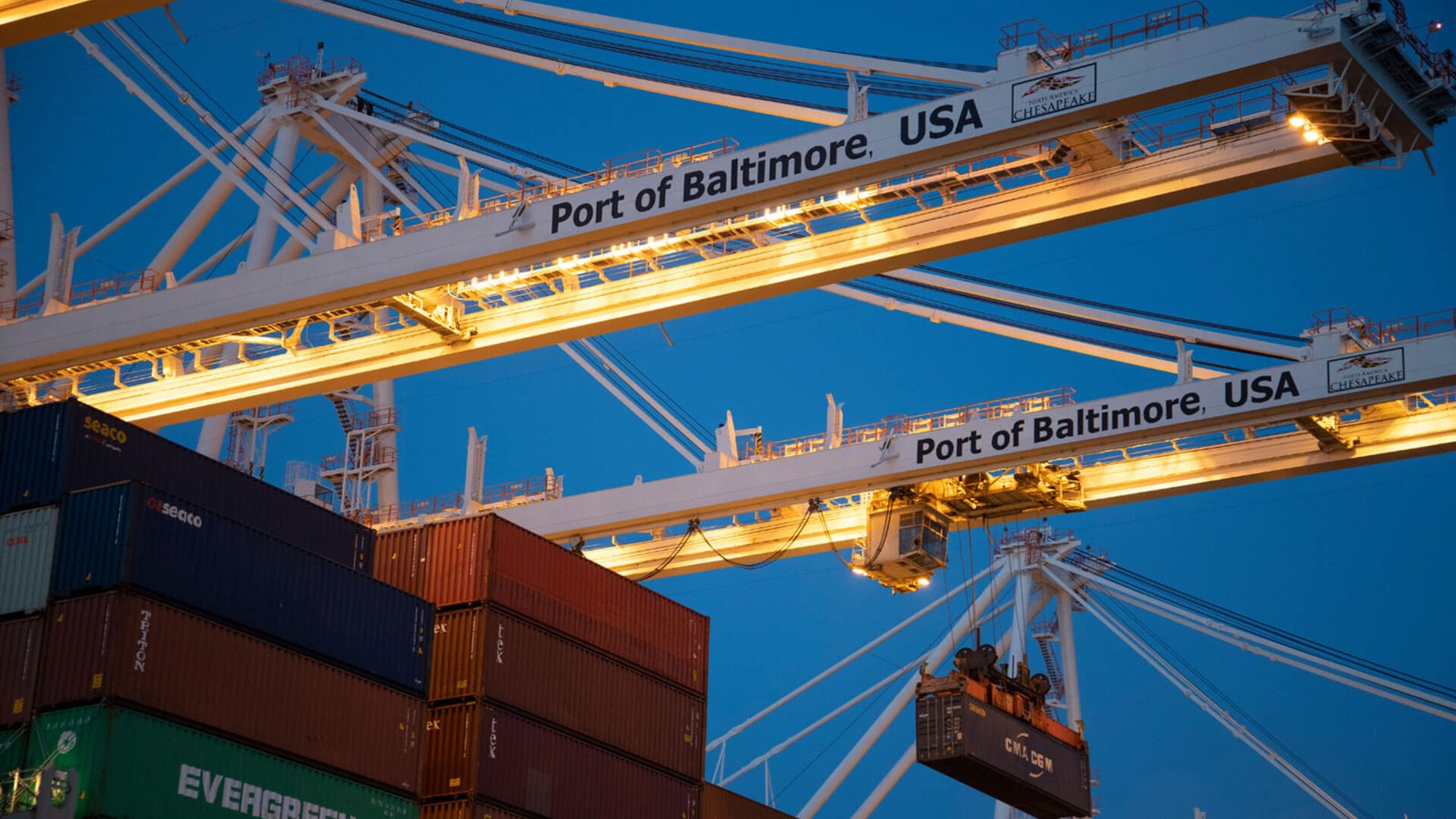
Slow [customs clearance communication](https://www.ups.com/us/en/supplychain/logistics-solutions/customs-brokerage/customs-clearance-guide)10 is one of the biggest and most frustrating pain points for importers. When CBP puts a hold on your container to inspect a document, every hour counts. If your broker takes a day to notify you, you have already lost a day to resolve the issue. That delay can lead to storage fees (demurrage) and late delivery penalties. The best brokers have clear communication protocols and use modern [broker visibility tools](https://www.klearnow.ai/deploy-customs-clearance-visibility-platforms-to-improve-customs-processes/)11. They provide access to a portal where you can see the status of your entry in real-time. As an [ACE portal broker](https://www.cbp.gov/sites/default/files/documents/overview_brokers_fact_sheet_2.pdf)12, they can pull data directly from CBP's system to give you accurate updates. This transparency is not just a "nice to have." It is essential for managing your supply chain. It allows you to see a problem the moment it happens, work with your broker to solve it quickly, and keep your business moving without costly interruptions.
If your broker makes a mistake, who is legally responsible?
You hired a professional, so they are responsible for errors, right? Wrong. The law is crystal clear: you, the importer, are fully liable for any mistakes your broker makes.
Even when a broker files entries, the importer of record remains legally responsible for all customs declarations. This makes broker oversight13, audit readiness, and structured error management essential factors when selecting and managing a customs brokerage relationship.

This is the single most important concept for U.S. importers to understand: [importer of record liability](https://www.unicargo.com/what-is-importer-of-record/)14 is absolute. If your broker misclassifies your goods, resulting in an underpayment of duties, CBP will come to you for the missing duties plus a penalty. They will not go to the broker. This increases your [customs audit risk](https://www.cbp.gov/trade/programs-administration/audits)15. That is why [broker oversight](https://natlawreview.com/article/what-every-multinational-company-should-know-about-overseeing-customs-brokers-and)13 is not micromanagement; it is essential risk management. You should have a process to review the entry summaries (CBP Form 7501) that your broker files on your behalf. Check the key details: Are the HS codes correct? Is the value accurate? Is the country of origin right? If you find an error, a good broker will have a clear process for filing a Post Summary Correction (PSC) to fix it. Choosing a broker who welcomes this oversight and works with you on accuracy is critical to protecting your business from significant financial penalties.
Should you integrate customs brokerage with your freight and logistics services?
Juggling a freight forwarder, a trucker, and a separate customs broker? This creates communication gaps, delays, and finger-pointing when something goes wrong. An integrated provider streamlines the entire process.
End-to-end logistics providers help importers align customs brokerage with freight movement, compliance planning, and delivery execution. This integration reduces handoff delays, improves accountability, and lowers total landed cost by treating customs clearance as part of a single process.
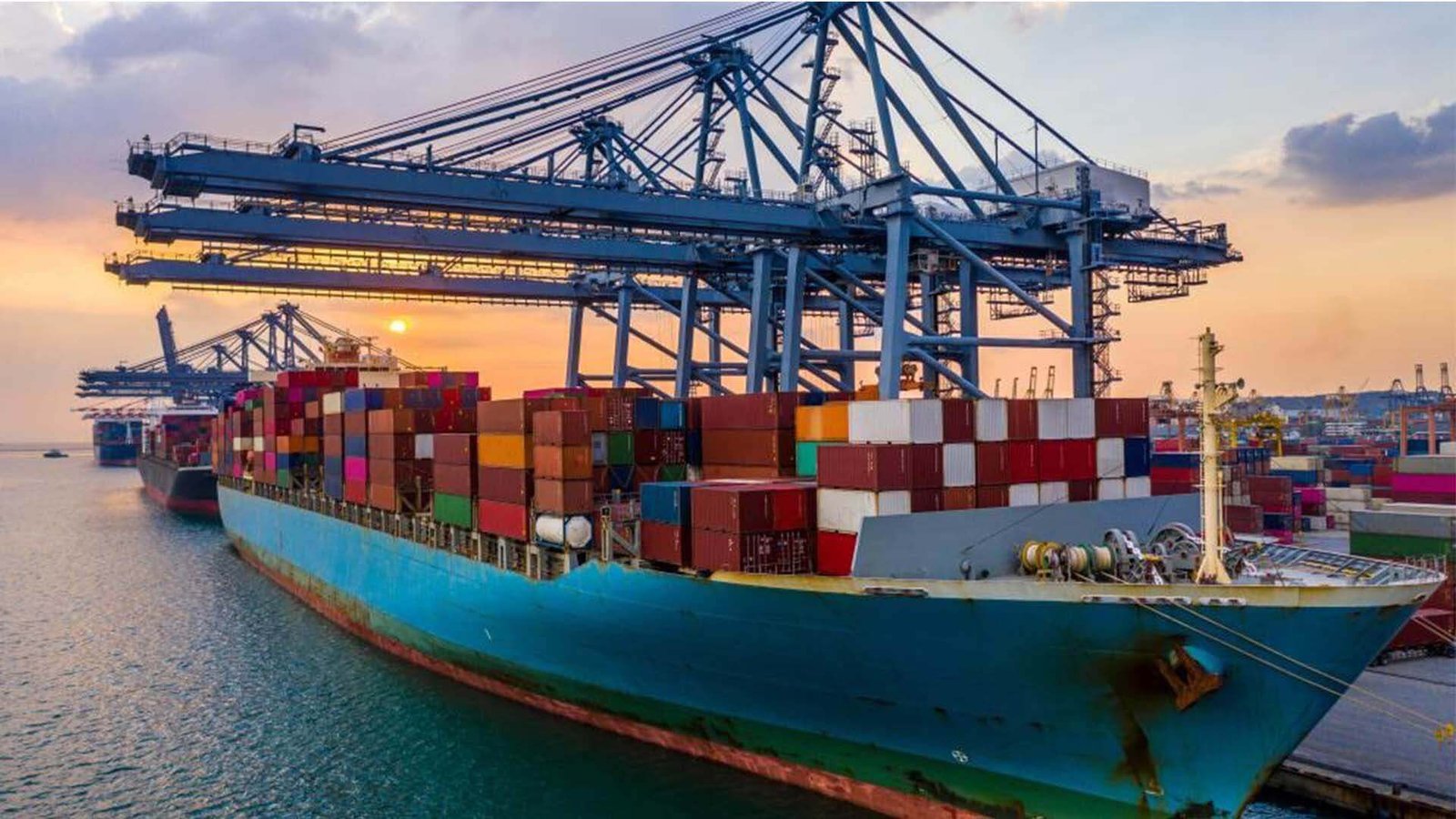
From my experience, importers see the biggest gains in efficiency and cost savings when they use a single provider for both freight forwarding and customs brokerage services. When one company manages the shipment from the factory in China to your door in the USA, the process is seamless. There are no handoff delays between the freight forwarder and the broker. The customs team gets the documents as soon as the cargo is booked, allowing them to prepare for clearance well before the ship arrives. This [integrated logistics compliance](https://www.warehousingexpress.com/blogs/integrated-logistics-what-it-is-and-why-it-matters-today)16 approach provides a single point of accountability. If there is a delay, there is no one else to blame. One team is responsible for solving the problem. This ultimately leads to [landed cost optimization](https://www.qad.com/blog/2024/07/what-is-landed-cost-and-its-importance)17. By eliminating communication gaps and pre-clearing shipments, you can significantly reduce the risk of expensive port storage fees and ensure your total costs are as low as possible.
Conclusion
Choosing a customs broker is a critical risk management decision. Focus on compliance, experience, and oversight, not just price, to protect your business and streamline your supply chain.
A customs broker executes the process, but the importer owns the risk — choosing the right broker is about control, not delegation.
A broker's compliance history reveals their diligence and risk management skills, crucial for avoiding costly fines and delays in your import process. ↩
A broker with industry experience is less likely to make errors, ensuring smooth customs clearance and reducing the risk of penalties. ↩
Understanding customs enforcement actions helps you choose a broker who can protect your business from legal issues and costly penalties. ↩
Understanding customs compliance risk helps you choose a broker who can effectively manage legal obligations and protect your business from penalties. ↩
Understanding customs broker licensing ensures you choose a legally compliant partner to handle your import entries, protecting your business from legal issues. ↩
Experienced brokers are more adept at handling specific products and regulations, reducing the risk of costly errors and delays. ↩
Proper HS classification support prevents misclassification, reducing the risk of fines and ensuring compliance with customs regulations. ↩
Customs valuation guidance ensures accurate pricing on invoices, preventing issues with duties and compliance, and avoiding costly penalties. ↩
PGA compliance ensures that all regulatory requirements are met before shipping, preventing shipment holds and ensuring smooth customs clearance. ↩
Effective communication with your broker ensures timely updates, preventing costly delays and storage fees during the customs clearance process. ↩
Broker visibility tools provide real-time updates on shipment status, allowing importers to quickly address issues and maintain supply chain efficiency. ↩
An ACE portal broker provides direct access to CBP data, ensuring accurate and timely updates, which is crucial for efficient customs clearance. ↩
Broker oversight ensures accuracy in customs entries, reducing the risk of errors and penalties, and safeguarding your business's compliance. ↩
Understanding importer of record liability is crucial as it holds you accountable for customs declarations, impacting your legal and financial standing. ↩
Managing customs audit risk is essential to avoid penalties and ensure compliance, protecting your business from financial and legal repercussions. ↩
Integrated logistics compliance streamlines the import process, reducing delays and costs by ensuring seamless coordination between freight and customs services. ↩
Landed cost optimization helps reduce total import costs by streamlining processes and minimizing delays, enhancing your business's profitability. ↩